Loading subject page…

2,733 views

Video Summary: Strengthening Collaboration Across Roles
Strengthening collaboration across roles means creating the conditions for a team to coordinate effectively by aligning on goals, clarifying individual contributions, and understanding how work connects. This approach to building trust and collaboration addresses coordination gaps by giving every team member a clear picture of what they are responsible for and how their work affects others, so the team can move forward with less confusion and fewer delays.
Collaboration starts with shared direction. When every team member understands the expected outcomes, they can make decisions and prioritize tasks consistently. Without this alignment, people often work toward different targets, which creates confusion and slows the team down. Connecting individual work to aligning people and roles in teams gives this shared direction structure.
Knowing your own job is not enough if you do not understand how it fits into the larger process. A manager who explains how each person's contribution connects to the shared goal helps team members see the full picture. This mutual understanding reduces friction and supports building trust within a new team by making everyone's purpose visible.
Responsibility assignment means giving each task a named owner and setting unambiguous expectations for what that person is accountable for delivering. When ownership is unclear, tasks stall and team members second-guess who should act. Pairing this with delegating work with clarity and accountability makes the expectations concrete and actionable.
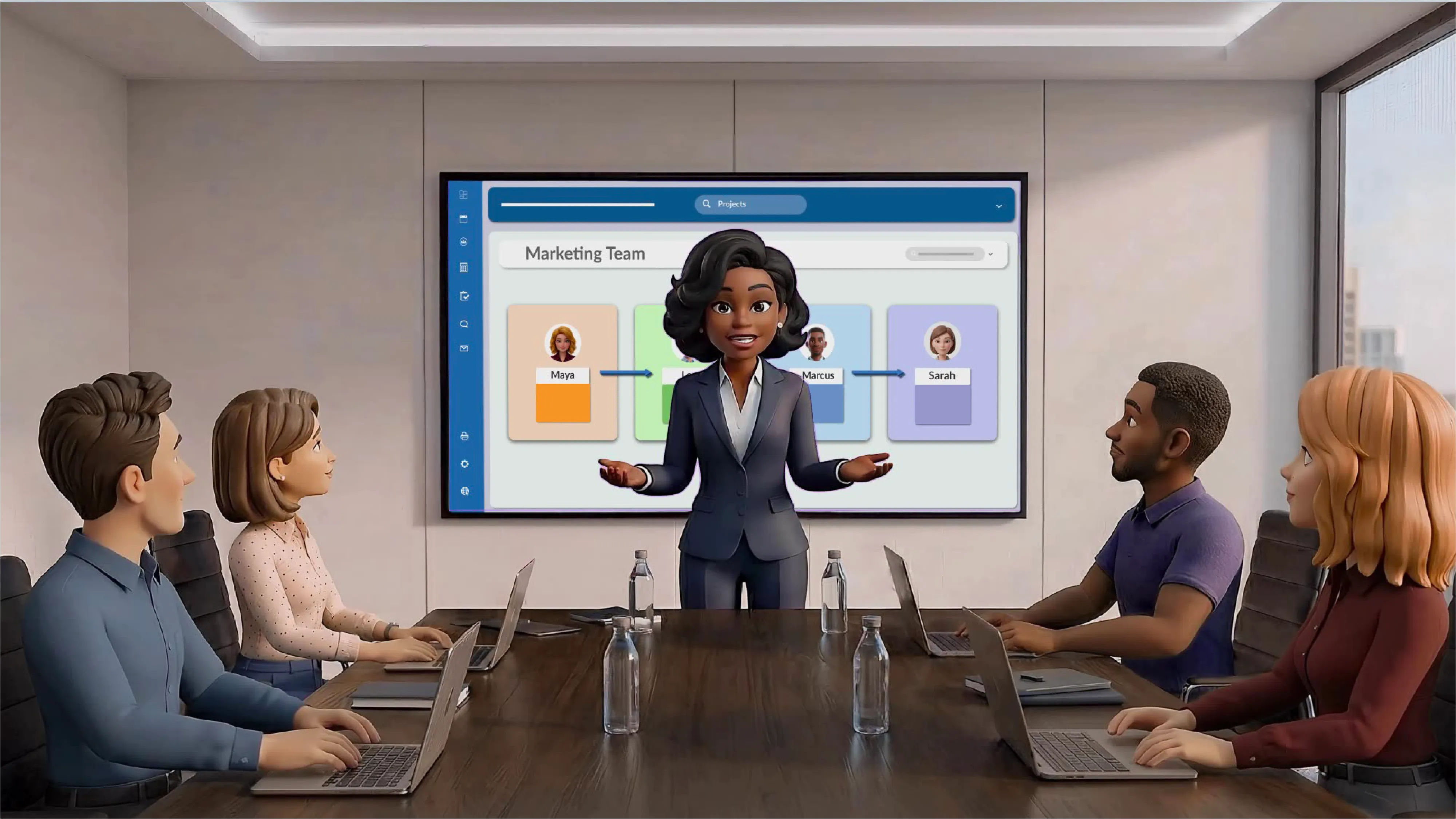
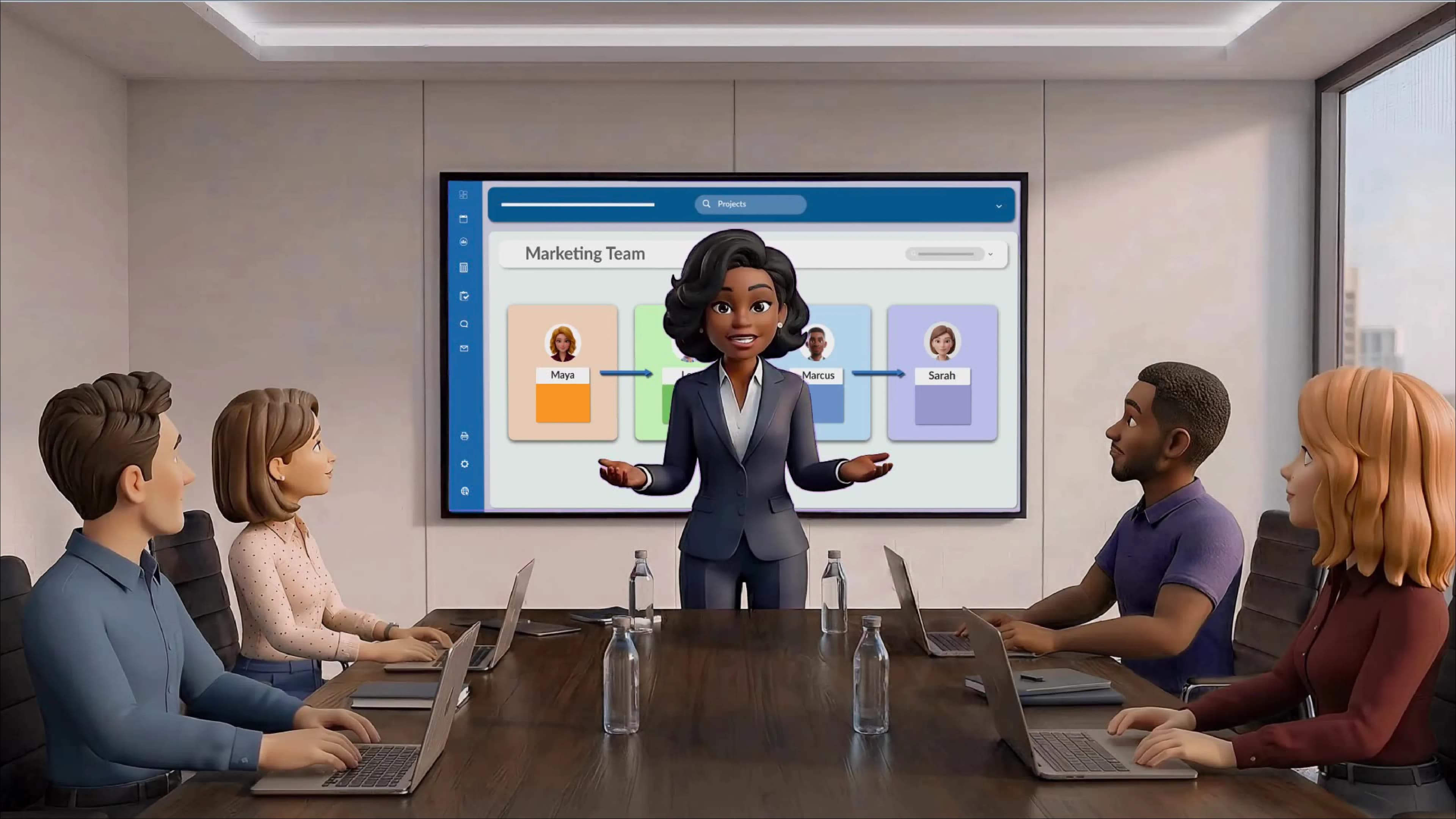
Dependencies exist when one person's output becomes another person's input. Mapping these connections shows the team where coordination is required and prevents surprises when work is delayed. Once the dependencies are visible, team members know who to communicate with proactively rather than discovering handoff problems after the fact.
Identifying dependencies is only useful if the team acts on that knowledge. Regular communication gives team members a structured way to flag delays, surface gaps early, and adjust before problems compound. Encouraging openness and transparency across the team makes this kind of honest, timely coordination possible.
Related Micro-courses