Loading video…


 22 Concepts
 188.2K views

Video Summary: Factors Affecting the Risk of Infection Explained
Why do some people catch every cold while others stay healthy during flu season? The factors affecting risk infection involve complex interactions between your body's defenses and environmental threats. Consider how healthcare workers at Johns Hopkins Hospital use strict protocols because compromised skin barriers dramatically increase infection rates. Understanding Factors Affecting The Risk of Infection Explained reveals why age, immune status, nutrition, and existing health conditions create vulnerability patterns that medical professionals must carefully assess. Watch the full video on JoVE Coach to master this concept with expert-led visuals and step-by-step explanations.
Infection susceptibility represents a complex interplay between host defenses, pathogen characteristics, and environmental conditions. Medical professionals at institutions like the CDC and Mayo Clinic emphasize that infection risk assessment requires evaluating multiple interconnected factors that can tip the balance between health and disease.
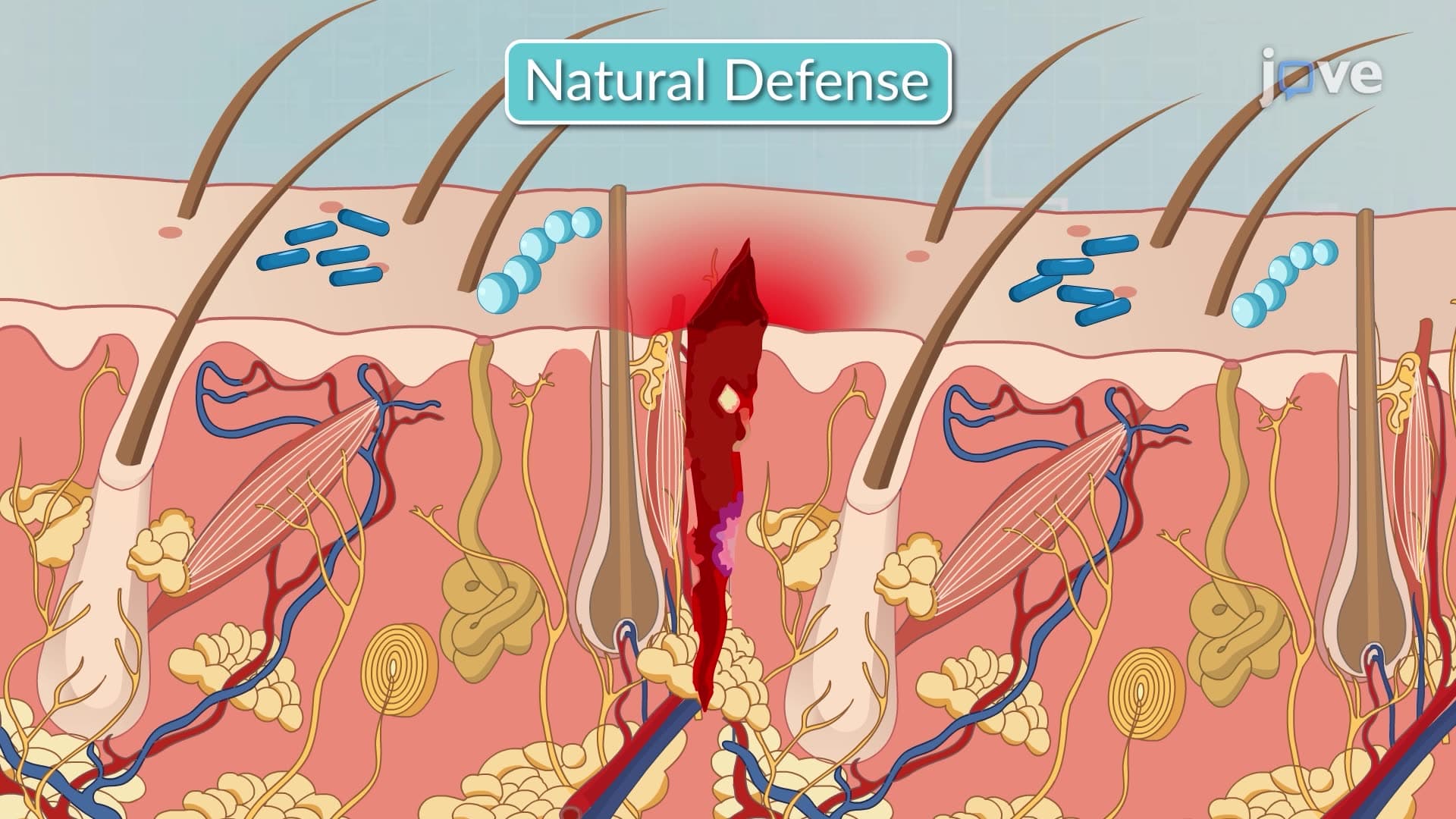
The body's first line of defense includes skin and mucous membranes that create physical barriers against pathogen invasion. When surgical wounds compromise skin integrity at hospitals like Cleveland Clinic, infection control protocols become critical because breach sites provide direct pathogen access. White blood cell count and function serve as primary indicators of immune system health-conditions like leukopenia (low white cell count) dramatically increase infection susceptibility, which is why cancer patients receiving chemotherapy at centers like MD Anderson require careful monitoring.
pH balance maintenance across body systems creates hostile environments for many pathogens. The stomach's acidic environment (pH 1.5-2.0) normally prevents bacterial overgrowth, but acid-suppressing medications can disrupt this protection. Similarly, vaginal pH changes increase urinary tract infection risks, explaining why conditions like diabetes mellitus correlate with higher infection rates. These concepts frequently appear on MCAT passages testing integrated physiology understanding.
Age represents a critical infection risk factor, with elderly populations showing increased susceptibility due to immunosenescence-the natural decline in immune function over time. Nursing homes across the United States implement enhanced infection control measures because residents face elevated risks from influenza, pneumonia, and healthcare-associated infections. Nutritional status directly impacts immune function, as protein-energy malnutrition impairs antibody production and cellular immunity. This connection appears regularly in NCLEX questions testing nursing students' understanding of patient vulnerability assessment.
Stress hormones like cortisol suppress immune responses, explaining why college students often become ill during finals week. Pre-existing conditions such as diabetes, HIV, or autoimmune diseases create immunocompromised states that require modified treatment approaches and enhanced preventive measures in clinical practice.
Related Micro-courses