Loading subject page…


188,207 views


Video Summary: Transmission Based Precautions I Contact Explained
Did you know that contact precautions alone prevent thousands of healthcare-associated infections daily in US hospitals? Transmission based precautions I represent critical infection control measures that healthcare workers use to protect patients and staff from dangerous pathogens. For example, when a patient at Johns Hopkins Hospital contracts MRSA, specific contact precautions immediately activate to prevent spread throughout the facility. Transmission Based Precautions I Contact Explained covers essential isolation protocols, PPE requirements, and equipment handling procedures that form the foundation of modern infection control. Watch the full video on JoVE Coach to master this concept with expert-led visuals and step-by-step explanations.
Transmission-based precautions represent the second tier of infection prevention and control in healthcare settings, building upon standard precautions to address specific routes of disease transmission. Contact precautions specifically target pathogens that spread through direct patient contact or contact with contaminated surfaces and equipment. These protocols become essential when dealing with multidrug-resistant organisms (MDROs) like methicillin-resistant Staphylococcus aureus (MRSA), vancomycin-resistant enterococci (VRE), and Clostridioides difficile.
Healthcare facilities across the United States implement contact precautions through systematic patient isolation protocols. Patients requiring contact precautions typically receive private rooms, or when unavailable, may share rooms with patients infected with the same organism (cohorting). At major medical centers like Cleveland Clinic and Mayo Clinic, specialized isolation units handle high-risk patients with advanced air filtration and dedicated nursing staff. Patient movement outside isolation rooms requires careful coordination and additional protective measures.
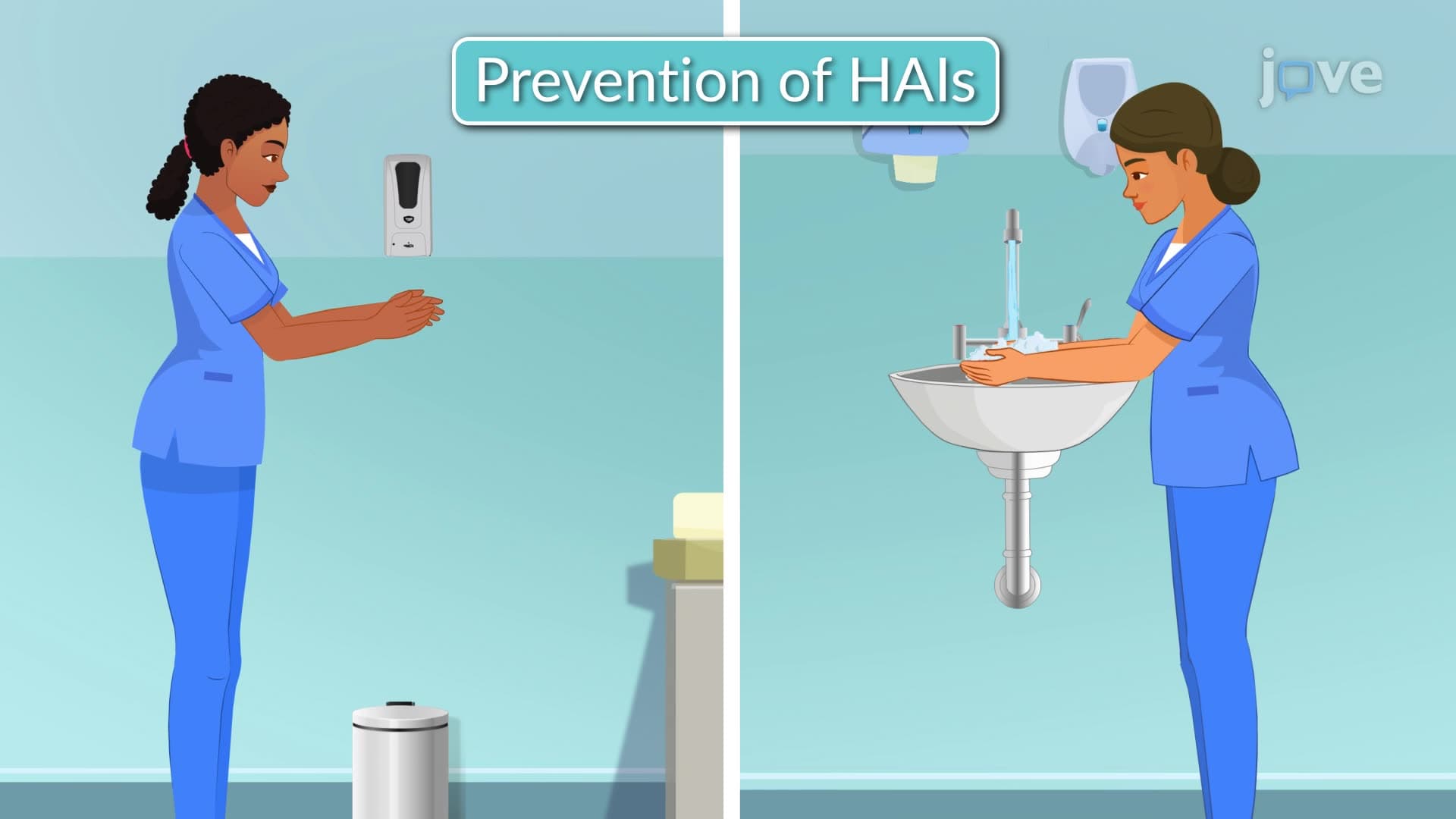
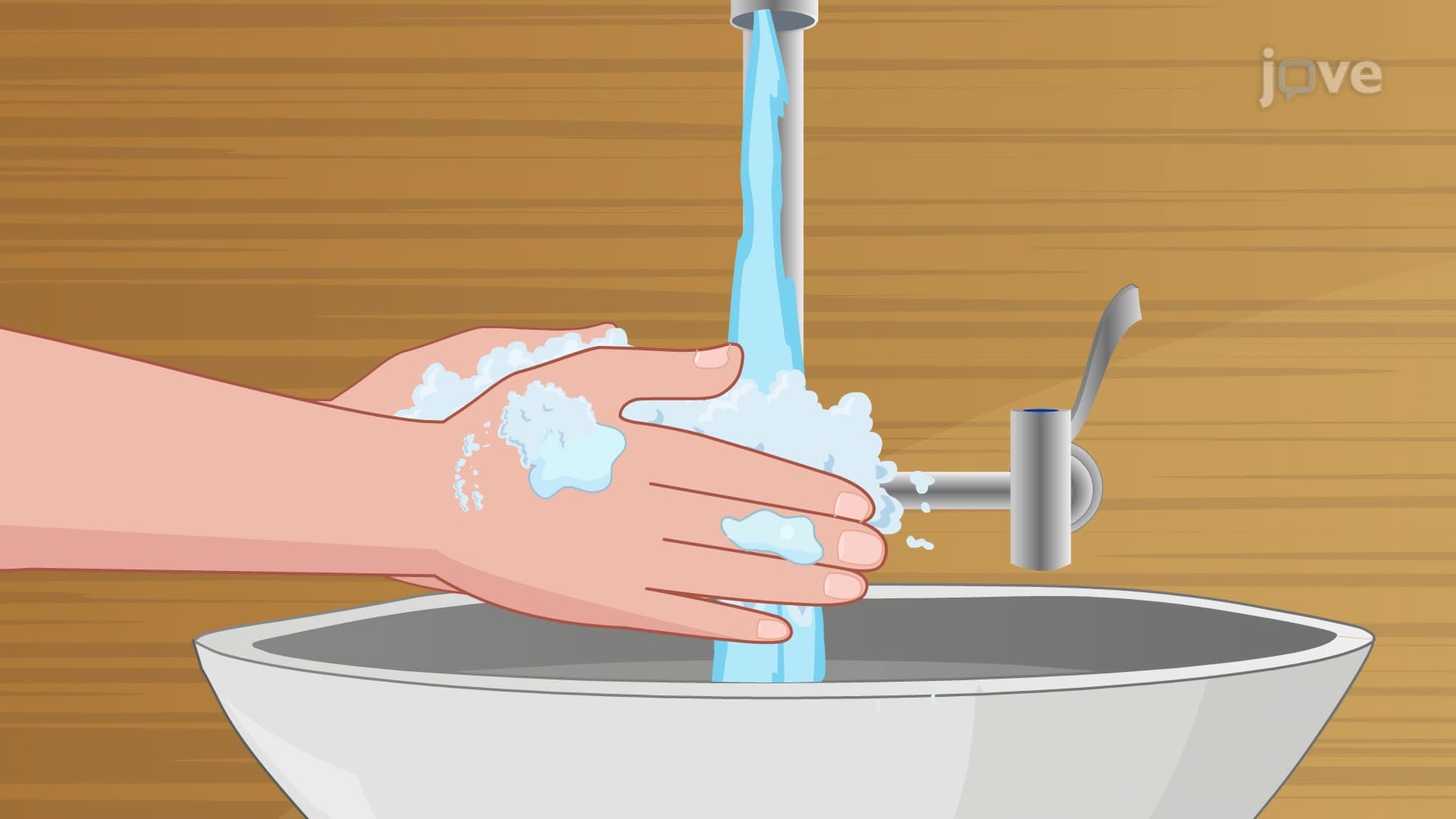
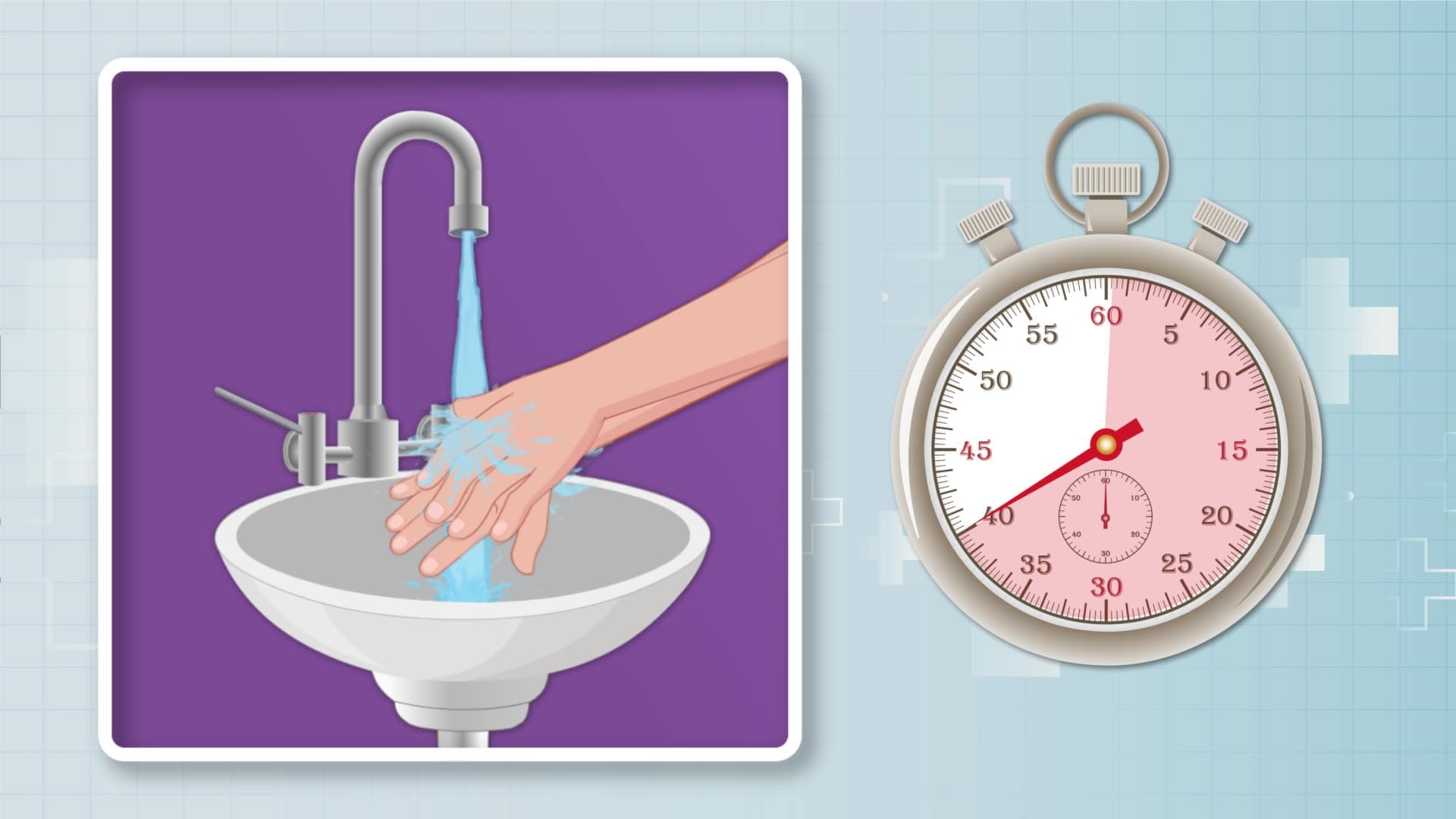
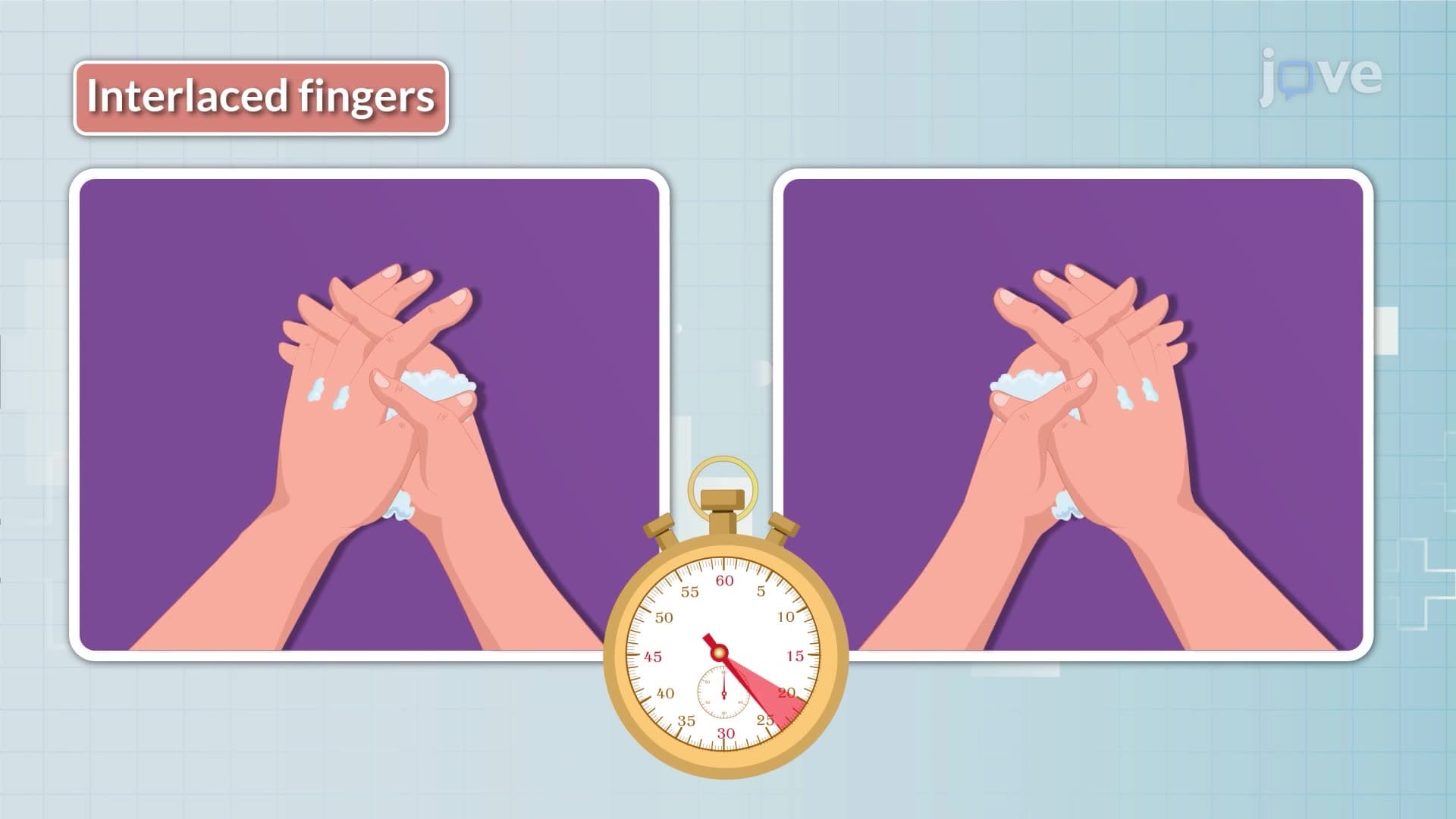
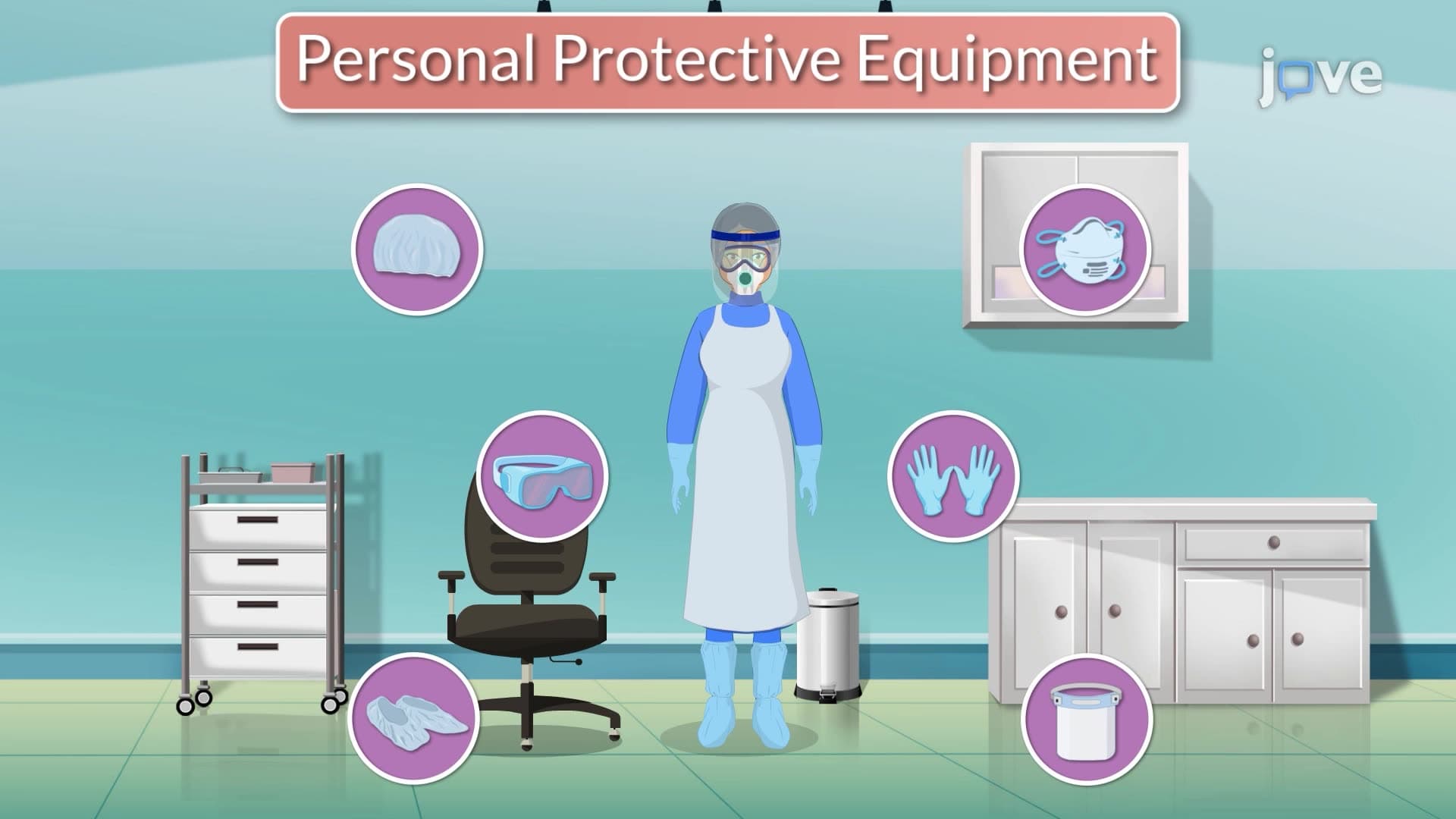
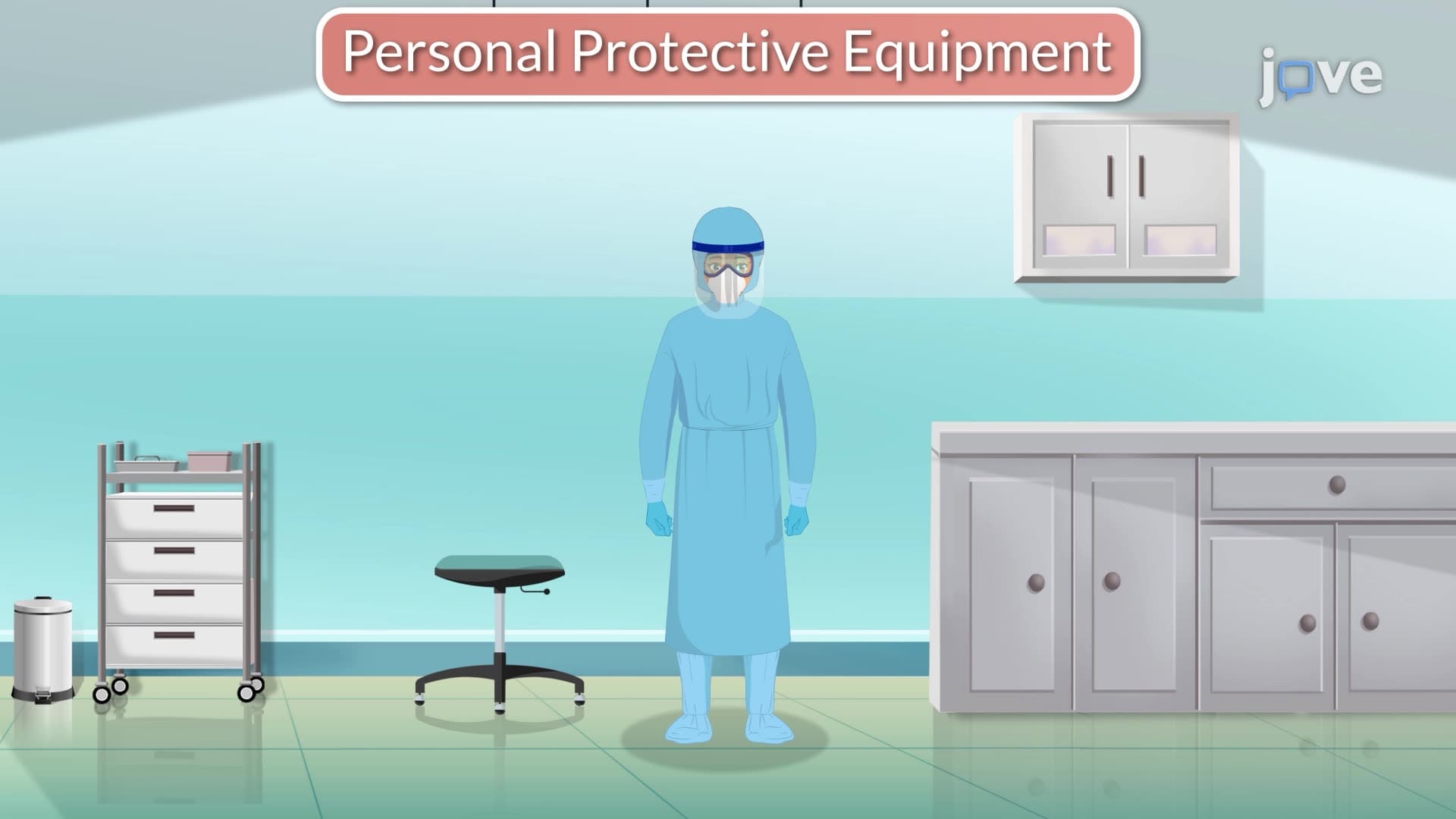
Contact precautions mandate specific PPE requirements that exceed standard precautions. Healthcare workers must don gloves and gowns before entering patient rooms and remove them before leaving, following strict donning and doffing procedures. The CDC emphasizes proper hand hygiene as the cornerstone of contact precaution effectiveness. Studies from US hospitals demonstrate that compliance with contact precaution protocols reduces healthcare-associated infection rates by up to 40%.
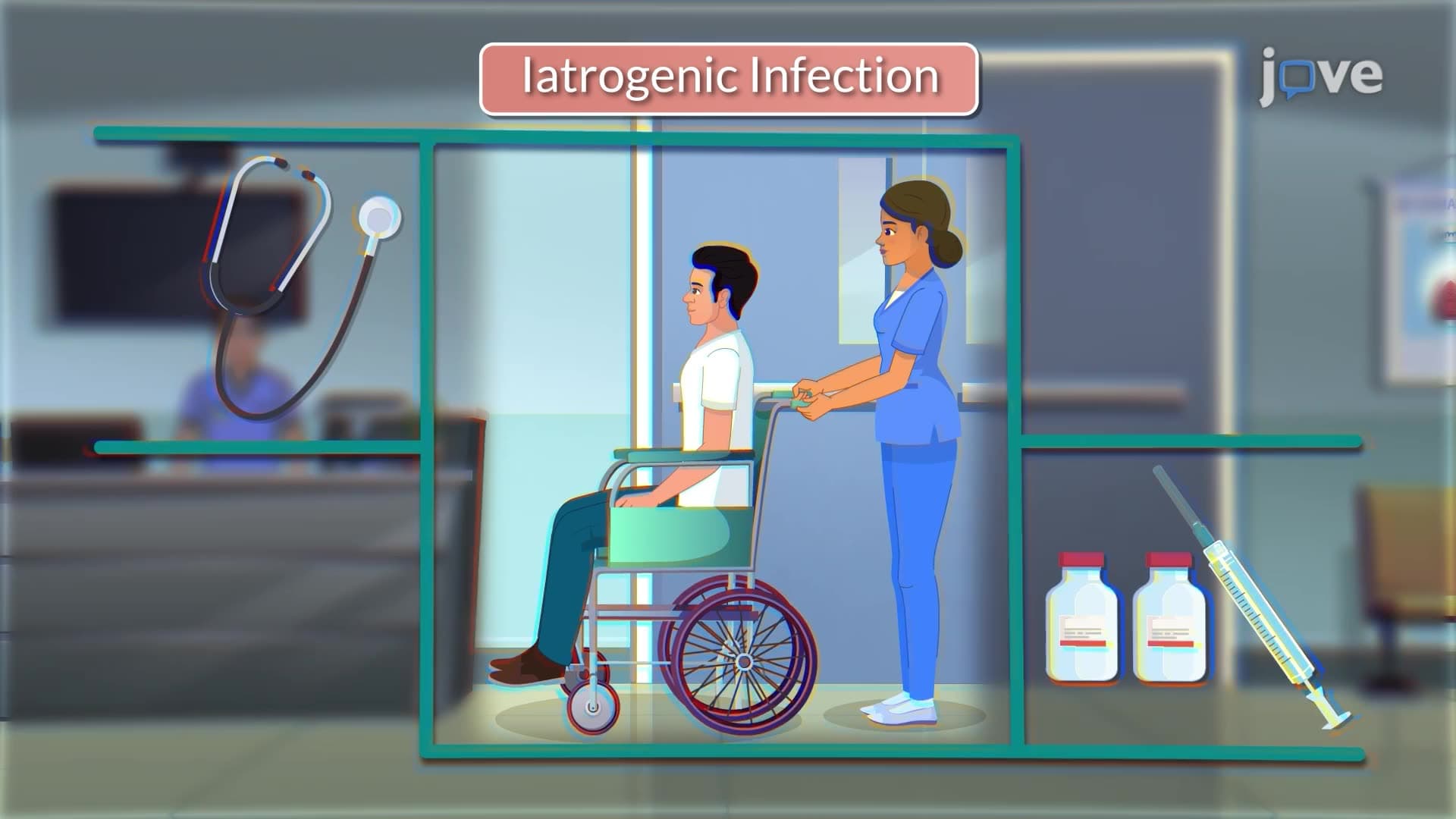
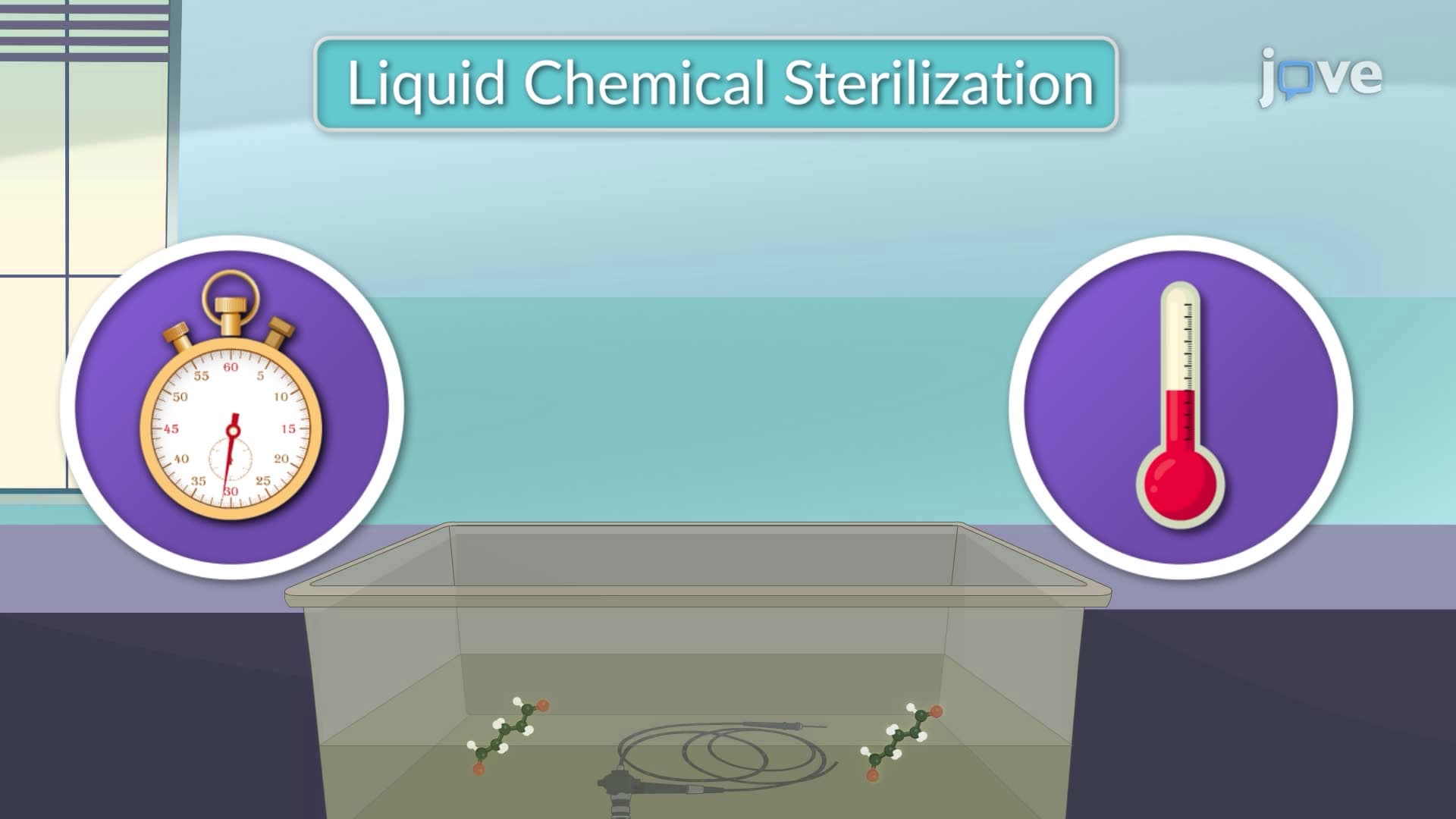
Dedicated patient-care equipment prevents cross-contamination between patients under contact precautions. Items like stethoscopes, blood pressure cuffs, and thermometers remain in isolation rooms for exclusive patient use. When shared equipment becomes necessary, rigorous disinfection protocols using EPA-approved disinfectants ensure pathogen elimination. Environmental services teams receive specialized training for cleaning isolation rooms, focusing on high-touch surfaces and proper waste disposal procedures.
This knowledge proves essential for students preparing for healthcare careers, as contact precautions appear frequently on NCLEX examinations, MCAT questions, and college microbiology courses. Understanding these protocols prepares future healthcare professionals for real-world clinical situations where infection prevention directly impacts patient outcomes and public health safety.
Related Micro-courses