Loading subject page…


188,206 views


Video Summary: Handwashing I Introduction and Types Explained
Did you know that proper handwashing can prevent up to 21% of respiratory infections and 31% of diarrheal diseases? Understanding handwashing i introduction types reveals why this simple procedure requires specific equipment and technique standards. In US hospitals like Johns Hopkins, following proper handwashing protocols saves thousands of lives annually by preventing healthcare-associated infections. Handwashing I Introduction And Types Explained covers the essential components, from antimicrobial soap selection to washbasin placement requirements. Watch the full video on JoVE Coach to master this concept with expert-led visuals and step-by-step explanations.
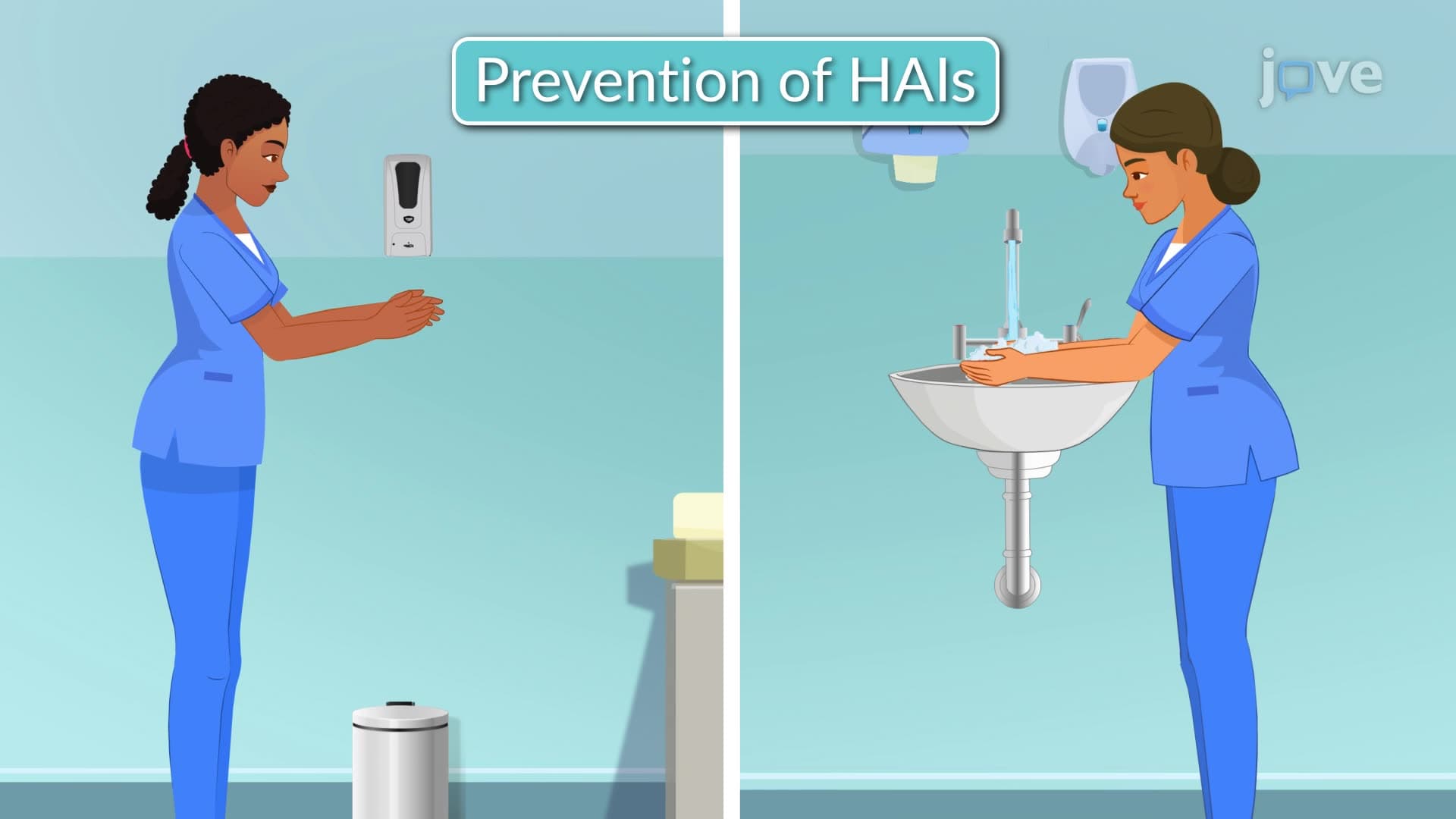
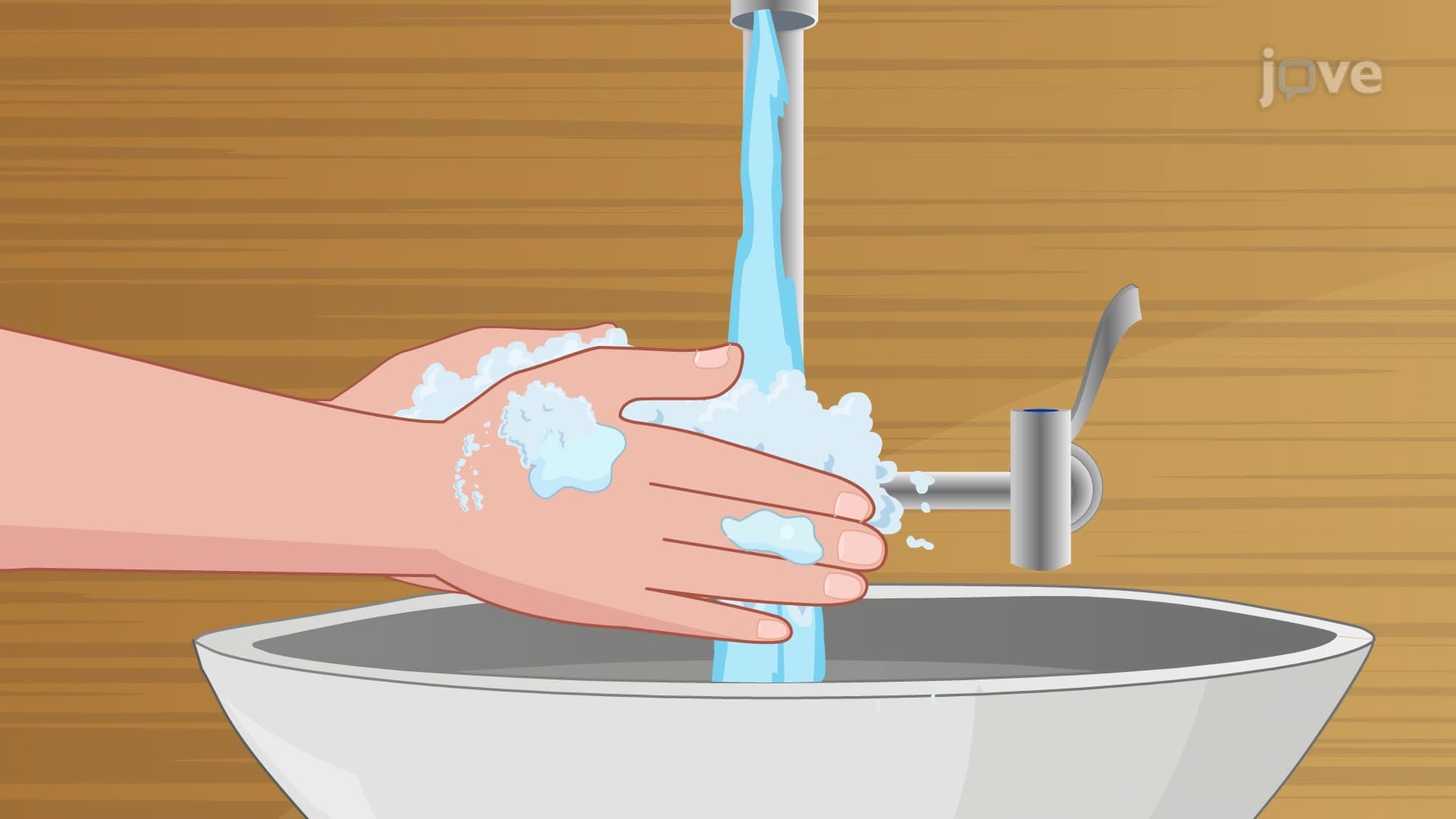
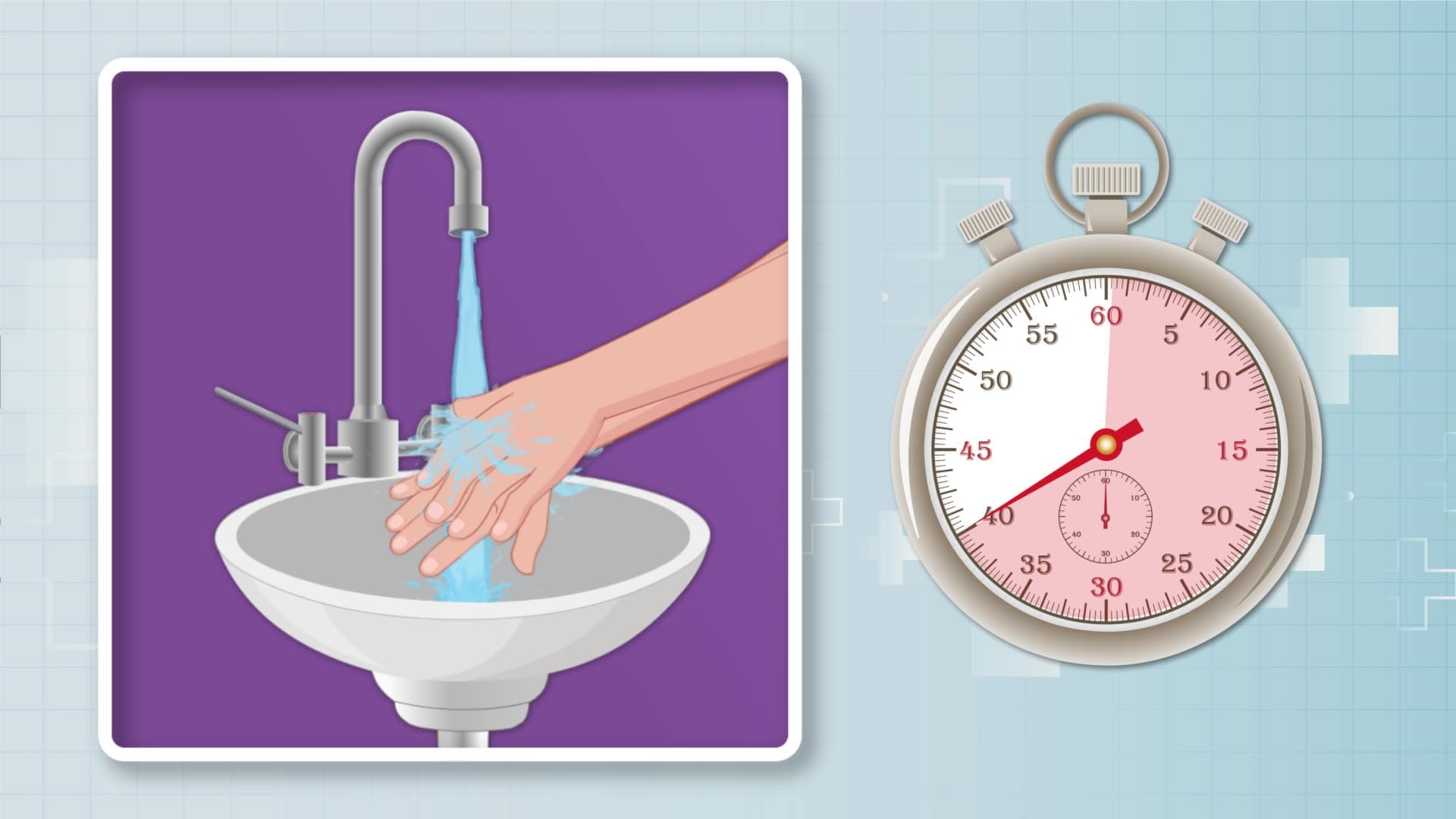
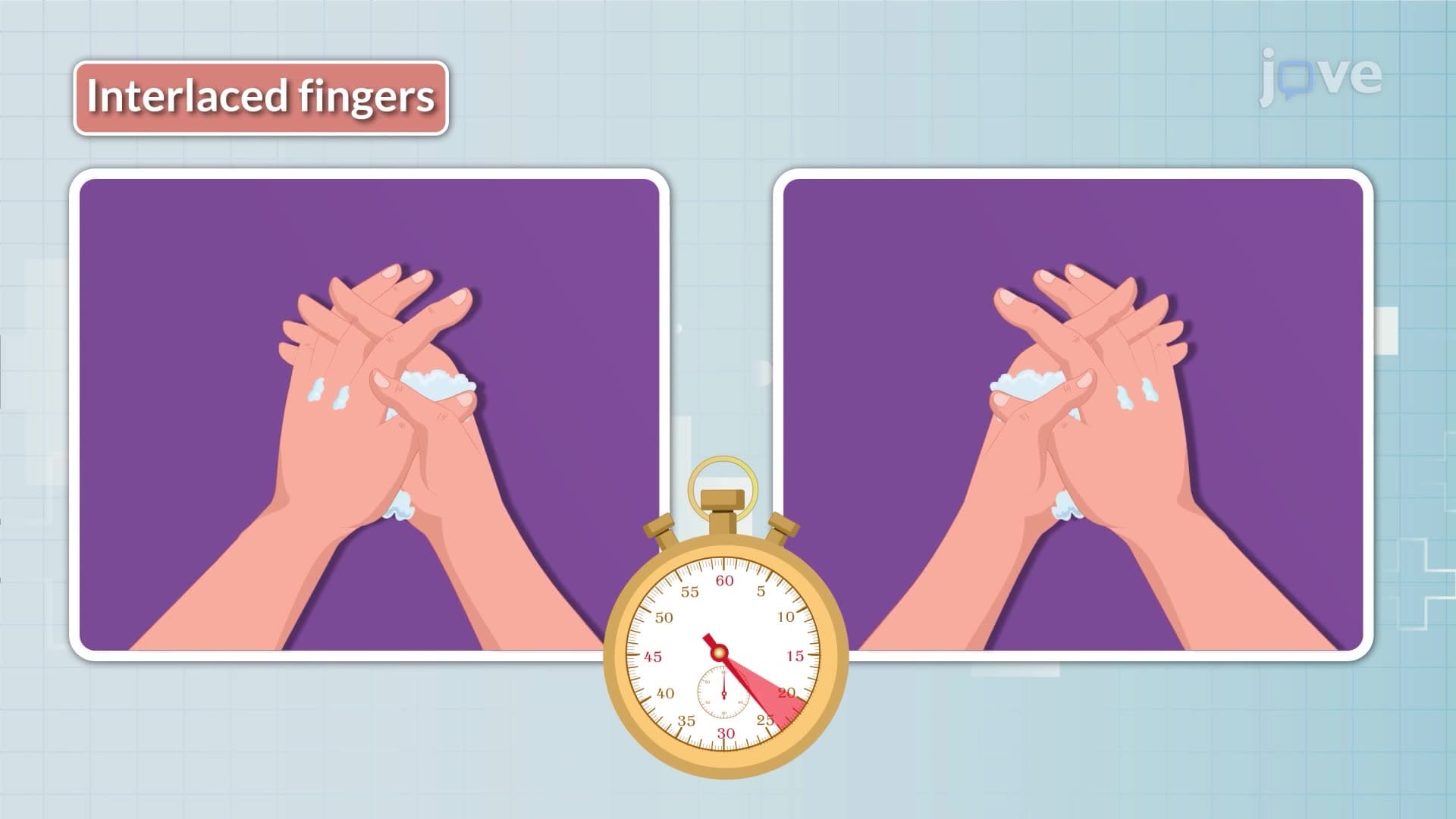
Handwashing I Introduction And Types Explained encompasses the systematic approach to hand hygiene that forms the foundation of infection control in healthcare settings. This procedure involves the physical removal of dirt, organic material, and microorganisms through the coordinated use of water, soap, and proper technique. The distinction between plain soap handwashing and antimicrobial soap handwashing depends on the clinical context and risk assessment.
The handwashing setup requires seven critical components that work synergistically. The hand washbasin serves as the central fixture and must meet specific design criteria. In US healthcare facilities following Joint Commission standards, basins must be non-touch or lever-operated to prevent recontamination. The positioning strategy prevents cross-contamination-taps positioned away from drainage outlets eliminate splash-back containing drain organisms.
Liquid soap dispensers require strategic placement within arm's reach of the washbasin. This proximity prevents soap dripping onto floors, which creates slip hazards that contribute to over 20,000 healthcare worker injuries annually in US hospitals. The soap selection between plain and antimicrobial formulations depends on the procedure type and institutional protocols established by infection control committees.
Paper towel dispensers attached to walls near washbasins complete the hand hygiene station. High-quality towels capable of effective drying with one or two uses reduce waste and improve compliance rates. Studies from the CDC demonstrate that proper towel placement increases handwashing adherence by up to 15% among healthcare workers.
The waste management component involves pedal-operated bins positioned for easy towel disposal without hand contact. This closed-loop system prevents recontamination after the handwashing procedure is complete. The entire setup must remain unobstructed to ensure accessibility for all staff members, including those with mobility considerations.
This handwashing framework appears frequently in nursing fundamentals courses, NCLEX preparation, and medical assistant training programs. Students studying for the HESI A2 or TEAS exams encounter questions about proper equipment setup and infection control principles. Understanding these concepts proves essential for clinical rotations in US nursing programs, where hand hygiene compliance directly impacts patient safety scores and institutional accreditation status.
Related Micro-courses