Loading video…


 22 Concepts
 188.2K views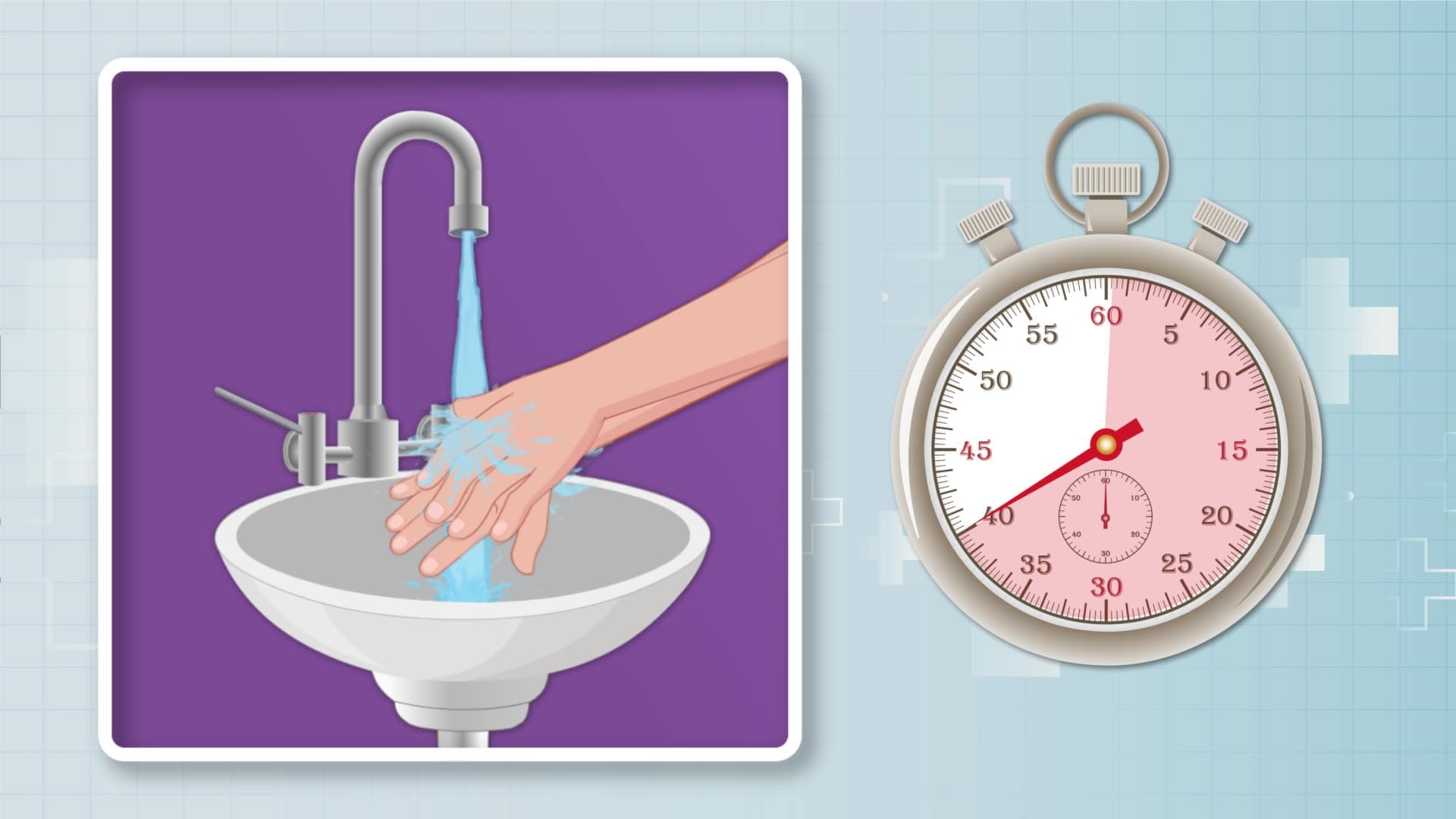

Video Summary: Handwashing Ii Pre Procedure and Guide
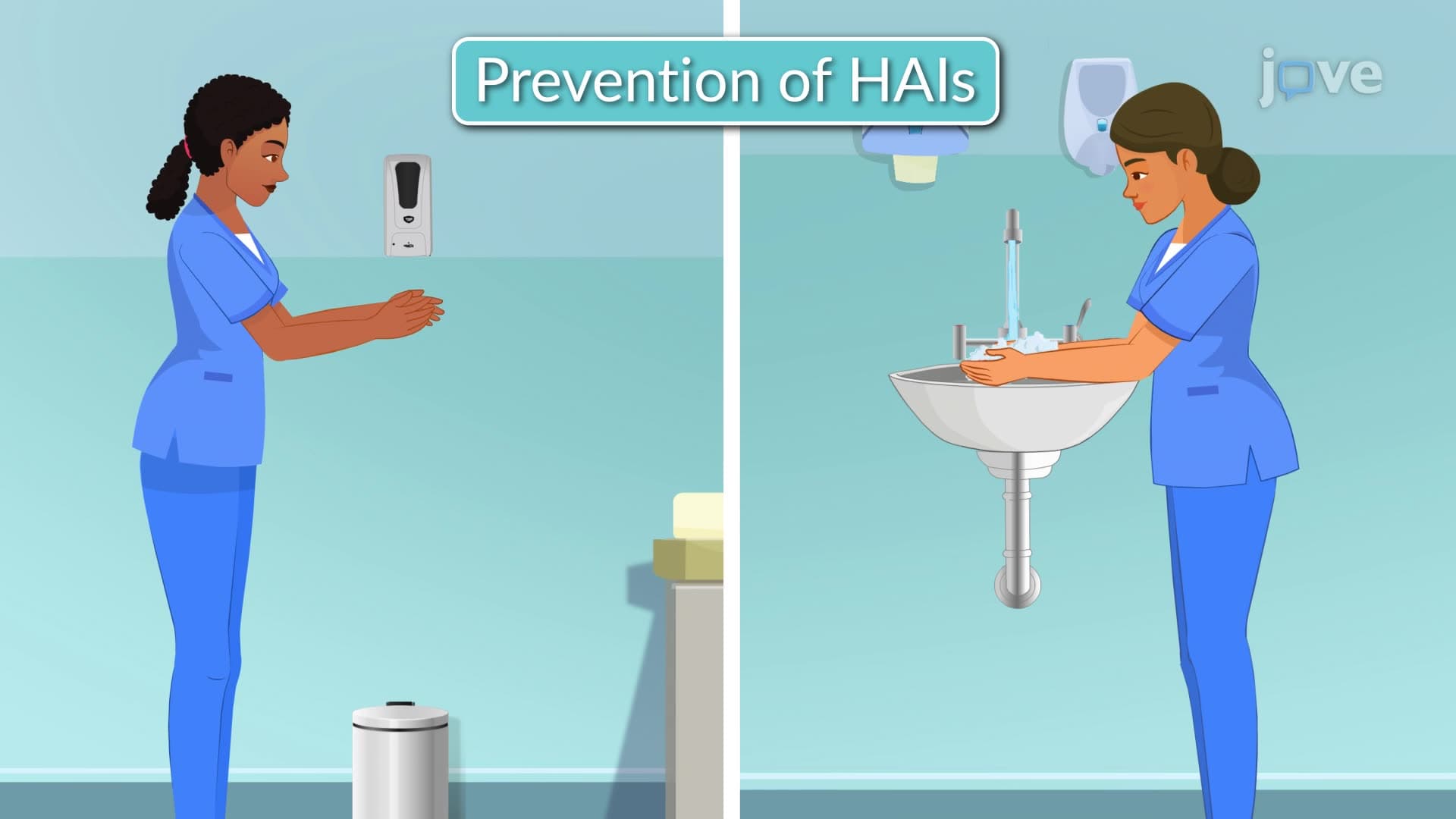
Healthcare workers perform handwashing procedures over 100 times per shift, yet improper technique remains a leading cause of healthcare-associated infections in US hospitals. The handwashing ii pre procedure requires specific preparation steps including jewelry removal, sleeve management, and proper water temperature adjustment before the actual cleansing begins. For example, nurses at Johns Hopkins Hospital must follow strict pre-handwashing protocols to prevent cross-contamination between patients. This Handwashing II Pre Procedure And Guide covers essential preparation techniques that ensure effective hand hygiene. Watch the full video on JoVE Coach to master this concept with expert-led visuals and step-by-step explanations.
The handwashing ii pre procedure represents a critical foundation in infection control protocols used throughout US healthcare systems. This systematic approach ensures that healthcare workers eliminate potential contamination sources before beginning the actual handwashing process. Unlike basic hand hygiene taught in elementary health classes, this advanced procedure follows evidence-based guidelines established by the Centers for Disease Control and Prevention (CDC) and implemented in hospitals from Mayo Clinic to UCLA Medical Center.
Effective handwashing begins long before soap touches skin. Healthcare professionals must first address potential contamination reservoirs that standard washing cannot adequately address. Jewelry removal represents the most critical step, as studies conducted at Harvard Medical School demonstrate that rings, bracelets, and watches harbor bacteria in microscopic crevices even after thorough cleaning. This principle applies equally to nail enhancements, where acrylic nails and polish create breeding grounds for pathogens like *Staphylococcus aureus* and *E. coli*.
Sleeve management prevents rapid re-contamination during the washing process. Long sleeves that contact sink surfaces or water can transfer bacteria back to freshly cleaned hands within seconds. This concept frequently appears on NCLEX-RN examinations, where nursing students must identify proper technique sequences to maintain sterile environments.
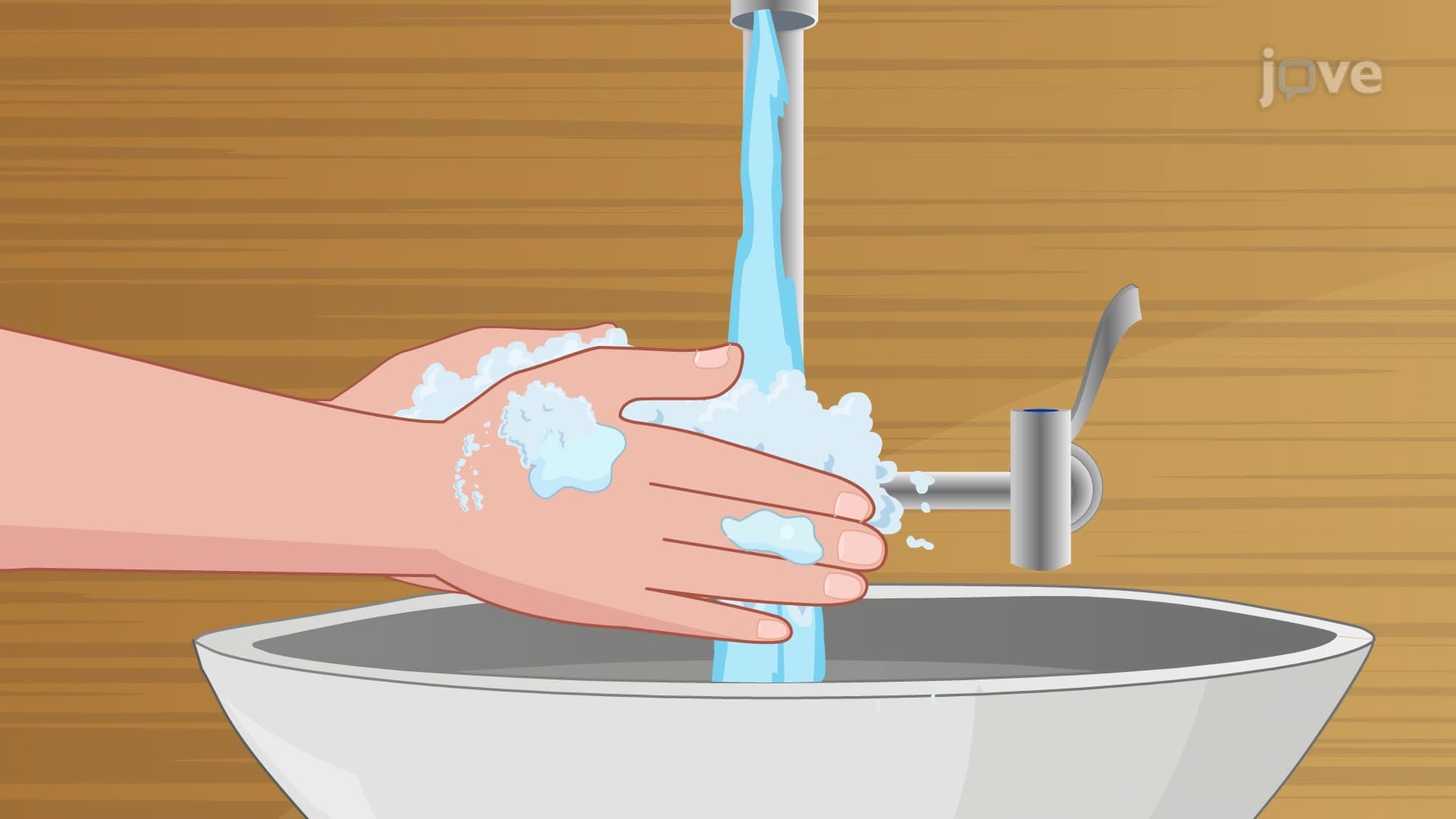
Optimal water temperature balances comfort with effectiveness, typically ranging between 100-110°F. This temperature range, commonly tested on HESI A2 exams, removes natural skin oils without causing thermal damage that could compromise skin barrier function. Proper flow rate prevents splashing, which can aerosolize bacteria and contaminate previously clean surfaces within a three-foot radius.
The handwashing ii pre procedure frequently appears in various US academic assessments. AP Biology students encounter these concepts when studying disease transmission and prevention. MCAT examinations include questions about infection control mechanisms in healthcare settings. College-level microbiology courses at institutions like Stanford and University of Michigan emphasize these procedures as fundamental laboratory safety protocols.
Healthcare simulation labs across US medical schools use these exact protocols to train future physicians and nurses, making this knowledge essential for students pursuing healthcare careers.
Related Micro-courses