Loading subject page…


188,207 views

Video Summary: Methods of Sterilization Ii Chemical Methods Guide
Ever wondered how delicate medical devices like pacemakers are sterilized without heat damage? Methods of sterilization II chemical methods provide the answer through sophisticated chemical processes that eliminate all microorganisms without compromising sensitive equipment. In US hospitals, facilities like Johns Hopkins use ethylene oxide sterilization for heat-sensitive surgical instruments, ensuring patient safety while preserving device functionality. Watch the full video on JoVE Coach to master this concept with expert-led visuals and step-by-step explanations.
Chemical sterilization represents a critical advancement in medical device processing, particularly for heat-sensitive equipment that cannot withstand traditional steam sterilization. This sophisticated approach uses specific chemical compounds to achieve complete microbial elimination while preserving the integrity of delicate medical instruments.
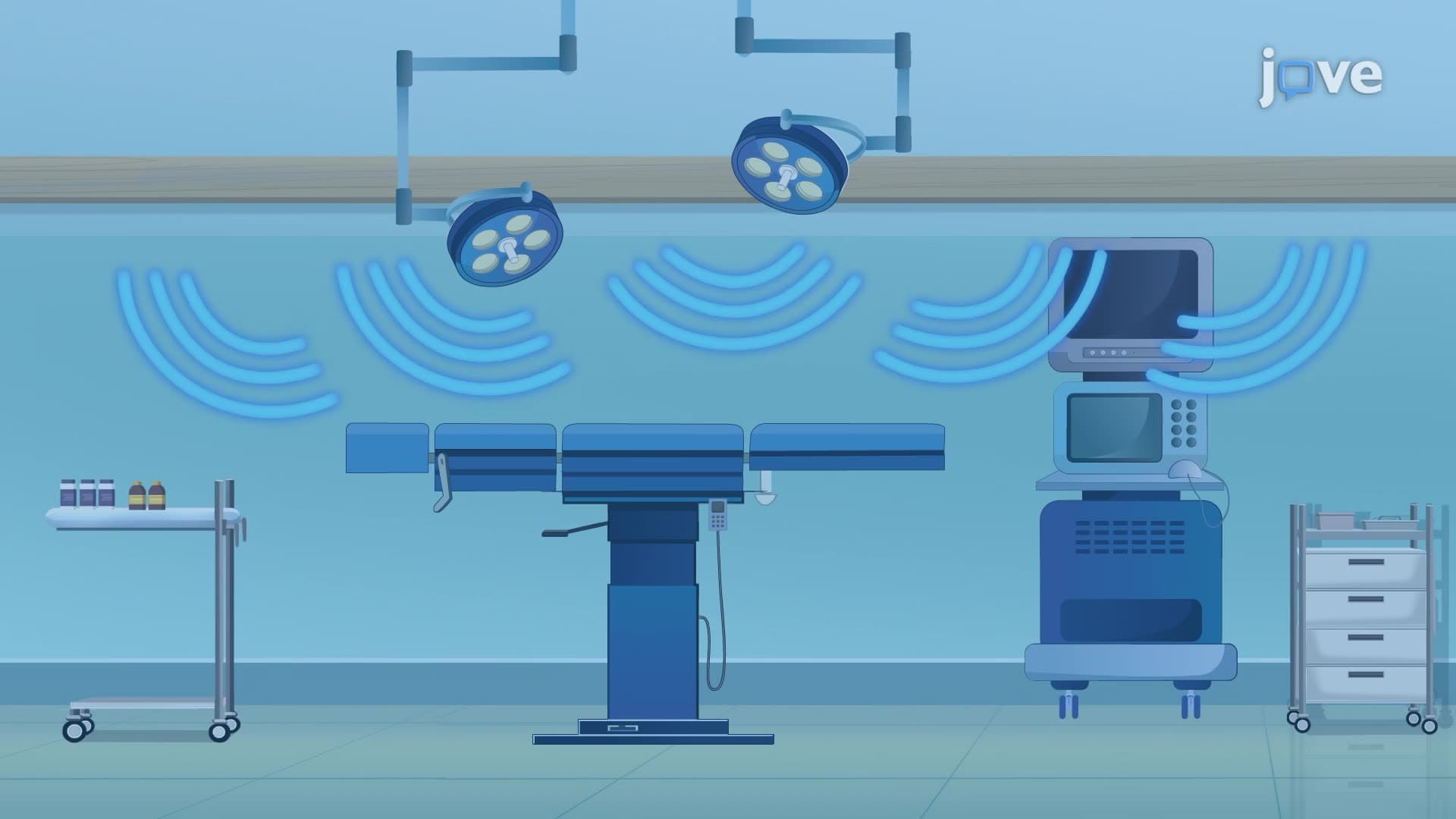
Ethylene oxide stands as the gold standard for gas sterilization in healthcare facilities across the United States. Major medical centers like the Mayo Clinic and Cleveland Clinic rely on ETO sterilization for processing complex devices such as endoscopes, cardiac catheters, and electronic monitoring equipment. The process involves exposing cleaned devices to ETO gas in specialized chambers where the chemical penetrates packaging materials and device lumens.
The sterilization mechanism involves ETO molecules alkylating essential cellular components, particularly DNA and proteins, effectively disrupting microbial metabolic processes. Temperature, humidity, gas concentration, and exposure time work synergistically to ensure complete sterilization. Post-sterilization aeration becomes crucial as ETO residues can pose toxicity risks, requiring controlled degassing periods that may extend 8-12 hours depending on device materials.
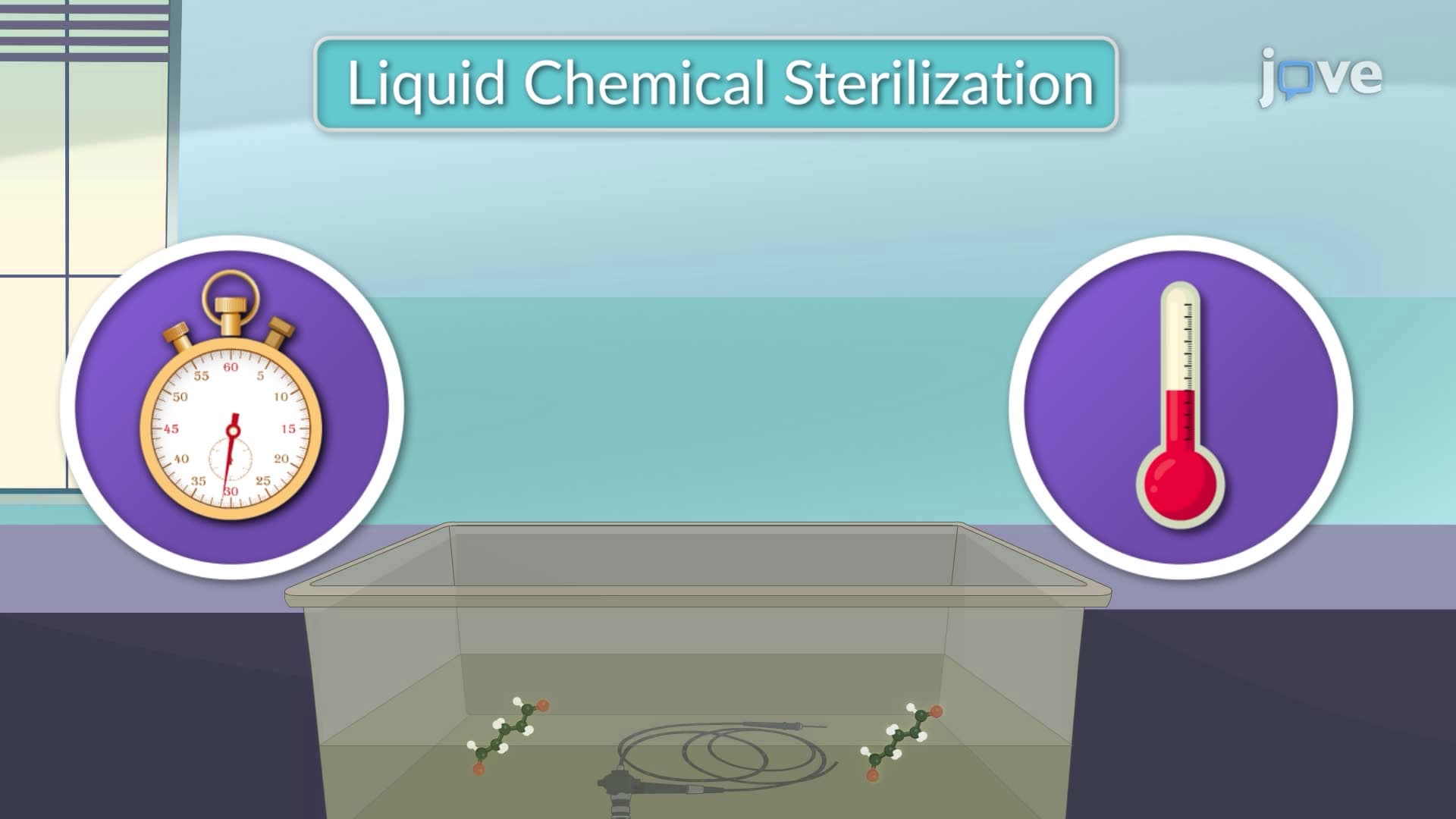
Liquid chemical sterilants offer advantages for immersible medical devices requiring rapid turnaround times. Hospital central sterile processing departments commonly employ glutaraldehyde-based solutions for flexible endoscopes, while hydrogen peroxide systems provide faster processing for compatible instruments. The Veterans Affairs hospital system extensively uses these methods for reprocessing reusable medical devices.
Formaldehyde solutions, though less common due to toxicity concerns, remain effective for specific applications requiring extended microbial contact time. Each liquid sterilant operates through distinct mechanisms: glutaraldehyde cross-links microbial proteins, hydrogen peroxide generates reactive oxygen species, and formaldehyde denatures nucleic acids and proteins.
Understanding chemical sterilization methods proves essential for students pursuing healthcare careers. NCLEX examinations frequently test knowledge of sterilization protocols, while MCAT questions may explore the biochemical mechanisms underlying microbial destruction. Pre-med students often encounter these concepts in microbiology and public health courses, where proper sterilization knowledge directly impacts patient safety outcomes.
Related Micro-courses