Loading video…


 22 Concepts
 188.2K views


Video Summary: Ppe Use in Healthcare Settings Doffing Procedures
Every year, thousands of healthcare workers face potential exposure to infectious diseases simply because they removed their protective equipment incorrectly. PPE use in healthcare settings becomes critical when considering that improper doffing procedures can lead to contamination even after completing patient care safely. At hospitals like Johns Hopkins, strict protocols ensure that contaminated outer surfaces of gowns, gloves, and face shields never contact clean skin during removal. PPE Use in Healthcare Settings: Doffing Procedures follows a specific sequence that protects healthcare workers from the very pathogens they've been treating. Watch the full video on JoVE Coach to master this concept with expert-led visuals and step-by-step explanations.
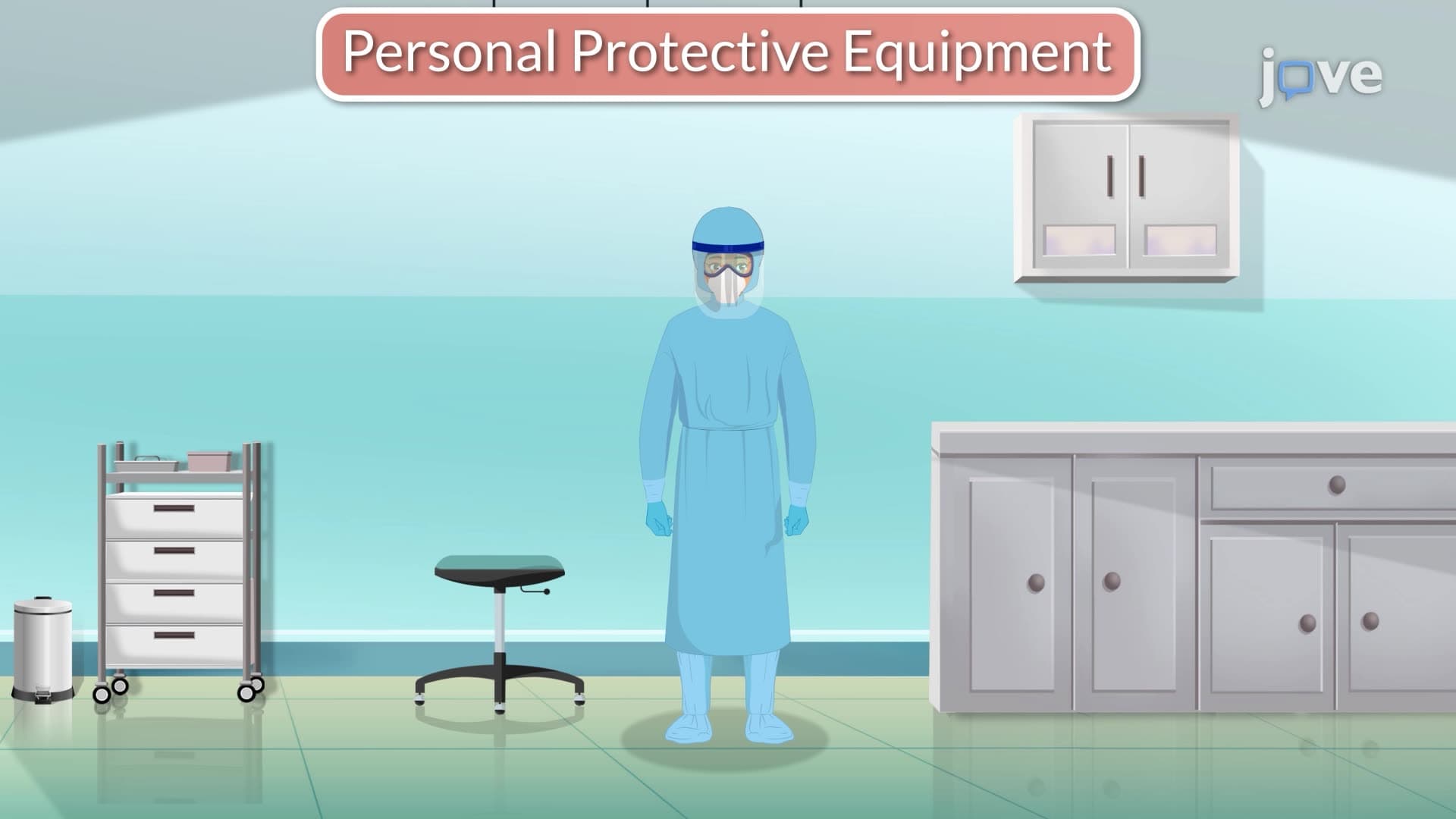
Personal Protective Equipment (PPE) doffing represents one of the most critical yet overlooked aspects of infection control in healthcare environments. While donning (putting on) PPE receives significant attention, the removal process poses equally serious contamination risks. Healthcare facilities across the United States, from Cleveland Clinic to Mayo Clinic, have implemented standardized doffing protocols following CDC guidelines to protect their workforce from healthcare-associated infections.
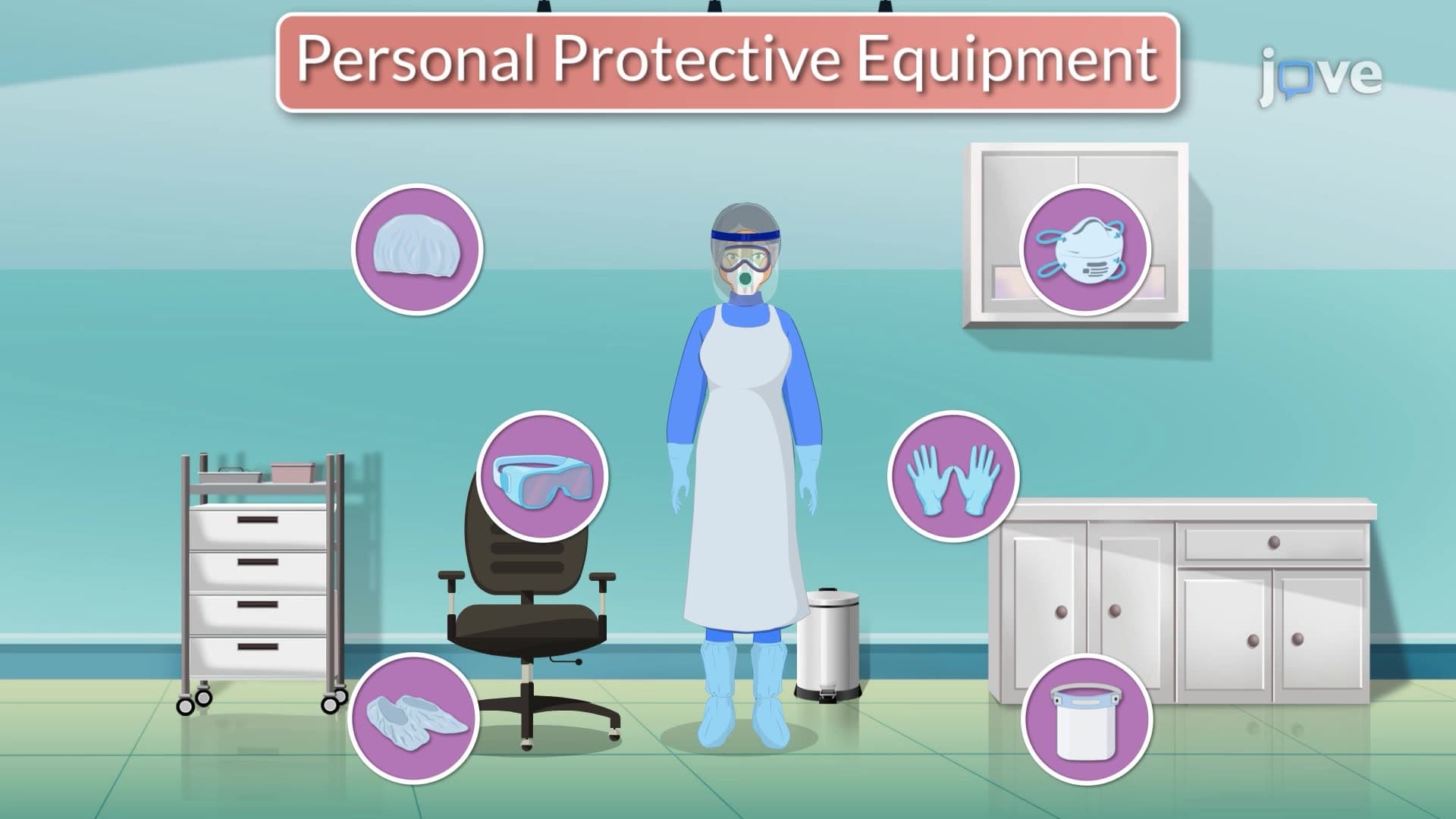
The foundation of safe doffing lies in understanding contamination patterns. The outer surfaces of all PPE components become contaminated during patient care activities. Gown fronts and sleeves face the highest contamination risk due to direct patient contact and proximity to infectious materials. Glove exteriors accumulate pathogens through touch, while face shields, goggles, and mask outer surfaces collect respiratory droplets and aerosols. This contamination mapping directly influences the removal sequence and handling techniques required for each component.
The doffing sequence follows a logical progression from most contaminated to least accessible items. Shoe covers, when used, come off first as they carry floor contaminants. Gloves follow immediately using the cuff-pull technique-grasping the first glove at the wrist and peeling it off, then using the clean inner surface of the remaining gloved hand to remove the second glove inside-out over the first. This method ensures no skin contact with contaminated glove surfaces.
Face protection removal requires careful attention to avoid touching contaminated front surfaces. Healthcare workers grasp goggles or face shields by their side straps or headbands, lifting them away from the face without forward motion that might contact the wearer's skin. Gowns present particular challenges due to their large contaminated surface area. The proper technique involves untying or breaking ties, pulling the gown downward and inward to fold contaminated surfaces together, then rolling it into a bundle for disposal.
Masks and respirators receive special handling as the final removal step, performed only after exiting patient care areas. This timing prevents inhalation of disturbed particles that might become airborne during other PPE removal activities. The removal technique focuses on elastic bands or ties rather than the mask body, lifting the device away from the face for immediate disposal.
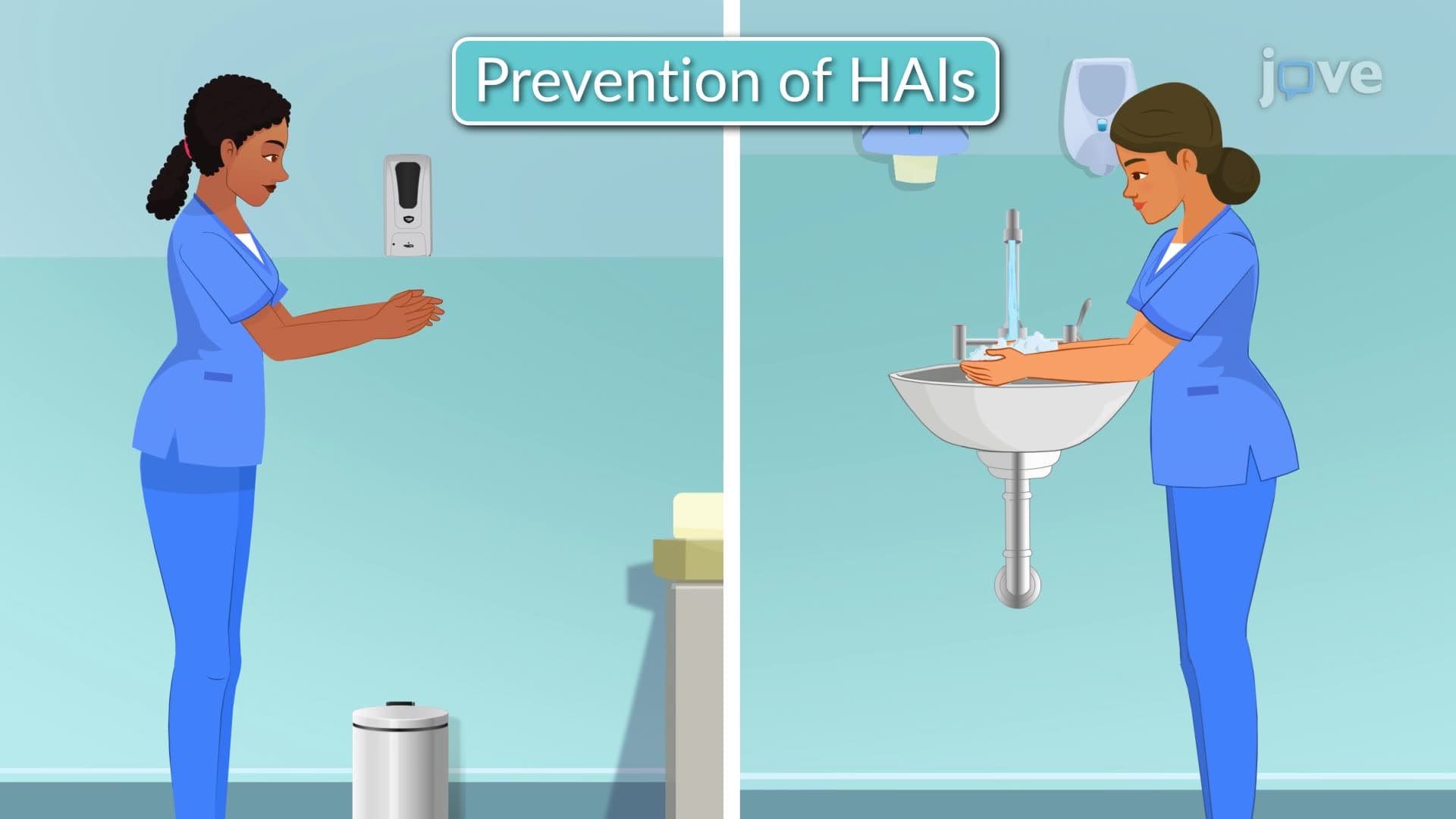
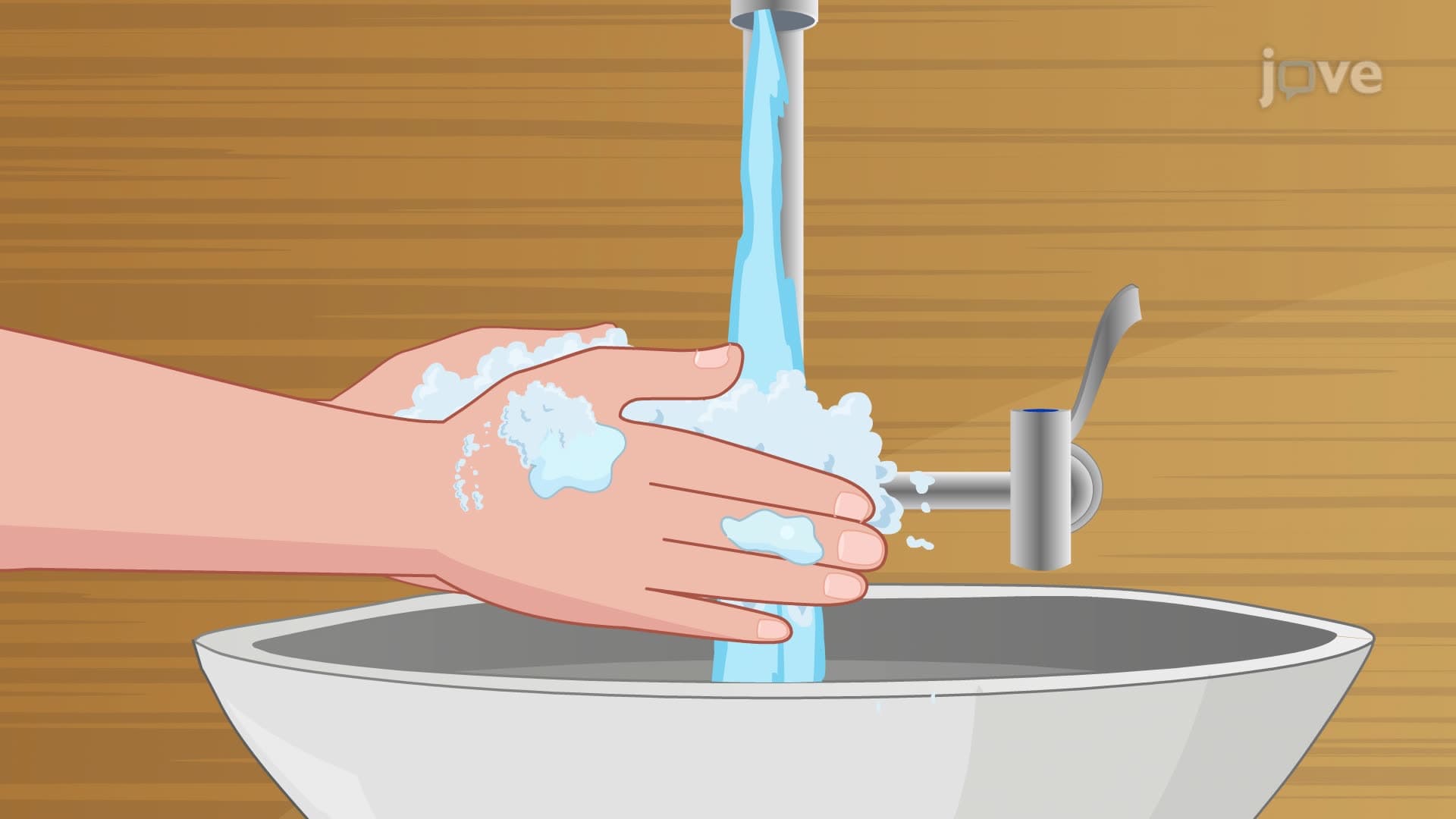
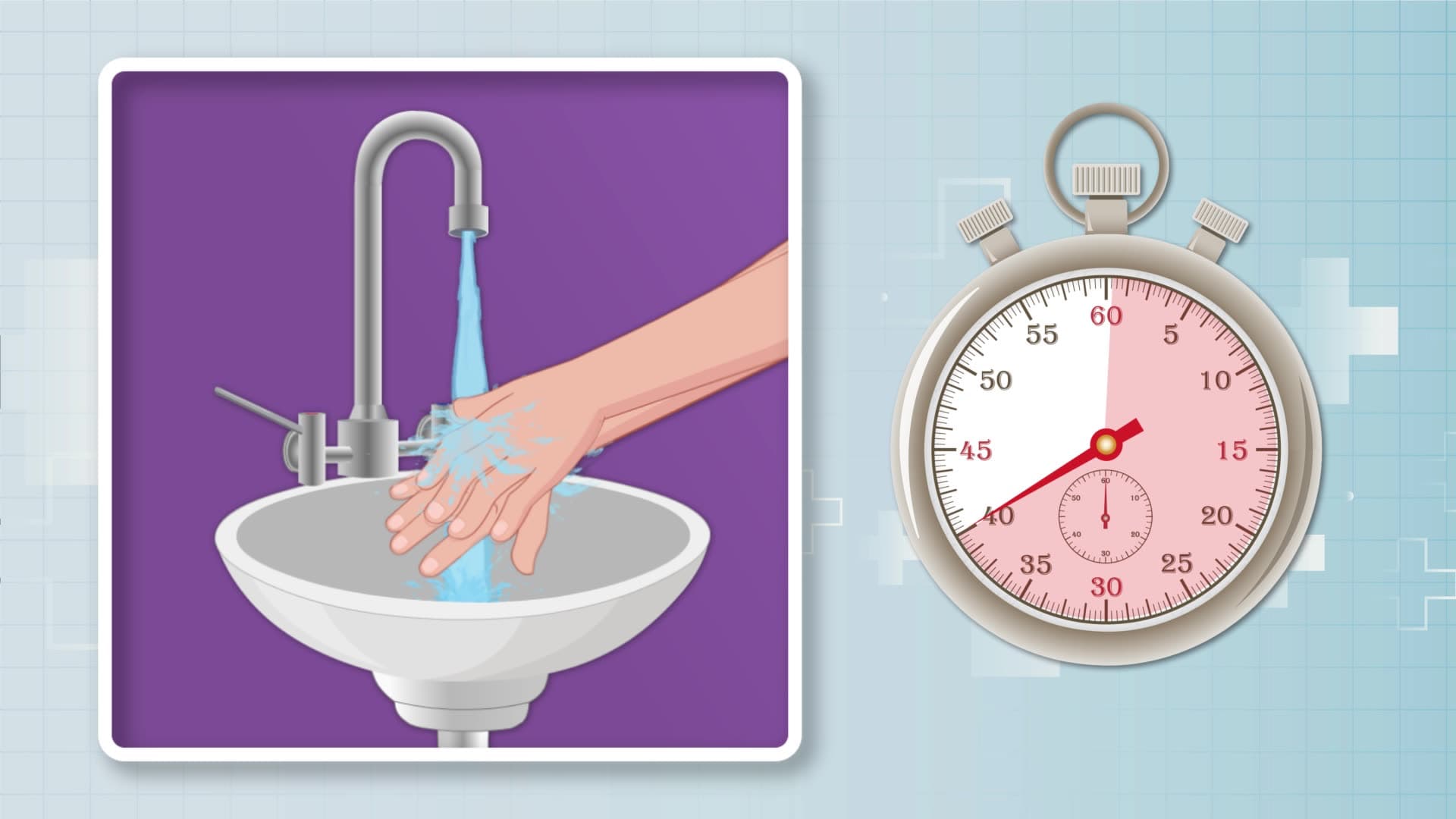
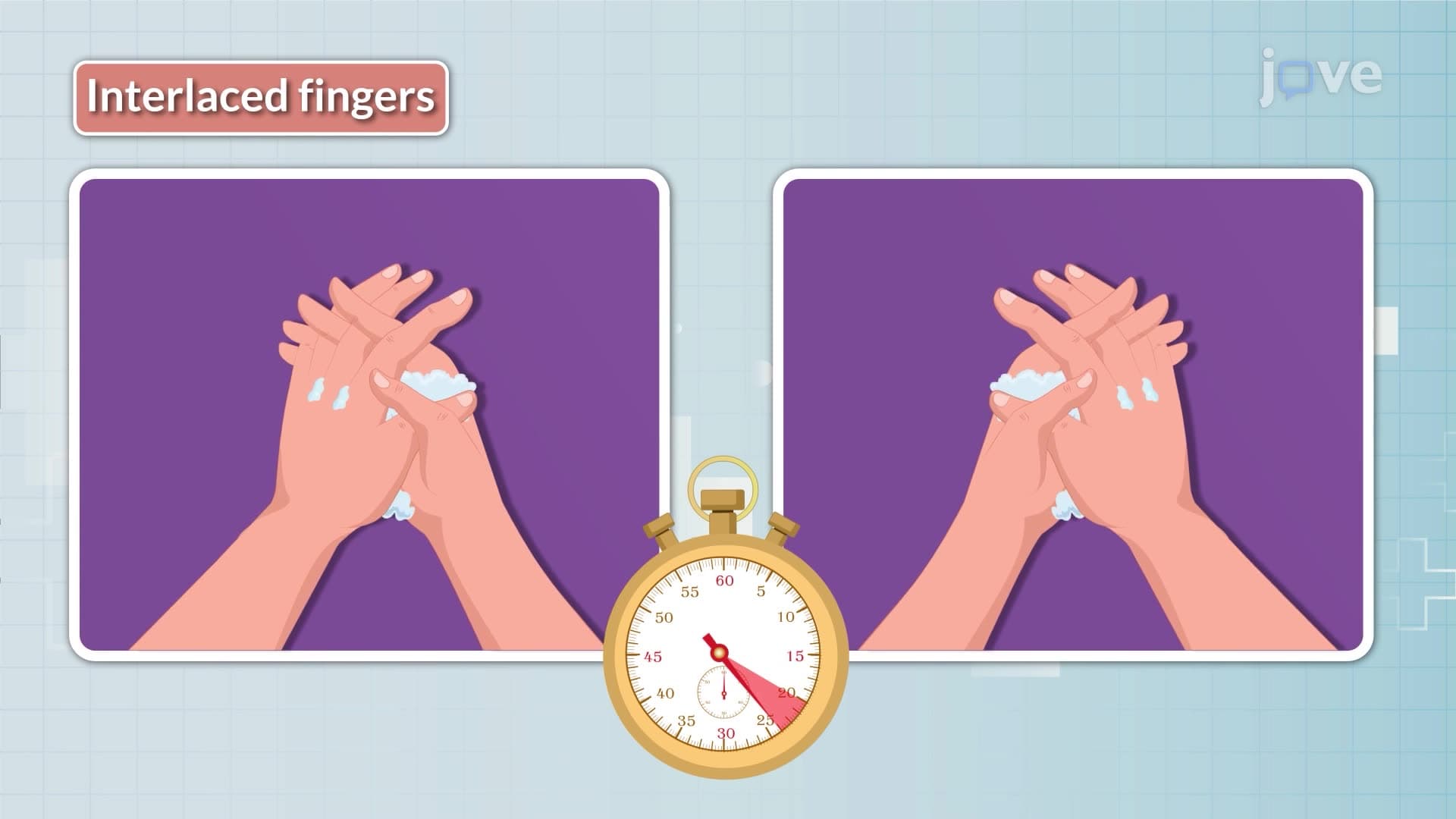
Hand hygiene serves as the ultimate safety barrier, performed immediately after PPE removal using alcohol-based hand sanitizer or soap and water. This step addresses any potential contamination that might have occurred during the doffing process, providing a final layer of protection.
Students preparing for healthcare career paths encounter these concepts in AP Biology infection control units, while pre-nursing students see them prominently featured on TEAS and HESI A2 examinations. Medical school curricula incorporate PPE protocols into clinical skills training, with detailed assessment on USMLE Step 2 Clinical Skills examinations.
Related Micro-courses