Loading subject page…


188,206 views

Video Summary: Transmission Based Precautions Ii Airborne Explained
Did you know that tuberculosis bacteria can remain suspended in hospital air for hours, potentially infecting anyone who enters the room? Transmission based precautions II represent critical infection control measures that healthcare workers at facilities like Johns Hopkins Hospital use daily to prevent airborne pathogen spread. These transmission based precautions II airborne explained protocols involve specialized isolation rooms, N95 respirators, and strict patient movement restrictions to protect both healthcare staff and vulnerable patients from dangerous airborne infections. Watch the full video on JoVE Coach to master this concept with expert-led visuals and step-by-step explanations.
Transmission based precautions II airborne explained represents the second tier of infection control measures designed specifically for pathogens transmitted through microscopic droplet nuclei that remain suspended in air. Unlike larger respiratory droplets that fall quickly to surfaces, airborne pathogens like *Mycobacterium tuberculosis*, measles virus, and varicella-zoster virus can travel long distances and remain infectious for extended periods. This concept frequently appears on the NCLEX-RN exam and forms a cornerstone of infection control coursework in nursing and pre-med programs.
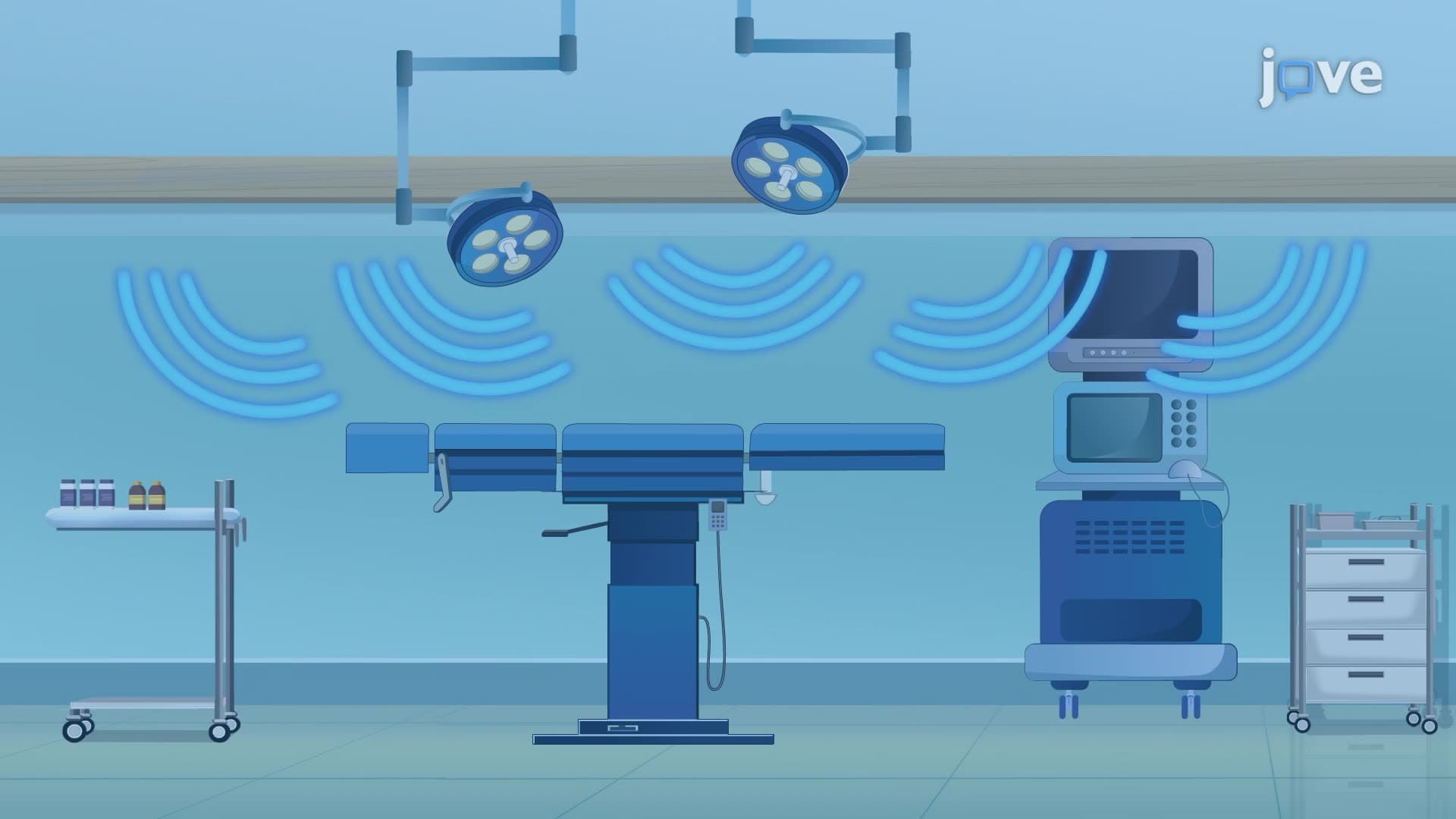
The foundation of airborne precautions lies in specialized isolation rooms engineered to contain infectious particles. These rooms maintain negative air pressure relative to surrounding areas, creating airflow that draws potentially contaminated air away from healthcare workers and into the room. The CDC mandates at least 12 air changes per hour with direct exhaust to the outside or through high-efficiency particulate air (HEPA) filtration systems. Major medical centers like Cleveland Clinic and Mayo Clinic invest millions in these engineering controls, recognizing that environmental factors play as crucial a role as personal protective equipment in preventing transmission.
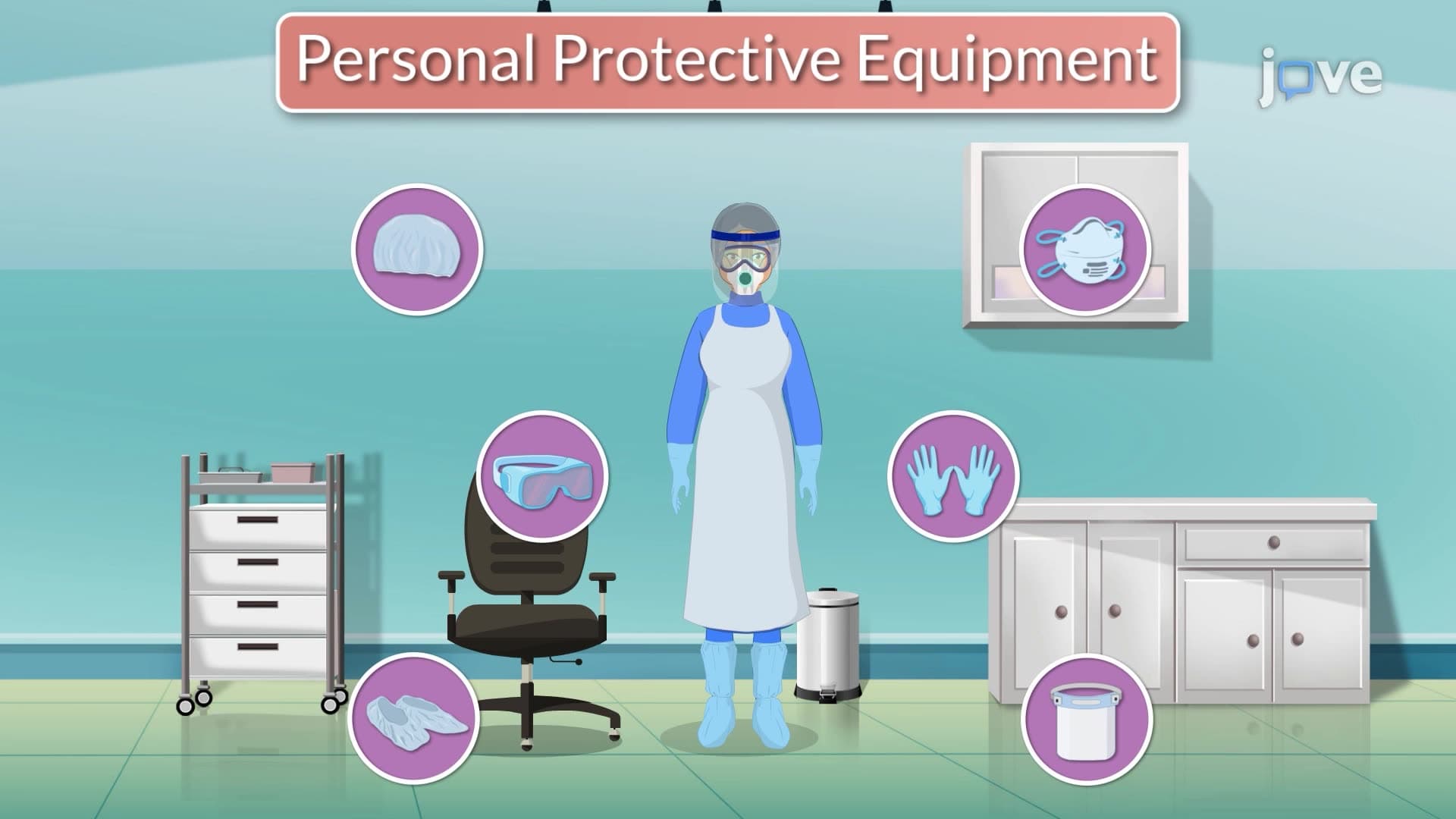
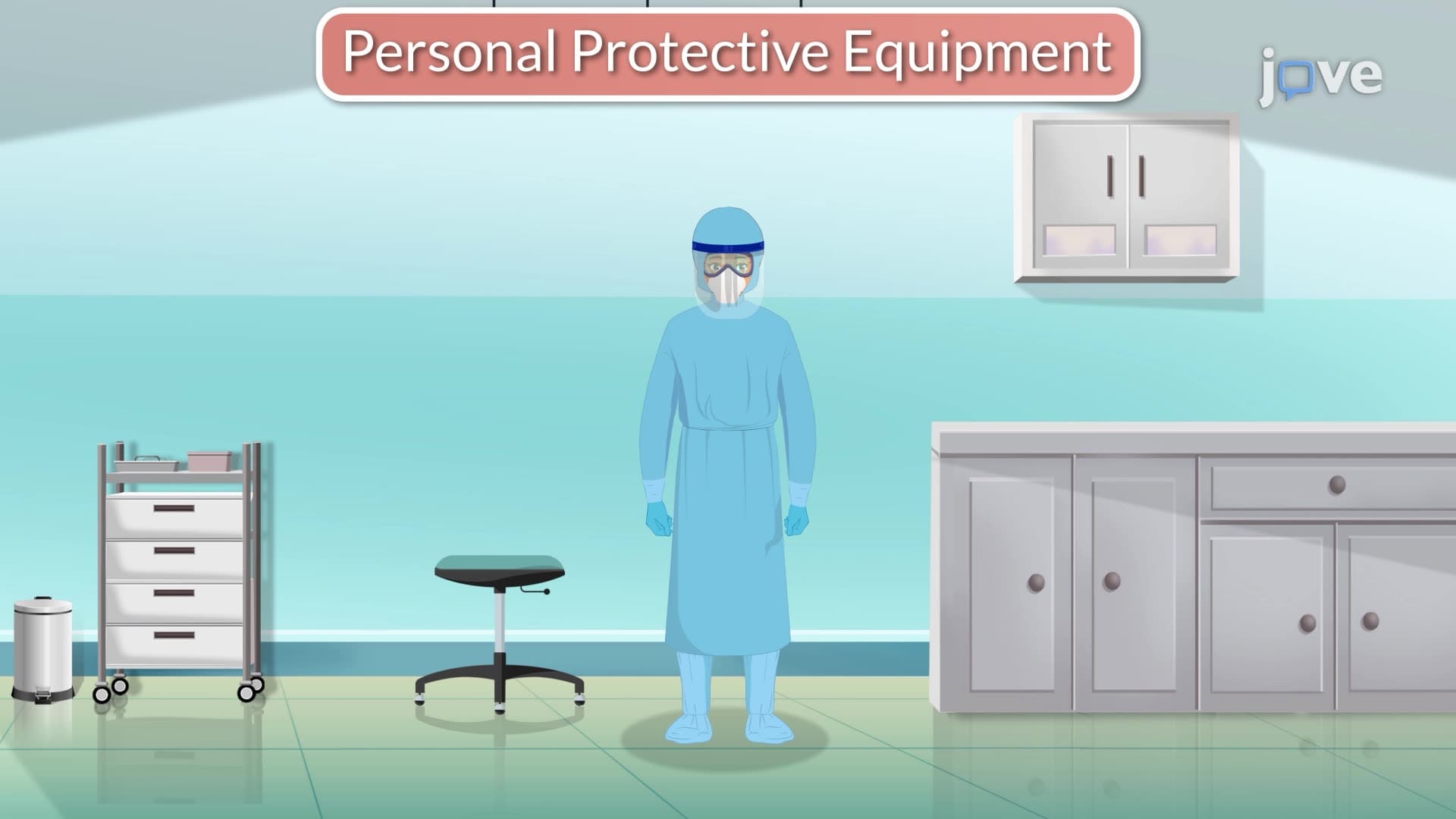
N95 respirators represent the gold standard for healthcare worker protection during airborne precautions. Unlike surgical masks, N95 respirators filter at least 95% of airborne particles when properly fitted. The Occupational Safety and Health Administration (OSHA) requires annual fit testing to ensure proper seal around the face. Students preparing for the MCAT should understand that N95 effectiveness depends on both filtration efficiency and face seal integrity. Source control measures complement PPE protection by requiring patients to wear surgical masks during transport and follow respiratory etiquette, reducing the concentration of infectious particles released into the environment.
Protective environment precautions represent the inverse of standard airborne precautions, designed for patients whose immune systems cannot effectively fight infections. Bone marrow transplant recipients at institutions like MD Anderson Cancer Center require positive-pressure rooms with HEPA filtration and enhanced air exchange rates. These environments protect vulnerable patients from environmental fungi and bacteria that pose minimal risk to healthy individuals but can cause life-threatening infections in immunocompromised hosts.
Related Micro-courses