Loading subject page…


188,207 views


Video Summary: What Is Asepsis
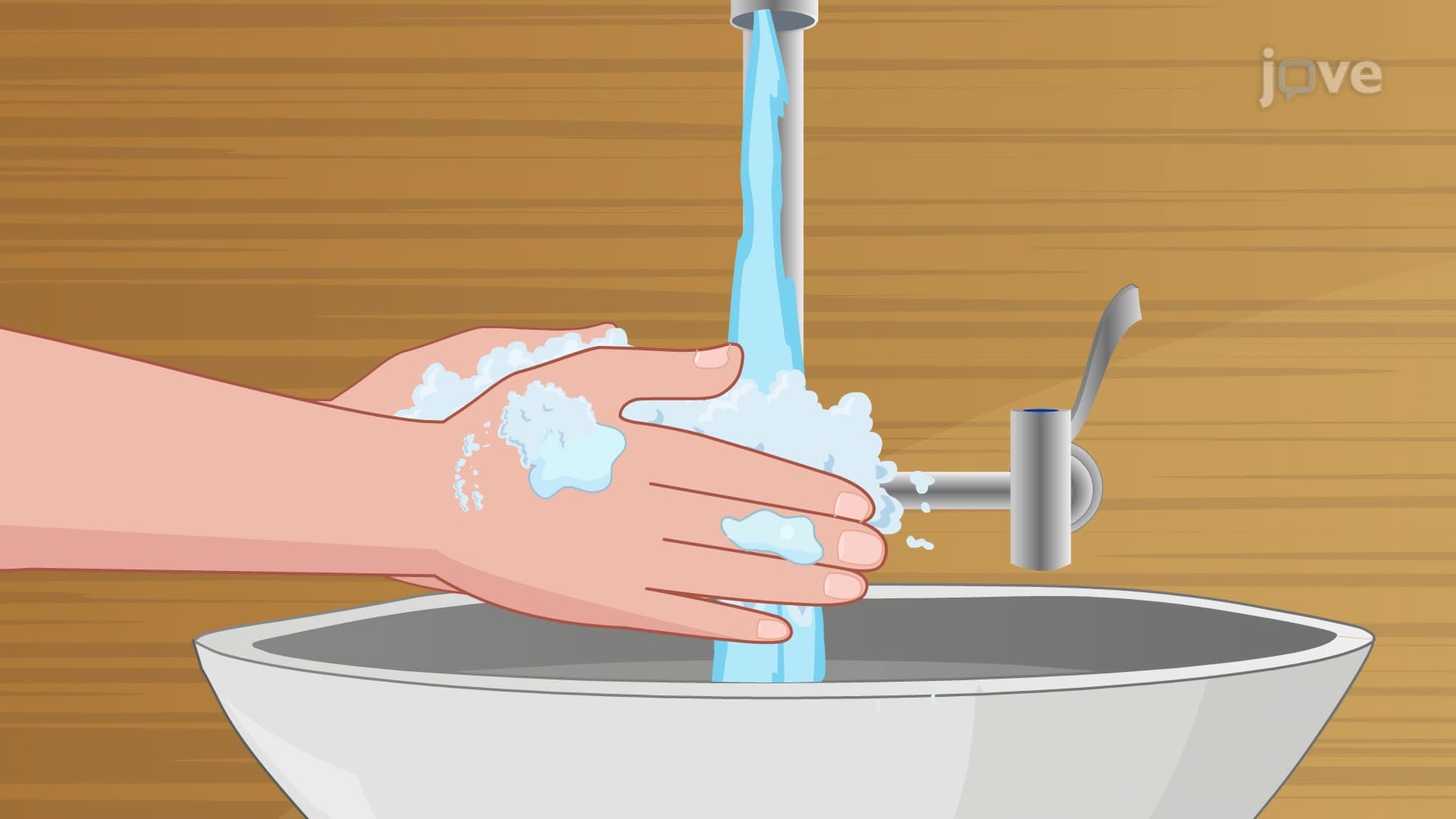
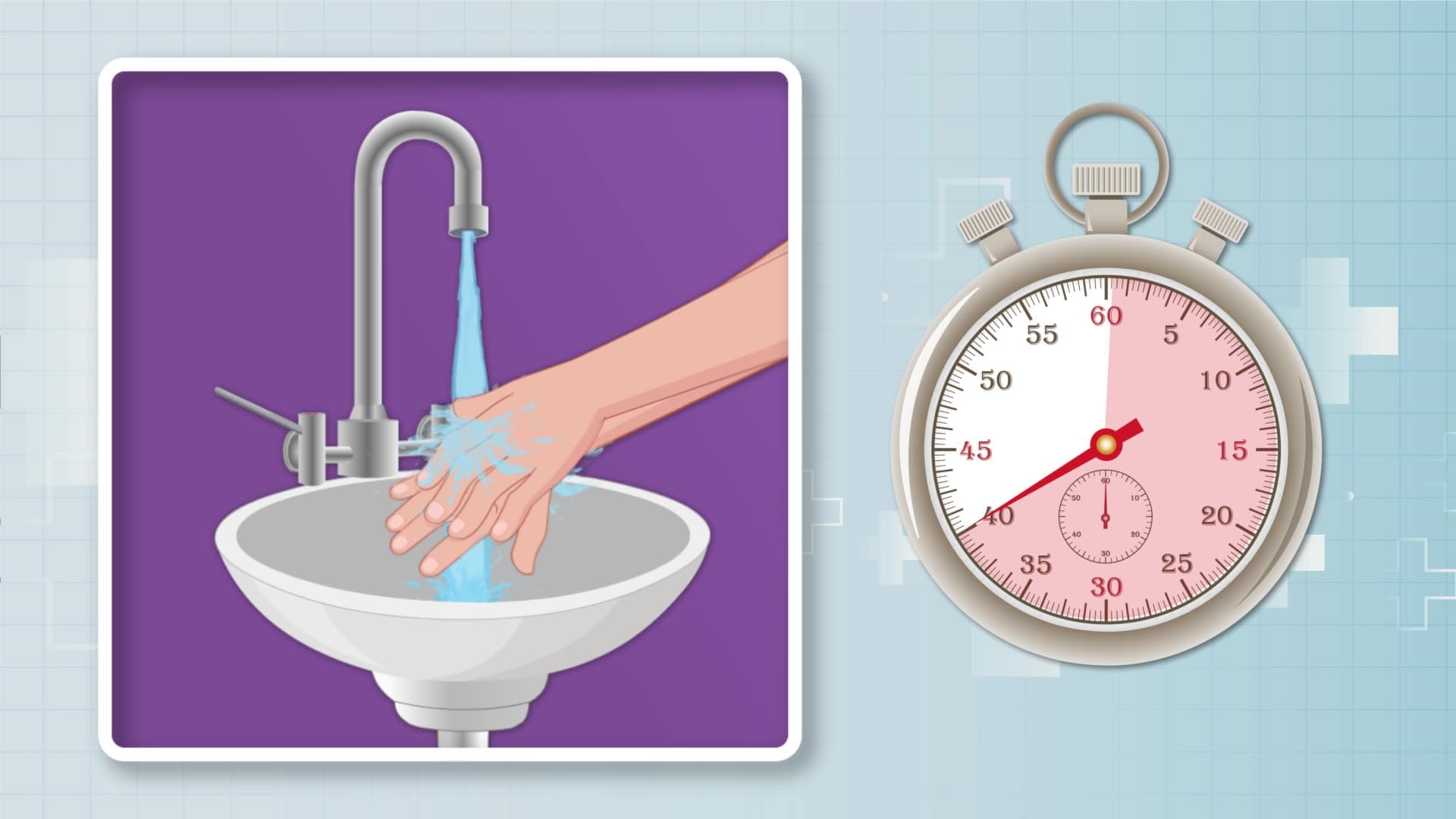
Did you know that proper asepsis practices in US hospitals prevent over 100,000 infections annually? Asepsis-the complete absence of disease-causing pathogens-forms the foundation of safe medical care. From simple handwashing protocols at Cleveland Clinic to complex surgical sterilization procedures, understanding what is asepsis remains critical for healthcare safety. Watch the full video on JoVE Coach to master this concept with expert-led visuals and step-by-step explanations.
Asepsis represents a critical cornerstone of modern healthcare, defined as the complete absence of pathogenic microorganisms that could cause infection or disease. This asepsis definition explained goes far beyond simple cleanliness-it encompasses systematic approaches to eliminate, reduce, or prevent microbial contamination during medical procedures. The concept becomes especially relevant for students preparing for healthcare careers, as asepsis principles appear frequently on exams like the NCLEX, HESI A2, and MCAT.
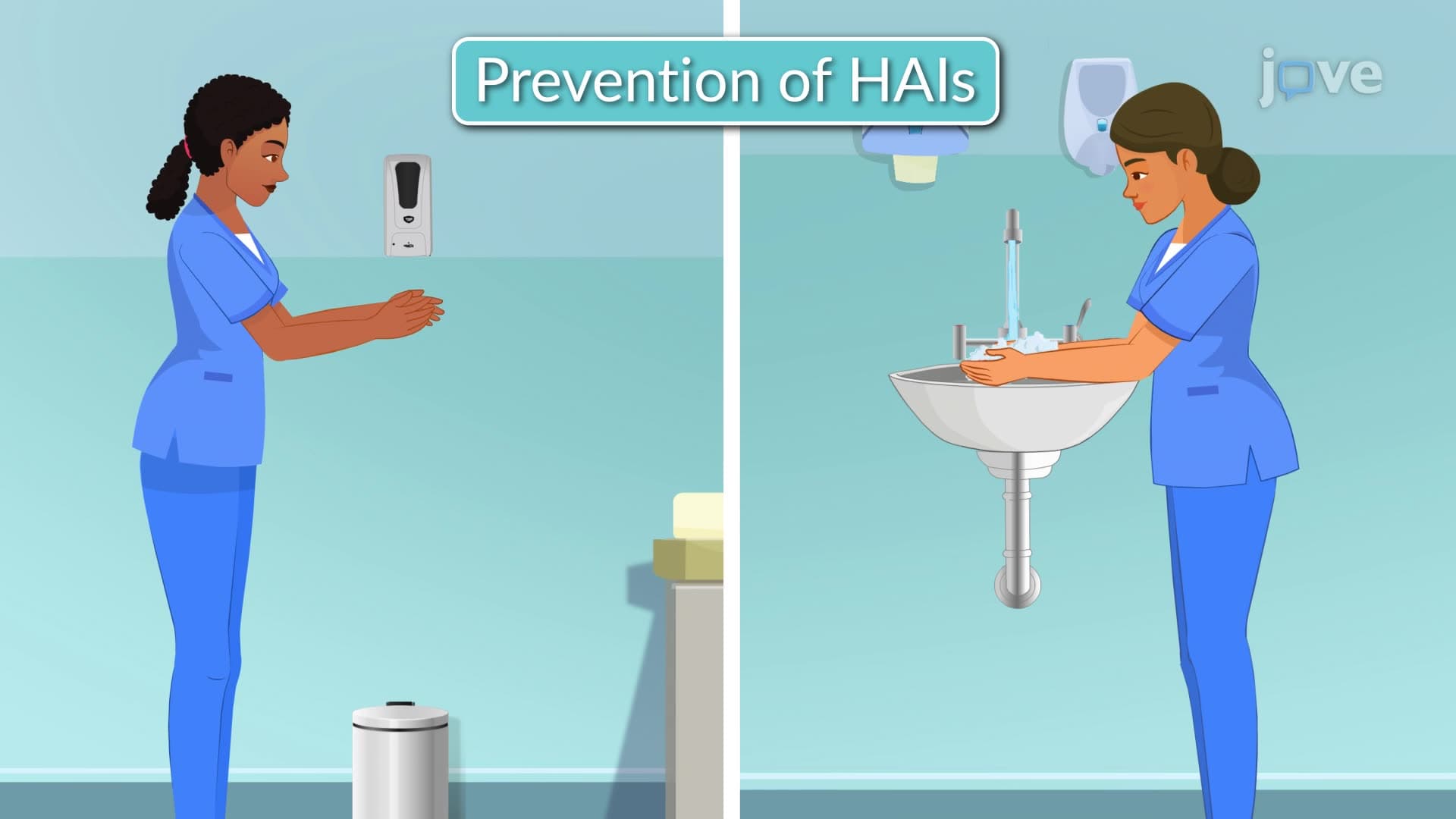
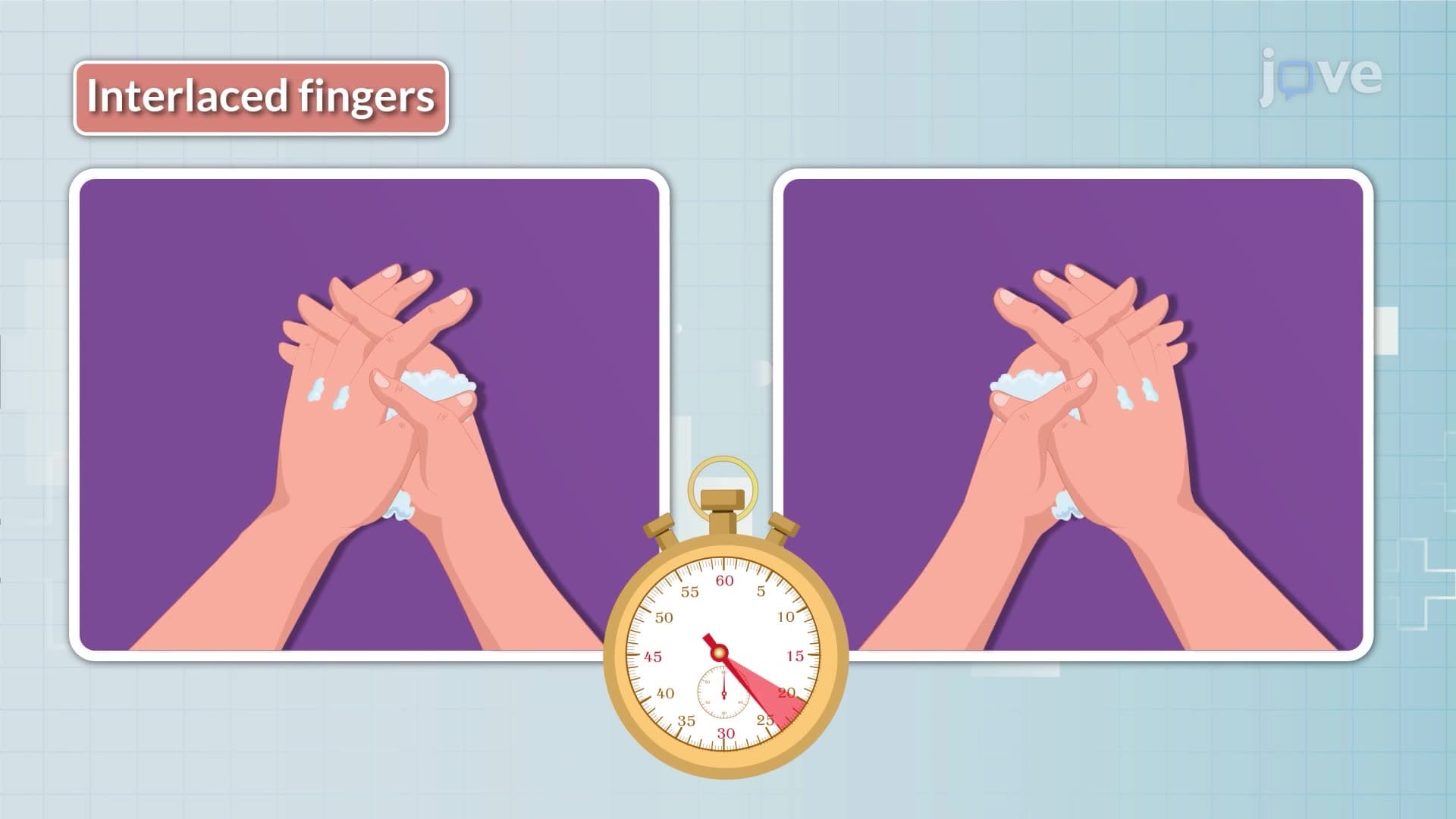
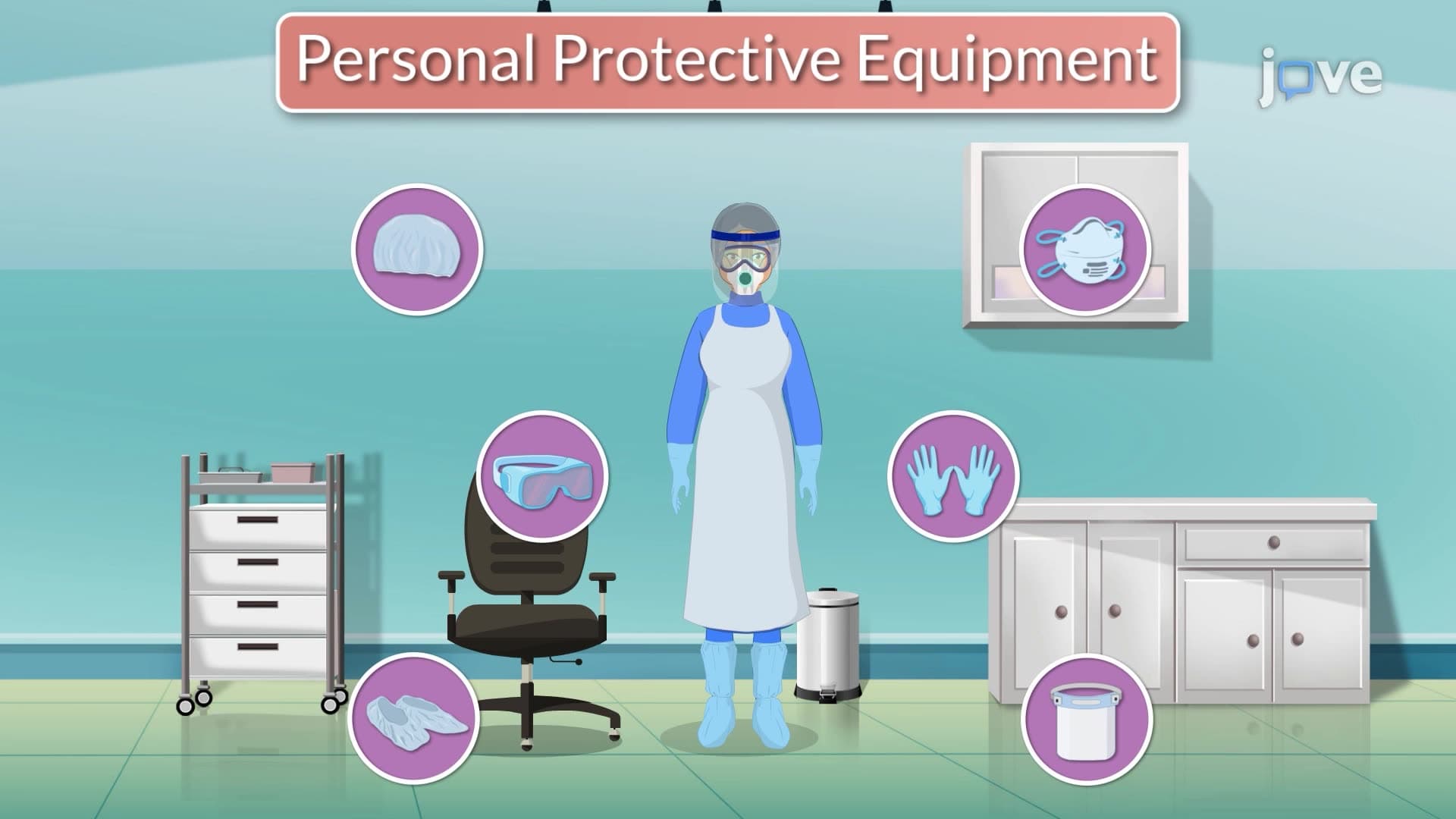
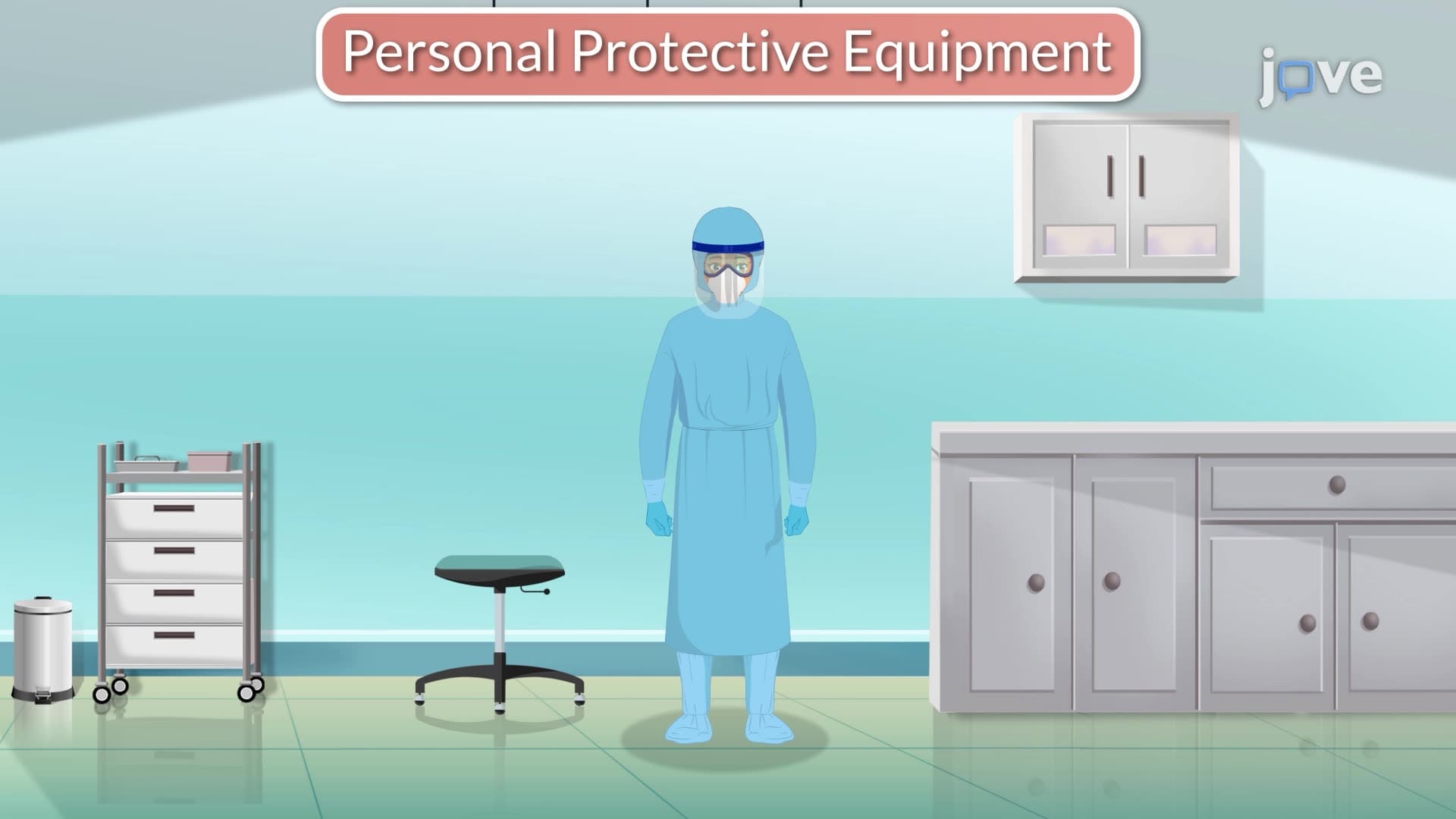
Medical asepsis, commonly referred to as "clean technique," focuses on reducing the number and transmission of microorganisms rather than achieving complete sterility. These practices form the backbone of infection control in hospitals like Mayo Clinic and Johns Hopkins, where healthcare workers implement hand hygiene protocols, environmental cleaning procedures, and proper waste disposal methods. Students studying for AP Biology or college microbiology courses should note that medical asepsis includes familiar practices like handwashing, using personal protective equipment (PPE), and maintaining clean patient environments. These techniques protect both patients and healthcare providers from potential infections, making them essential knowledge for anyone entering healthcare fields.
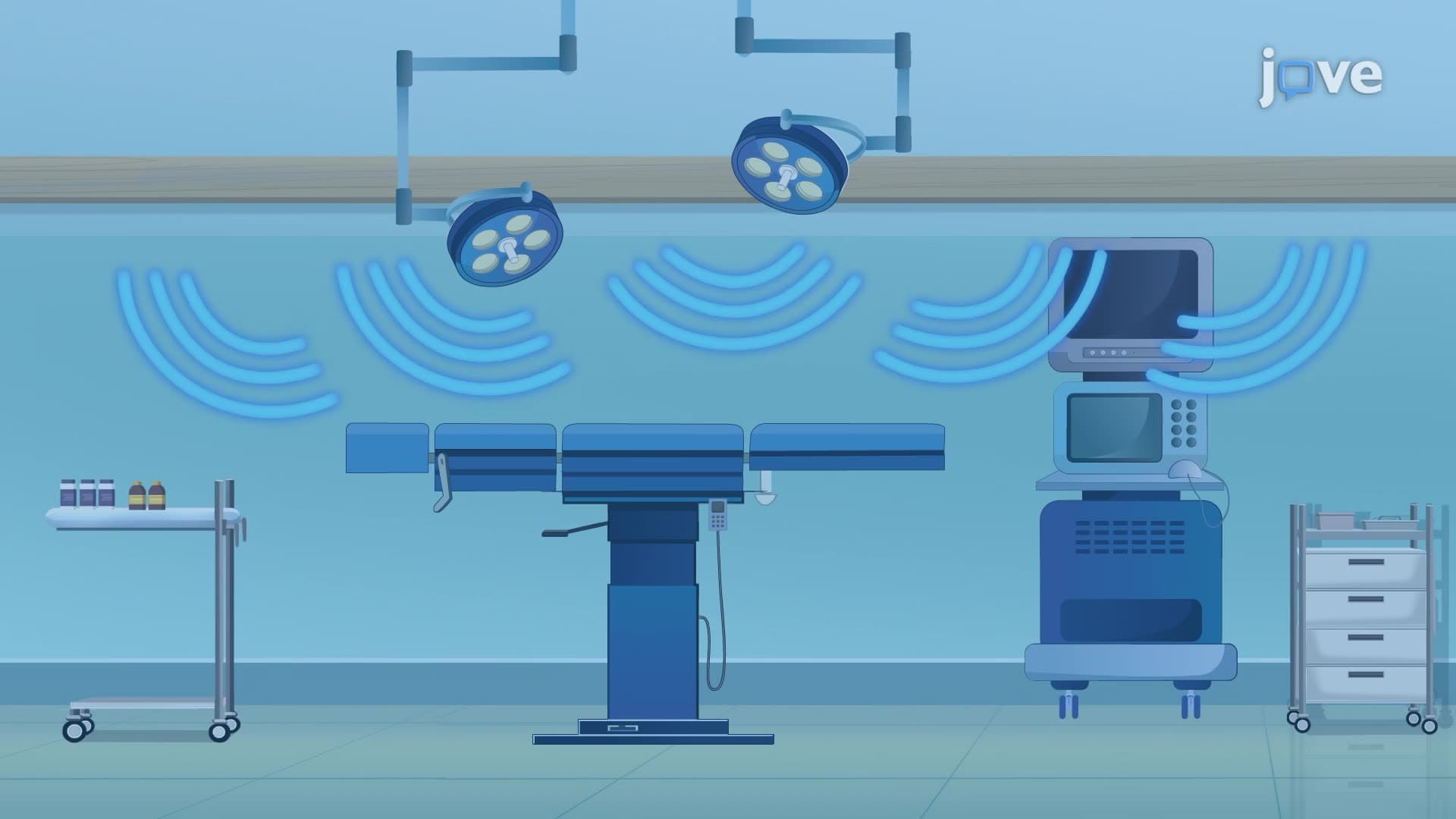
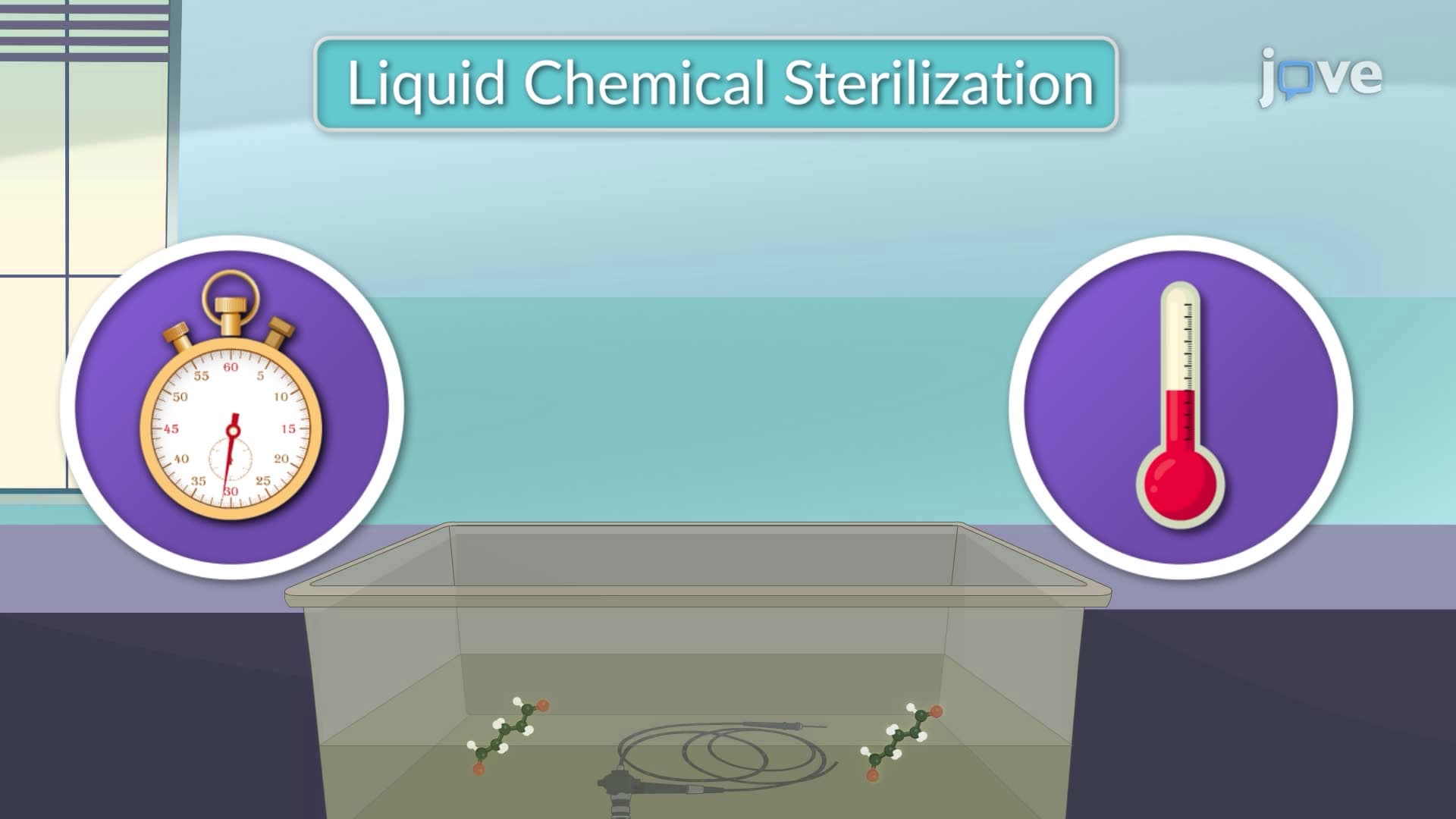
Surgical asepsis represents the highest level of infection control, requiring the complete elimination of all microorganisms from equipment, surfaces, and the immediate environment. This sterile technique becomes crucial during invasive procedures, surgical operations, and wound care at major medical centers across the United States. The process involves steam sterilization (autoclaving), chemical sterilants, and strict protocols for maintaining sterile fields. For students preparing for advanced healthcare exams like the USMLE Step 1 or nursing boards, understanding the distinction between sterile and clean techniques proves essential for both academic success and future clinical practice.
The practical implementation of aseptic techniques significantly impacts healthcare outcomes and costs throughout the US healthcare system. Proper asepsis protocols reduce healthcare-associated infections (HAIs) by up to 70% in major hospital systems, translating to shorter patient stays and reduced treatment expenses. This economic benefit resonates particularly well with students studying healthcare administration or public health, as HAI prevention saves the US healthcare system approximately $9.8 billion annually according to CDC estimates.
Related Micro-courses