Loading video…


 22 Concepts
 188.2K views


Video Summary: What Is Cleaning Sterilization and Disinfection
Did you know that surgical instruments in US hospitals undergo three distinct decontamination processes before touching patients? Understanding cleaning sterilization disinfection protocols is crucial for preventing healthcare-associated infections that affect nearly 2 million Americans annually. For instance, the endoscopes used in colonoscopies at Mayo Clinic must follow specific high-level disinfection procedures between patients. What is Cleaning Sterilization And Disinfection encompasses the systematic approaches healthcare facilities use to eliminate pathogens and break infection transmission chains. Watch the full video on JoVE Coach to master this concept with expert-led visuals and step-by-step explanations.
The foundation of infection control in healthcare rests on three interconnected processes that form a hierarchy of microbial elimination. Cleaning sterilization disinfection represents a systematic approach where each method serves specific purposes in breaking the chain of infection transmission.
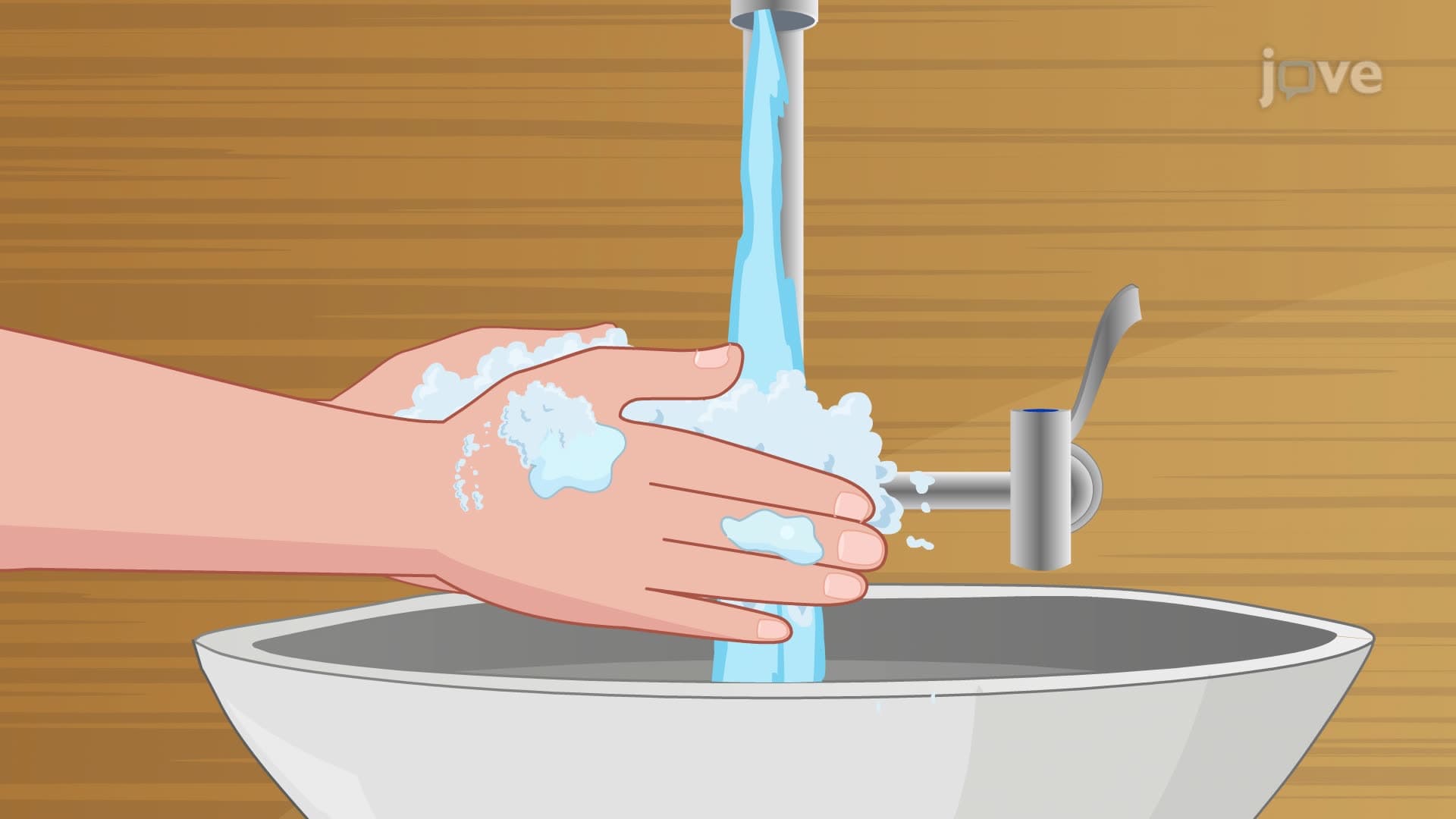
Cleaning forms the essential first step, utilizing water combined with detergents or enzymatic cleaners to physically remove organic debris like blood, tissue, and inorganic materials such as dust or mineral deposits. This process is critical because organic matter can shield microorganisms from subsequent disinfection or sterilization procedures. US hospitals typically use FDA-approved enzymatic cleaners that break down proteins, lipids, and carbohydrates found in patient secretions.
Healthcare facilities across the United States follow the Spaulding Classification system, which categorizes medical equipment into three risk levels. Critical items, such as cardiac catheters or orthopedic implants used at institutions like Johns Hopkins Hospital, penetrate sterile body tissues and require complete sterilization to eliminate all microorganisms, including resistant bacterial spores.
Semicritical items contact mucous membranes but don't penetrate sterile tissues. Flexible endoscopes used for gastrointestinal procedures at Cleveland Clinic exemplify this category, requiring high-level disinfection that eliminates vegetative bacteria, mycobacteria, viruses, and fungi. Non-critical items like blood pressure cuffs or patient furniture only contact intact skin, necessitating low-level disinfection to remove vegetative bacteria and some viruses.
Sterilization achieves complete microbial destruction through various methods. Steam sterilization using autoclaves remains the gold standard in US healthcare, operating at 121°C (250°F) for 15-30 minutes depending on load composition. Chemical sterilization using ethylene oxide serves for heat-sensitive instruments, while hydrogen peroxide plasma sterilization offers rapid processing for delicate surgical instruments.
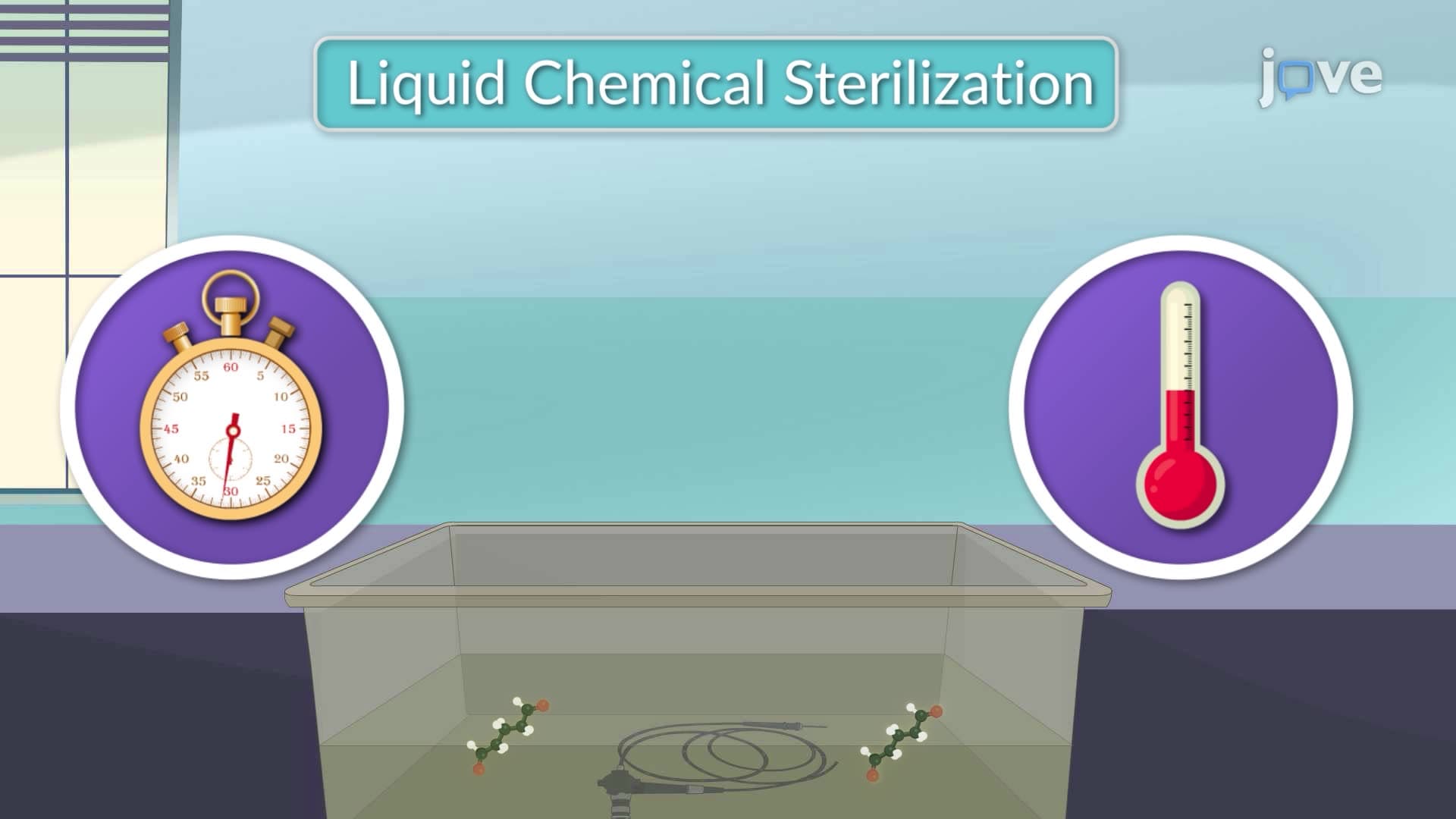
Disinfection methods vary based on required efficacy levels. High-level disinfection employs glutaraldehyde, hydrogen peroxide, or peracetic acid solutions that achieve tuberculocidal activity within specified contact times. Intermediate-level disinfection uses alcohol-based solutions or phenolic compounds, while low-level disinfection utilizes quaternary ammonium compounds or sodium hypochlorite solutions.
These concepts appear frequently on healthcare professional examinations including the NCLEX-RN, MCAT, and USMLE Step 1. College microbiology and nursing fundamentals courses extensively cover these principles, emphasizing their critical role in patient safety. AP Biology students encounter these topics when studying disease transmission and prevention strategies, while pre-health students must demonstrate mastery for healthcare program admission requirements.
Related Micro-courses