Loading subject page…


188,207 views

Video Summary: What Is Hand Hygiene
Did you know that proper hand hygiene can prevent up to 80% of healthcare-associated infections in US hospitals? Hand hygiene represents the single most critical defense against disease transmission, encompassing four distinct methods: handwashing, antiseptic handwash, antiseptic hand rub, and surgical hand antisepsis. From ICUs at Johns Hopkins to your local urgent care clinic, understanding what is hand hygiene means recognizing how these techniques protect both patients and healthcare workers from dangerous pathogens. Watch the full video on JoVE Coach to master this concept with expert-led visuals and step-by-step explanations.
Hand hygiene definition explained encompasses more than simply washing hands with soap and water. This comprehensive infection control practice involves multiple evidence-based techniques designed to eliminate or reduce pathogenic microorganisms on healthcare workers' hands. The Centers for Disease Control and Prevention (CDC) recognizes hand hygiene as the cornerstone of healthcare infection prevention, with studies showing proper implementation can reduce infection rates by 50-70% in hospital settings.
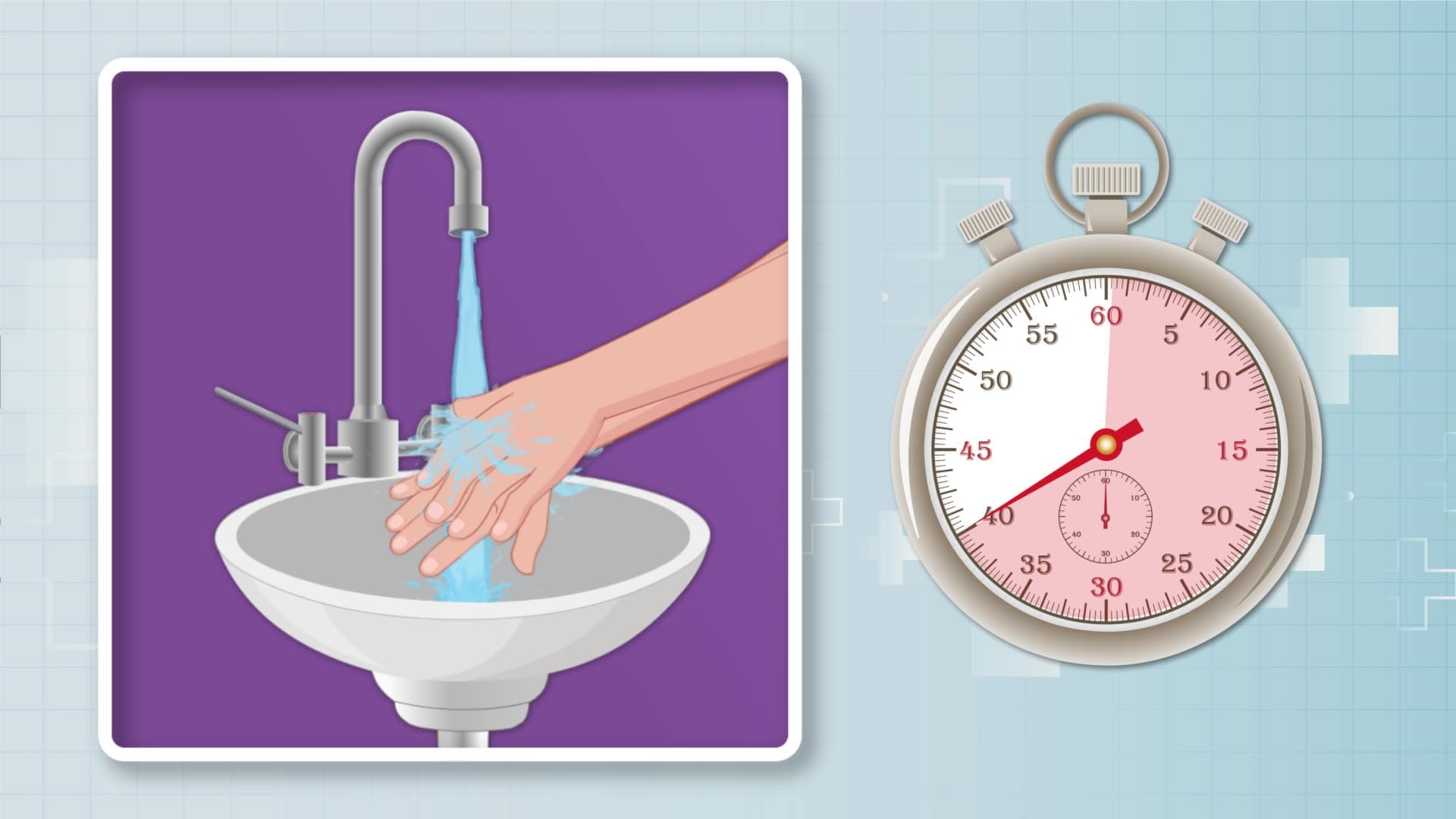
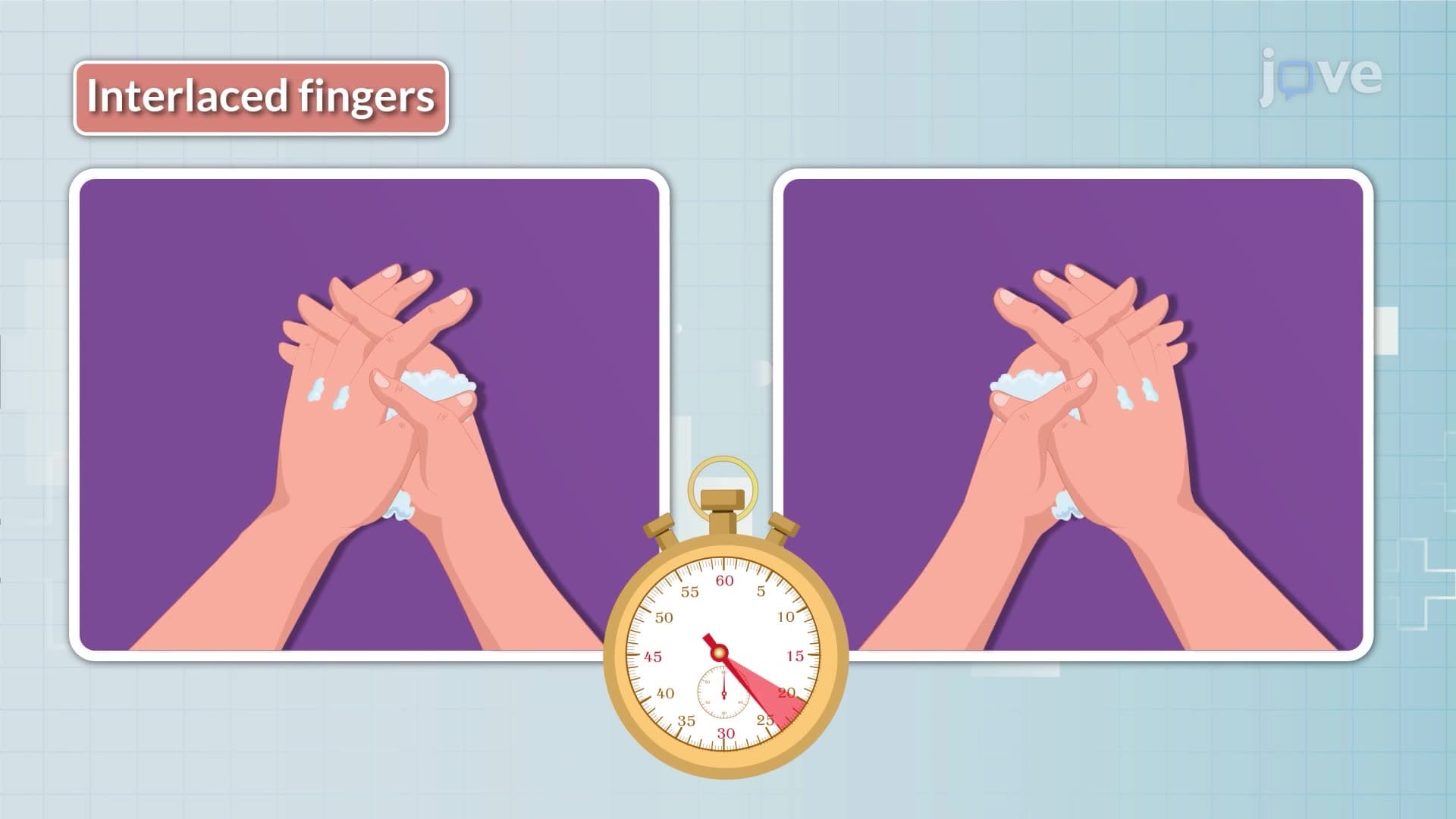
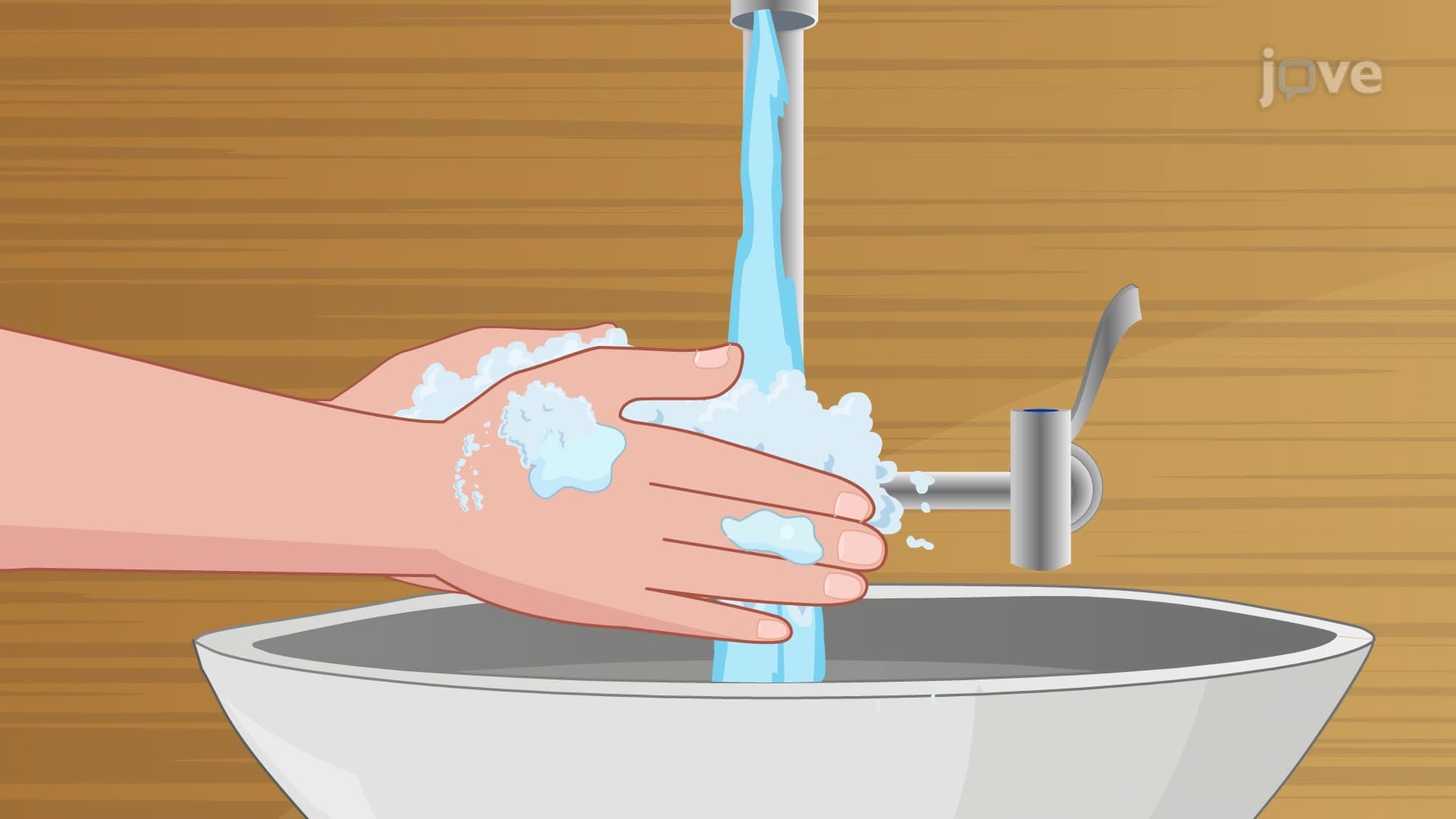
Basic Handwashing involves cleaning hands with plain soap and water for at least 20 seconds, effectively removing dirt, debris, and many microorganisms through mechanical action. While this method doesn't eliminate all pathogens, it significantly reduces bacterial and viral loads. US nursing schools teach this as the foundation technique, tested extensively on NCLEX examinations.
Antiseptic Handwash elevates basic handwashing by incorporating antimicrobial agents like chlorhexidine gluconate or triclosan. These solutions demonstrate bactericidal and virucidal properties, making them essential in high-risk environments like emergency departments at major US medical centers including Mayo Clinic and Cleveland Clinic.
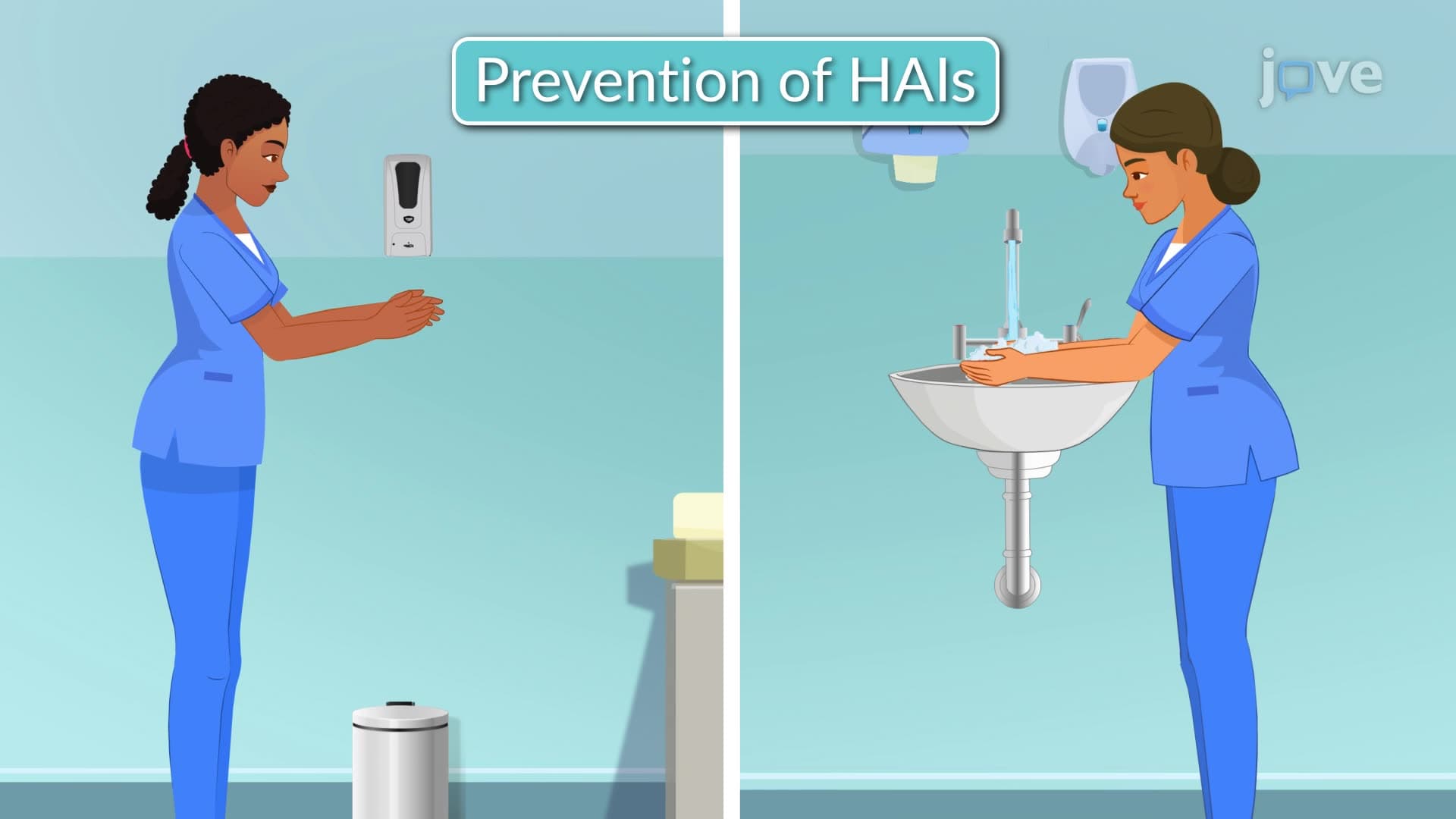
Antiseptic Hand Rub typically contains 60-95% alcohol and provides rapid antimicrobial action without requiring water. The FDA has approved numerous alcohol-based hand sanitizers that kill bacteria, fungi, and many viruses within 15-30 seconds. This method proves particularly valuable in fast-paced clinical settings where sinks aren't readily accessible.
Surgical Hand Antisepsis represents the most rigorous approach, combining prolonged scrubbing with potent antiseptic solutions or alcohol-based preparations. This technique eliminates both transient flora (temporary microorganisms) and significantly reduces resident flora (permanent skin inhabitants), crucial for preventing surgical site infections.
Hand hygiene study guide materials emphasize five critical moments: before patient contact, before aseptic procedures, after body fluid exposure risk, after patient contact, and after contact with patient surroundings. These "Five Moments" appear frequently on MCAT practice tests, AP Biology exams, and college microbiology courses.
Pre-health students preparing for medical school should understand that hand hygiene protocols directly impact patient outcomes. The Joint Commission requires US hospitals to monitor hand hygiene compliance, with rates often correlating with infection control success metrics used in healthcare administration courses.
Related Micro-courses