Loading video…


 22 Concepts
 188.2K views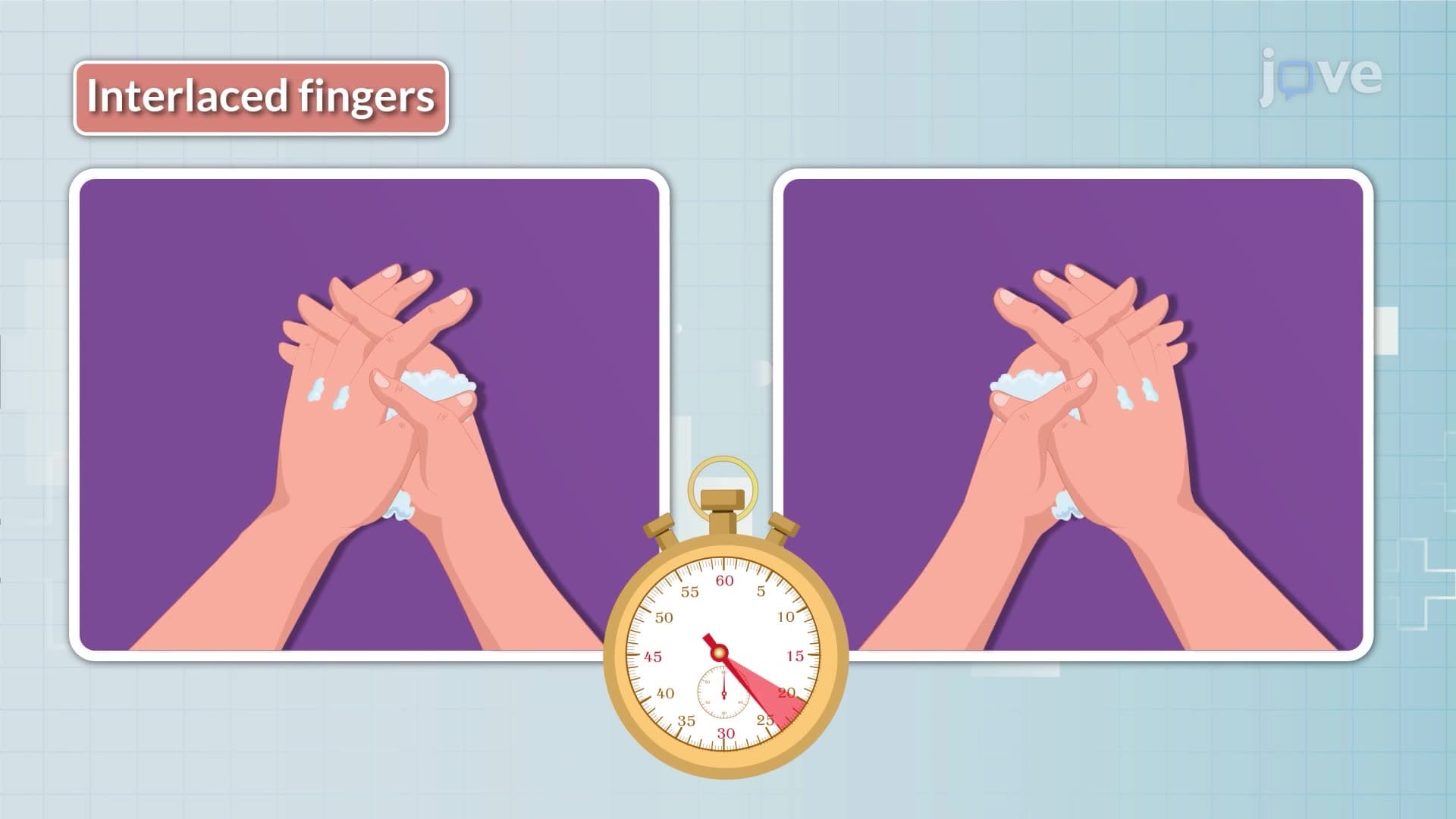

Video Summary: What Is Handwashing Iii
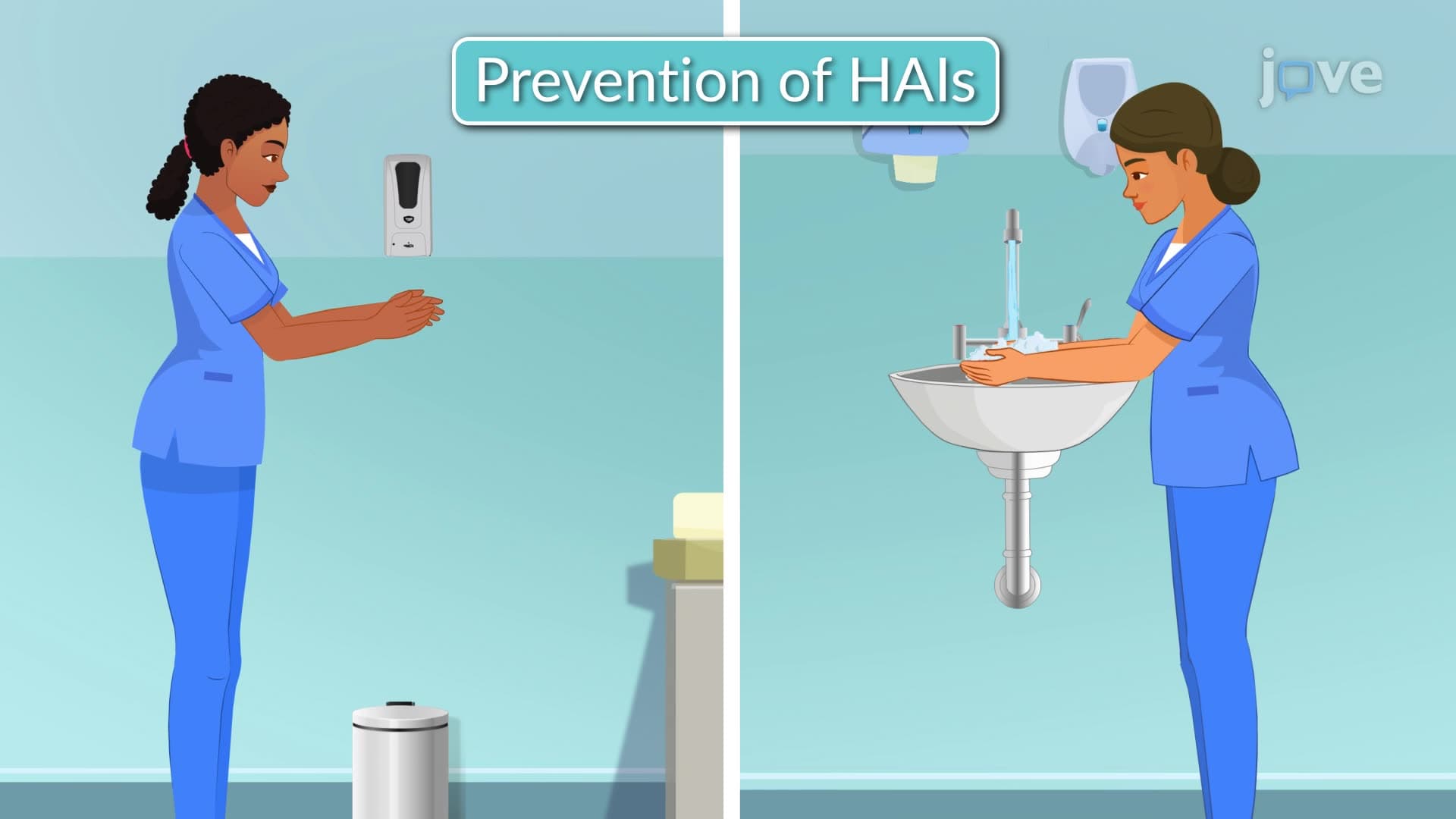
Every healthcare worker in the US performs handwashing thousands of times during their career, yet improper technique contributes to over 700,000 healthcare-associated infections annually. Handwashing involves a systematic seven-step process that removes pathogens from all hand surfaces through friction and proper rinsing technique. What is Handwashing III demonstrates the complete methodology used in clinical settings, from initial palm-to-palm rubbing through final towel disposal. Watch the full video on JoVE Coach to master this concept with expert-led visuals and step-by-step explanations.
What is Handwashing III represents the gold standard for hand hygiene in healthcare environments, building upon basic handwashing principles with systematic attention to all hand surfaces. This advanced technique addresses the complex anatomy of hands, ensuring complete pathogen removal from areas commonly missed in routine washing.
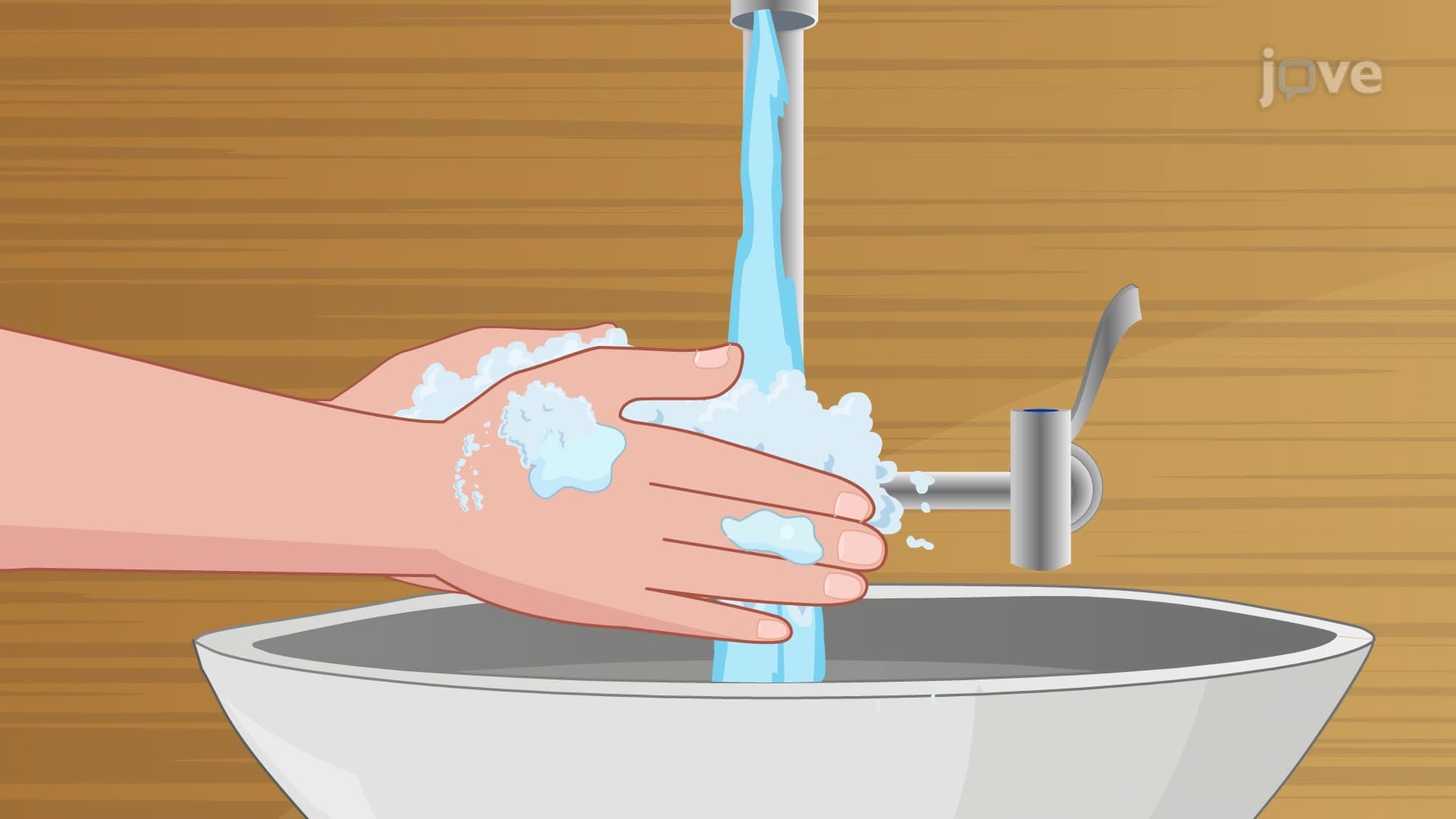
The systematic approach begins with palm-to-palm friction, creating the initial mechanical action necessary for loosening surface contaminants. The second step involves rubbing palms over the backs of hands with interlaced fingers, targeting the often-neglected dorsal surfaces where pathogens frequently accumulate.
Steps three through five focus on finger-specific techniques: palm-to-palm with fingers interlaced, backs of fingers rubbed against opposing palms with interlocked digits, and rotational thumb cleaning within the clasped palm. These movements address the complex geometry of finger spaces and joint crevices where standard washing fails.
The final hand-specific steps involve fingertip cleaning through rotational backward-forward motions and systematic wrist cleaning with the opposite hand. Each step targets specific anatomical regions based on contamination patterns documented in clinical microbiology studies.
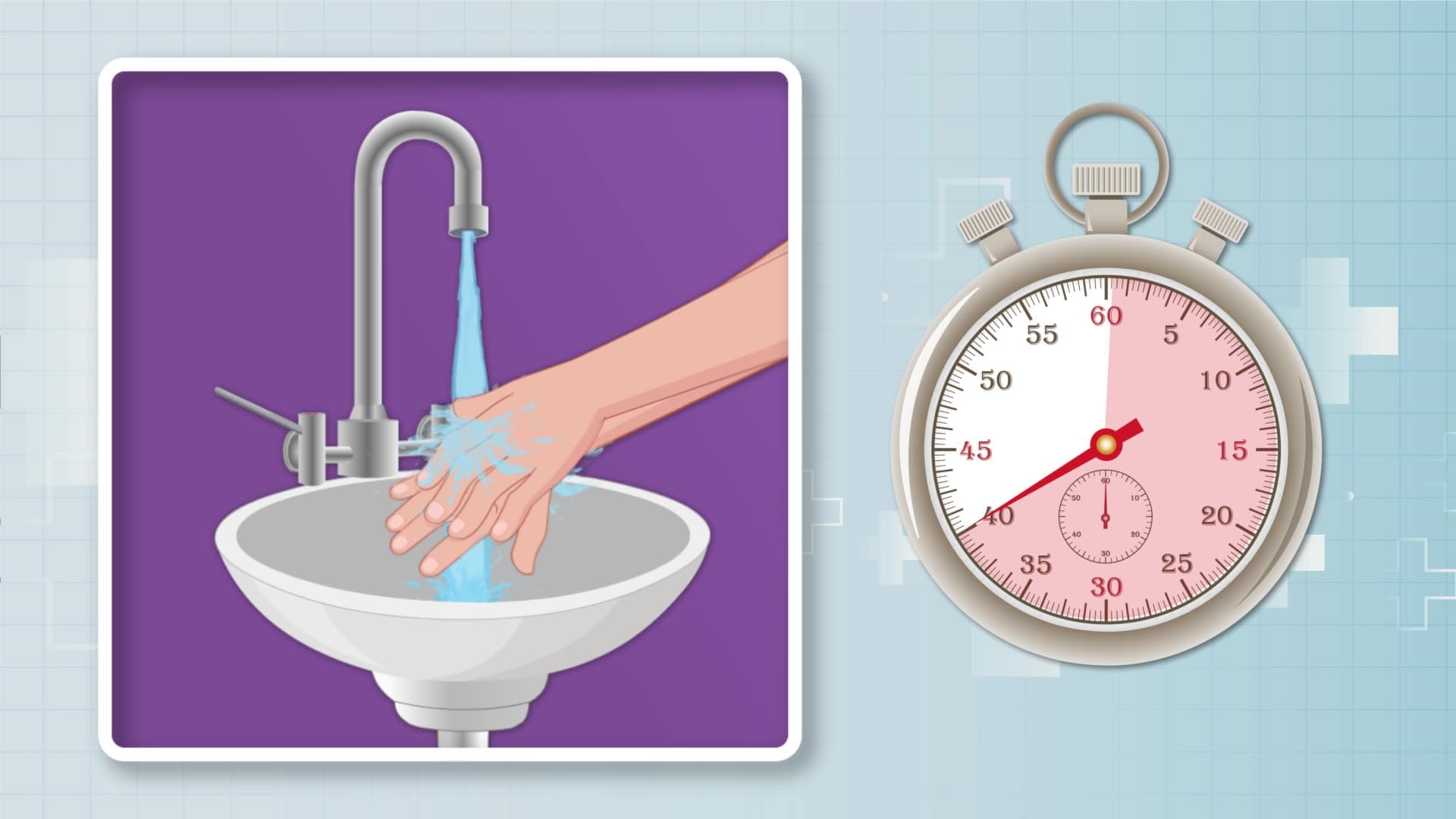
The effectiveness of What is Handwashing III relies on friction-generated mechanical forces that dislodge microorganisms from skin surfaces. Research conducted at Johns Hopkins University demonstrates that proper technique removes 99.9% of transient flora when performed correctly for the recommended duration.
The systematic approach addresses areas of highest contamination risk: fingertips (carrying 10^4-10^6 organisms per cm²), finger webs, and subungual spaces. Healthcare workers at Mayo Clinic facilities follow this exact protocol, particularly in surgical and intensive care environments where infection control is paramount.
This handwashing technique appears frequently on NCLEX-RN examinations, HESI A2 assessments, and TEAS nursing entrance exams. Pre-med students encounter these concepts in MCAT preparation, particularly in biological sciences sections covering infection control and public health principles.
College microbiology courses at institutions like UCLA and University of Michigan incorporate hands-on handwashing technique assessment as part of laboratory safety protocols. Students demonstrate proficiency before advancing to clinical rotations or research laboratory assignments.
Related Micro-courses