Loading subject page…


188,207 views

Video Summary: What Is Infection
Did you know that a single sneeze can release up to 40,000 droplets carrying pathogens? Infection occurs when harmful microorganisms like bacteria, viruses, or parasites successfully enter the body, multiply, and cause cellular damage. Consider how the 2020 COVID-19 pandemic demonstrated infection's devastating impact across American schools and communities. Understanding what is infection requires examining the complete chain of transmission-from pathogen reservoirs to susceptible hosts. Watch the full video on JoVE Coach to master this concept with expert-led visuals and step-by-step explanations.
Infection represents a complex biological phenomenon where pathogenic microorganisms successfully invade, establish residence, and multiply within a host organism, ultimately causing cellular damage and clinical symptoms. Unlike simple contamination-where pathogens merely contact surfaces-infection requires active microbial reproduction and host tissue invasion.
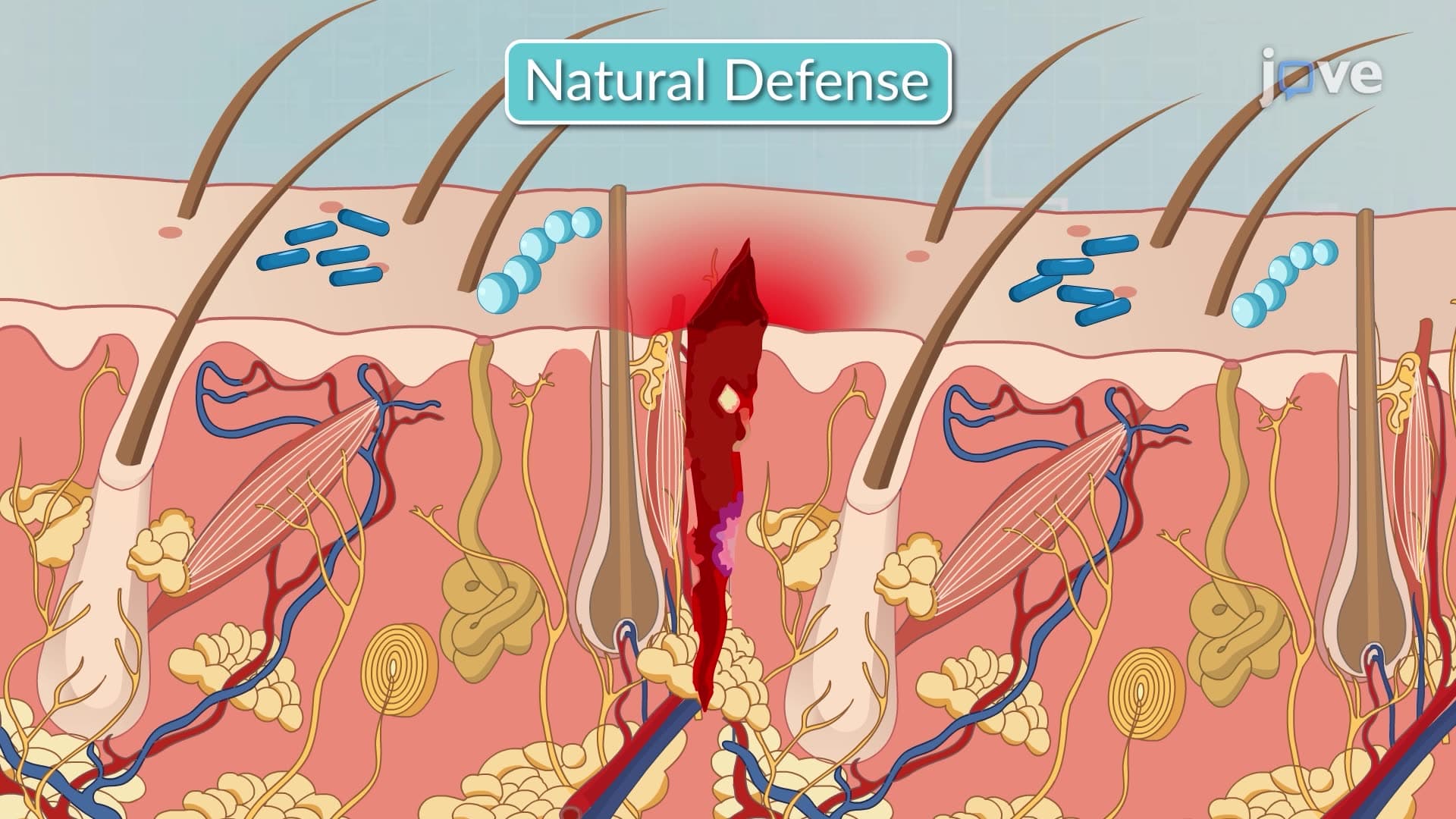
The infection definition explained encompasses both the biological process and clinical manifestations. When pathogens overcome the body's natural defenses, they begin destroying healthy cells, releasing toxins, and triggering inflammatory responses. This cellular damage manifests as symptoms ranging from localized inflammation to systemic illness, potentially progressing to serious disease states requiring medical intervention.
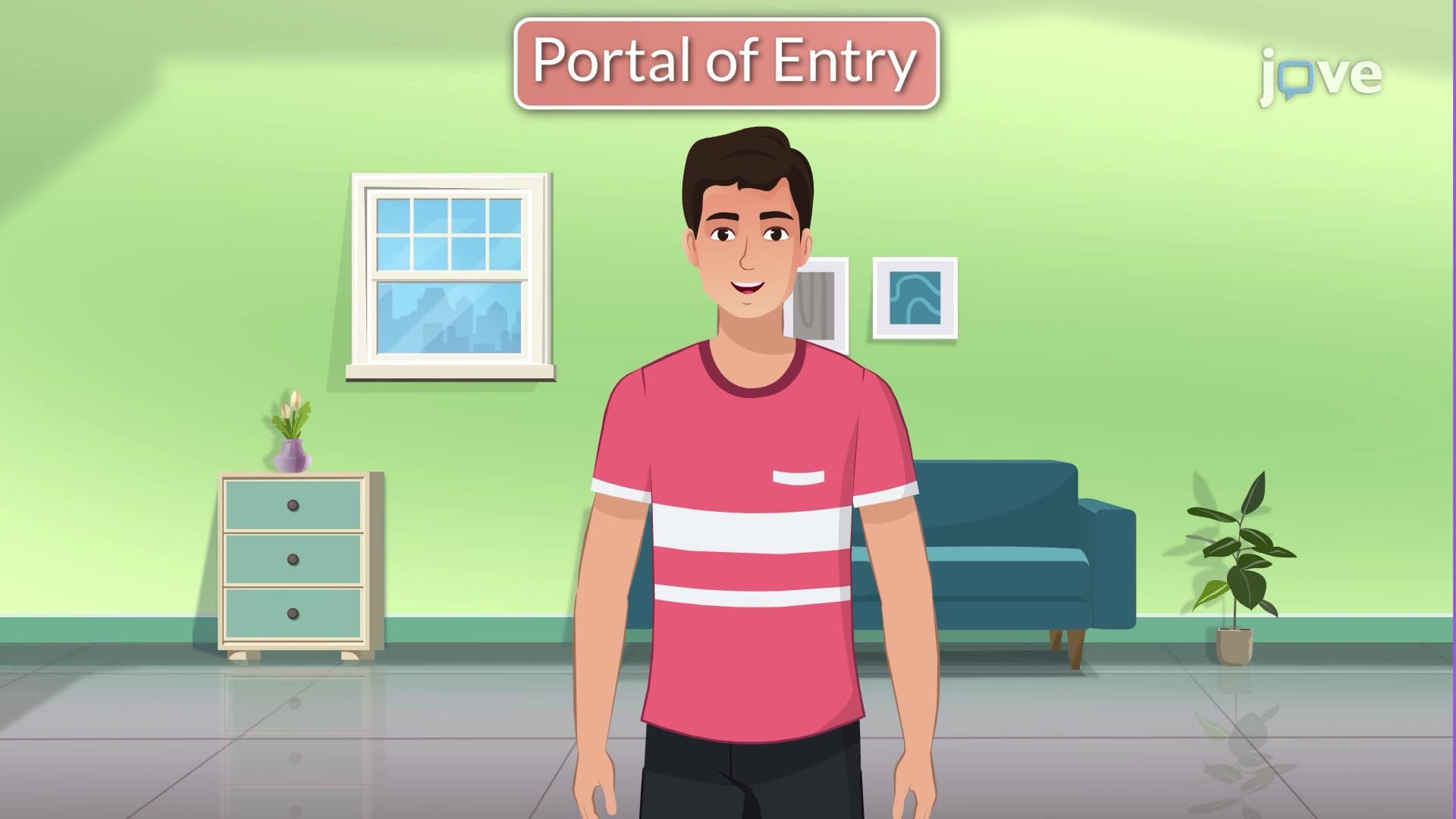
Understanding infection requires mastering the epidemiological concept known as the "chain of infection." This model identifies six interconnected links that must align for infection transmission to occur successfully.
Pathogens serve as the infectious agents-bacteria like *Staphylococcus aureus*, viruses such as influenza, fungi including *Candida albicans*, and parasites like *Plasmodium* species. Each pathogen type exhibits distinct characteristics affecting virulence, transmission patterns, and treatment approaches.
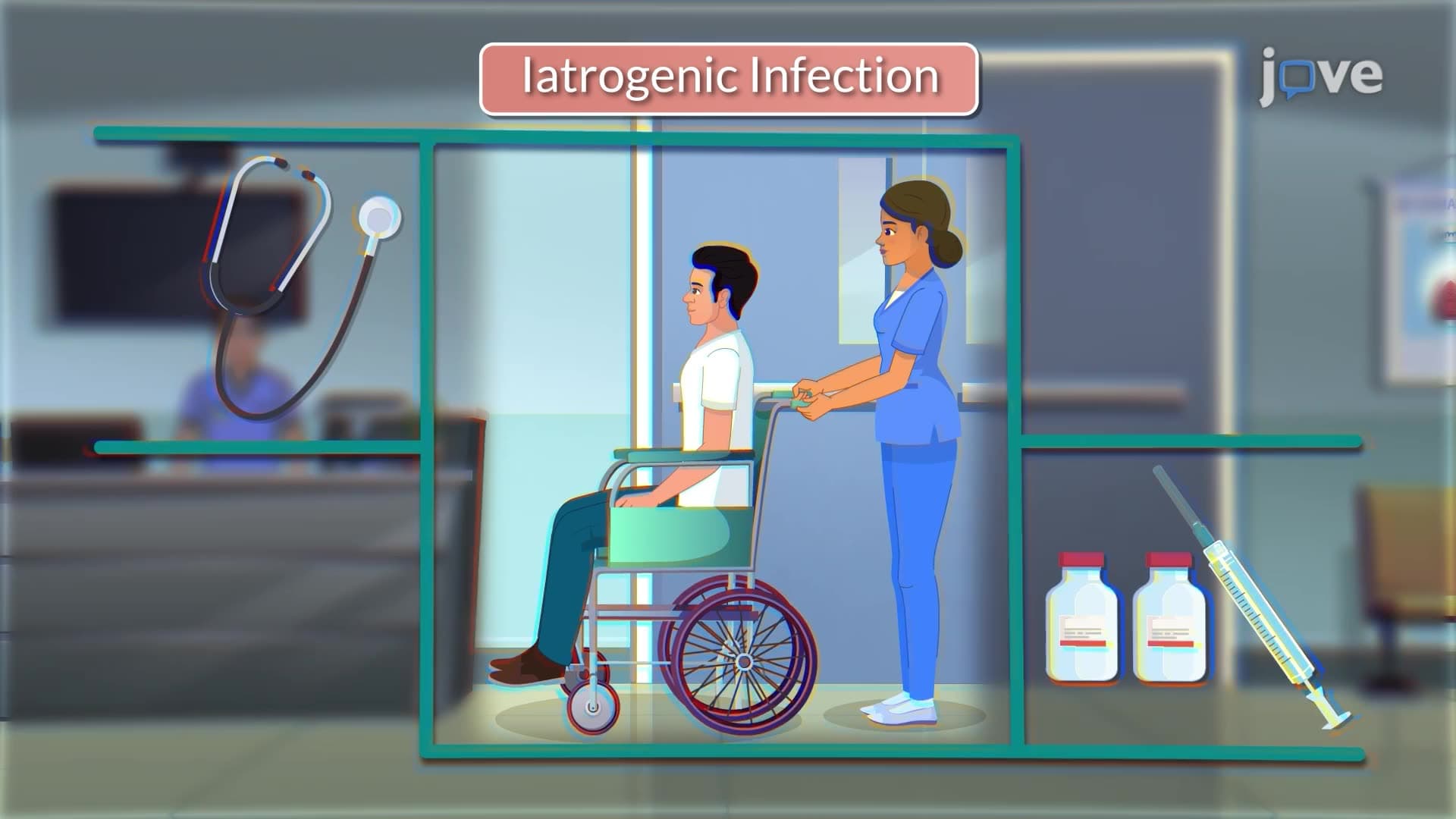
Reservoirs provide environments where pathogens survive and multiply. Human reservoirs include infected individuals and asymptomatic carriers, while animal reservoirs encompass wildlife populations harboring zoonotic diseases. Environmental reservoirs-contaminated water systems, soil, or medical equipment-particularly concern infection control professionals in American healthcare facilities.
Transmission modes determine how pathogens travel between hosts. Direct transmission occurs through physical contact, sexual activity, or respiratory droplets from coughing and sneezing. Indirect transmission involves intermediate vectors like mosquitoes carrying West Nile virus or contaminated fomites such as doorknobs, medical instruments, or shared surfaces in American schools and workplaces.
Host susceptibility varies significantly based on multiple factors. Genetic predisposition influences infection resistance, while age affects immune system competency-explaining why pediatric and geriatric populations experience higher infection rates. Immunocompromised patients, including those receiving chemotherapy or organ transplants in American medical centers, face elevated infection risks requiring specialized precautions.
Understanding infection proves crucial for students preparing for standardized exams. The MCAT extensively tests infection biology concepts, while AP Biology examines pathogen-host interactions. College microbiology courses emphasize infection mechanisms, and healthcare professional exams (NCLEX, HESI A2) focus on infection control practices essential for patient safety in American hospitals.
Related Micro-courses