Loading video…


 22 Concepts
 188.2K views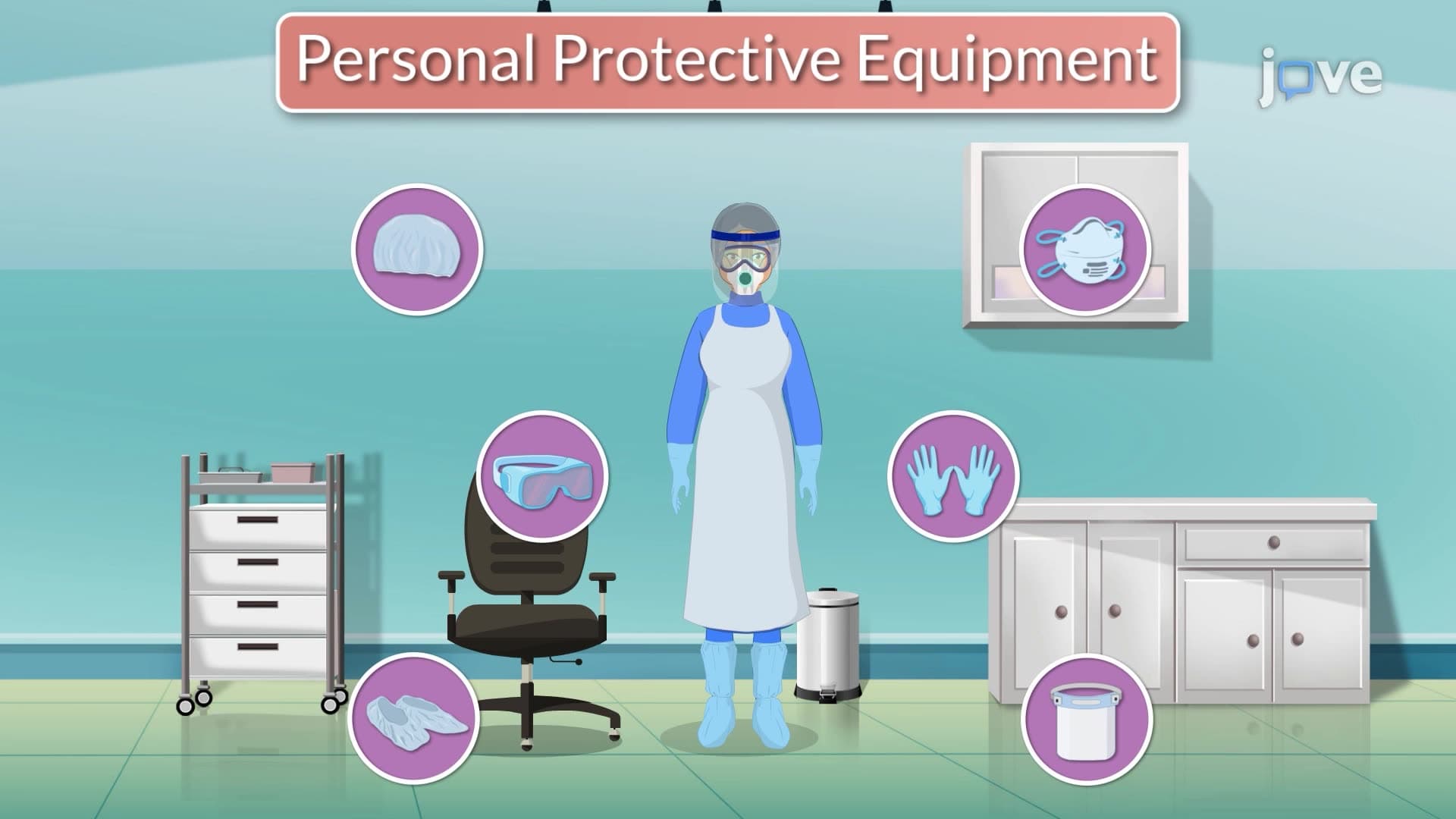

Video Summary: What Is Personal Protective Equipment
During the COVID-19 pandemic, healthcare workers became heroes partly due to their proper use of personal protective equipment, preventing countless infections. Personal protective equipment creates essential barriers against infectious agents, from basic gloves used in US hospitals to advanced respirators protecting CDC researchers. This protective gear ranges from simple face masks to comprehensive head-to-toe coverage systems used in high-risk medical environments. Watch the full video on JoVE Coach to master this concept with expert-led visuals and step-by-step explanations.
Personal protective equipment represents a cornerstone of modern infection control and occupational safety. This specialized equipment creates physical barriers between users and potentially harmful substances, including infectious agents, chemicals, and environmental hazards. In US healthcare settings, from major medical centers like Mayo Clinic to local community hospitals, PPE serves as the first line of defense protecting both healthcare workers and patients.
The concept extends far beyond basic protection-it encompasses a systematic approach to risk reduction. Students preparing for health science careers, including those taking AP Biology or college-level microbiology courses, must understand that PPE effectiveness depends on proper selection, application, and removal procedures.
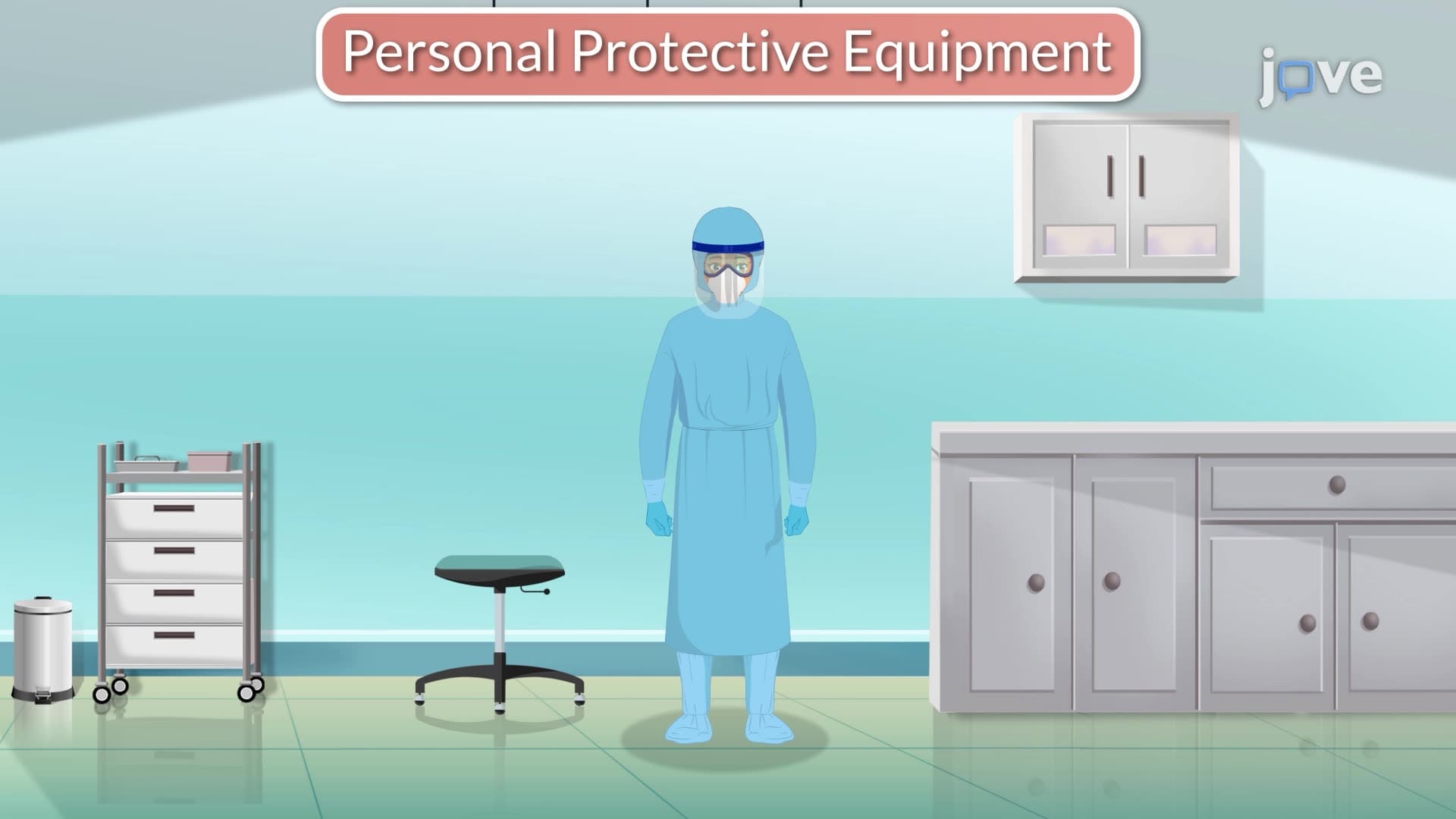
Different PPE components target specific exposure routes and body regions. Gloves form the primary barrier against hand contamination, essential since hands represent the most common vector for pathogen transmission. In US clinical settings, nitrile gloves have largely replaced latex due to allergy concerns, while specialized chemotherapy gloves protect against cytotoxic drug exposure.
Gowns and aprons protect the torso and arms from splashes and direct contact. US hospitals typically use disposable isolation gowns for standard precautions, while reusable surgical gowns undergo strict sterilization protocols. Face masks cover mucous membranes of the nose and mouth-critical entry points for respiratory pathogens. The distinction between surgical masks and N95 respirators became widely understood during the COVID-19 pandemic, with respirators providing superior filtration efficiency.
Respirators represent the gold standard for airborne pathogen protection. The National Institute for Occupational Safety and Health (NIOSH) certifies respirators used in US workplaces, with N95 masks filtering at least 95% of airborne particles. Healthcare workers caring for tuberculosis patients or working in negative pressure isolation rooms rely on fit-tested N95 or higher-grade respirators.
Face shields and goggles protect eyes and surrounding facial areas from splashes and droplets. During procedures generating aerosols, such as intubation in US emergency departments, comprehensive eye protection becomes crucial. Head and shoe covers complete the protection system, particularly important in operating rooms and high-containment laboratories.
Effective PPE use requires systematic donning (putting on) and doffing (removing) procedures. US healthcare institutions follow CDC guidelines establishing specific sequences to prevent self-contamination. Students studying for the NCLEX or HESI A2 exams must master these procedures, as they frequently appear in clinical scenarios and simulation questions.
The removal sequence proves especially critical-PPE removal in the wrong order can contaminate the wearer despite perfect initial application. Hand hygiene immediately following PPE removal represents the final crucial step, breaking any remaining transmission chains.
Related Micro-courses