Loading subject page…


188,206 views


Video Summary: What Is Standard Precaution
Did you know that healthcare workers at Johns Hopkins Hospital follow the same infection control protocols whether treating a common cold or managing a surgical procedure? Standard precaution represents the universal foundation of infection prevention that protects both patients and healthcare providers across all medical settings. These evidence-based practices, including hand hygiene and personal protective equipment use, form the cornerstone of safe healthcare delivery in facilities from Cleveland Clinic to rural community hospitals. Watch the full video on JoVE Coach to master this concept with expert-led visuals and step-by-step explanations.
Standard precaution represents the minimum level of infection prevention practices that healthcare workers must apply universally to all patient interactions, regardless of suspected or confirmed infection status. Developed by the Centers for Disease Control and Prevention (CDC), these protocols operate on the principle that all blood, body fluids, secretions, and excretions may contain transmissible infectious agents. This comprehensive approach revolutionized healthcare safety by eliminating the guesswork in infection control-every patient receives the same baseline protection.
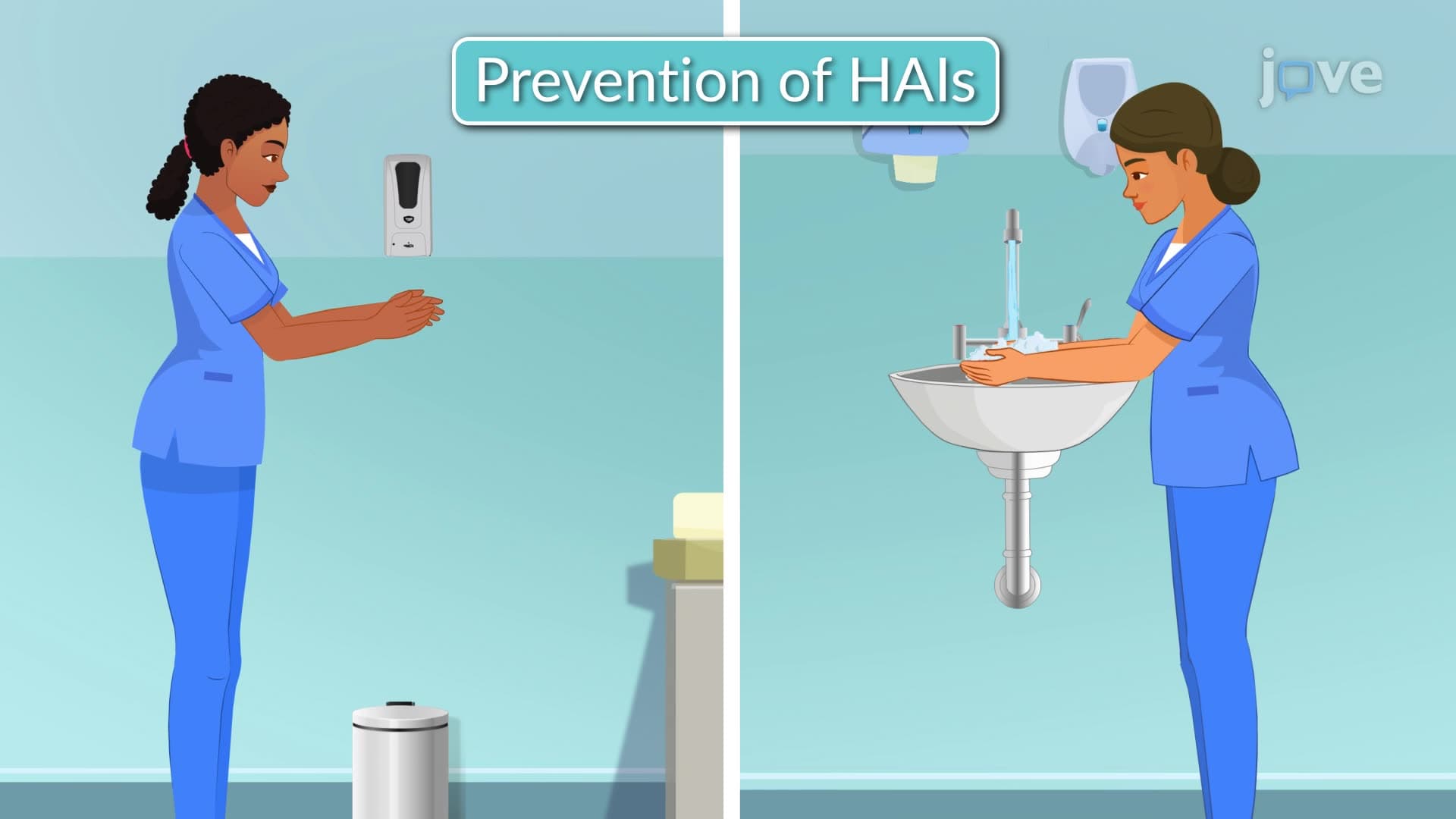
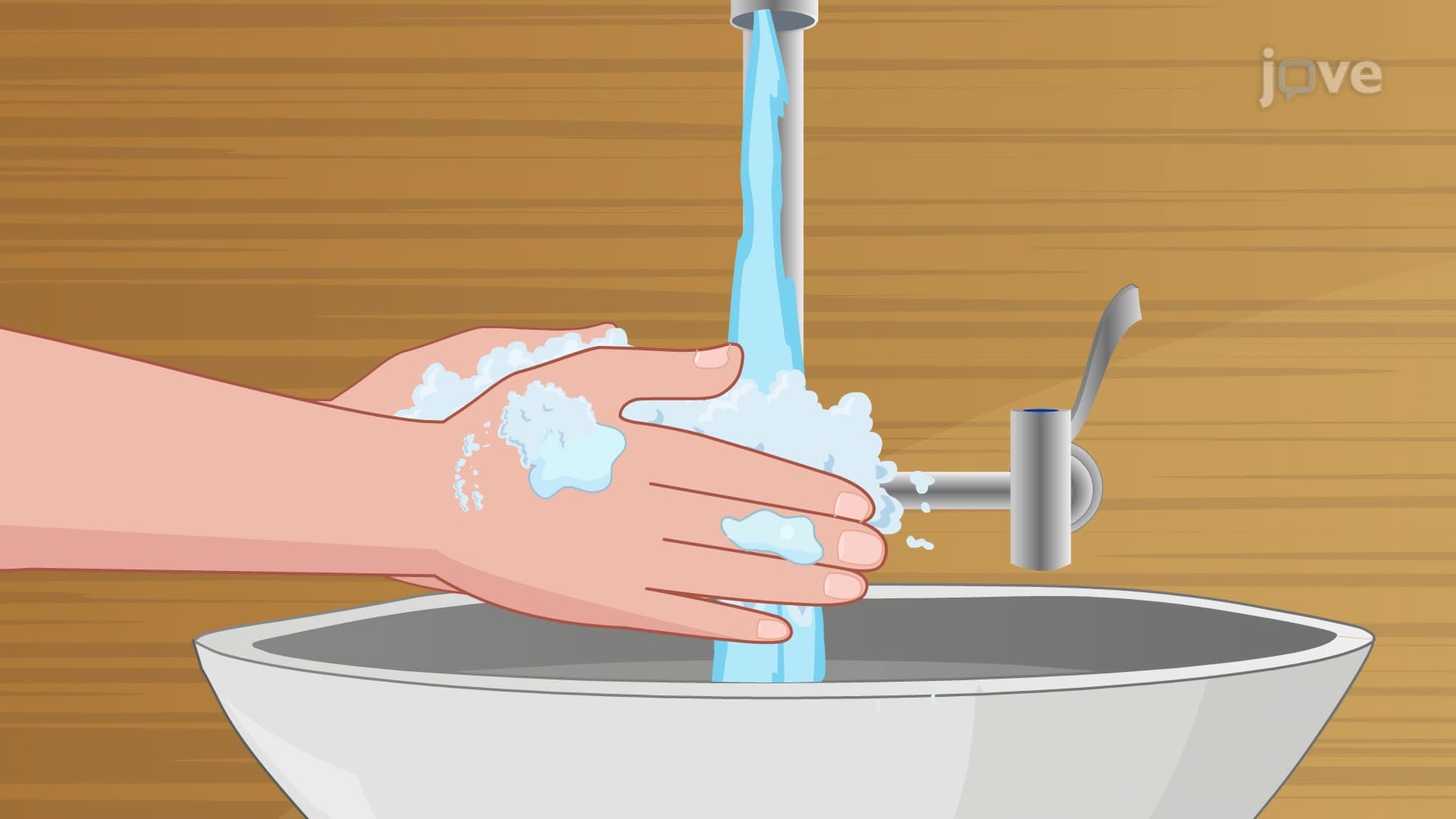
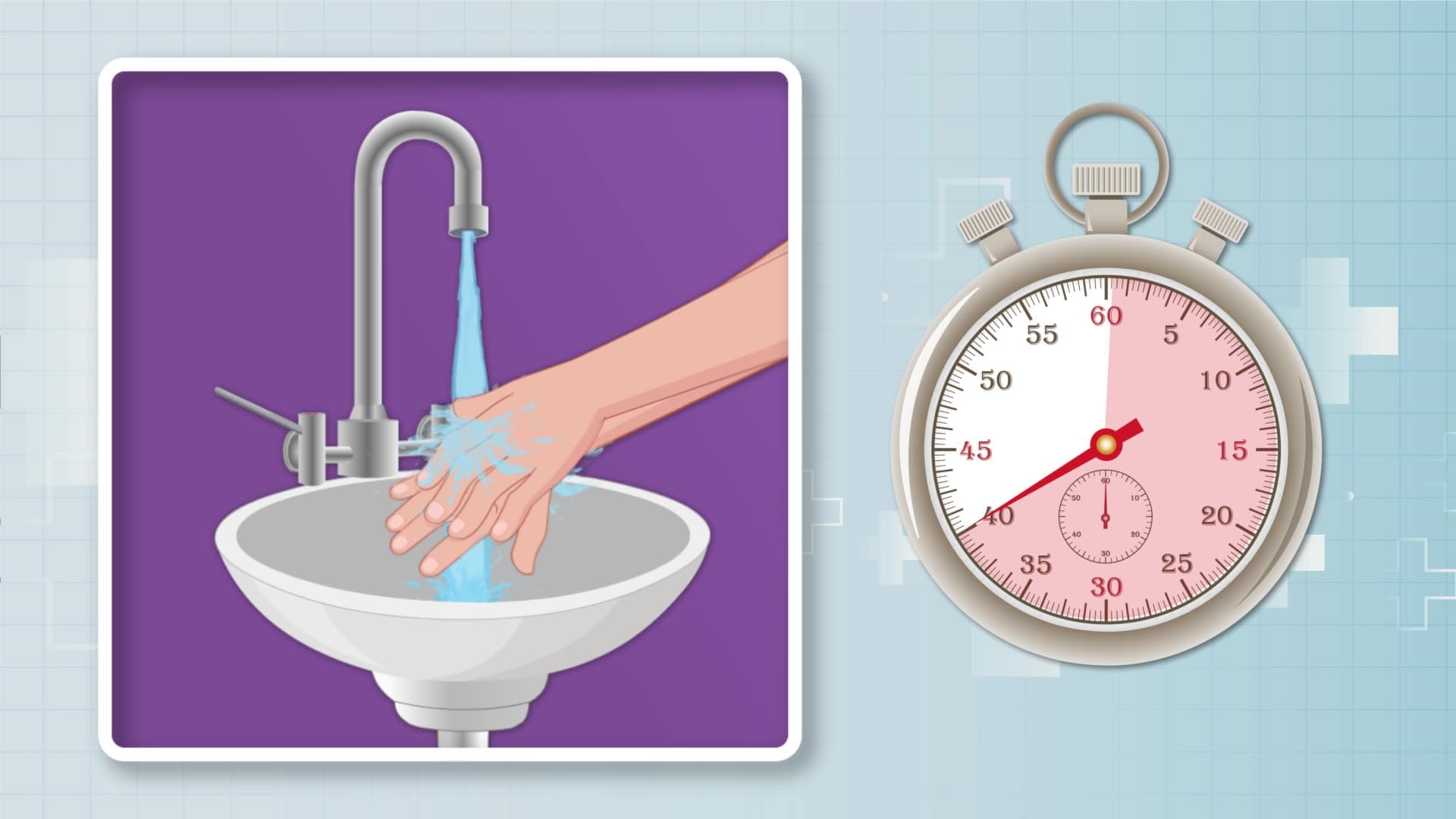
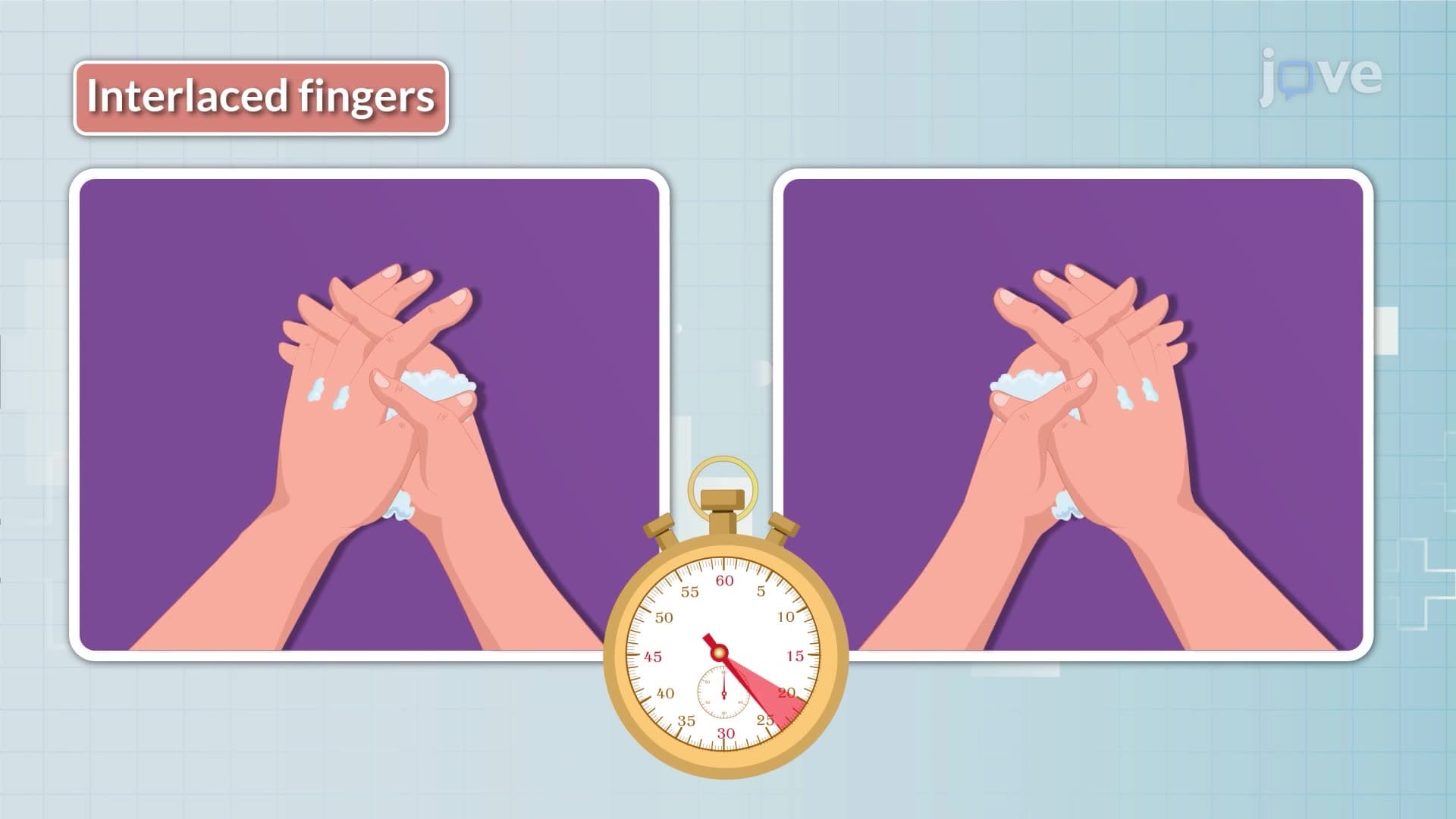
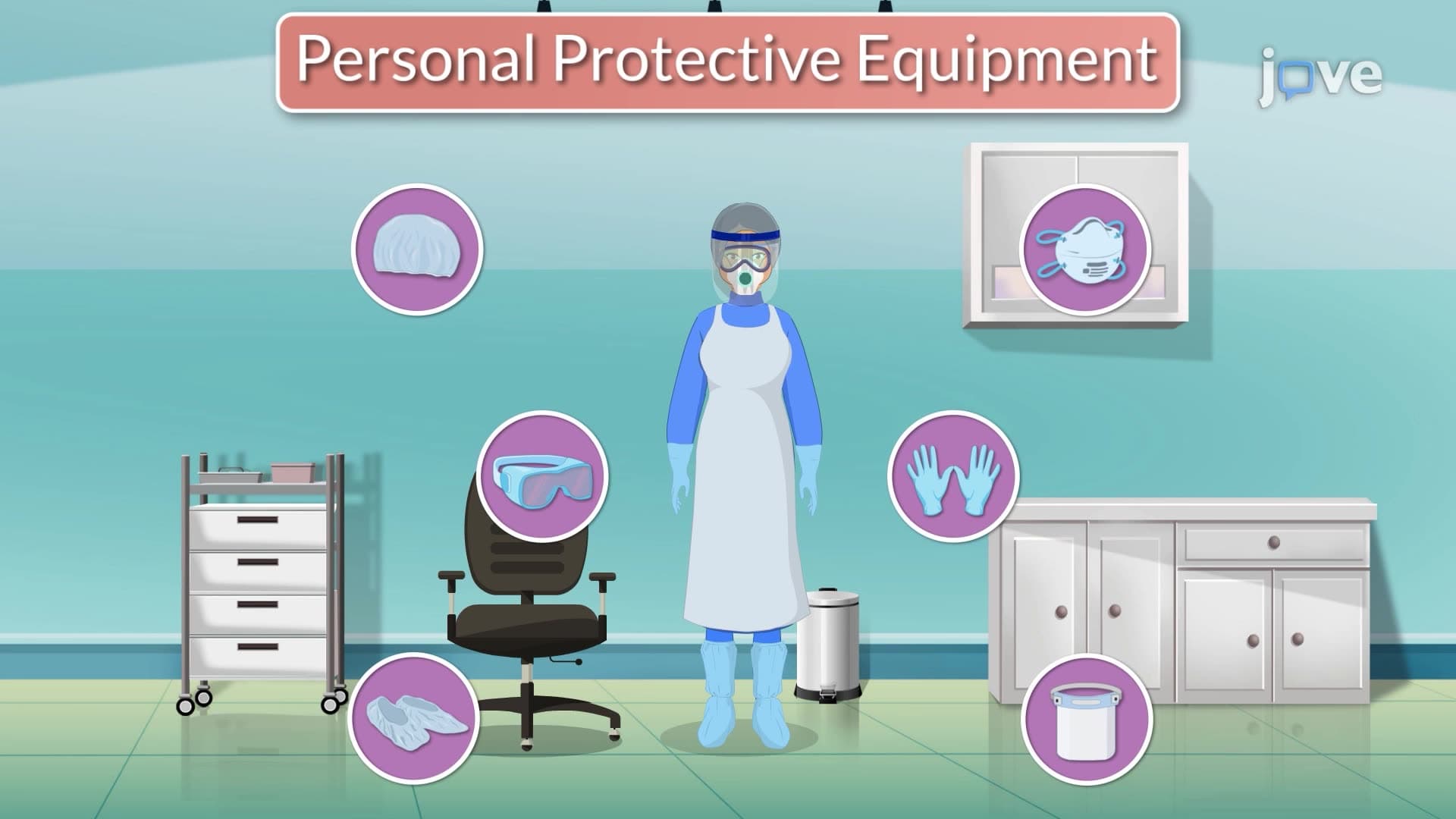
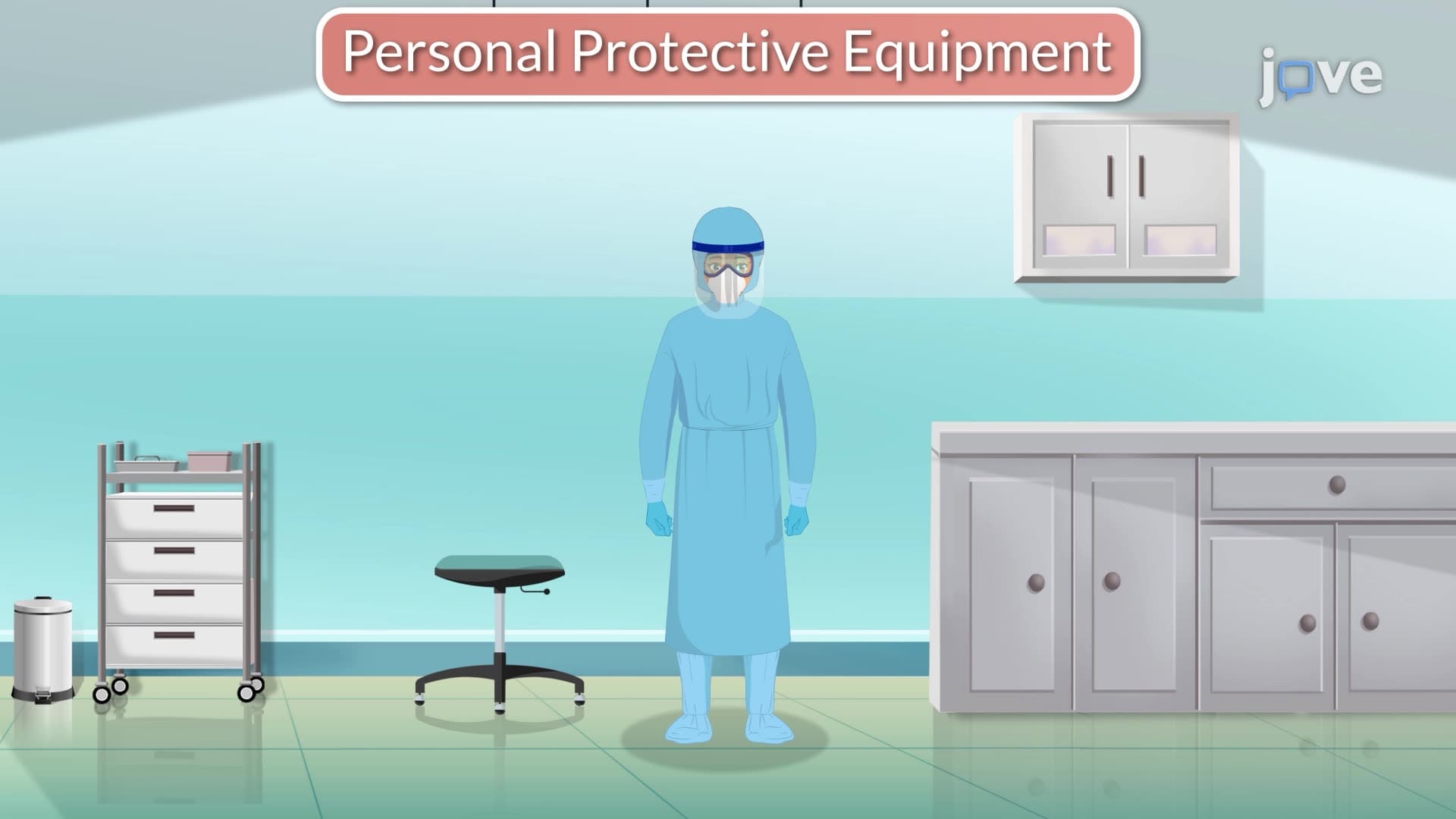
The foundation of standard precautions rests on meticulous hand hygiene, which studies show can reduce healthcare-associated infections by up to 50%. Healthcare workers must perform hand hygiene before and after every patient contact using either alcohol-based hand sanitizer or soap and water. Personal protective equipment (PPE) selection follows a systematic risk assessment approach-surgical masks for routine patient care, N95 respirators during aerosol-generating procedures, and full face shields when splash exposure is anticipated.
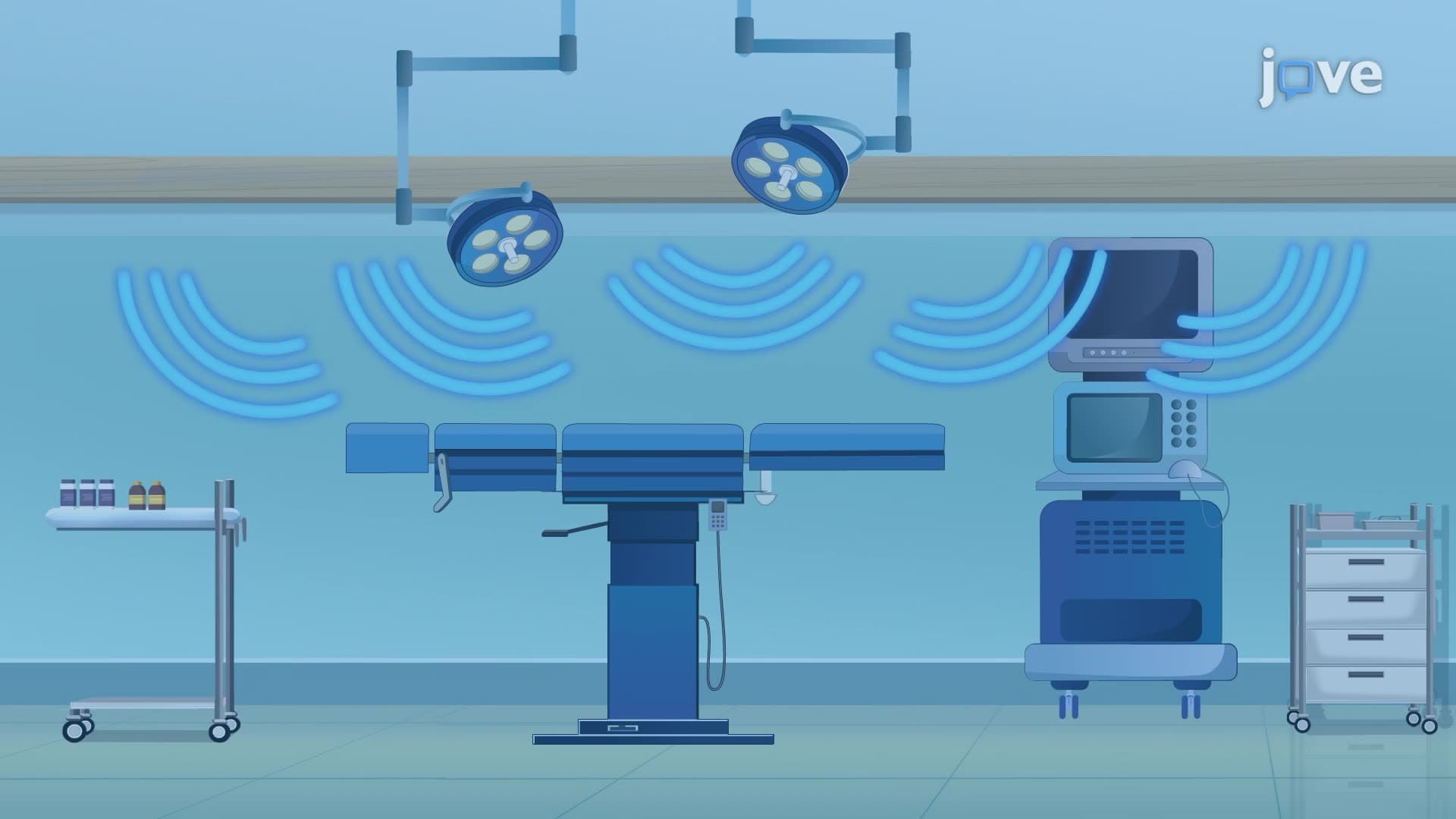
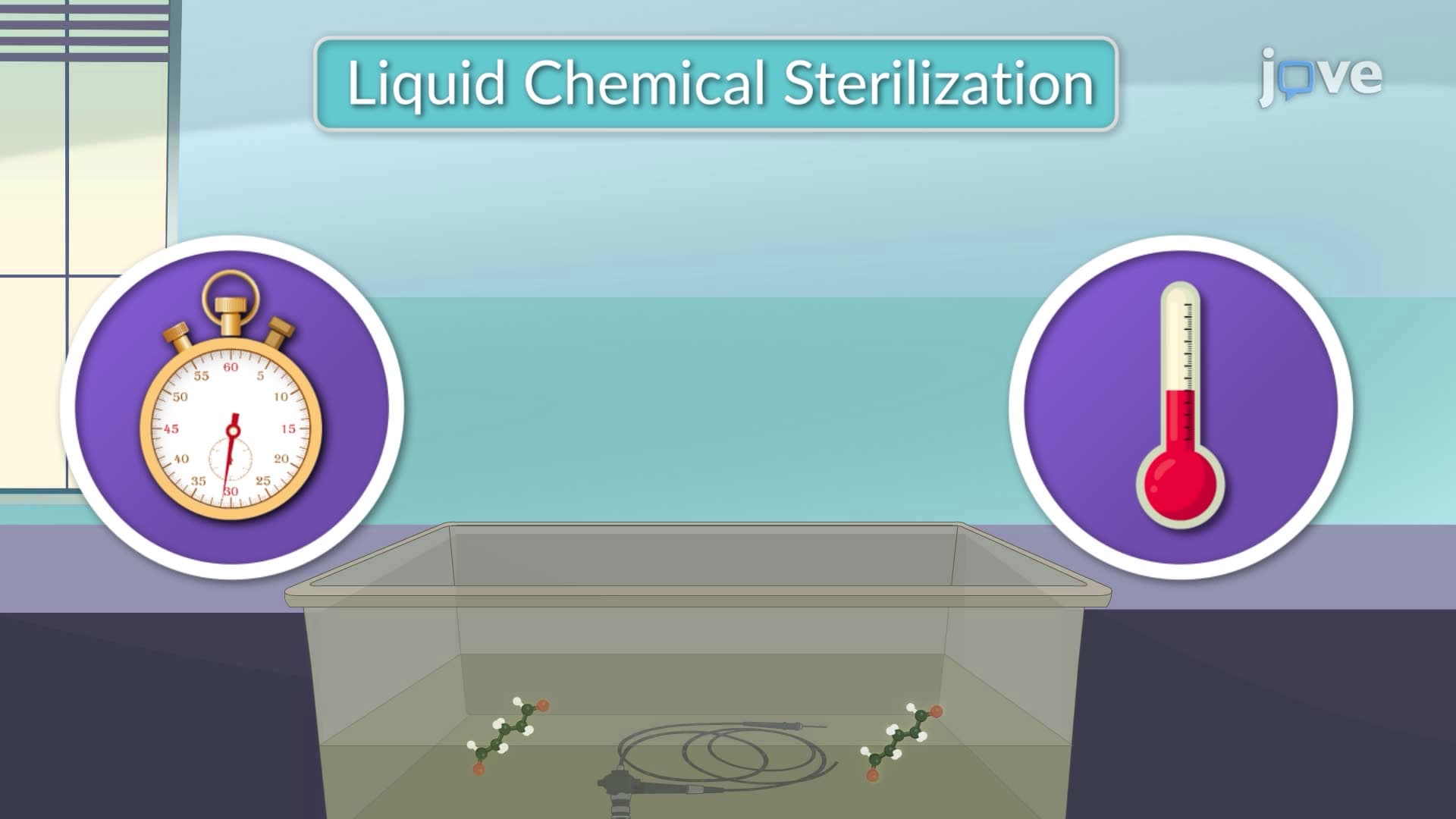
Environmental controls play an equally critical role, requiring regular disinfection of high-touch surfaces using EPA-approved disinfectants. Patient care equipment demands proper cleaning and sterilization between uses, while contaminated linens require careful handling to prevent environmental contamination. These protocols gained heightened attention during the COVID-19 pandemic when hospitals nationwide reinforced standard precaution compliance.
Standard precautions feature prominently in nursing licensure examinations like the NCLEX-RN, where students encounter scenario-based questions about PPE selection and infection control protocols. Pre-med students preparing for the MCAT benefit from understanding these concepts within the broader context of public health and healthcare delivery systems. Medical schools integrate standard precautions into clinical skills training, emphasizing proper technique before students enter patient care rotations.
Real-world application varies by setting-emergency departments at hospitals like Massachusetts General implement rigorous standard precautions due to unknown patient conditions, while outpatient clinics may focus more heavily on hand hygiene and surface disinfection. Understanding these nuances prepares students for clinical experiences and professional healthcare careers.
Sharp safety represents a critical component often tested in healthcare examinations. The Needlestick Safety and Prevention Act requires healthcare facilities to use safety-engineered sharps devices and maintain detailed injury logs. Students must understand that needle recapping using the two-hand method is strictly prohibited due to injury risk-instead, safety devices with retractable needles or one-handed recapping techniques provide protection.
Respiratory hygiene gained renewed emphasis following recent pandemic experiences, requiring source control measures like patient masking and proper cough etiquette. These protocols now extend beyond traditional healthcare settings to include dental offices, urgent care centers, and long-term care facilities throughout the United States.
Related Micro-courses