Loading video…


 12 Concepts
 21.2K views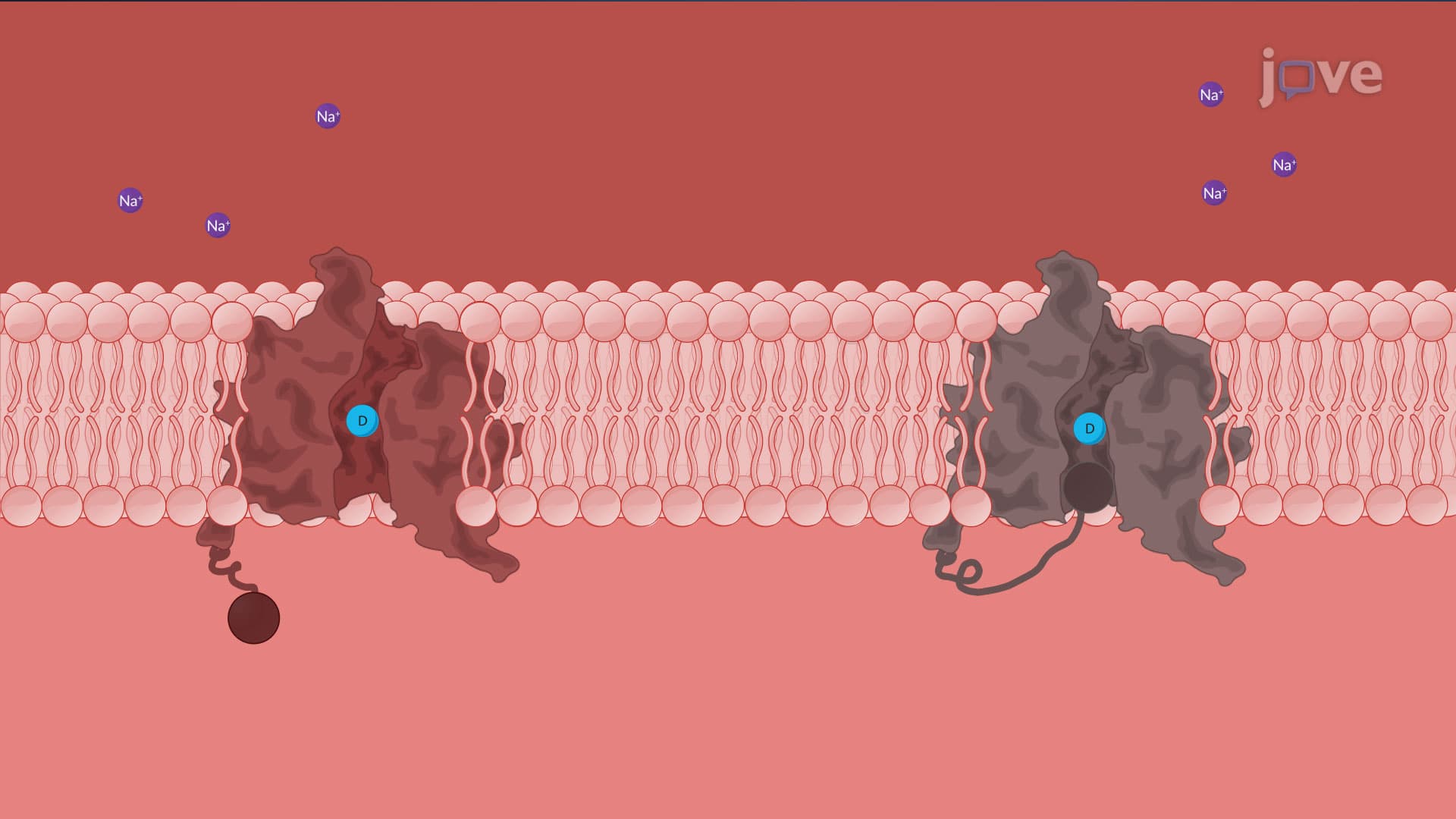

Video Summary: Antiarrhythmic Drugs Class I Agents Explained
Did you know that antiarrhythmic drugs class I are the frontline medications used in emergency rooms across America when patients arrive with dangerous heart rhythm disorders? These sodium channel blockers work by preventing abnormal electrical signals from spreading through the heart muscle. For instance, when paramedics in Chicago treat a patient experiencing ventricular tachycardia, they often rely on Class I agents like lidocaine to restore normal rhythm. Watch the full video on JoVE Coach to master this concept with expert-led visuals and step-by-step explanations.
Antiarrhythmic drugs Class I represent a cornerstone of cardiovascular pharmacology, functioning as sodium channel blockers that target the root cause of many cardiac rhythm disturbances. These medications work by interfering with the rapid influx of sodium ions during the initial phase of cardiac action potentials, effectively "calming" overexcited heart tissue that would otherwise generate dangerous arrhythmias.
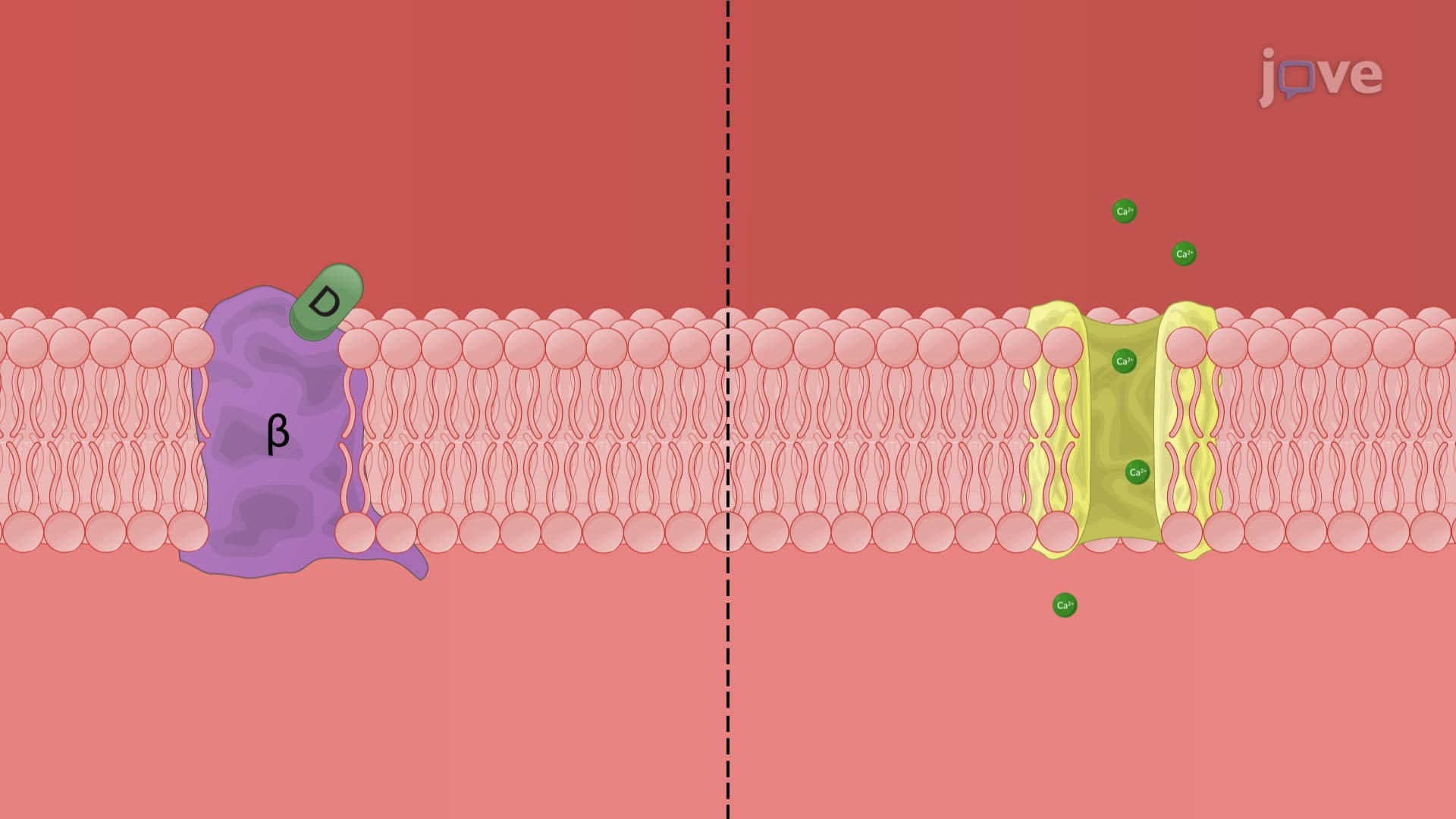
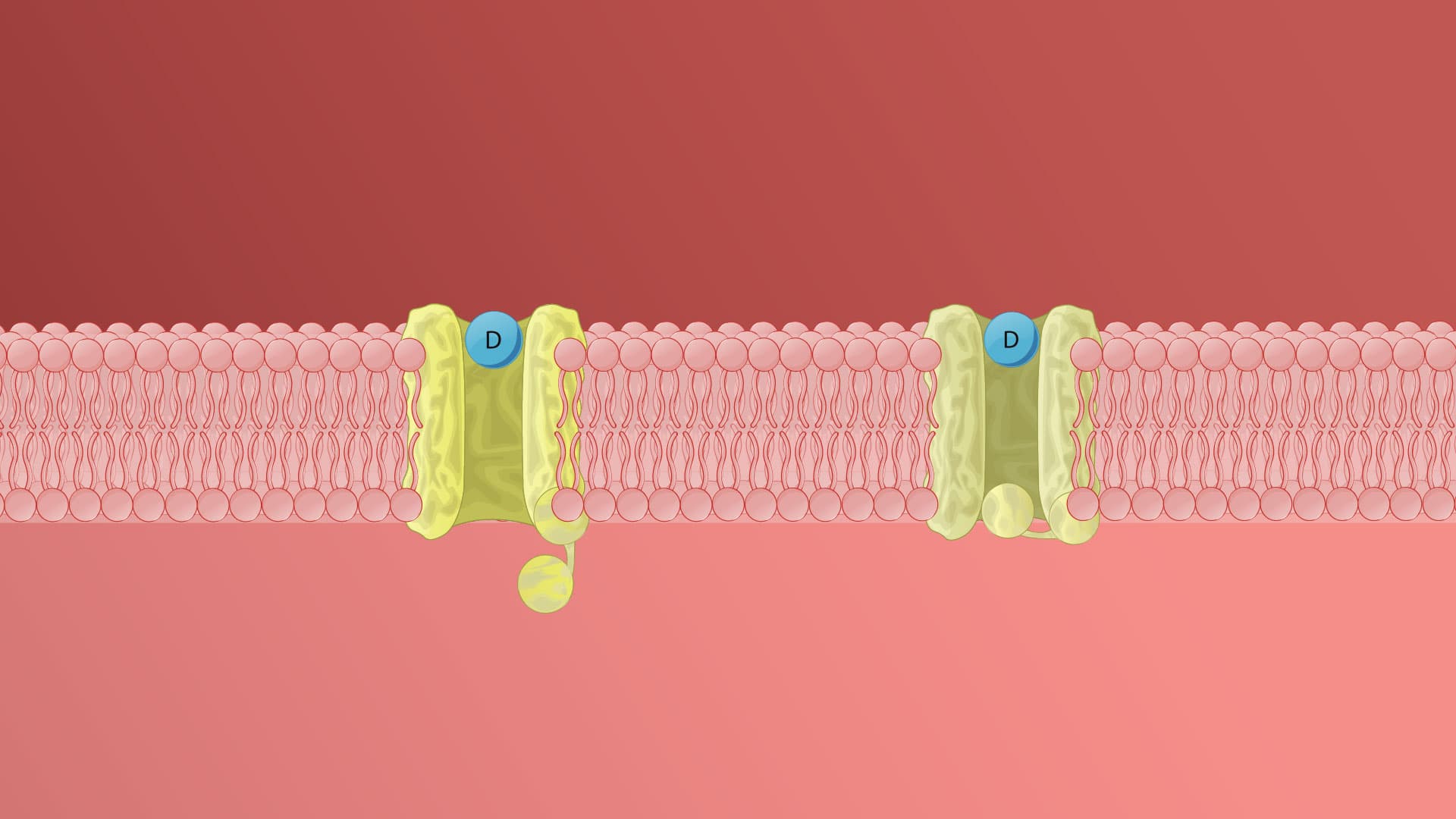
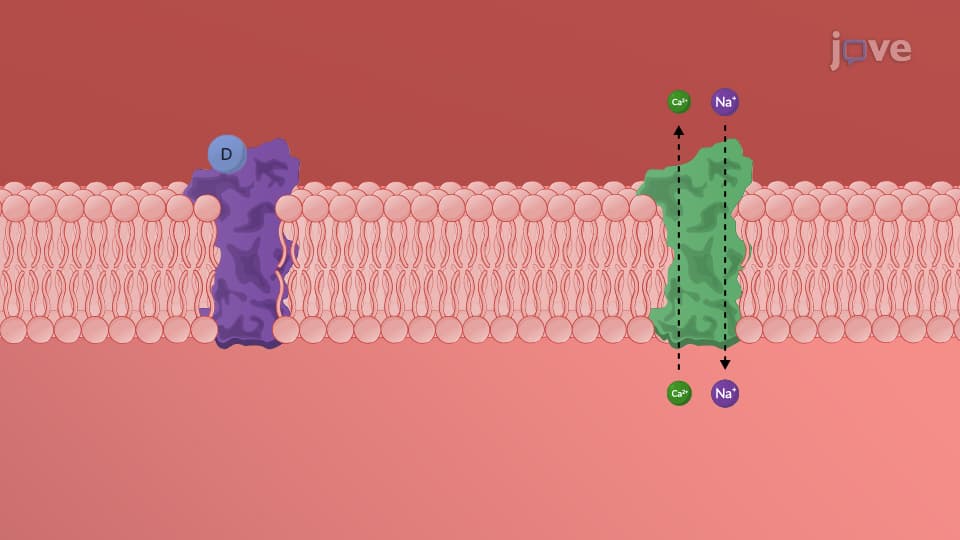
The mechanism centers on blocking voltage-sensitive sodium channels in their open or inactivated states, particularly in tissues experiencing continuous depolarization. This intervention prevents the cascade of electrical events that lead to abnormal heart rhythms, making these drugs essential tools in both emergency and chronic cardiac care.
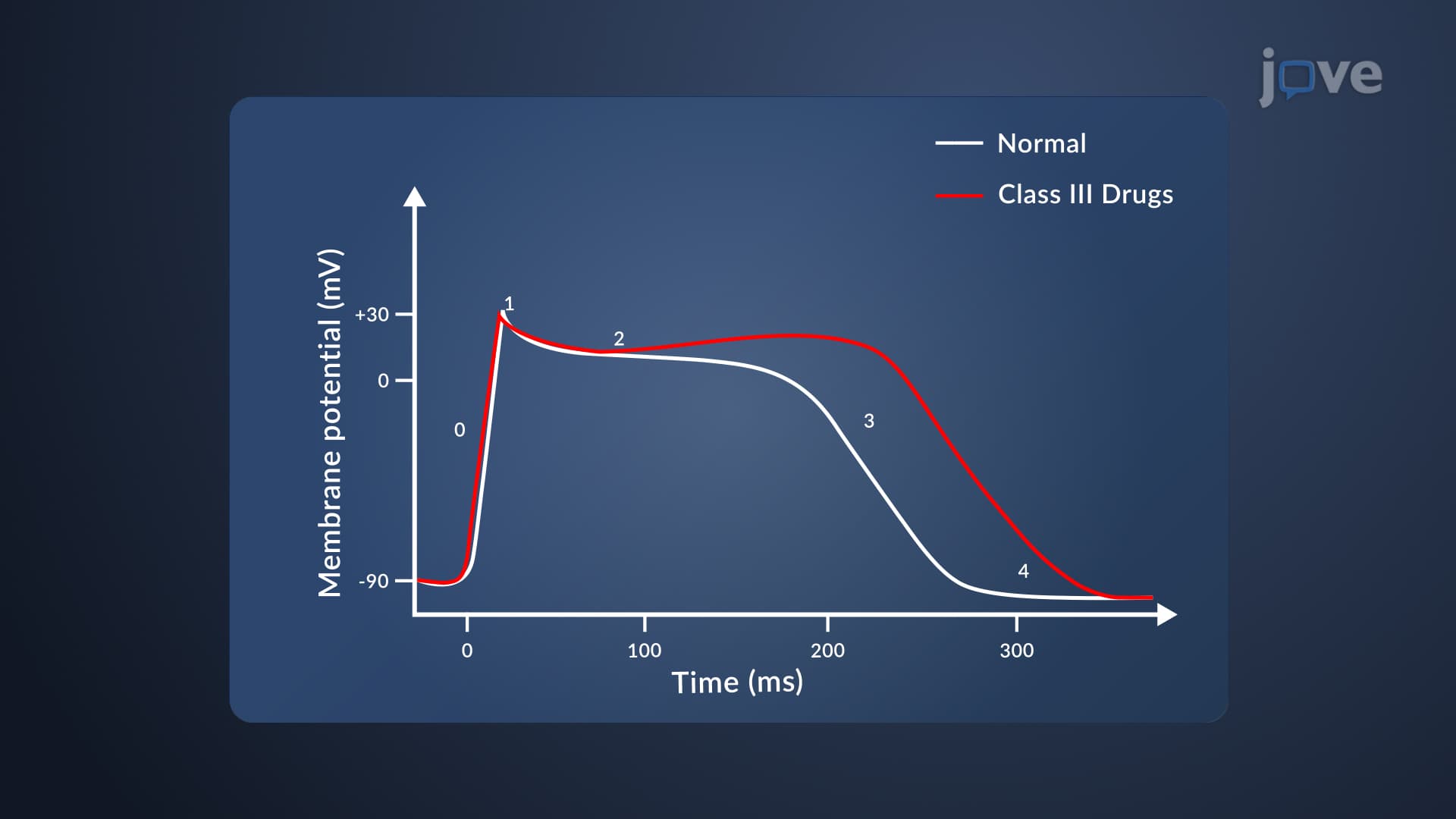
Class IA drugs, including quinidine, procainamide, and disopyramide, demonstrate intermediate dissociation kinetics from sodium channels. These medications create a dual effect: they slow the rapid depolarization phase (phase 0) while simultaneously blocking potassium channels. This combination extends both the refractory period and action potential duration, providing sustained protection against re-entrant arrhythmias.
In clinical practice, Class IA agents are often used for atrial fibrillation and ventricular arrhythmias. However, their potassium-blocking properties can lead to QT prolongation, requiring careful ECG monitoring in hospital settings across the United States.
Class IB drugs like lidocaine and mexiletine exhibit rapid dissociation kinetics, making them particularly effective for acute situations. Unlike their IA counterparts, these agents actually shorten action potential duration by affecting phase 3 repolarization, making them ideal for emergency departments treating ventricular tachycardia.
Class IC agents, including flecainide and propafenone, represent the most potent sodium channel blockers with slow dissociation kinetics. They significantly reduce phase 0 depolarization without altering action potential duration, making them effective for supraventricular arrhythmias but requiring careful patient selection due to increased proarrhythmic risk.
For students preparing for the MCAT, AP Biology, or college-level physiology courses, understanding these drugs provides insight into fundamental cardiovascular physiology. The classification system appears frequently on USMLE Step 1 examinations, where students must correlate molecular mechanisms with clinical outcomes. Nursing students preparing for NCLEX or HESI A2 exams will encounter these concepts when studying cardiac pharmacology and critical care protocols.
Related Micro-courses