14 Concepts
11 Concepts
29 Concepts
19 Concepts
24 Concepts
20 Concepts
13 Concepts
10 Concepts
12 Concepts
12 Concepts
7 Concepts
6 Concepts
8 Concepts
6 Concepts
8 Concepts
8 Concepts
8 Concepts
6 Concepts
9 Concepts
8 Concepts
8 Concepts
10 Concepts
7 Concepts
5 Concepts
16 Concepts
Cardiovascular drugs, particularly anticoagulants and antianginal agents, represent critical therapeutic interventions for managing thrombotic disorders and ischemic heart disease in the United States healthcare system. This comprehensive course examines anticoagulant antiplatelet drugs including heparins, warfarin, and direct oral anticoagulants, alongside antianginal medications such as nitrates and beta-blockers. Students explore mechanisms of action, clinical applications, and monitoring requirements essential for understanding anticoagulants and antianginal pharmacotherapy through JoVE Coach's systematic approach.
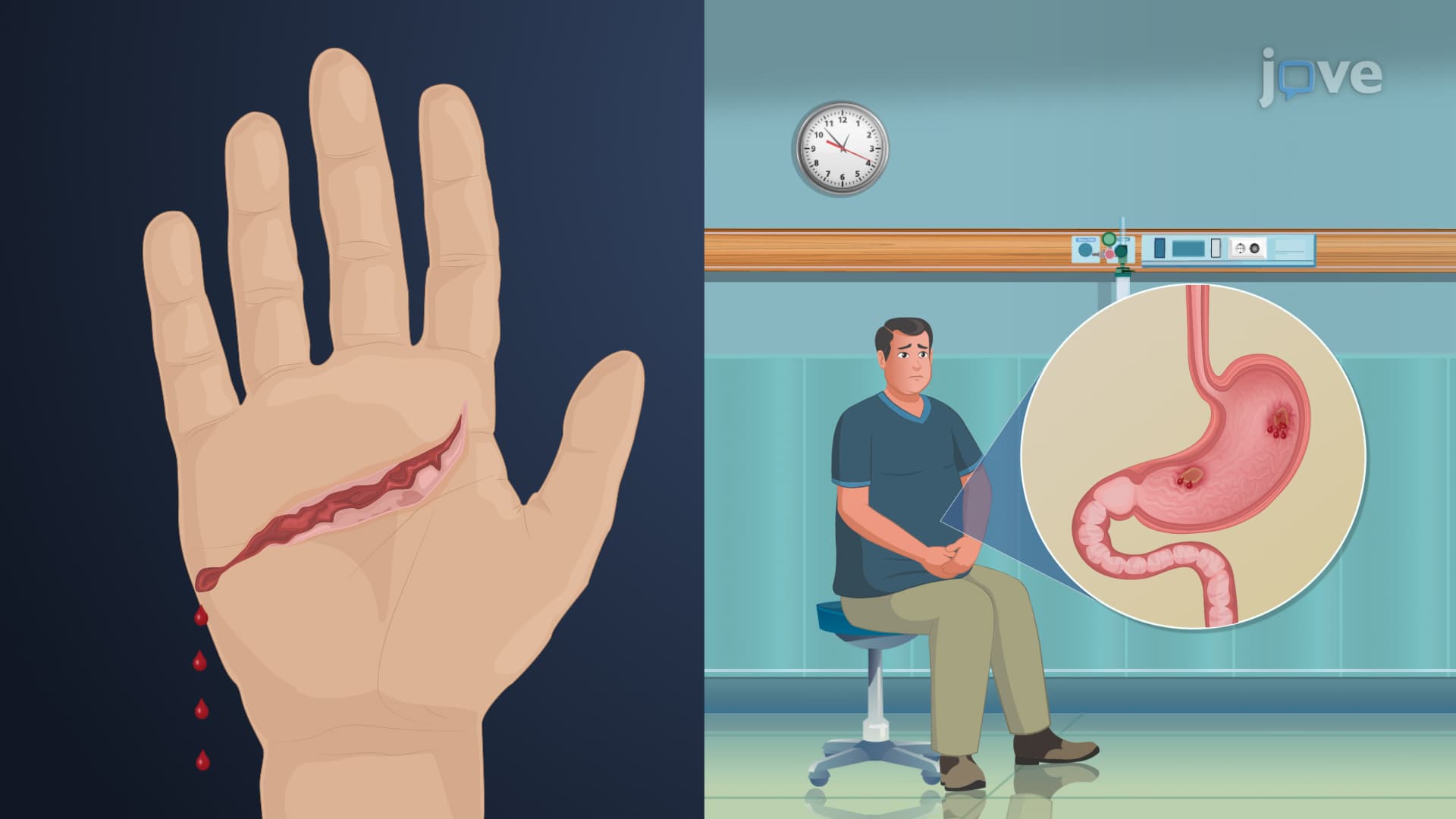
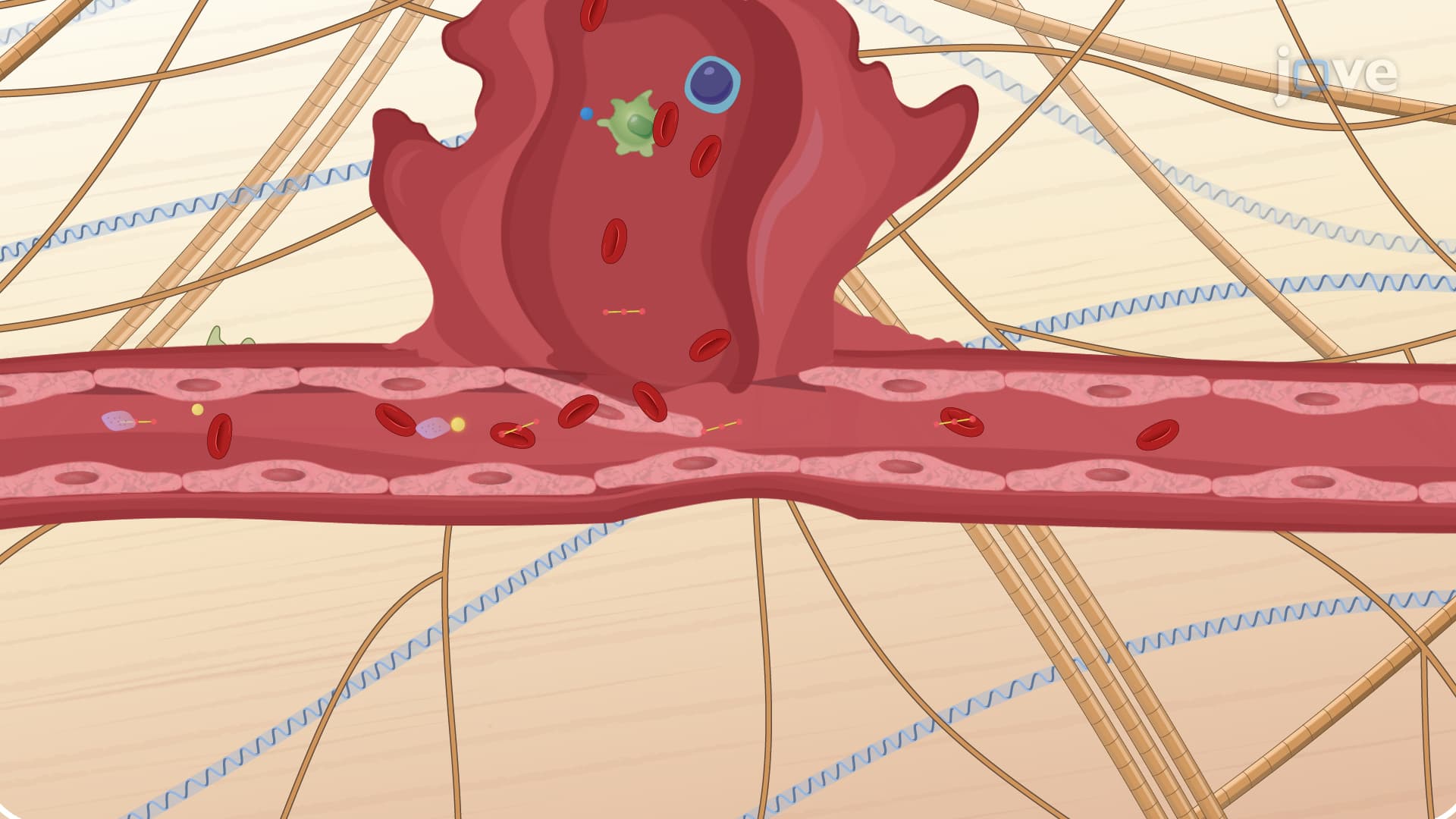
1. Hemostasis and Anticoagulation Mechanisms: The coagulation cascade represents a complex enzymatic process essential for preventing hemorrhage following vascular injury. Anticoagulant drugs interrupt this cascade at specific points, preventing pathological thrombus formation in conditions like deep vein thrombosis, pulmonary embolism, and atrial fibrillation. Understanding the balance between hemostasis and thrombosis helps explain why anticoagulant monitoring is crucial in clinical practice, particularly in US hospitals where protocols for warfarin management and heparin dosing are standardized to prevent both thrombotic and hemorrhagic complications.
2. Heparin Pharmacology and Clinical Applications: Unfractionated heparin and low-molecular-weight heparins function by enhancing antithrombin activity, effectively inhibiting coagulation factors IIa and Xa. The transition from intravenous unfractionated heparin requiring frequent monitoring to subcutaneous low-molecular-weight heparins with predictable pharmacokinetics revolutionized anticoagulation therapy in US healthcare settings. Enoxaparin and dalteparin offer superior bioavailability and reduced monitoring requirements, making outpatient anticoagulation more feasible for conditions like post-surgical thromboprophylaxis and acute coronary syndrome management in American medical practice.
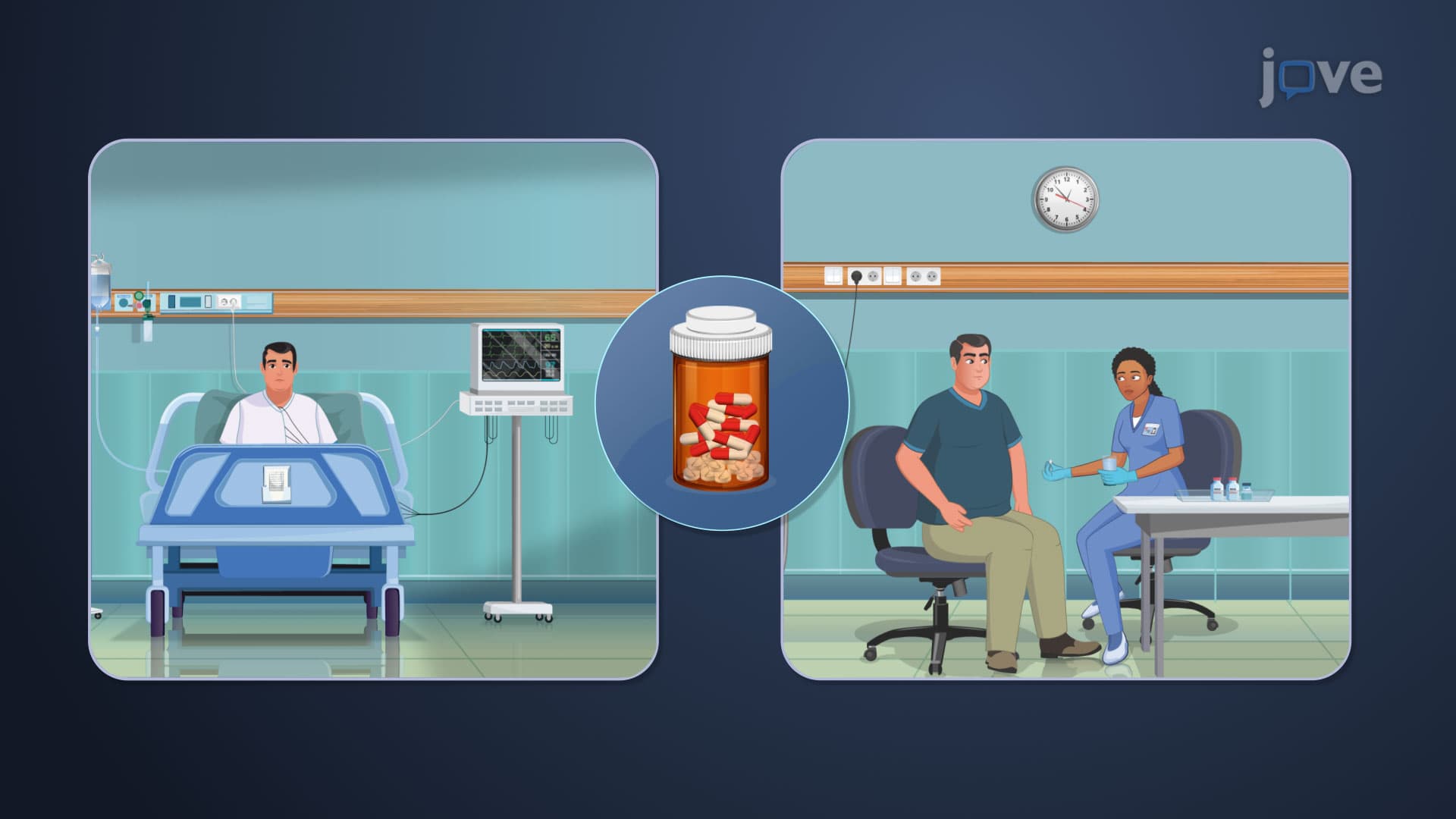
3. Oral Anticoagulants and Monitoring Strategies: Warfarin remains a cornerstone of long-term anticoagulation despite requiring intensive monitoring through INR testing. Its mechanism involves vitamin K antagonism, disrupting synthesis of clotting factors II, VII, IX, and X. Direct oral anticoagulants including dabigatran, rivaroxaban, and apixaban offer alternatives with more predictable pharmacokinetics but present challenges regarding reversal agents. US clinical guidelines emphasize individualized therapy selection based on patient factors, bleeding risk assessment, and healthcare access, with specialized anticoagulation clinics providing structured monitoring programs.
4. Antiplatelet Drug Mechanisms and Therapeutic Applications: Antiplatelet therapy targets different pathways of platelet activation and aggregation crucial for arterial thrombosis prevention. Aspirin irreversibly inhibits cyclooxygenase-1, preventing thromboxane A2 synthesis and providing cardioprotective effects in primary and secondary prevention strategies. P2Y12 inhibitors like clopidogrel, prasugrel, and ticagrelor block ADP-mediated platelet activation, while glycoprotein IIb/IIIa inhibitors prevent the final common pathway of platelet aggregation. US cardiology guidelines recommend dual antiplatelet therapy following percutaneous coronary intervention, with duration and drug selection based on bleeding and ischemic risk stratification.
5. Lipid Management and Cardiovascular Risk Reduction: Statins represent the most effective class of lipid-lowering medications, inhibiting HMG-CoA reductase to reduce cholesterol synthesis and upregulate LDL receptors. The American College of Cardiology and American Heart Association guidelines emphasize statin therapy for primary and secondary cardiovascular prevention, with intensity based on calculated cardiovascular risk scores. Additional agents including bile acid sequestrants, fibrates, and PCSK9 inhibitors provide options for patients requiring combination therapy or experiencing statin intolerance, with treatment goals focused on LDL cholesterol reduction and overall cardiovascular risk minimization.
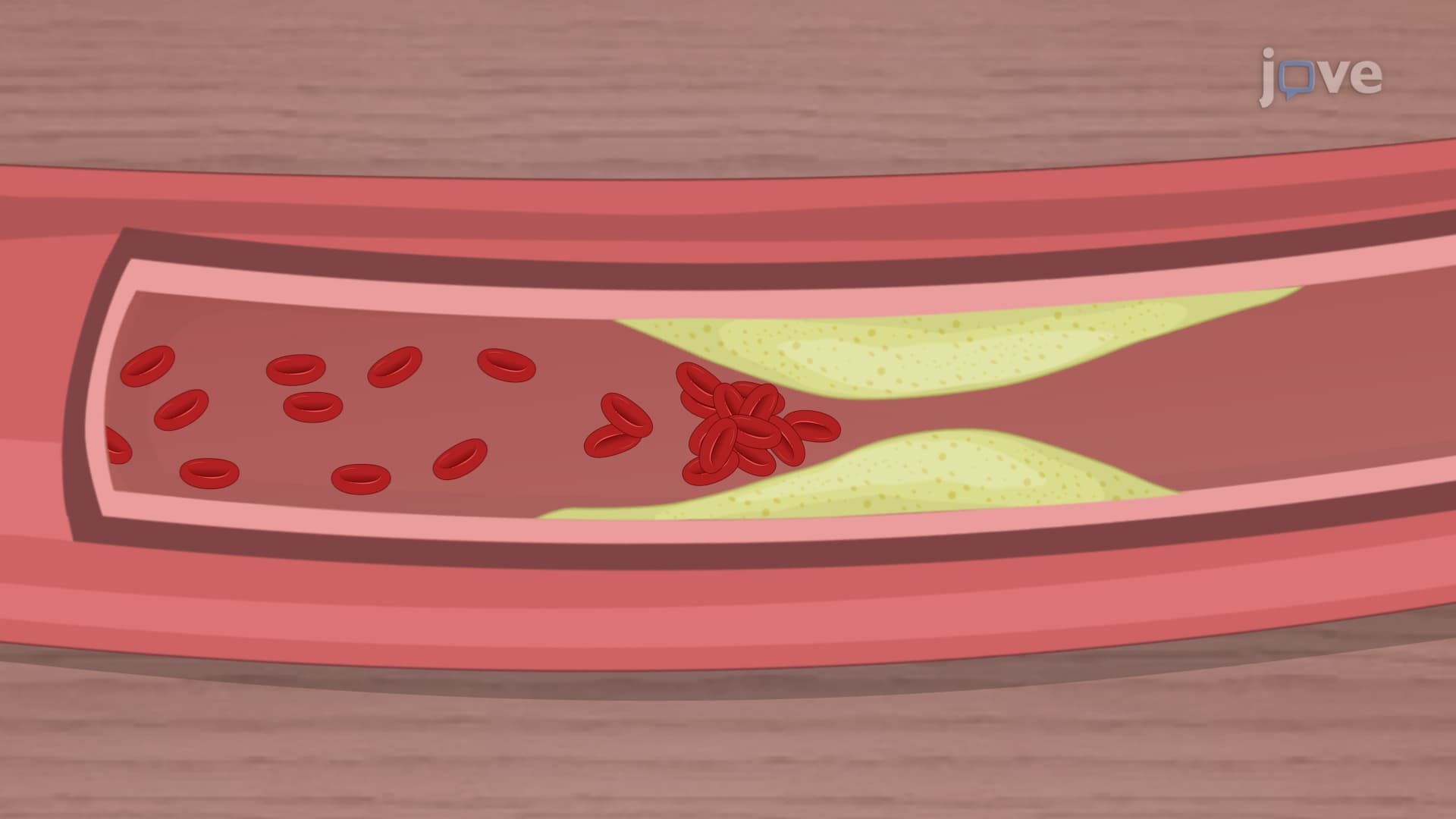
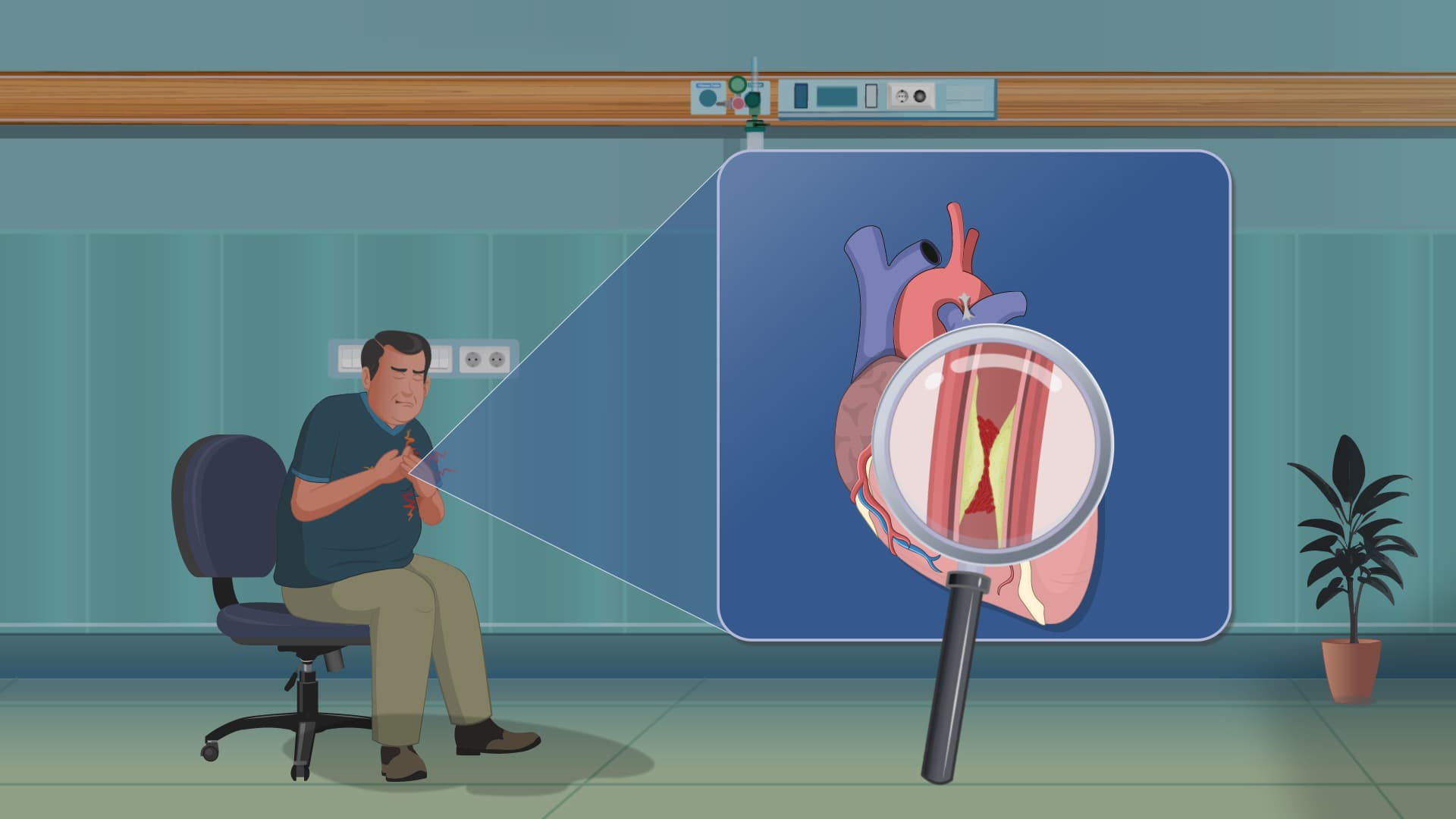
6. Ischemic Heart Disease Pathophysiology and Management: Atherosclerotic coronary artery disease develops through chronic inflammation, lipid deposition, and plaque formation leading to luminal narrowing and potential plaque rupture. The spectrum from stable angina to acute coronary syndromes reflects different degrees of coronary obstruction and plaque stability. US treatment approaches emphasize risk factor modification, optimal medical therapy including antiplatelet agents and statins, and revascularization when indicated. Understanding the pathophysiology helps explain why multiple drug classes are often combined to address different aspects of coronary artery disease progression and complications.
7. Antianginal Drug Pharmacology and Clinical Use: Organic nitrates including nitroglycerin and isosorbide compounds function through nitric oxide release, activating guanylyl cyclase to produce vasodilation and reduce preload. Beta-blockers decrease myocardial oxygen demand by reducing heart rate, contractility, and blood pressure, making them first-line agents for stable angina management. Calcium channel blockers provide an alternative mechanism through coronary vasodilation and afterload reduction. US clinical practice emphasizes individualized therapy selection based on patient comorbidities, with sublingual nitroglycerin serving as standard rescue medication and long-acting agents for prevention.
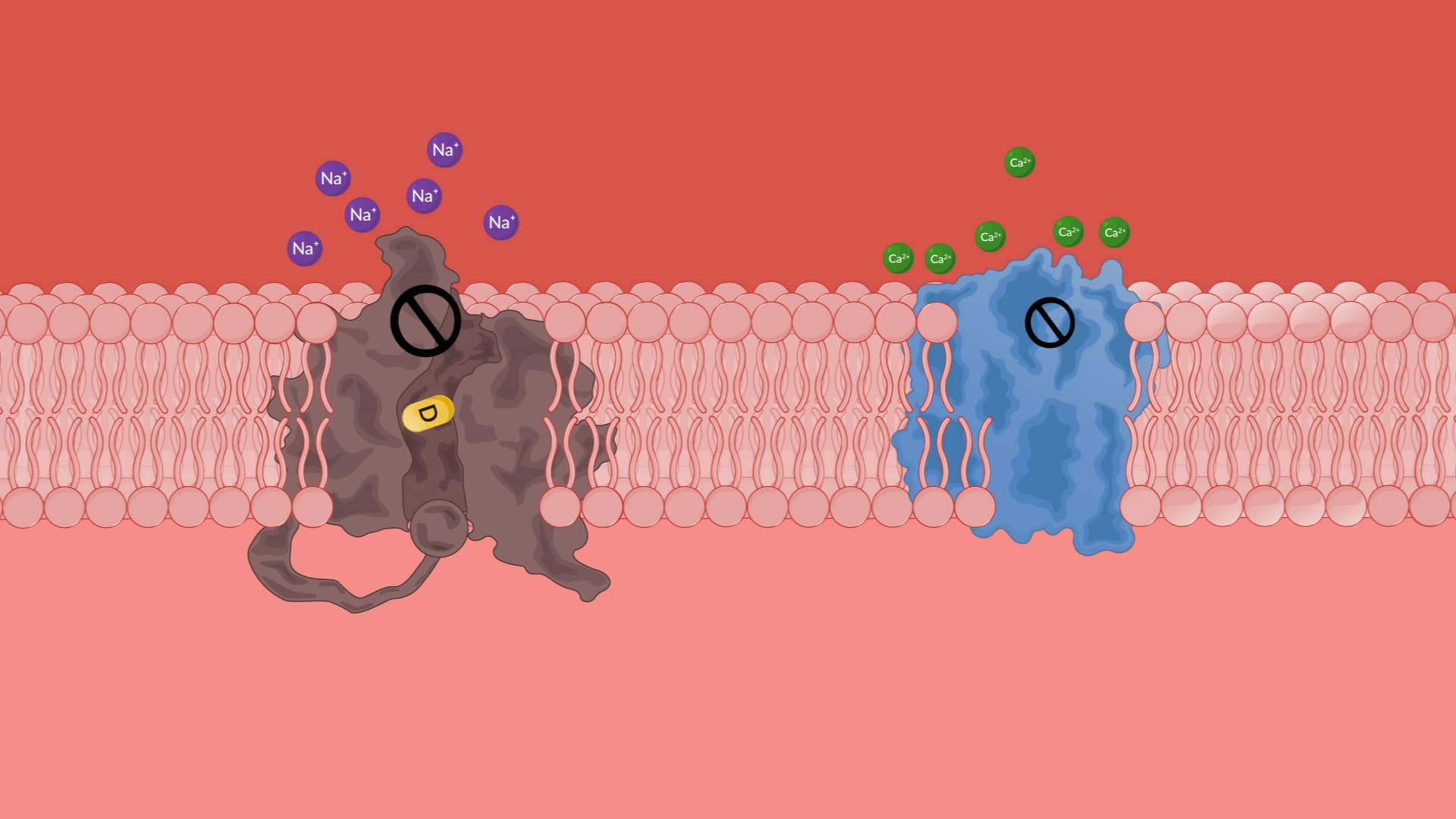
8. Advanced Antianginal Therapies and Monitoring: Ranolazine represents a unique mechanism targeting late sodium channels to reduce intracellular calcium accumulation without affecting heart rate or blood pressure. This makes it valuable for patients unable to tolerate traditional antianginal agents or requiring additional symptom control. Drug interactions, particularly with CYP3A inhibitors, require careful consideration in US clinical practice. Monitoring antianginal therapy involves symptom assessment, exercise tolerance evaluation, and recognition of adverse effects, with treatment optimization guided by patient response and quality of life improvement rather than specific laboratory parameters.