14 Concepts
11 Concepts
29 Concepts
19 Concepts
24 Concepts
20 Concepts
13 Concepts
10 Concepts
12 Concepts
12 Concepts
7 Concepts
6 Concepts
8 Concepts
6 Concepts
8 Concepts
8 Concepts
8 Concepts
6 Concepts
9 Concepts
8 Concepts
8 Concepts
10 Concepts
7 Concepts
5 Concepts
16 Concepts
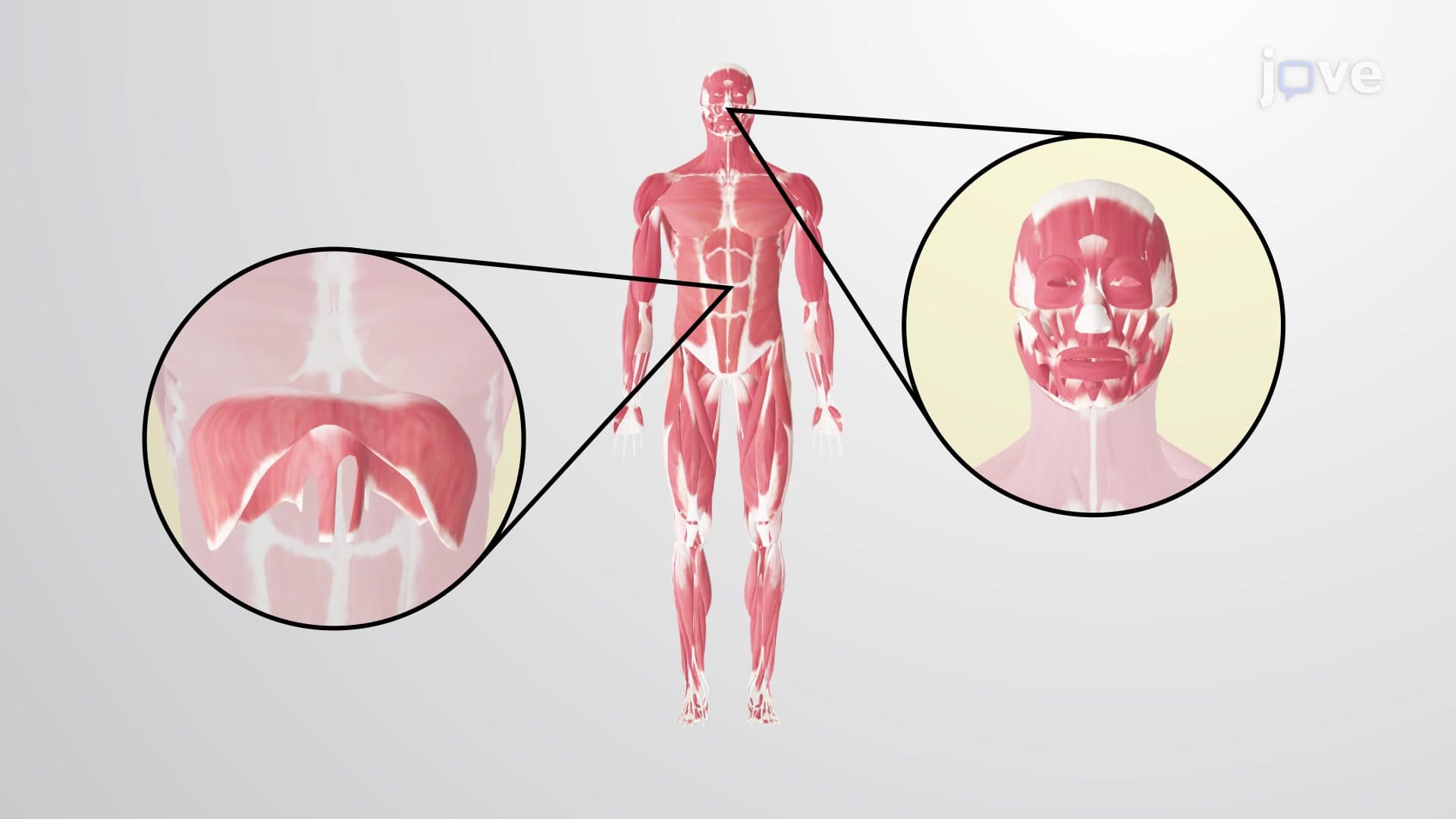
Skeletal muscle relaxants are specialized medications that reduce muscle stiffness, prevent involuntary contractions, and induce temporary paralysis for therapeutic purposes. These drugs work through different mechanisms-some act on the central nervous system to relieve muscle spasms, while others block nerve transmission at the neuromuscular junction to achieve muscle paralysis during surgical procedures. Understanding these medications is crucial for healthcare professionals in the United States, from anesthesiology to physical therapy. JoVE Coach provides comprehensive coverage of their classification, mechanisms, and clinical applications.
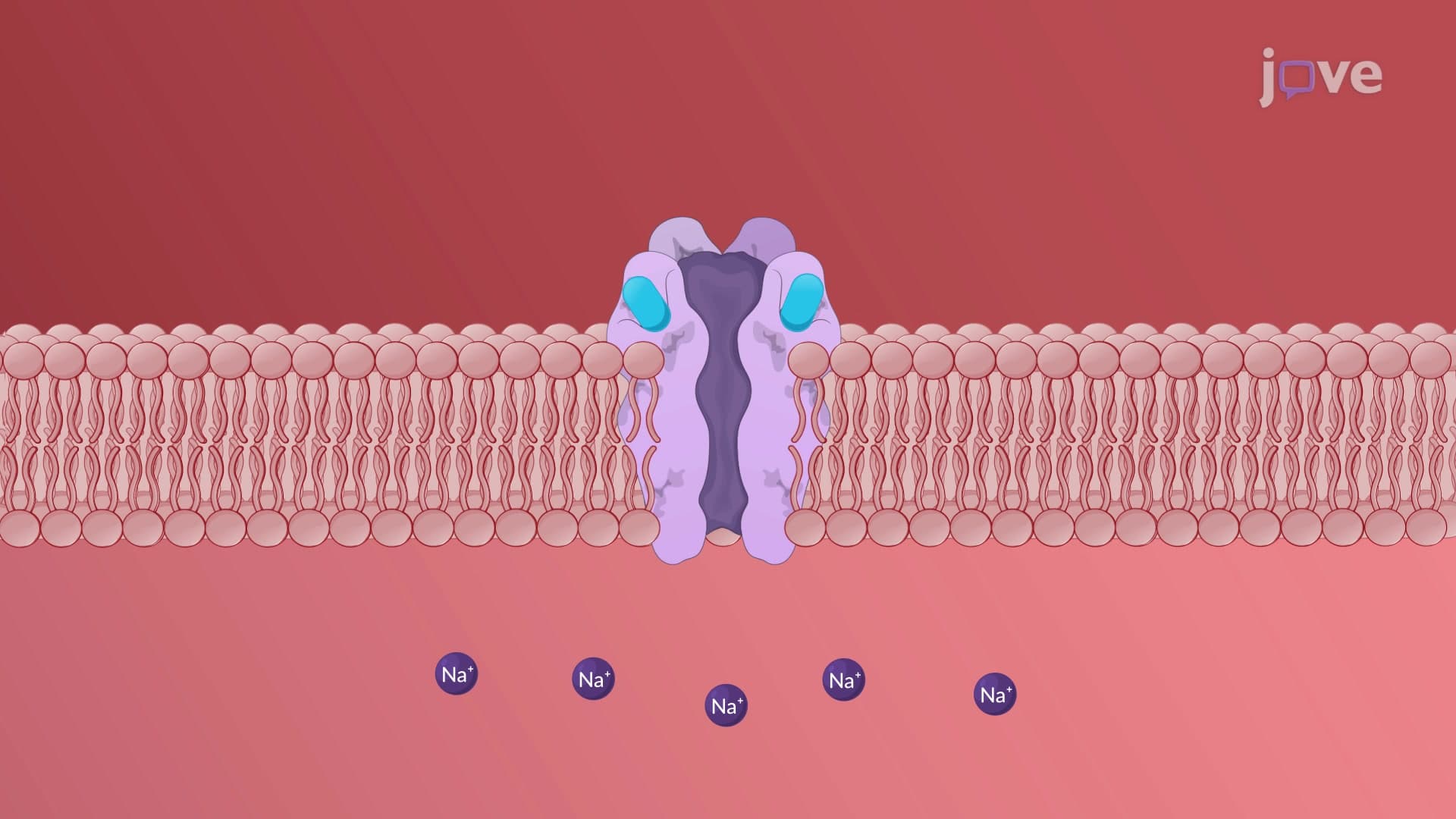
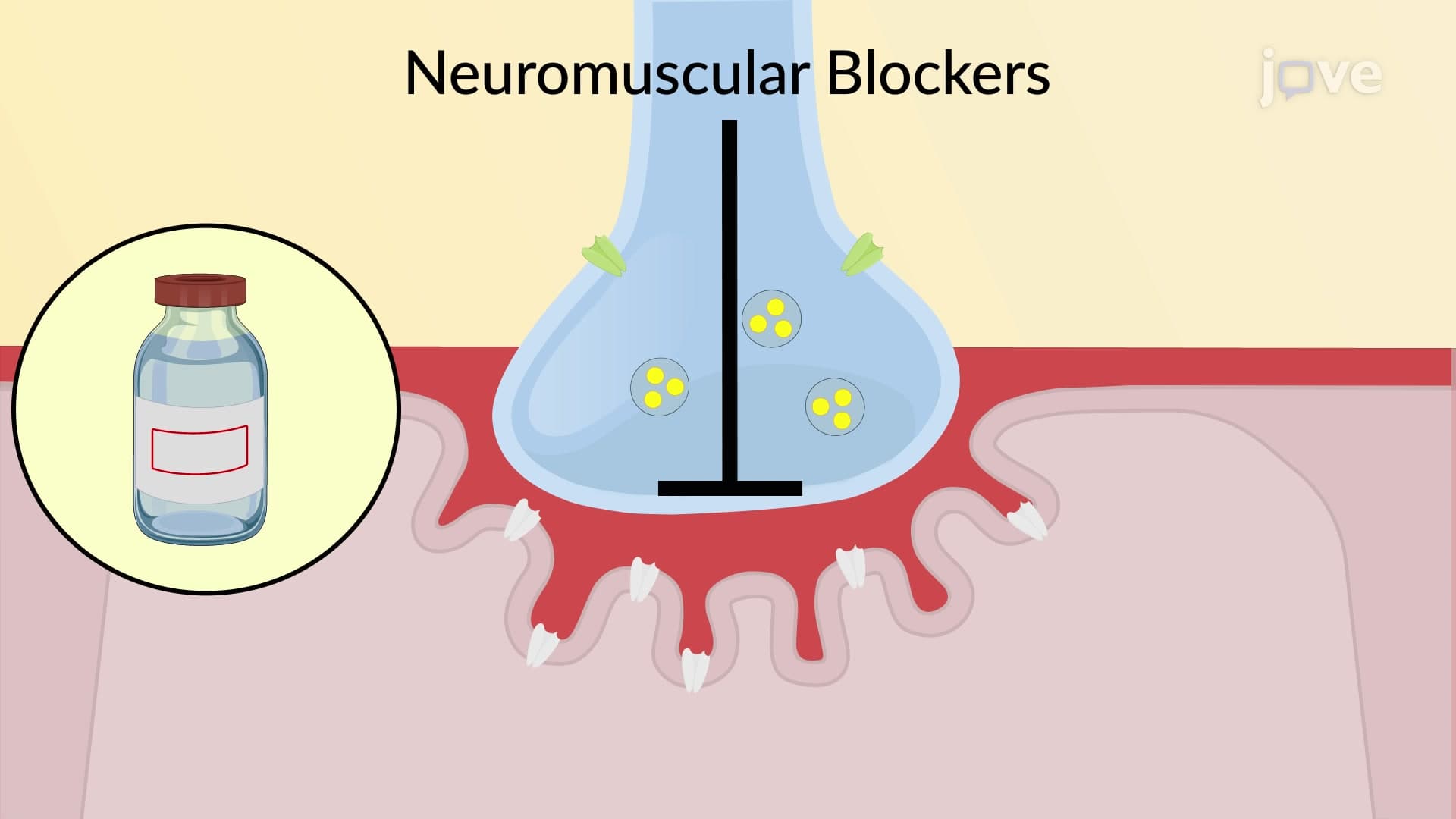
1. Neuromuscular Junction Structure and Function: The neuromuscular junction serves as the critical communication point between motor neurons and skeletal muscle fibers. Acetylcholine released from nerve terminals binds to nicotinic receptors on the muscle endplate, opening sodium channels and triggering muscle contraction. This process involves voltage-gated calcium channels, synaptic vesicle fusion, and rapid neurotransmitter clearance by acetylcholinesterase. Understanding this normal physiology is essential because all neuromuscular blocking drugs interfere with this natural process. Clinical conditions affecting the neuromuscular junction, such as myasthenia gravis, demonstrate the importance of proper acetylcholine-receptor interaction in American healthcare settings.
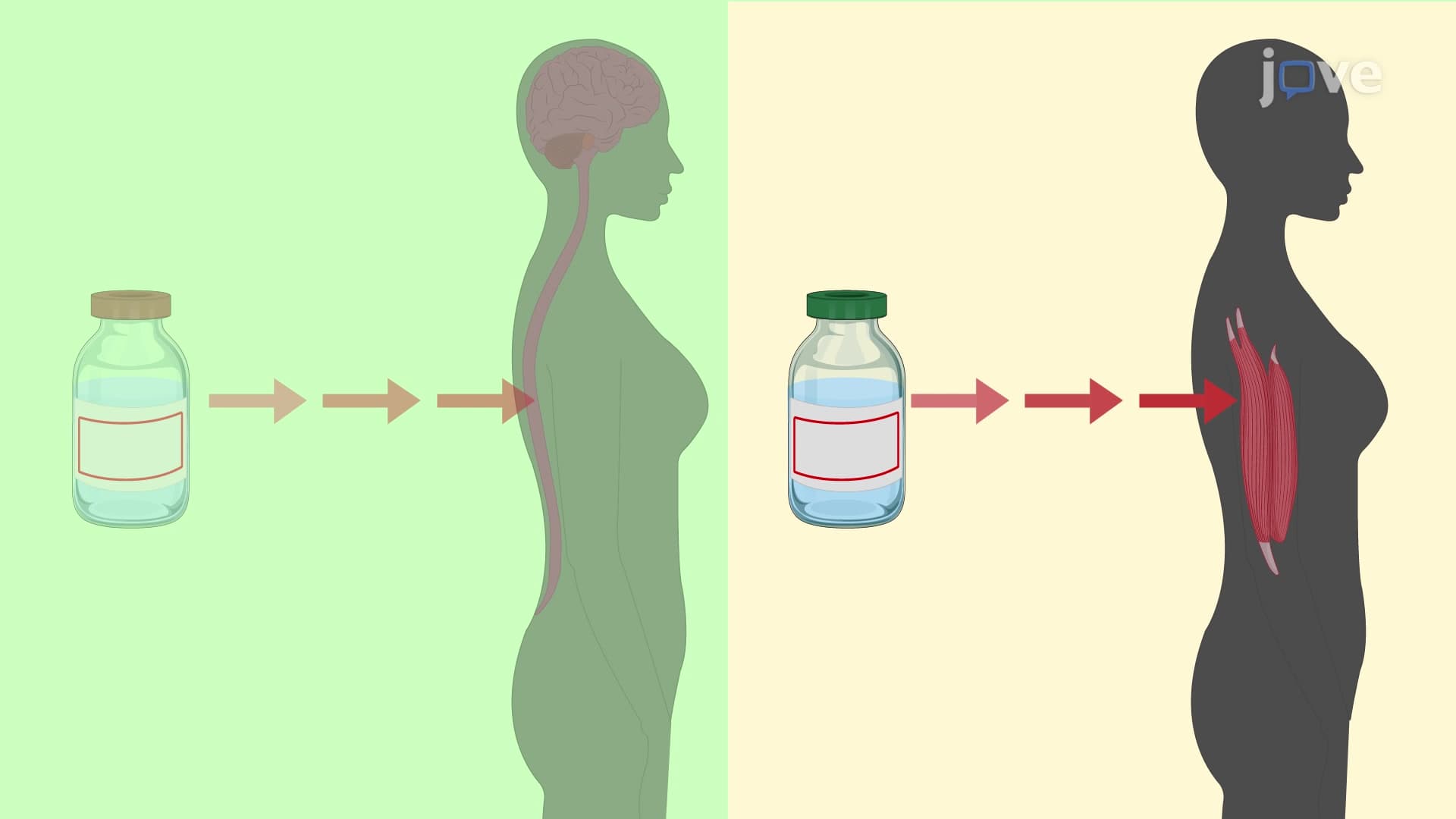
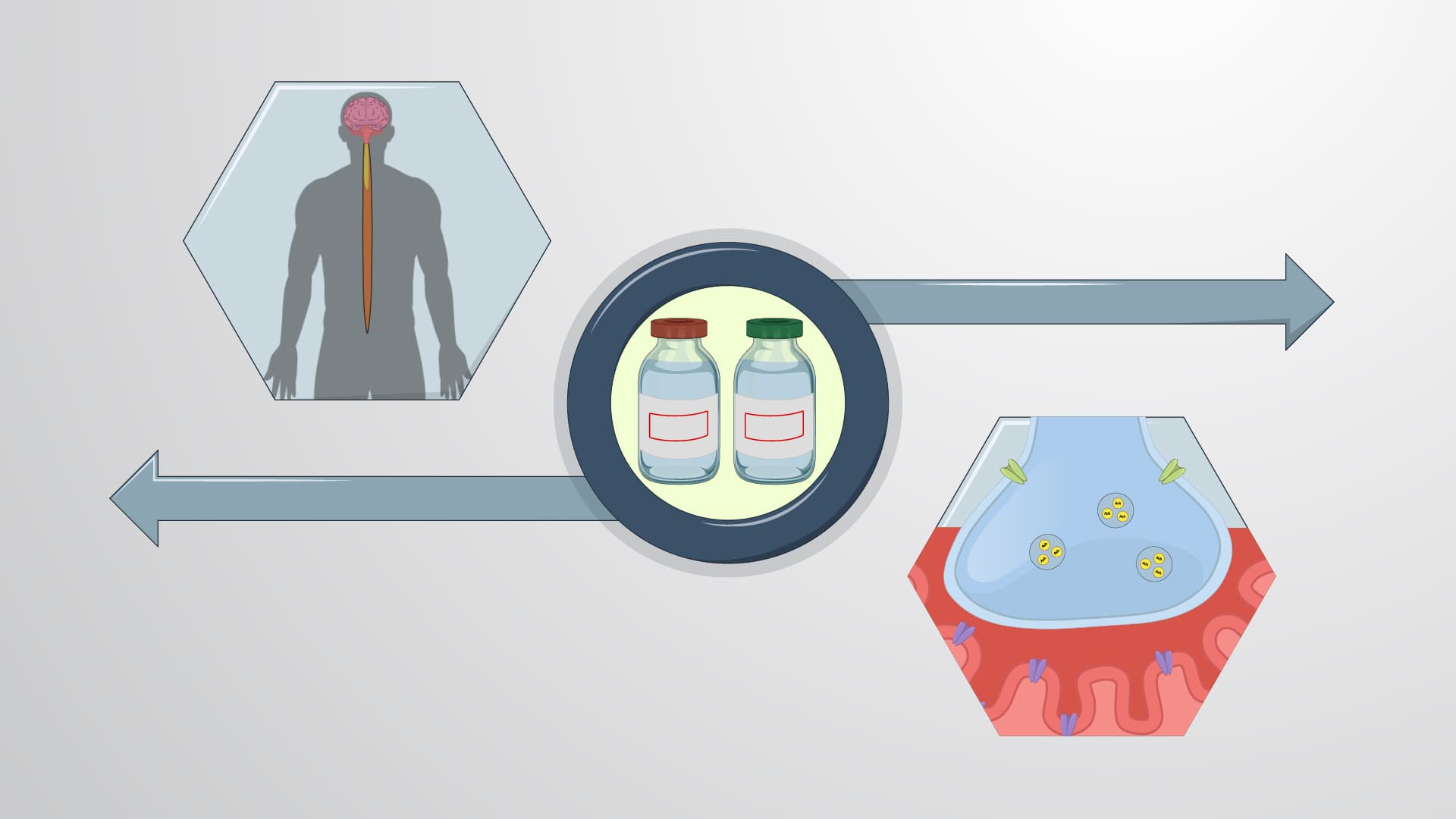
2. Classification of Skeletal Muscle Relaxants: Skeletal muscle relaxants divide into two major categories based on their site of action. Centrally acting drugs like baclofen and diazepam work on the brain and spinal cord to reduce muscle tone and treat spasticity. Peripherally acting drugs target the neuromuscular junction directly, subdividing into nondepolarizing blockers (rocuronium, atracurium) and depolarizing blockers (succinylcholine). Additionally, directly acting agents like dantrolene work on muscle cells themselves. This classification system helps healthcare providers in the United States select appropriate medications based on the clinical indication, whether for surgical paralysis, spasticity management, or emergency airway procedures.
3. Nondepolarizing Competitive Blockers Mechanism: These drugs competitively inhibit acetylcholine at nicotinic receptors without activating them. Their bulky molecular structure prevents the conformational changes needed for channel opening, maintaining the muscle in a relaxed state. The competitive nature means their effects can be reversed using acetylcholinesterase inhibitors like neostigmine, which increases acetylcholine concentration to overcome the blockade. Examples include rocuronium for routine surgery and atracurium for patients with kidney disease. Understanding this mechanism helps explain why these drugs have predictable onset and recovery times, making them suitable for planned surgical procedures in American hospitals.
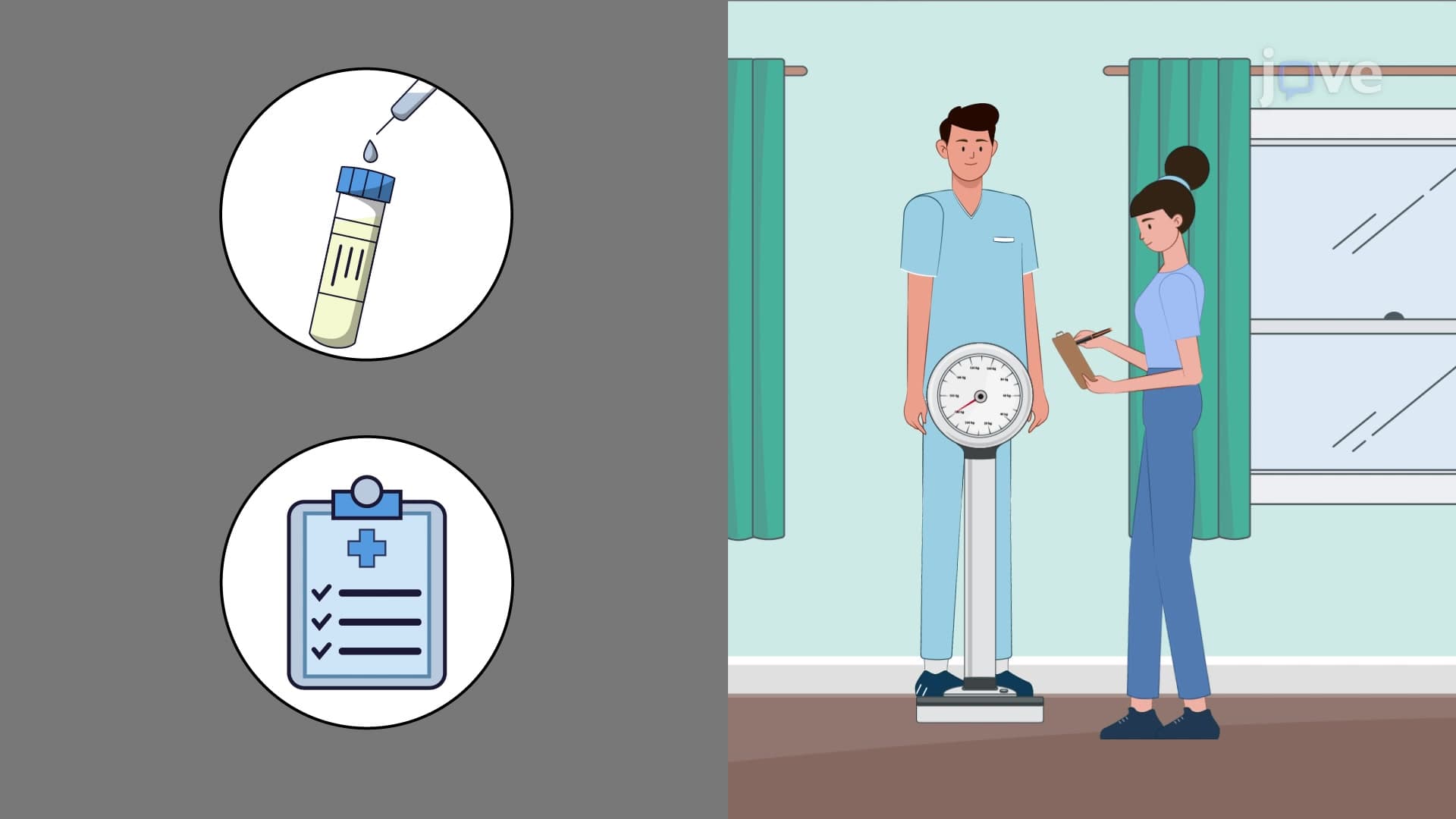
4. Depolarizing Blockers and Succinylcholine: Succinylcholine mimics acetylcholine by binding to nicotinic receptors and causing initial depolarization, but unlike the natural neurotransmitter, it resists breakdown by acetylcholinesterase. This creates a two-phase block: initial fasciculations from repeated depolarization (Phase I), followed by receptor desensitization and flaccid paralysis (Phase II). The drug's rapid onset within 60 seconds makes it ideal for emergency intubations in American emergency departments. However, its metabolism by plasma cholinesterase means patients with genetic variants may experience prolonged paralysis, requiring careful preoperative screening and extended monitoring in recovery.
5. Pharmacokinetics and Drug Elimination: Most neuromuscular blockers are quaternary ammonium compounds that require intravenous administration due to poor oral absorption. Their polar nature prevents crossing the blood-brain barrier, limiting effects to peripheral muscle. Elimination varies significantly: some drugs like atracurium undergo organ-independent degradation, while others depend on kidney or liver function. Understanding these pharmacokinetic differences allows American anesthesiologists to select appropriate agents based on patient factors such as renal disease, liver dysfunction, or advanced age. Duration of action ranges from minutes for succinylcholine to hours for longer-acting nondepolarizing blockers.
6. Directly Acting Muscle Relaxants: Dantrolene and botulinum toxin work directly on muscle cells rather than at the neuromuscular junction. Dantrolene blocks calcium release from the sarcoplasmic reticulum, preventing muscle contraction and reducing heat production-crucial for treating malignant hyperthermia, a potentially fatal anesthetic complication. Botulinum toxin cleaves proteins essential for acetylcholine vesicle fusion, creating localized muscle weakness useful for treating spasticity, dystonia, and cosmetic applications. These mechanisms make them valuable for specific conditions where traditional neuromuscular blockers are inappropriate, such as outpatient spasticity management in American rehabilitation centers.
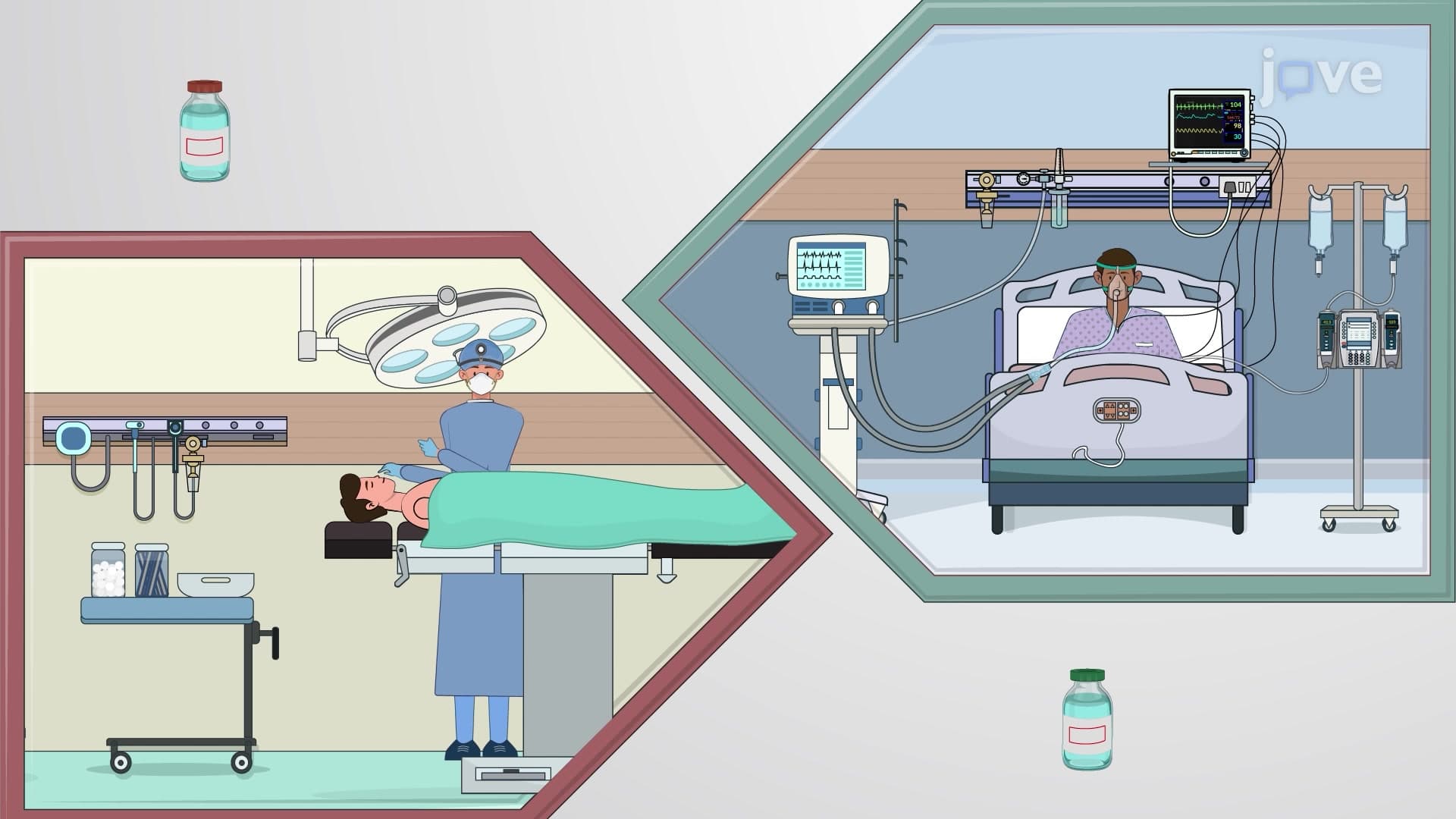
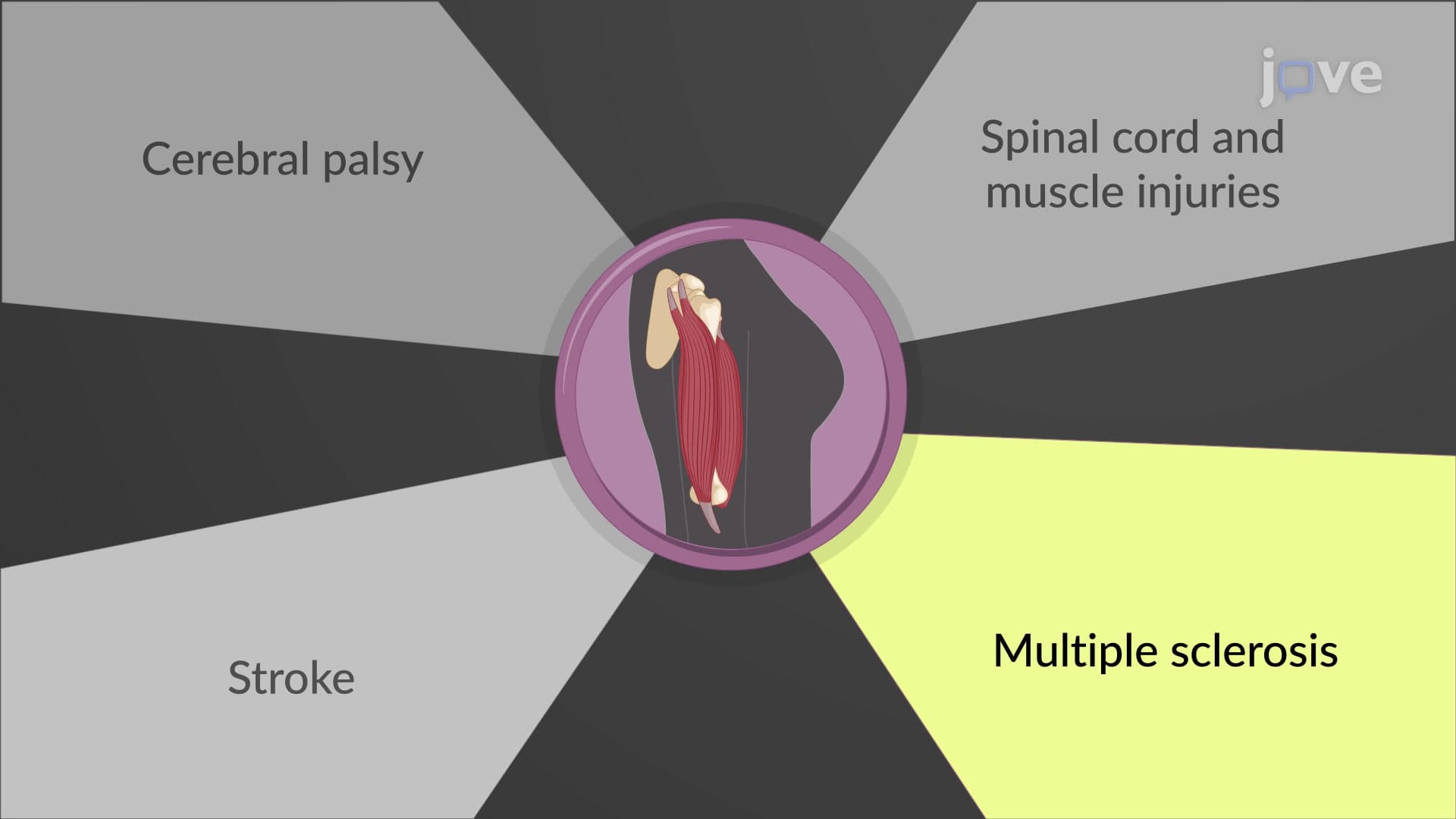
7. Clinical Applications and Therapeutic Uses: Neuromuscular blockers serve distinct roles in American healthcare. Rapid-acting succinylcholine enables emergency airway management and quick procedures like cardioversion. Intermediate-acting nondepolarizing agents provide muscle relaxation for major surgery while allowing predictable recovery. Centrally acting relaxants treat chronic conditions like multiple sclerosis, cerebral palsy, and spinal cord injuries common in American patient populations. The choice depends on procedure duration, patient comorbidities, and desired recovery time. Understanding appropriate selection prevents complications and optimizes patient outcomes across various healthcare settings from emergency departments to operating rooms.