14 Concepts
11 Concepts
29 Concepts
19 Concepts
24 Concepts
20 Concepts
13 Concepts
10 Concepts
12 Concepts
12 Concepts
7 Concepts
6 Concepts
8 Concepts
6 Concepts
8 Concepts
8 Concepts
8 Concepts
6 Concepts
9 Concepts
8 Concepts
8 Concepts
10 Concepts
7 Concepts
5 Concepts
16 Concepts
Pharmacodynamics explores how drugs interact with the body to produce therapeutic effects through receptor binding affinity, signal transduction pathways, and dose response relationships. This comprehensive course examines drug-receptor interactions, from G protein-coupled receptors to nuclear receptors, while analyzing EC50 efficacy, therapeutic index calculations, and combined drug effects. Students will master essential pharmacological action principles critical for understanding medication mechanisms in US healthcare systems, supported by JoVE Coach's interactive learning platform.
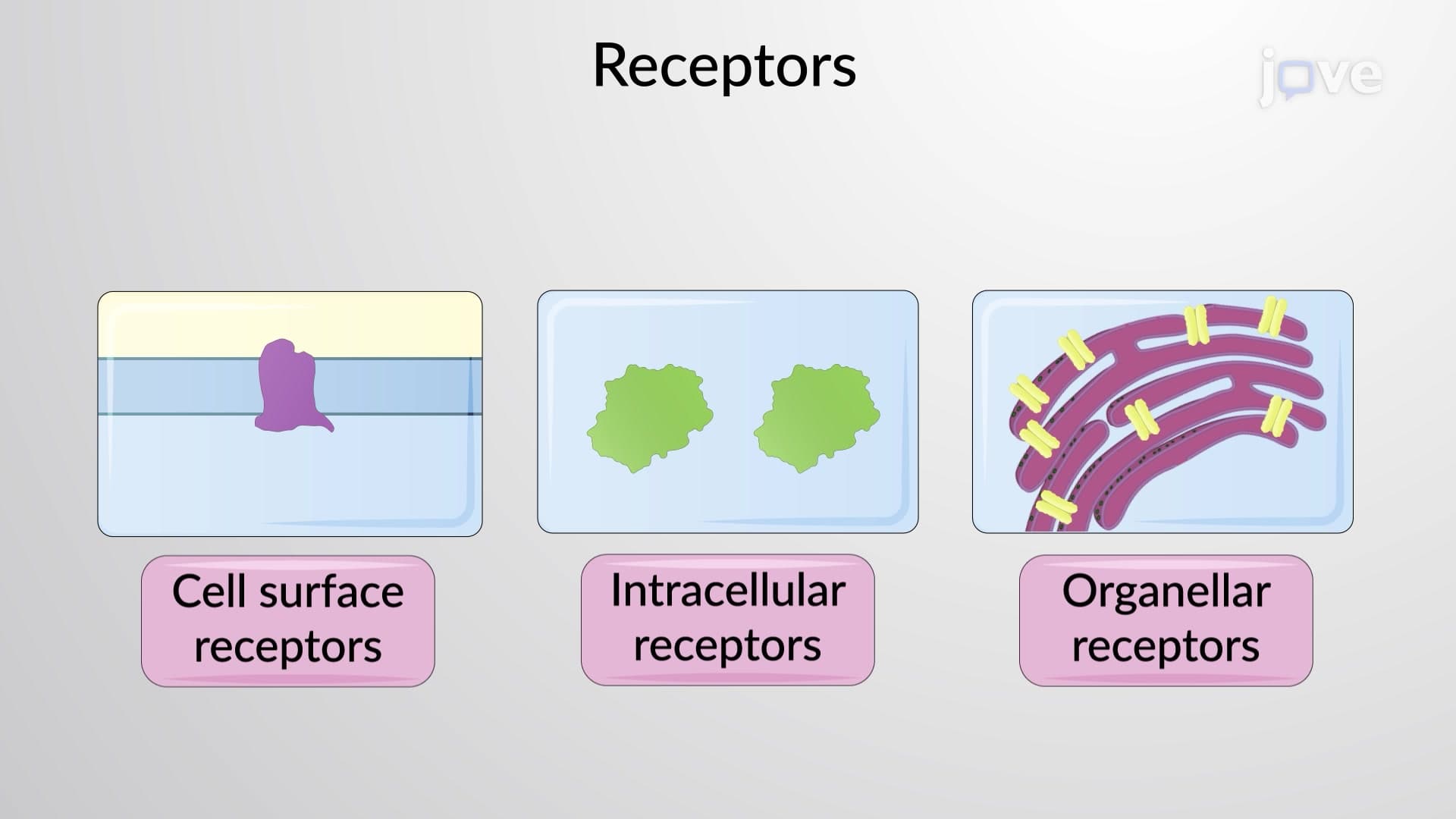
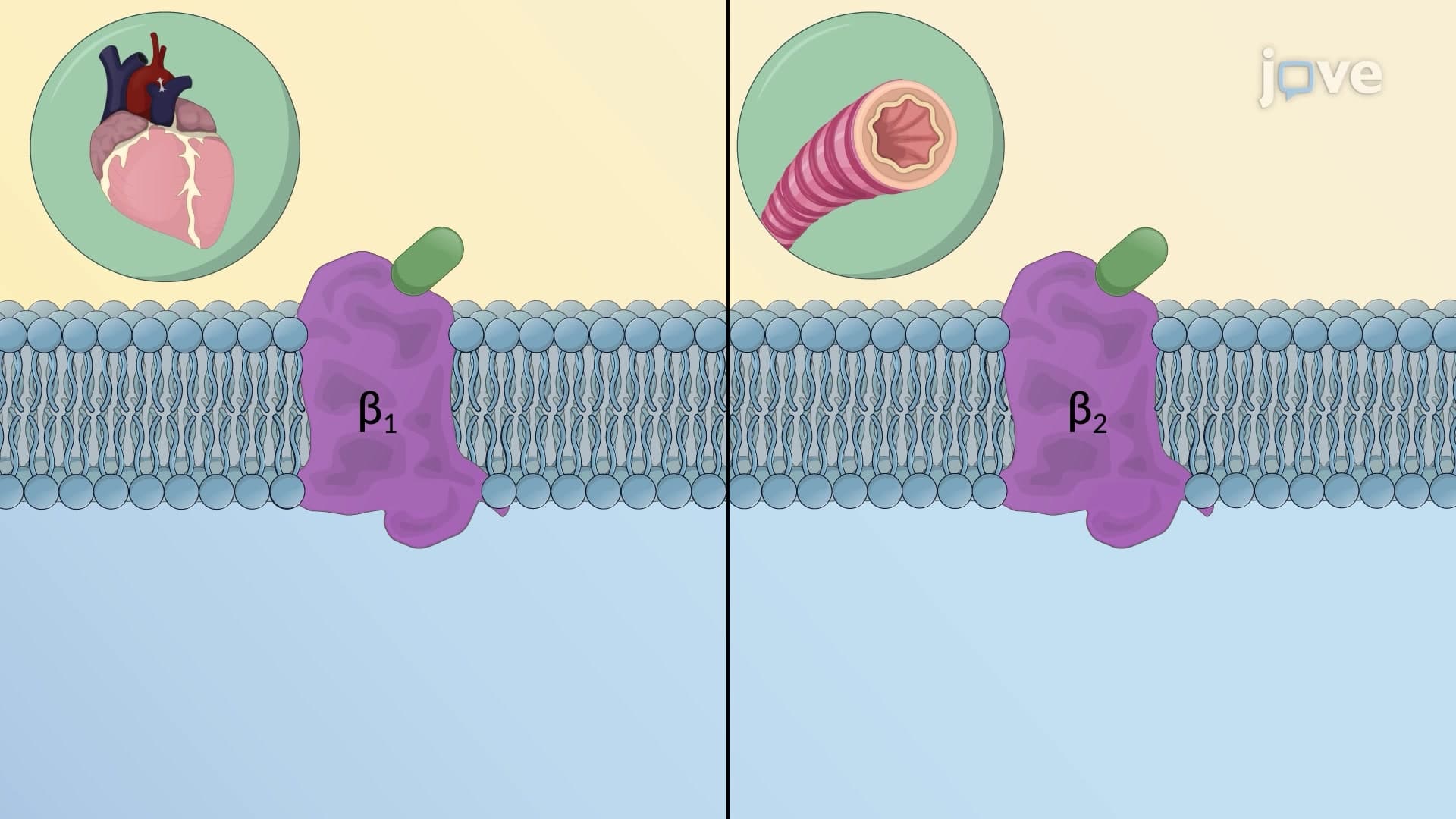
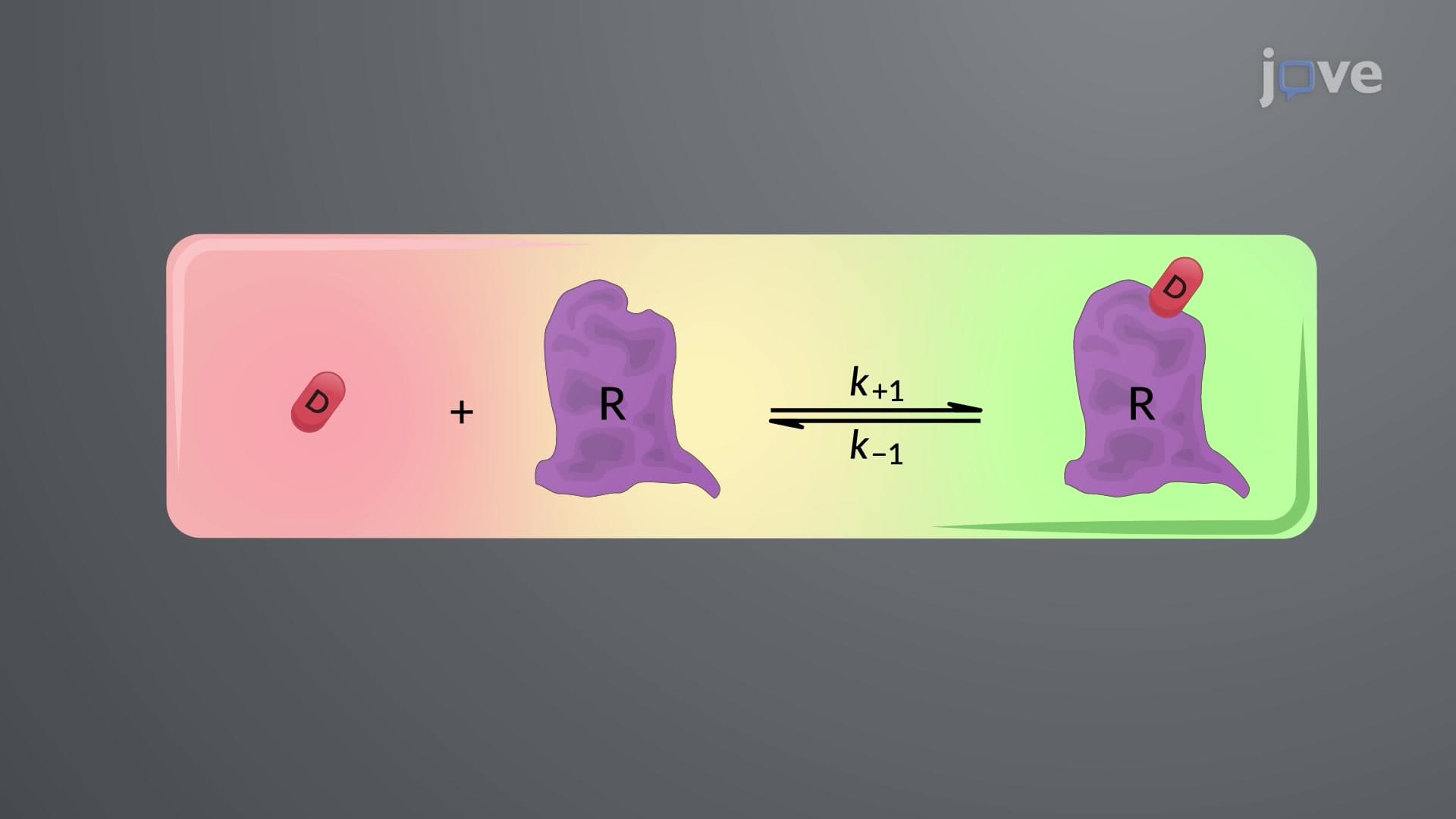
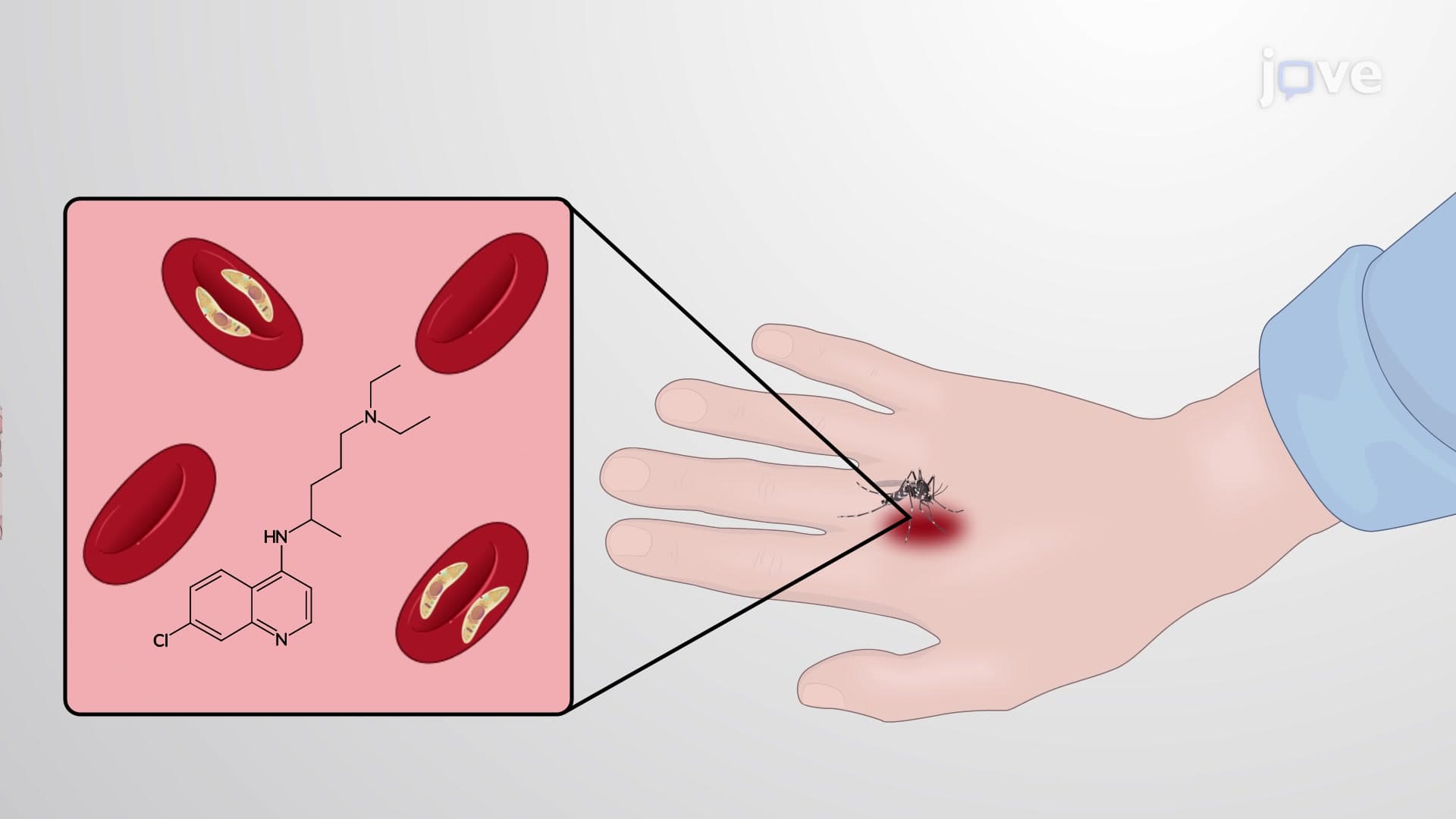
1. Drug-Target Interactions and Cellular Mechanisms Drugs function as chemical substances that modify cellular processes by binding to specific molecular targets including receptors, ion channels, transporters, and enzymes. Agonist drugs like isoprenaline mimic endogenous ligands such as adrenaline, binding to adrenergic receptors in cardiac muscle to increase heart rate through signal amplification cascades. Antagonist drugs such as atropine competitively block acetylcholine receptors, preventing normal signaling pathways and restoring abnormal heart rhythms to baseline rates. Some drugs exhibit selective cytotoxicity, like chloroquine targeting malarial parasites specifically while sparing human cells.
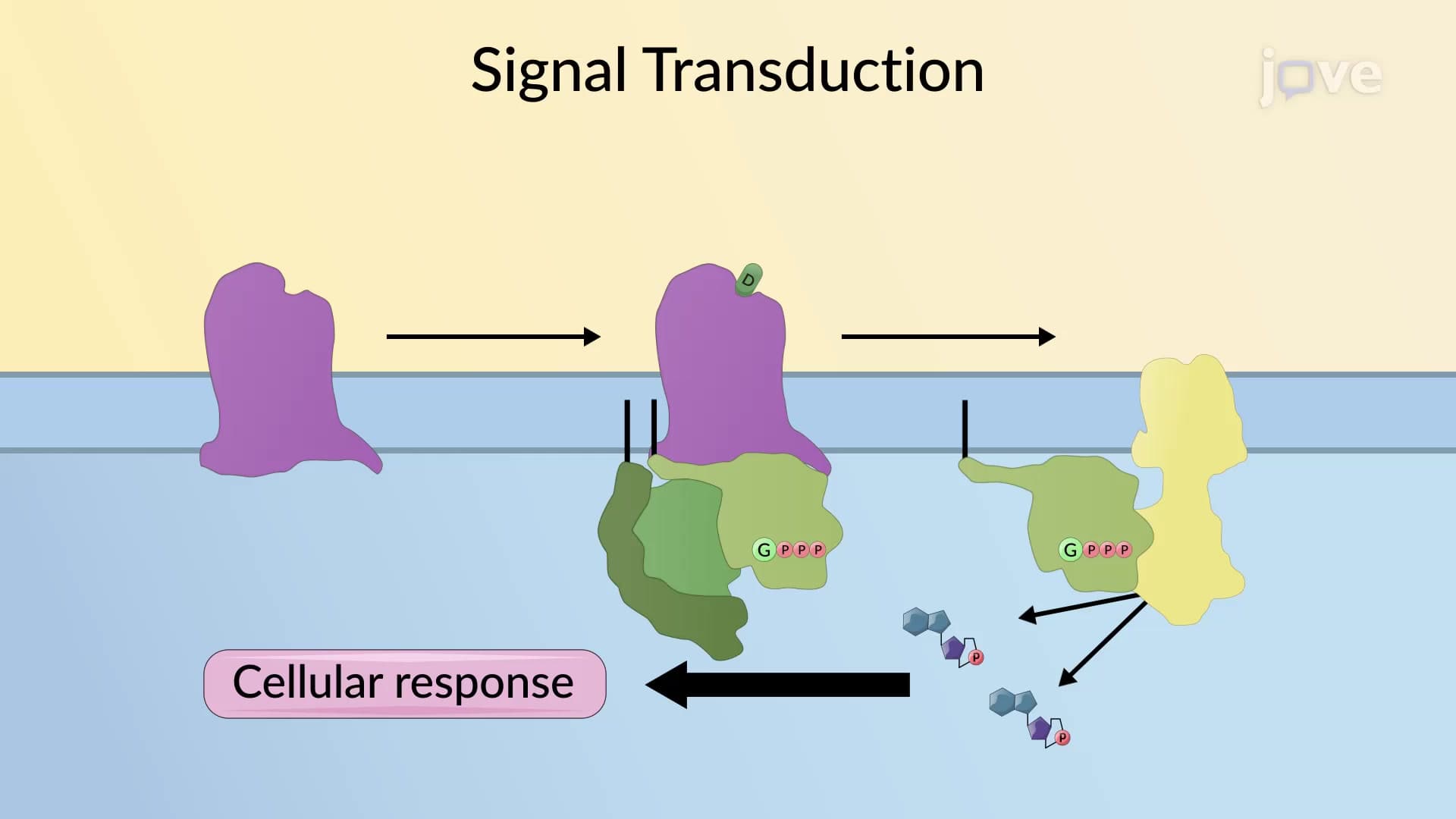
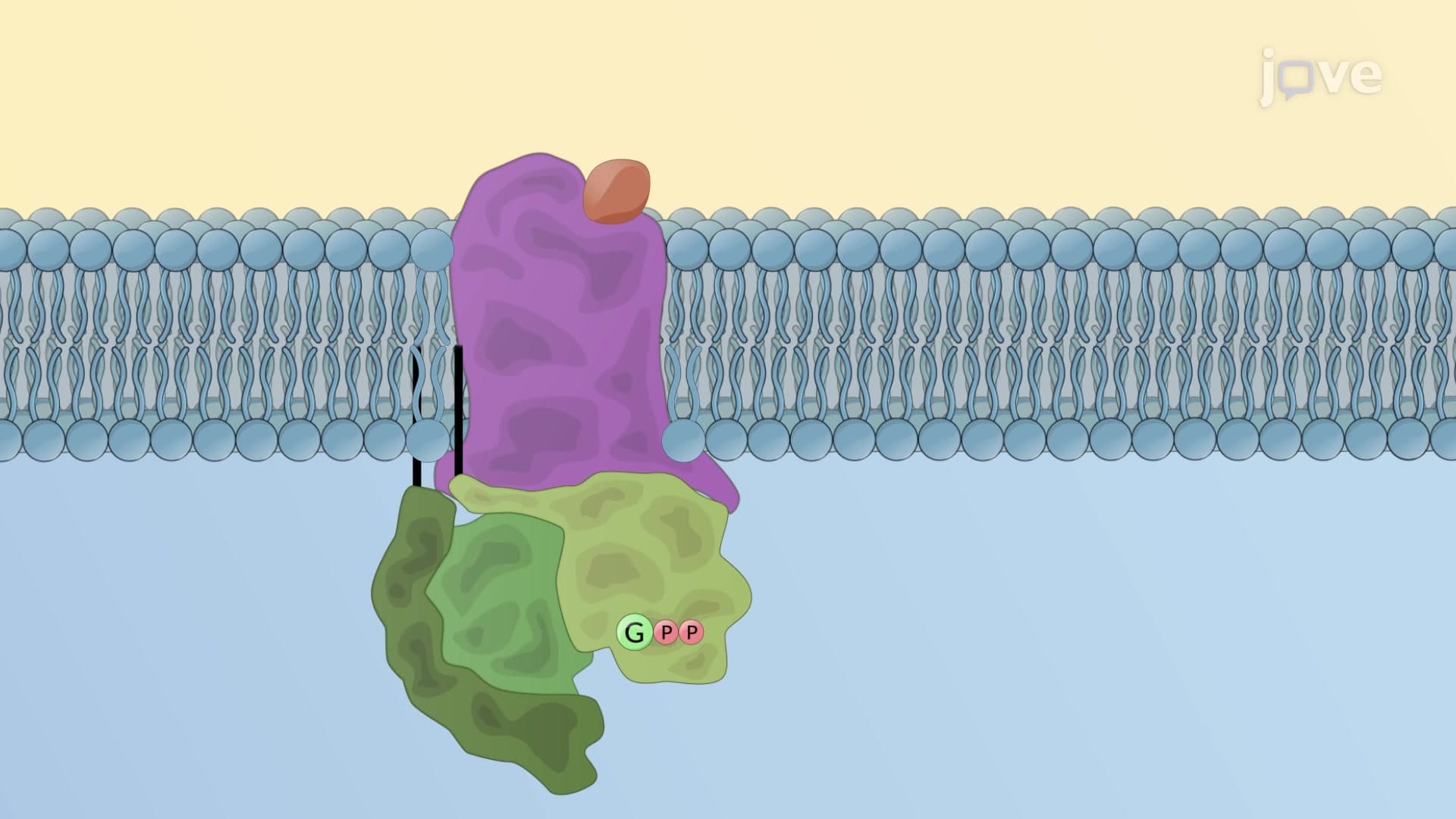
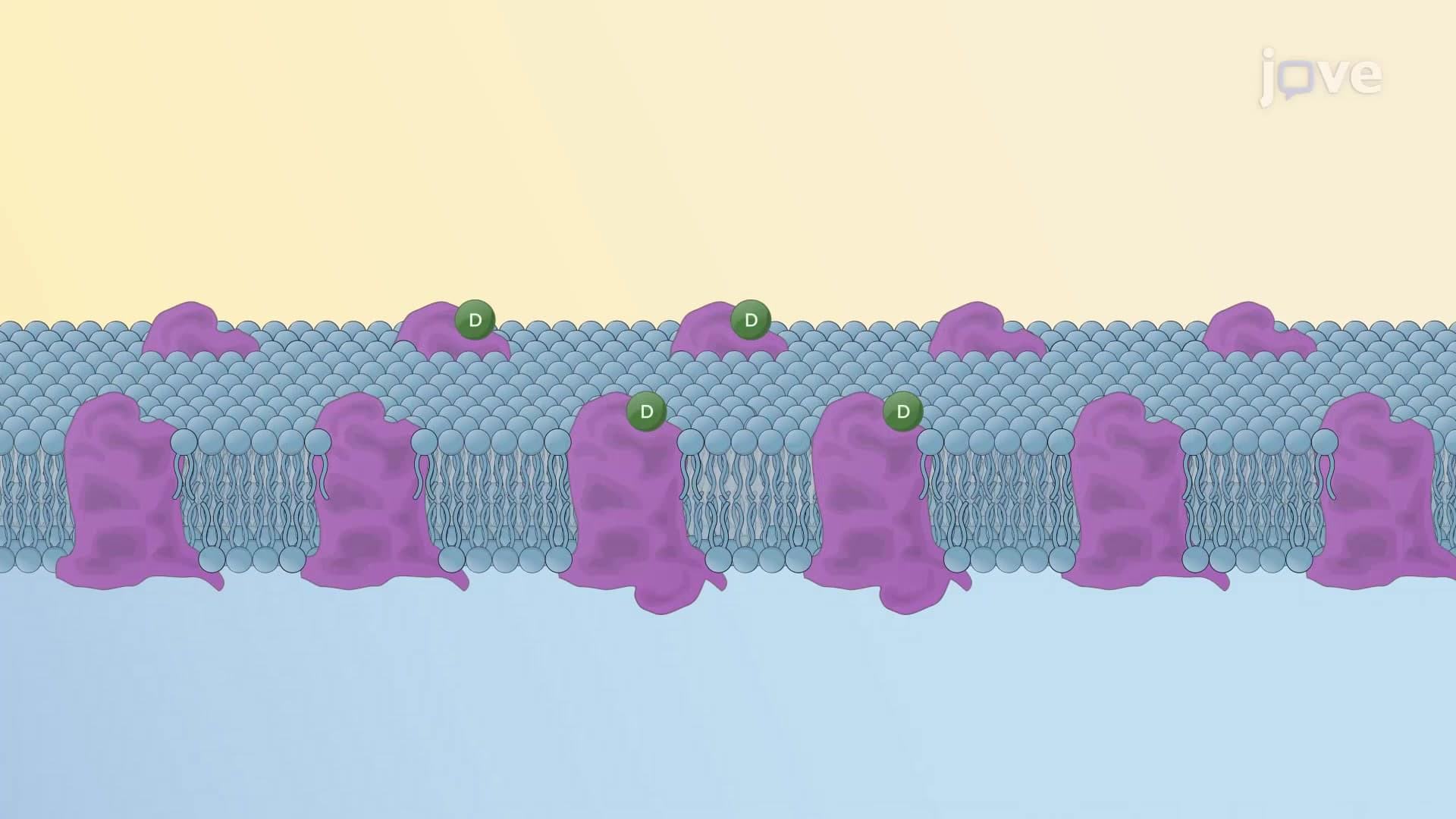
2. G Protein-Coupled Receptor Signaling Pathways GPCRs represent the largest family of cell surface receptors, targeted by approximately 35% of FDA-approved medications including opioids, antihistamines, and cardiovascular drugs. These seven-transmembrane proteins undergo conformational changes upon ligand binding, activating heterotrimeric G proteins through GDP-GTP exchange mechanisms. The activated Gα subunit then interacts with downstream effectors like adenylyl cyclase or phospholipase C, generating second messengers such as cAMP or IP3. This signal amplification allows single drug molecules to trigger massive cellular responses, explaining why medications like epinephrine can produce dramatic physiological effects at nanomolar concentrations.
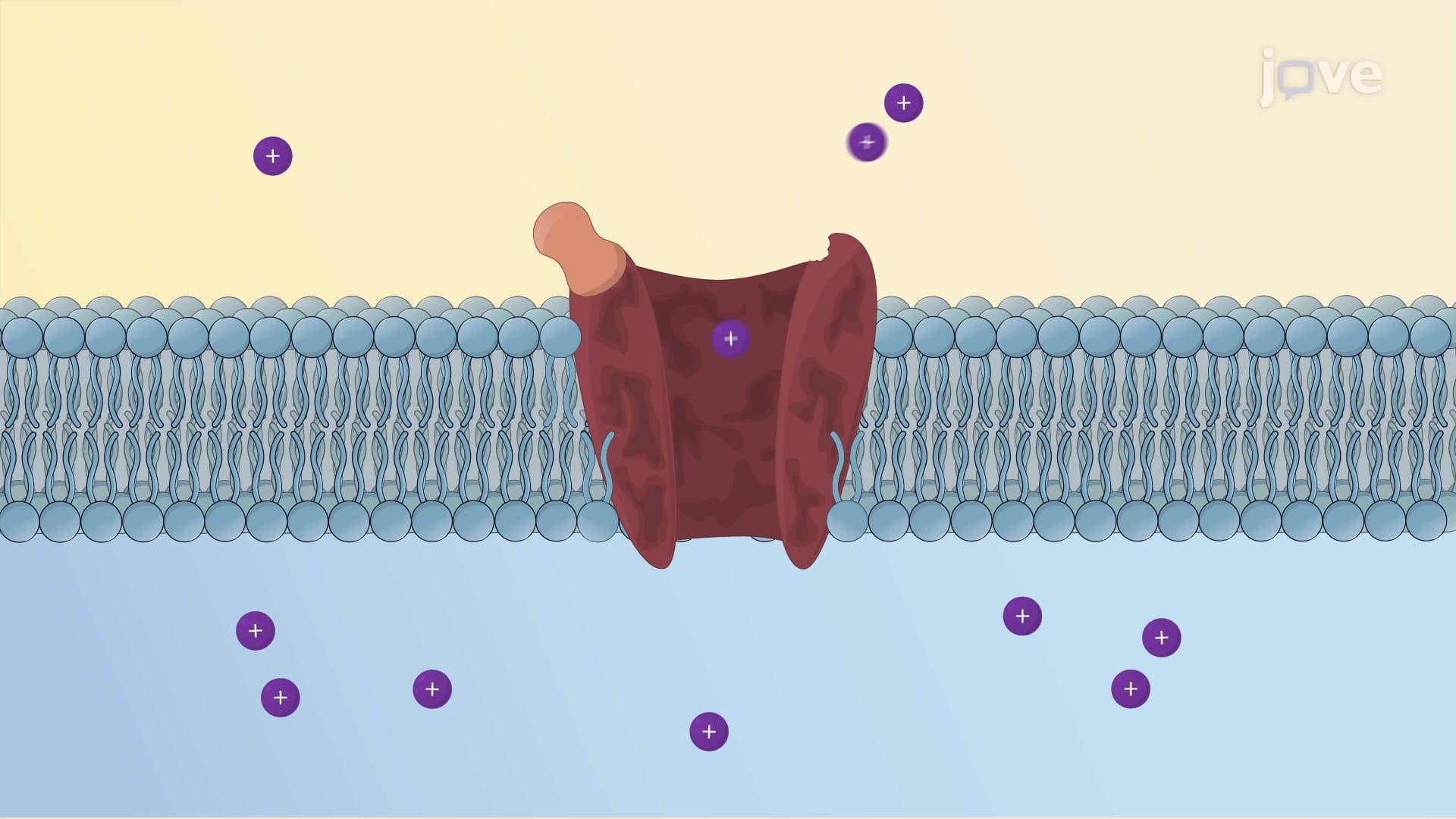
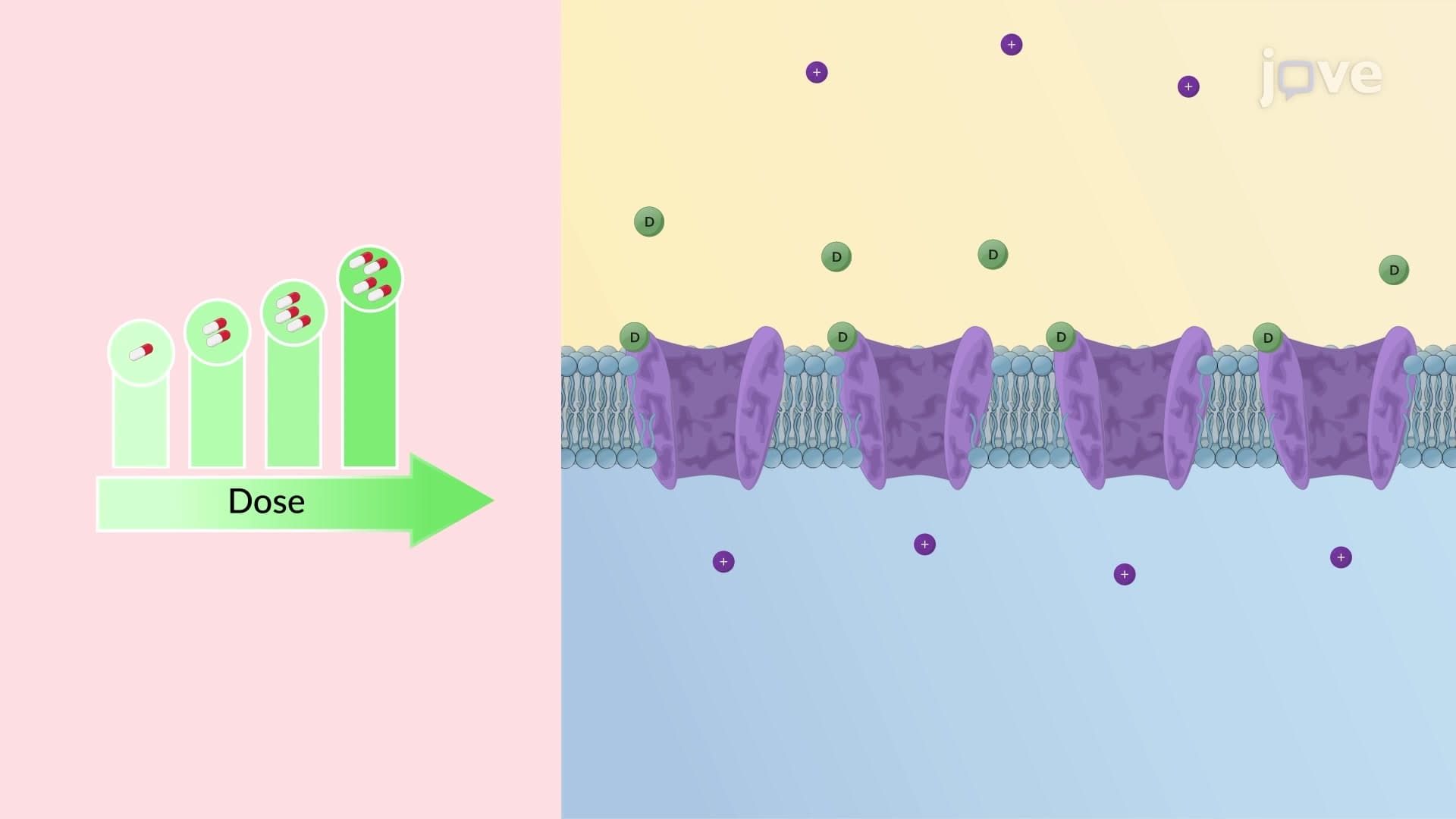
3. Ion Channel Pharmacology and Neurological Applications Ligand-gated ion channels serve as critical drug targets for treating anxiety, insomnia, and neurological disorders through precise control of membrane potential and neurotransmission. Benzodiazepines like lorazepam bind allosteric sites on GABAA receptors, enhancing chloride influx and producing anxiolytic effects without directly activating the channel. Competitive antagonists such as varenicline block nicotinic acetylcholine receptors, preventing nicotine binding and supporting smoking cessation therapy. These mechanisms demonstrate how subtle modifications in ion flow can dramatically alter neural network activity and behavior.
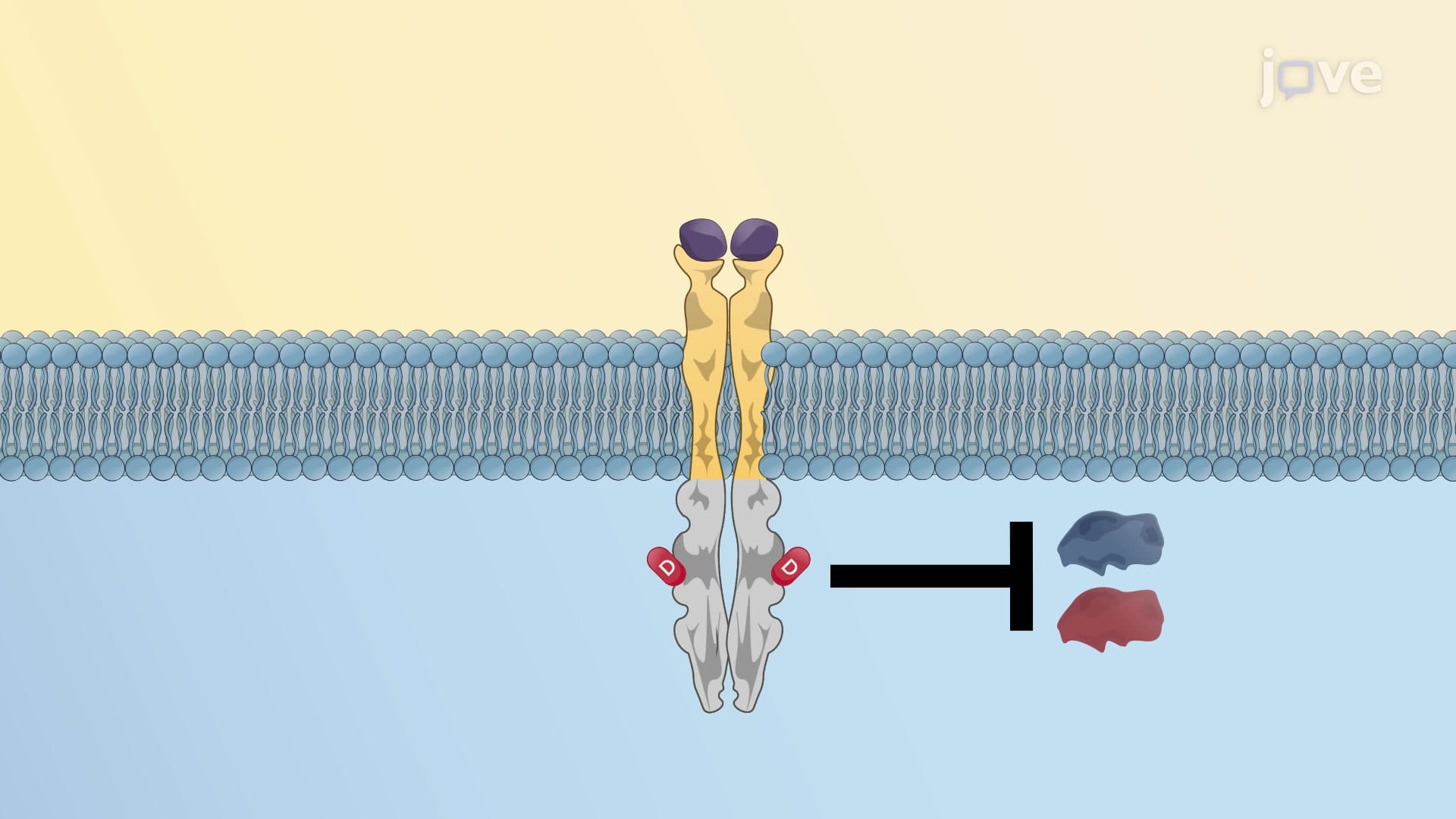
4. Enzyme-Linked Receptors and Cancer Therapeutics Receptor tyrosine kinases (RTKs) and other enzyme-linked receptors control cell division, differentiation, and immune responses, making them prime targets for cancer chemotherapy and immunotherapy. Growth factor binding triggers receptor dimerization and autophosphorylation cascades that activate downstream signaling proteins like PI3K/AKT pathways. Targeted therapies such as imatinib (Gleevec) specifically inhibit BCR-ABL tyrosine kinase in chronic myeloid leukemia cells, blocking abnormal proliferation signals while sparing normal cells. This precision approach revolutionized cancer treatment by exploiting specific molecular vulnerabilities in malignant cells.
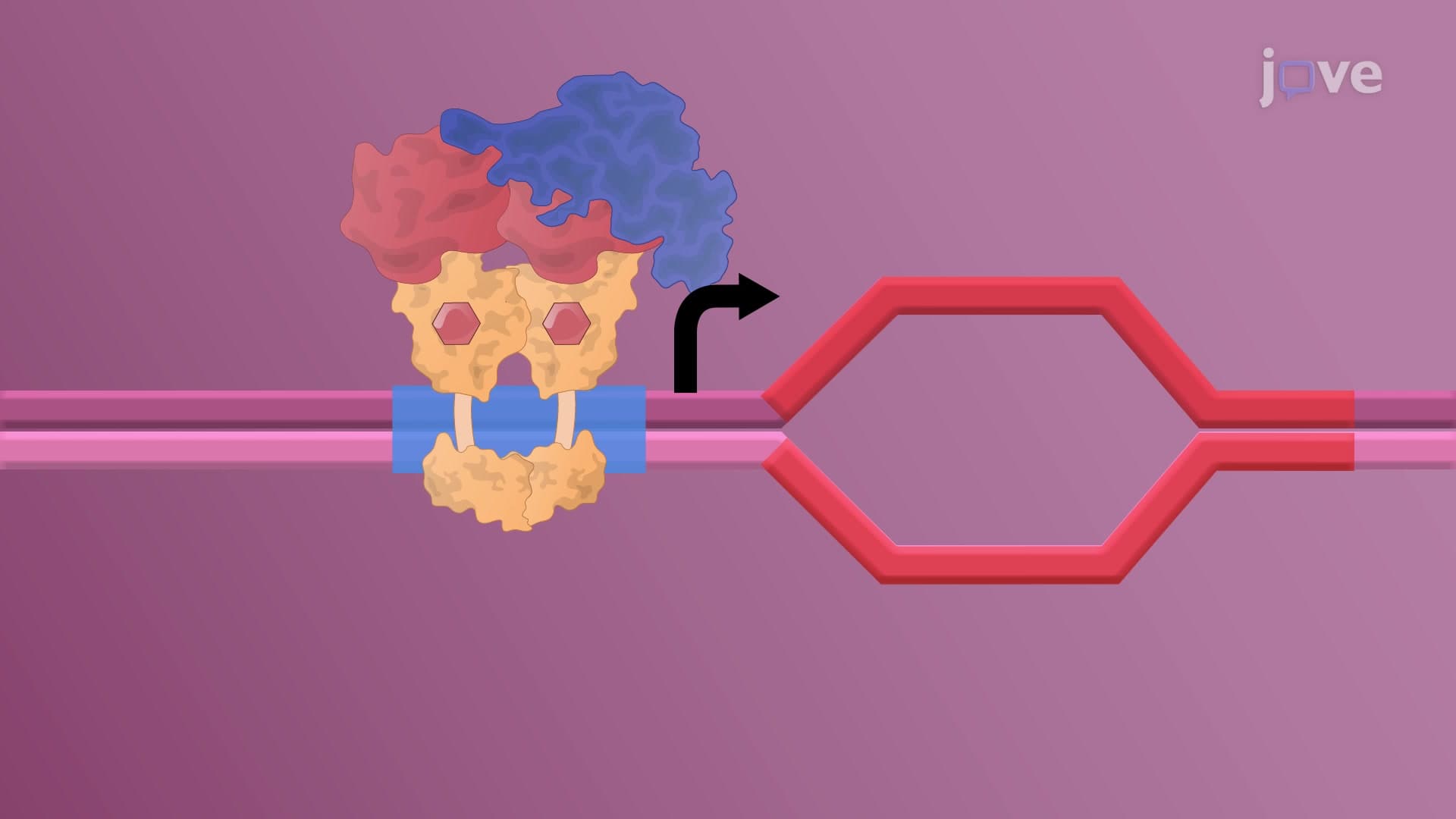
5. Nuclear Receptor-Mediated Gene Regulation Nuclear receptors function as ligand-activated transcription factors that directly modify gene expression patterns, accounting for nearly 15% of therapeutic drugs including hormones and metabolic medications. Class I receptors like estrogen receptors exist cytoplasmically until hormone binding triggers nuclear translocation and DNA binding to hormone response elements. Selective estrogen receptor modulators (SERMs) like tamoxifen act as tissue-specific antagonists, blocking estrogen signaling in breast tissue while maintaining beneficial effects in bone. Class II receptors such as PPARα remain DNA-bound until ligand activation recruits transcriptional co-activators, explaining how fibrates lower triglyceride levels through enhanced fatty acid metabolism.
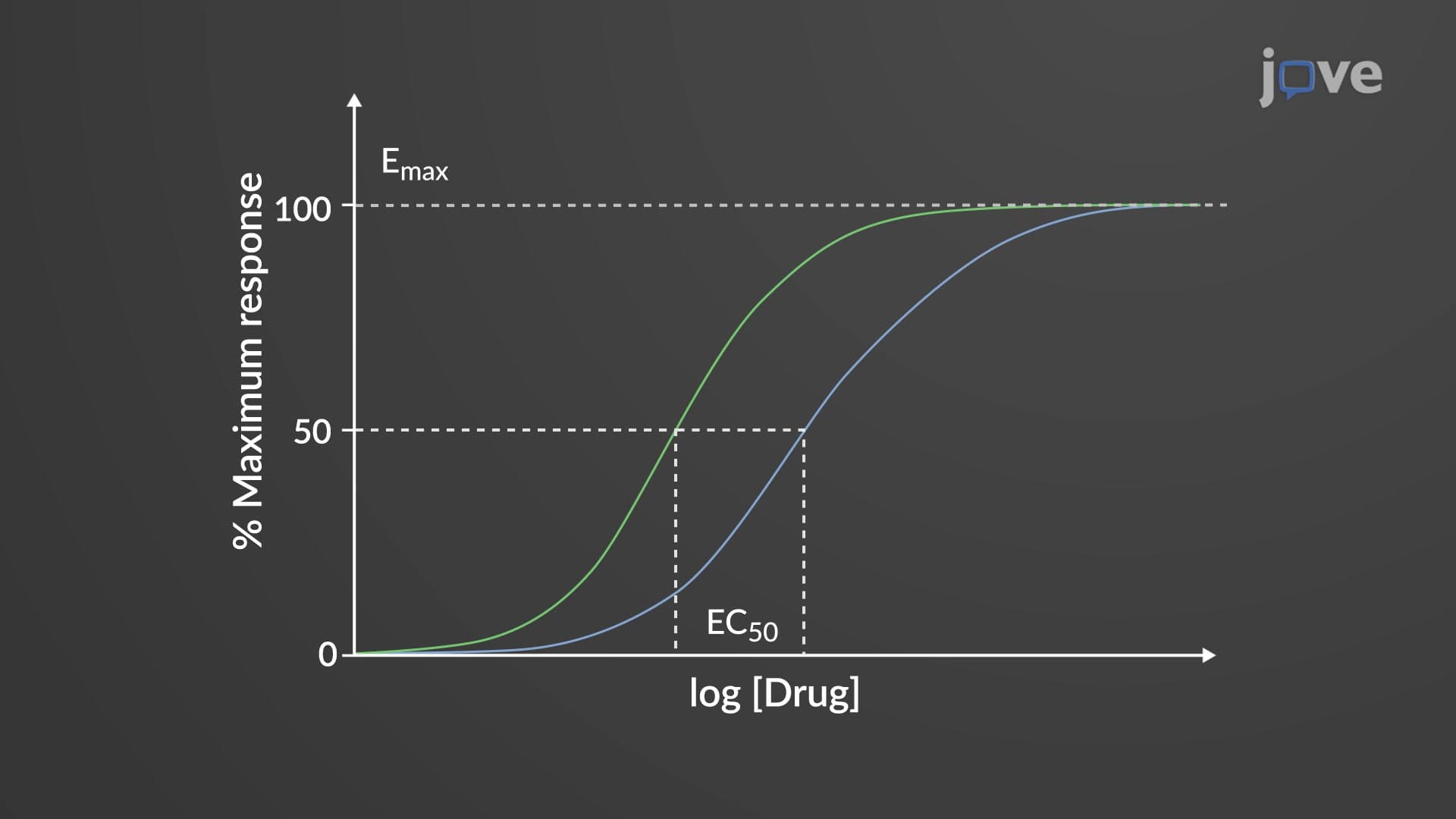
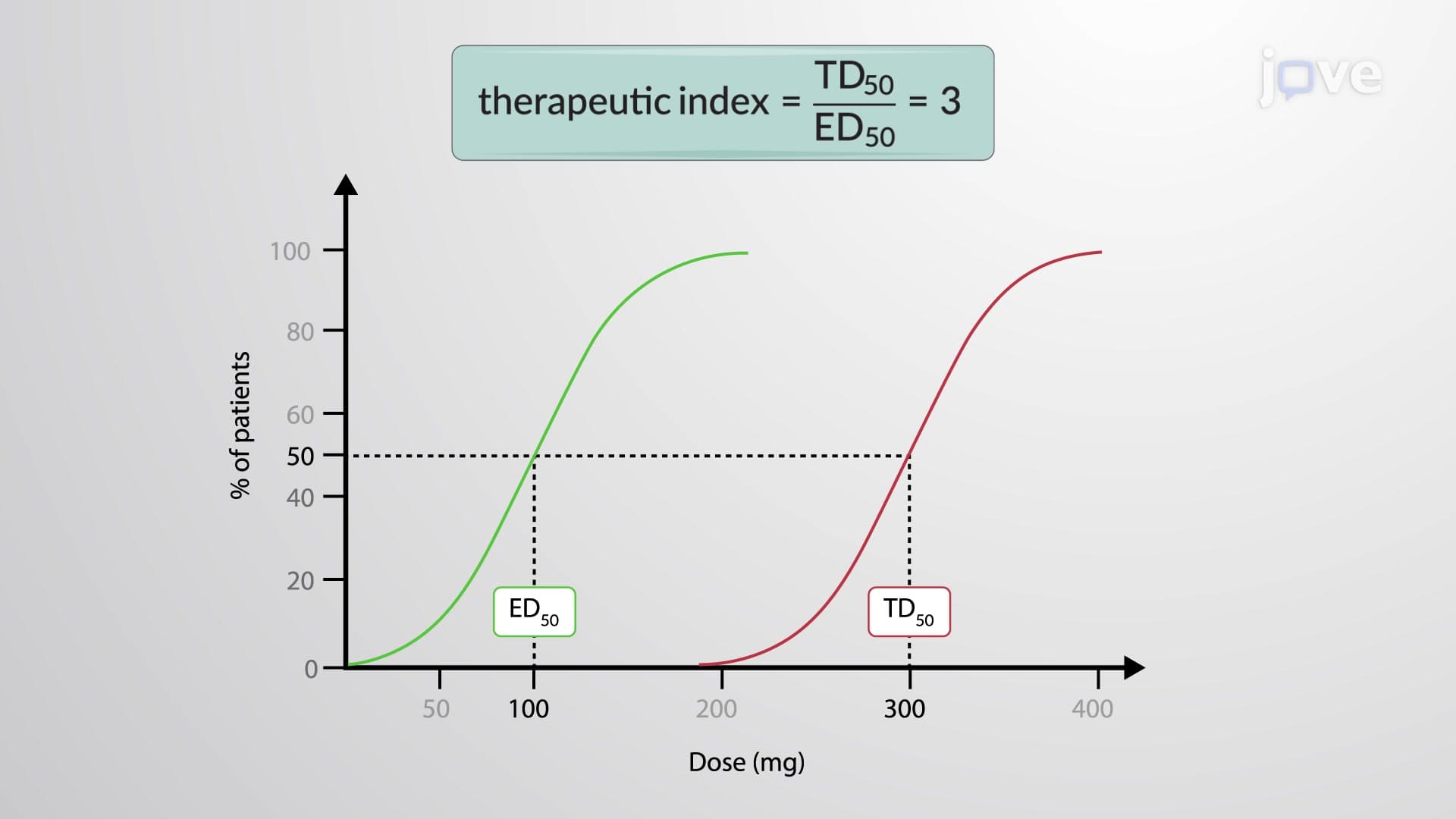
6. Dose-Response Relationships and Therapeutic Index Quantitative pharmacology relies on dose response relationships that define drug potency (EC50 values) and efficacy (Emax values) through sigmoidal curve analysis. Lower EC50 values indicate higher potency, meaning less drug is required to achieve 50% maximal response, while Emax represents the maximum achievable effect regardless of dose. The therapeutic index (TD50/ED50) provides crucial safety margins, with narrow-window drugs like warfarin requiring careful monitoring due to overlapping therapeutic and toxic dose ranges. Wide therapeutic index drugs like penicillin allow flexible dosing with minimal toxicity risk, improving patient safety and treatment compliance.
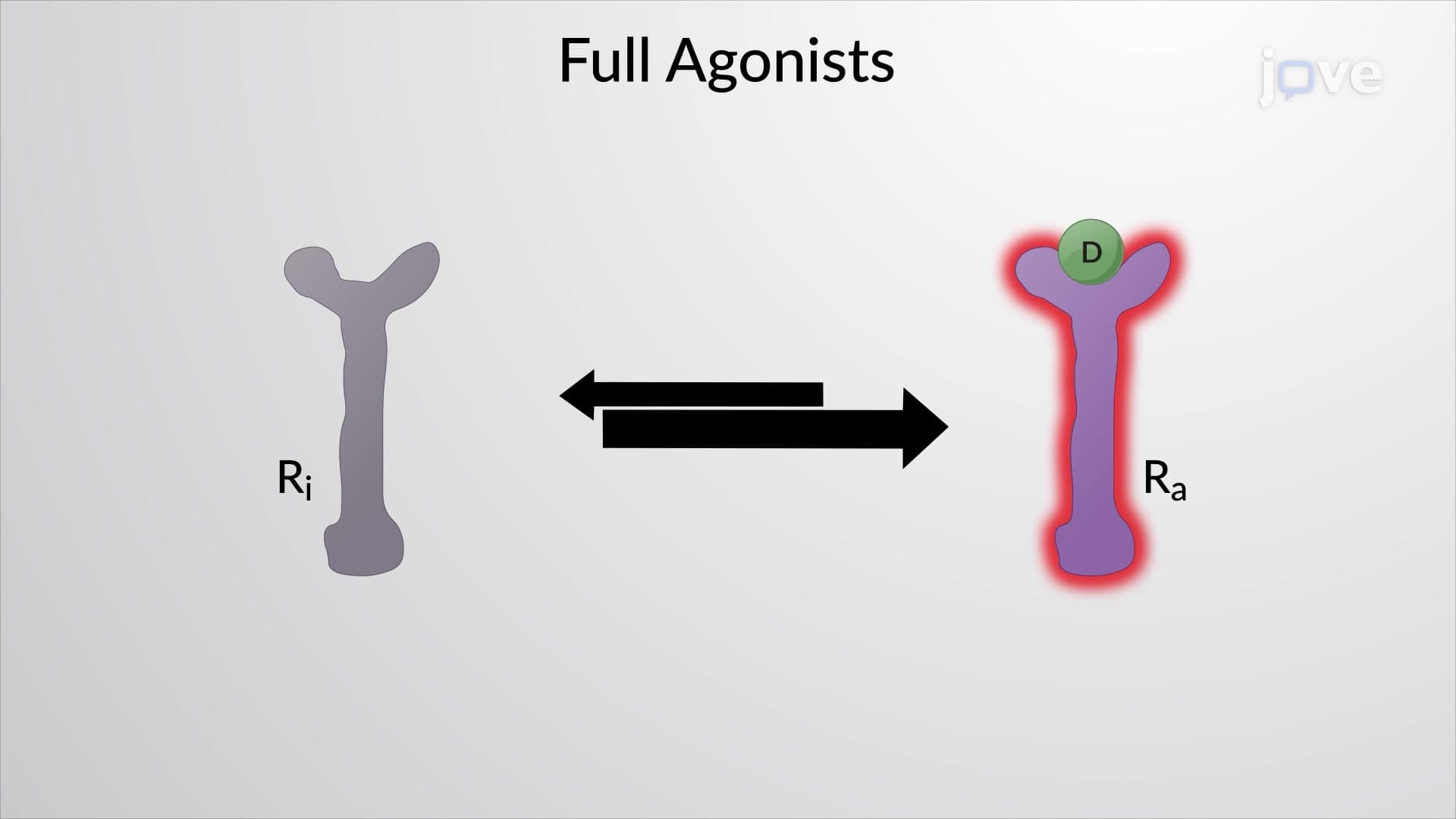
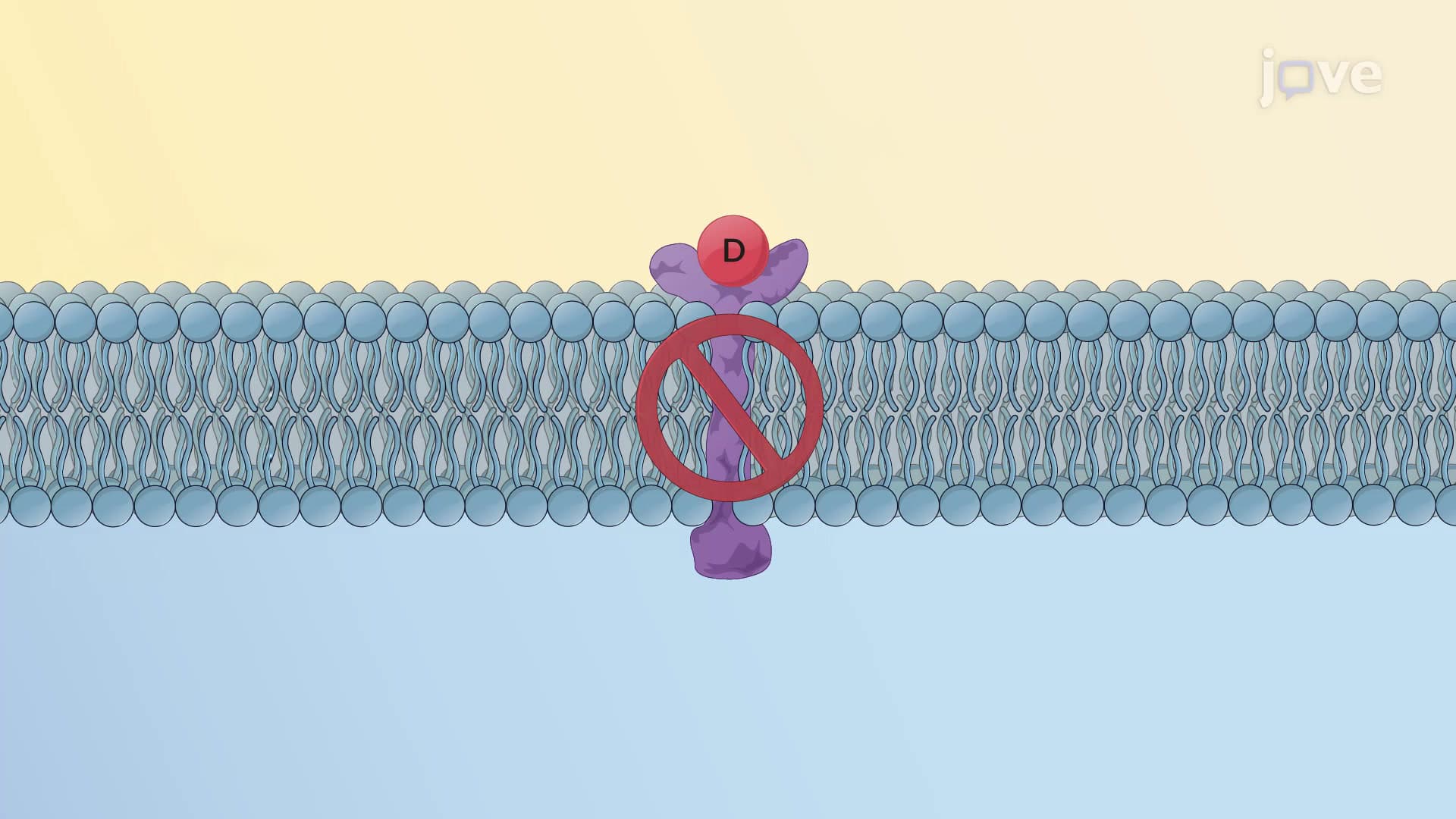
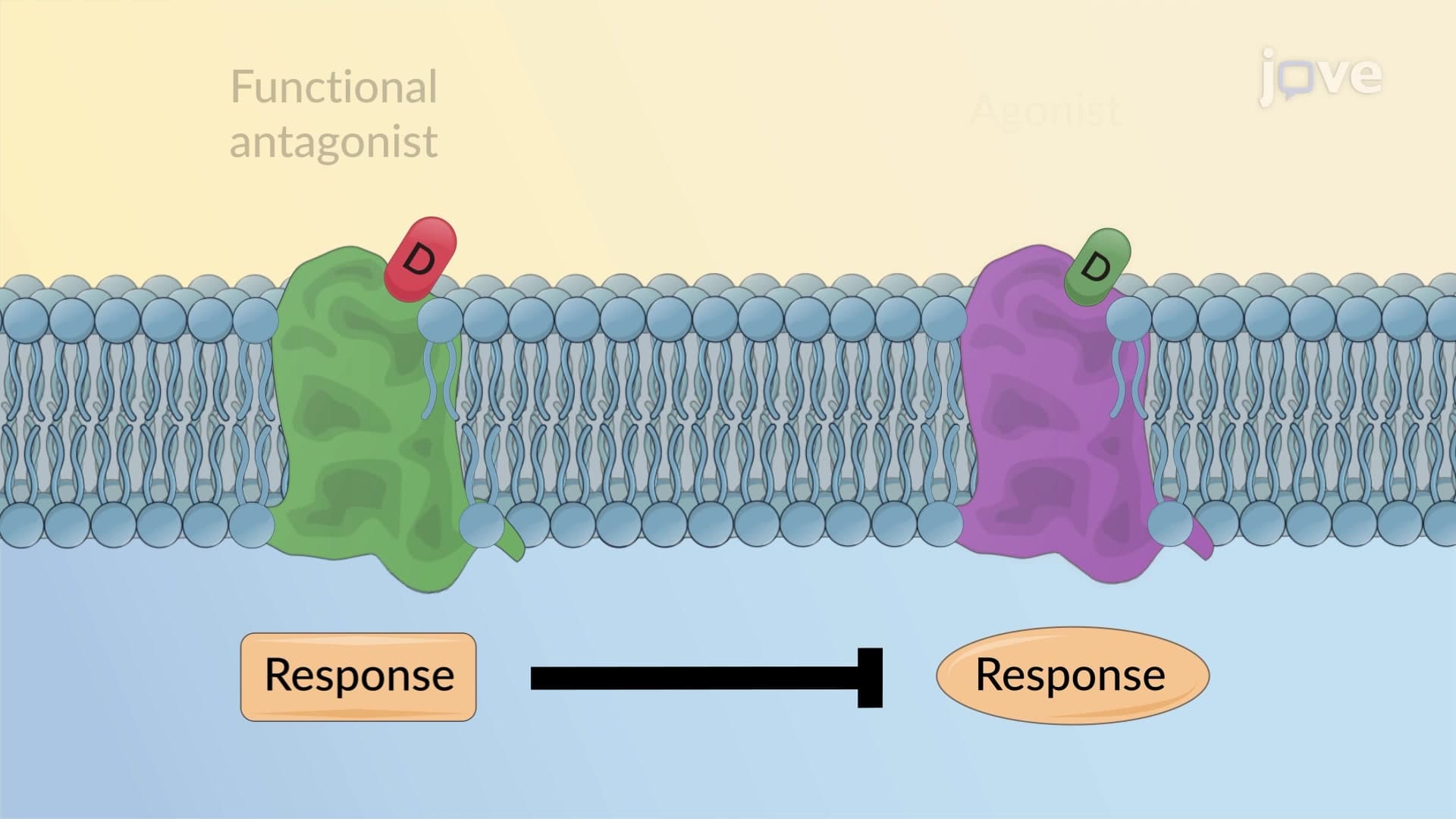
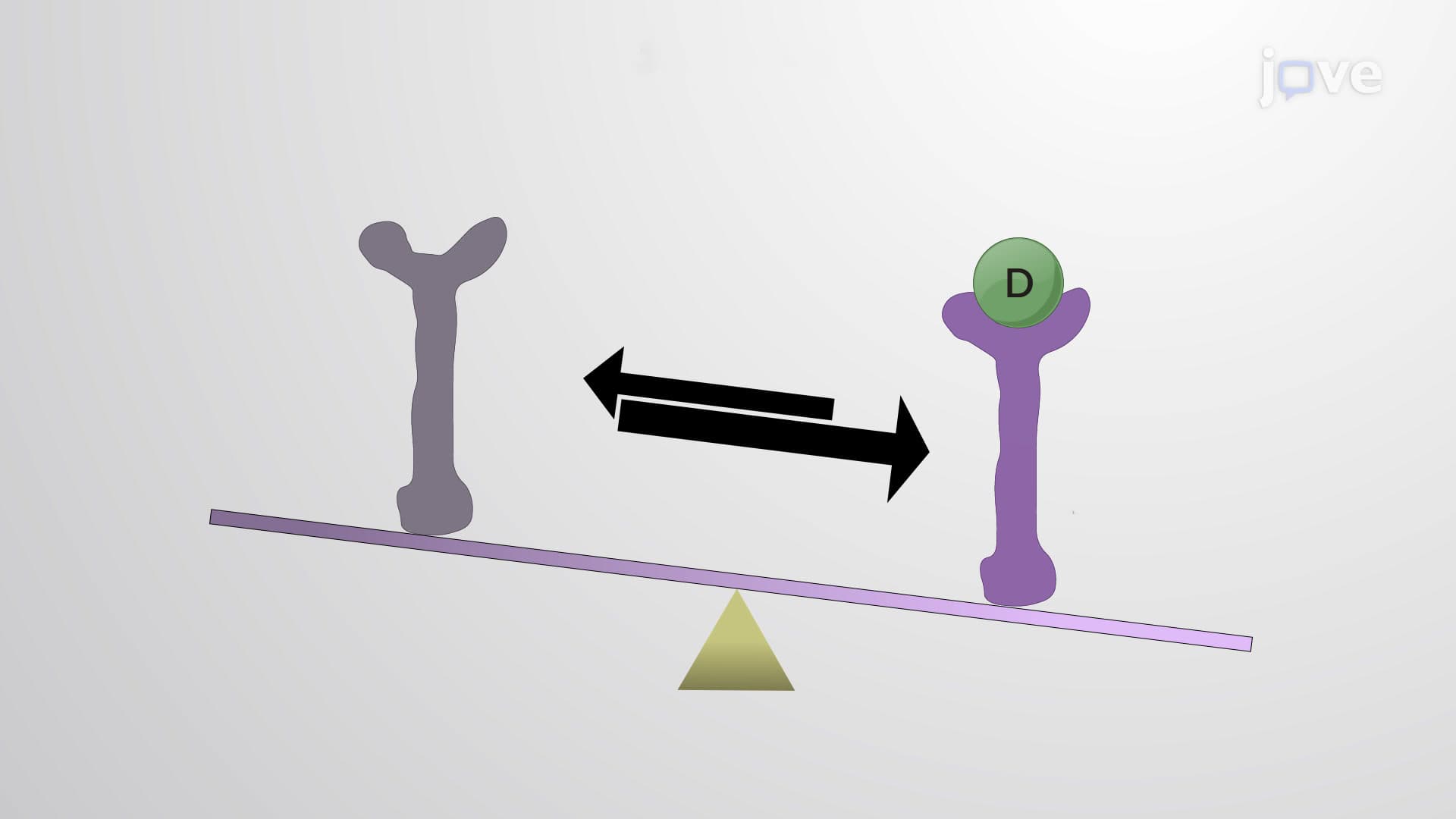
7. Agonist and Antagonist Classification Systems Drug-receptor interactions follow predictable patterns based on receptor conformational states and binding preferences that determine clinical effects. Full agonists like morphine maximize receptor activation and produce complete responses, while partial agonists such as buprenorphine provide submaximal effects even at saturating concentrations, offering built-in safety mechanisms. Competitive antagonists like naloxone reversibly block opioid receptors and can be overcome by increasing agonist concentrations, making them ideal for overdose reversal. Noncompetitive antagonists create irreversible binding that reduces maximum response capabilities, requiring new receptor synthesis for recovery.
8. Drug Synergism and Combination Therapy Strategies Synergistic drug combinations produce enhanced therapeutic effects exceeding individual component contributions, enabling lower doses and reduced side effects in complex diseases. The trimethoprim-sulfamethoxazole combination targets sequential steps in bacterial folate synthesis, creating synergistic antibacterial activity against urinary tract infections while minimizing resistance development. Cancer chemotherapy protocols combine drugs with different mechanisms-alkylating agents, antimetabolites, and topoisomerase inhibitors-to maximize tumor cell death while allowing normal tissue recovery. Understanding synergistic principles helps optimize drug combinations for maximum therapeutic benefit with minimal toxicity.