Loading video…


 19 Concepts
 96.7K views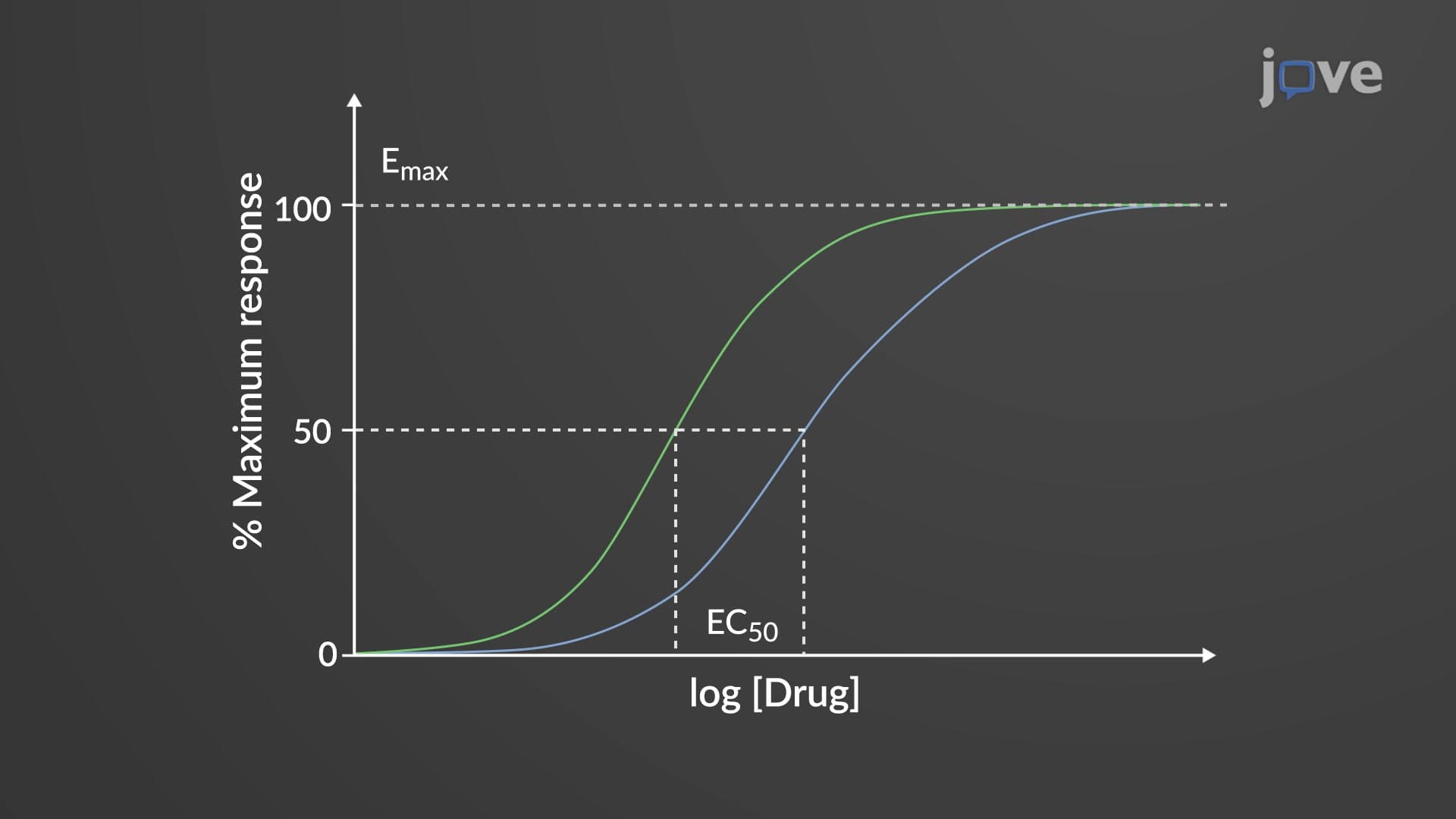

Video Summary: Dose Response Relationship Potency and Efficacy Explained
Why do some blood pressure medications work at 5mg while others need 150mg to achieve the same effect? The dose response relationship potency reveals this pharmaceutical mystery through measurable drug characteristics. Consider how lisinopril (an ACE inhibitor) requires much lower doses than older diuretics like hydrochlorothiazide to manage hypertension effectively in US patients. Understanding Dose Response Relationship Potency And Efficacy Explained helps predict optimal therapeutic dosing strategies. Watch the full video on JoVE Coach to master this concept with expert-led visuals and step-by-step explanations.
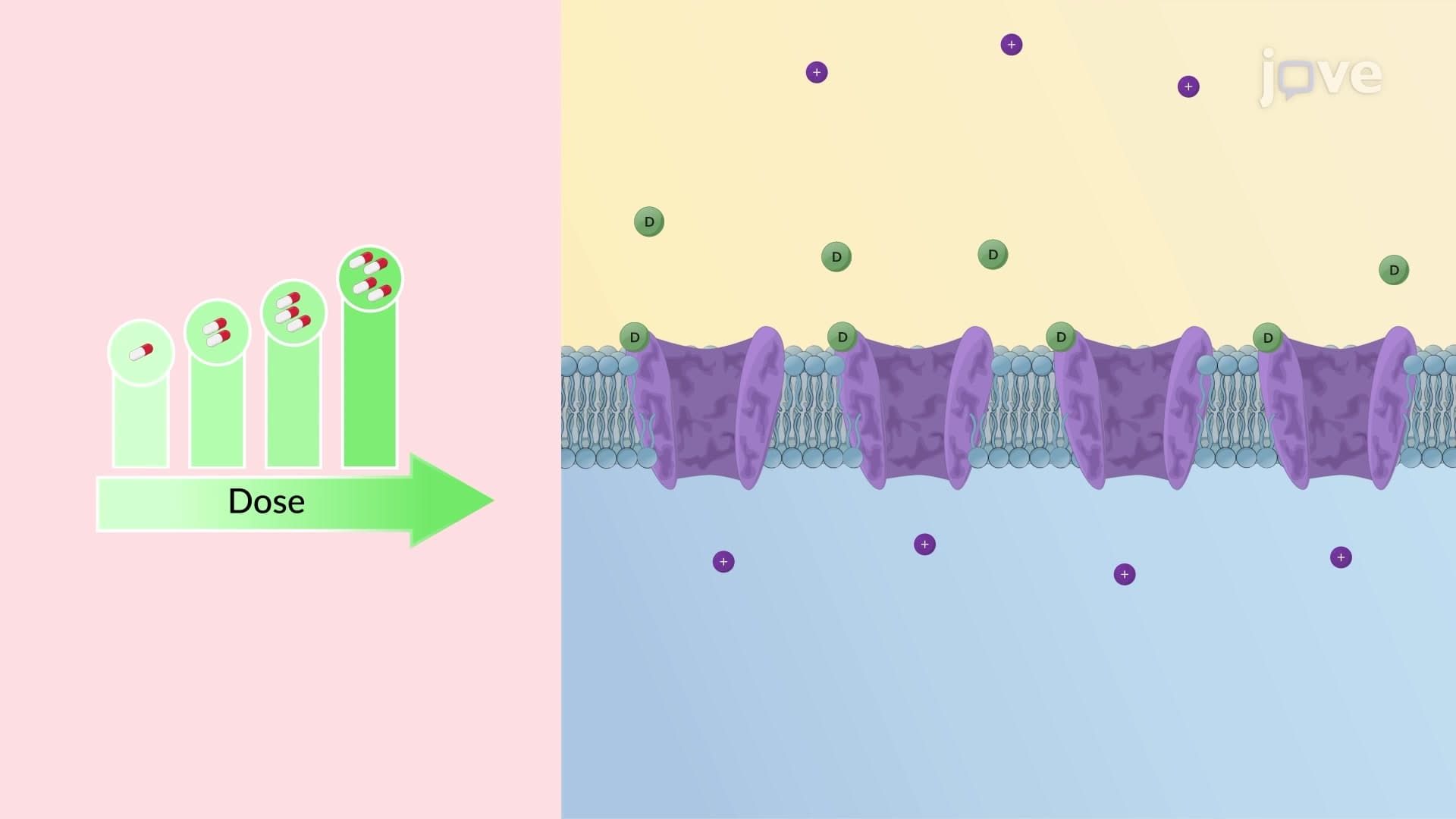
The dose response relationship potency and efficacy forms the cornerstone of modern pharmacology, determining how medications are prescribed across US healthcare systems. Potency measures the drug concentration needed to produce a specific biological response, typically expressed as the EC50 value (effective concentration producing 50% maximal response). Efficacy represents the maximum response achievable regardless of dose increase, shown as Emax on dose-response curves.
Drug potency directly impacts dosing regimens in US clinical practice. When comparing antihypertensive medications like candesartan versus irbesartan, candesartan's lower EC50 indicates higher potency-meaning patients need smaller doses to achieve blood pressure reduction. This principle appears frequently on MCAT pharmacology sections and AP Biology exams focusing on molecular interactions.
For US medical students preparing for USMLE Step 1, understanding that potency differences don't necessarily indicate superior therapeutic value proves crucial. A highly potent drug isn't automatically "better"-it simply works at lower concentrations. This concept helps explain why some generic medications require higher milligram doses than brand-name alternatives while providing identical therapeutic benefits.
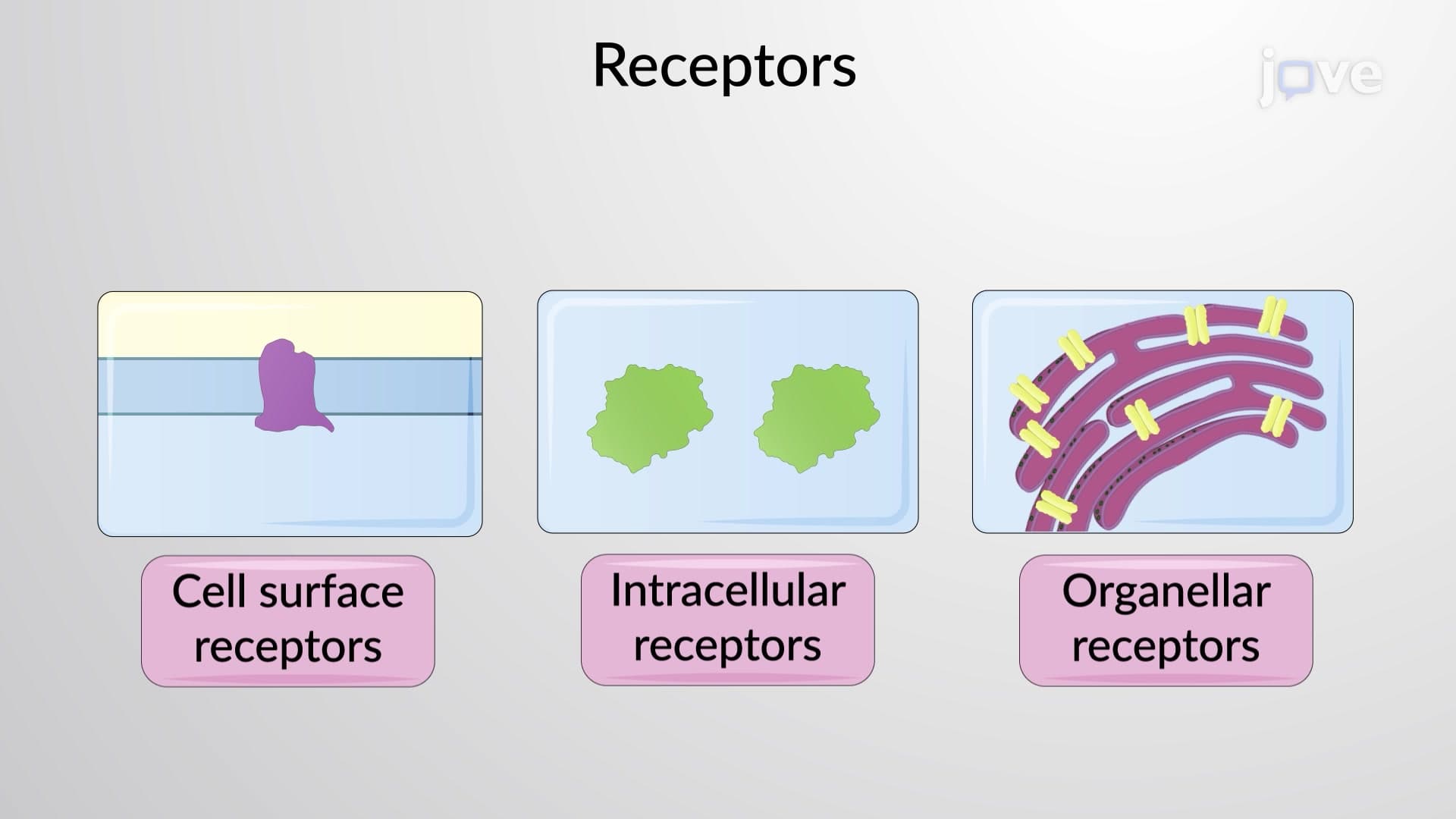
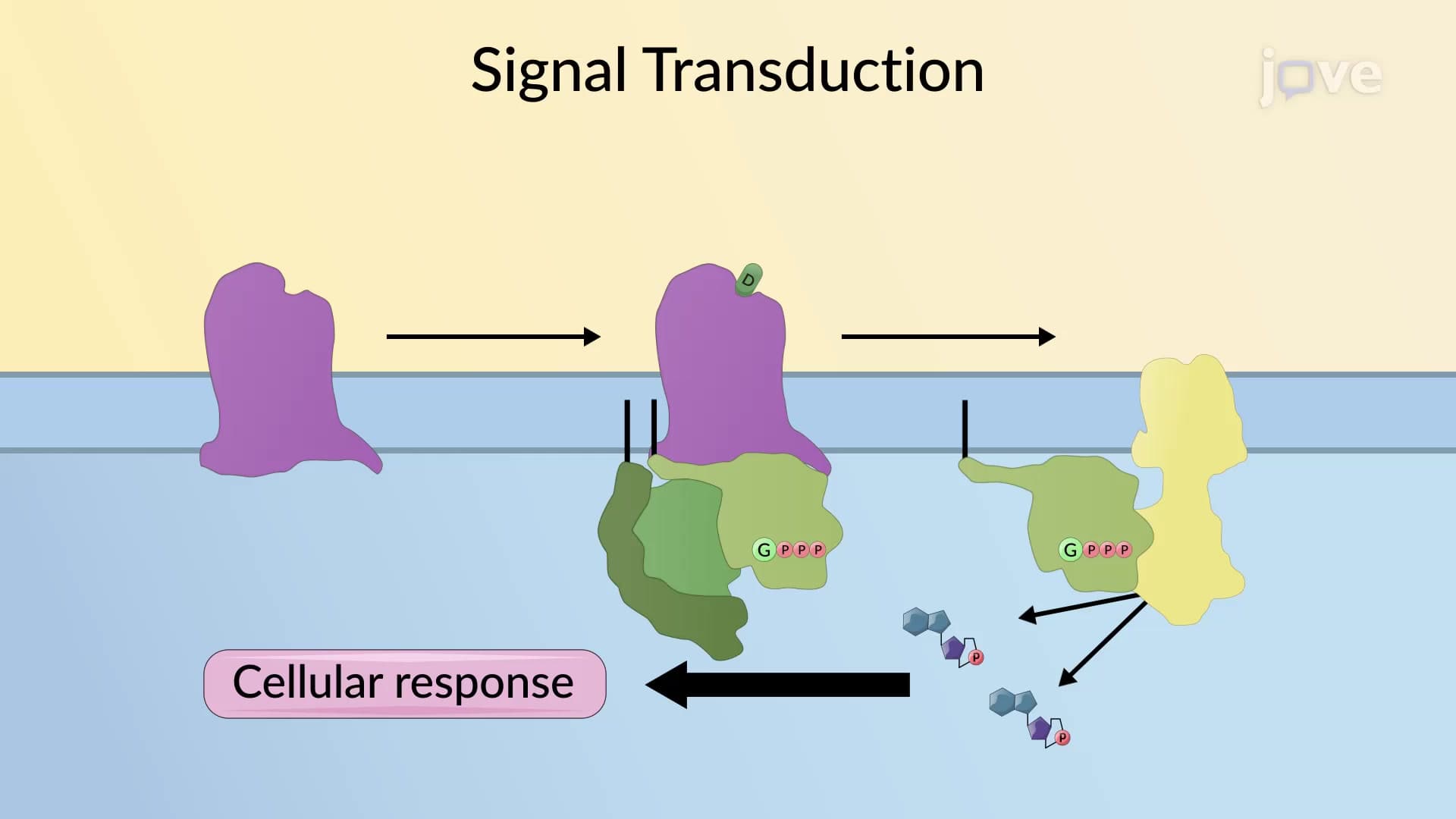
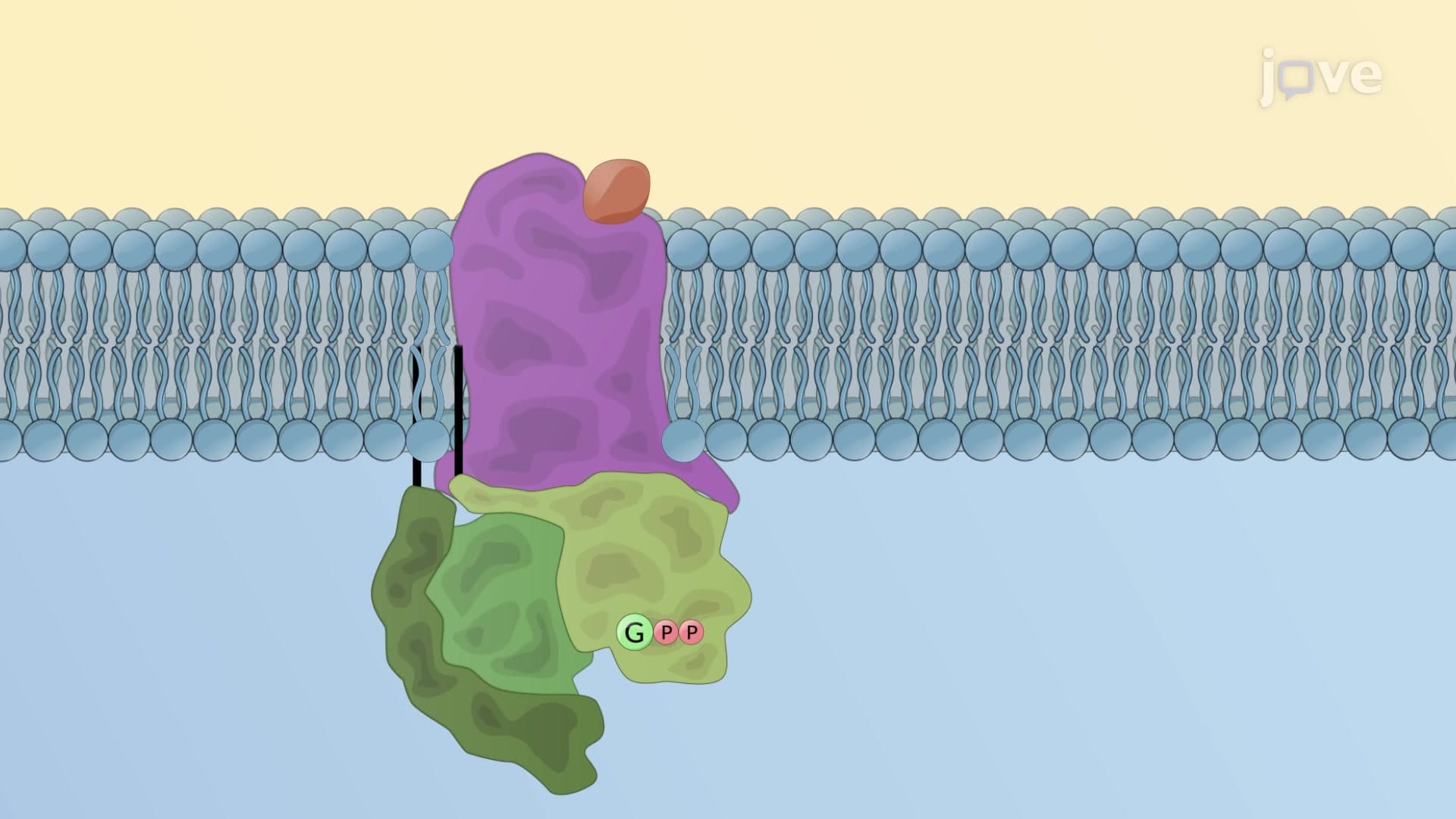
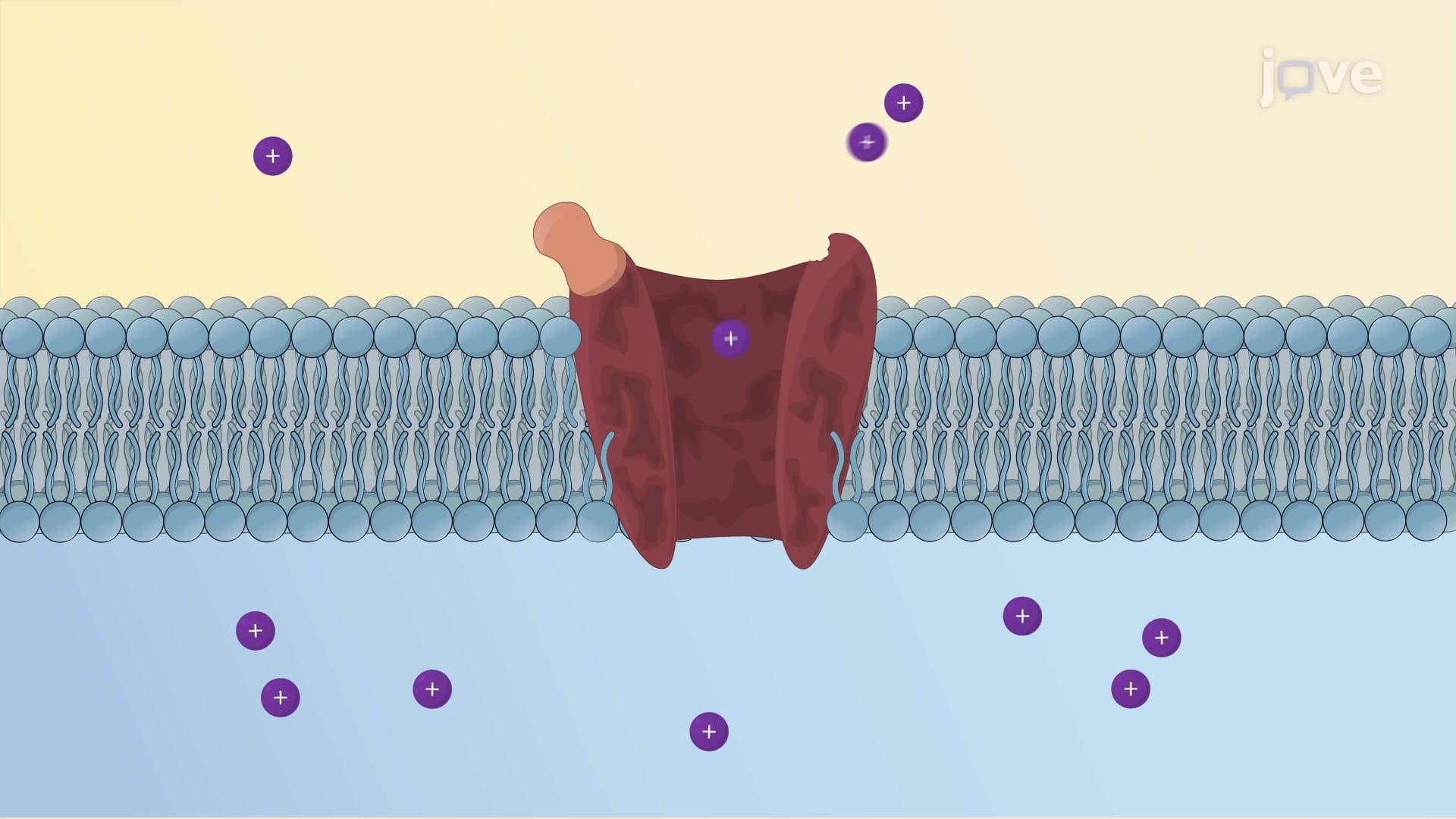
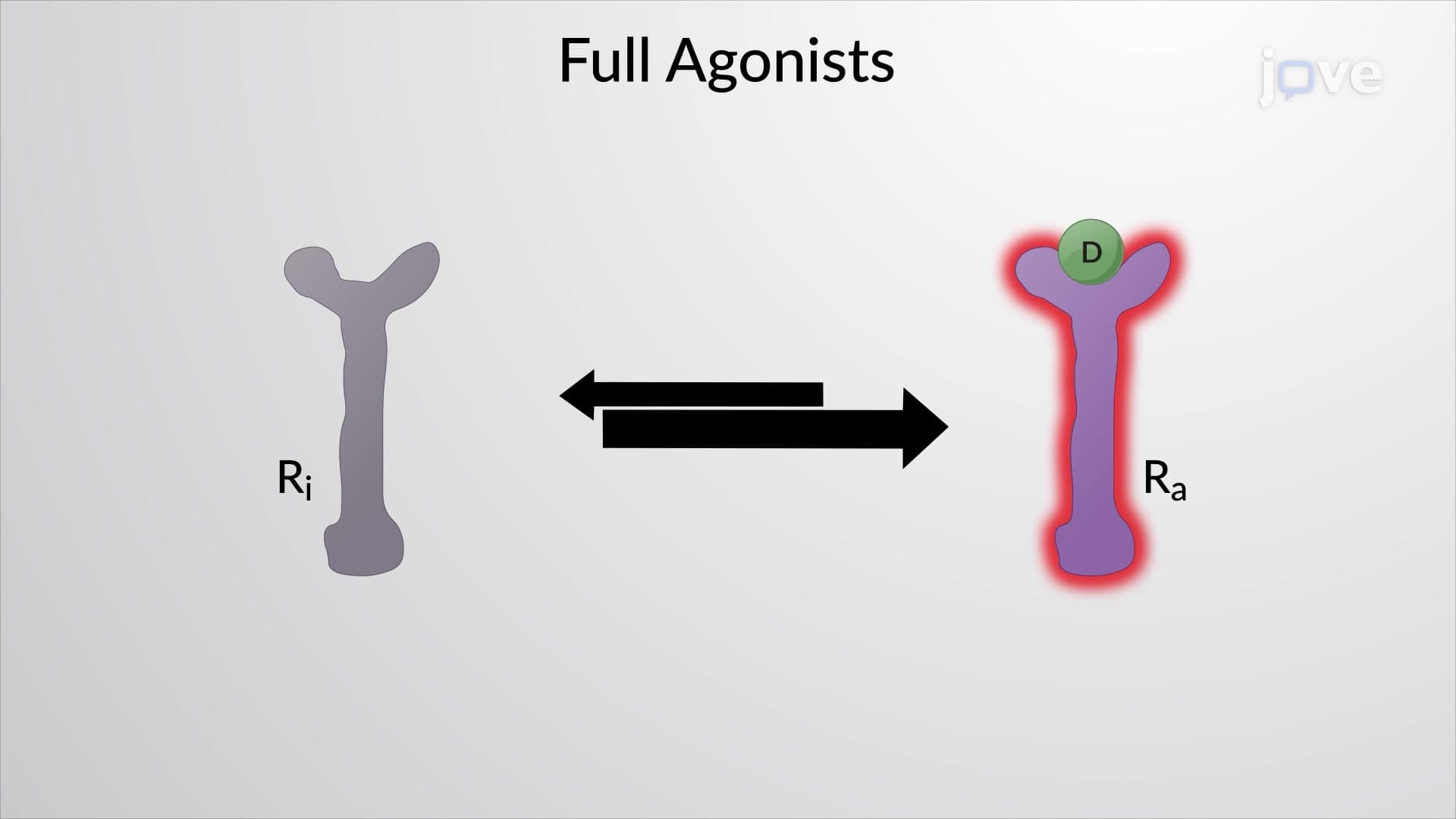
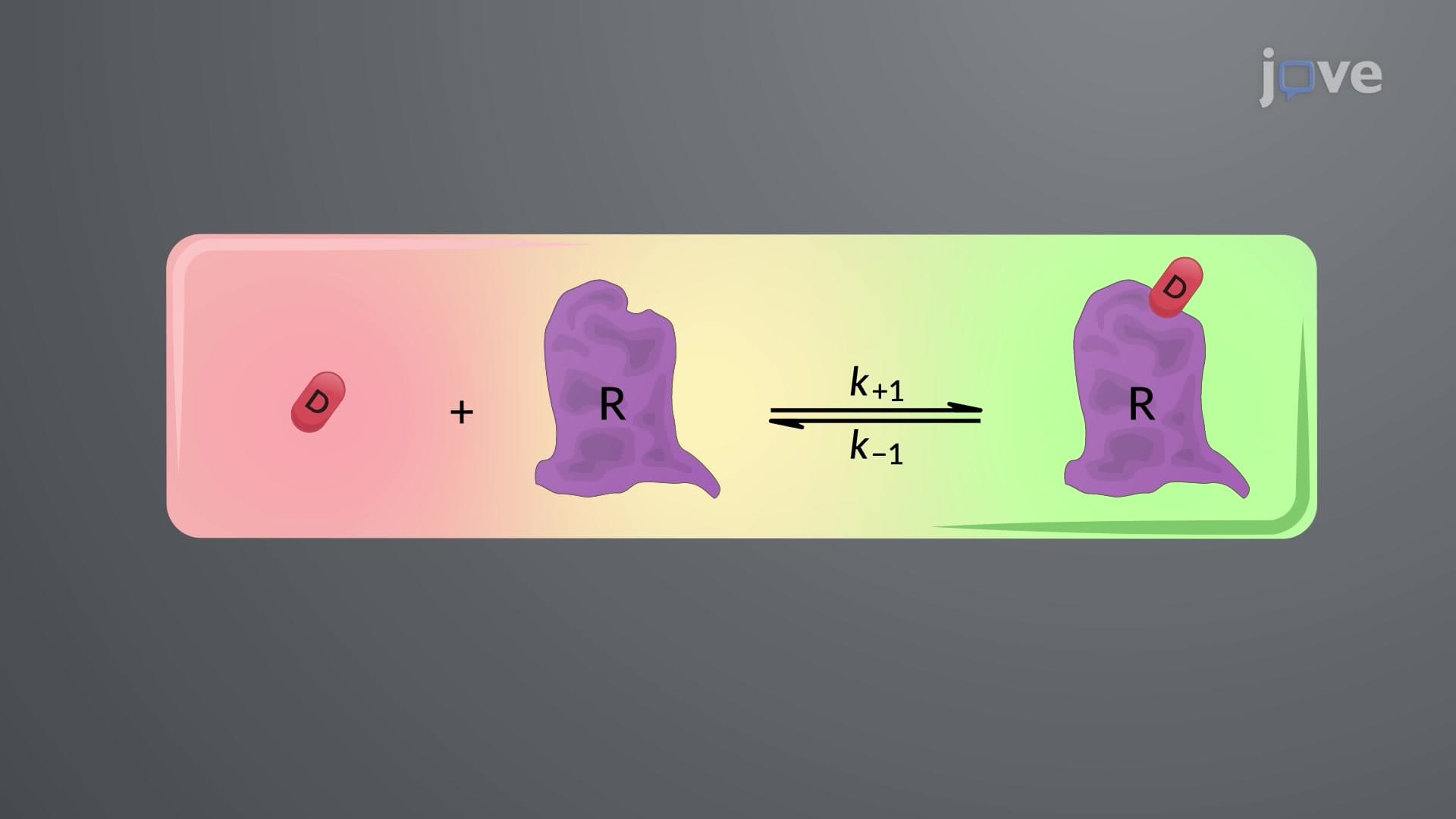
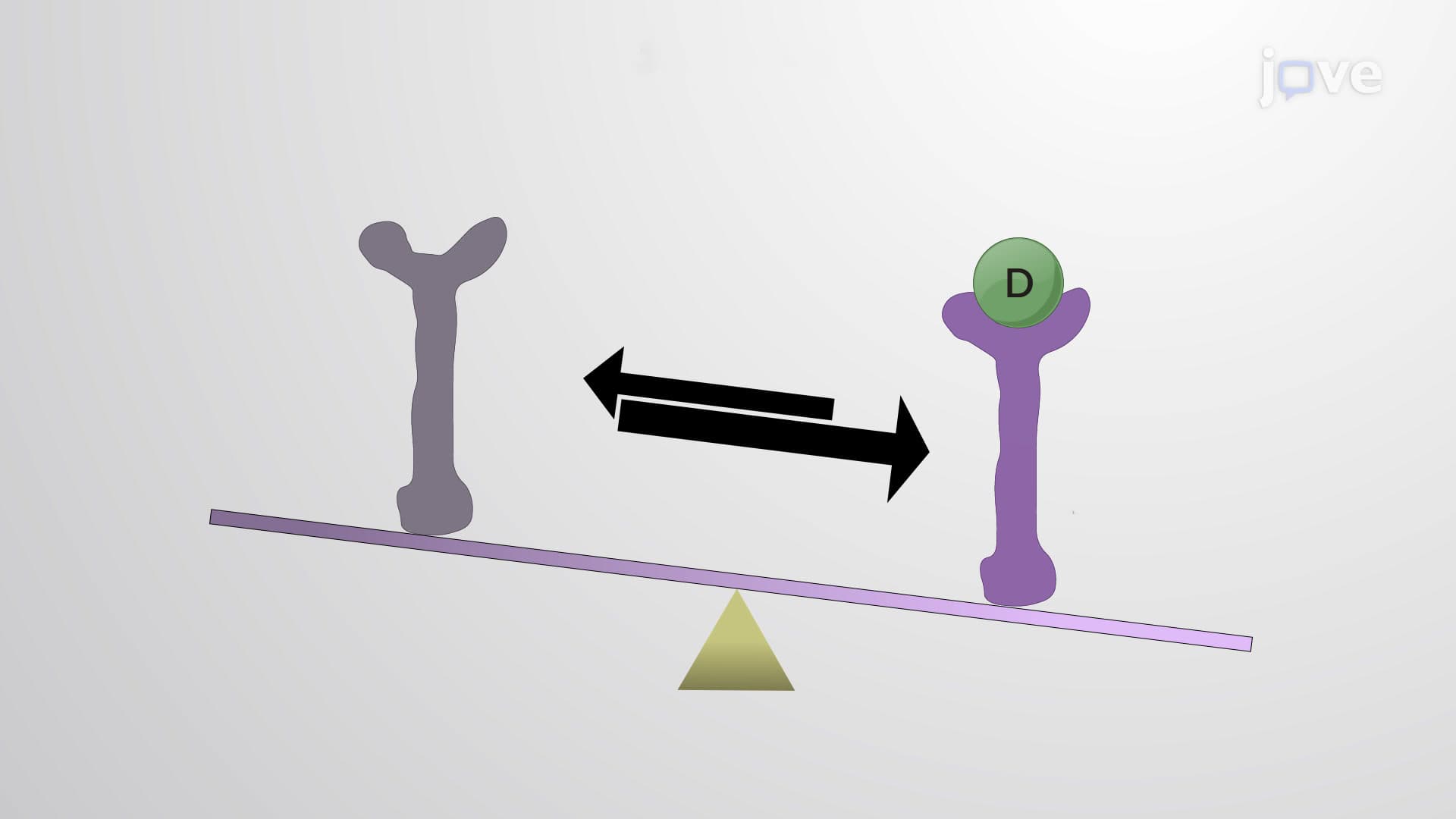
Efficacy depends on drug-receptor complex formation and subsequent receptor activation extent. Full agonists like epinephrine completely activate adrenergic receptors, producing maximal physiological responses used in emergency medicine across US hospitals. Partial agonists such as buprenorphine (used in opioid addiction treatment) provide ceiling effects that enhance safety profiles-a concept frequently tested in NCLEX-RN examinations.
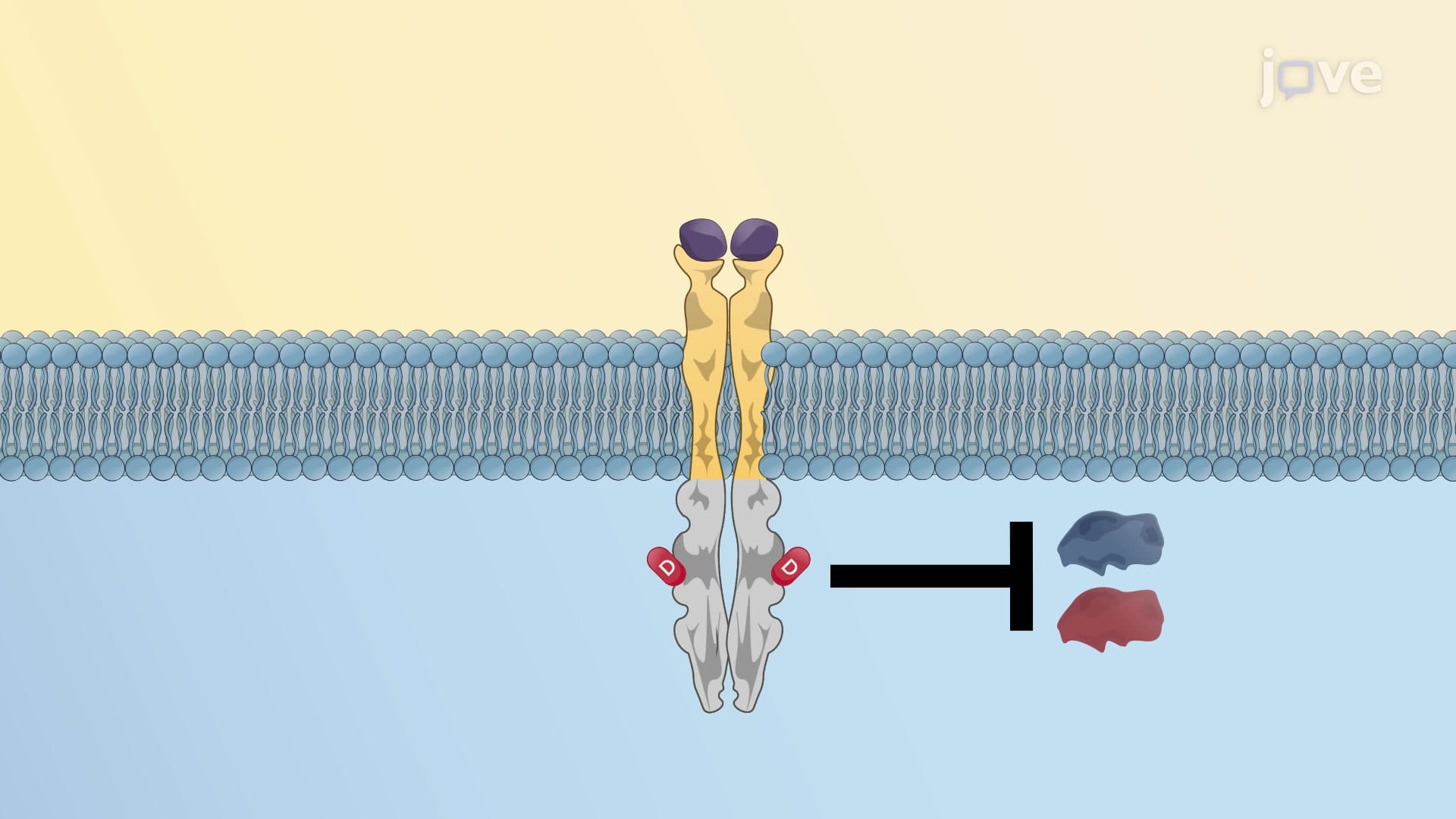
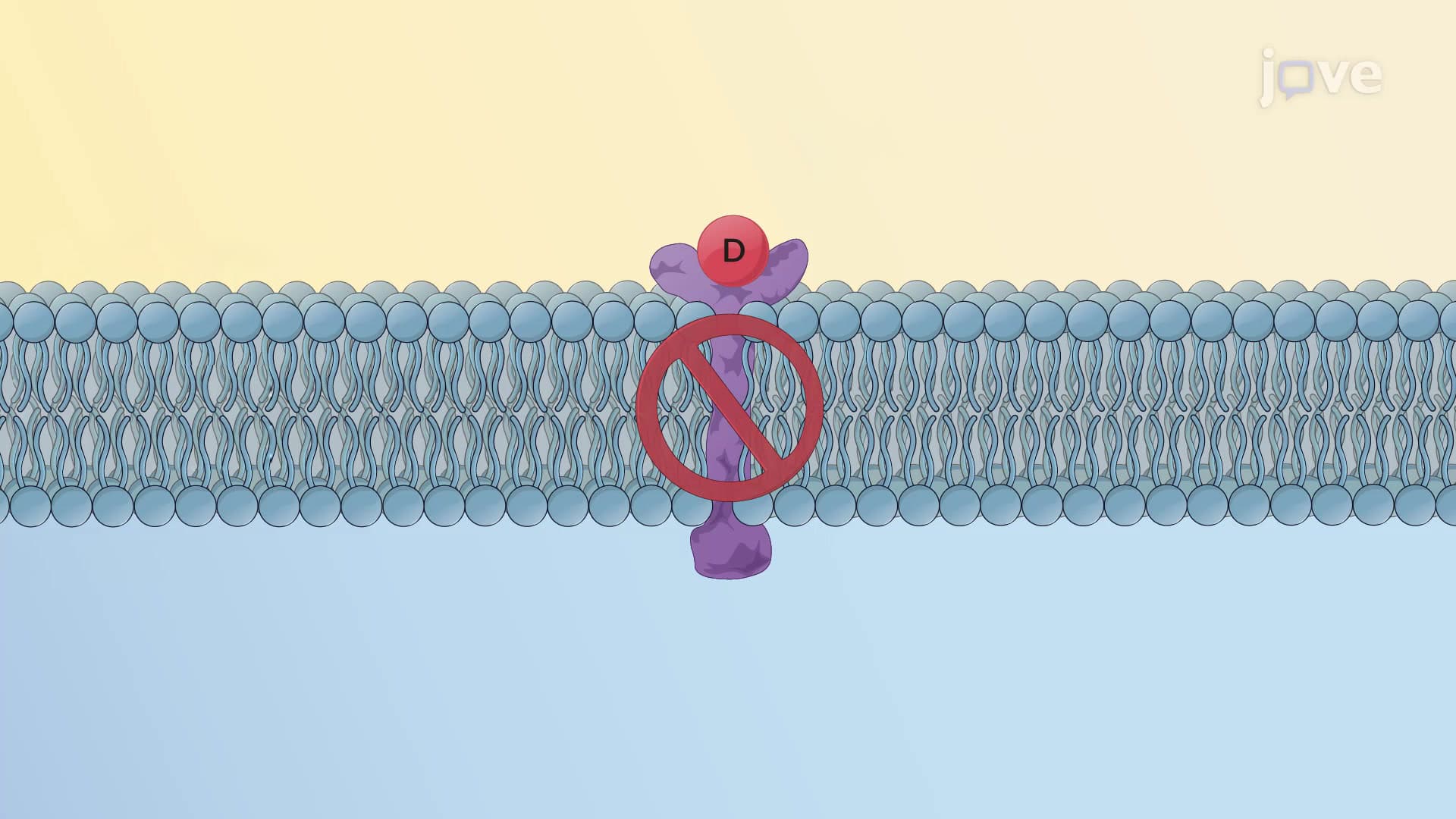
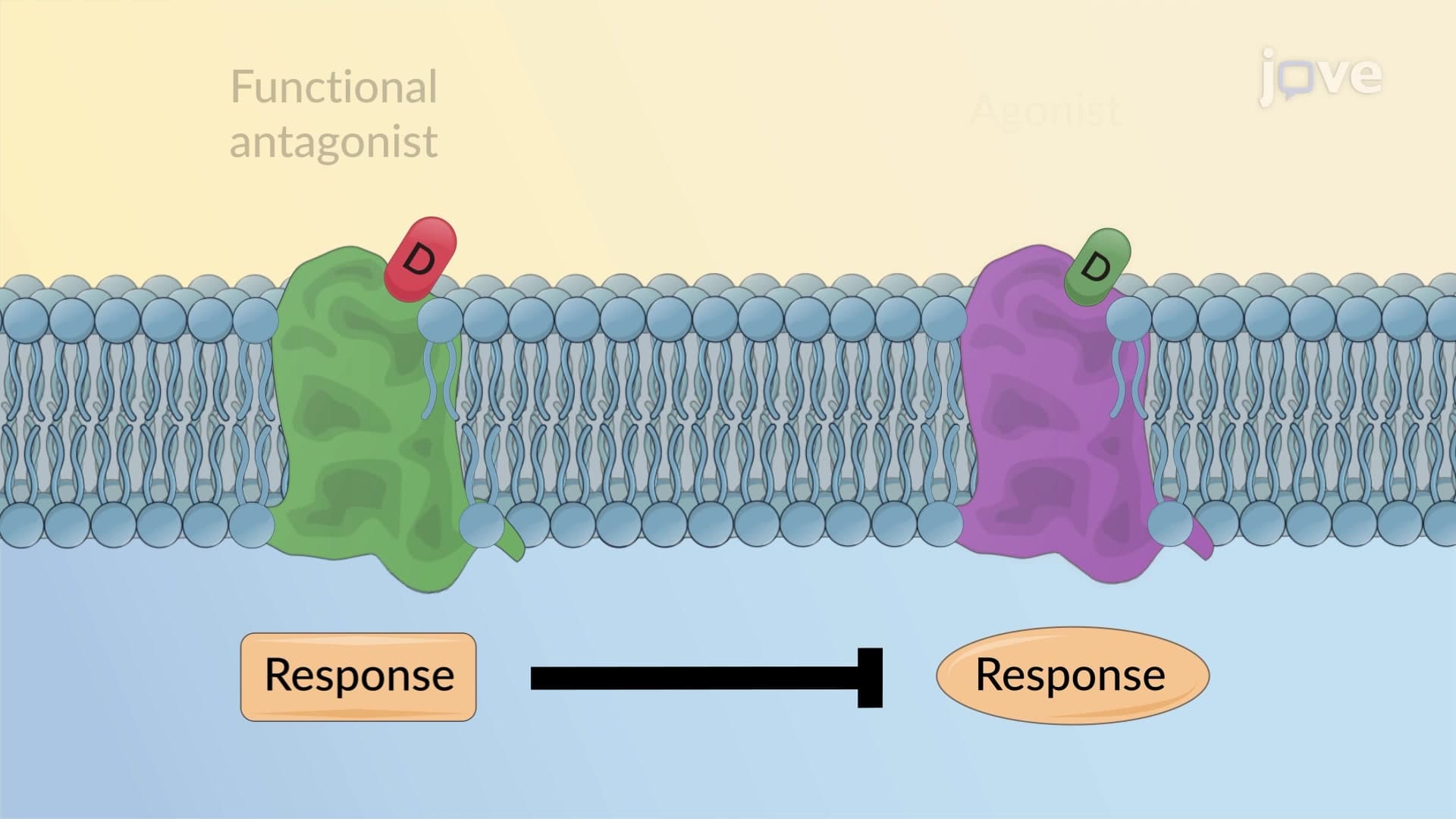
Antagonists demonstrate zero efficacy by blocking receptor sites without activation. Beta-blockers like propranolol exemplify this mechanism in cardiovascular therapy, preventing excessive sympathetic stimulation during stress responses. Understanding these mechanisms helps nursing students excel in HESI A2 pharmacology sections.
US healthcare providers apply dose-response principles daily when titrating medications. Diabetic patients receiving insulin demonstrate classic dose-response relationships-higher doses produce greater glucose-lowering effects until reaching individual maximum efficacy points. This practical application reinforces theoretical knowledge for pre-med students taking college-level biochemistry courses.
Related Micro-courses