Loading video…


 19 Concepts
 96.7K views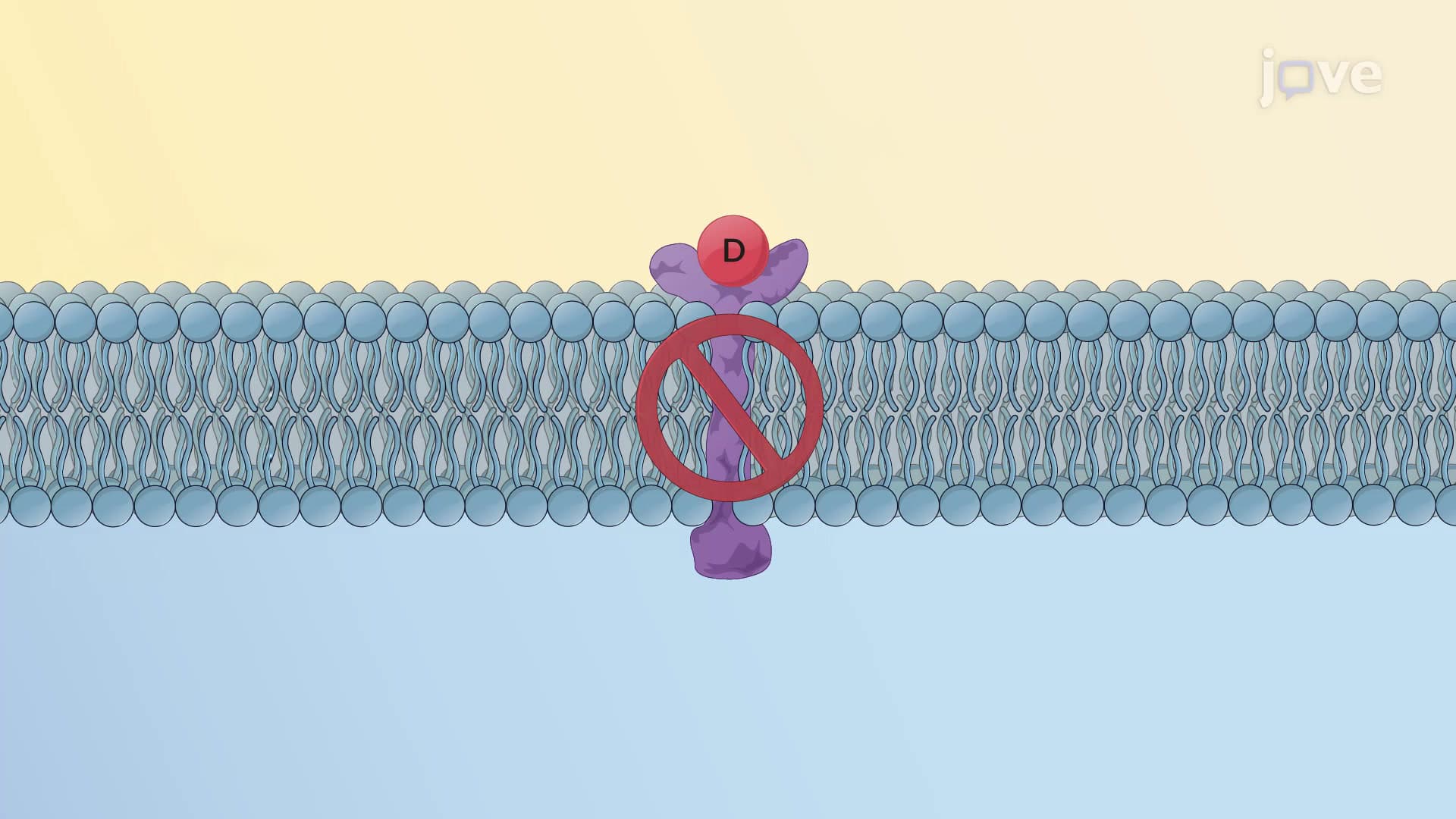

Video Summary: What Is Drug Receptor Interaction Antagonist
Did you know that naloxone (Narcan), the life-saving overdose reversal drug used by EMTs across America, works by blocking opioid receptors without activating them? This exemplifies a drug receptor interaction antagonist, a molecule that binds tightly to cellular receptors but produces no biological response itself. Instead, these pharmaceutical blockers prevent natural substances or other drugs from accessing their target sites, effectively shutting down unwanted cellular responses. Watch the full video on JoVE Coach to master this concept with expert-led visuals and step-by-step explanations.
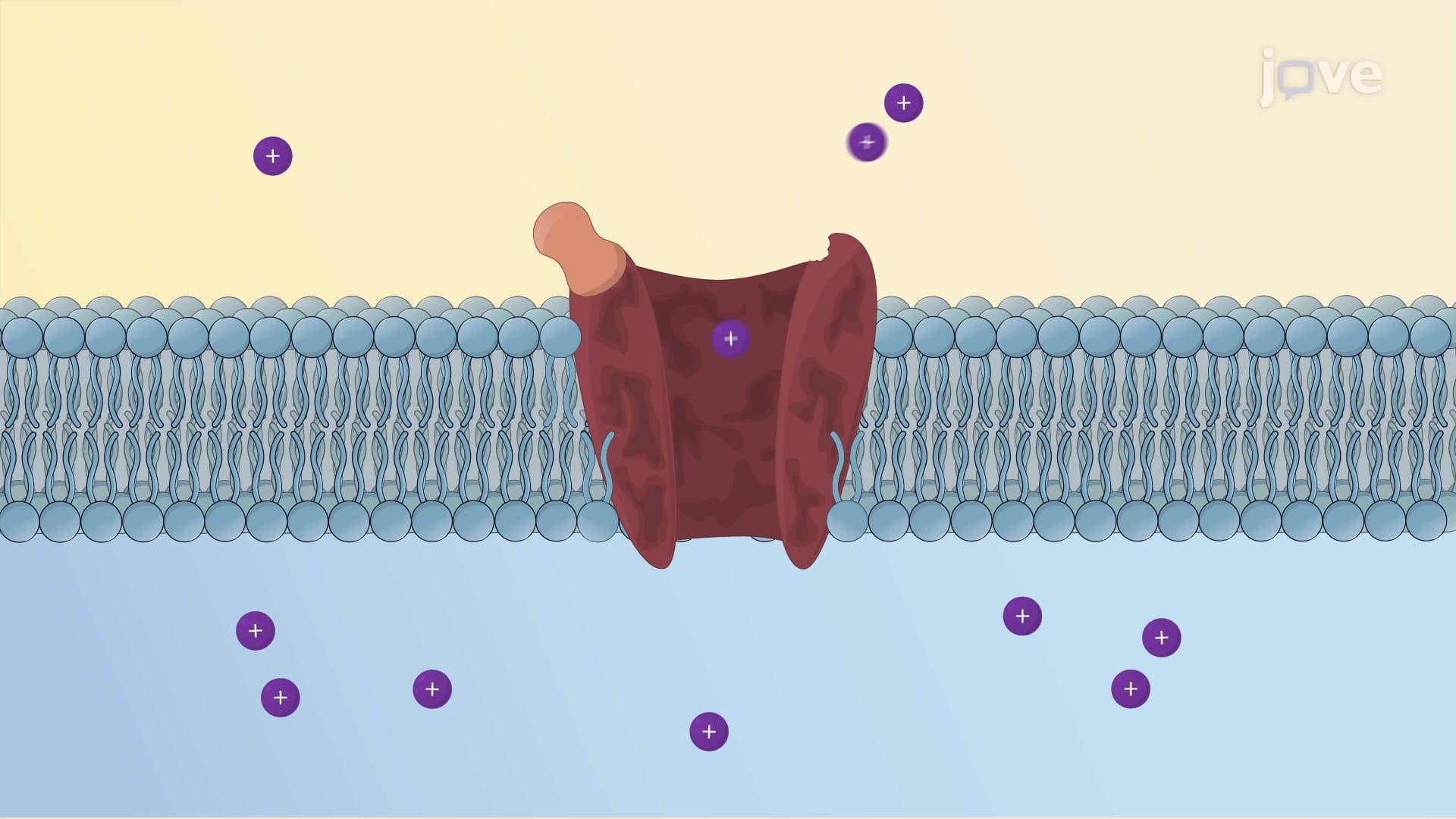
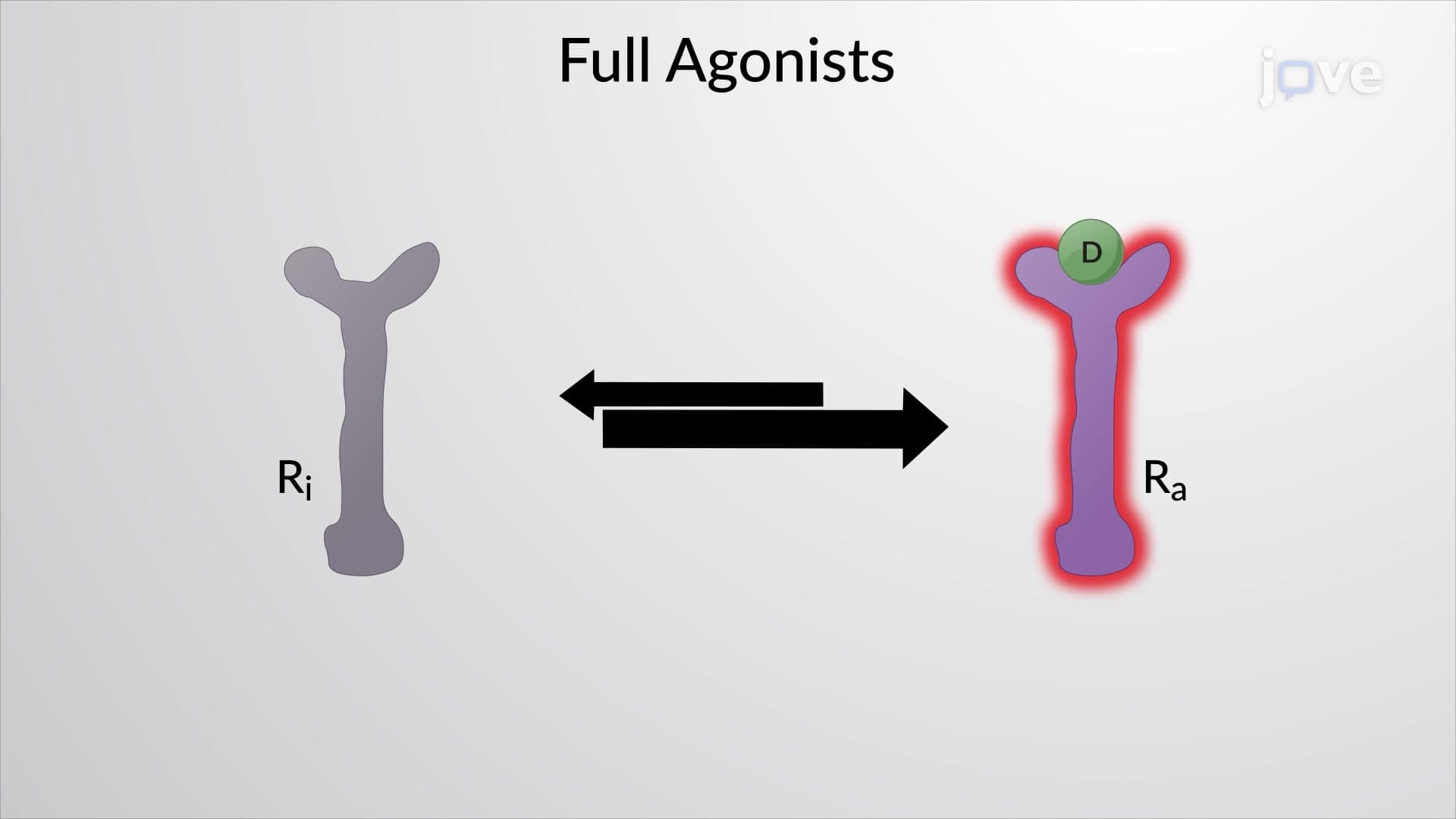
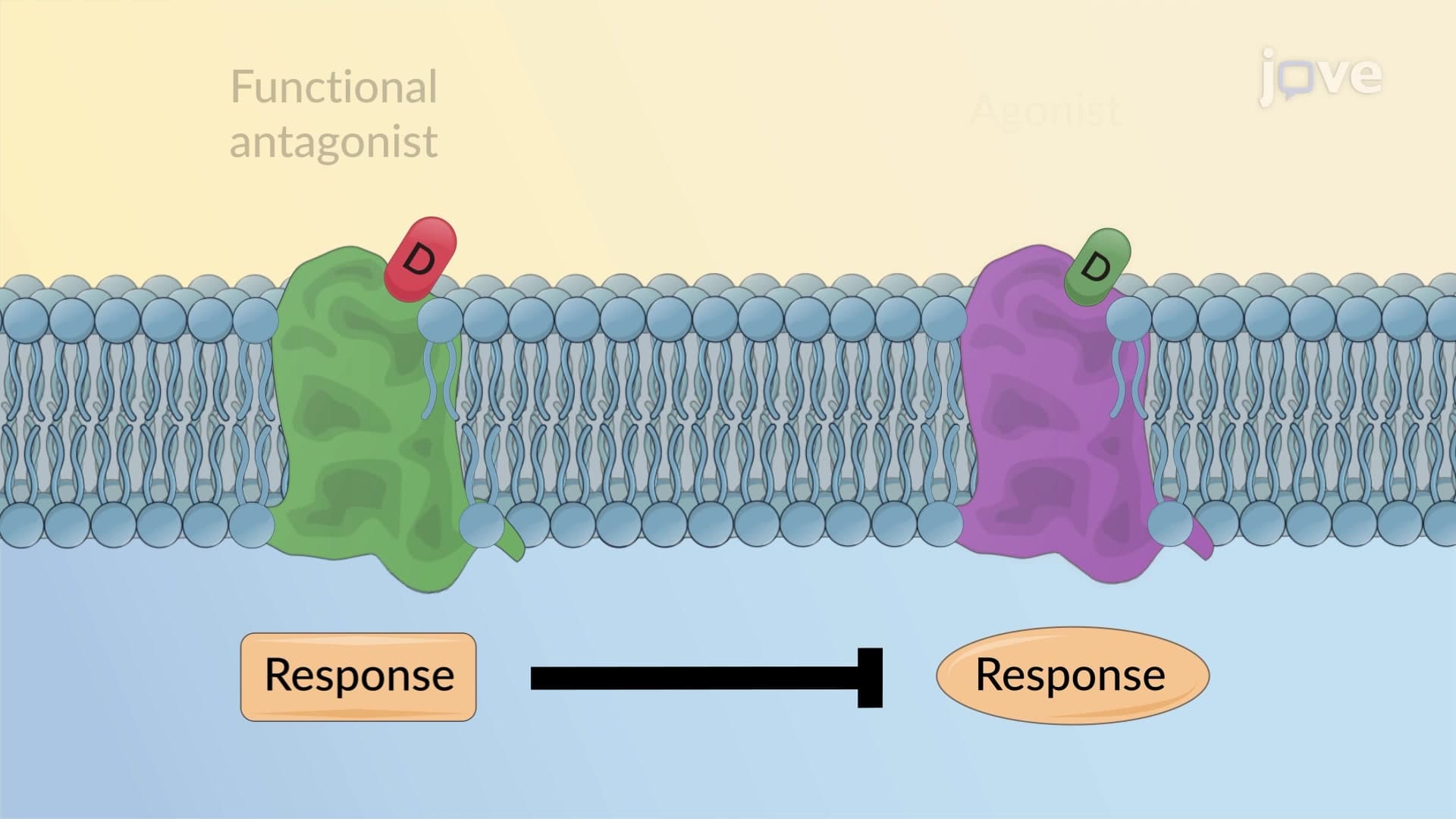
Drug receptor interaction antagonists represent a crucial class of pharmaceutical agents that bind to cellular receptors without triggering the biological response typically associated with receptor activation. Unlike agonists that "turn on" cellular machinery, antagonists act as molecular "off switches," preventing other substances from accessing and activating these critical cellular targets.
This concept forms the foundation of modern pharmacology and appears frequently on the MCAT, AP Biology exams, and undergraduate pharmacology courses. Students studying for the USMLE will encounter antagonist mechanisms extensively in both basic science and clinical contexts.
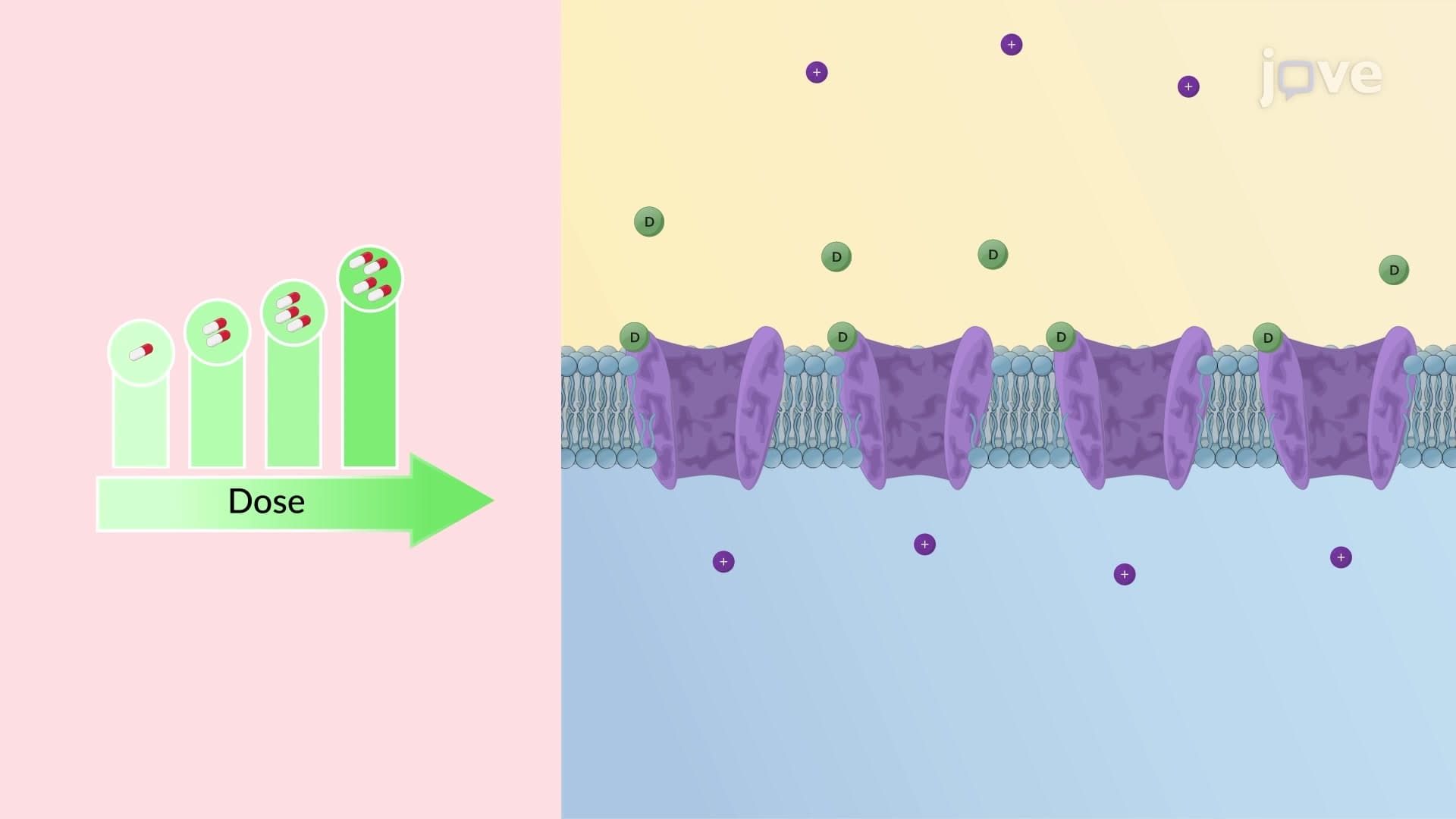
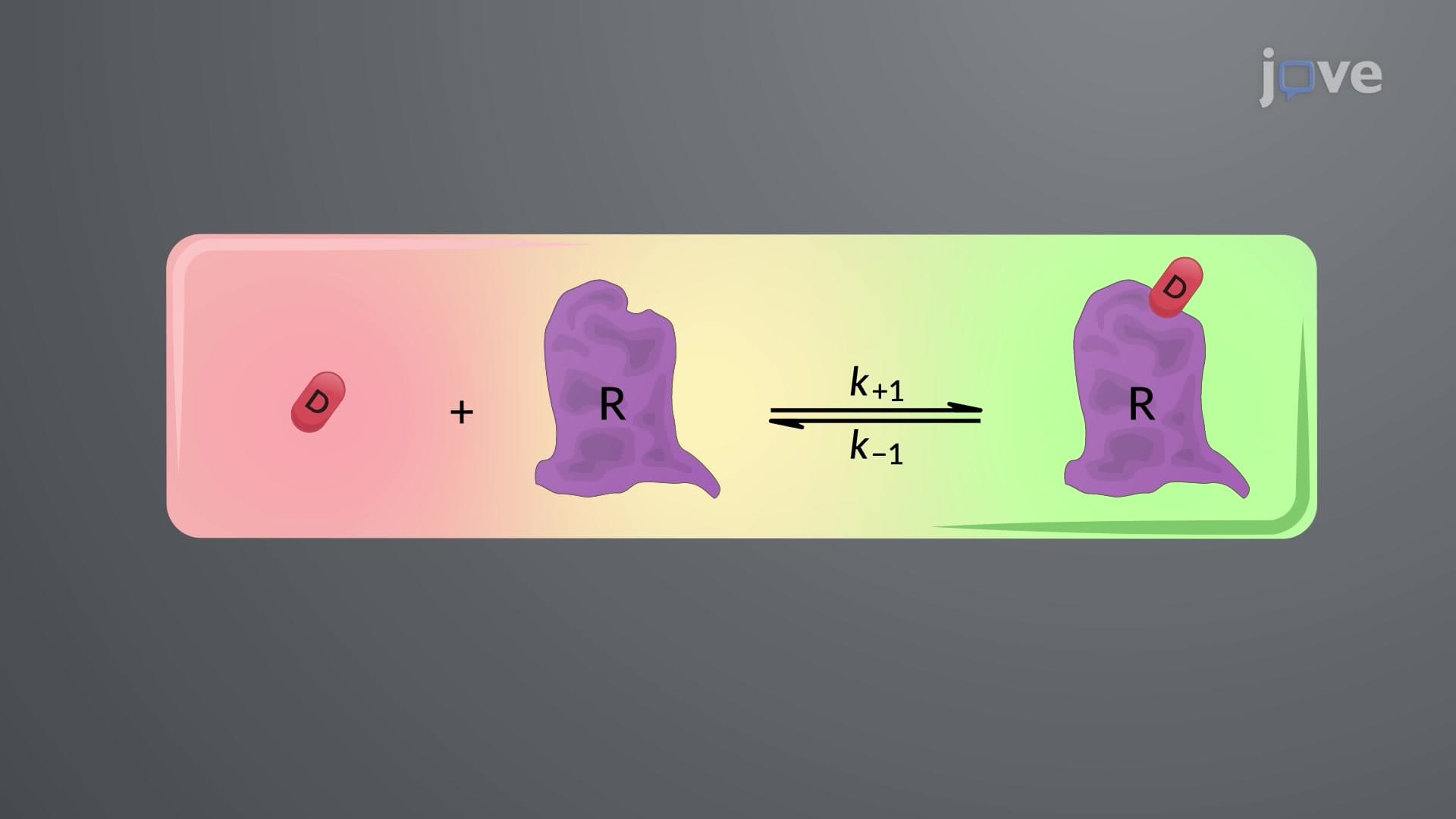
Competitive antagonists engage in molecular rivalry with agonists for the same receptor binding site. Picture two keys trying to fit the same lock, the competitive antagonist and the natural agonist compete for identical binding locations. This competition follows predictable mathematical relationships that appear on standardized exams.
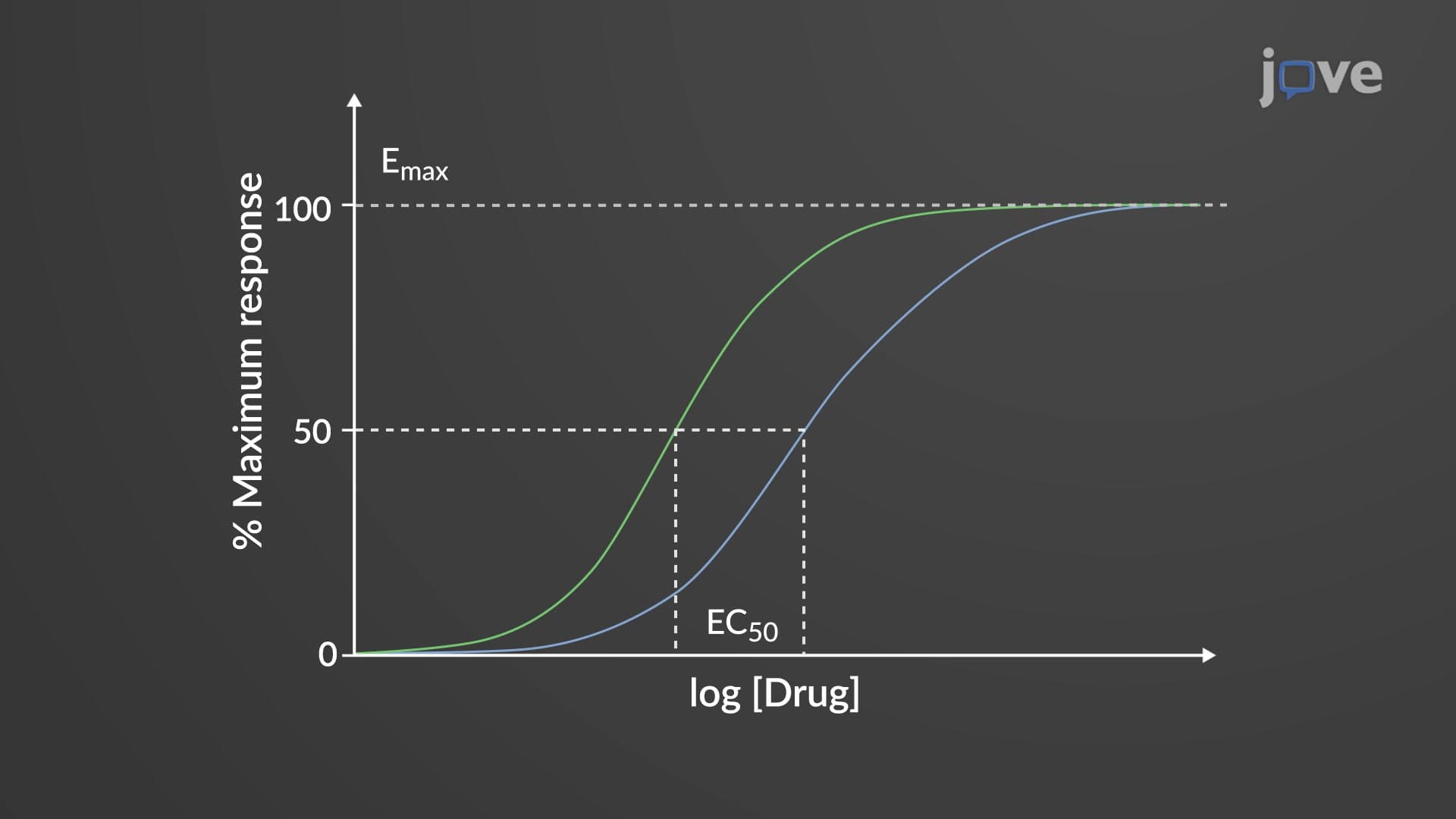
When competitive antagonists bind, they shift dose-response curves to the right without changing the maximum possible response. This rightward shift means higher agonist concentrations can still overcome antagonist effects, a reversible interaction crucial for drug safety. Naloxone exemplifies this mechanism, competing with opioids like fentanyl for the same receptor sites.
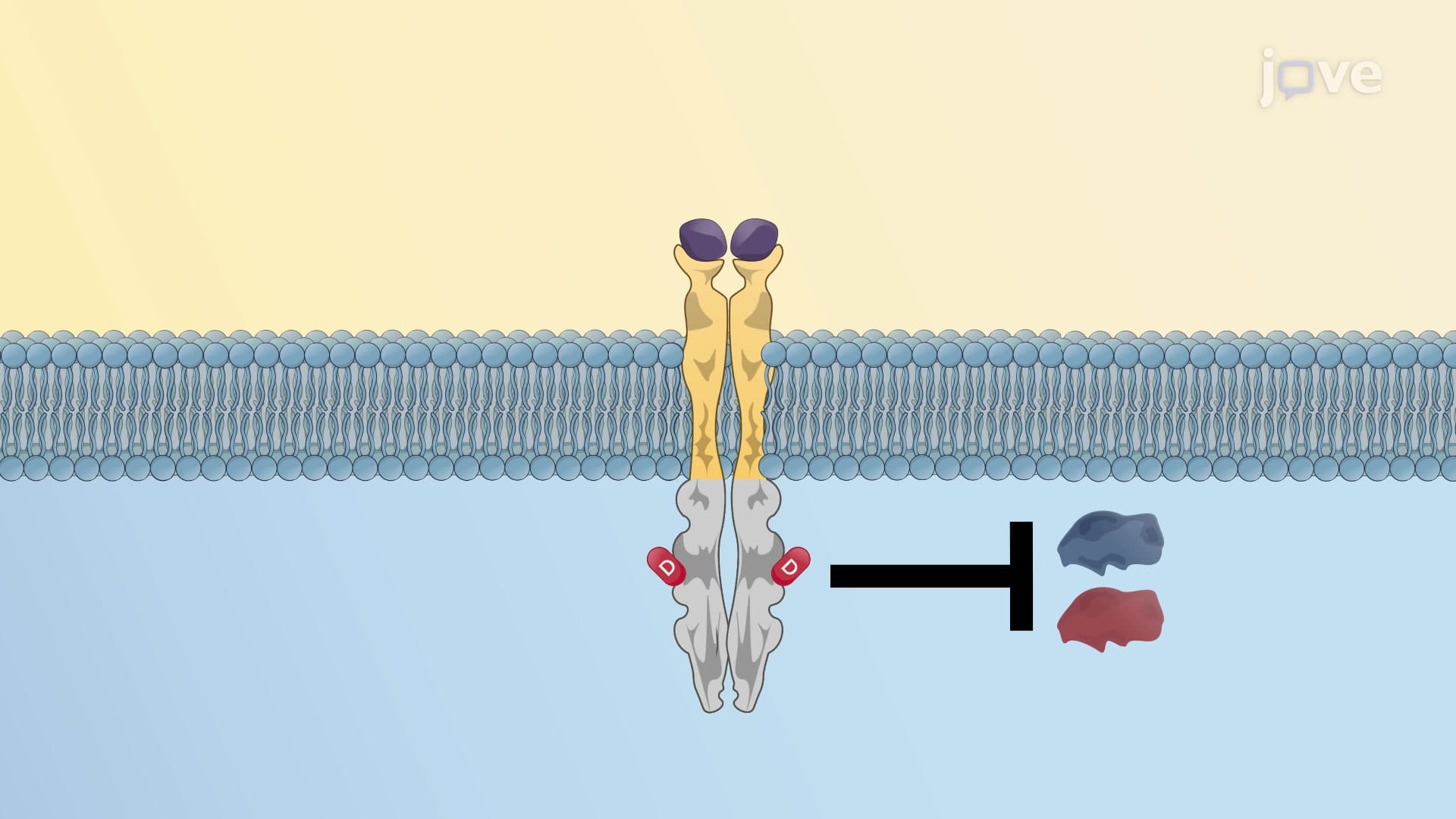
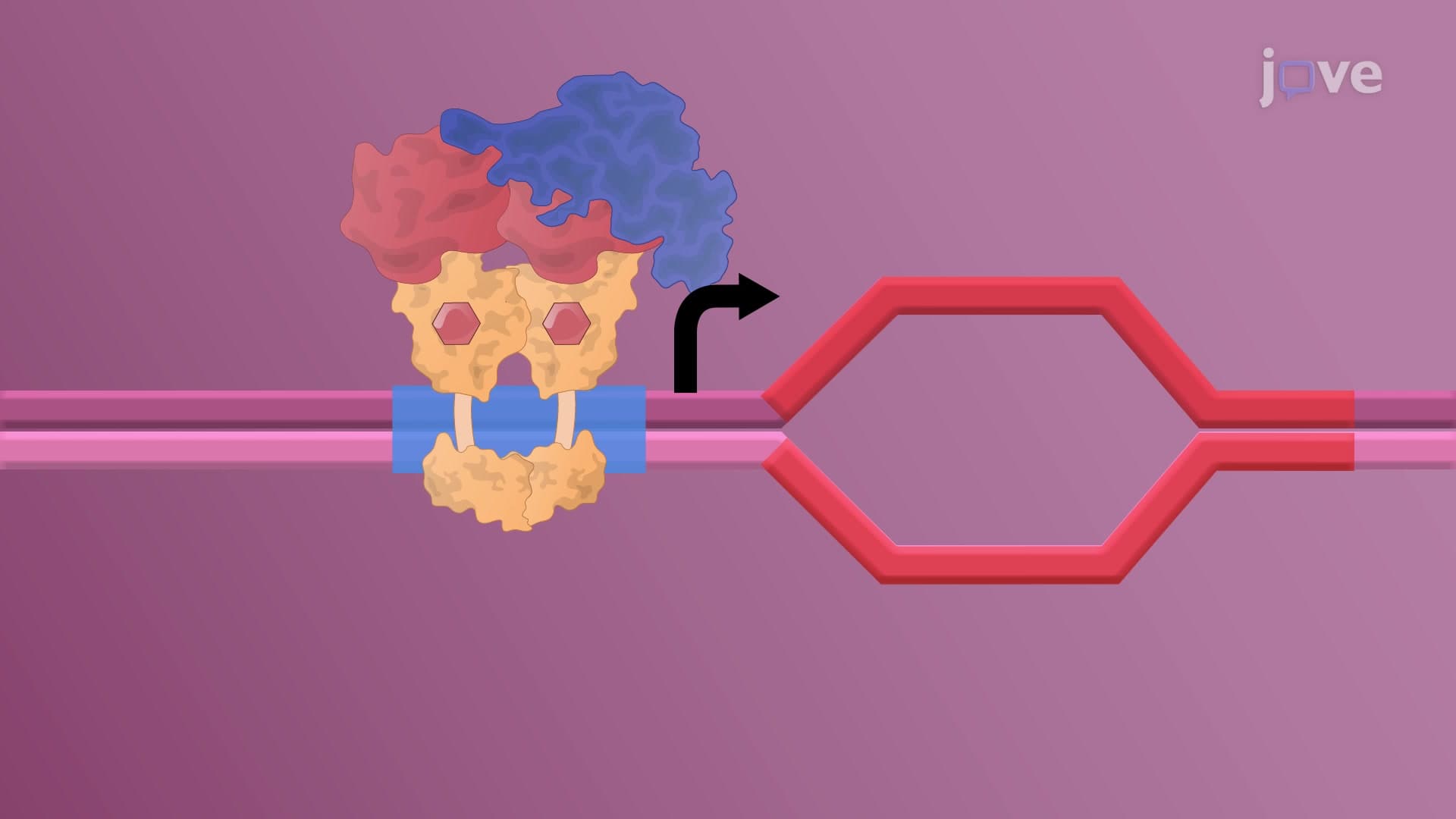
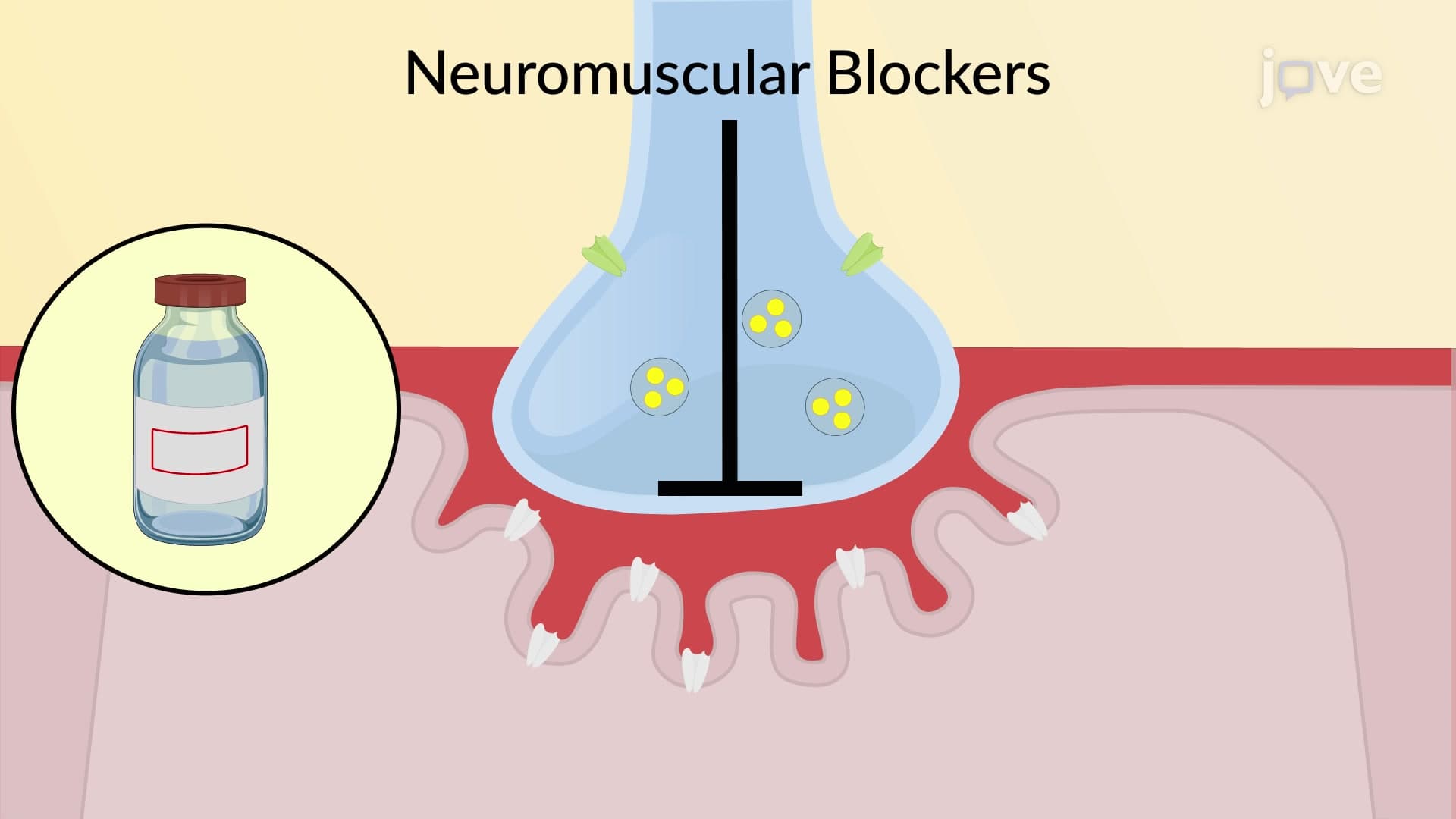
Noncompetitive antagonists take a different approach, binding irreversibly to receptor sites or allosteric locations that prevent agonist function entirely. These interactions cannot be overcome by increasing agonist concentration, resulting in reduced maximum response rather than rightward curve shifts.
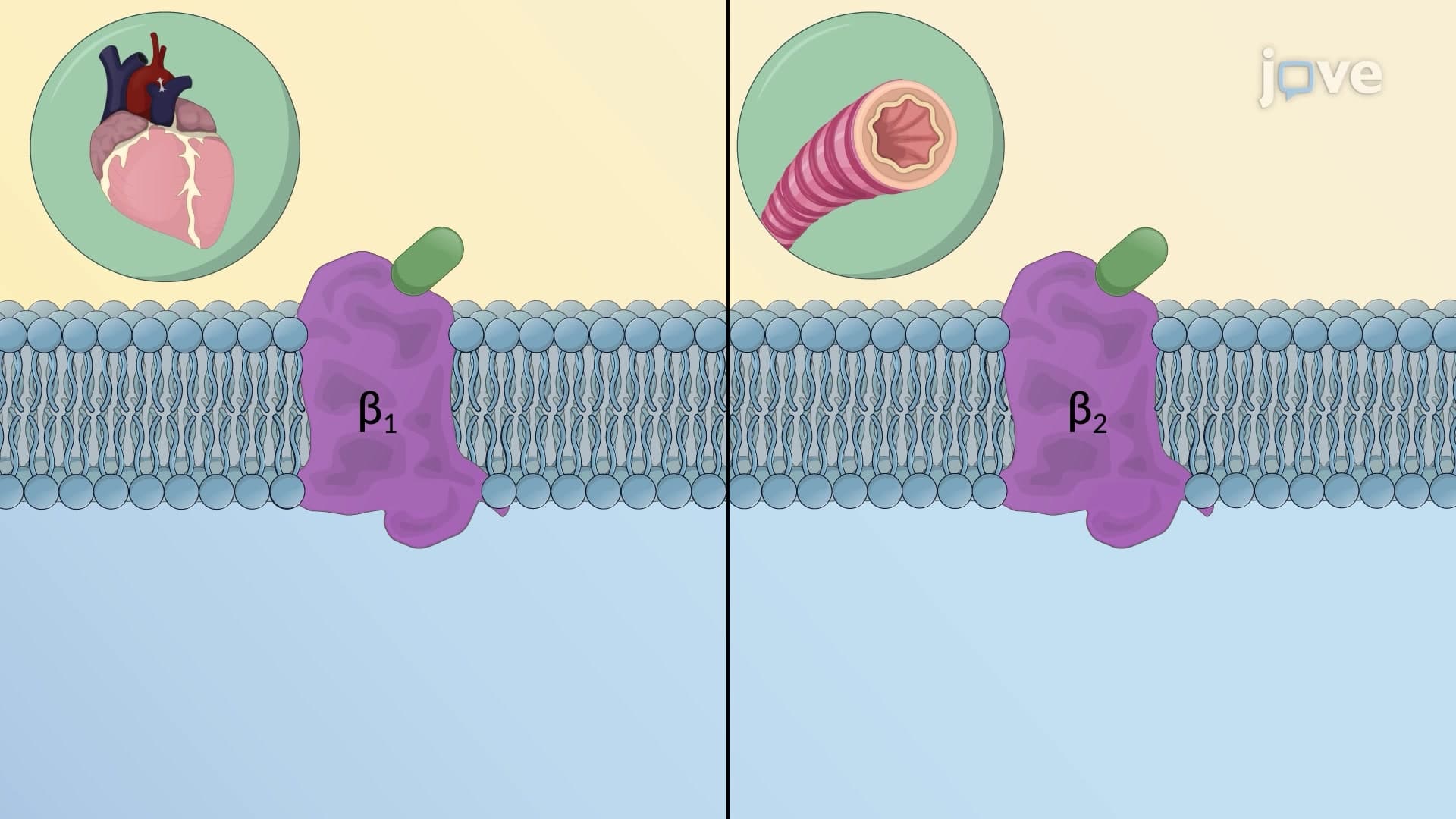
American healthcare relies heavily on antagonist drugs across multiple specialties. Antihistamines like Benadryl block histamine receptors during allergic reactions. Beta-blockers such as propranolol antagonize adrenaline receptors to treat hypertension and anxiety. Proton pump inhibitors like omeprazole (Prilosec) block acid production in stomach cells.
Emergency departments stock antagonist drugs for overdose situations: naloxone for opioids, flumazenil for benzodiazepines, and activated charcoal as a nonspecific antagonist. Understanding these mechanisms helps students grasp why specific antidotes work and predict their effectiveness.
MCAT questions frequently test students' ability to interpret dose-response curves showing antagonist effects. AP Biology students encounter receptor theory when studying cell communication and homeostasis. Nursing students preparing for NCLEX must understand antagonist mechanisms to safely administer medications and recognize adverse interactions.
The key to mastering this concept involves visualizing molecular interactions rather than memorizing definitions. Practice interpreting graphs showing competitive versus noncompetitive effects, and always connect mechanism to clinical outcome.
Related Micro-courses