Loading video…


 19 Concepts
 96.7K views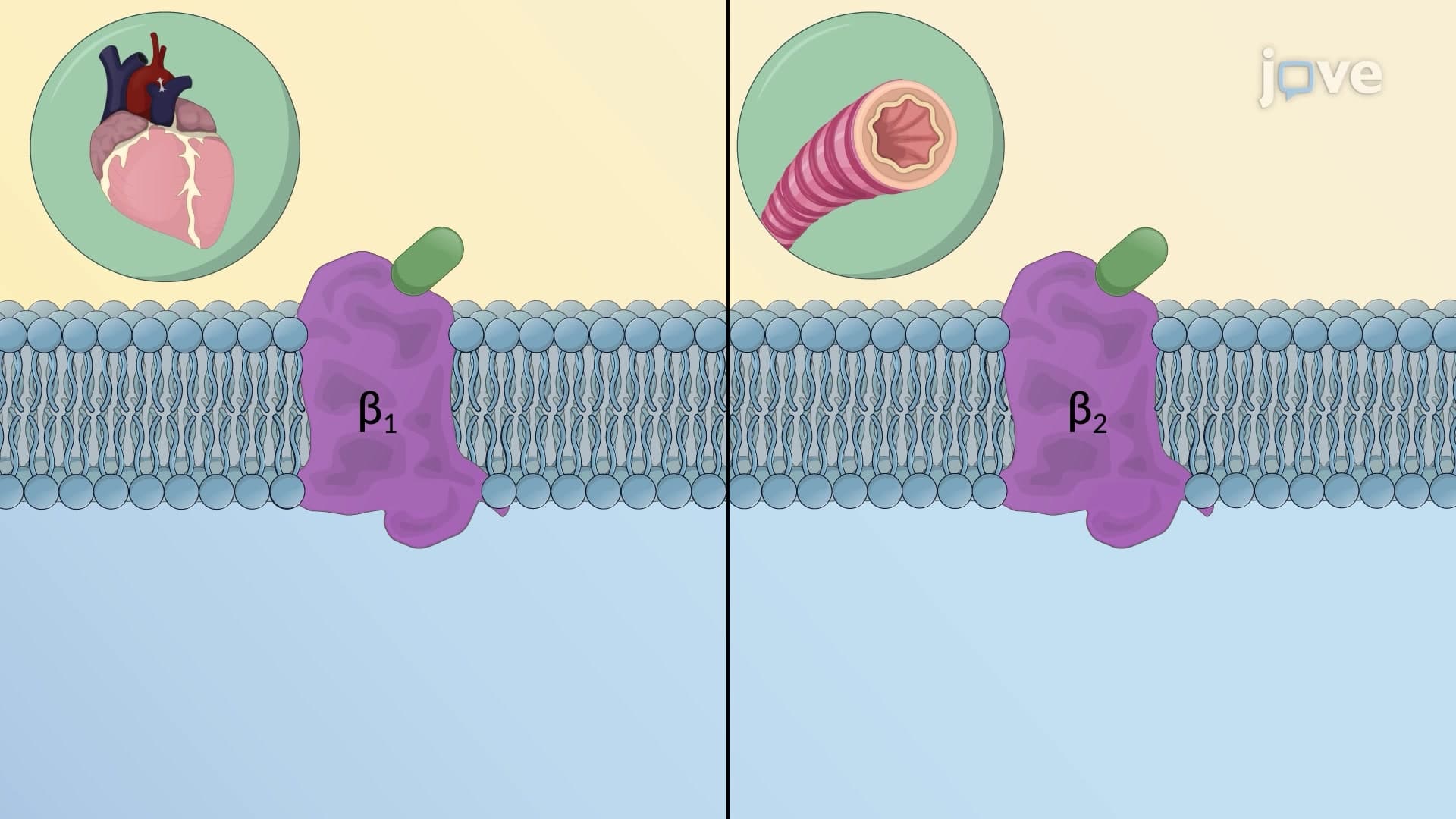

Video Summary: Dose Response Relationship Selectivity and Specificity Explained
Ever wonder why aspirin relieves pain but can also cause stomach bleeding? The dose response relationship selectivity determines how precisely medications target their intended receptors while avoiding unwanted effects. When omeprazole specifically blocks stomach acid pumps in parietal cells, it demonstrates high selectivity, unlike amiodarone which affects multiple body systems. Understanding dose response relationship selectivity and specificity explained helps predict both therapeutic benefits and side effects. Watch the full video on JoVE Coach to master this concept with expert-led visuals and step-by-step explanations.
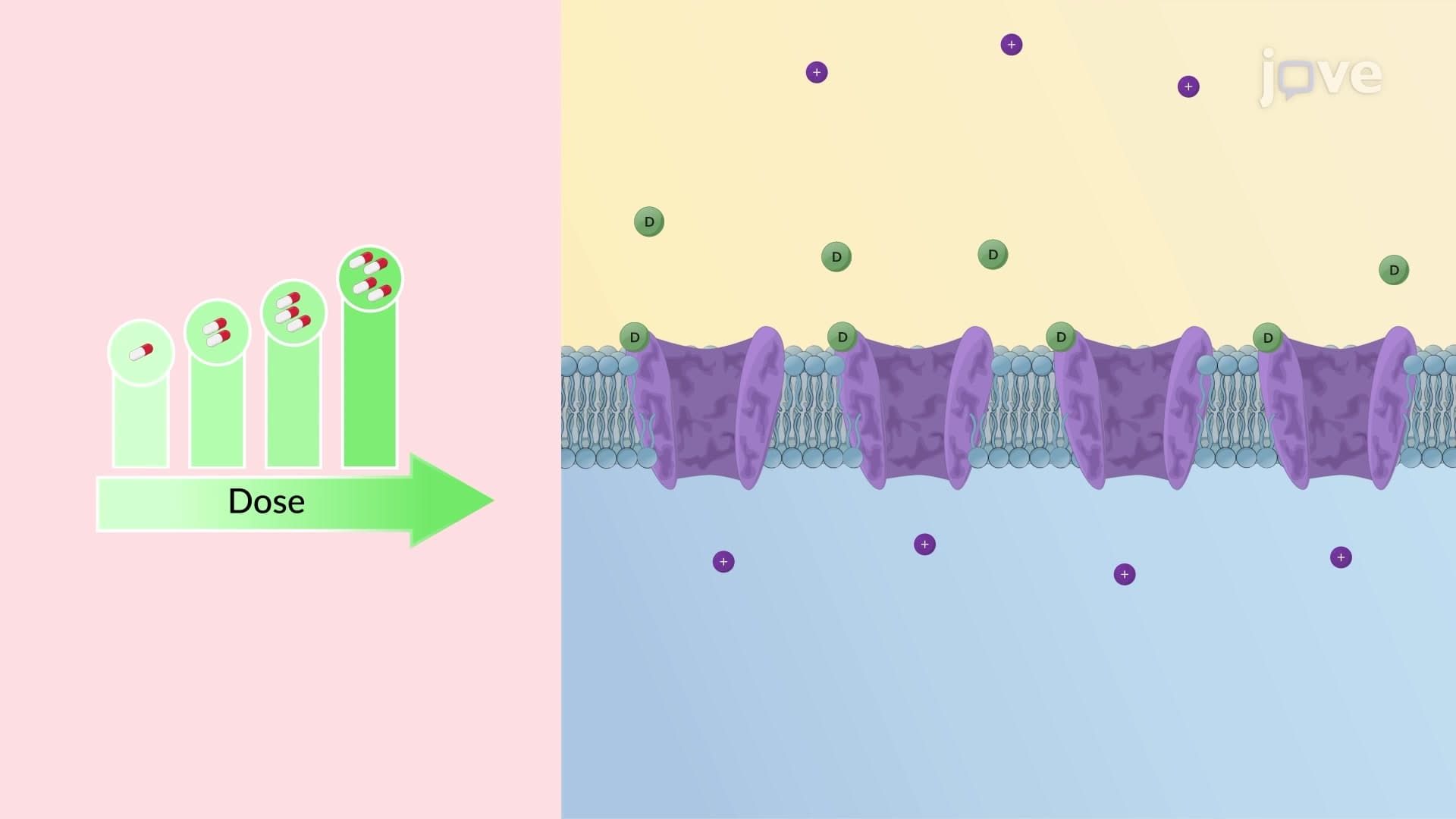
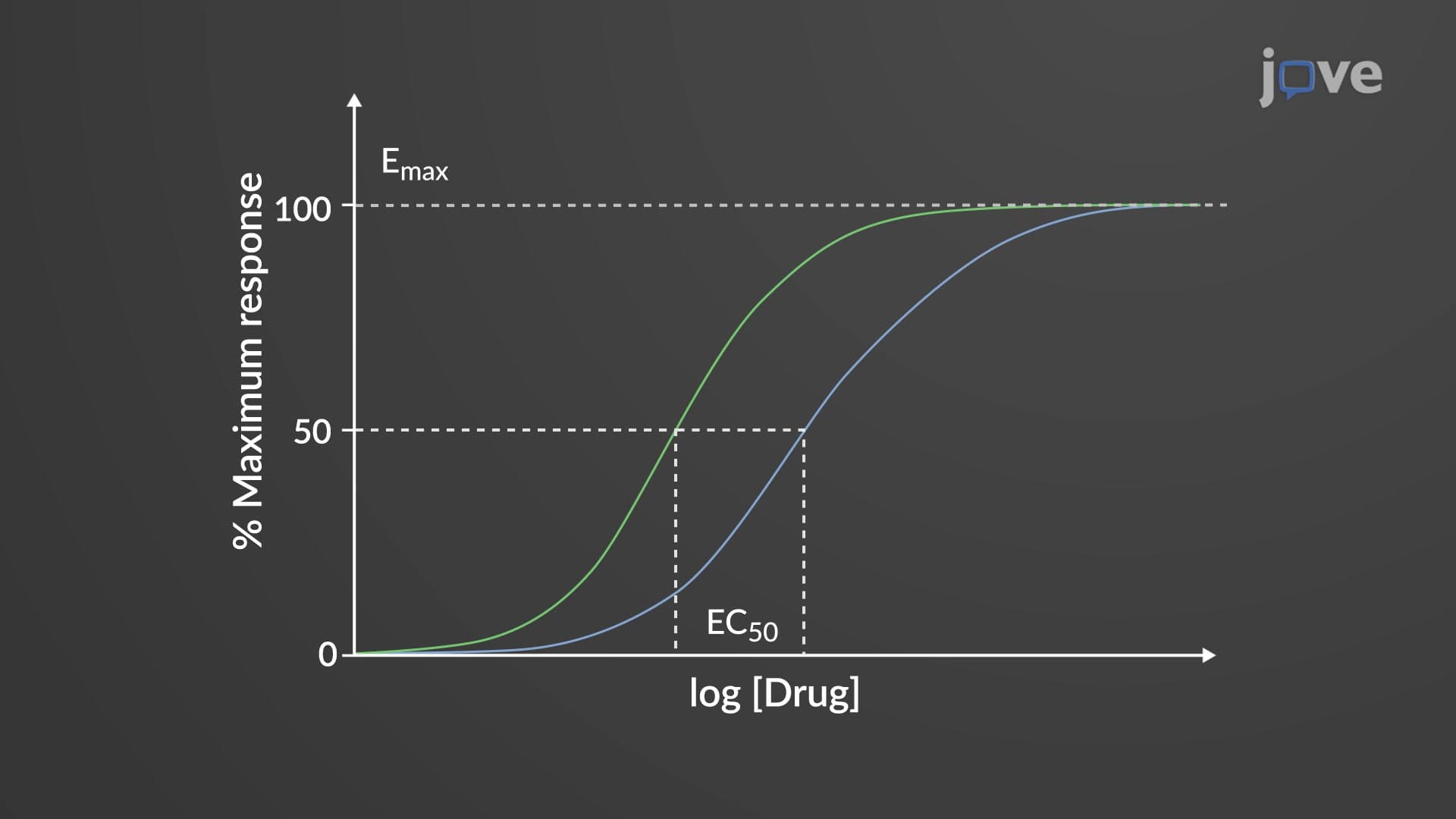
The dose response relationship selectivity and specificity form the cornerstone of modern pharmacology, determining how effectively medications achieve their therapeutic goals while minimizing harmful effects. These concepts explain why some drugs work precisely where needed, while others cause widespread effects throughout the body.
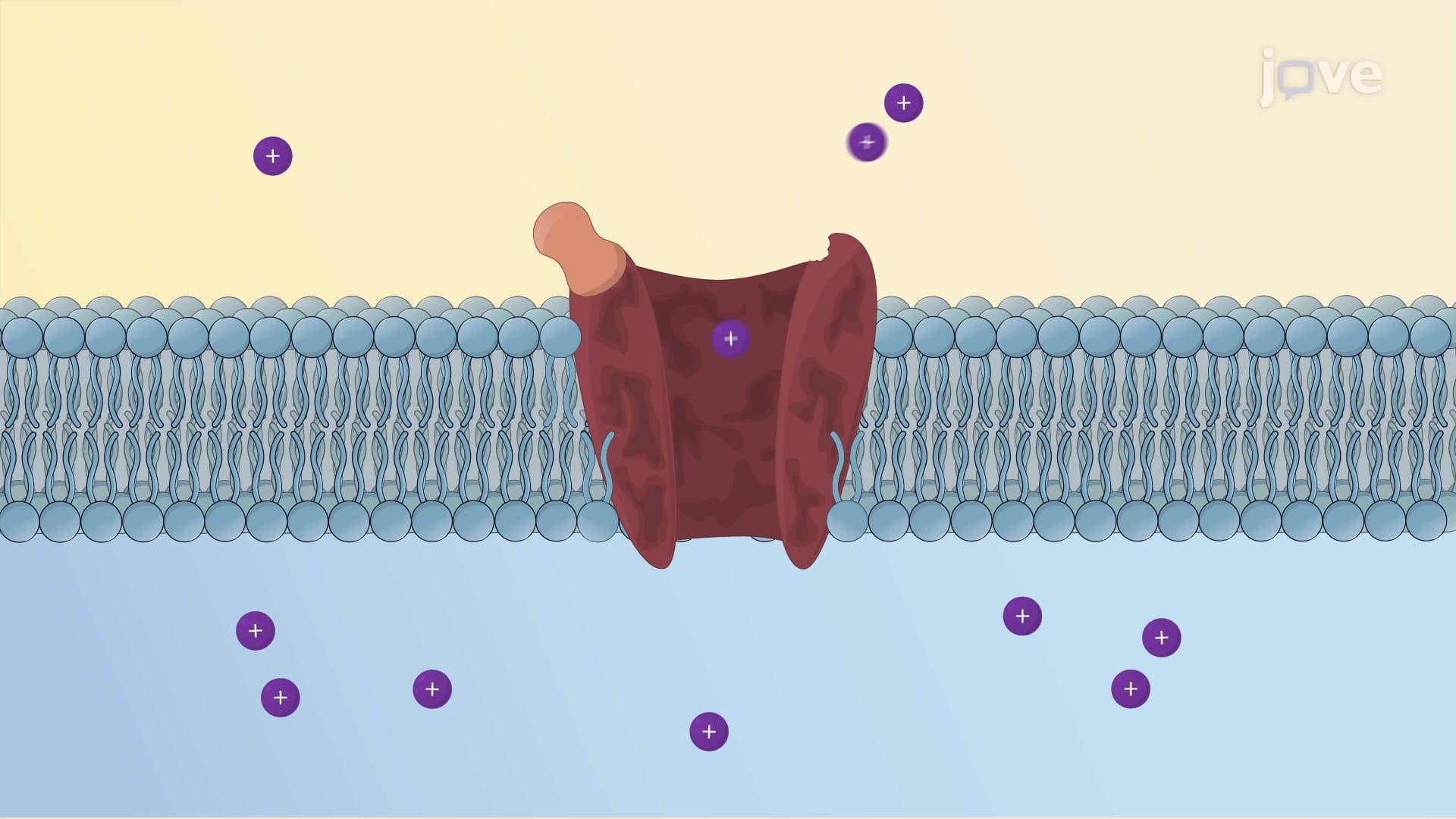
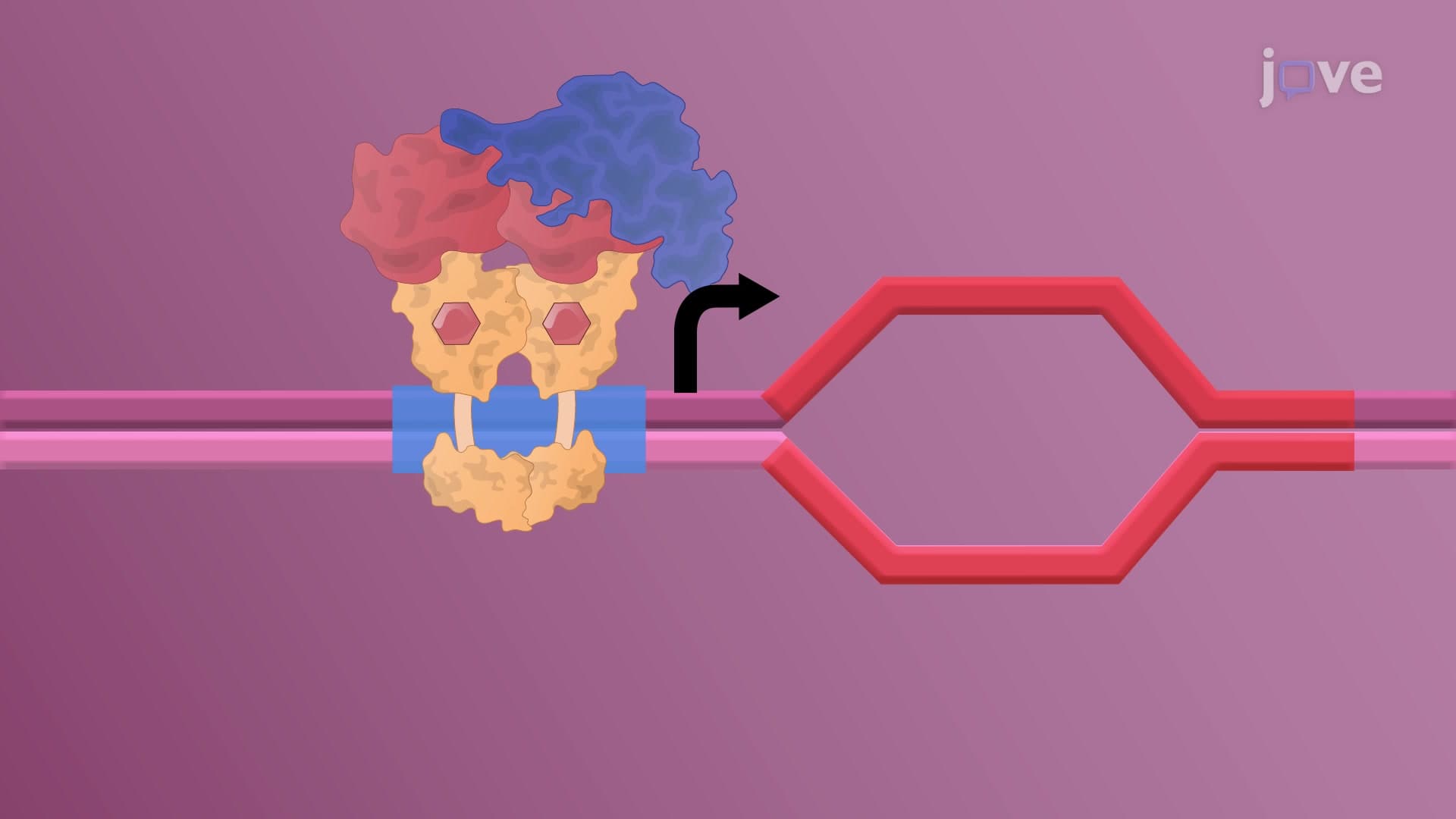
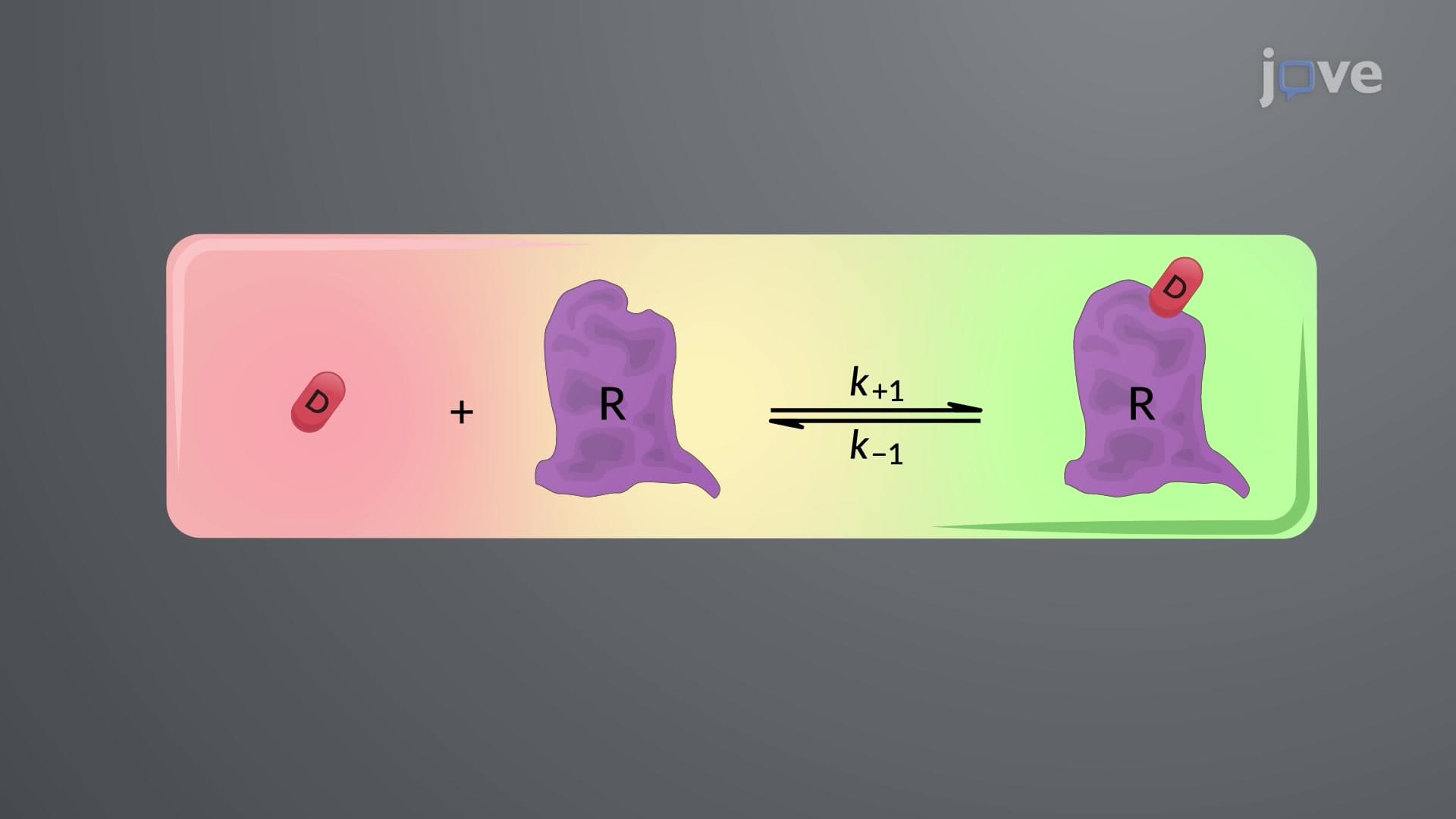
Drug specificity refers to a medication's ability to interact exclusively with its intended molecular target. Think of it as a highly specialized key designed for one specific lock. Omeprazole exemplifies this principle by selectively inhibiting the hydrogen-potassium ATPase pump in gastric parietal cells, effectively reducing stomach acid production without significantly affecting similar enzymes elsewhere in the body.
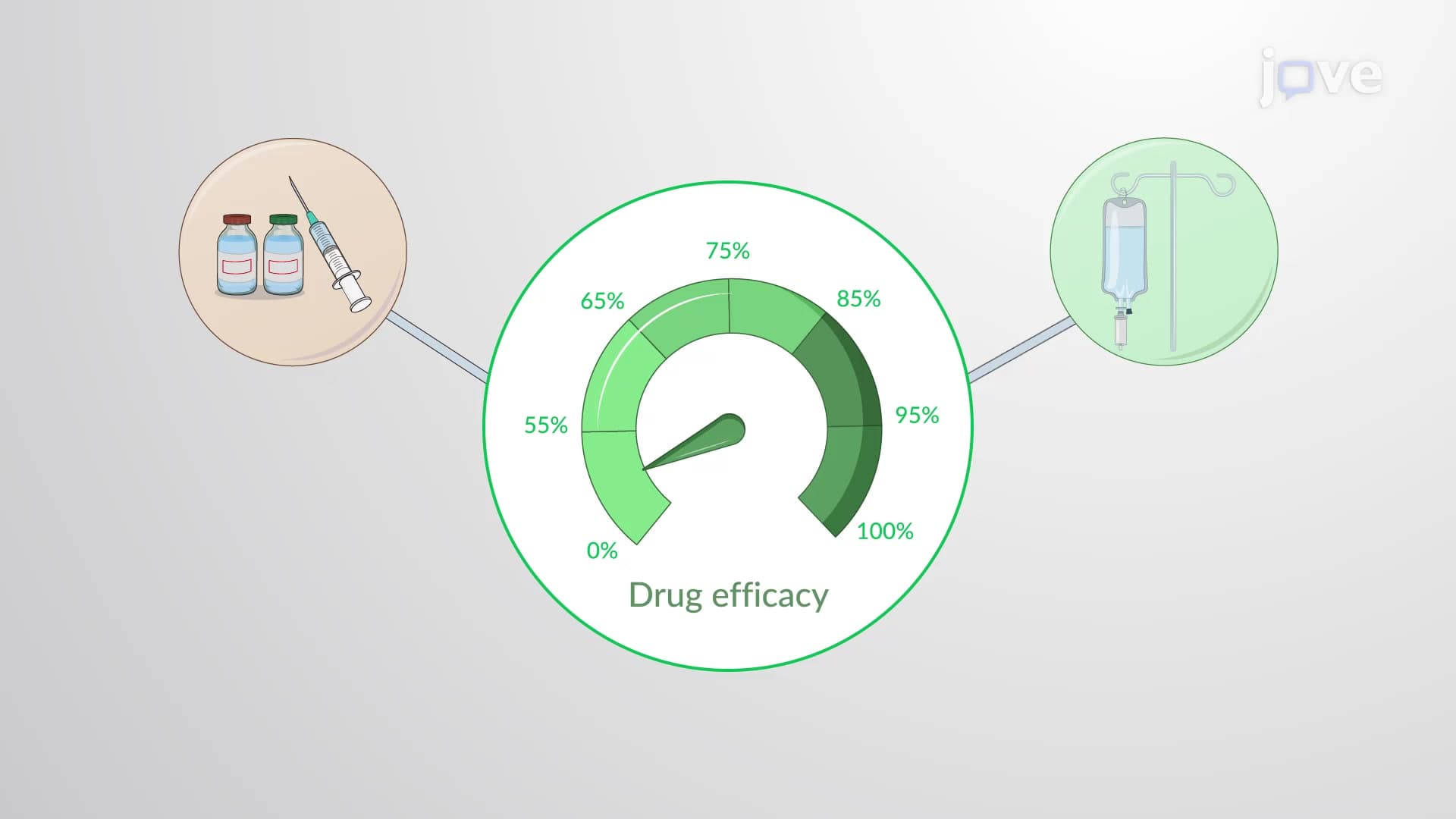
This specificity becomes crucial in clinical practice. For example, when treating gastroesophageal reflux disease (GERD), physicians prefer proton pump inhibitors like omeprazole because they specifically target gastric acid production rather than broadly suppressing digestive processes. Medical students studying for the MCAT and USMLE frequently encounter questions testing their understanding of how drug specificity relates to therapeutic efficacy and safety profiles.
While specificity focuses on target exclusivity, selectivity describes a drug's preferential affinity for certain receptor subtypes over others. The beta-adrenergic system provides an excellent illustration of this concept. Isoprenaline, a nonselective beta-agonist, stimulates both beta-1 receptors in cardiac tissue and beta-2 receptors in bronchial smooth muscle, resulting in increased heart rate alongside bronchodilation.
In contrast, salbutamol demonstrates high selectivity for beta-2 receptors, making it the preferred choice for asthma treatment. This selectivity allows patients to achieve bronchodilation with minimal cardiac stimulation, reducing the risk of dangerous heart rhythm disturbances. Emergency medicine residents studying for board examinations must understand these distinctions when choosing appropriate treatments for respiratory emergencies.
The practical significance of dose response relationship selectivity becomes evident in medication selection and dosing strategies. Consider antiarrhythmic drugs used in US cardiac care units. Amiodarone, while highly effective for life-threatening arrhythmias, demonstrates low selectivity by affecting sodium channels, potassium channels, calcium channels, and adrenergic receptors simultaneously. This broad activity profile explains both its efficacy and its extensive side effect profile, including thyroid dysfunction, pulmonary toxicity, and hepatic complications.
Understanding these concepts proves essential for students preparing for advanced placement biology exams, pre-medical coursework, and professional healthcare licensing examinations. The principles directly apply to medication safety, drug development, and clinical decision-making processes that students will encounter throughout their healthcare careers.
Related Micro-courses