Loading video…


 19 Concepts
 96.7K views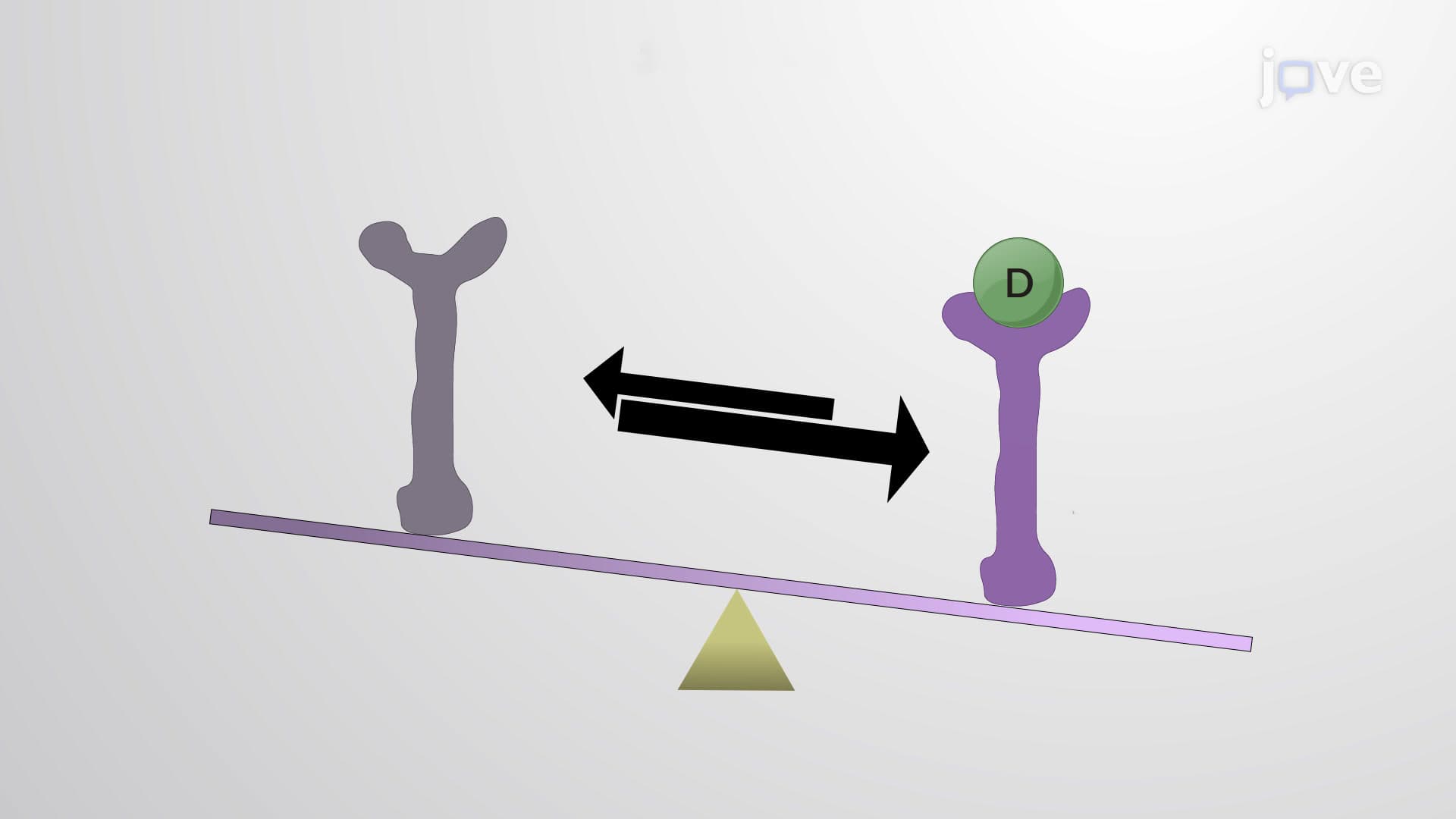

Video Summary: The Two State Receptor Model Explained
Ever wonder why caffeine keeps you awake while melatonin makes you sleepy? The two state receptor model reveals how drugs like these interact with your body's cellular receptors to produce opposite effects. This fundamental pharmacology concept explains how medications work at the molecular level, from antidepressants prescribed by US doctors to over-the-counter pain relievers. The Two State Receptor Model Explained breaks down the complex equilibrium between active and inactive receptor states. Watch the full video on JoVE Coach to master this concept with expert-led visuals and step-by-step explanations.
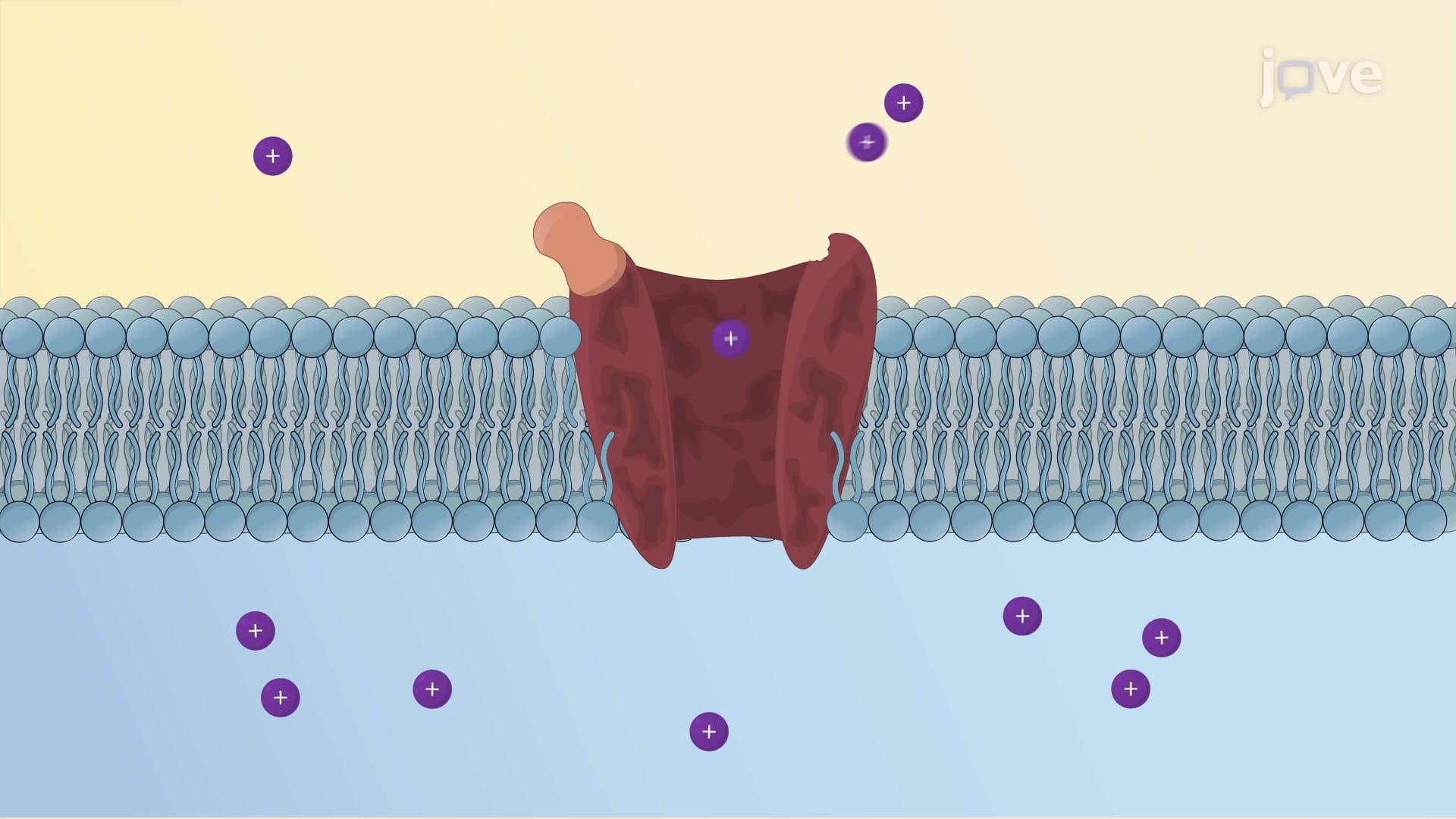
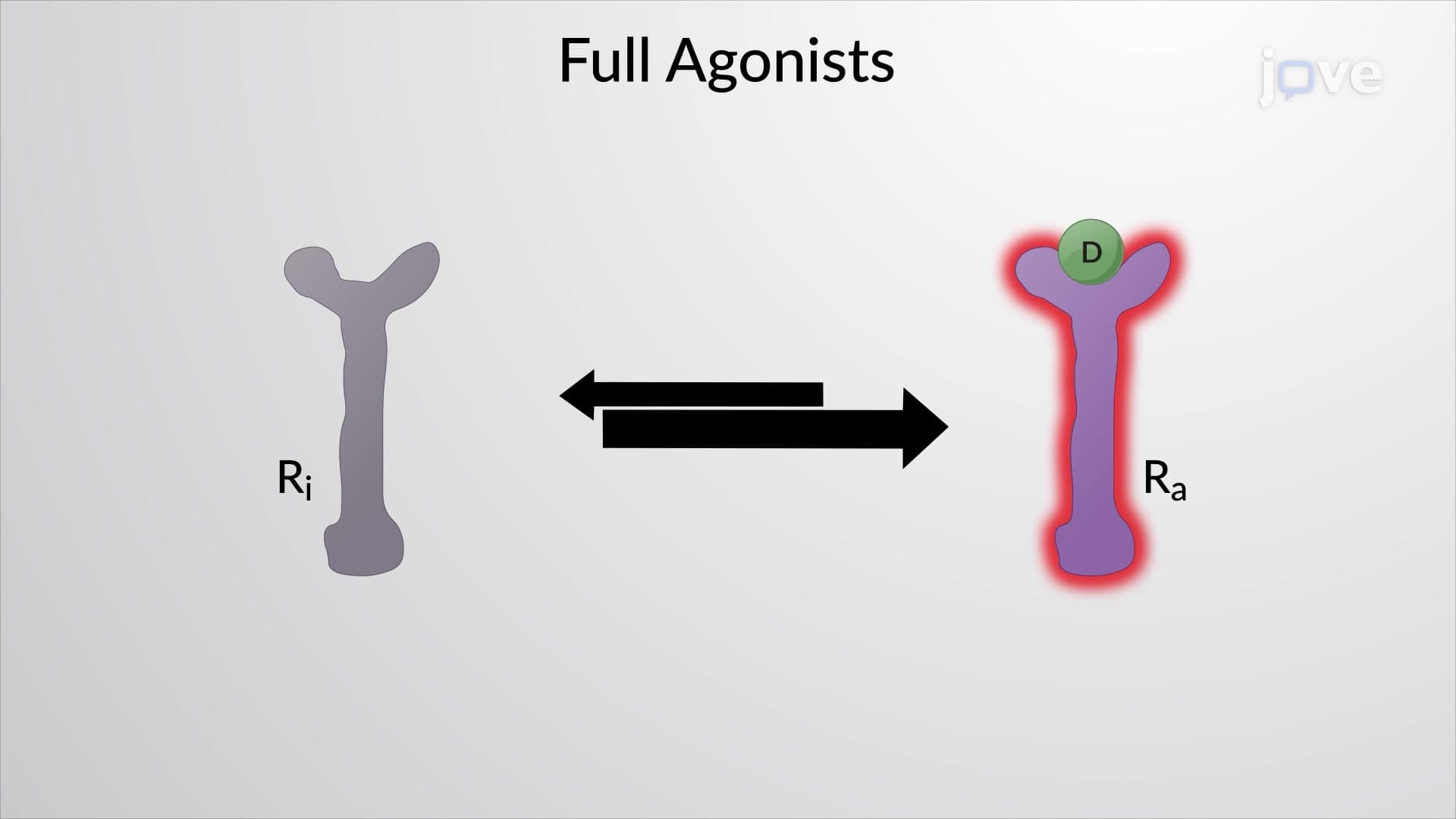
The Two State Receptor Model Explained serves as the cornerstone of modern pharmacology, describing how cellular receptors exist in dynamic equilibrium between two conformational states. Unlike static models, this theory recognizes that receptors constantly shift between inactive (Ri) and active (Ra) forms, even without drugs present. This equilibrium concept appears frequently on the MCAT and advanced placement biology exams, making it essential knowledge for pre-med students.
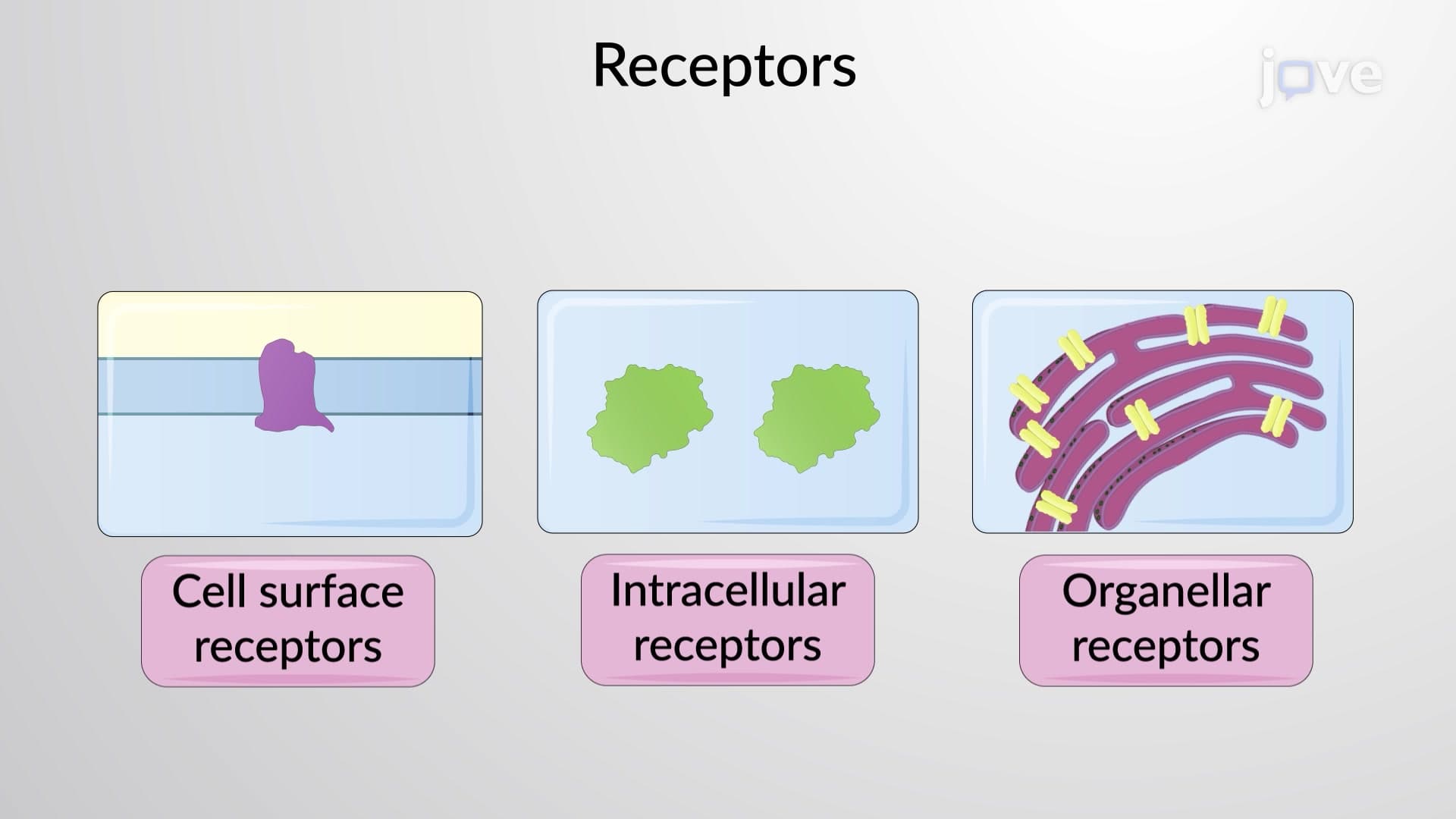
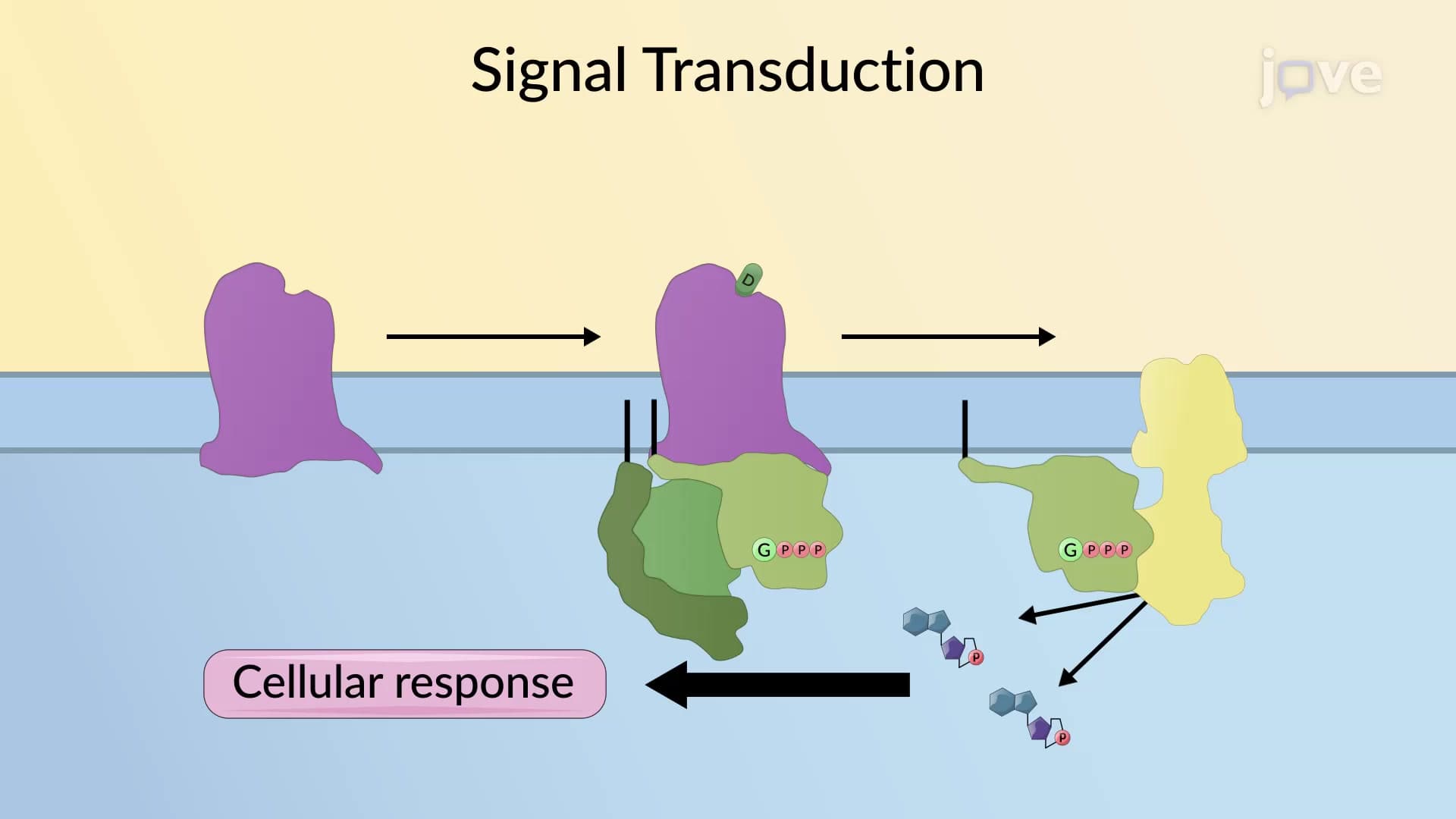
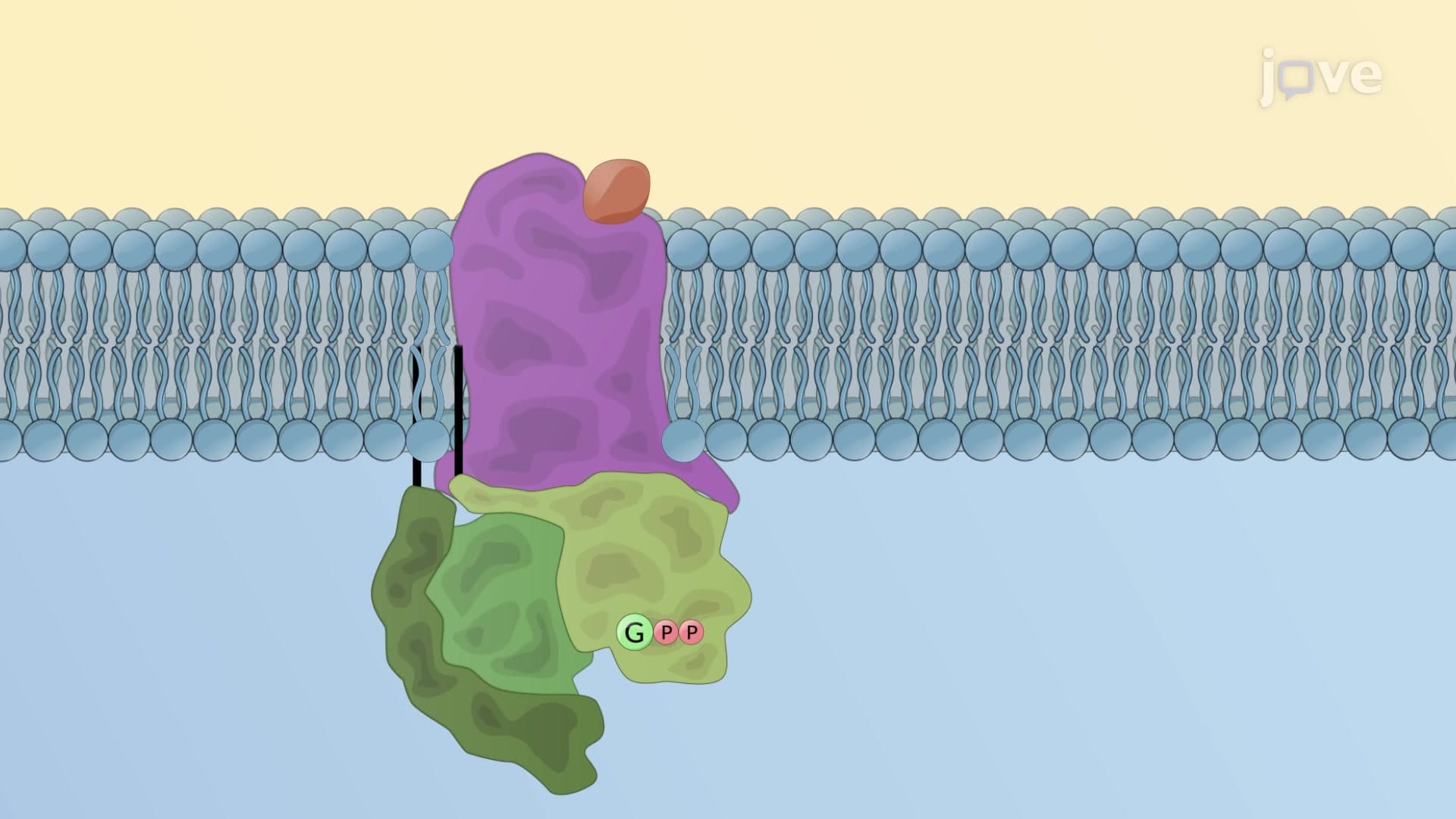
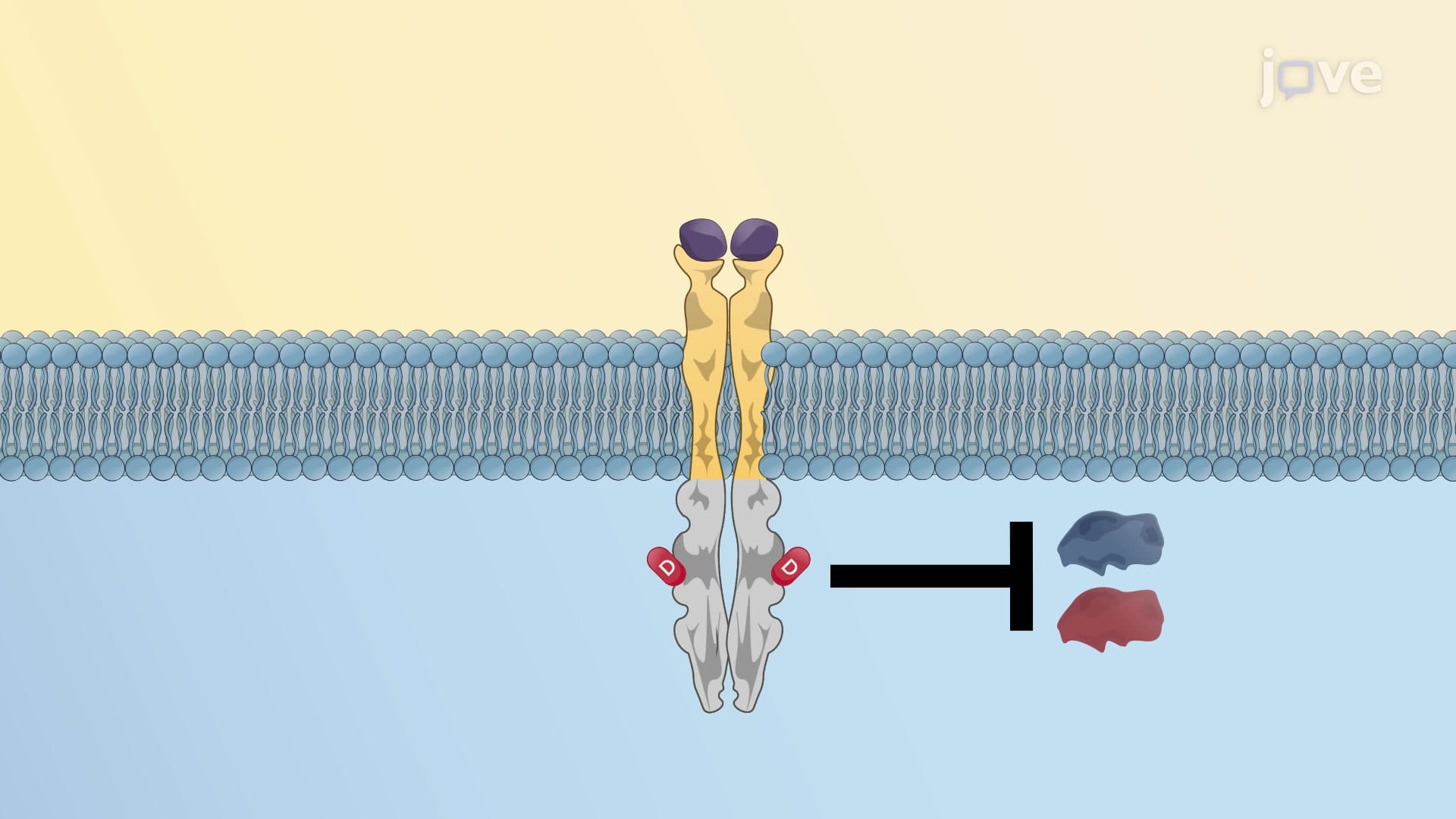
The model applies to major receptor families including G protein-coupled receptors (GPCRs) and ligand-gated ion channels. For instance, dopamine receptors in the brain-targeted by antipsychotic medications approved by the US FDA-demonstrate this two-state behavior. Understanding this equilibrium helps explain why some patients respond differently to identical drug doses.
Constitutive activity represents the inherent "background noise" of biological systems. Even without stimulation, active receptor conformations (Ra) produce measurable cellular responses. This baseline activity explains phenomena like resting heart rate or basal metabolic processes. US medical schools emphasize this concept because it underlies many therapeutic interventions.
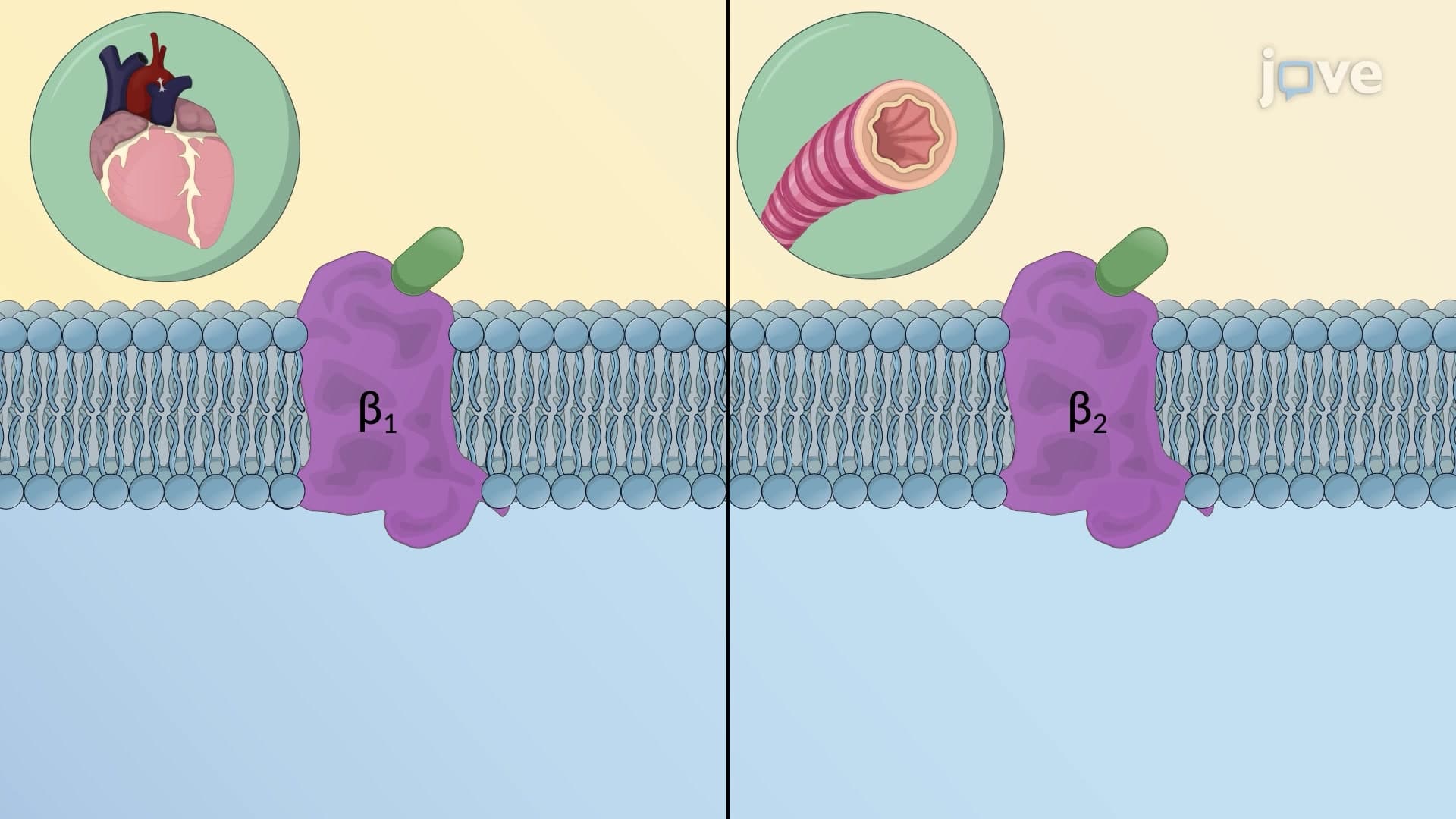
Consider beta-adrenergic receptors in cardiac tissue. These receptors maintain slight constitutive activity, contributing to baseline heart rhythm. When patients take beta-blockers like propranolol-commonly prescribed in US hospitals-these medications don't just block stimulation; they may reduce constitutive activity below normal levels.
The model categorizes drugs based on their preferential binding to receptor states. Agonists demonstrate higher affinity for active conformations, shifting equilibrium toward Ra and amplifying responses. Morphine, prescribed in US pain management clinics, exemplifies full agonism at opioid receptors.
Antagonists bind equally to both states without preference, maintaining natural equilibrium while blocking other drugs' effects. Naloxone, carried by US emergency responders, represents competitive antagonism-it occupies opioid receptors without activation.
Inverse agonists prefer inactive conformations, shifting equilibrium toward Ri and reducing constitutive activity below baseline. Some benzodiazepines prescribed by US psychiatrists demonstrate inverse agonism properties, explaining their anxiolytic effects beyond simple GABA enhancement.
This model revolutionizes drug discovery in US pharmaceutical companies. Traditional screening focused on simple binding studies, but the two-state model predicts functional outcomes more accurately. Companies like Pfizer and Merck now design molecules targeting specific conformational states.
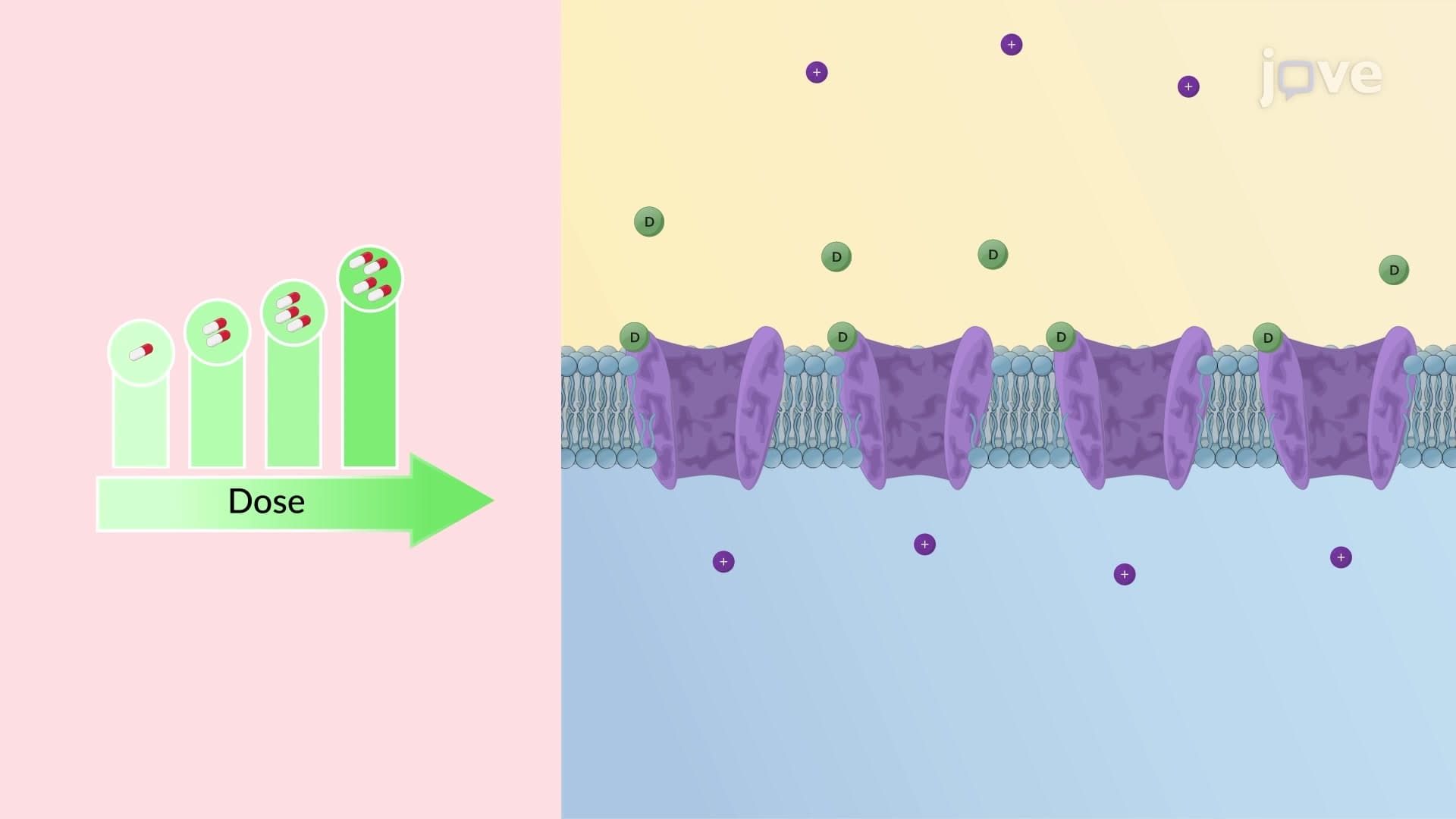
The concept also explains drug tolerance and dependence. Chronic agonist exposure can alter receptor equilibrium dynamics, requiring higher doses for equivalent effects-a principle crucial for understanding opioid prescribing practices in US healthcare systems.
Related Micro-courses