14 Concepts
11 Concepts
29 Concepts
19 Concepts
24 Concepts
20 Concepts
13 Concepts
10 Concepts
12 Concepts
12 Concepts
7 Concepts
6 Concepts
8 Concepts
6 Concepts
8 Concepts
8 Concepts
8 Concepts
6 Concepts
9 Concepts
8 Concepts
8 Concepts
10 Concepts
7 Concepts
5 Concepts
16 Concepts
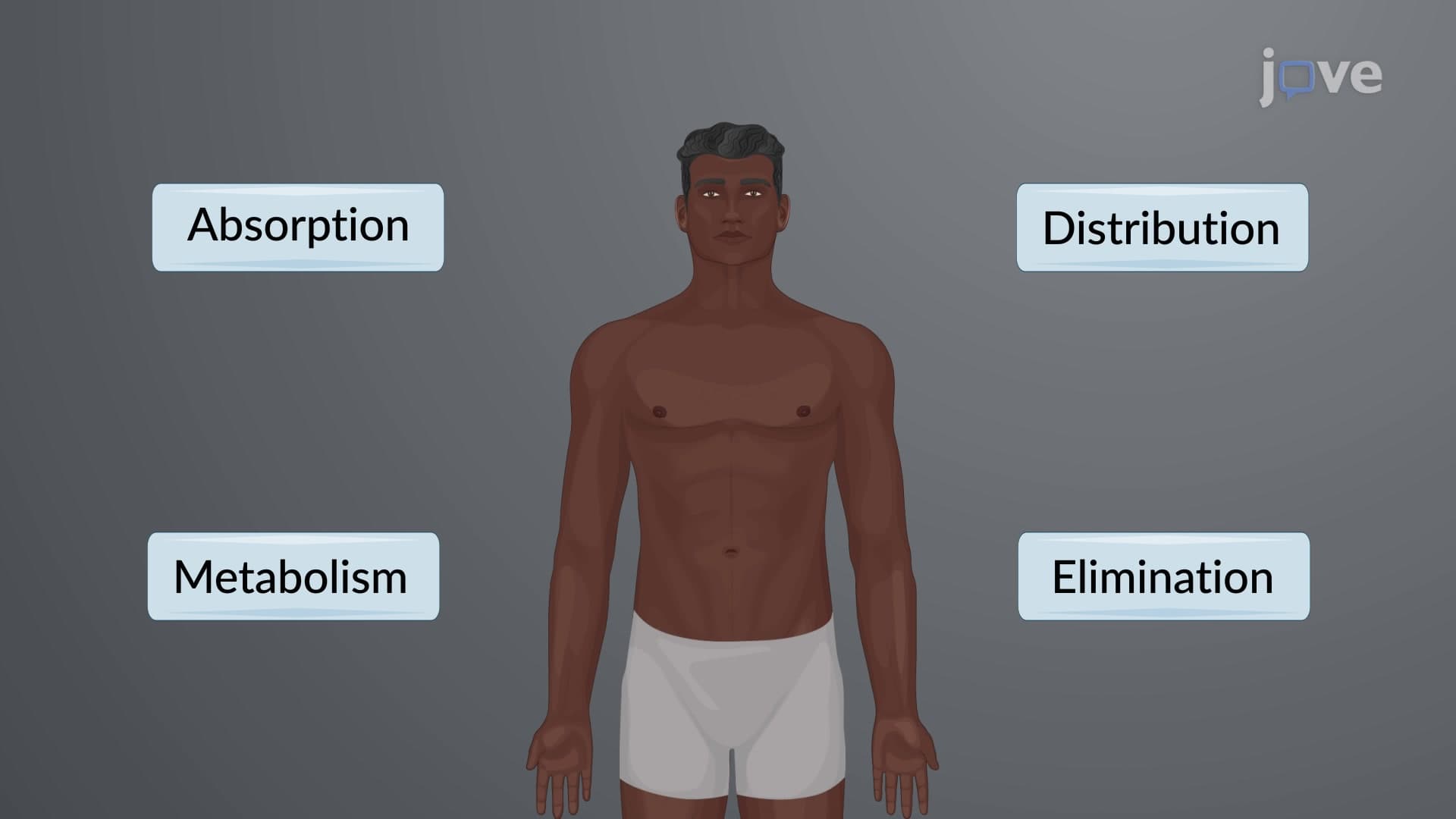
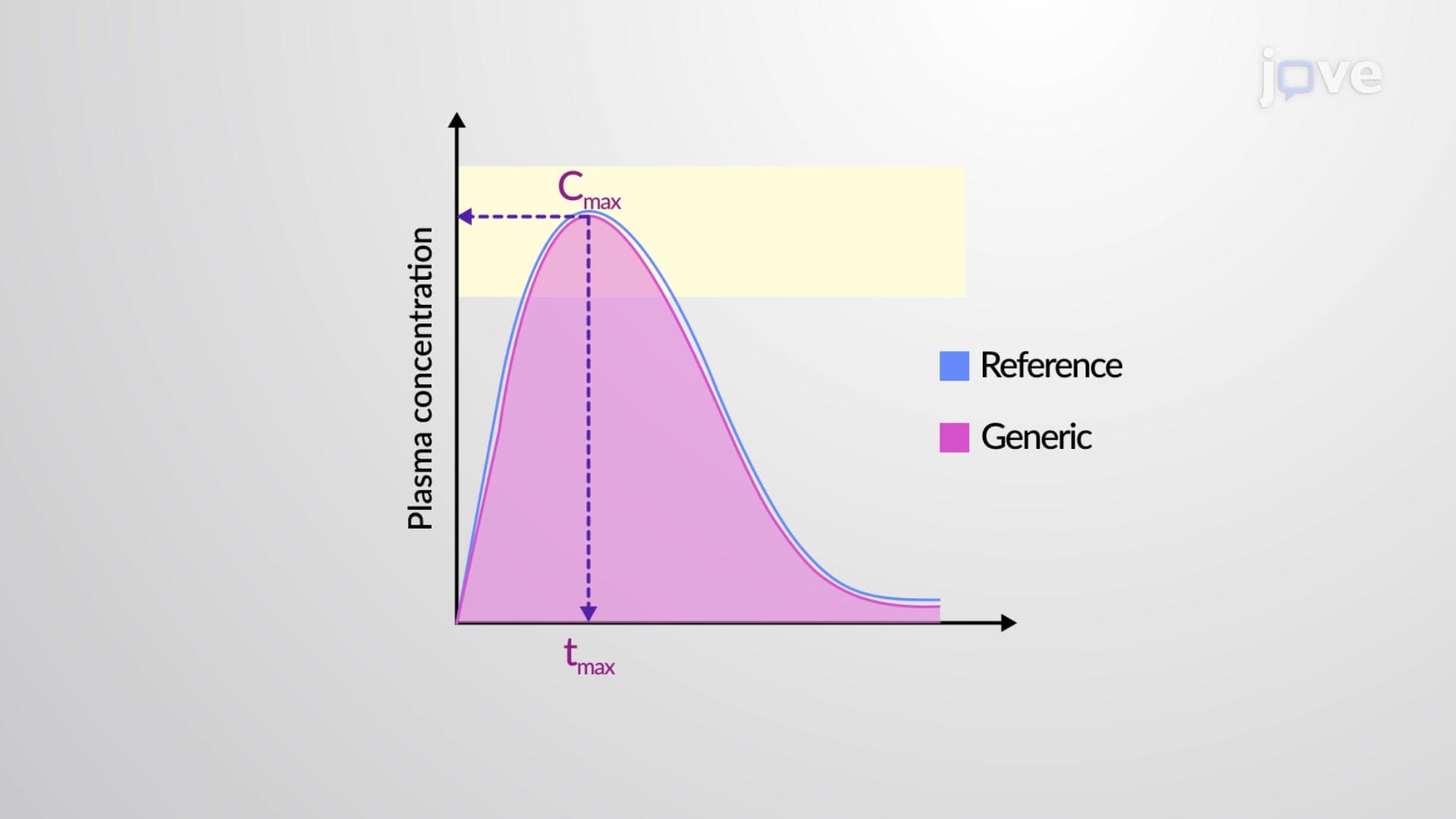
Pharmacokinetics is the study of how the human body processes drugs through four key phases: absorption, distribution, metabolism, and elimination. This comprehensive course explores how medications move through your body, from the moment you take a pill to its final elimination. Understanding pharmacokinetics is essential for healthcare professionals and students preparing for US medical exams, as it explains why drugs work differently in different patients and how proper dosing ensures therapeutic effectiveness while minimizing side effects.
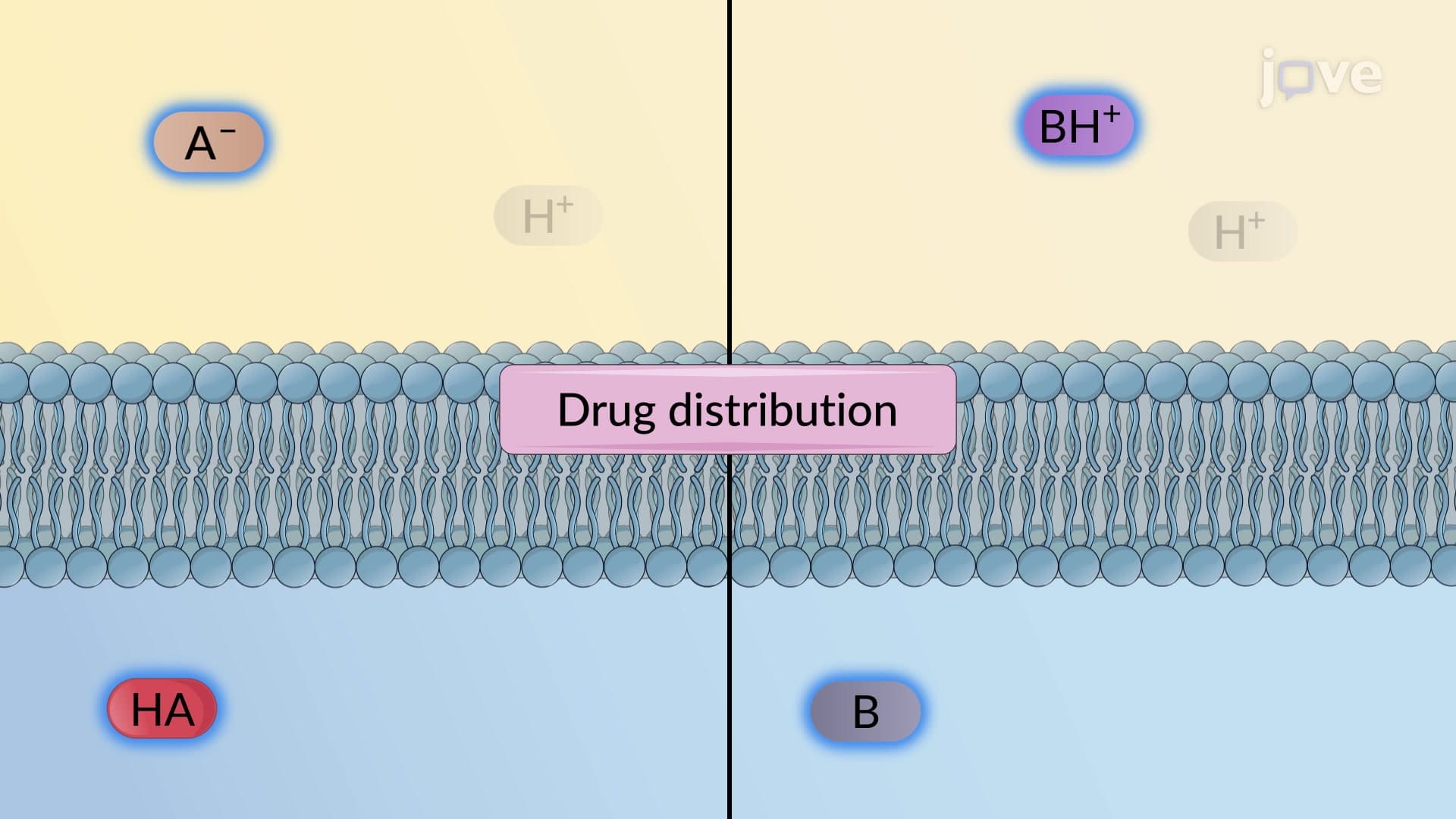
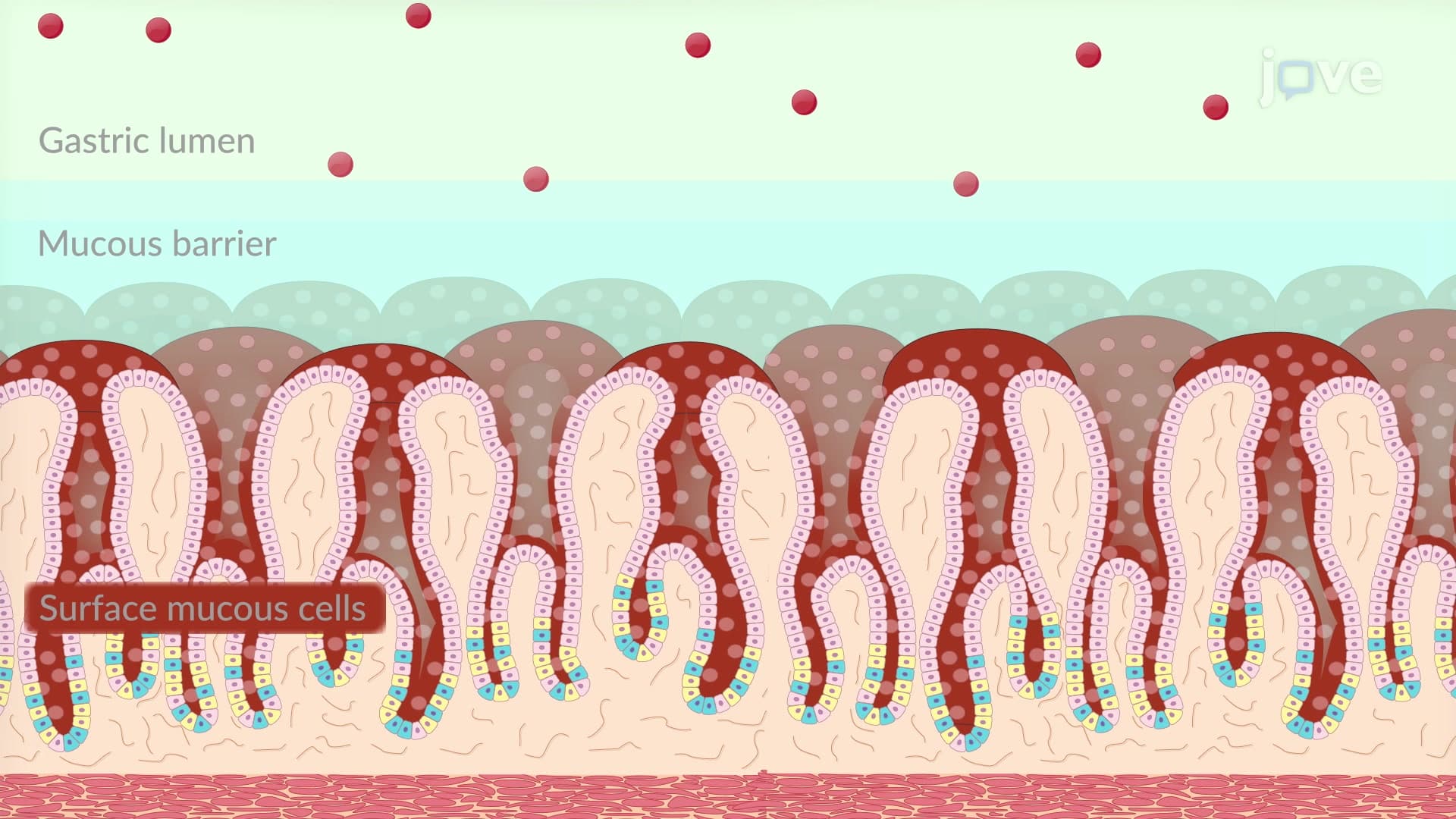
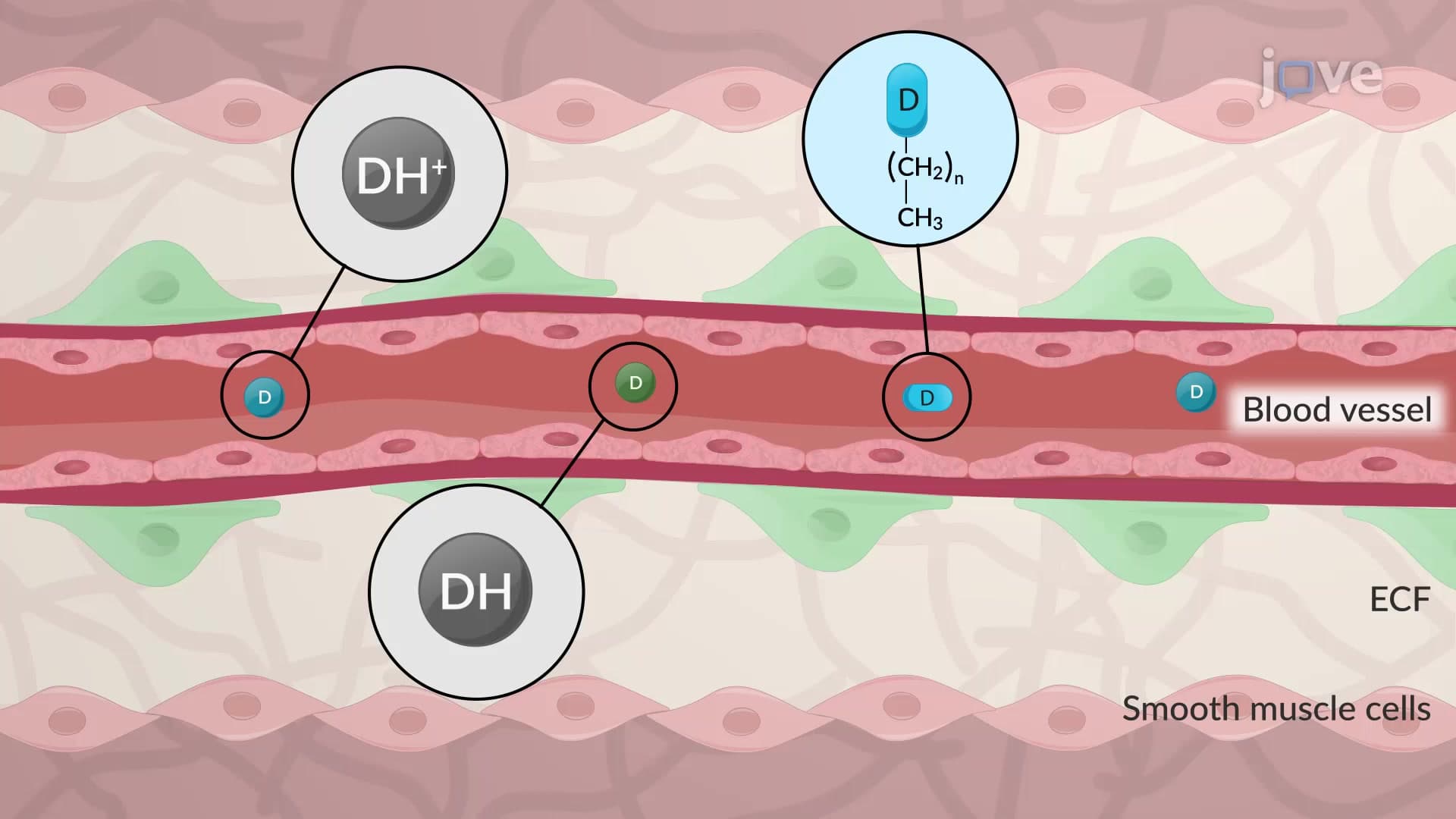
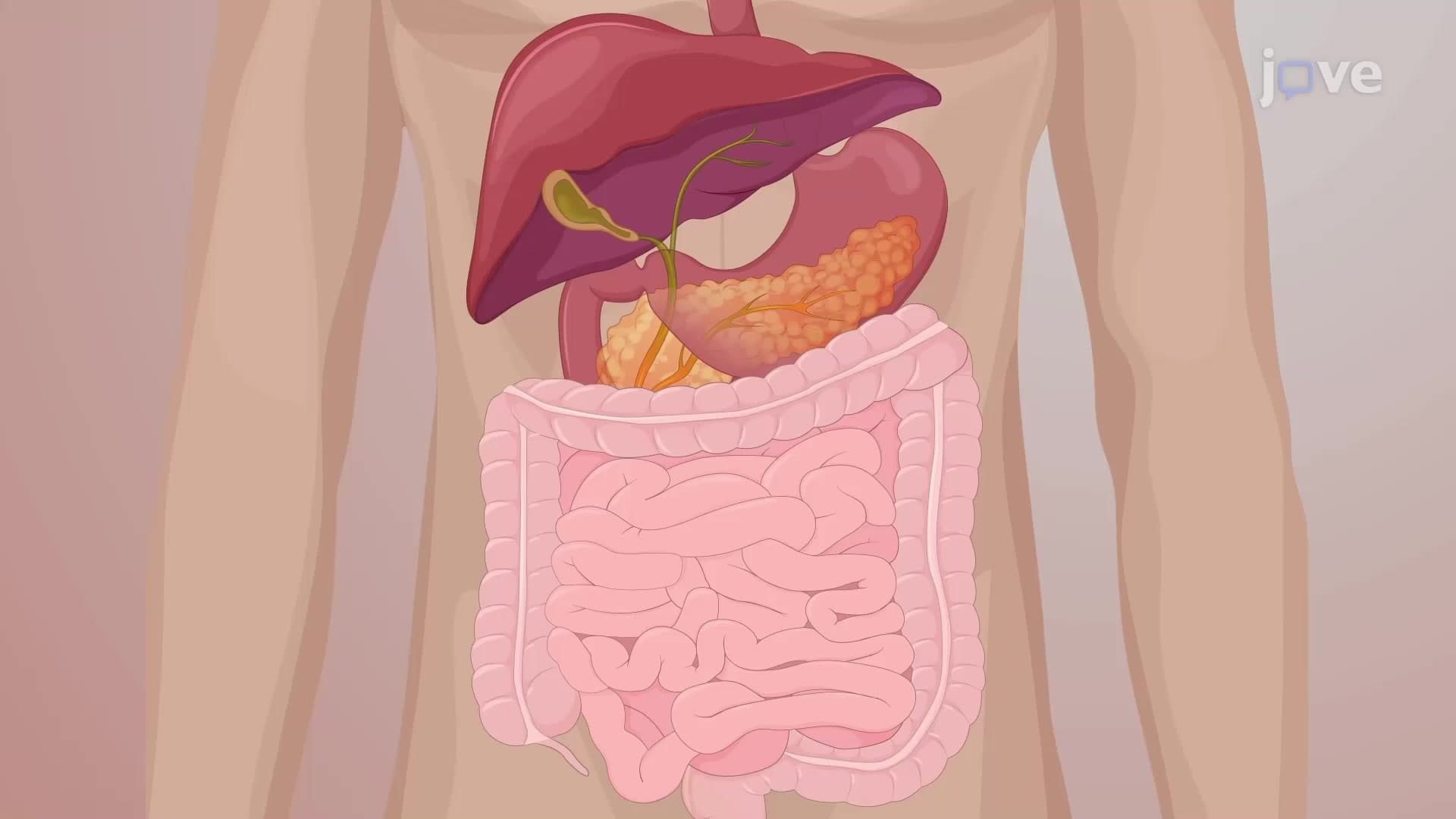
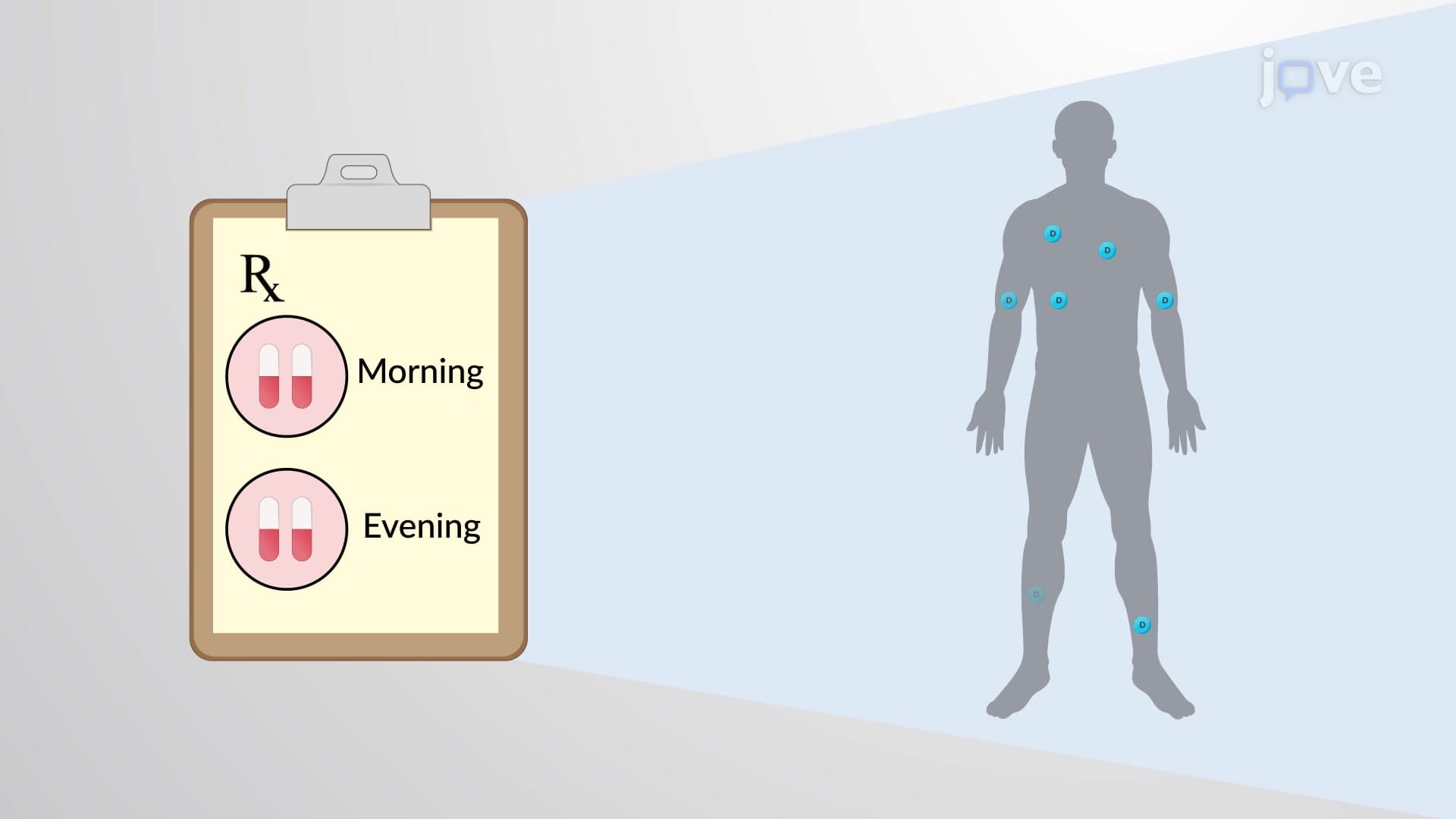
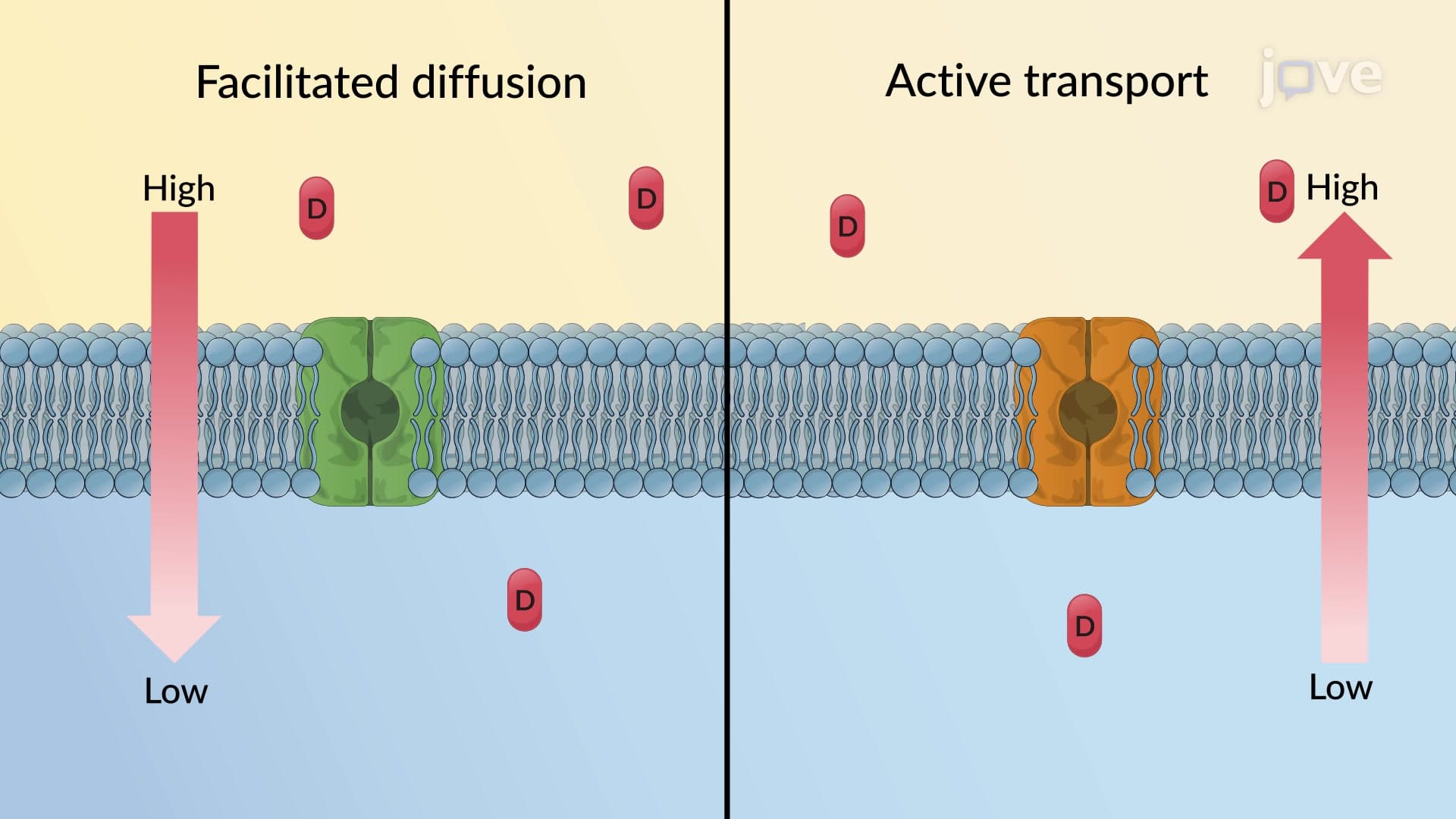
1. Drug Absorption Mechanisms and Factors: Drug absorption occurs through passive diffusion and carrier-mediated transport across biological membranes. Passive transport depends on the drug's lipid-water partition coefficient and ionization state, following the Henderson-Hasselbalch equation. For example, aspirin (a weak acid) is better absorbed in the acidic stomach environment where it remains mostly unionized. Factors affecting gastrointestinal absorption include gastric pH, food interactions, intestinal surface area, and P-glycoprotein efflux pumps. Understanding these mechanisms helps explain why some medications must be taken on an empty stomach while others require food for optimal absorption.
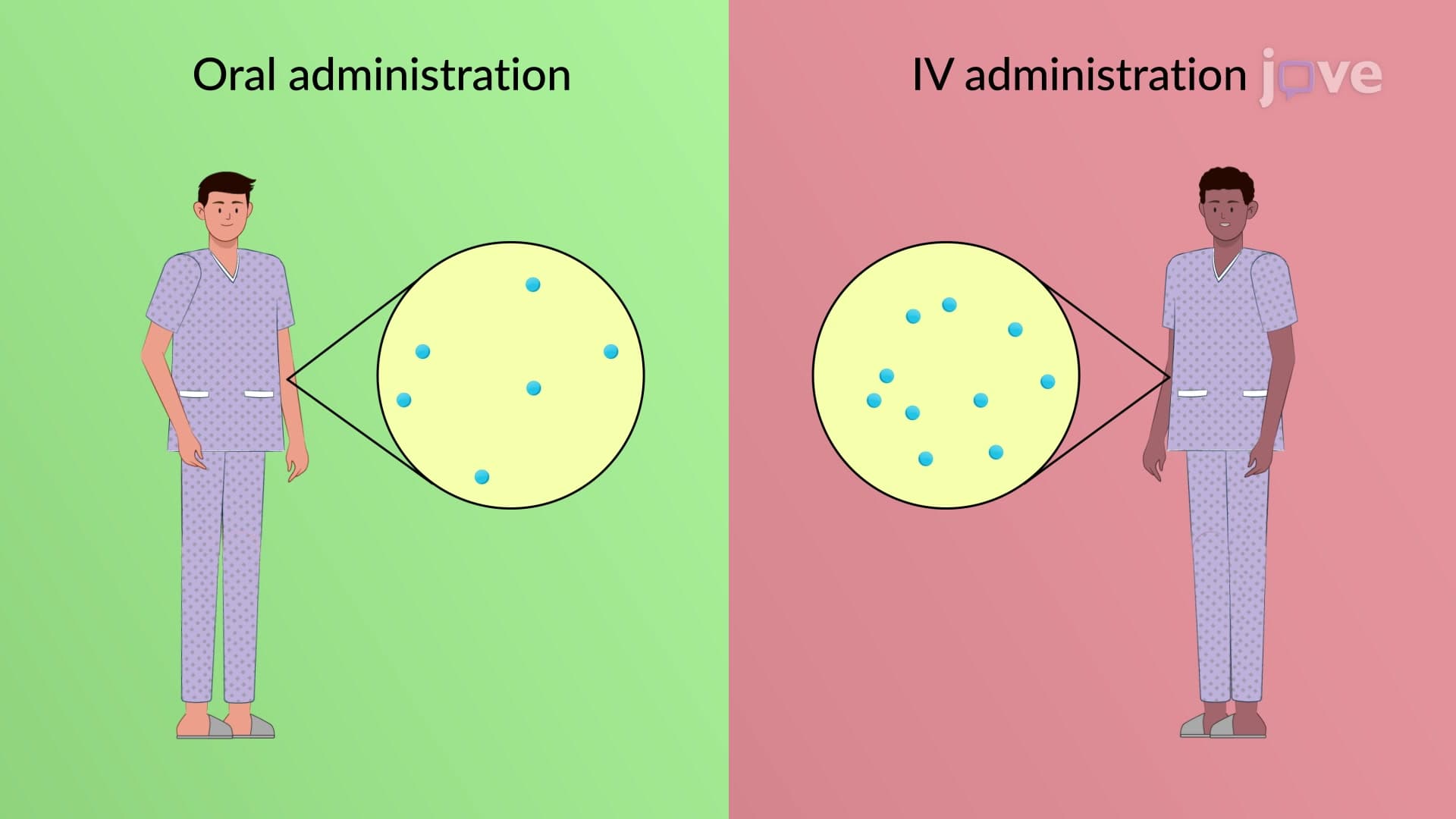
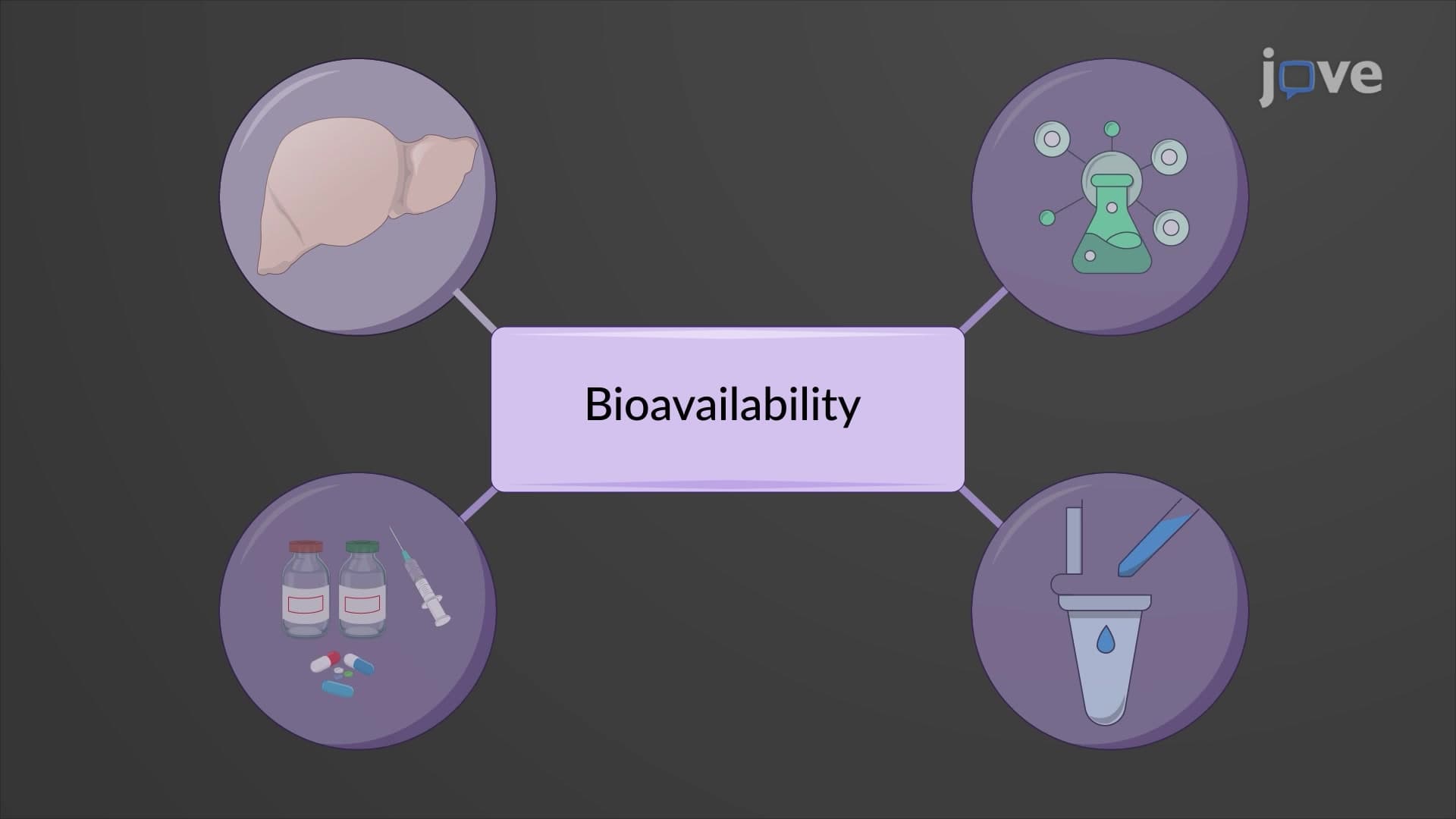
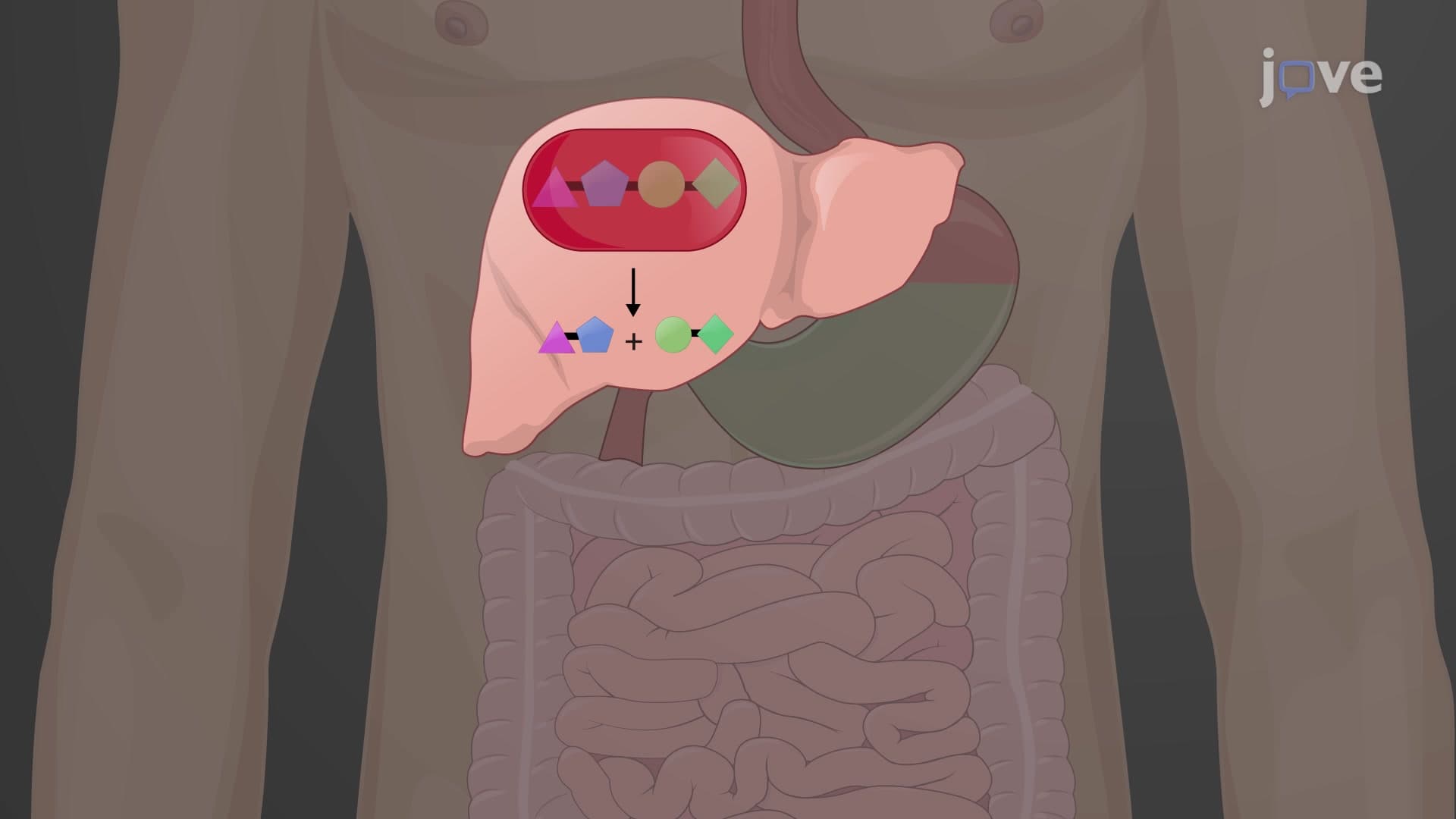
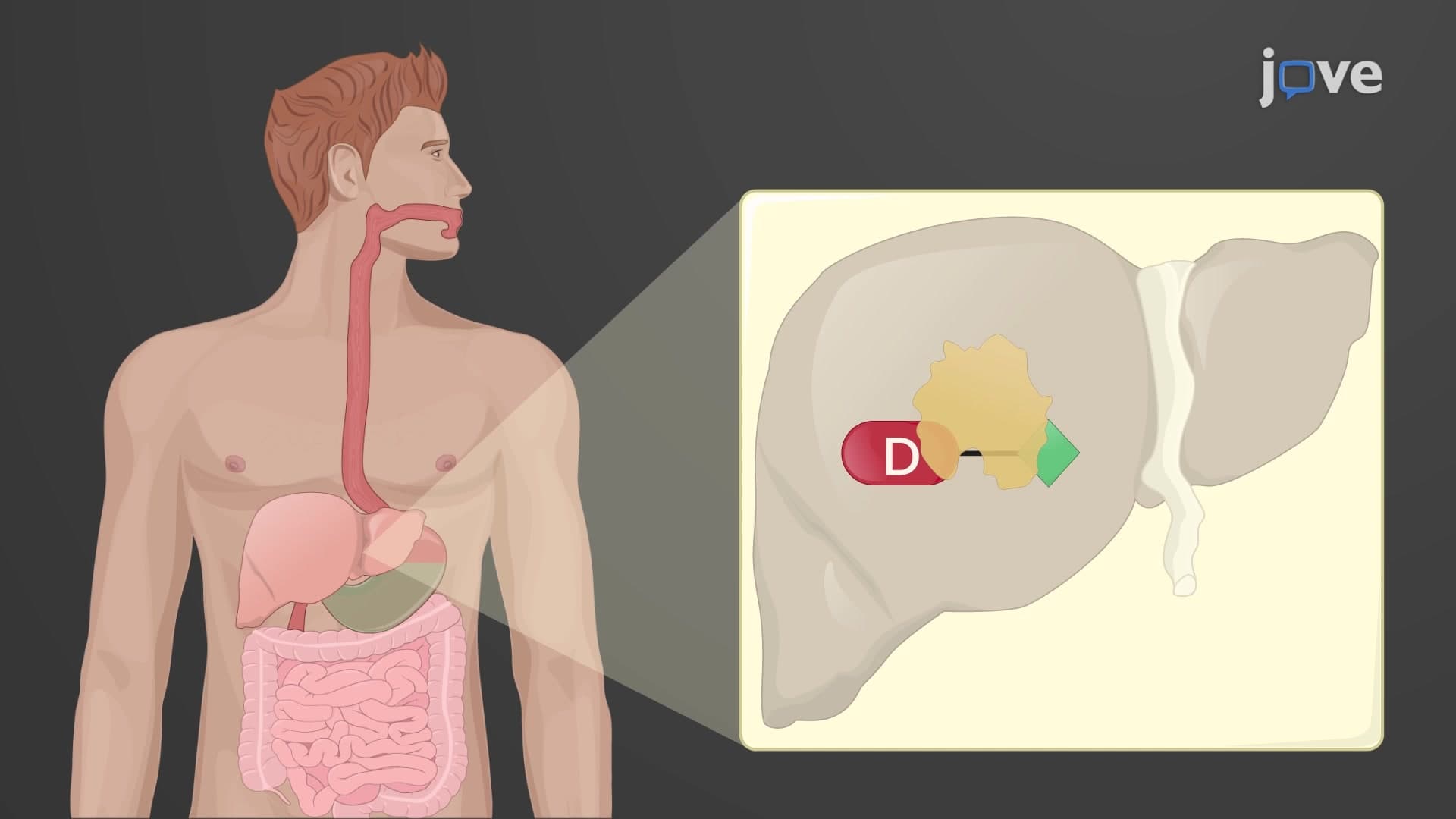
2. Bioavailability and First-Pass Metabolism: Bioavailability represents the fraction of administered drug reaching systemic circulation unchanged. Intravenous administration provides 100% bioavailability, while oral drugs face significant barriers. The first-pass effect occurs when orally administered drugs are metabolized by intestinal enzymes and the liver before reaching systemic circulation. For instance, nitroglycerin undergoes extensive first-pass metabolism, making oral administration ineffective for acute angina treatment. This is why nitroglycerin is given sublingually or transdermally to bypass hepatic metabolism and achieve therapeutic blood levels.
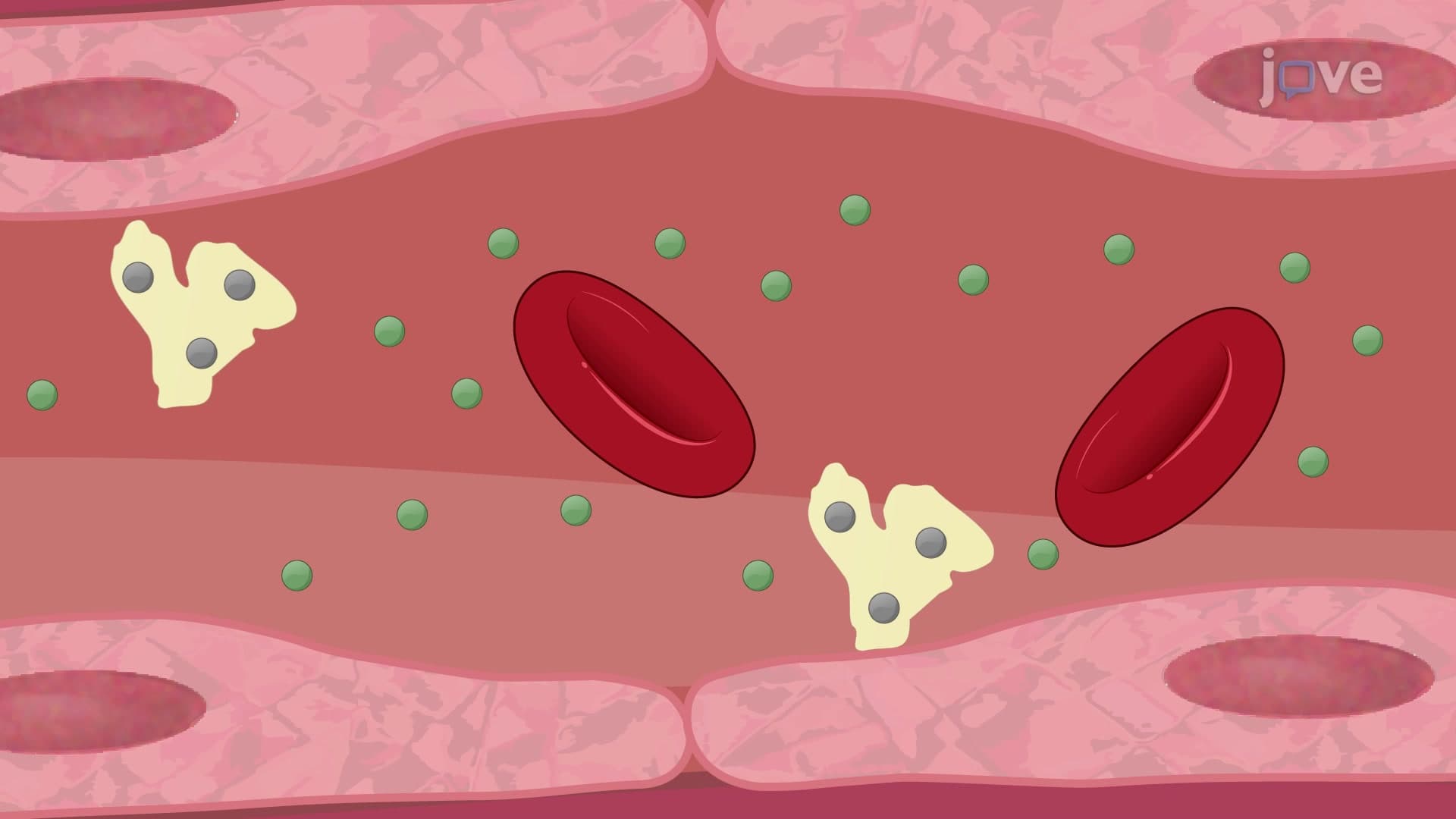
3. Drug Distribution and Protein Binding: After absorption, drugs distribute throughout body compartments based on their physicochemical properties. Most drugs bind reversibly to plasma proteins, particularly albumin, creating inactive drug-protein complexes that serve as reservoirs. Only unbound (free) drug molecules can cross biological barriers and exert pharmacological effects. For example, warfarin is 99% protein-bound, meaning small changes in binding can dramatically alter free drug concentrations and anticoagulant effects. Understanding protein binding is crucial for predicting drug interactions and dosing adjustments in patients with altered protein levels.
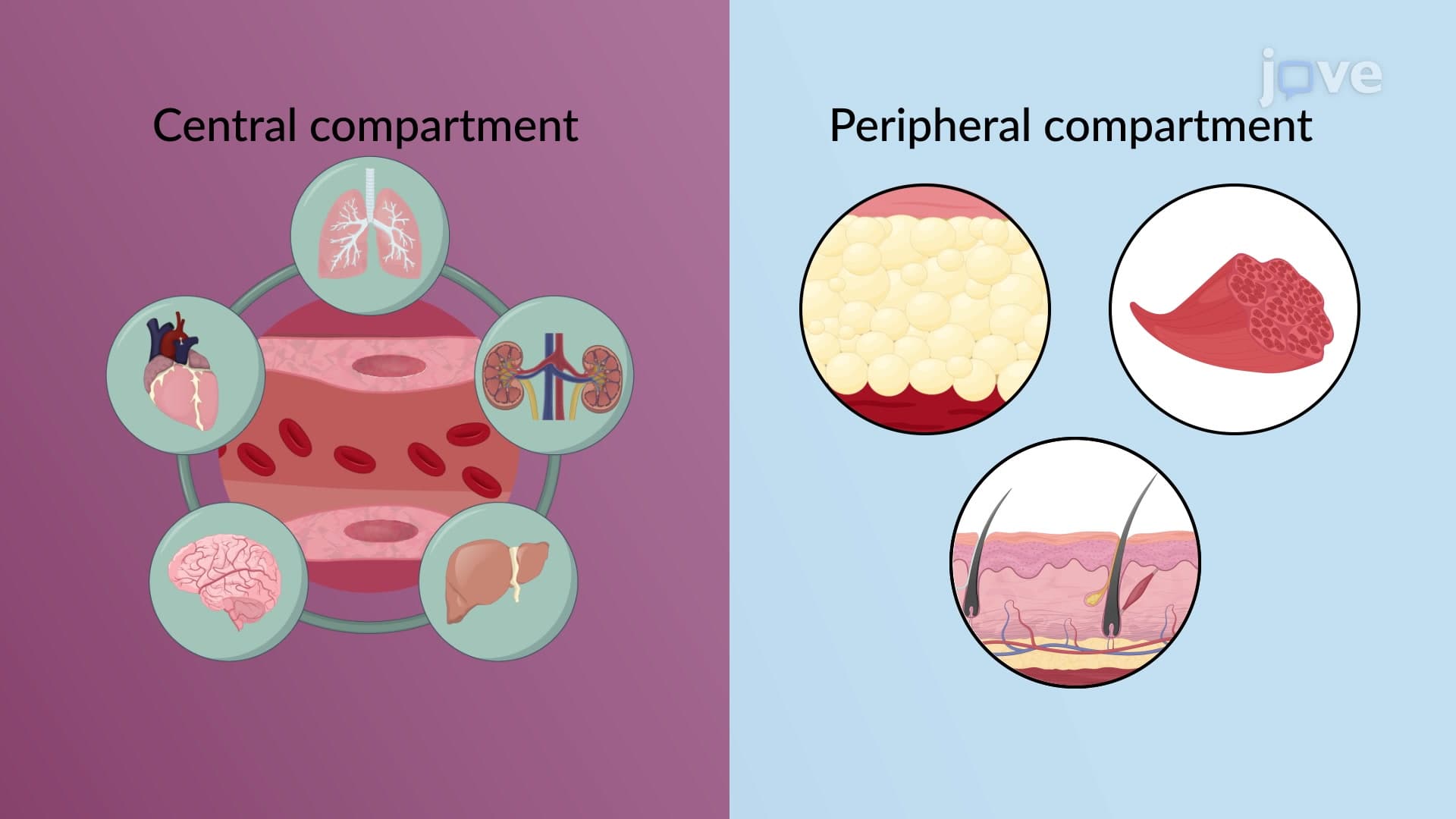
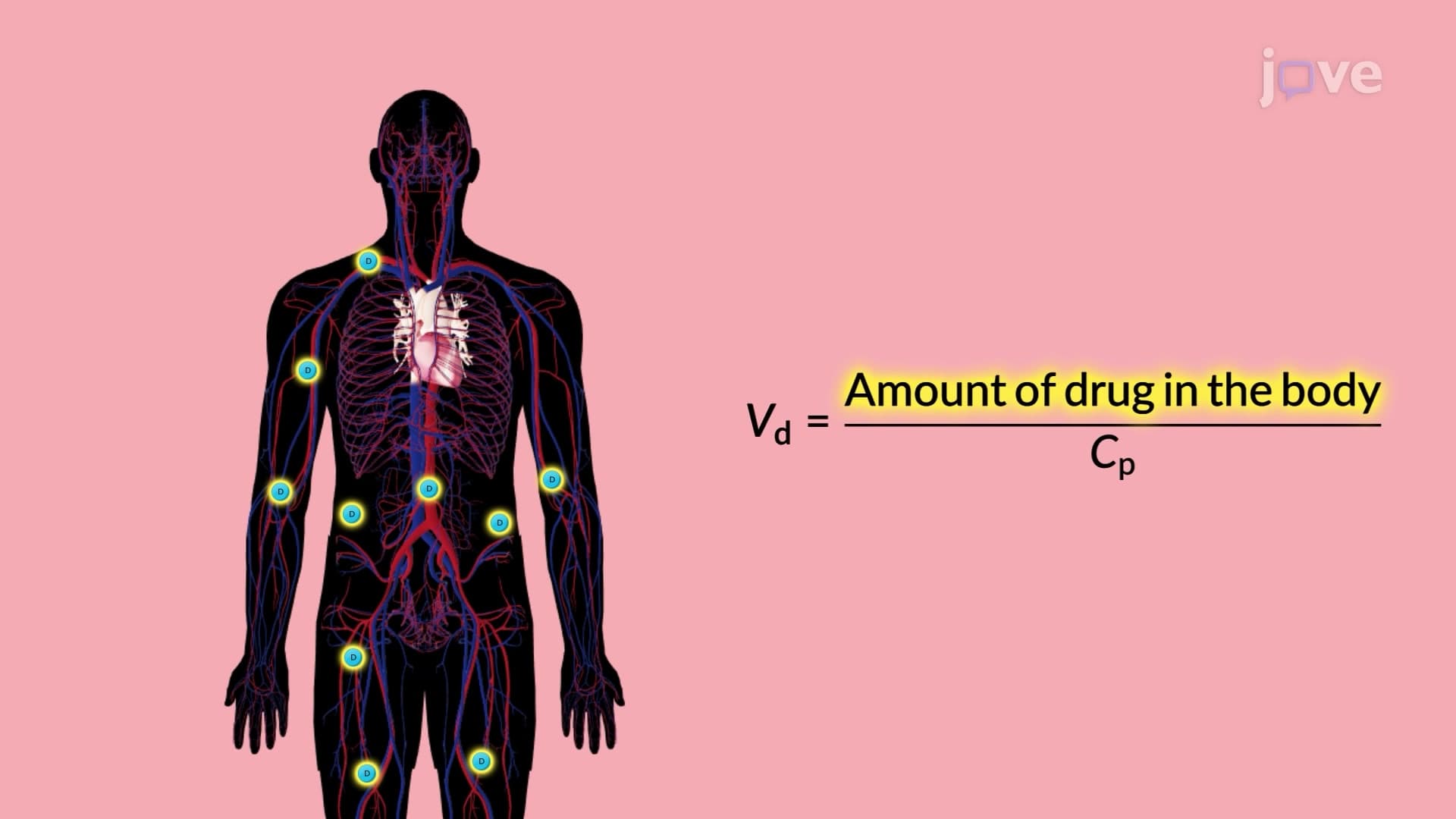
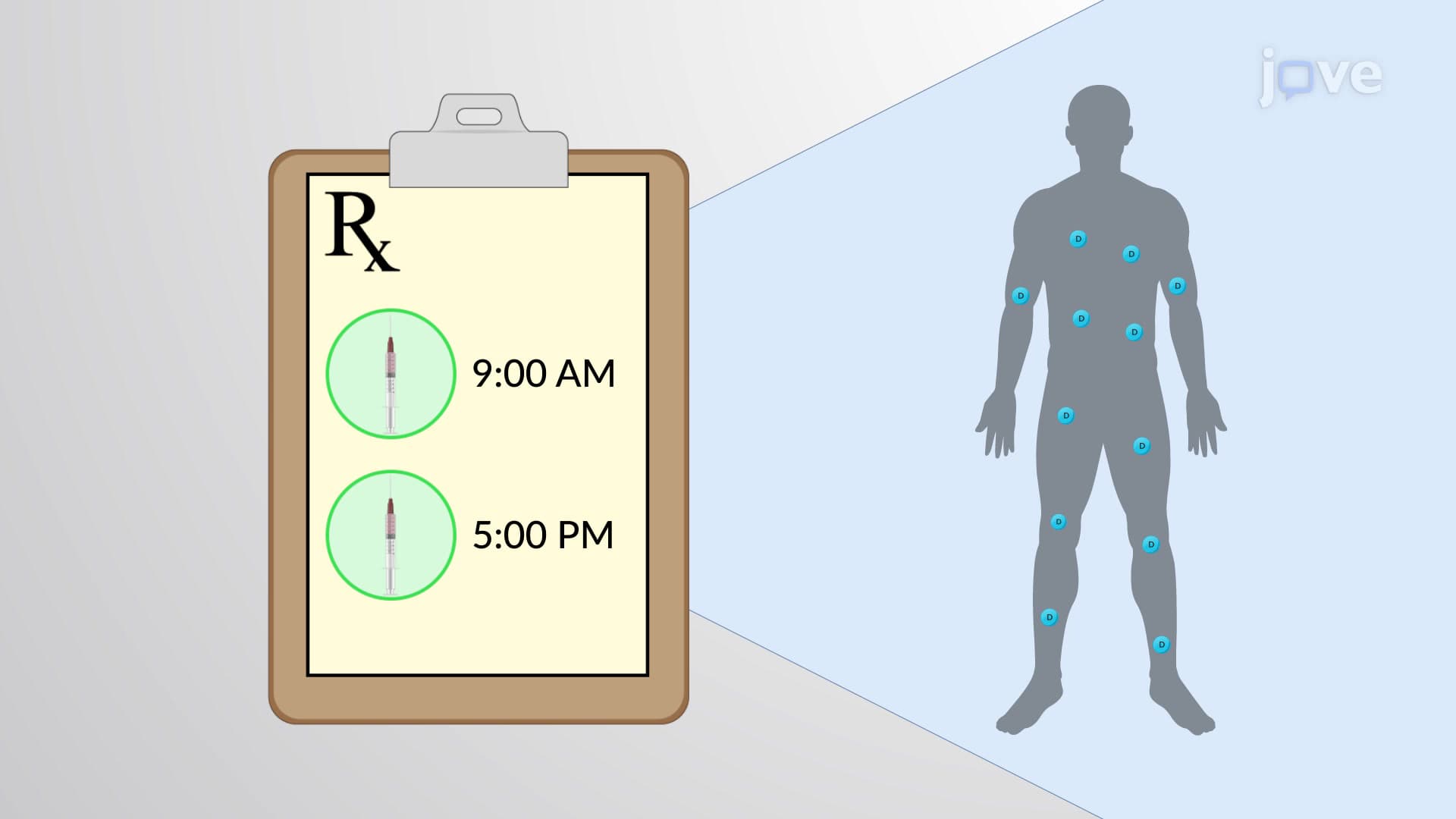
4. Compartment Models and Volume of Distribution: Pharmacokinetic models simplify the body into theoretical compartments to predict drug behavior. The single-compartment model assumes uniform, instantaneous drug distribution, while the two-compartment model recognizes differences in tissue perfusion rates. Volume of distribution (Vd) is a theoretical parameter indicating the apparent volume needed to contain the total drug amount at plasma concentration. Drugs like digoxin have large Vd values due to extensive tissue binding, requiring higher loading doses but having prolonged elimination times. These concepts help clinicians understand why some drugs require loading doses and others don't.
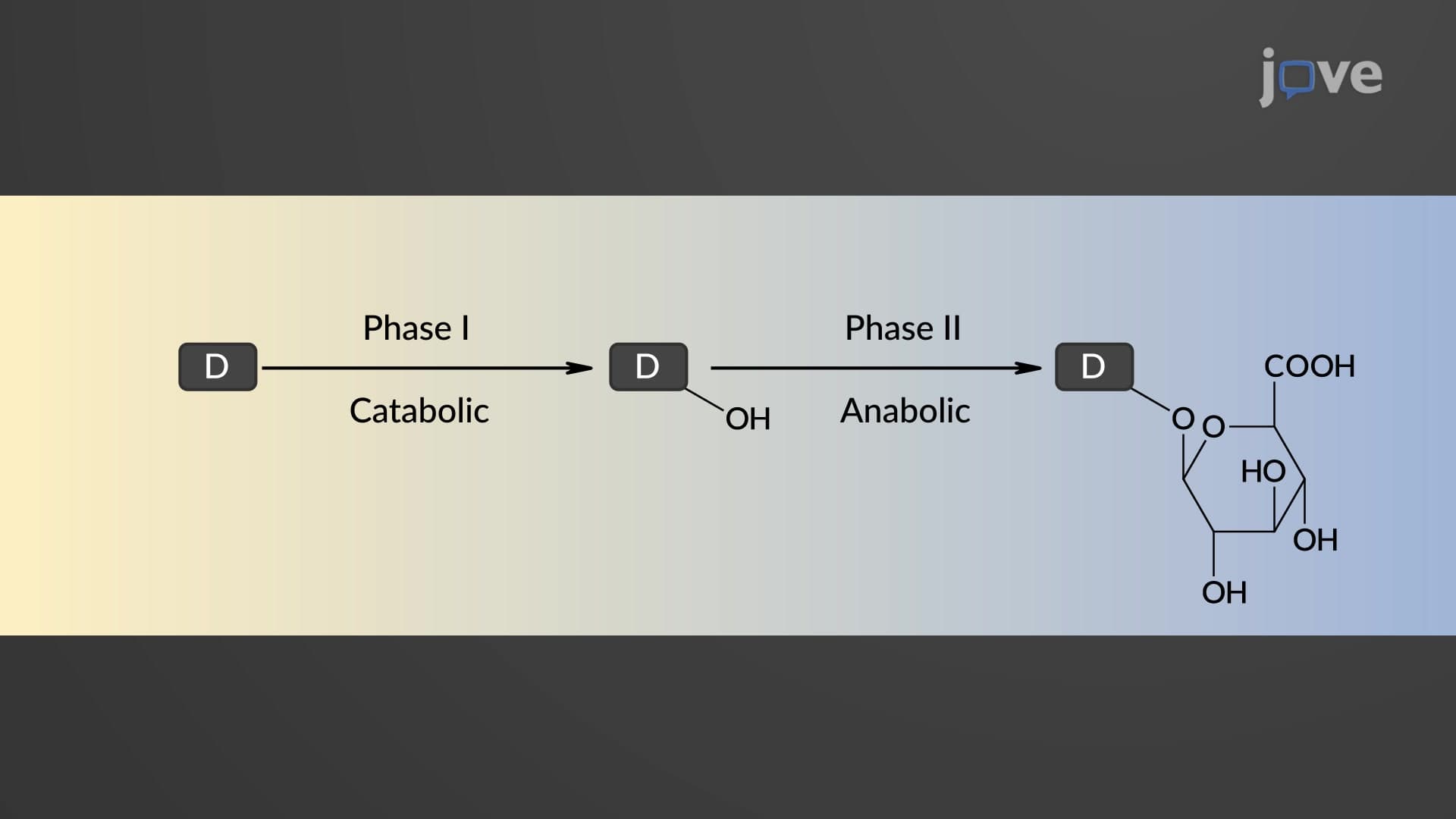
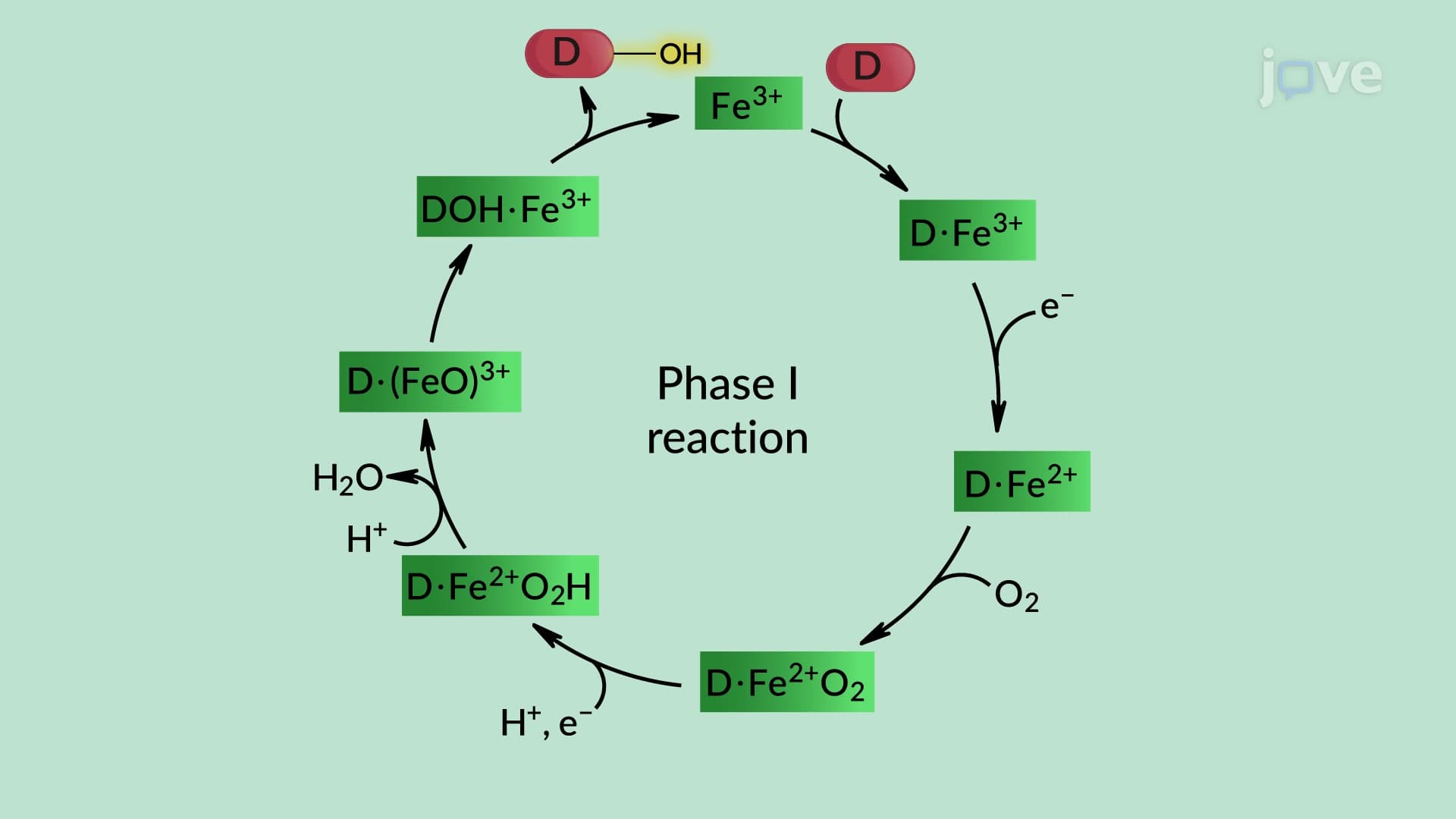
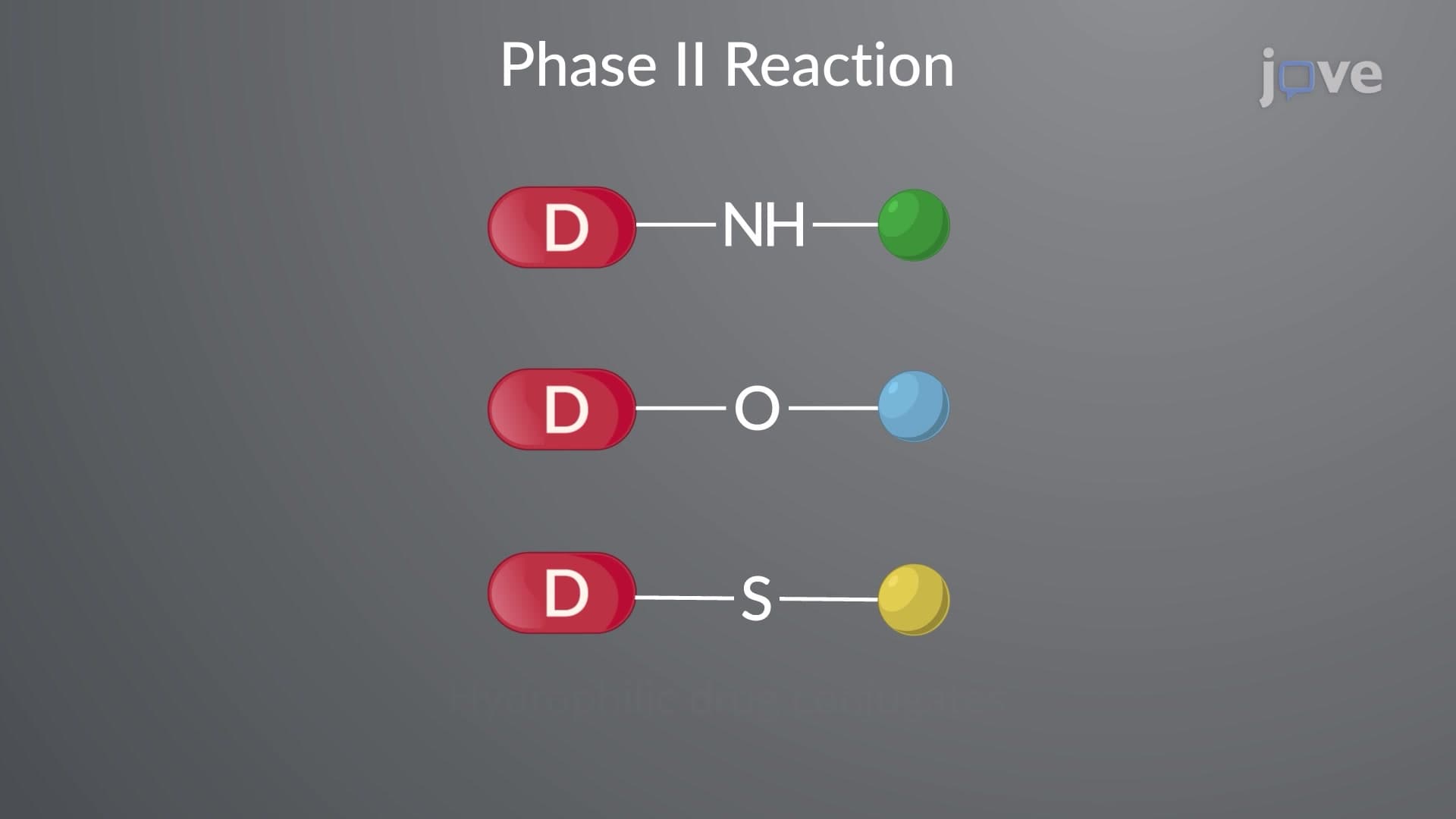
5. Drug Metabolism: Phase I and Phase II Reactions: Drug metabolism primarily occurs in the liver through cytochrome P450 enzymes. Phase I reactions introduce functional groups through oxidation, reduction, or hydrolysis, often creating more polar metabolites. Phase II reactions conjugate drugs or Phase I metabolites with endogenous molecules like glucuronic acid or sulfate groups, typically producing inactive, water-soluble compounds ready for excretion. For example, acetaminophen undergoes Phase II glucuronidation and sulfation for safe elimination, but excessive doses can overwhelm these pathways, leading to toxic metabolite formation and liver damage.
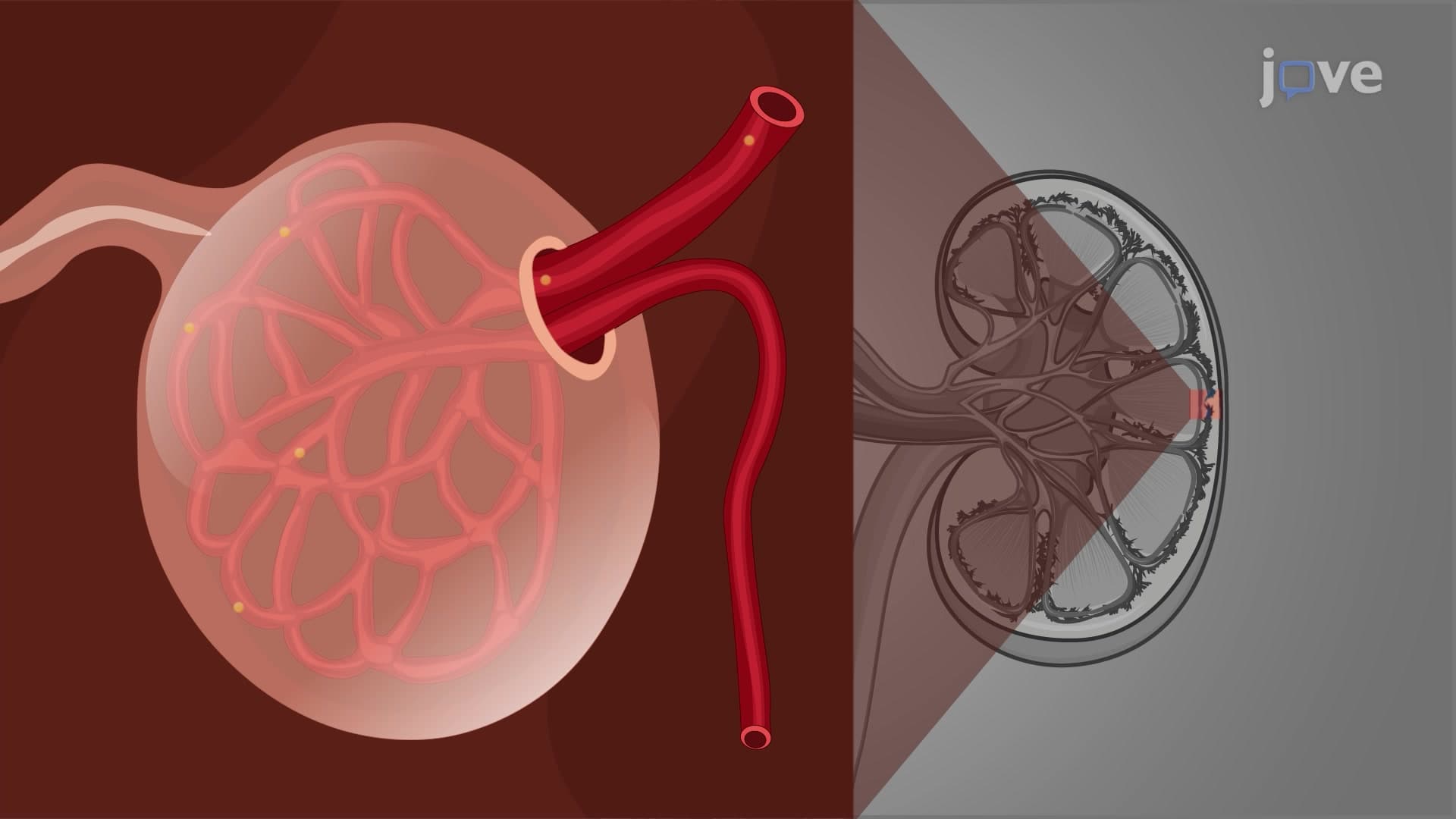
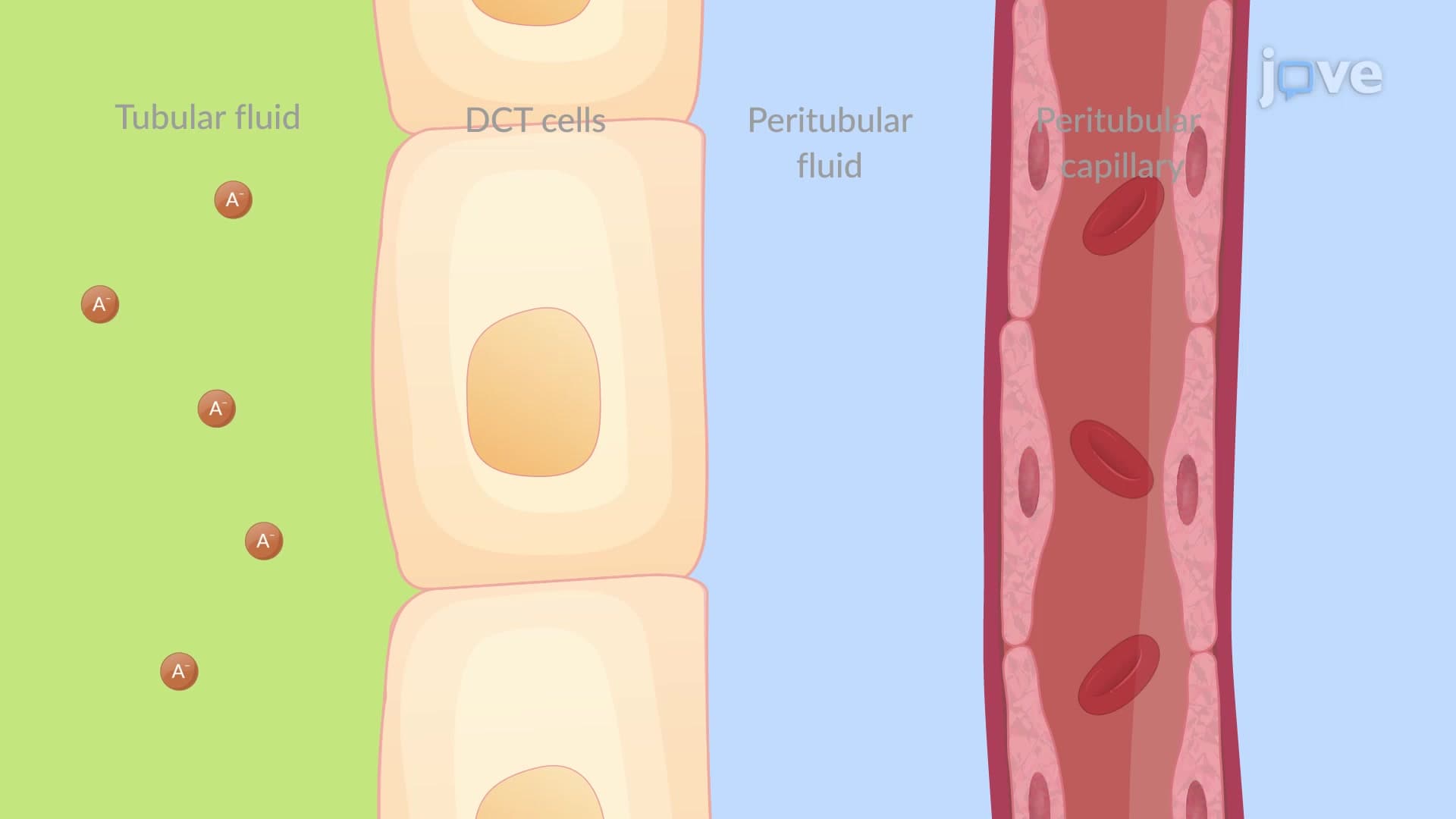
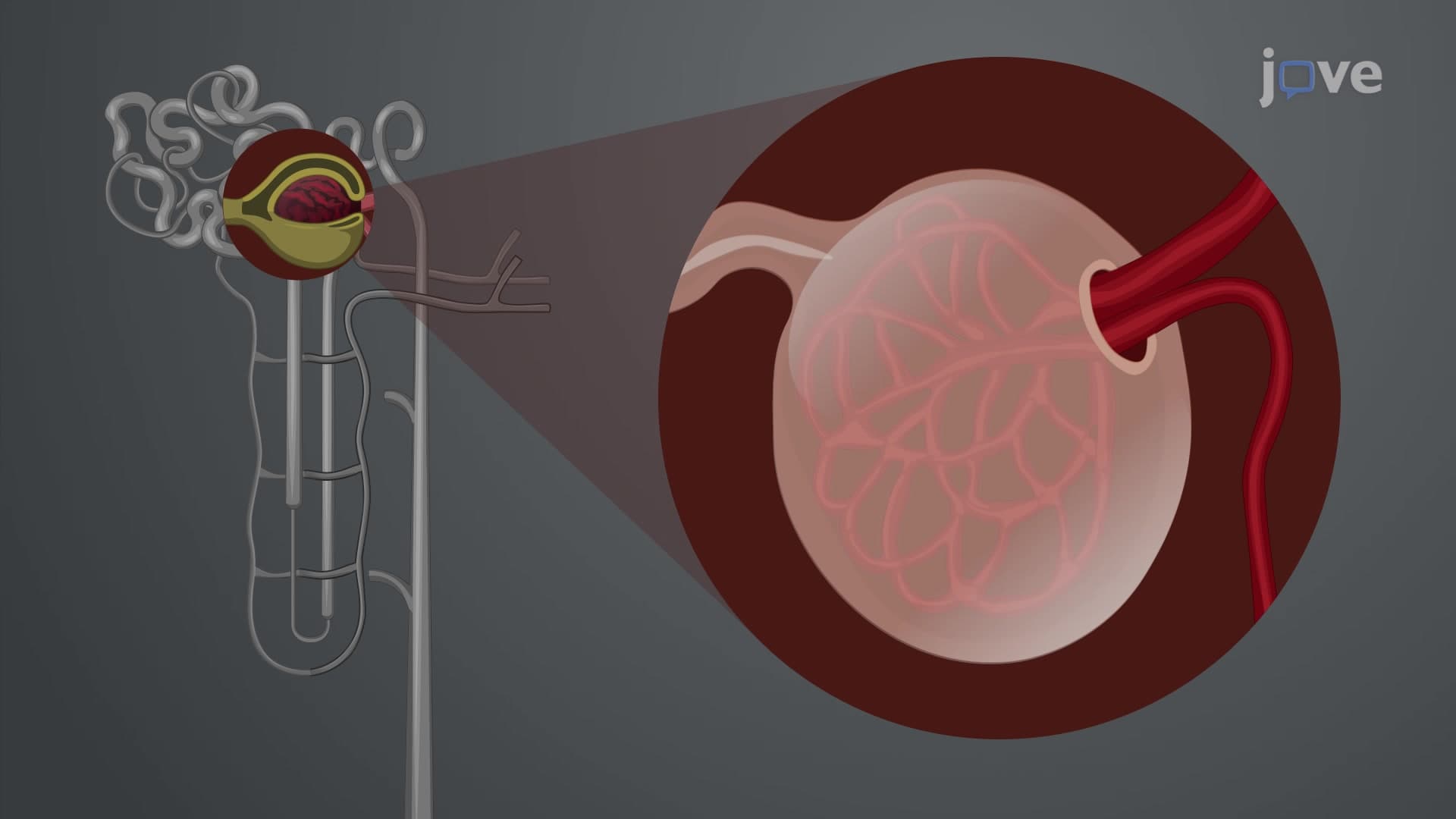
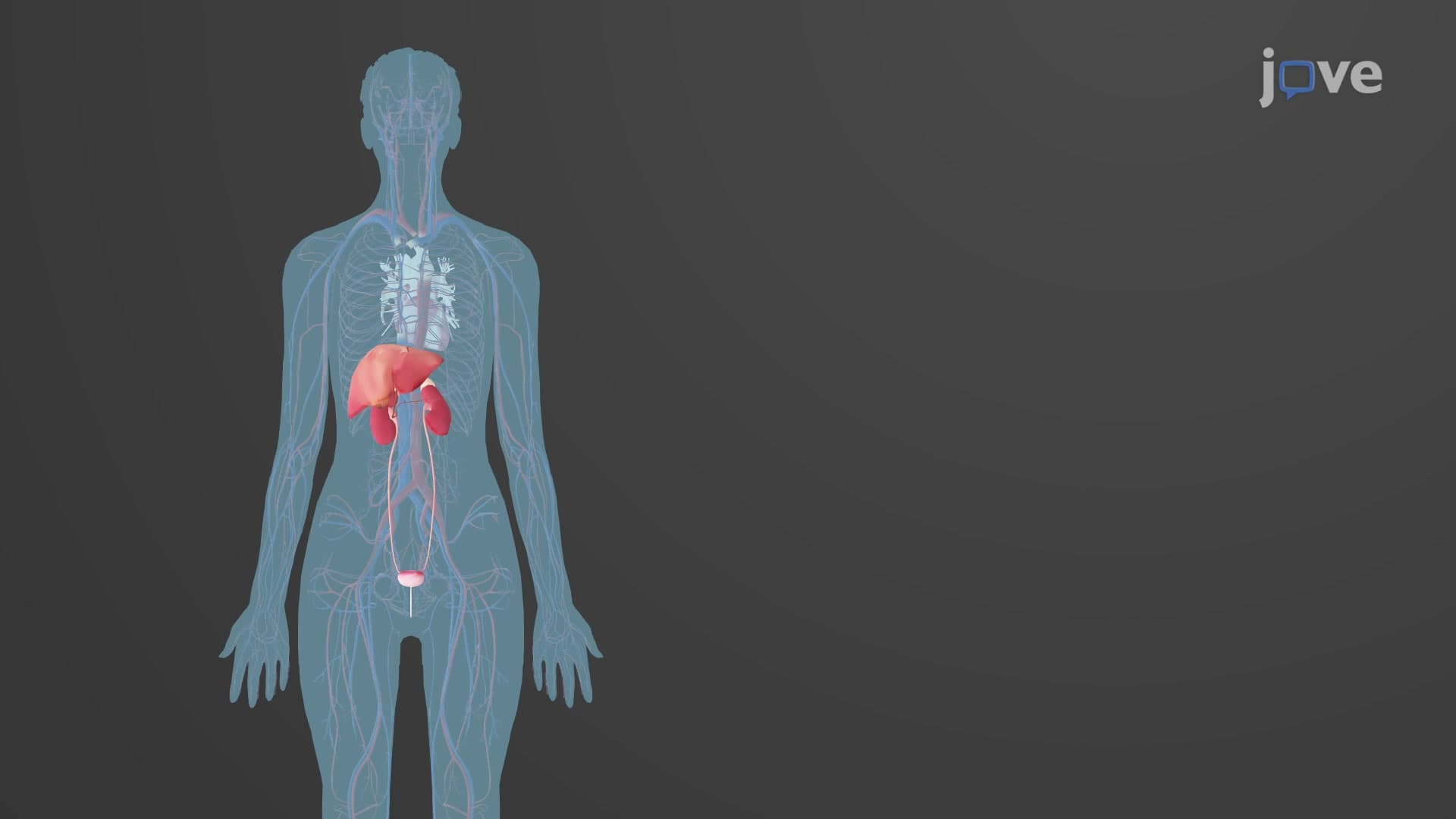
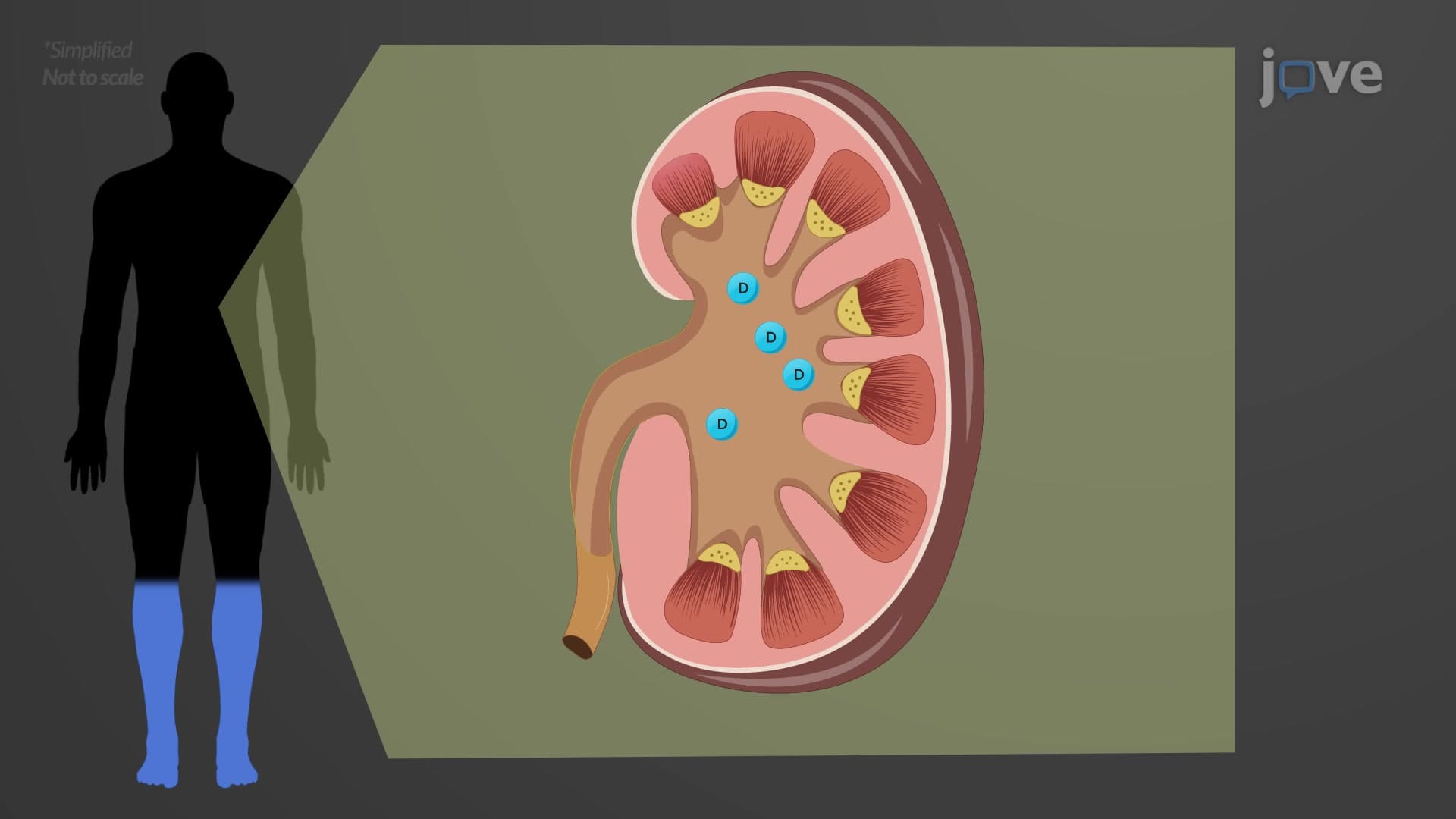
6. Renal Drug Elimination Processes: The kidneys eliminate drugs through three mechanisms: glomerular filtration, tubular secretion, and tubular reabsorption. Glomerular filtration depends on molecular size and protein binding-only unbound drugs filter freely. Active tubular secretion uses specific transporters to move drugs from blood into urine, while passive reabsorption returns lipophilic drugs to circulation. Urinary pH manipulation can prevent reabsorption of weak acids or bases through ion trapping. For instance, alkalinizing urine with sodium bicarbonate enhances elimination of salicylates (weak acids) in overdose situations by keeping them ionized and preventing reabsorption.
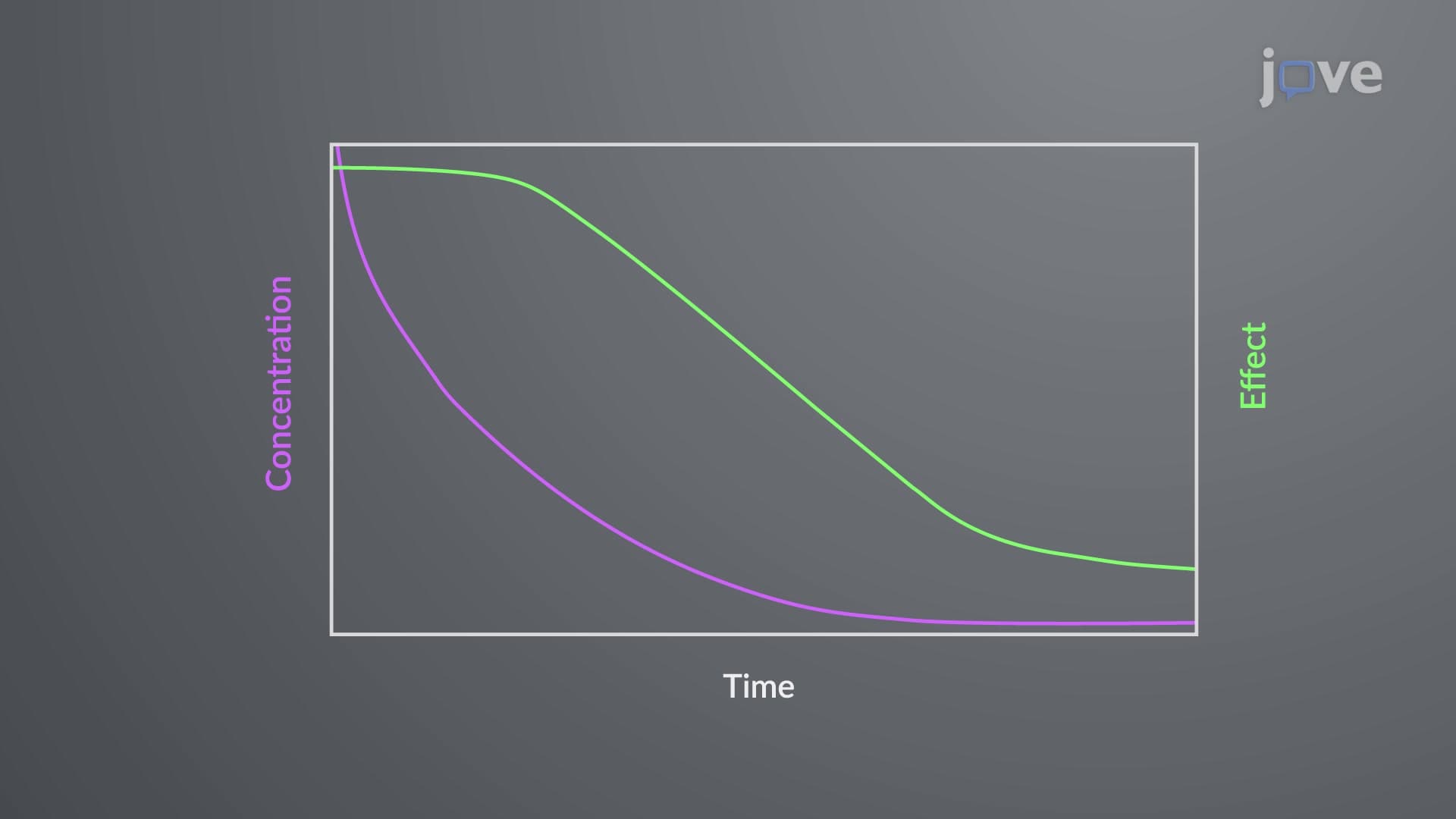
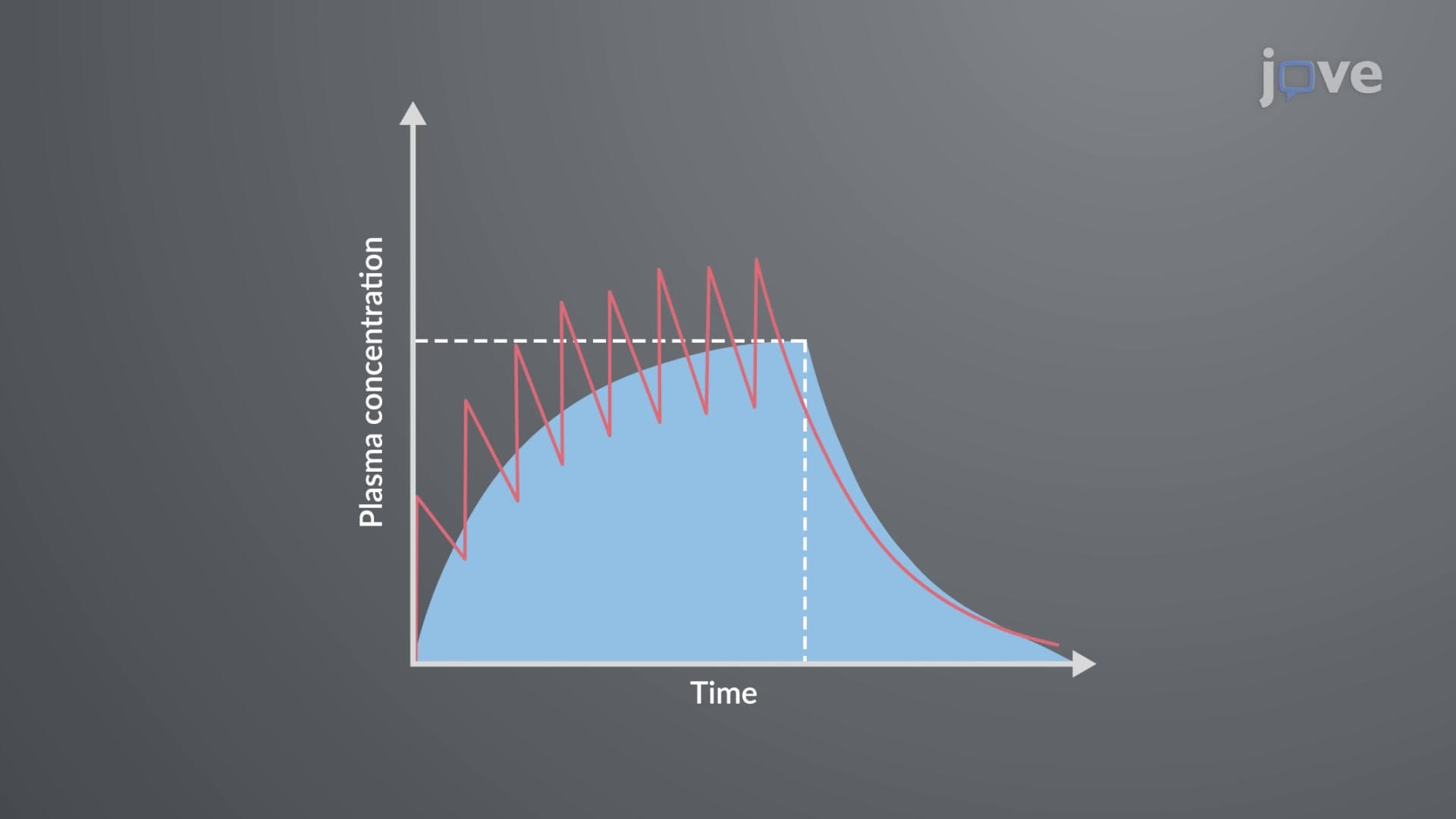
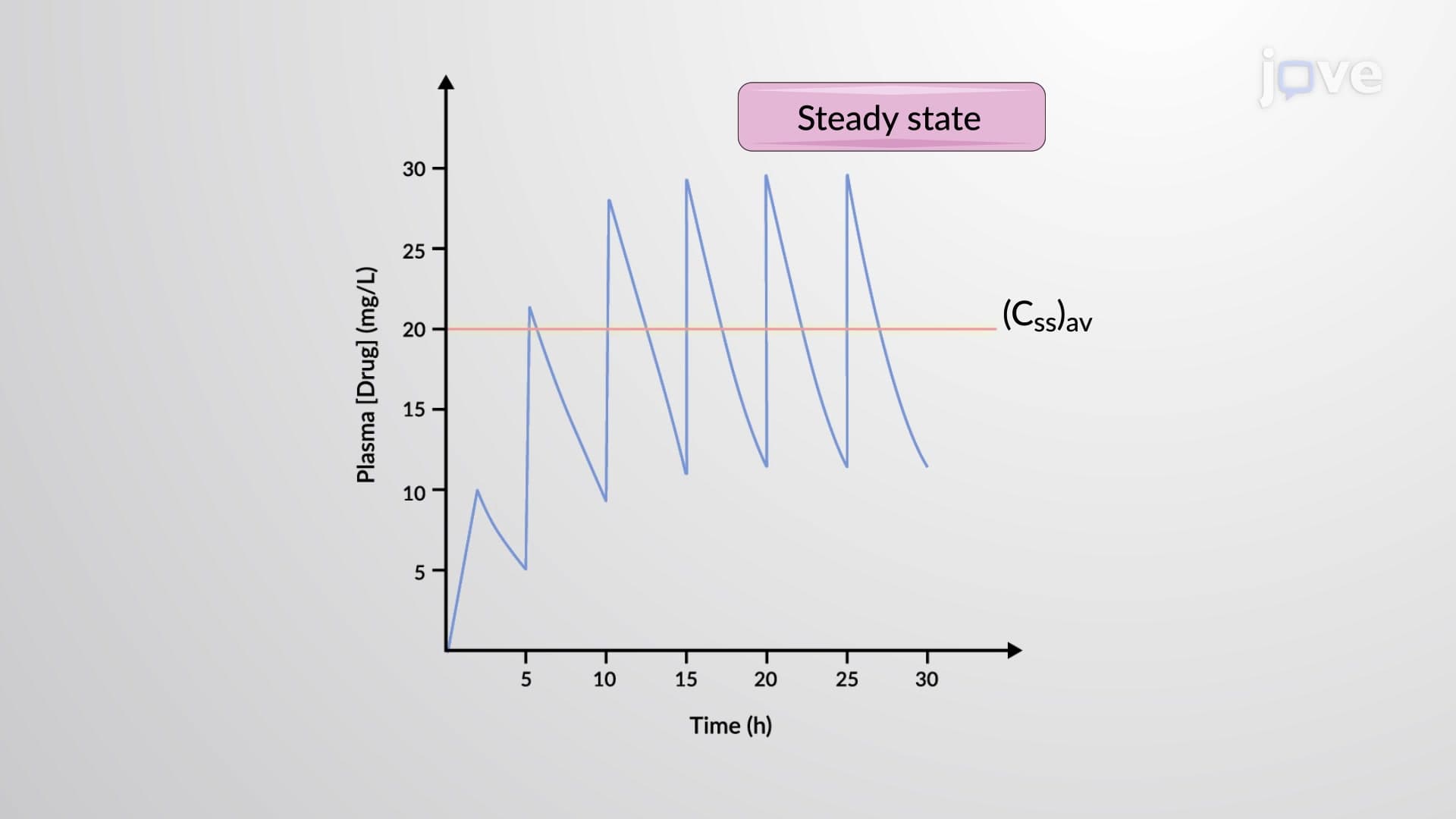
7. Clearance, Half-life, and Steady State: Drug clearance measures the body's efficiency in removing drugs from plasma per unit time, while half-life indicates the time required for plasma concentration to decrease by 50%. These parameters determine dosing frequency and time to reach steady state (approximately 5 half-lives). At steady state, drug input equals elimination rate, maintaining consistent therapeutic levels. For example, digoxin's long half-life (36 hours) means steady state takes about 7 days to achieve, but loading doses can reach therapeutic levels immediately. Understanding these relationships is essential for optimizing drug therapy and avoiding toxicity.