Loading video…


 29 Concepts
 134.6K views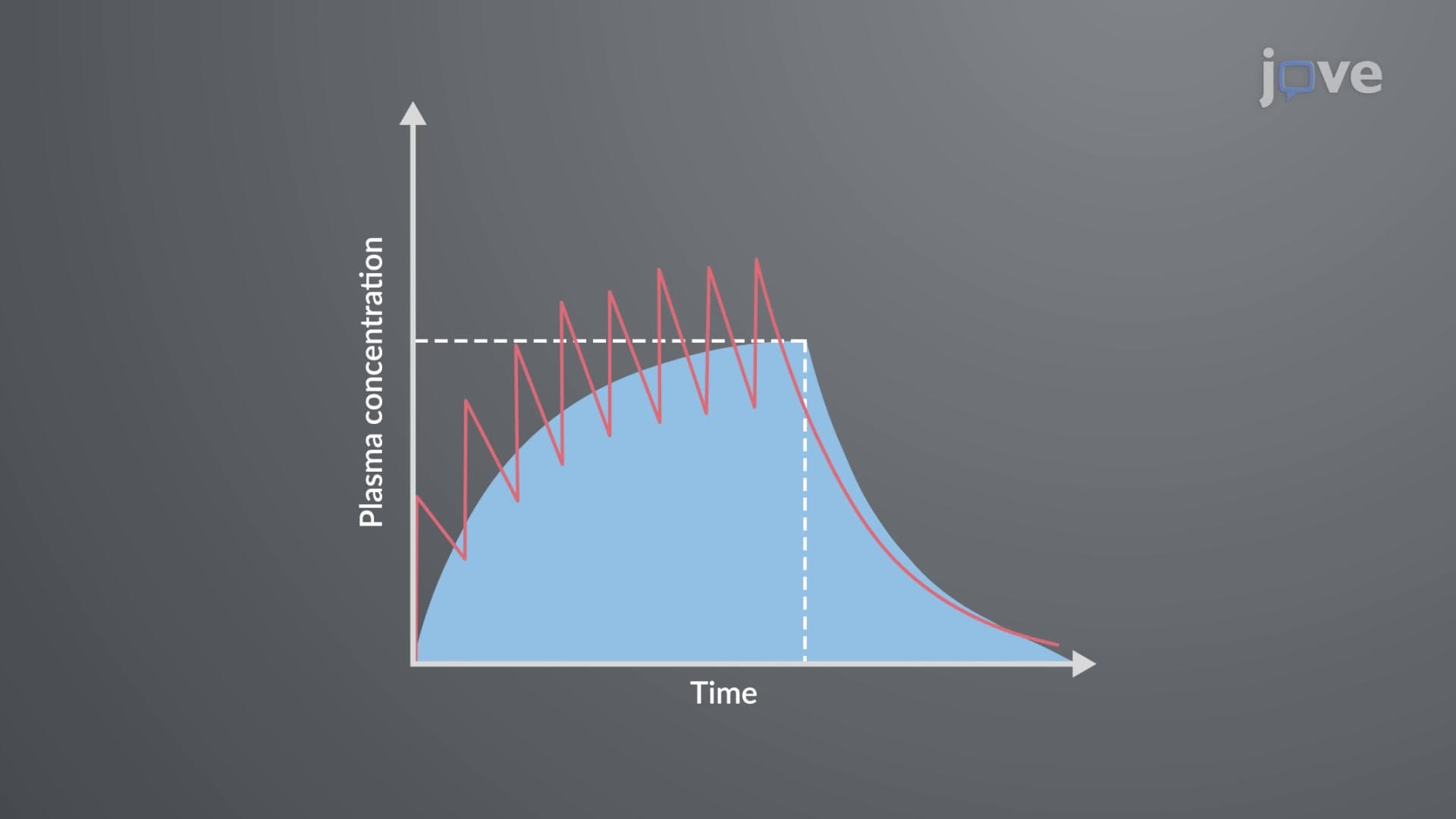

Video Summary: Compartment Models Single Compartment Model Explained
Ever wonder how the FDA calculates safe dosing for medications like insulin or antibiotics? Compartment models single compartment theory treats your entire body as one perfectly mixed container-imagine dropping food coloring into a glass of water and watching it spread instantly. This foundational pharmacokinetic principle helps determine why a 200mg ibuprofen dose peaks in your bloodstream within hours, then gradually disappears. The Compartment Models Single Compartment Model Explained concept reveals how drugs distribute and eliminate from your body following predictable mathematical patterns. Watch the full video on JoVE Coach to master this concept with expert-led visuals and step-by-step explanations.
The compartment models single compartment approach revolutionizes how pharmacologists understand drug behavior in living systems. This mathematical framework treats the entire human body as a single, well-mixed vessel-similar to a laboratory beaker where added substances distribute uniformly and instantly. When healthcare providers at Mayo Clinic or Johns Hopkins administer IV medications, they rely on single-compartment principles to predict therapeutic outcomes and avoid toxicity.
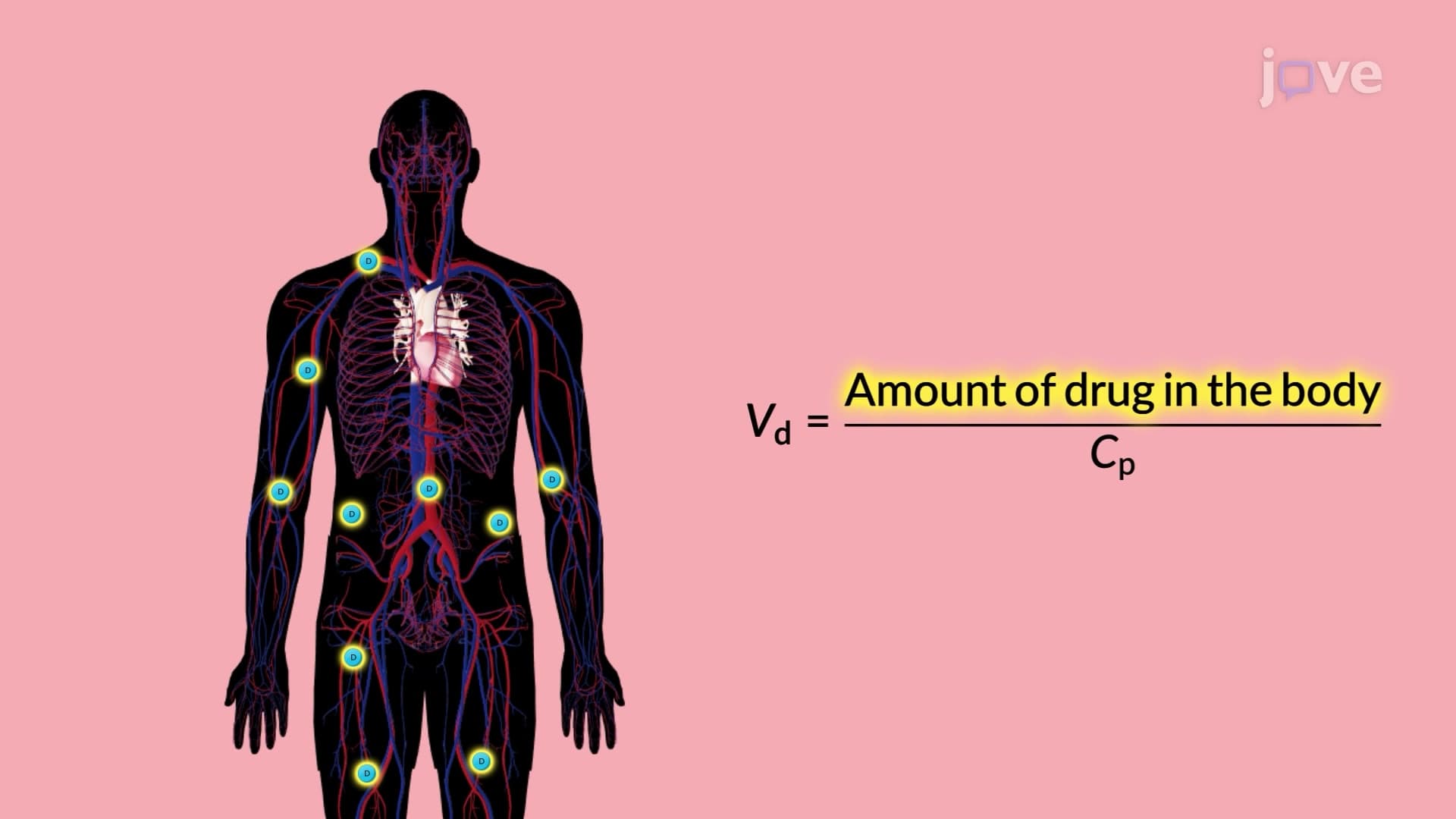
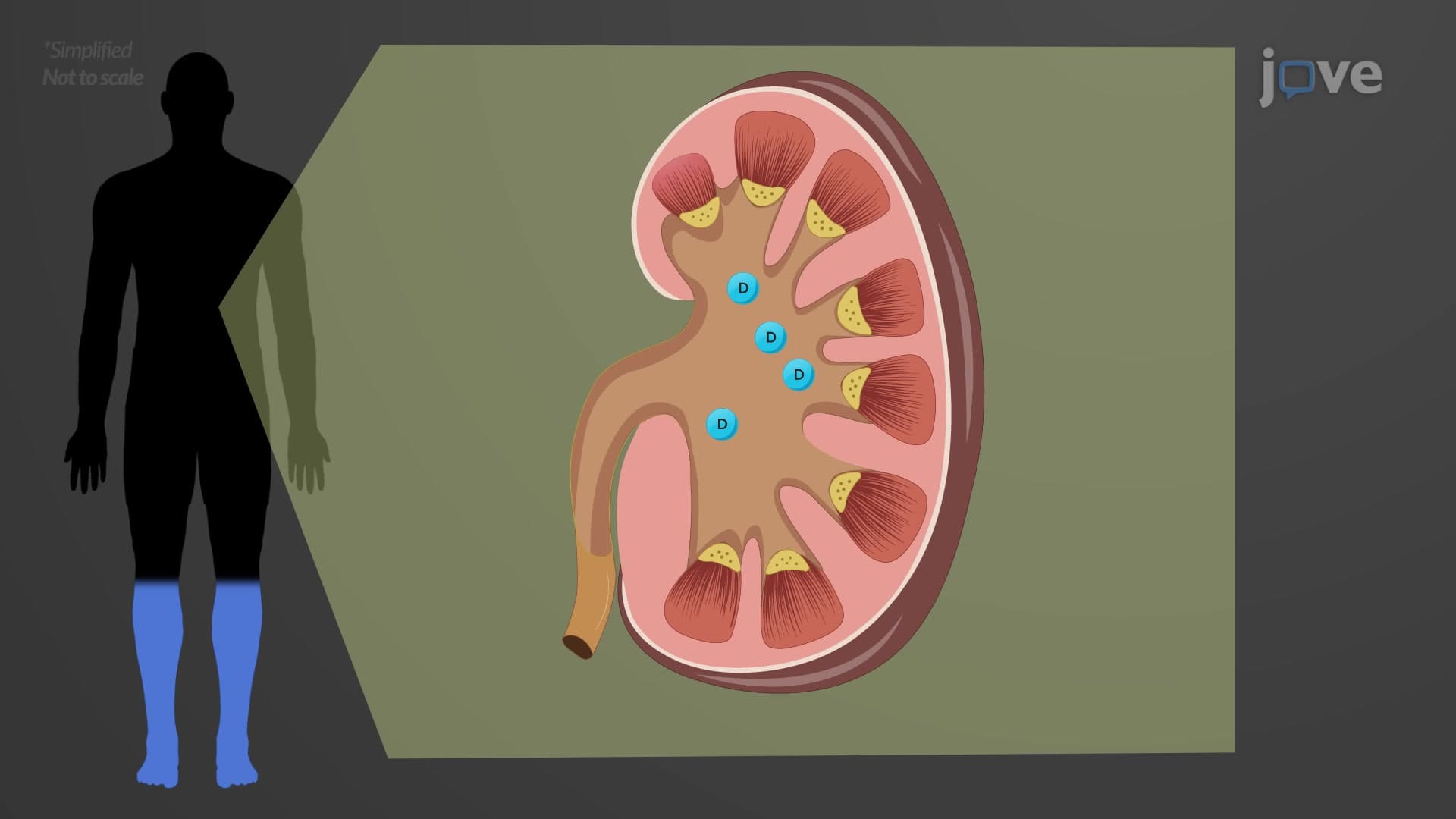
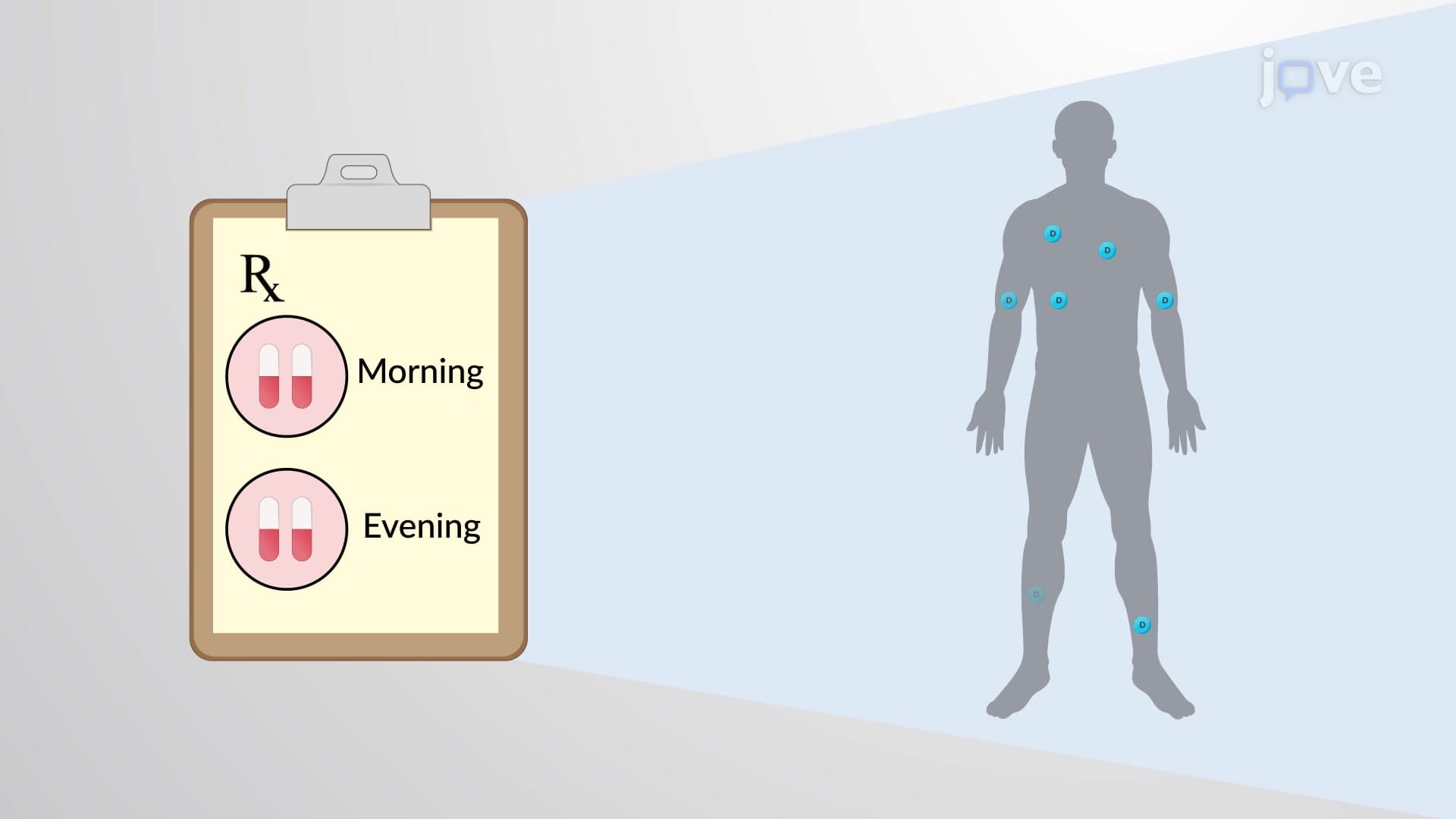
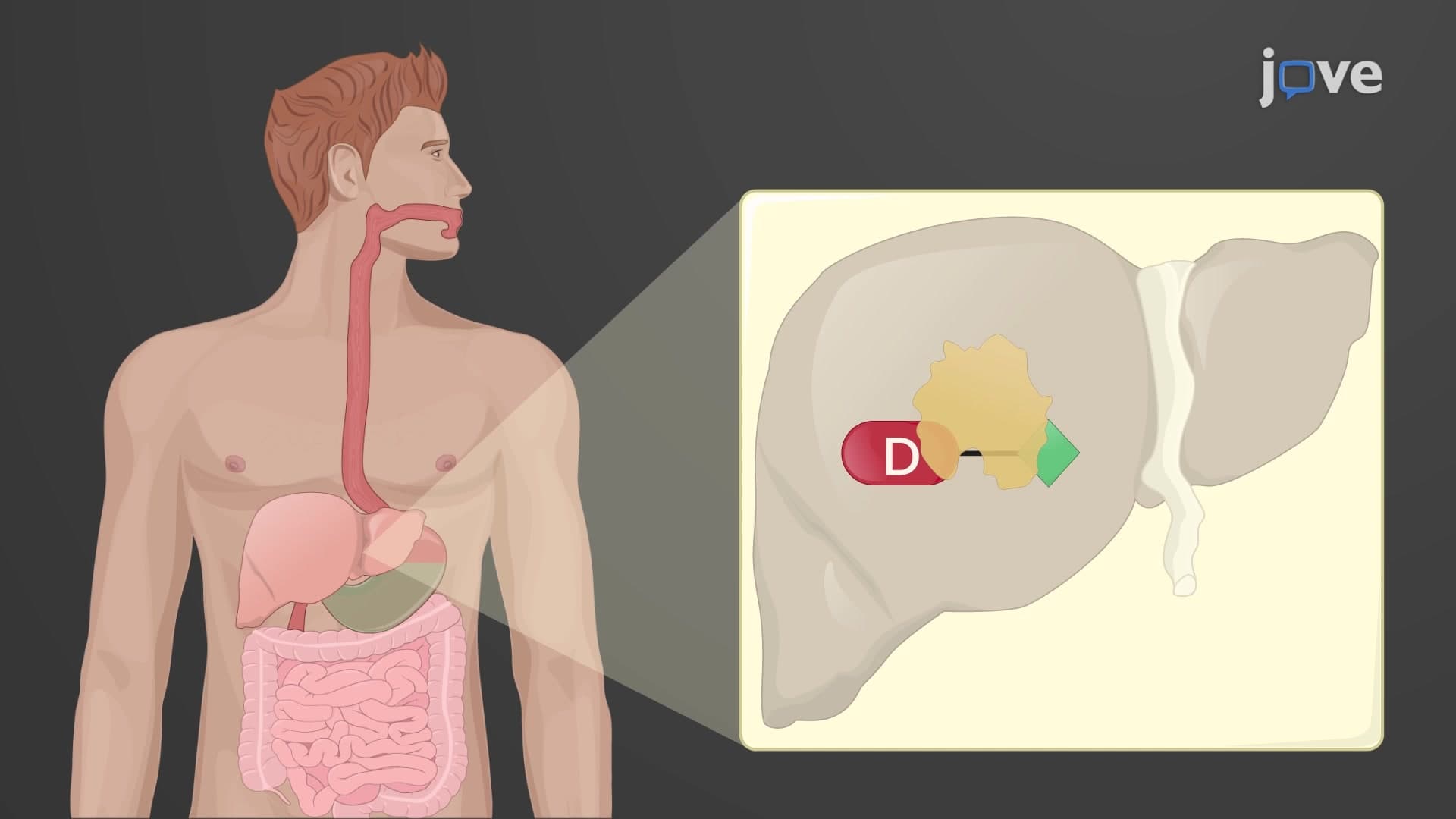
The apparent volume of distribution represents a theoretical space where administered drugs can spread. For water-soluble medications like gentamicin, this volume approximates total body water (approximately 42 liters in average adults). Lipophilic drugs like diazepam have much larger apparent volumes because they penetrate fatty tissues extensively. Drug clearance follows first-order kinetics, meaning elimination rate directly correlates with plasma concentration-higher concentrations lead to faster removal through liver metabolism and kidney excretion.
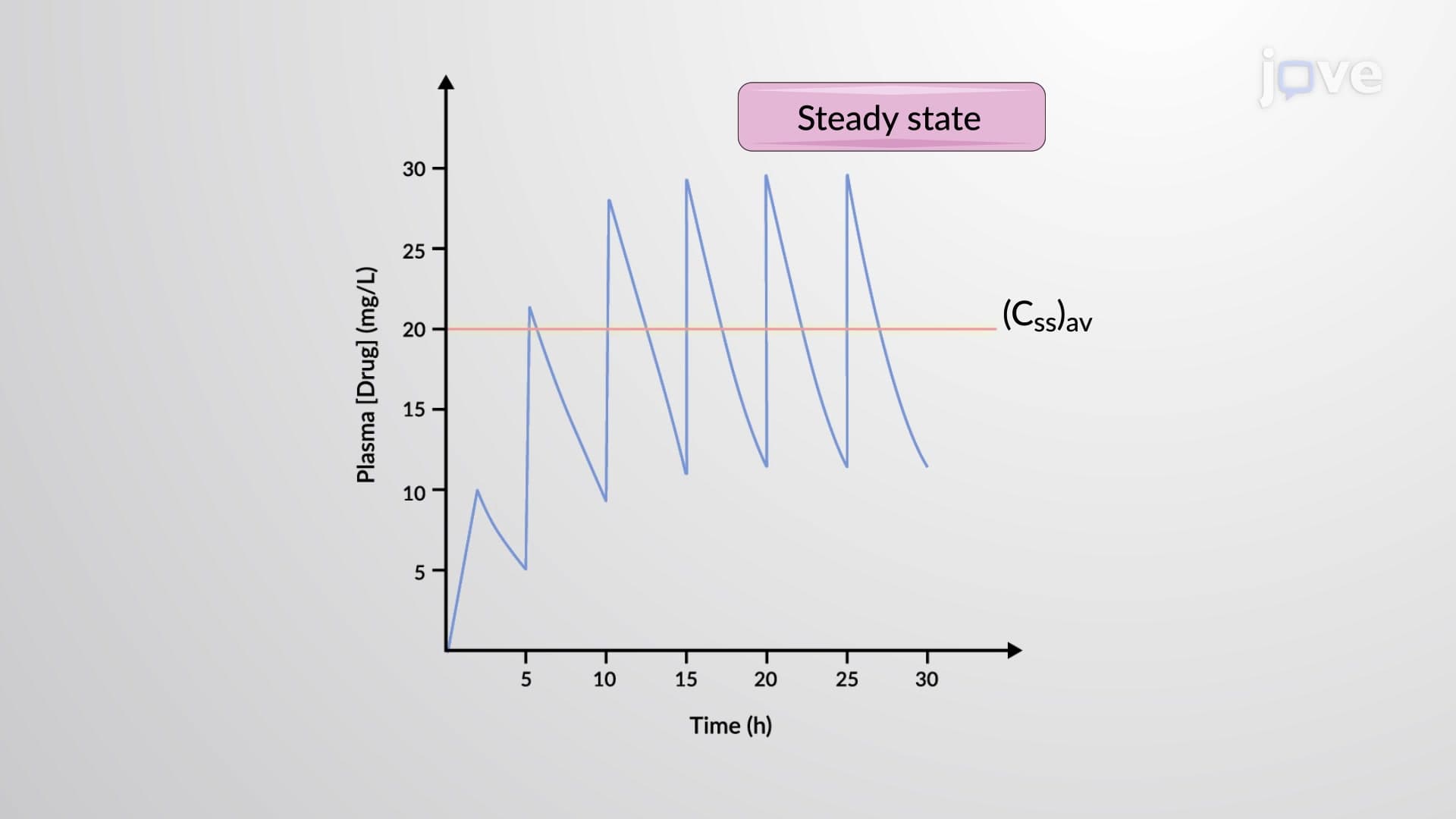
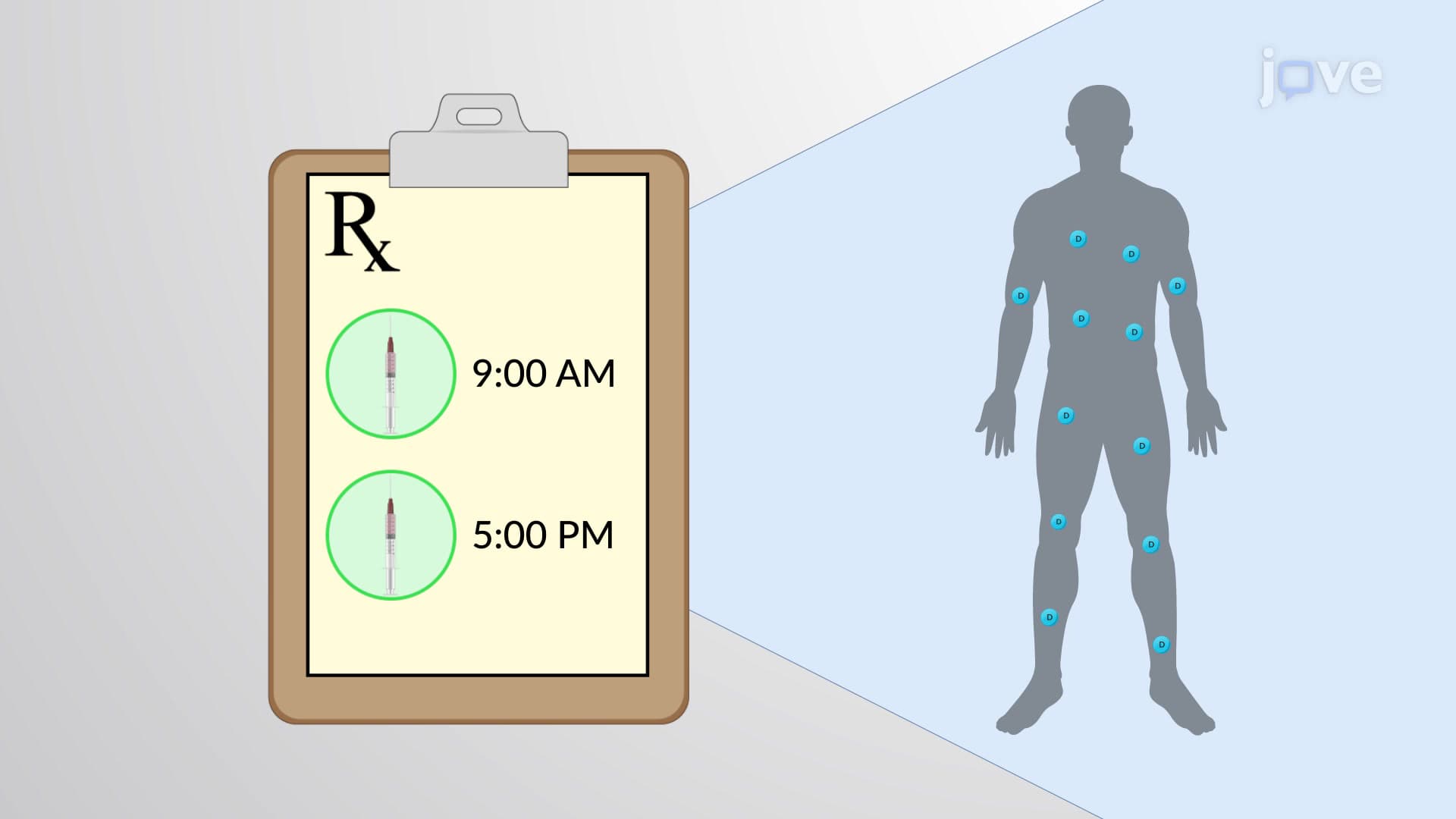
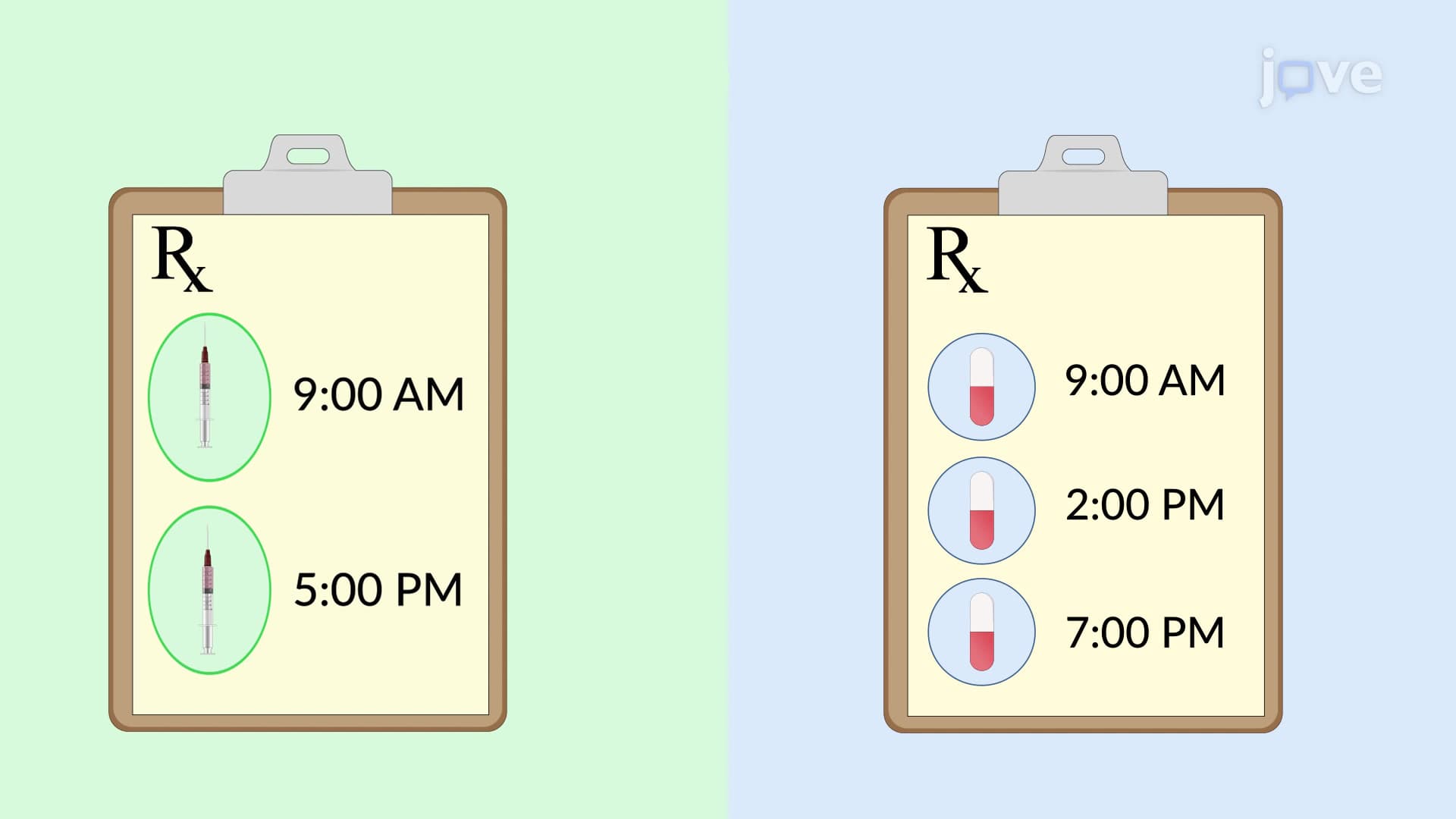
Continuous infusions reach steady-state concentrations when drug input equals elimination rate. This principle guides intensive care units across American hospitals when administering medications like dopamine or propofol. The time to reach 95% steady-state typically requires five elimination half-lives, regardless of infusion rate. Multiple discrete doses produce fluctuating plasma levels around the same mean steady-state value achieved through continuous administration.
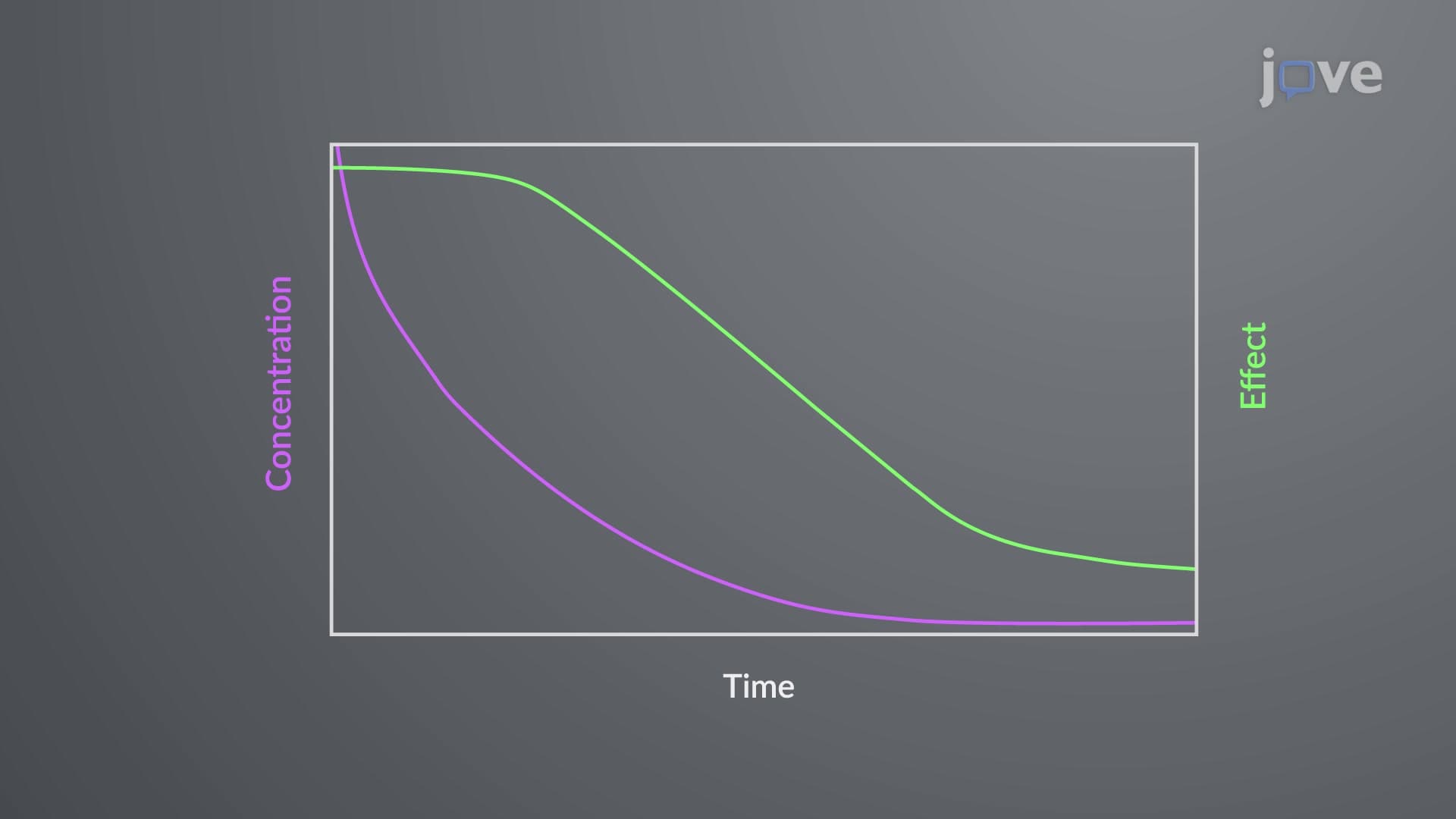
MCAT and USMLE Step 1 questions frequently test single-compartment concepts through calculation problems. Students encounter exponential decay equations: C(t) = C(0) × e^(-kt), where C(t) represents concentration at time t, C(0) is initial concentration, k is the elimination rate constant, and e represents Euler's number. Understanding these relationships proves essential for AP Biology students studying enzyme kinetics and college pharmacology courses covering therapeutic drug monitoring.
Related Micro-courses