Loading video…


 29 Concepts
 134.6K views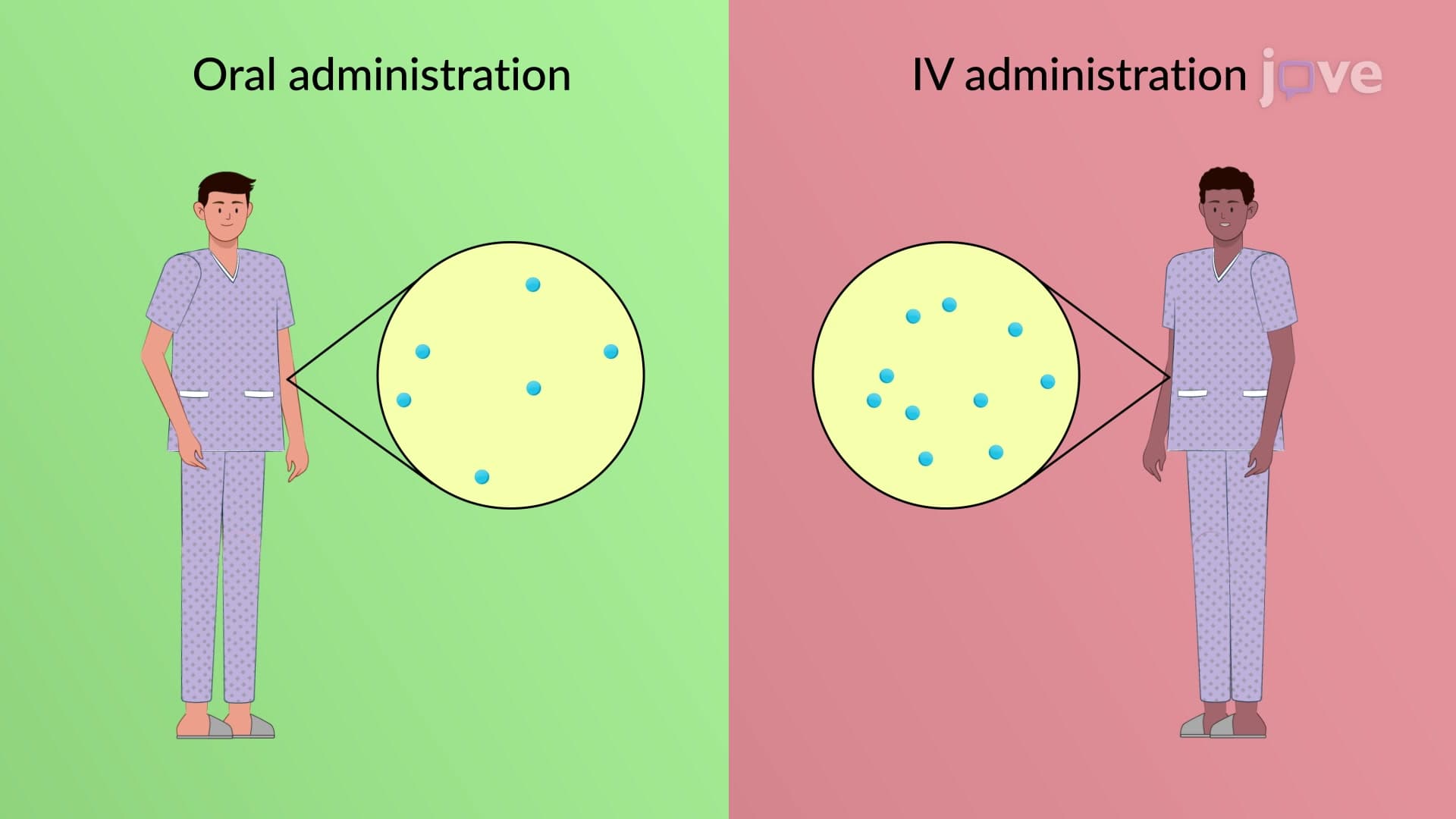

Video Summary: What Is Bioavailability
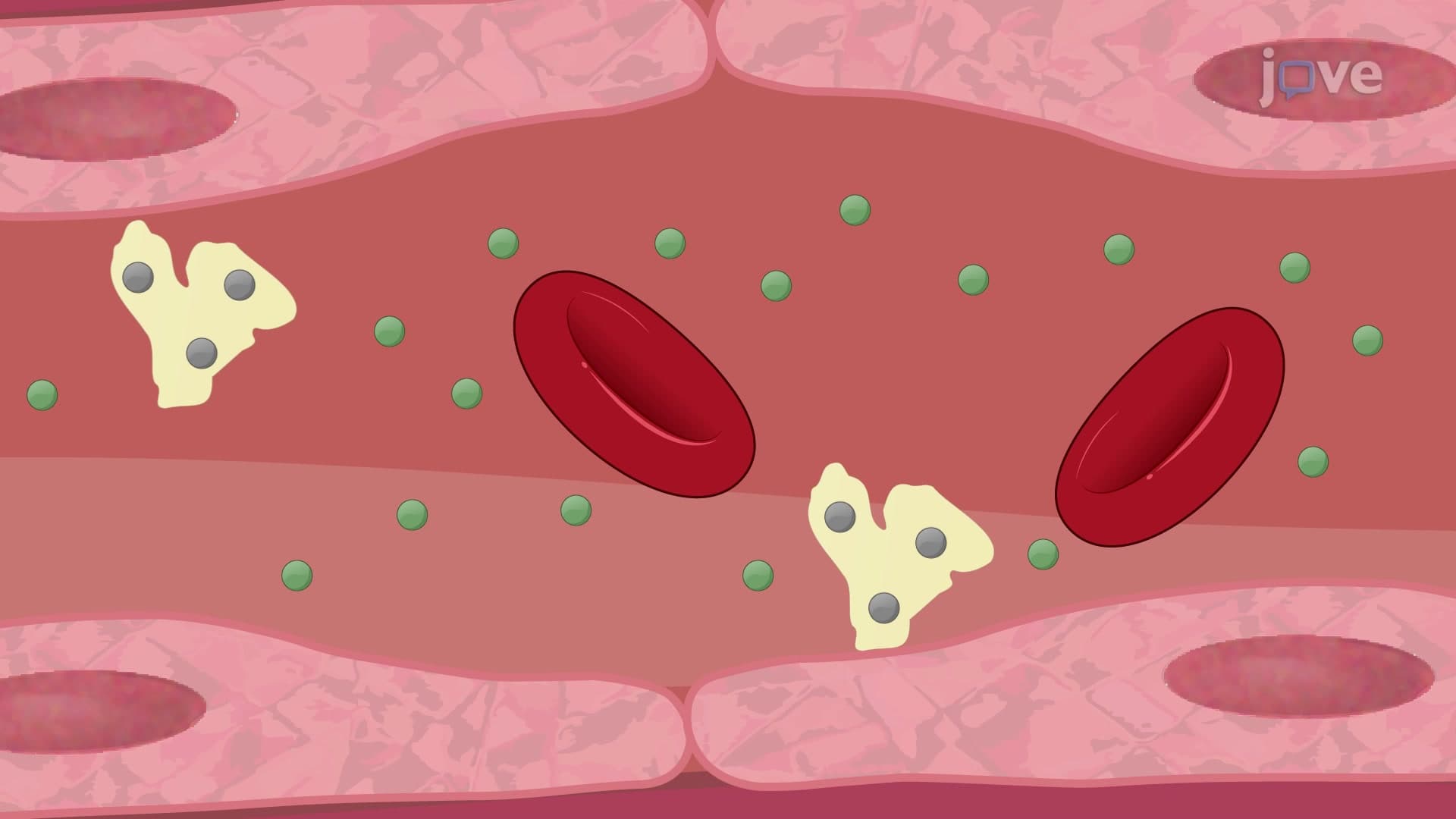
Ever wonder why an aspirin tablet doesn't work as instantly as an IV morphine drip in a hospital? The answer lies in bioavailability-the fraction of an administered drug that successfully reaches your bloodstream and becomes available to produce its therapeutic effect. When the FDA approves oral medications like ibuprofen, they must ensure adequate bioavailability compared to intravenous formulations. Watch the full video on JoVE Coach to master this concept with expert-led visuals and step-by-step explanations.
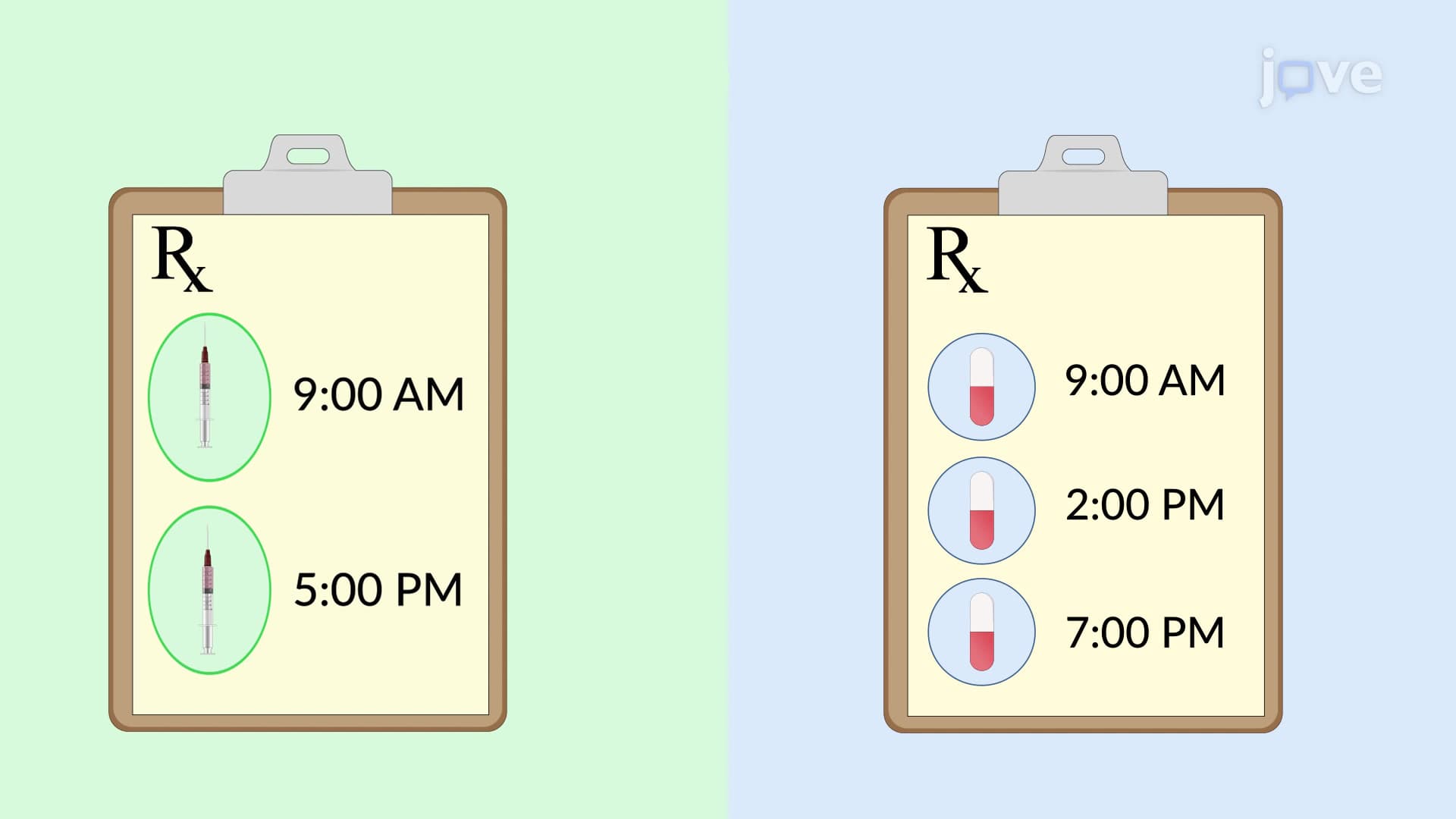
Bioavailability represents one of the most fundamental concepts in pharmacokinetics, directly impacting how effectively medications work in your body. Simply defined, bioavailability is the percentage of an administered drug dose that reaches the systemic circulation unchanged and becomes available to produce its intended therapeutic effect. This concept explains why your doctor might prescribe different doses of the same medication depending on whether you take it orally, receive it intravenously, or apply it topically.
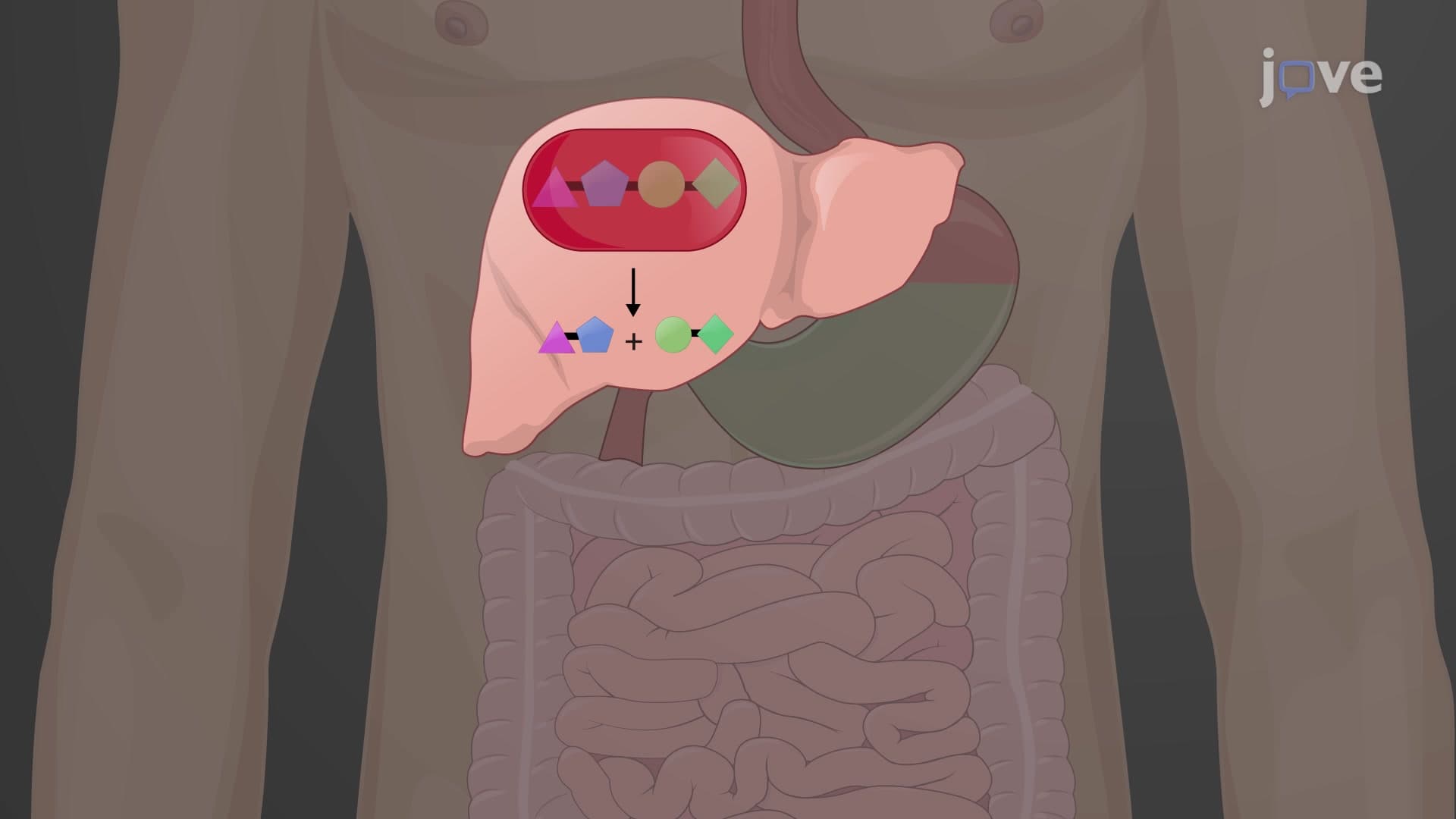
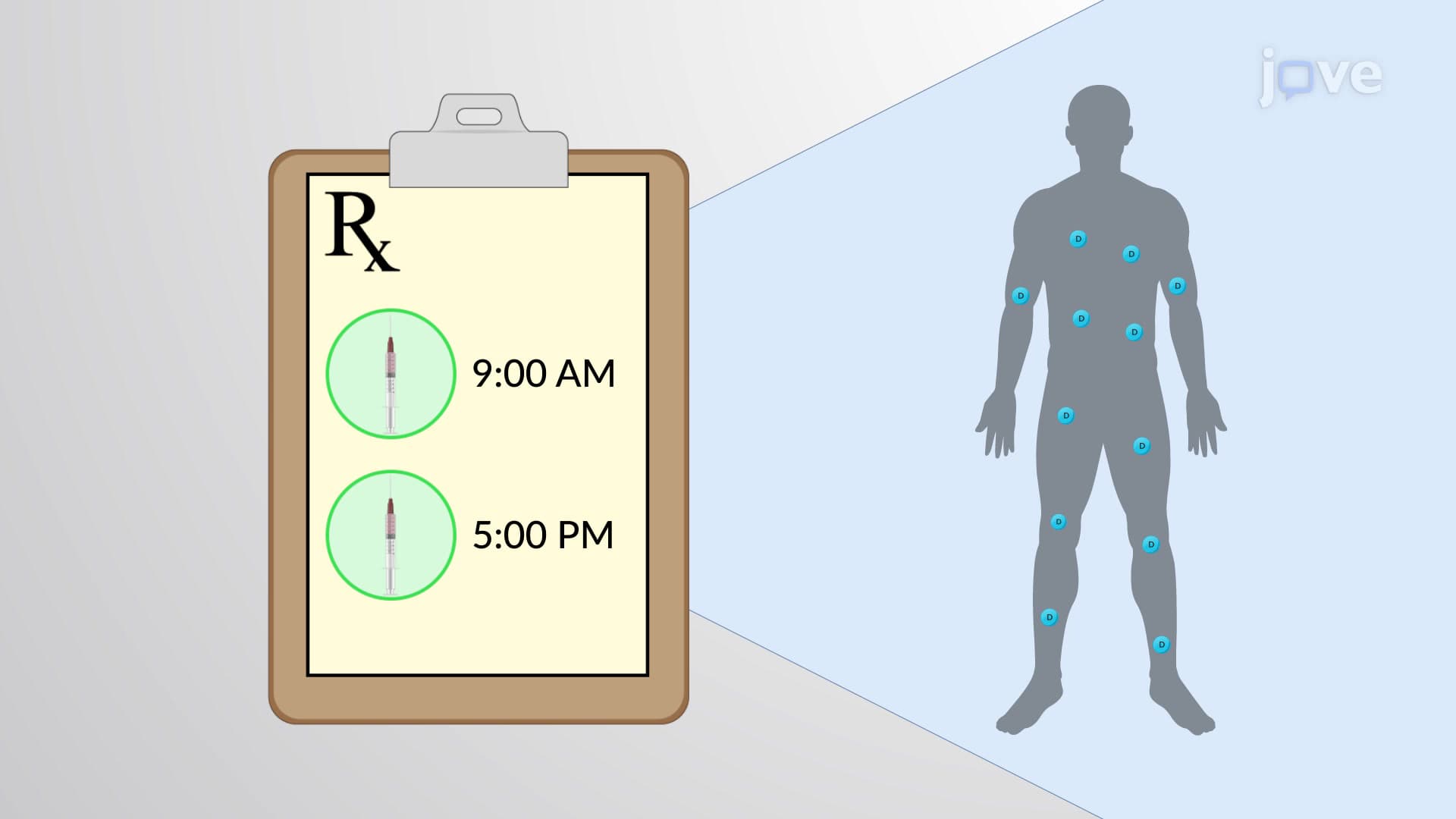
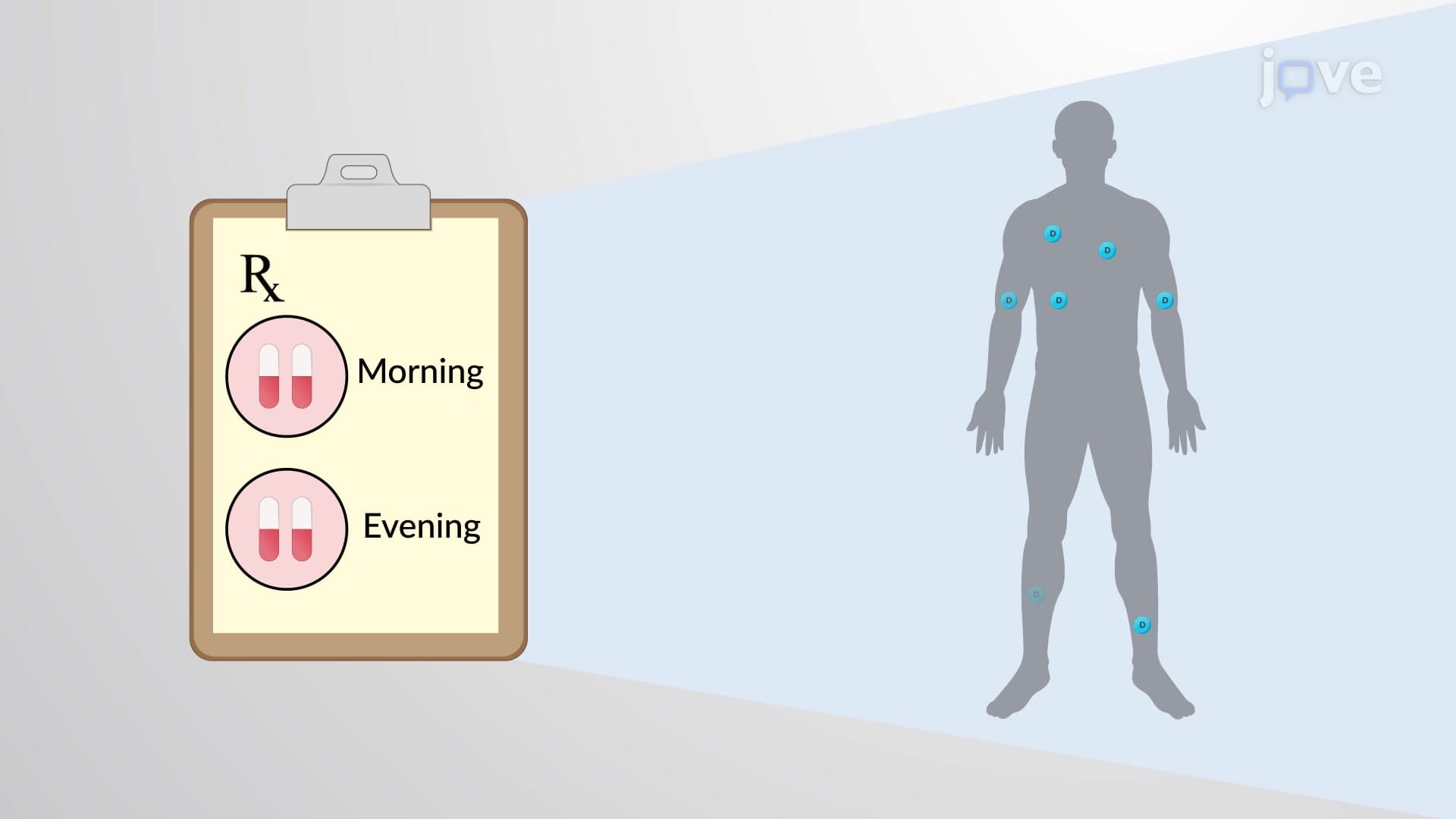
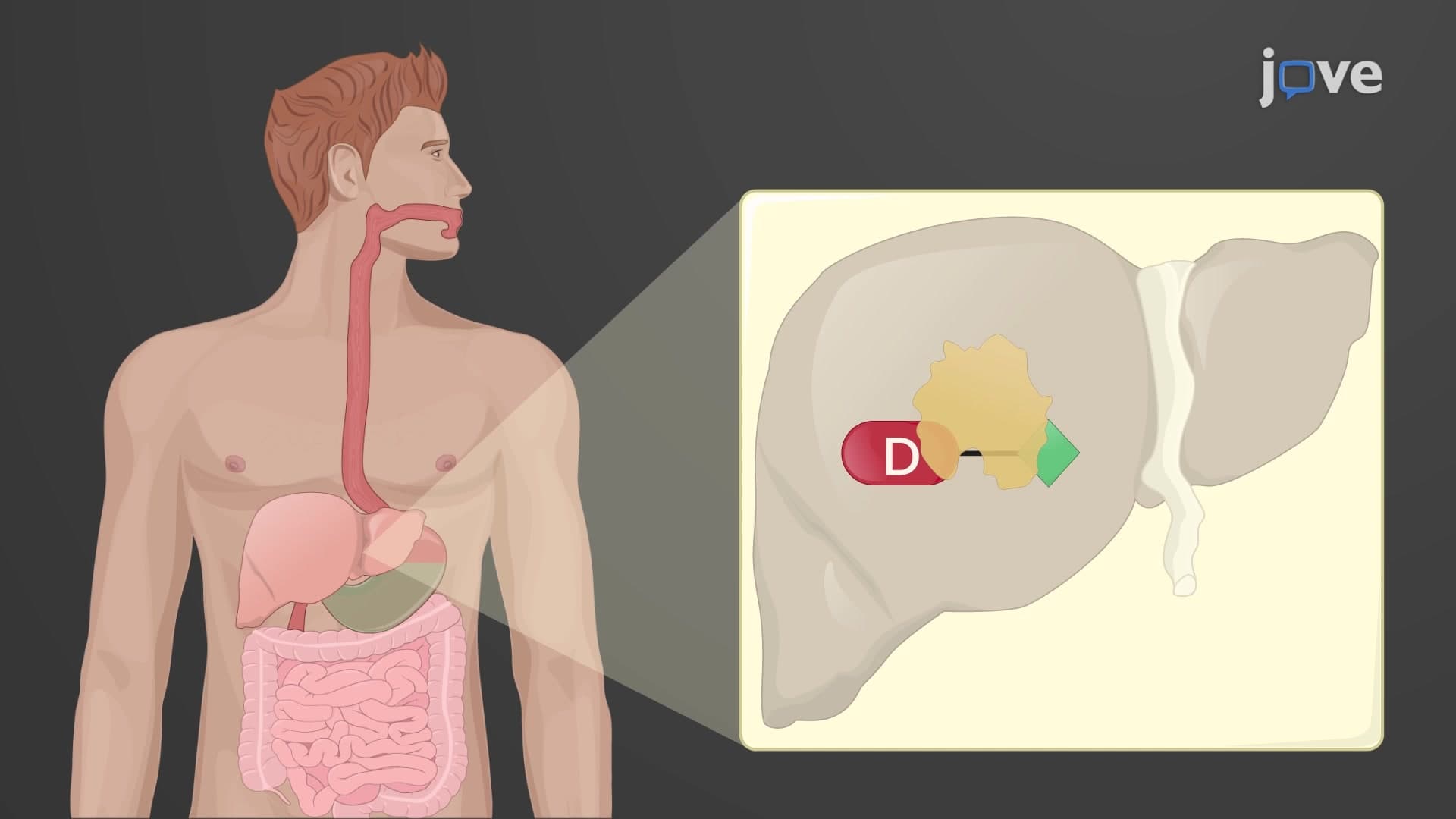
The route of drug administration dramatically influences bioavailability outcomes. Intravenous administration achieves 100% bioavailability by definition, since the entire drug dose enters the bloodstream directly, bypassing all absorption barriers. However, oral medications face significant challenges. After swallowing a pill, the drug must survive stomach acid, cross intestinal membranes, and navigate first-pass liver metabolism before reaching systemic circulation. This obstacle course often reduces oral bioavailability to 30-70% for many medications, explaining why oral doses frequently exceed IV doses for equivalent therapeutic effects.
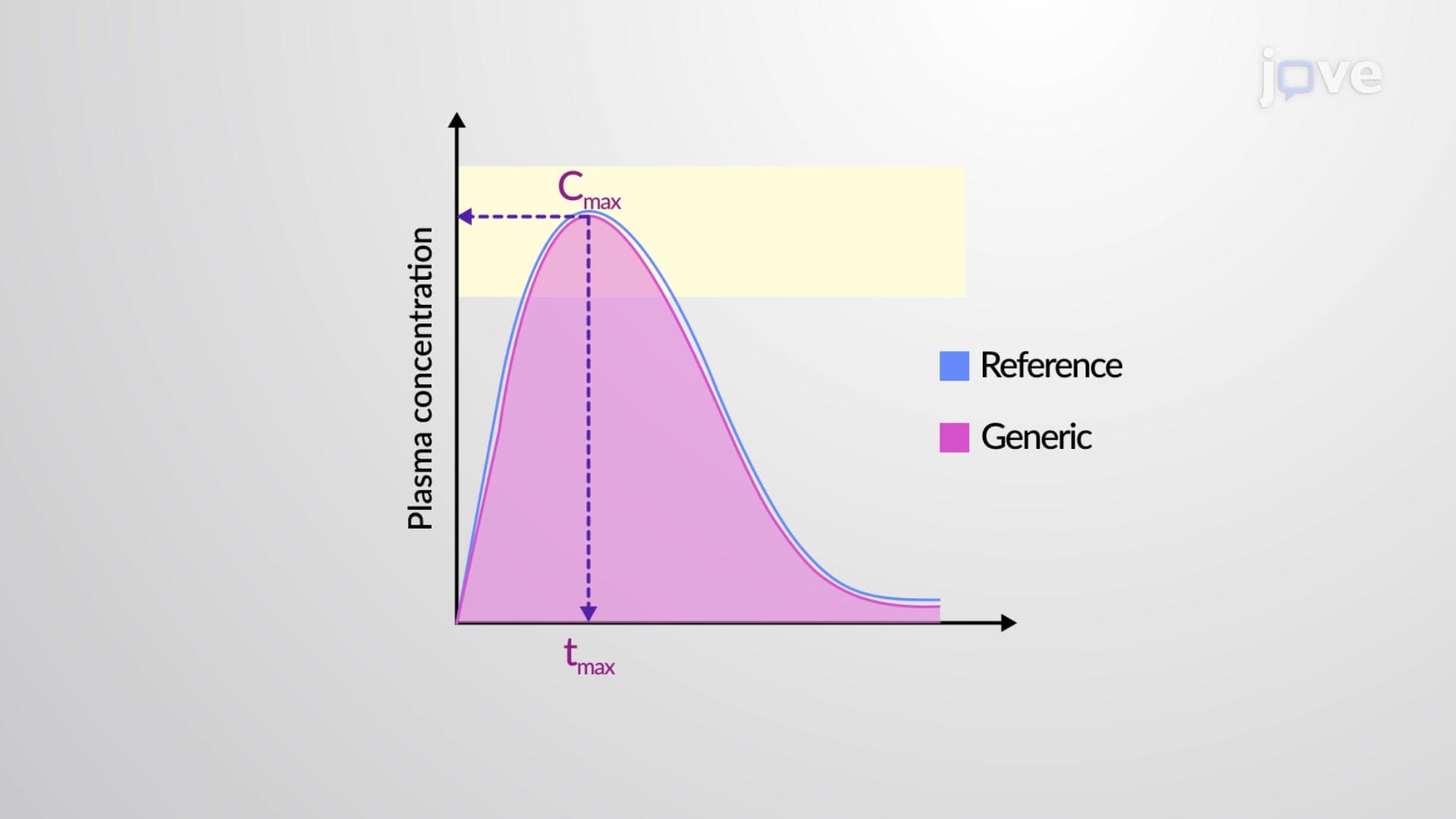
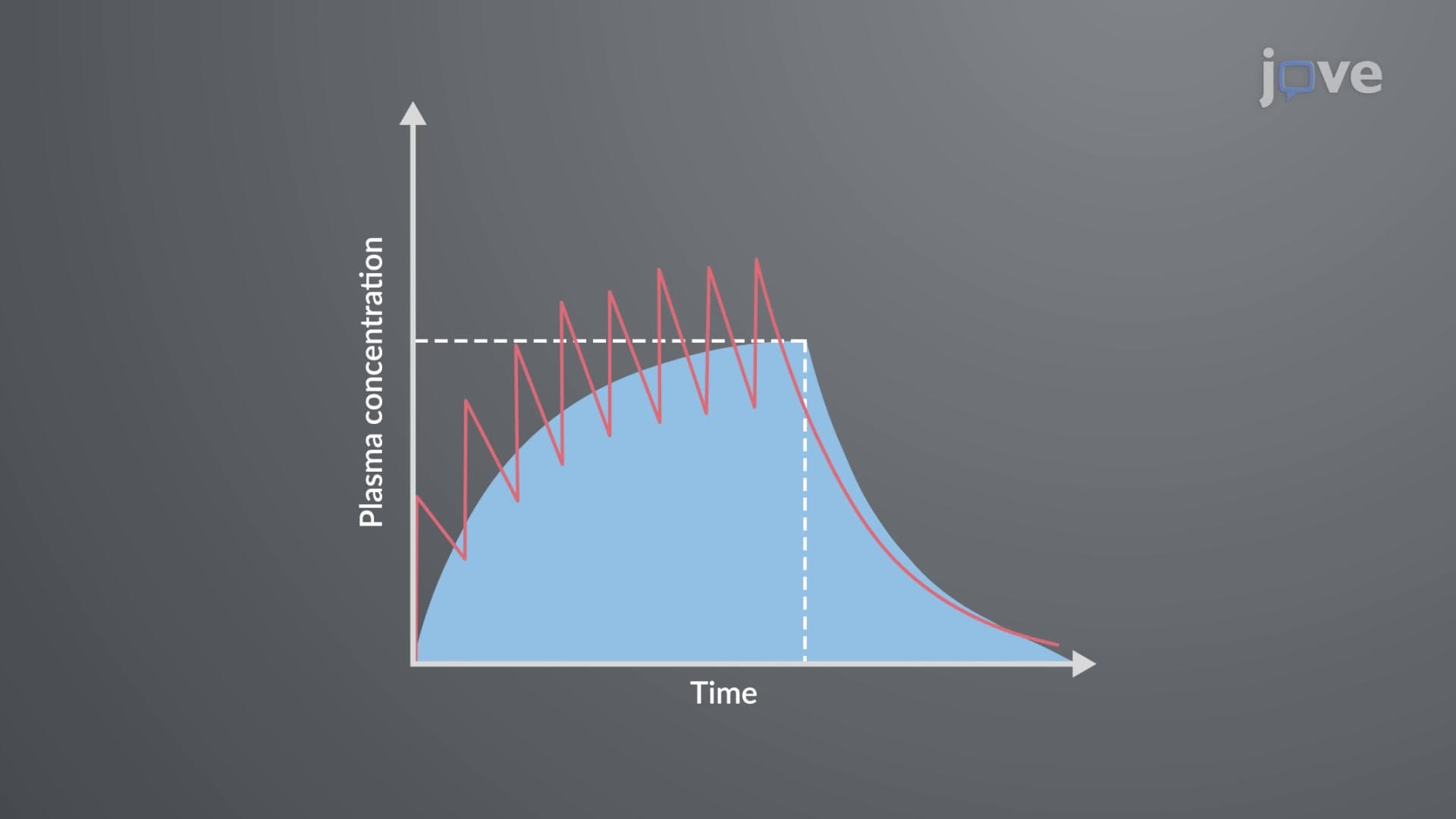
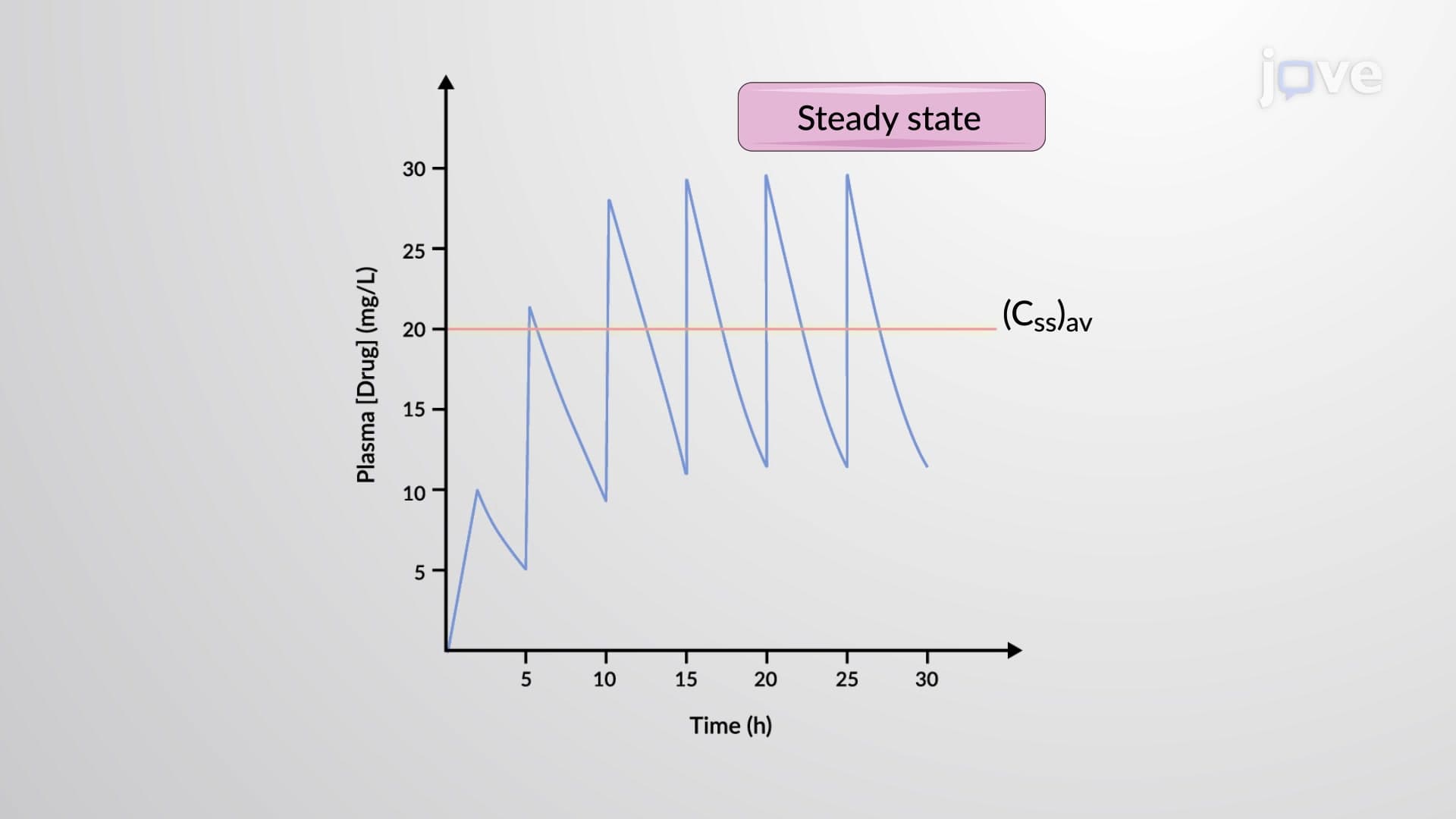
Pharmaceutical scientists determine bioavailability through carefully controlled studies comparing plasma drug concentrations over time. They plot concentration-time curves for both oral and intravenous administration of identical drug doses, then calculate the area under each curve (AUC). The bioavailability fraction equals the ratio of oral AUC to IV AUC, multiplied by 100 to express as a percentage. For instance, if an oral medication produces an AUC of 400 ng·h/mL while the same IV dose produces 500 ng·h/mL, the oral bioavailability would be 80%.
Understanding bioavailability proves essential for success in pre-health coursework and standardized exams like the MCAT, where pharmacokinetics questions frequently appear. Medical schools emphasize this concept because it directly impacts patient care-physicians must consider bioavailability when switching patients between oral and parenteral formulations. For example, when transitioning a patient from IV morphine to oral oxycodone for pain management, healthcare providers must account for the significantly lower oral bioavailability to maintain equivalent analgesic effects. This knowledge also guides pharmaceutical development, where companies invest millions optimizing drug formulations to maximize bioavailability while maintaining safety profiles.
Related Micro-courses