Loading video…

 29 Concepts
 134.6K views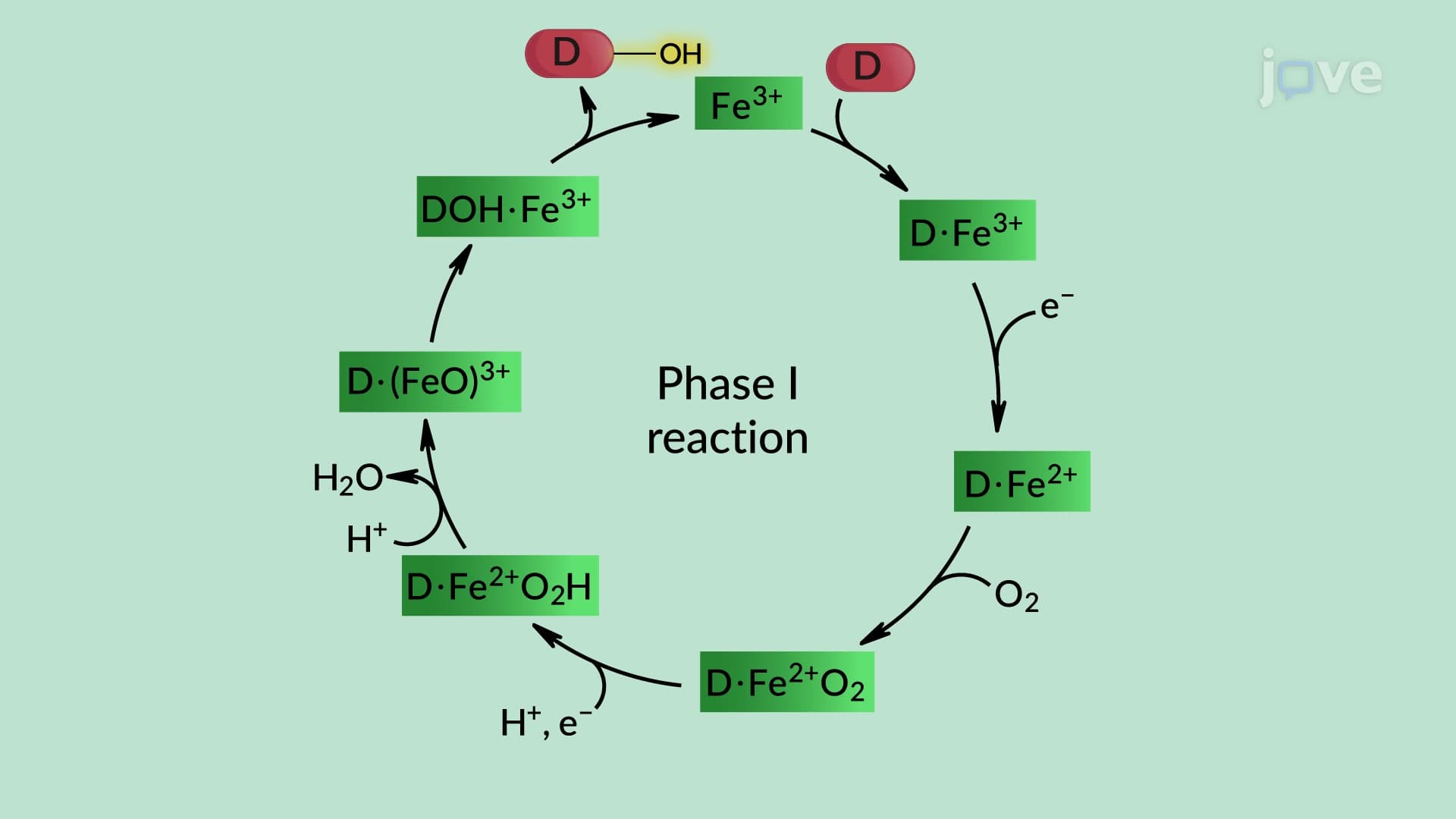

Video Summary: Drug Metabolism Phase I Reactions Explained
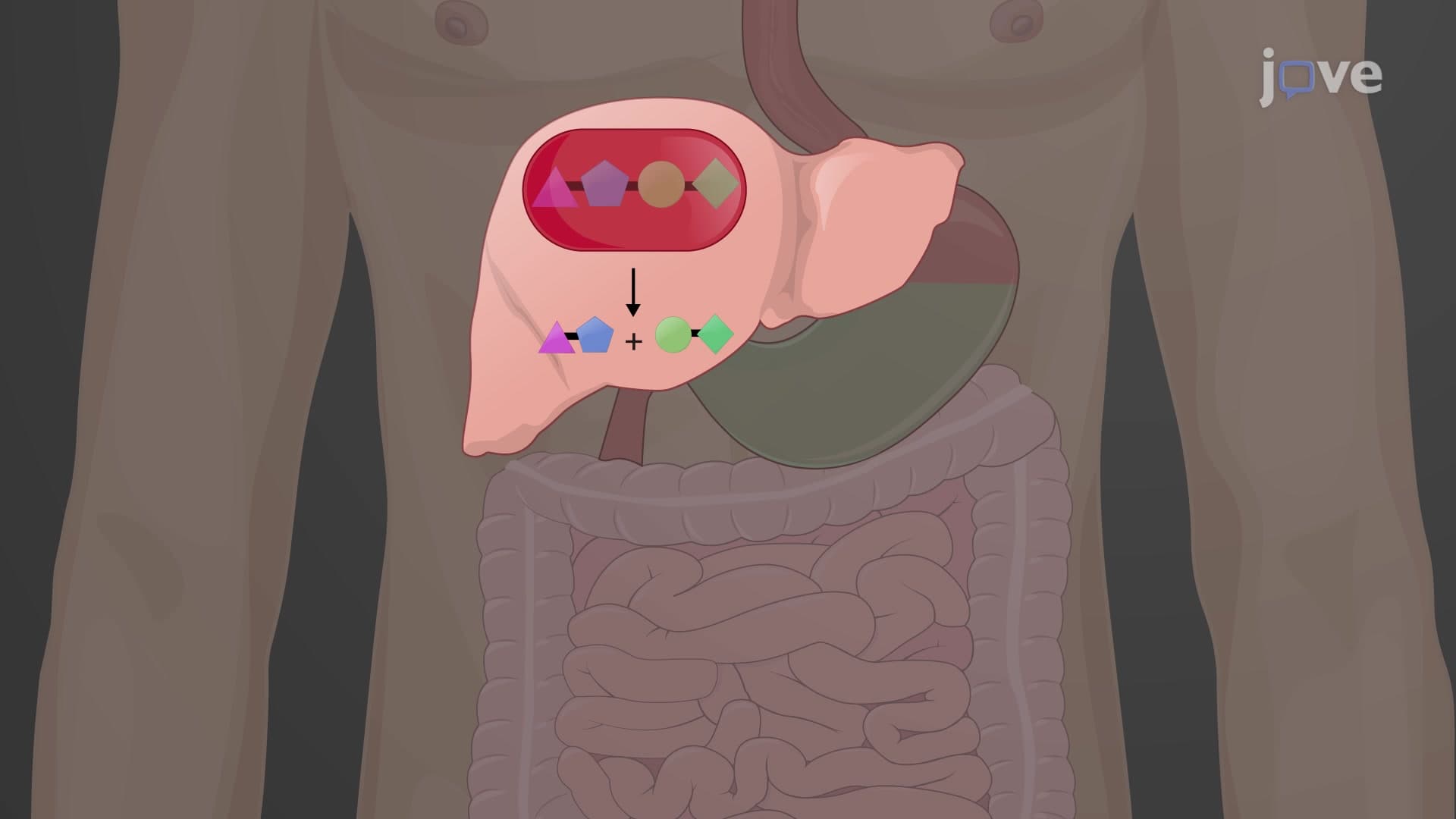
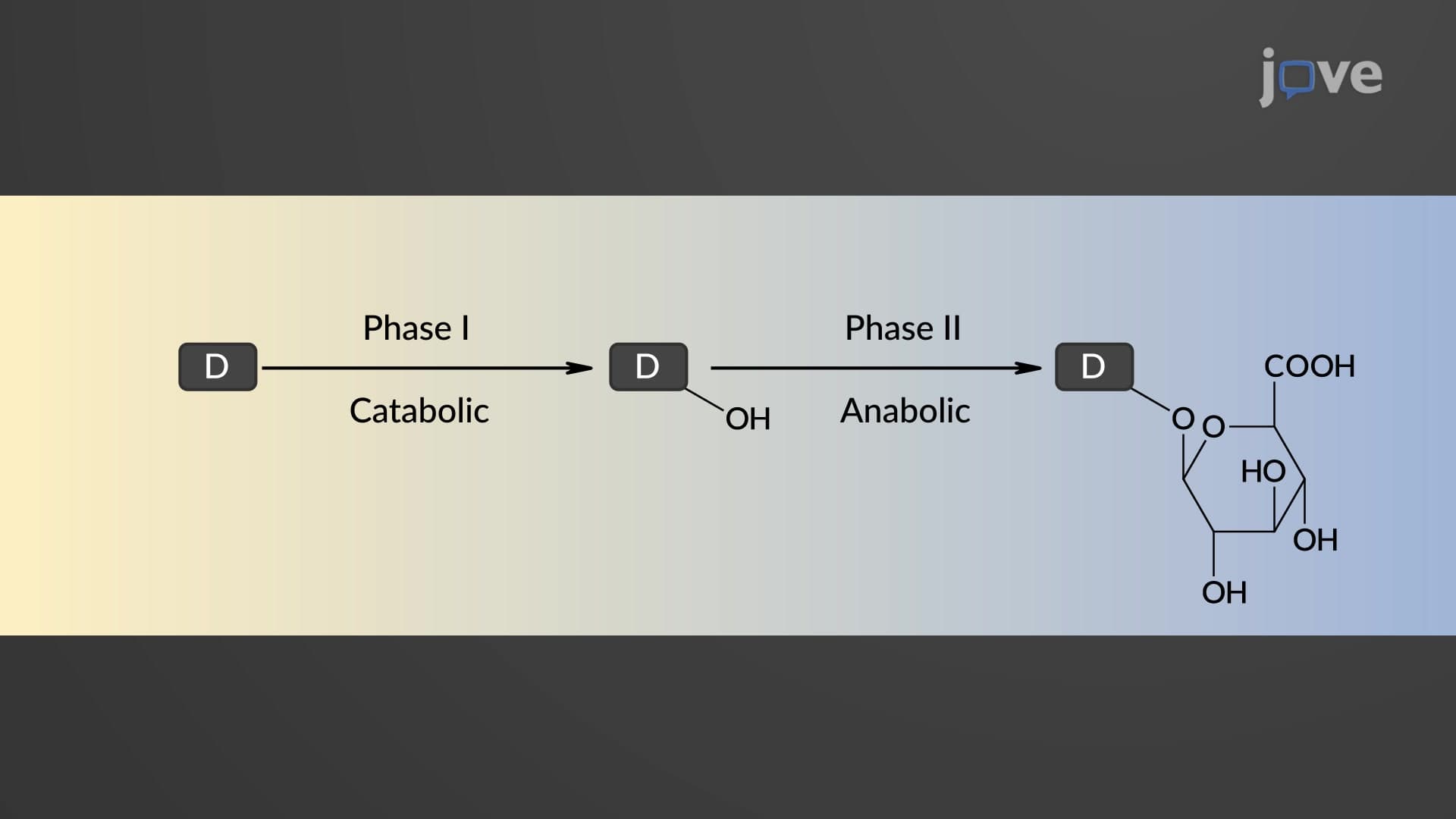
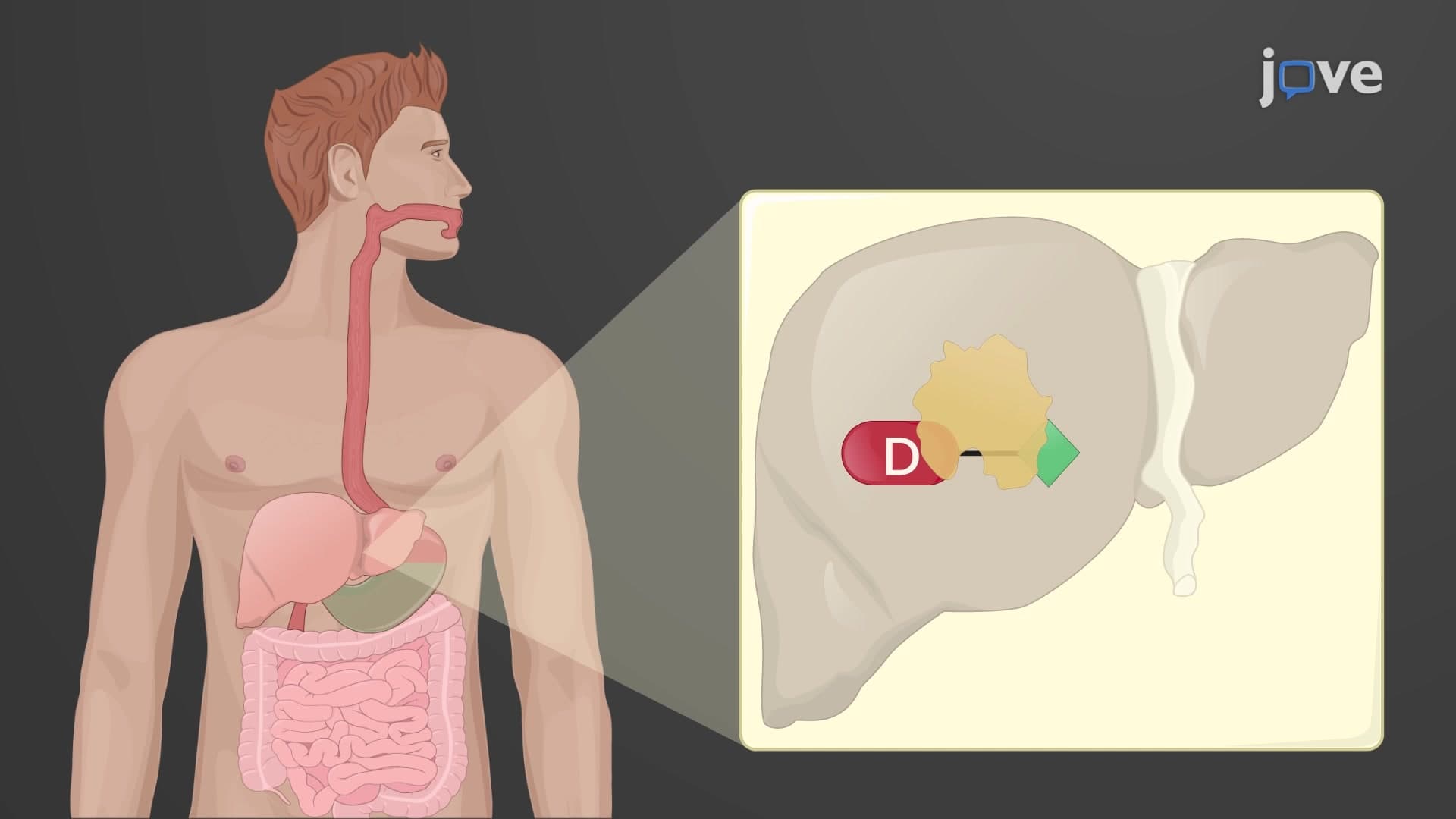
Ever wonder why acetaminophen (Tylenol) works differently in your body than alcohol? Drug metabolism phase I reactions are the first critical step your liver uses to process medications and foreign substances. These reactions introduce polar groups like hydroxyl (-OH) to make drugs more water-soluble, essentially preparing them for elimination through urine. For example, when you take ibuprofen, your liver's cytochrome P450 enzymes immediately begin oxidizing it through phase I processes. Watch the full video on JoVE Coach to master this concept with expert-led visuals and step-by-step explanations.
Drug metabolism represents one of the most critical processes determining how medications work in your body. Phase I reactions serve as the initial transformation step, where enzymes modify the chemical structure of parent drugs to facilitate their eventual elimination. Unlike simple absorption or distribution, these reactions actively change the drug's molecular identity through oxidation, reduction, or hydrolysis reactions.
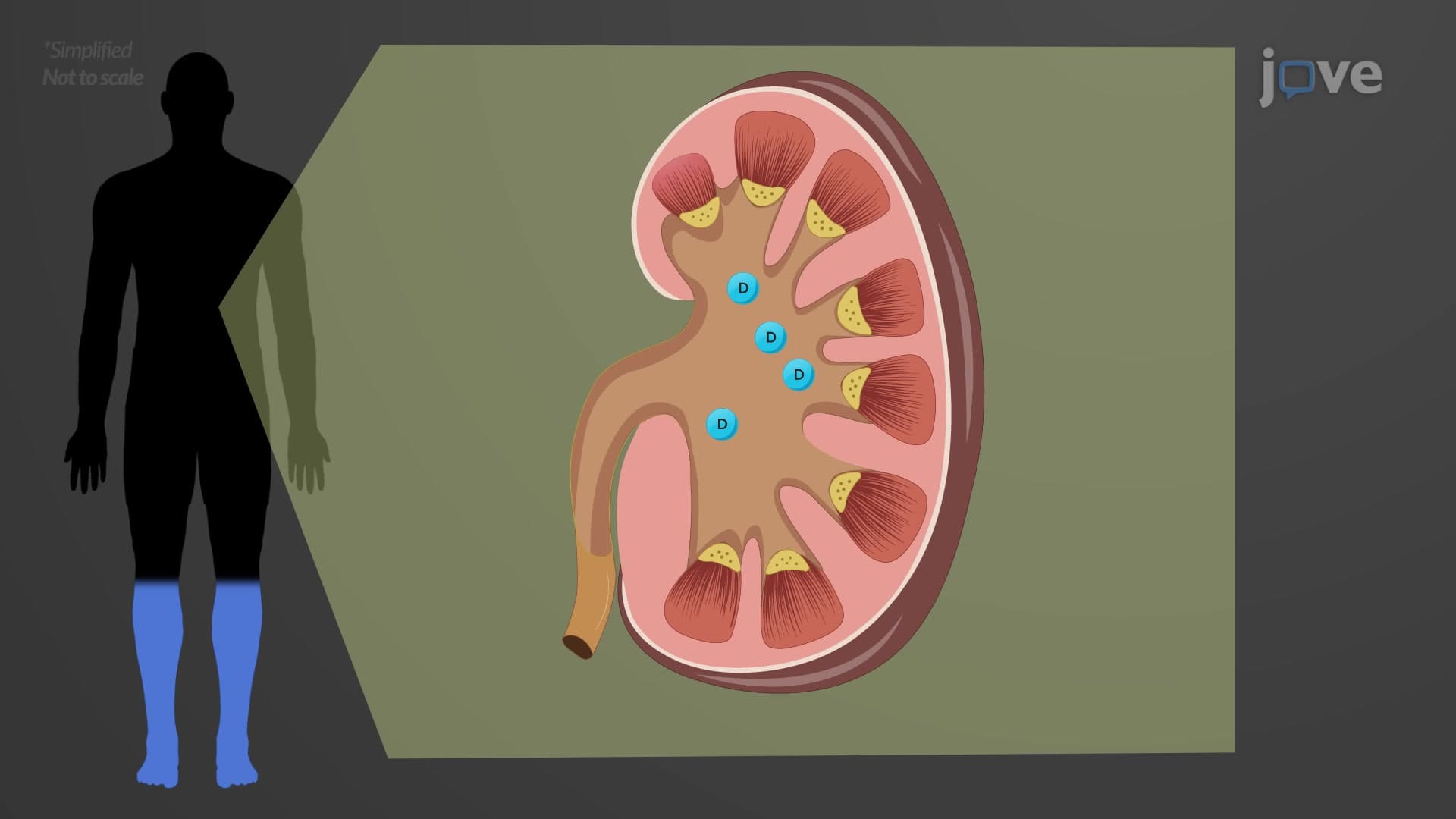
The primary goal of phase I metabolism involves introducing or exposing polar functional groups-particularly hydroxyl groups (-OH)-that increase water solubility. This polarity enhancement is crucial because your kidneys can only efficiently excrete water-soluble compounds through urine. Lipophilic (fat-loving) drugs would otherwise accumulate in fatty tissues indefinitely without these metabolic transformations.
The cytochrome P450 (CYP) enzyme family dominates phase I drug metabolism, accounting for approximately 75% of all drug biotransformation reactions. These heme-containing enzymes reside primarily in liver hepatocytes' smooth endoplasmic reticulum, though they're also found in kidneys, lungs, and intestines.
The CYP system includes multiple enzyme subtypes, with CYP3A4, CYP2D6, and CYP2C9 being most clinically relevant. For example, CYP3A4 metabolizes over 50% of prescription medications, including common drugs like atorvastatin (Lipitor), alprazolam (Xanax), and cyclosporine. Understanding which CYP enzymes metabolize specific drugs helps predict drug interactions-a critical concept tested on the MCAT and pharmacy school exams.
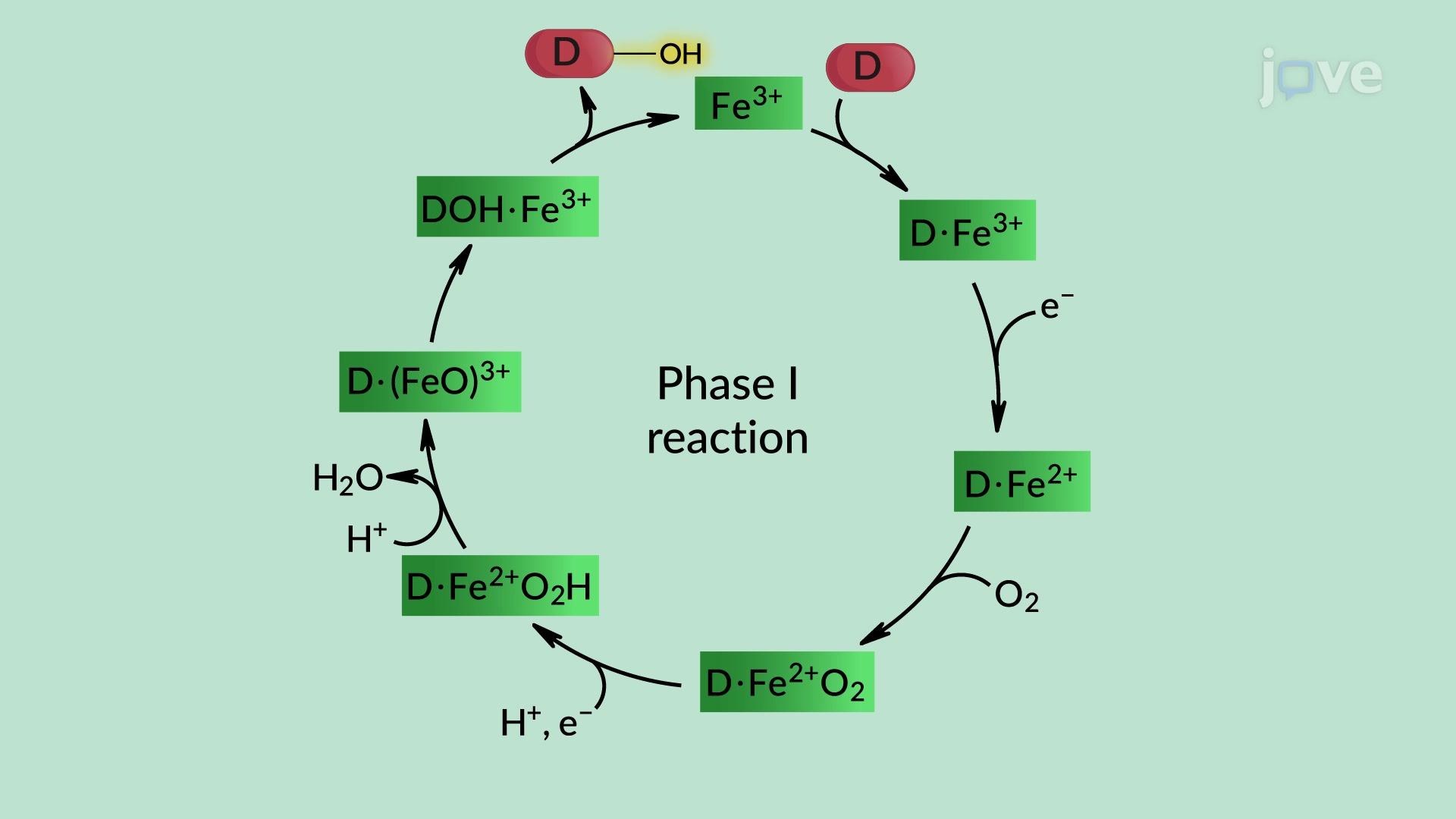
Phase I oxidation follows a sophisticated biochemical pathway called the monooxygenase cycle. This process begins when the oxidized form of cytochrome P450 binds to the substrate drug, forming a binary complex. NADPH-cytochrome P450 reductase then provides electrons to reduce this complex, enabling it to bind molecular oxygen (O2).
The reduced P450-drug-oxygen complex undergoes further electron transfer, creating an activated oxygen intermediate capable of inserting one oxygen atom into the drug molecule while reducing the other oxygen atom to water. This mechanism explains why these enzymes are called "monooxygenases"-they incorporate one oxygen atom into the substrate.
Consider acetaminophen metabolism: the drug undergoes CYP-mediated oxidation to form N-acetyl-p-benzoquinone imine (NAPQI), a reactive intermediate that's normally conjugated with glutathione. However, acetaminophen overdose depletes glutathione stores, allowing NAPQI to cause hepatotoxicity-a concept frequently tested on USMLE Step 1 and nursing board exams.
Phase I metabolism concepts appear extensively in standardized tests, particularly the MCAT Biochemistry section and pharmacy school admissions exams. Students should understand how genetic polymorphisms in CYP enzymes affect drug response-for instance, poor CYP2D6 metabolizers cannot effectively convert codeine to morphine, reducing analgesic effectiveness.
For AP Biology students, phase I reactions exemplify enzyme kinetics and biochemical pathways. College organic chemistry courses often examine the mechanistic details of P450-catalyzed oxidations, including the role of iron in the heme active site and electron transfer processes.
Related Micro-courses