Loading subject page…

134,556 views

Video Summary: What Is First Pass Effect
Ever wonder why some medications work better when placed under your tongue instead of swallowed? The first pass effect occurs when orally administered drugs get metabolized by intestinal enzymes and liver before reaching systemic circulation, dramatically reducing their effectiveness. For example, nitroglycerin tablets for heart conditions are given sublingually because oral administration would eliminate most of the drug through hepatic metabolism. Watch the full video on JoVE Coach to master this concept with expert-led visuals and step-by-step explanations.
The first pass effect represents one of the most critical concepts in pharmacokinetics, fundamentally determining how effectively oral medications work in patients. This phenomenon occurs when drugs administered by mouth undergo significant metabolism before reaching their target sites, often requiring higher doses or alternative delivery methods to achieve therapeutic effects.
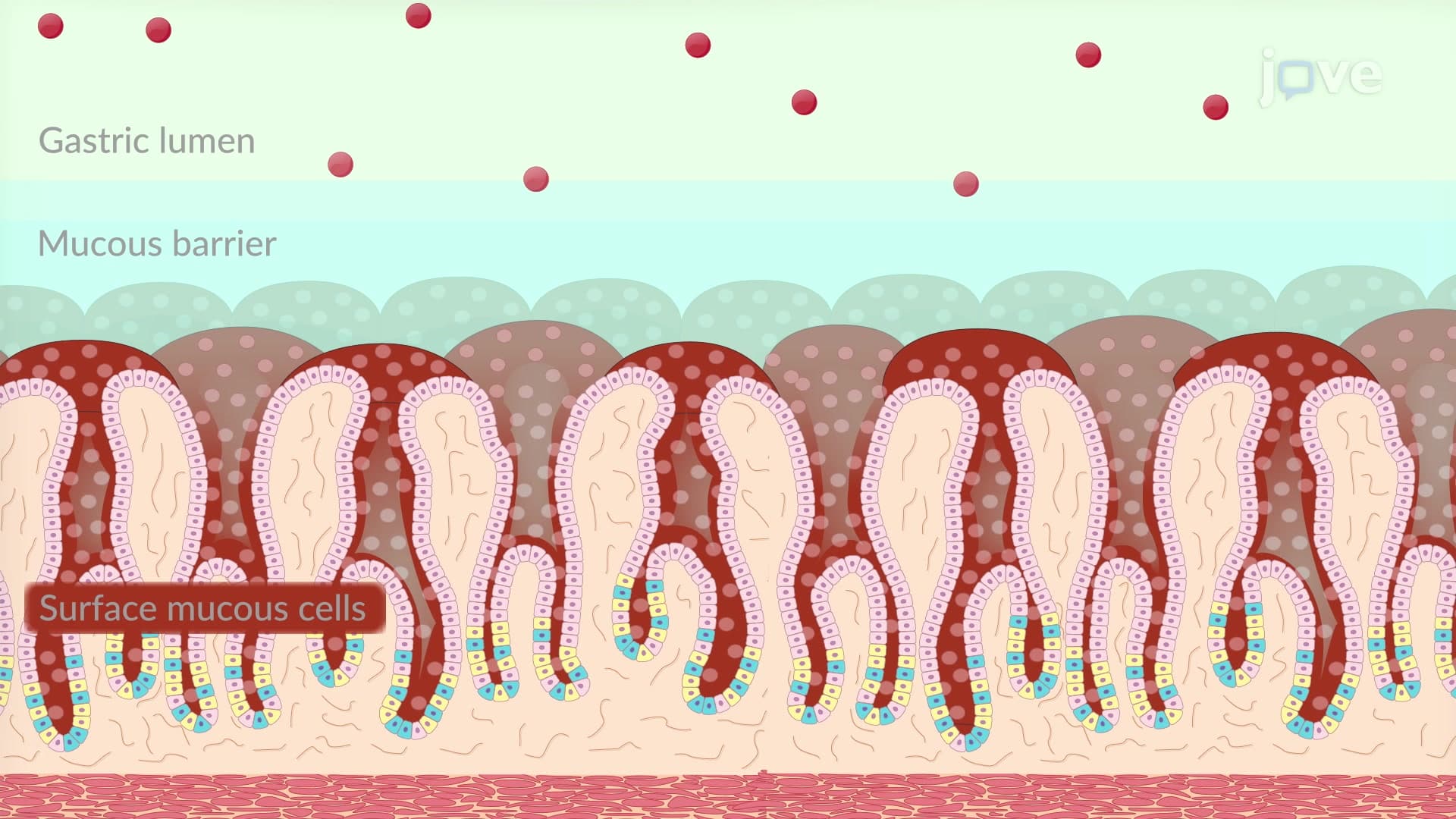
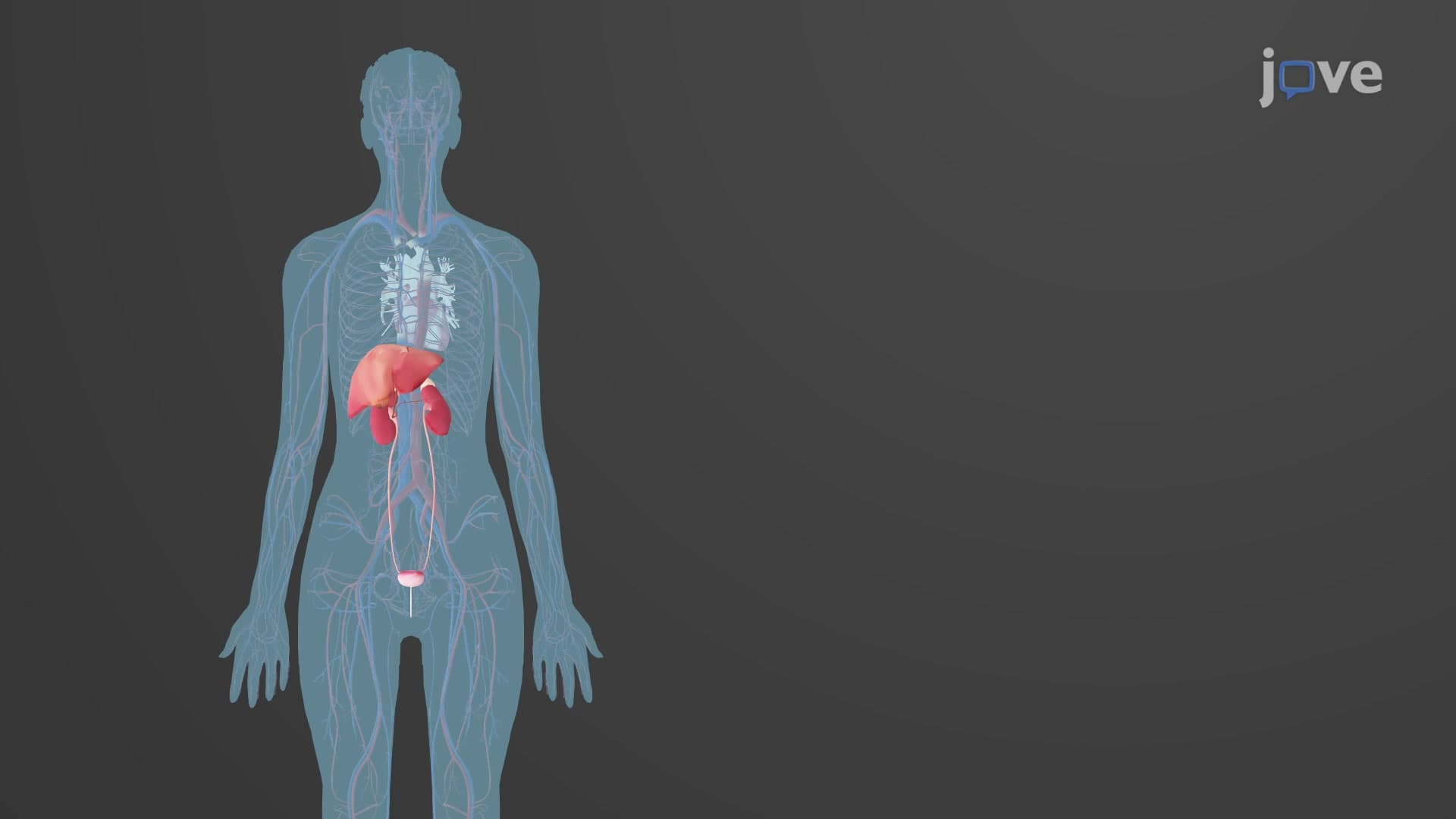
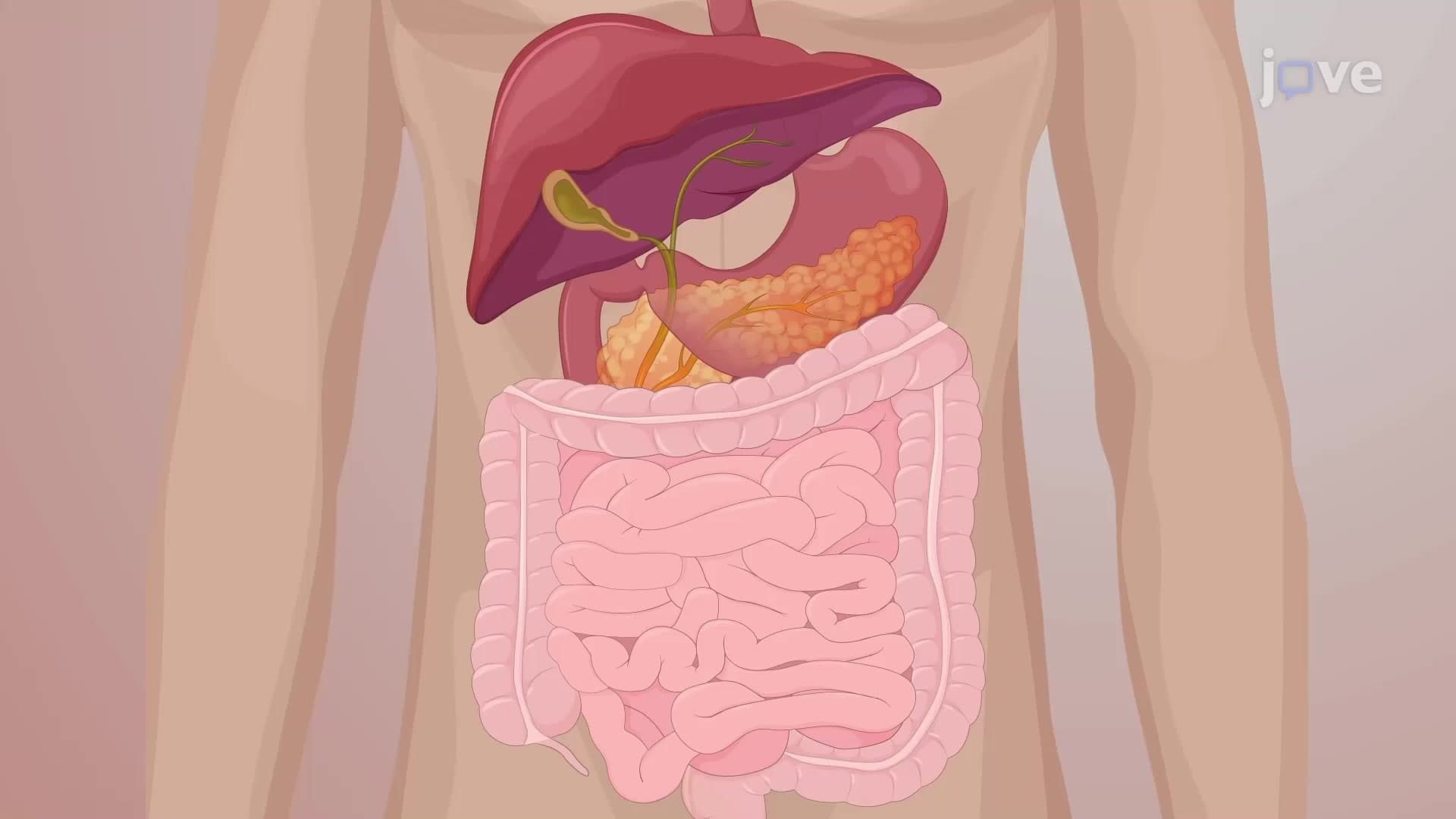
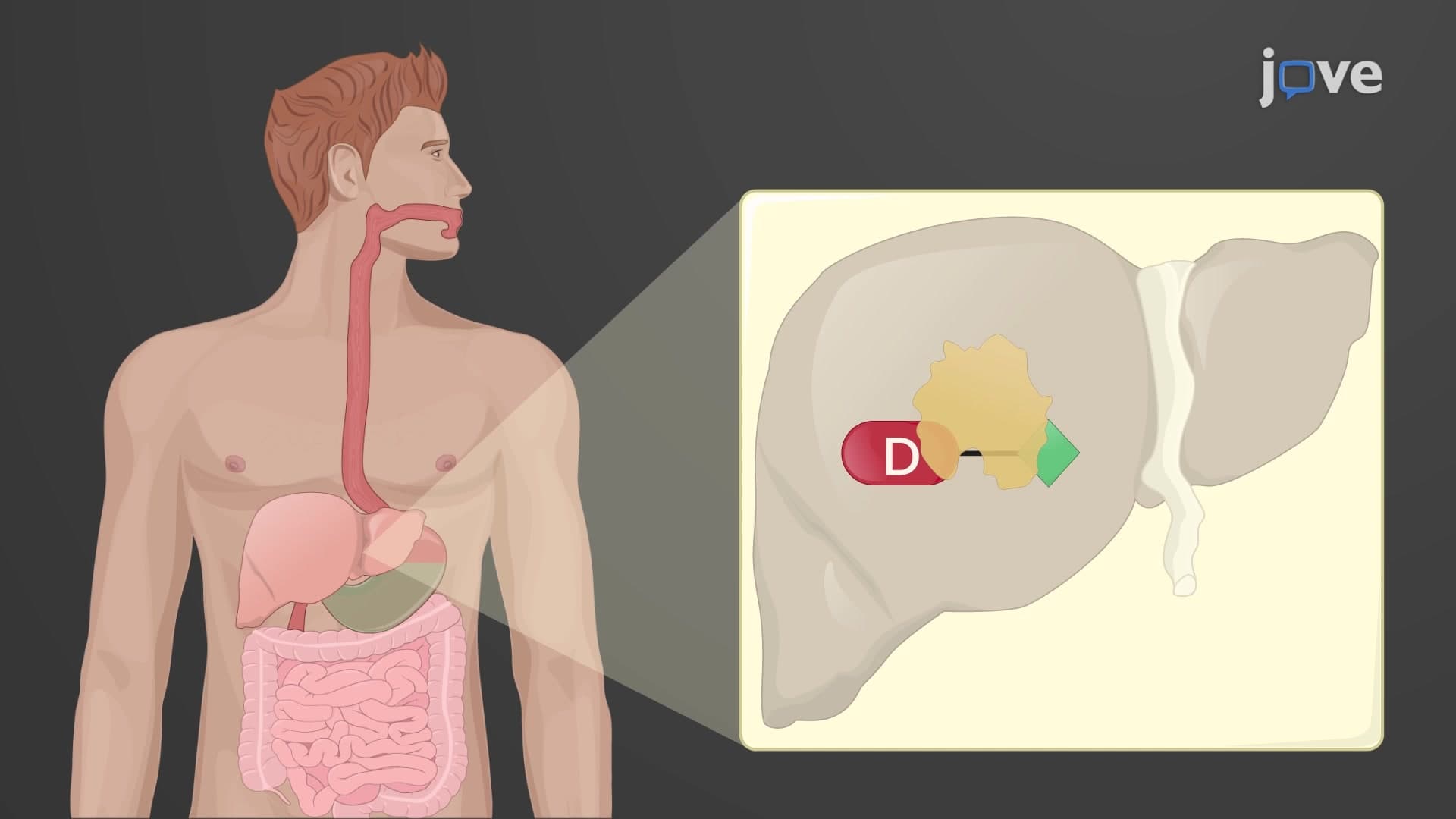
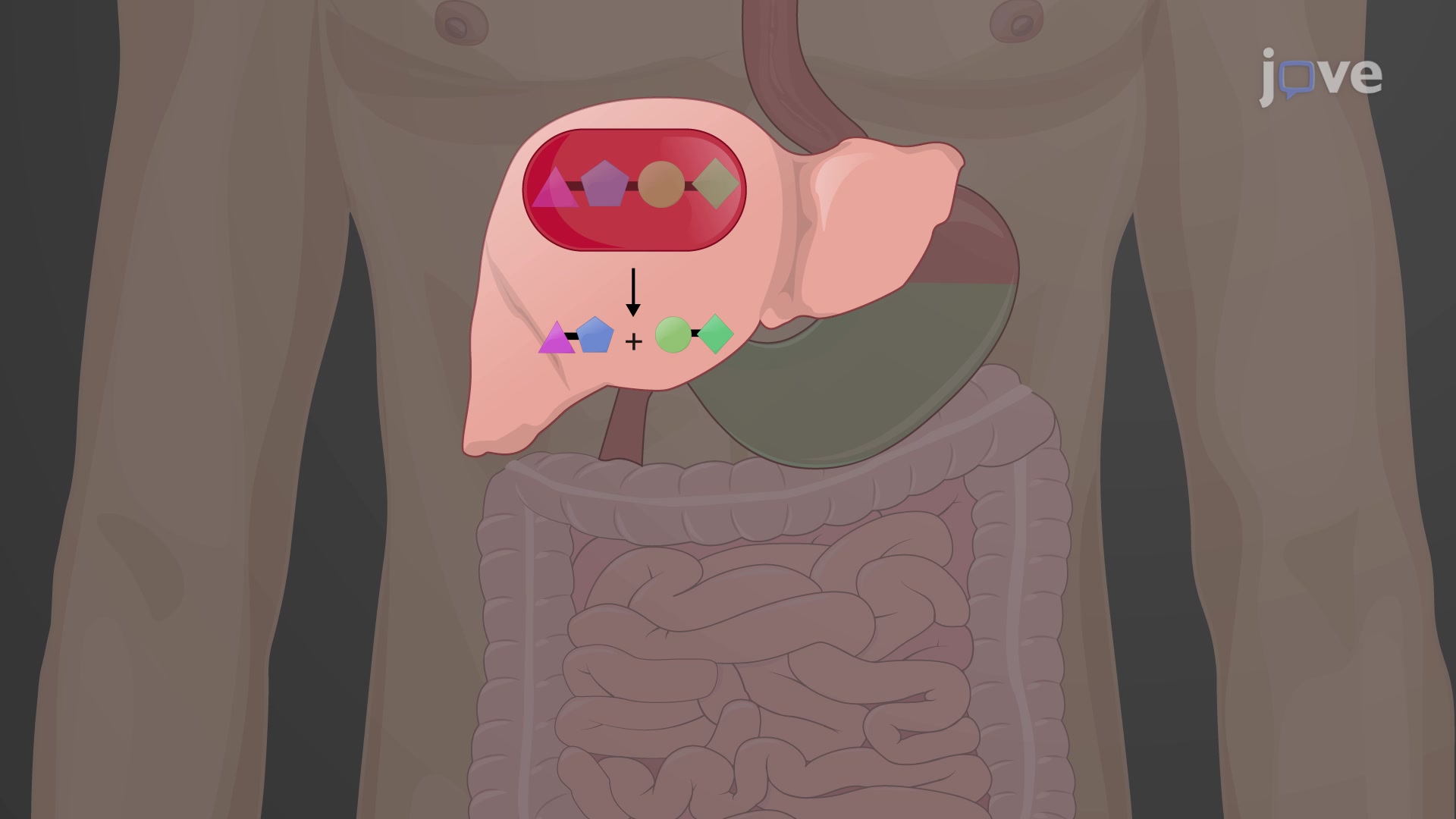
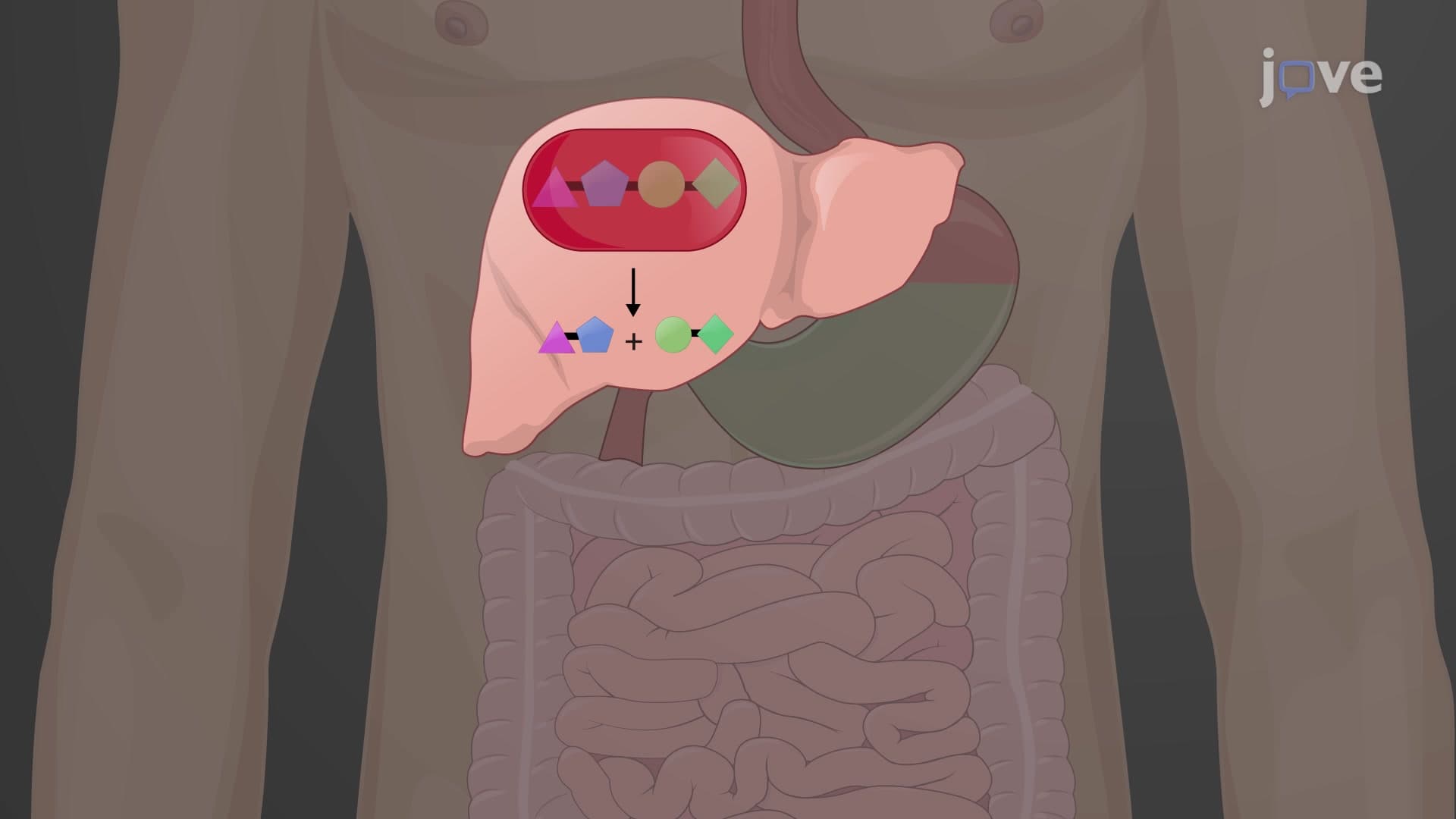
When you swallow a medication, it embarks on a complex journey through your digestive system. After dissolution in the stomach, the drug moves to the small intestine where absorption occurs. However, this is where the first challenge begins-intestinal enzymes immediately start breaking down drug molecules. Those that survive intestinal metabolism enter the hepatic portal circulation, traveling directly to the liver via the portal vein.
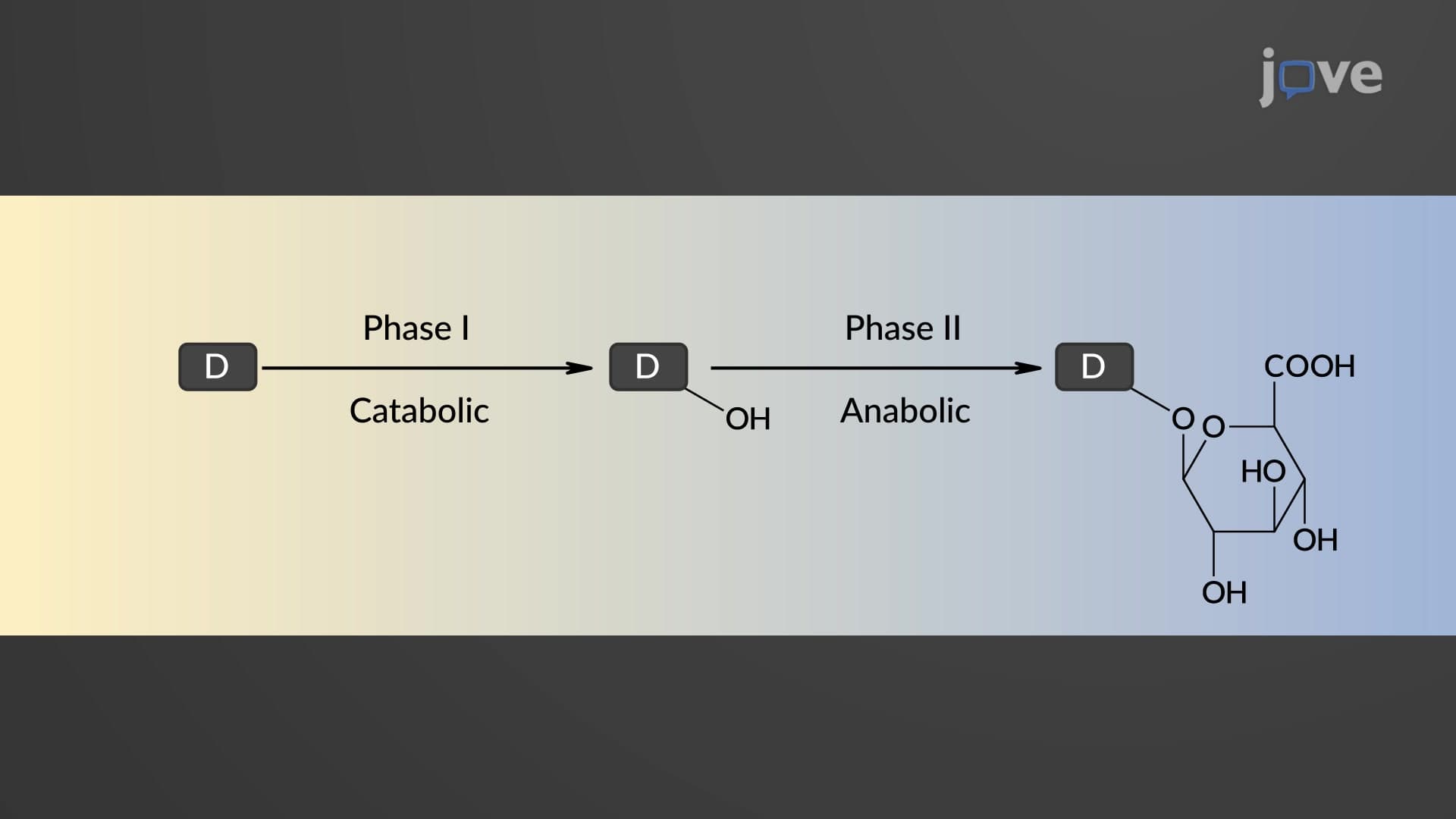
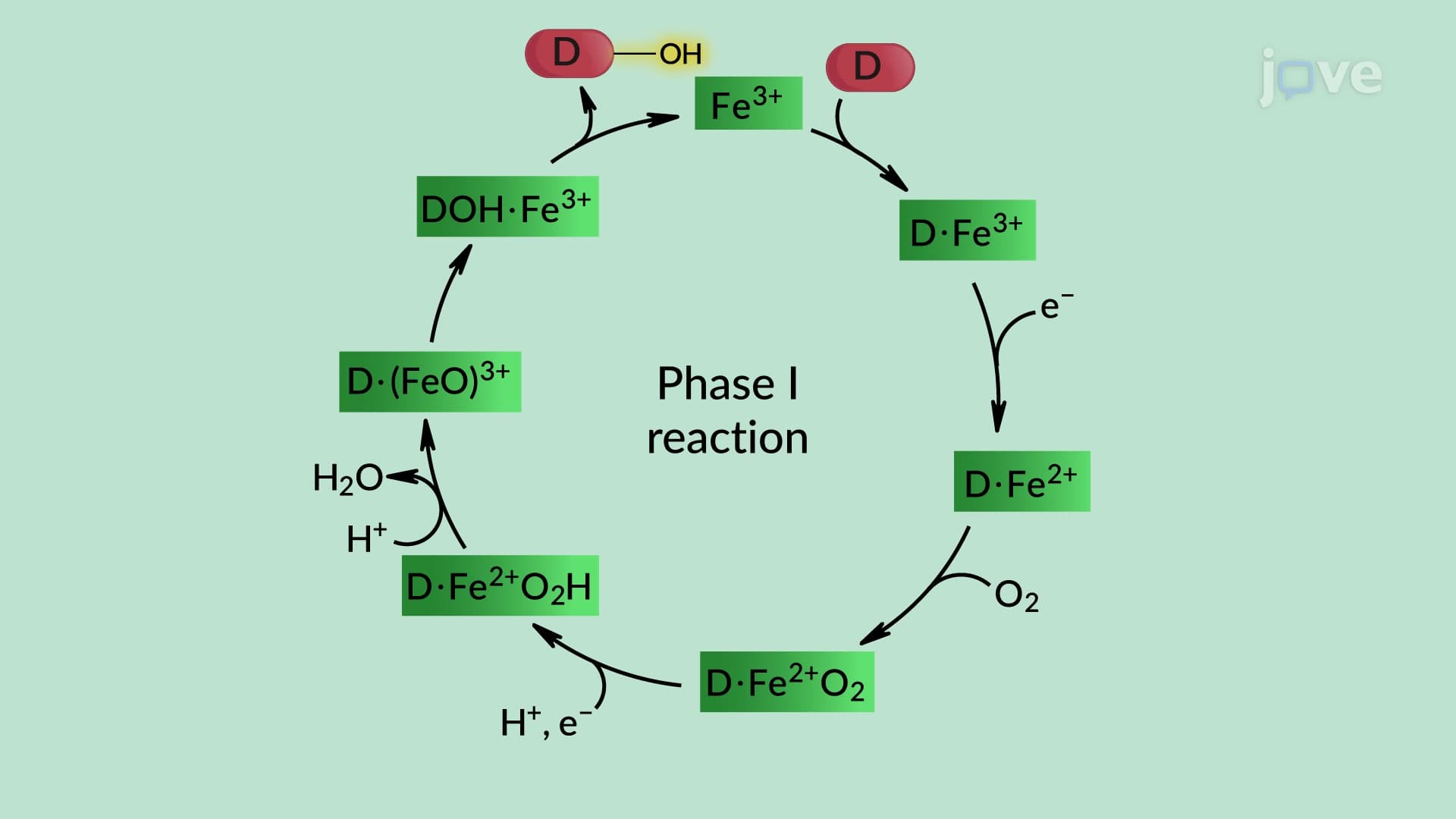
The liver acts as the body's primary detoxification center, containing numerous enzyme systems designed to metabolize foreign substances. Cytochrome P450 enzymes, particularly CYP3A4, play crucial roles in this process. The liver can either metabolize the drug into inactive metabolites or excrete it through bile before it ever reaches systemic circulation.
The extraction ratio (ER) quantifies hepatic elimination efficiency by comparing drug concentrations entering and leaving the liver. Mathematically, ER = (C(in) - C(out))/C(in), where C represents drug concentration. High extraction ratios (>0.7) indicate extensive hepatic metabolism, while low ratios (<0.3) suggest minimal liver elimination.
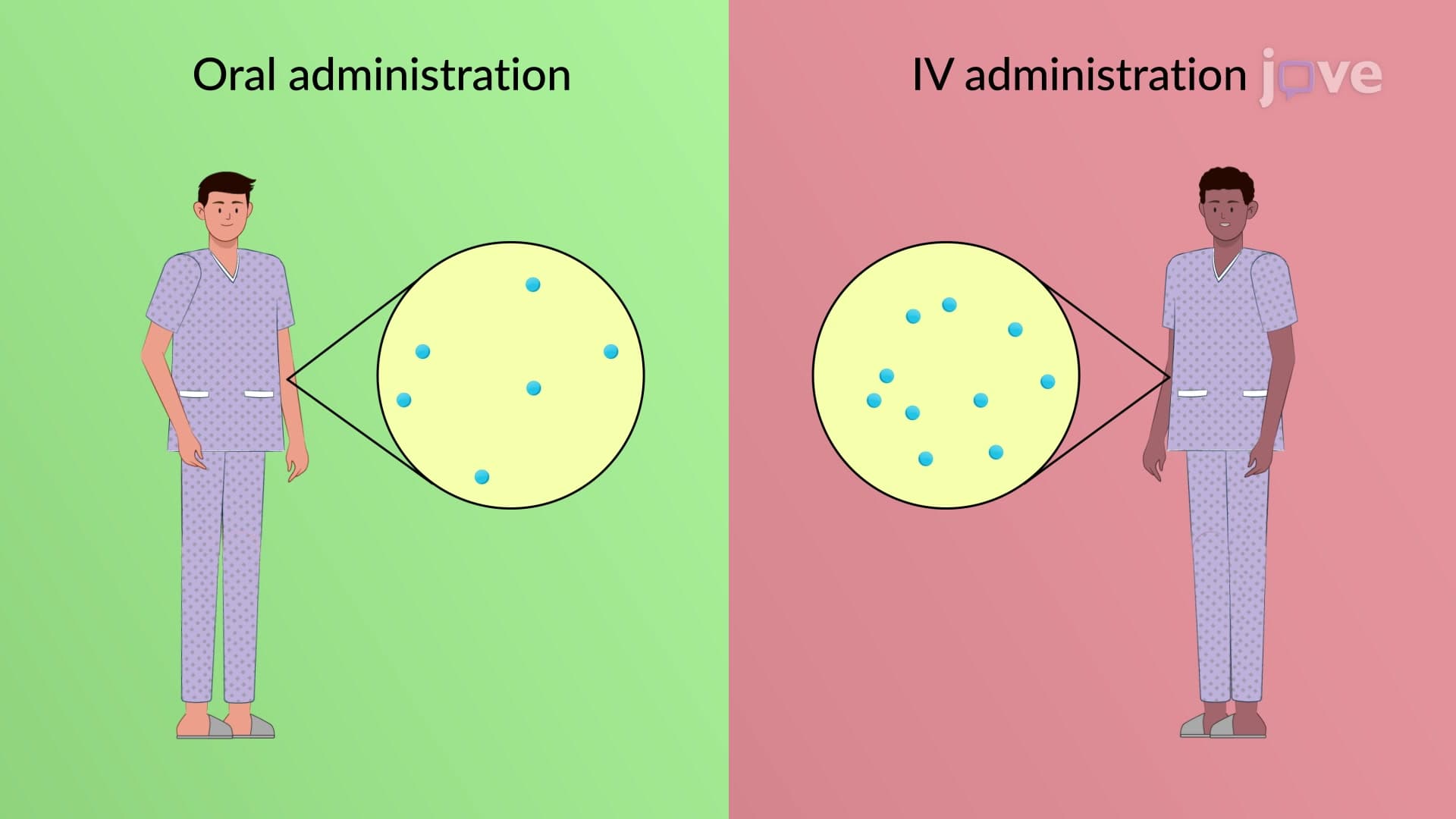
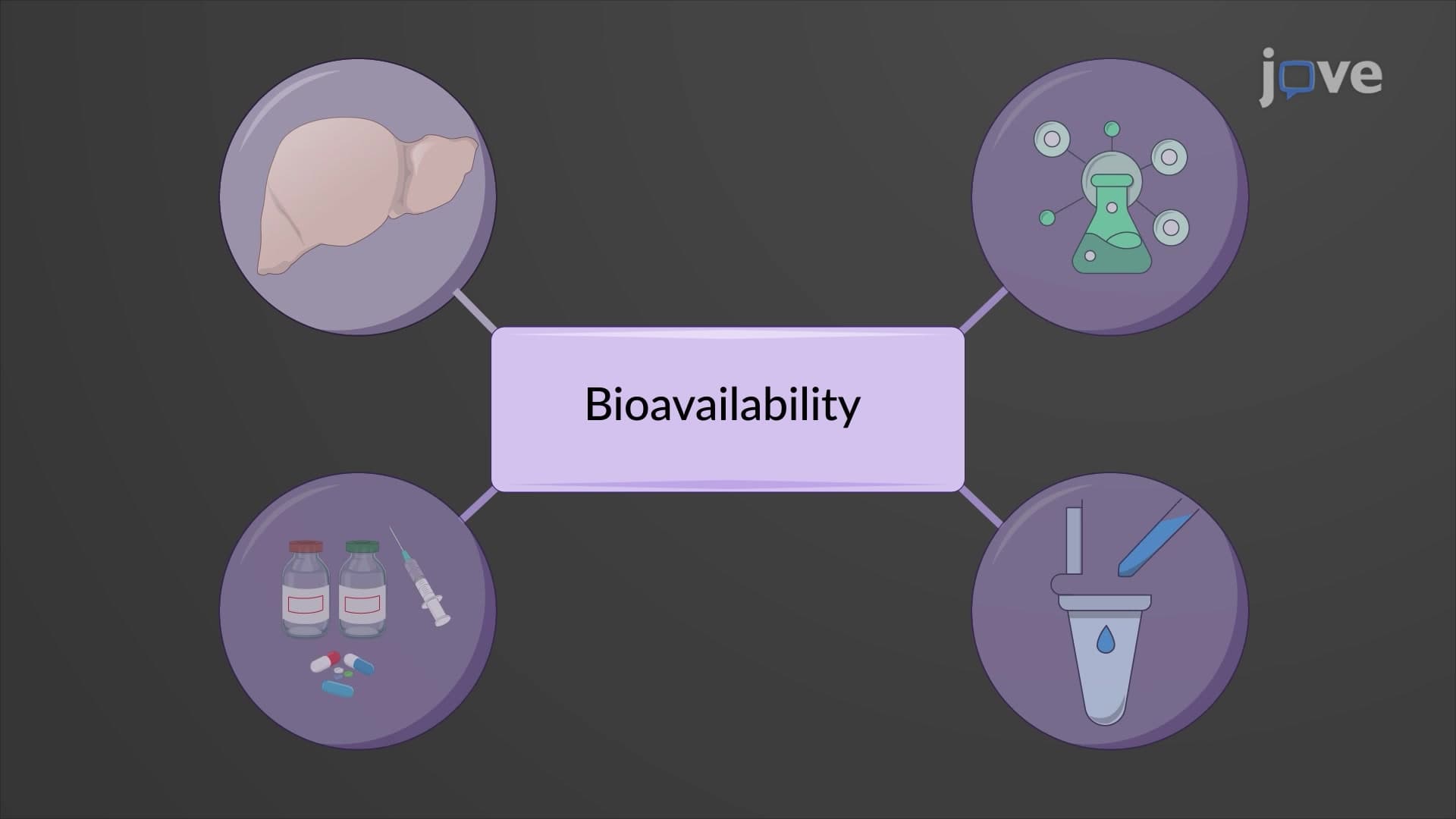
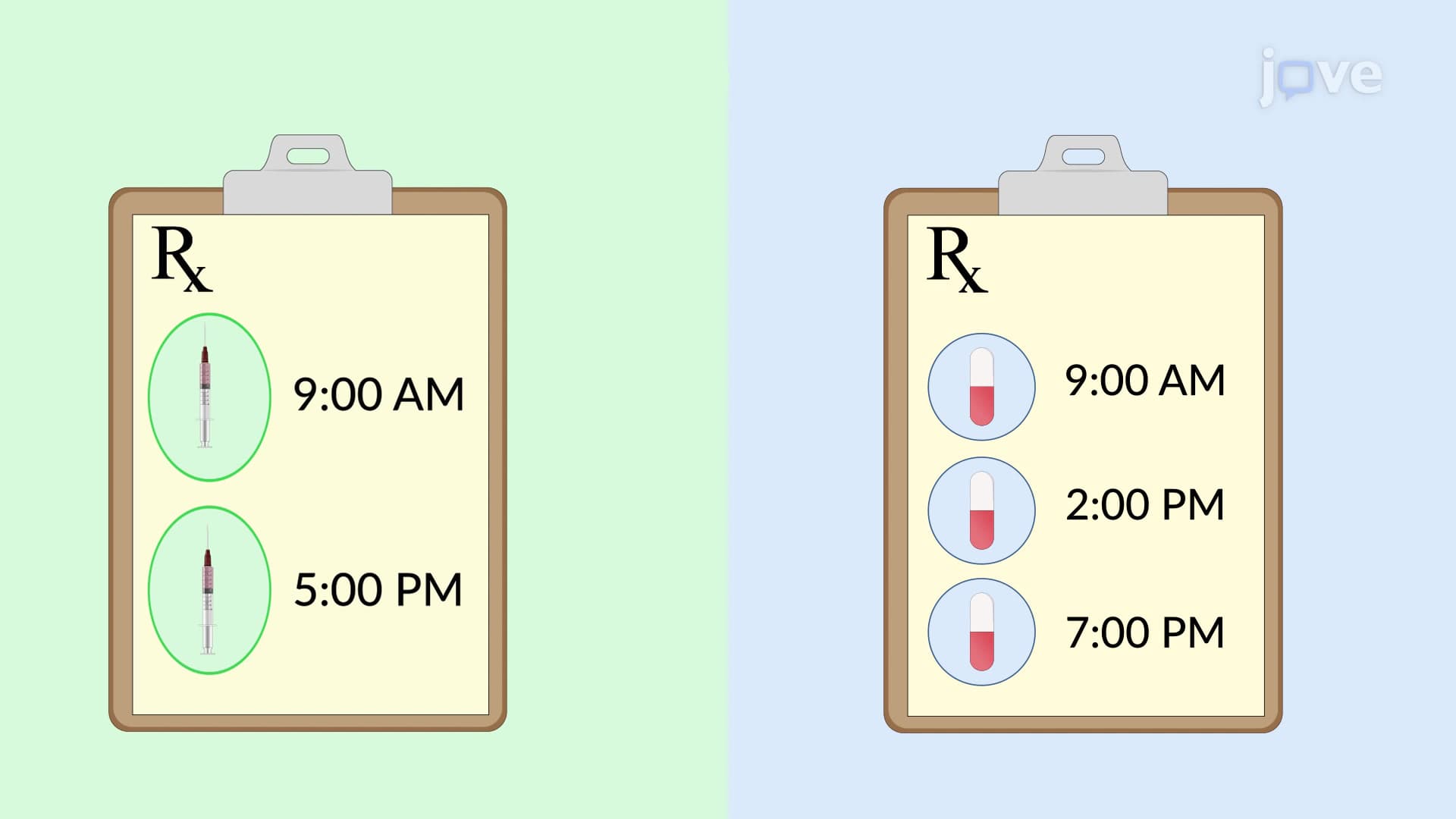
Bioavailability (F) directly relates to first-pass metabolism: F = 1 - ER for drugs with complete absorption and minimal degradation. This relationship explains why propranolol, with an ER of approximately 0.8, has only 20% bioavailability when taken orally, necessitating much higher oral doses compared to intravenous administration.
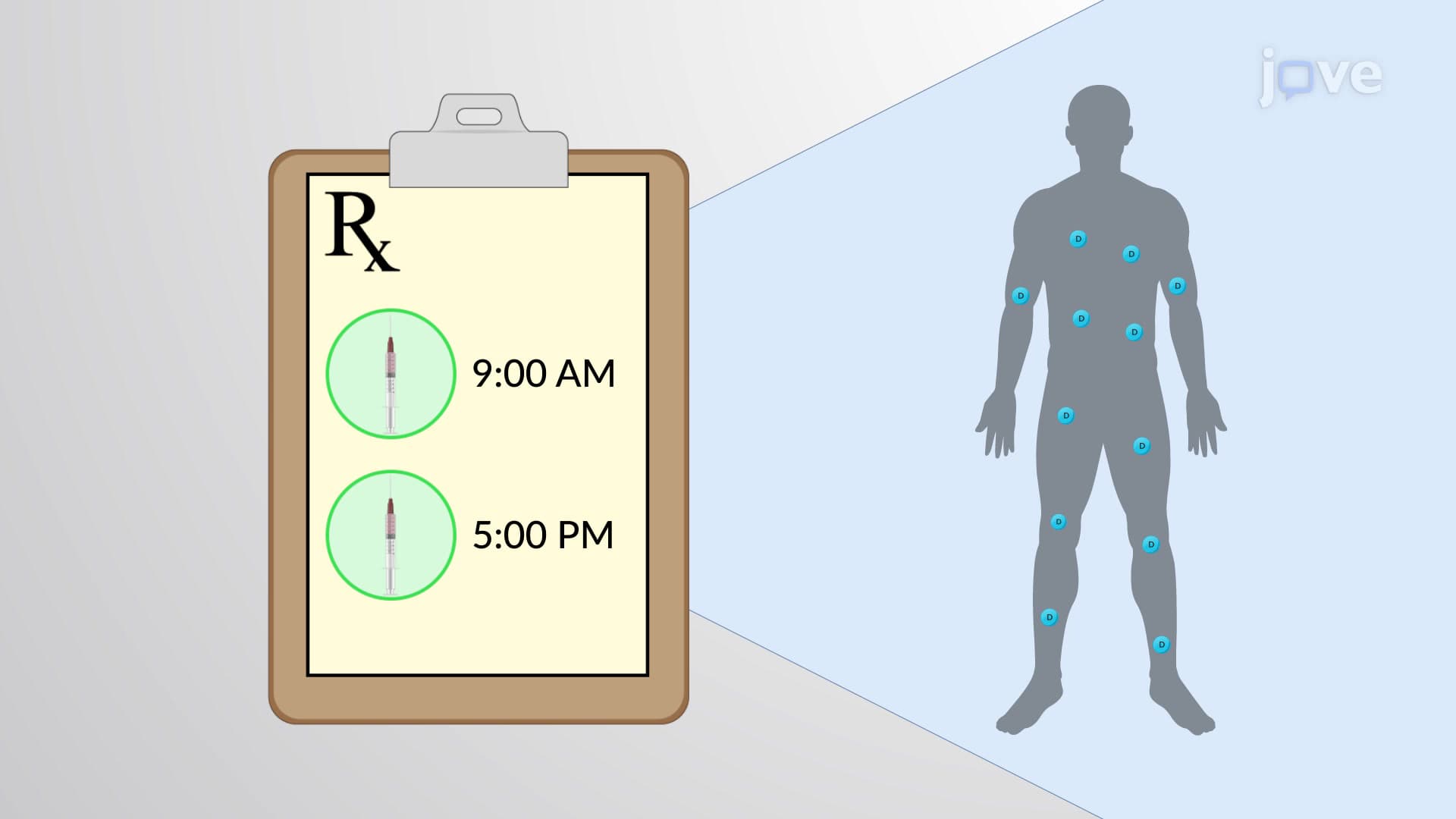
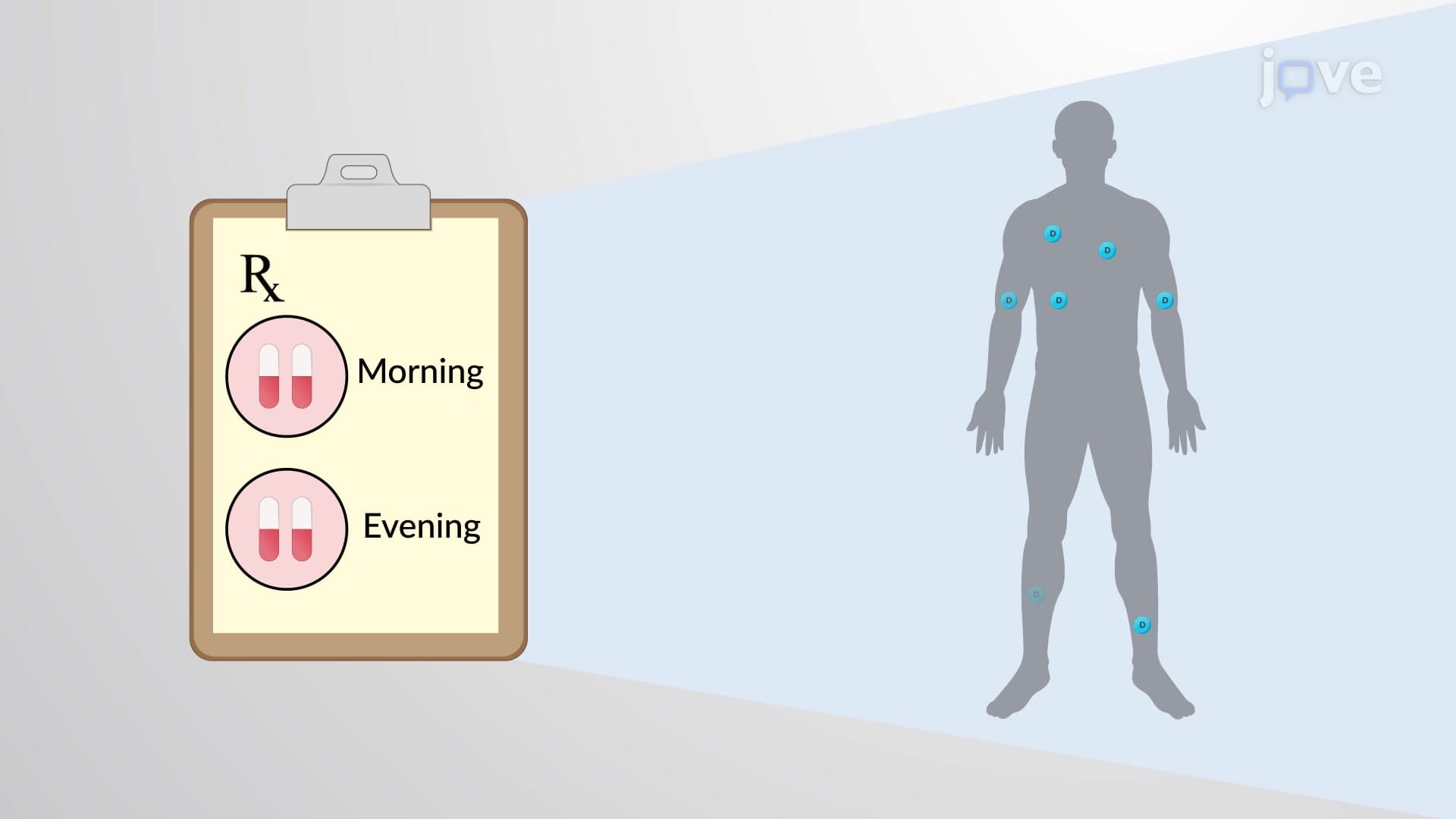
Understanding first-pass effects guides medication selection and dosing in clinical practice. Medications like morphine, lidocaine, and certain hormones undergo extensive hepatic metabolism, making oral administration impractical. Healthcare providers utilize sublingual, transdermal, intravenous, or rectal routes to bypass hepatic metabolism and achieve predictable therapeutic levels.
For students preparing for the MCAT, AP Biology, or college pharmacology courses, mastering these concepts proves essential for understanding drug development, dosing calculations, and clinical decision-making in healthcare settings.
Related Micro-courses