Loading video…


 29 Concepts
 134.6K views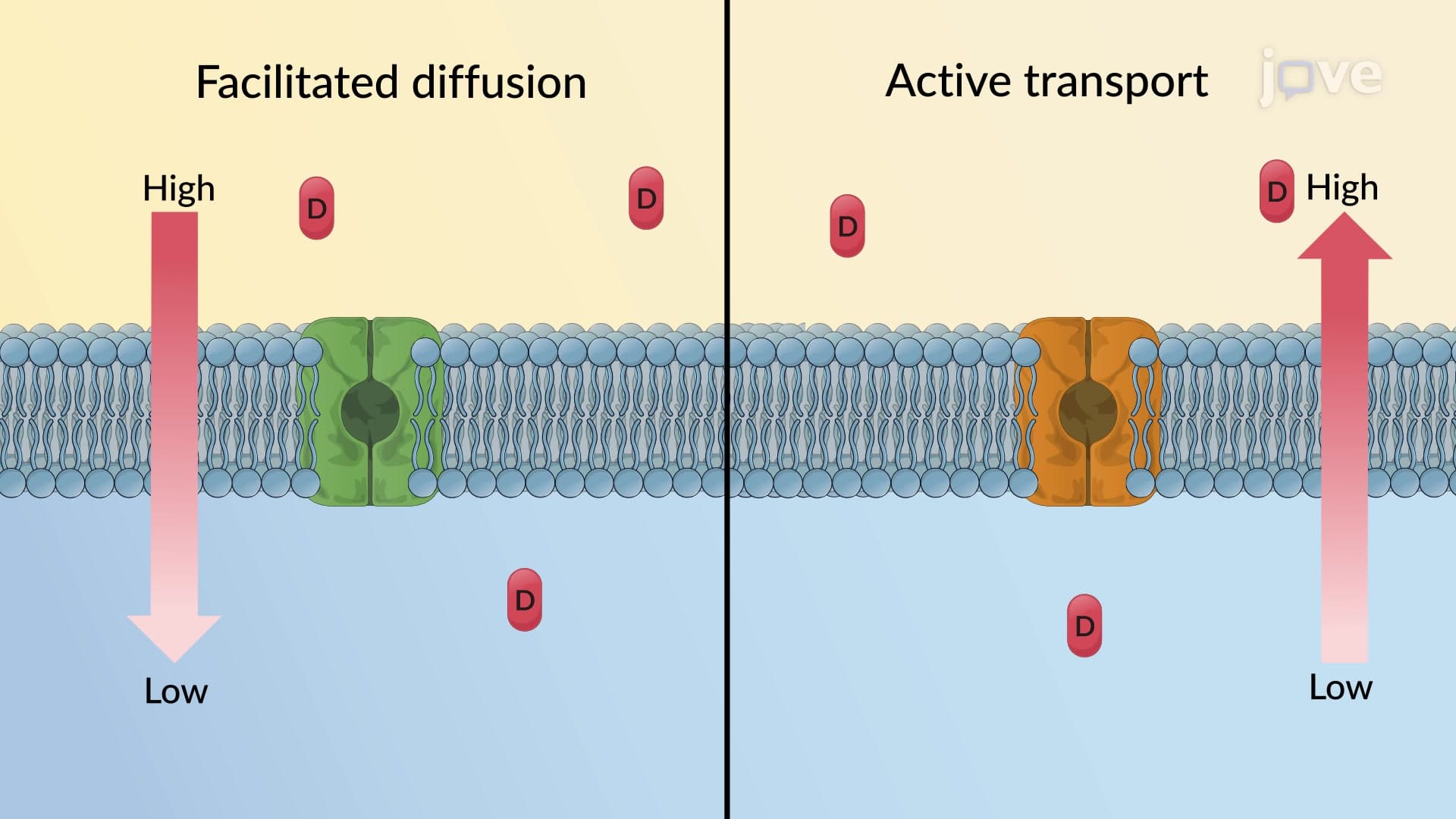

Video Summary: Drug Absorption Mechanism Carrier Mediated Explained
Did you know that insulin must hitchhike across cell membranes using specialized protein "shuttles" to control blood sugar? The drug absorption mechanism carrier mediated process explains how large, water-loving molecules like medications for diabetes management navigate cellular barriers they cannot cross alone. Unlike small drugs that slip through membranes easily, these complex therapeutic compounds rely on carrier proteins acting as molecular transporters. Watch the full video on JoVE Coach to master this concept with expert-led visuals and step-by-step explanations.
The drug absorption mechanism carrier mediated process represents a sophisticated biological system that enables large, polar drug molecules to traverse cellular membranes. Unlike simple diffusion, which works for small, lipophilic compounds, this mechanism addresses a fundamental challenge in pharmacotherapy: how do essential medications like amino acid-based drugs, peptide hormones, and glucose analogs reach their target sites when they cannot passively cross lipid bilayers?
Facilitated diffusion employs Solute Carrier (SLC) transporters as molecular facilitators. These proteins undergo precise conformational changes-imagine a revolving door mechanism-binding drug molecules on one membrane side and releasing them on the other. This process requires no cellular energy input, making it energetically favorable. The driving force depends entirely on concentration gradients, moving substances from high to low concentration areas.
Consider metformin, a widely prescribed diabetes medication in the US. This drug relies on organic cation transporters (OCTs), a subset of SLC proteins, for cellular uptake in liver and kidney tissues. Without these carriers, metformin would remain extracellular, rendering it therapeutically ineffective.
Active transport mechanisms defy concentration gradients, moving drugs from low to high concentration areas using cellular energy. This process subdivides into primary and secondary active transport based on energy sources.
Primary active transport utilizes ATP-Binding Cassette (ABC) transporters, which harness energy from ATP hydrolysis for unidirectional drug efflux. P-glycoprotein, a clinically significant ABC transporter, actively pumps various medications out of cells, affecting drug bioavailability and resistance patterns in cancer chemotherapy.
Secondary active transport couples drug movement to electrochemical gradients of other solutes, typically sodium or hydrogen ions. Symport mechanisms move both substances in identical directions, while antiport systems transport them in opposite directions. The sodium-glucose cotransporter 2 (SGLT2), targeted by diabetes medications like empagliflozin, exemplifies symport transport in kidney tubules.
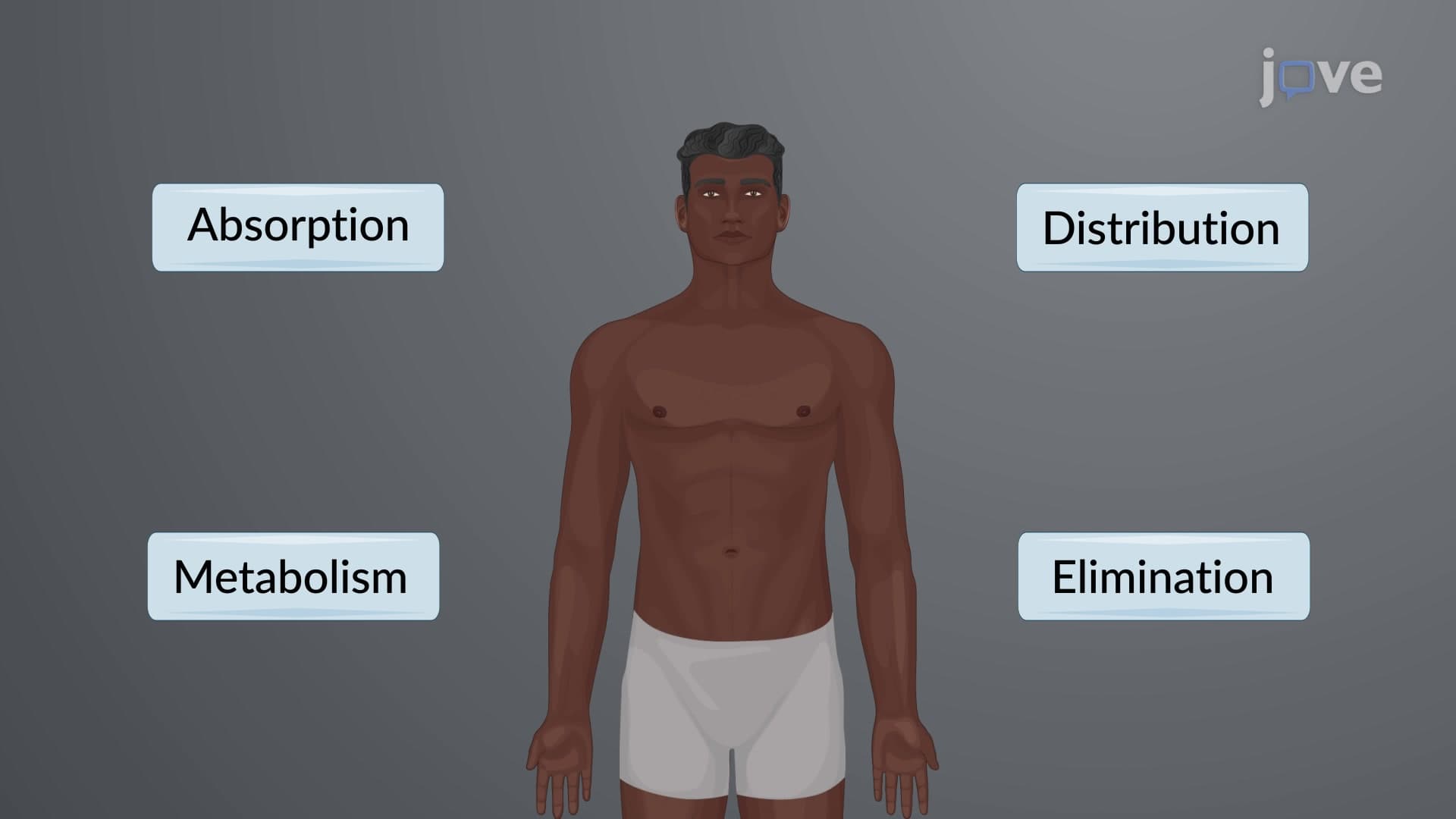
Understanding carrier-mediated transport proves essential for MCAT preparation, AP Biology coursework, and undergraduate pharmacology studies. These mechanisms explain drug-drug interactions, genetic polymorphisms affecting medication responses, and therapeutic strategies for optimizing drug delivery. Students preparing for healthcare professional exams will encounter these concepts in questions about drug absorption, distribution, and elimination processes.
Related Micro-courses