Loading video…


 29 Concepts
 134.6K views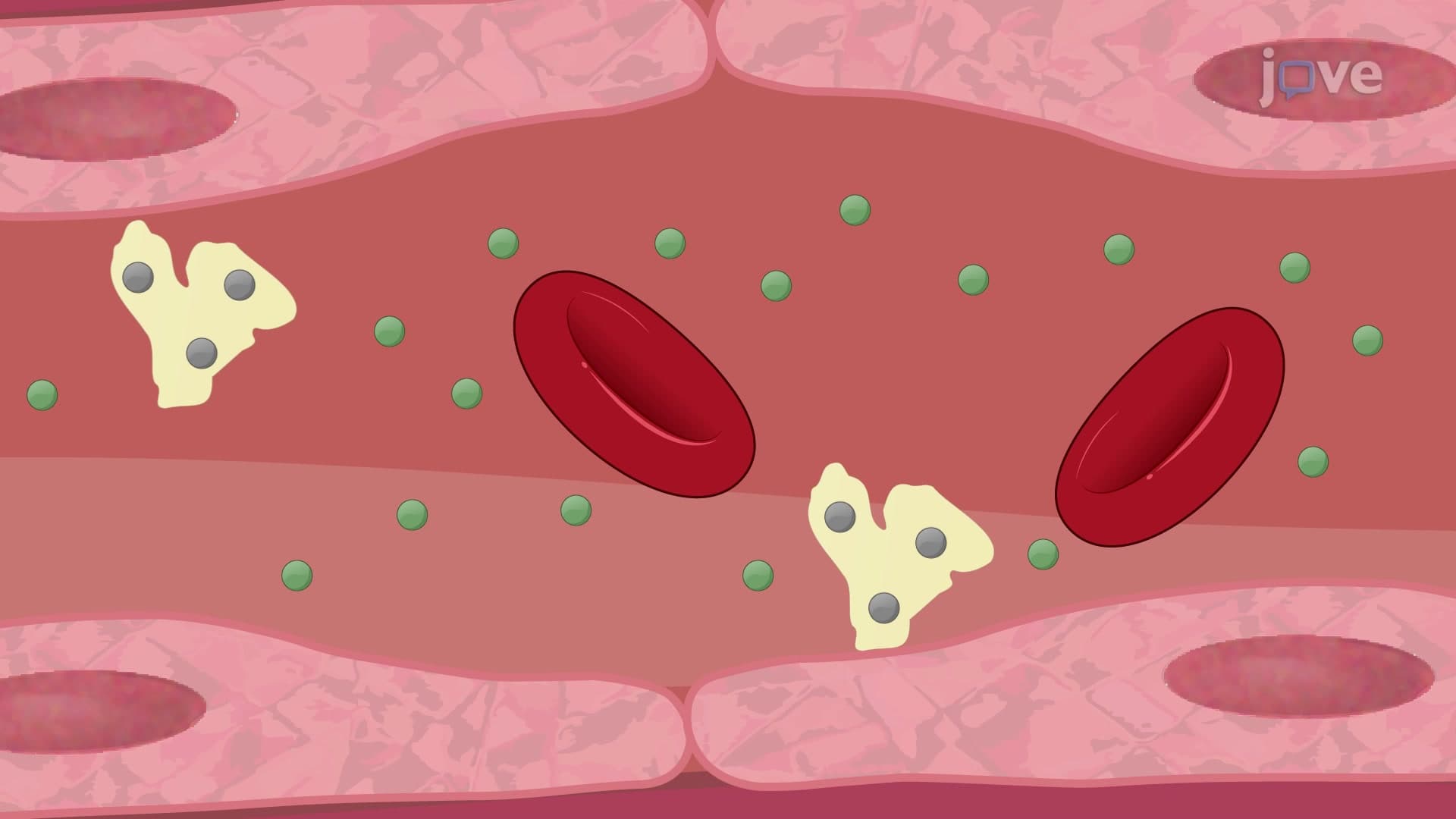

Video Summary: Drug Distribution Plasma Protein Binding Explained
Did you know that over 99% of some medications in your bloodstream are temporarily "locked away" and inactive? Drug distribution plasma protein binding determines how much of a medication can actually work in your body at any given moment. When a patient at Johns Hopkins Hospital receives warfarin for blood clotting, only 1-2% circulates freely while the rest binds to albumin proteins. This Drug Distribution Plasma Protein Binding Explained concept reveals why dosing calculations matter so critically in clinical practice. Watch the full video on JoVE Coach to master this concept with expert-led visuals and step-by-step explanations.
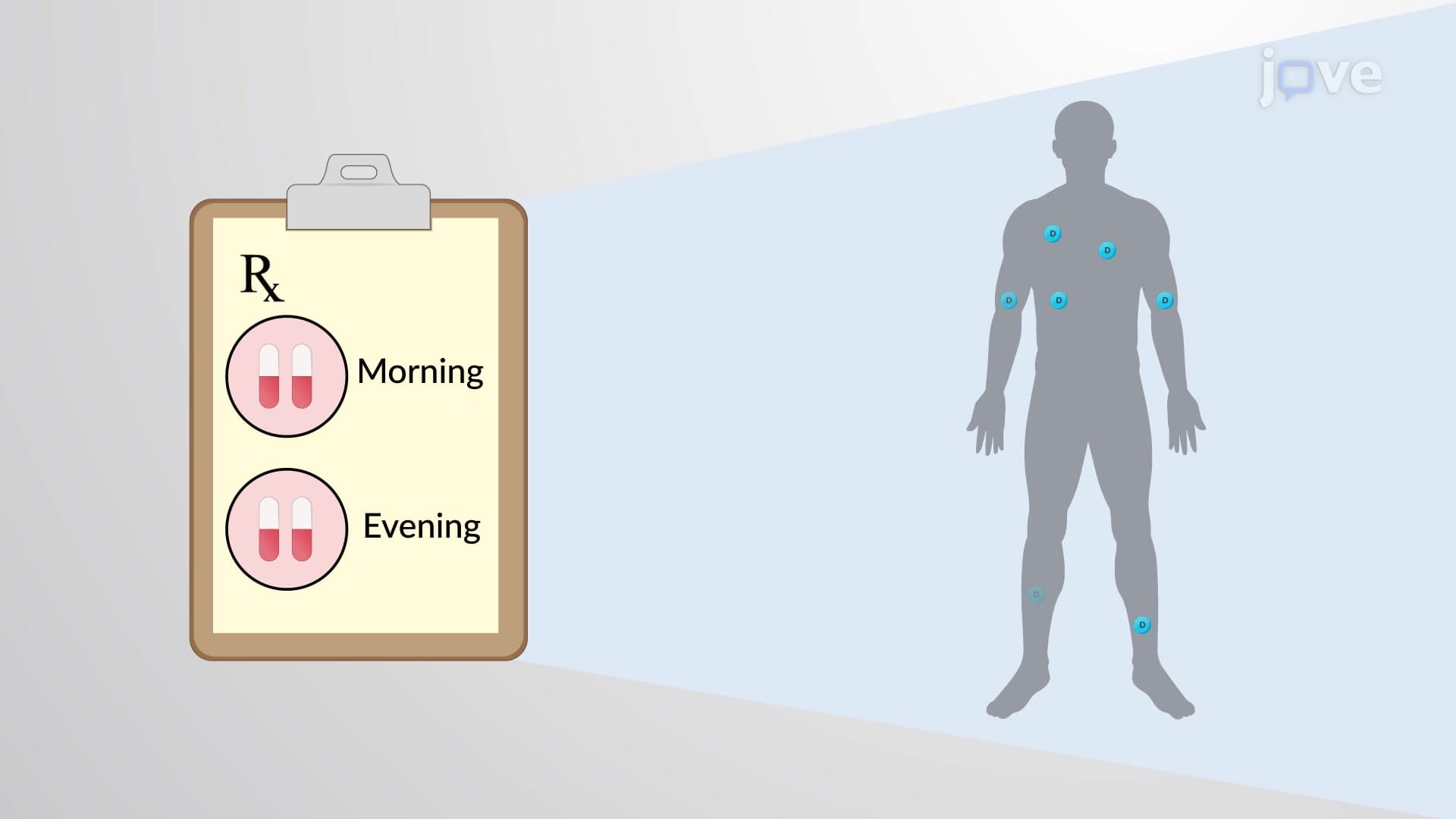
Drug distribution plasma protein binding represents one of pharmacology's most clinically relevant concepts. When medications enter the bloodstream, they don't simply float freely-most immediately attach to circulating proteins, creating a dynamic equilibrium between bound and unbound drug molecules. This process fundamentally determines how much medication is available to produce therapeutic effects.
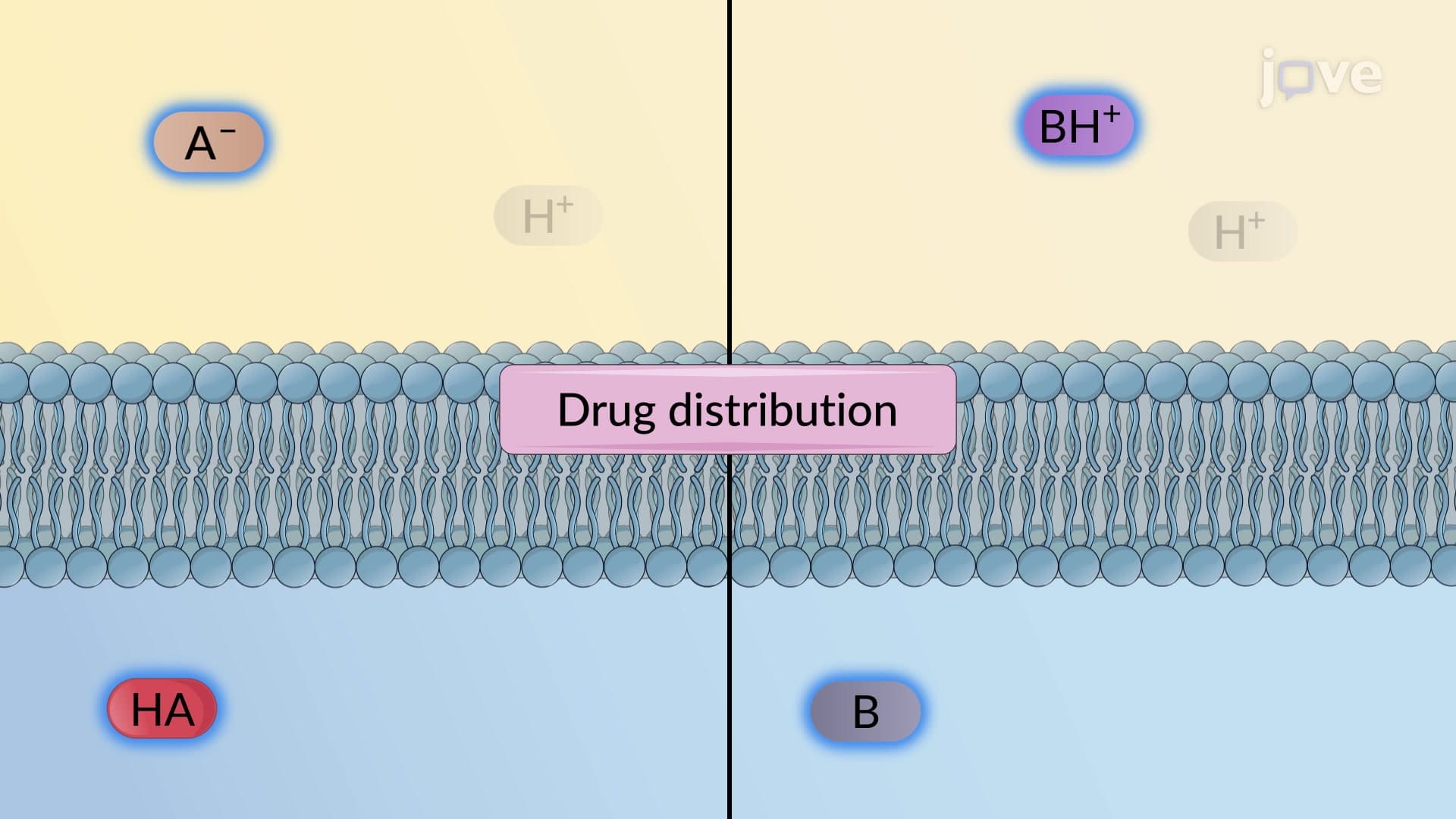
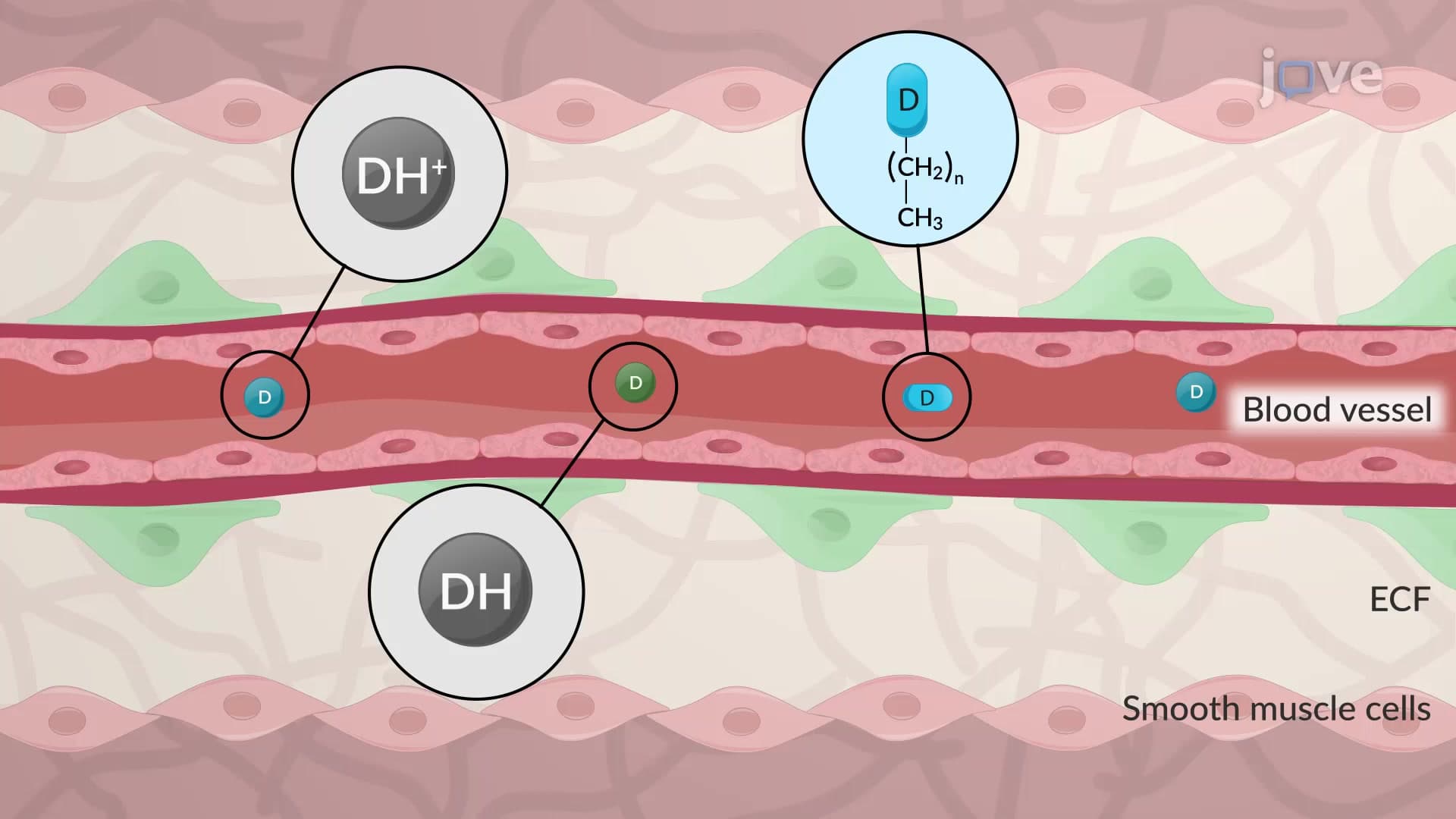
The drug distribution plasma definition centers on this binding phenomenon. Albumin, the most abundant plasma protein, acts like a molecular taxi service, carrying acidic drugs throughout circulation. Meanwhile, alpha-1-acid glycoprotein preferentially binds basic drugs. Only the unbound "free" fraction can cross cell membranes, reach target tissues, and generate pharmacological responses.
Healthcare professionals at institutions like Mayo Clinic and Cleveland Clinic regularly encounter protein binding effects. Consider phenytoin, an anti-seizure medication that's 90% protein-bound in healthy individuals. When a patient develops hypoalbuminemia (low albumin levels), more free phenytoin becomes available, potentially causing toxicity even at "normal" total drug concentrations.
The drug distribution overview becomes particularly important during competitive displacement. When patients receive sulfonamide antibiotics alongside other highly protein-bound drugs, displacement can occur. This mechanism explains why newborns receiving sulfonamides face increased bilirubin encephalopathy risk-the antibiotic displaces bilirubin from albumin binding sites, raising free bilirubin to dangerous levels.
Several variables influence binding efficiency. Drug concentration follows saturable kinetics-at low concentrations, binding sites accommodate most drug molecules, but saturation occurs at higher doses. Protein concentration matters equally; patients with liver disease often have reduced albumin synthesis, affecting binding capacity.
Physiological stress creates additional complexity. During intense exercise, fat metabolism releases free fatty acids that compete for albumin binding sites. Athletes taking protein-bound medications may experience temporary increases in free drug concentrations, potentially altering performance or causing side effects.
This concept frequently appears on MCAT pharmacology sections, AP Biology exams, and nursing school assessments like NCLEX-RN. Students should master the drug distribution plasma protein binding study guide fundamentals: bound drugs are pharmacologically inactive, only free fractions cross biological membranes, and displacement interactions can have serious clinical consequences. Understanding these principles helps explain why therapeutic drug monitoring focuses on free rather than total drug concentrations for highly protein-bound medications.
Related Micro-courses