Loading video…


 29 Concepts
 134.6K views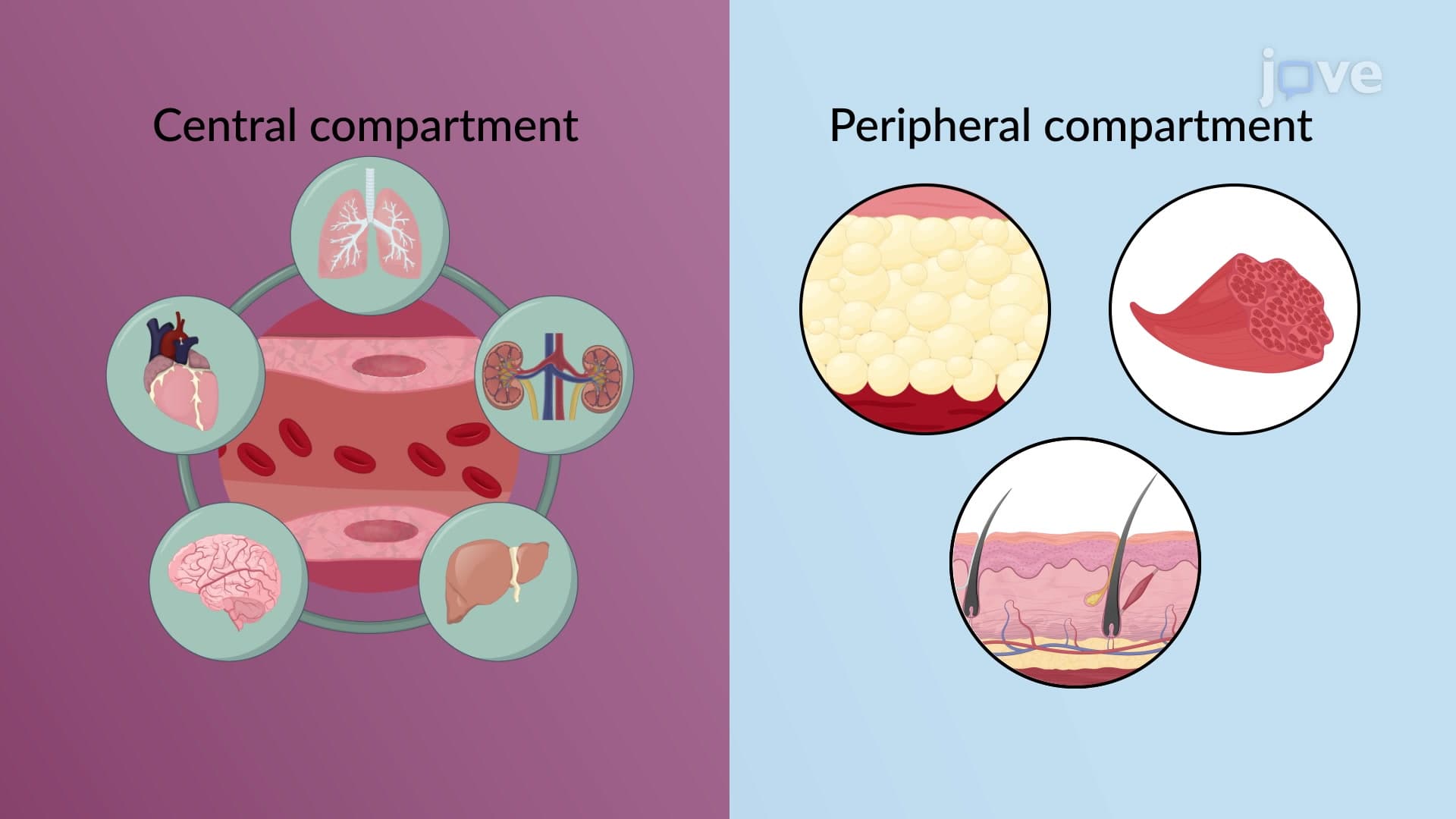

Video Summary: Compartment Models Two Compartment Model Explained
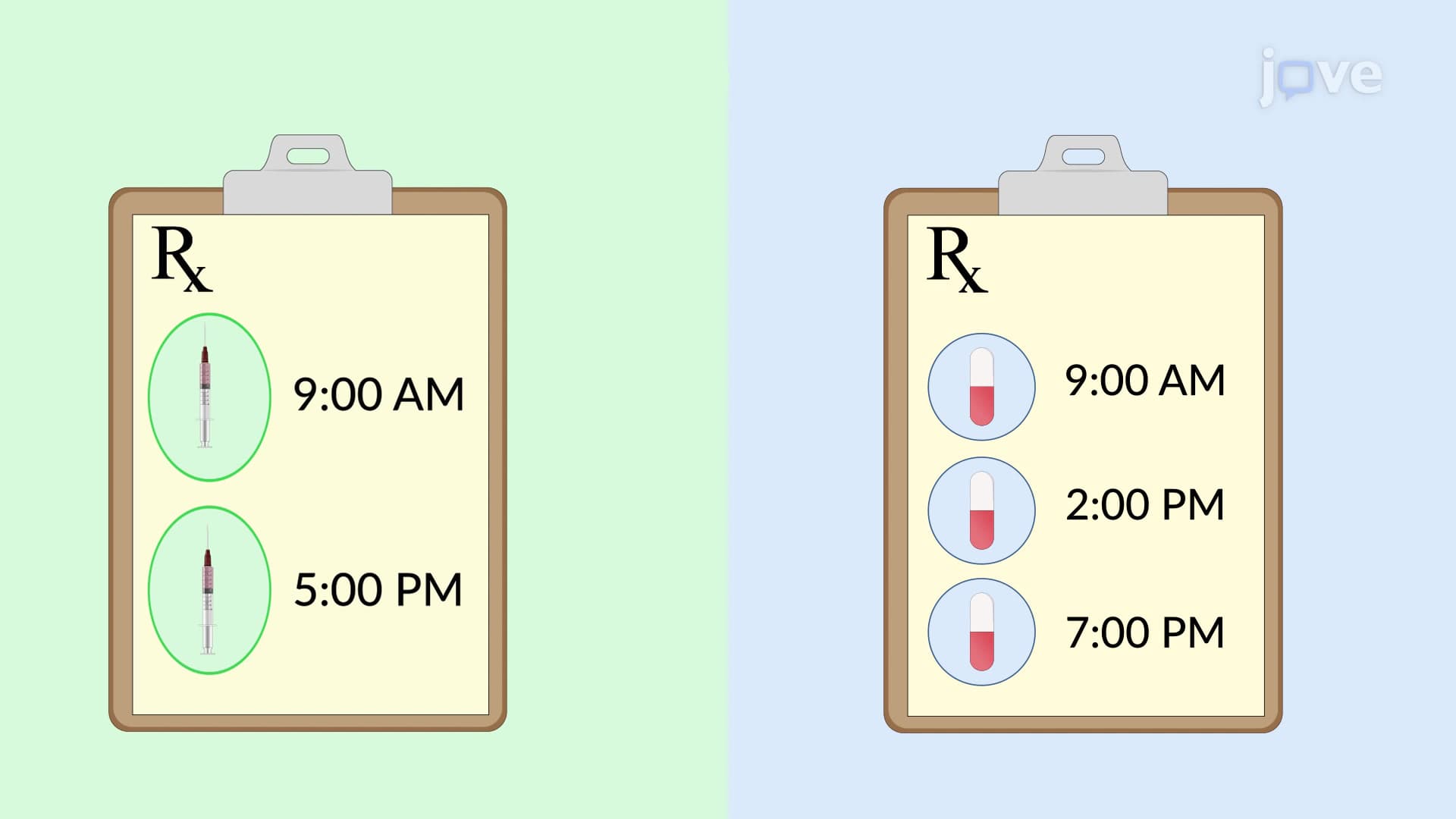
Ever wonder why some medications like insulin work immediately while others take hours to show effect? Compartment models two compartment systems explain how drugs distribute unevenly throughout your body based on blood flow differences between organs. The Compartment Models Two Compartment Model Explained concept reveals why your heart receives drugs faster than your fat tissue, creating a bi-exponential decline pattern seen in FDA pharmacokinetic studies. Watch the full video on JoVE Coach to master this concept with expert-led visuals and step-by-step explanations.
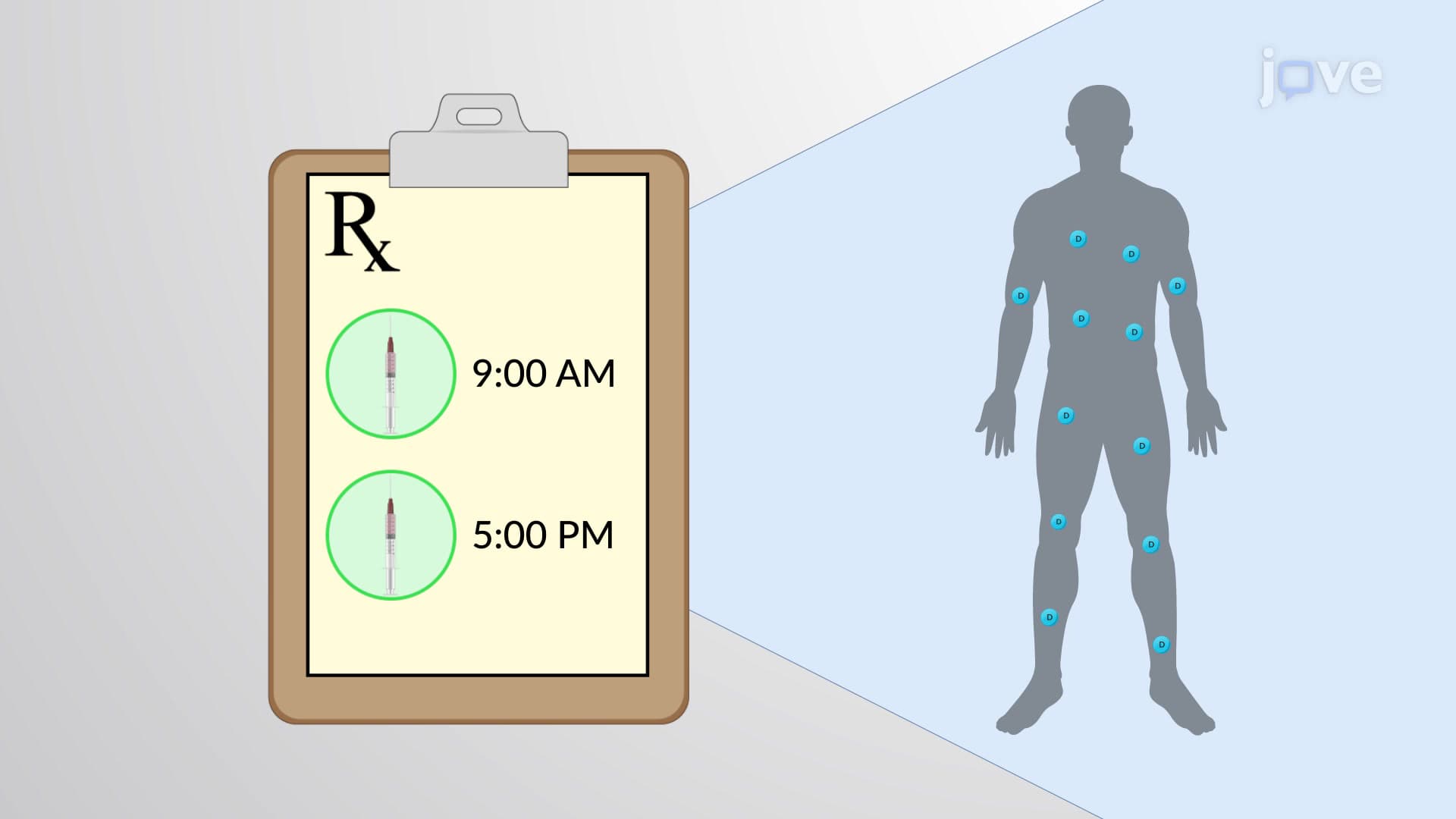
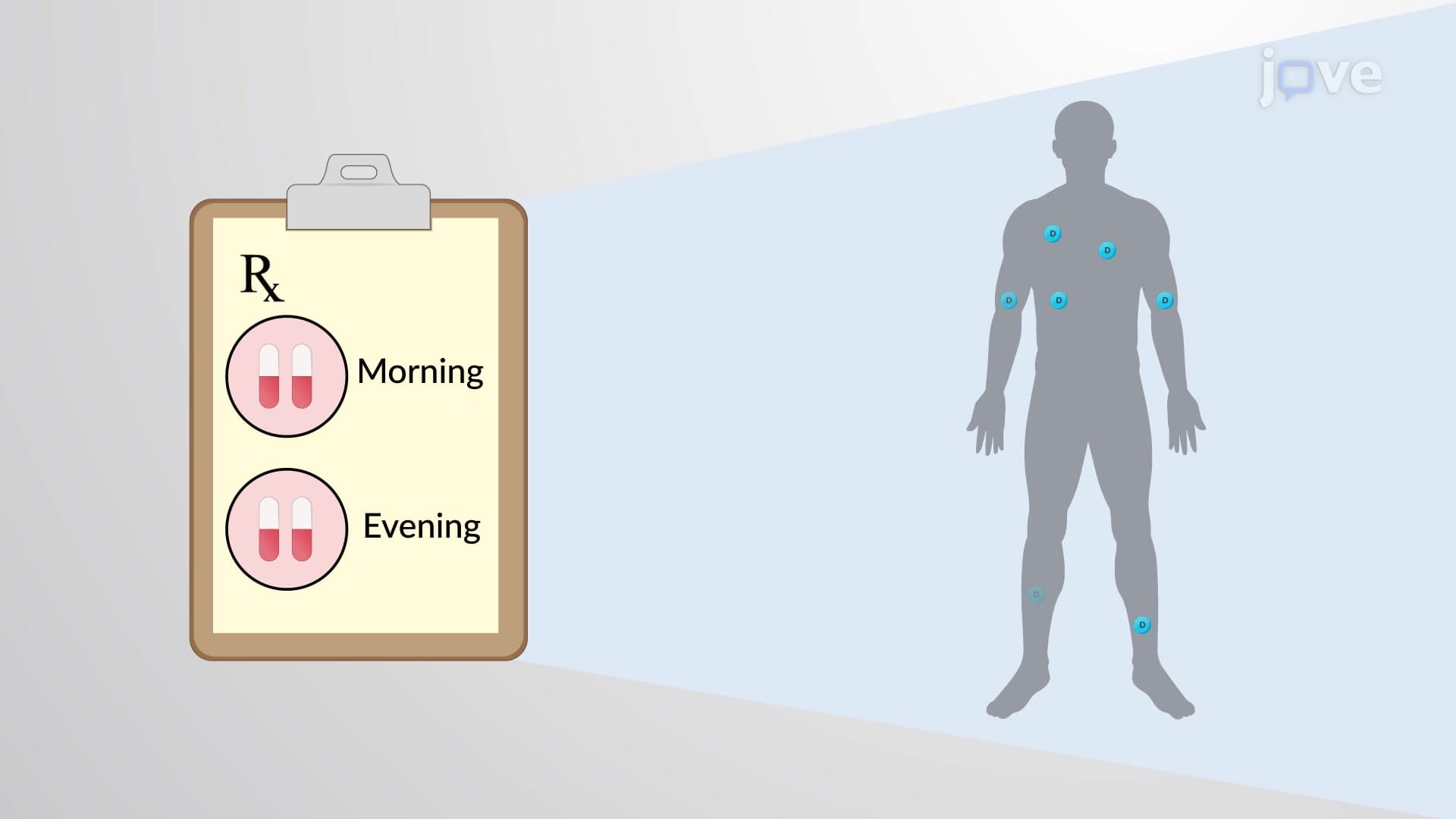
The compartment models two compartment approach revolutionizes how we understand drug distribution in the human body. Unlike the oversimplified one-compartment model, this sophisticated framework acknowledges that your body isn't a uniform mixing tank. Instead, it recognizes the stark reality: your heart receives blood every few seconds, while your fat tissue might take hours to equilibrate with circulating drug concentrations.
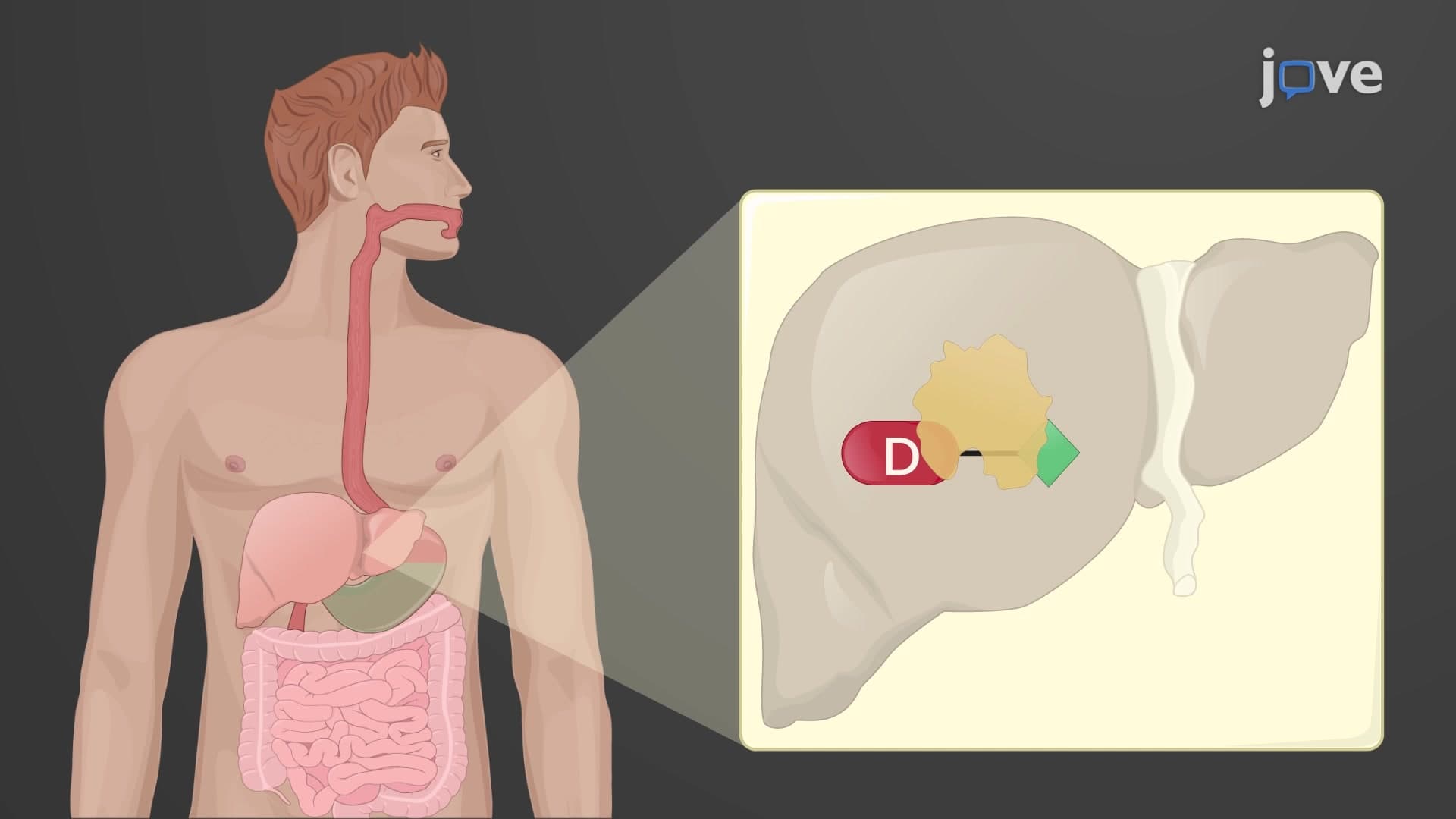
The central compartment represents your body's "fast lane", blood plasma and highly perfused organs including the heart, liver, kidneys, lungs, and brain. These tissues receive approximately 75% of cardiac output despite comprising only 10% of body weight. When you receive an IV medication at Massachusetts General Hospital, this central compartment shows immediate, high drug concentrations.
The peripheral compartment encompasses slower-equilibrating tissues: muscle, skin, fat, and bone. These tissues receive limited blood flow but represent the majority of body mass. This compartment acts like a drug reservoir, slowly filling during distribution and slowly releasing during elimination.
The movement between compartments follows first-order kinetics, described by transfer constants (micro constants). The rate constant k12 governs drug movement from central to peripheral compartments, while k21 describes the reverse process. Elimination occurs primarily from the central compartment with rate constant k10.
For MCAT preparation, remember the key equation: Rate of change = k × Amount in compartment. This principle appears frequently in biochemistry and pharmacology sections.
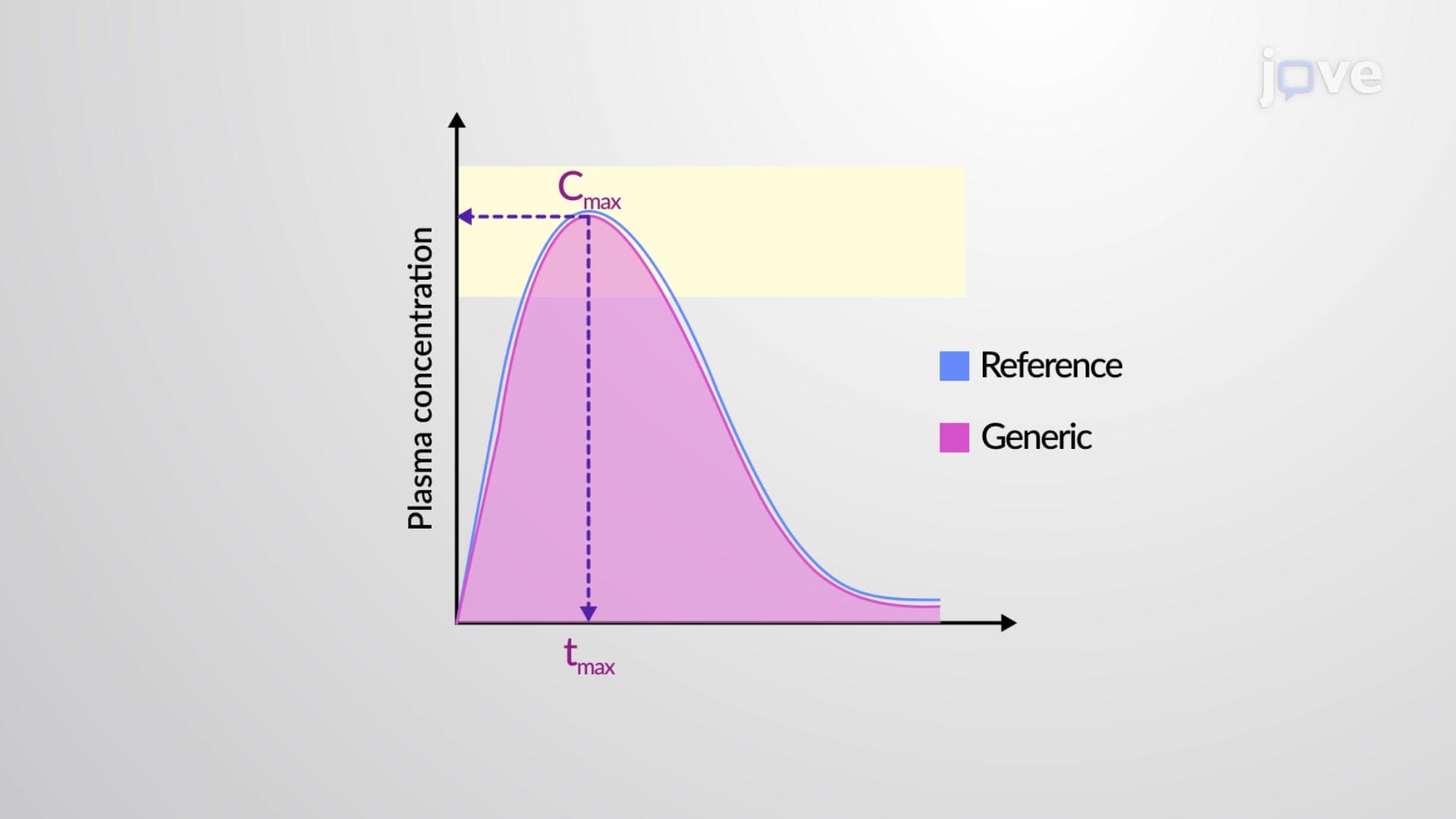
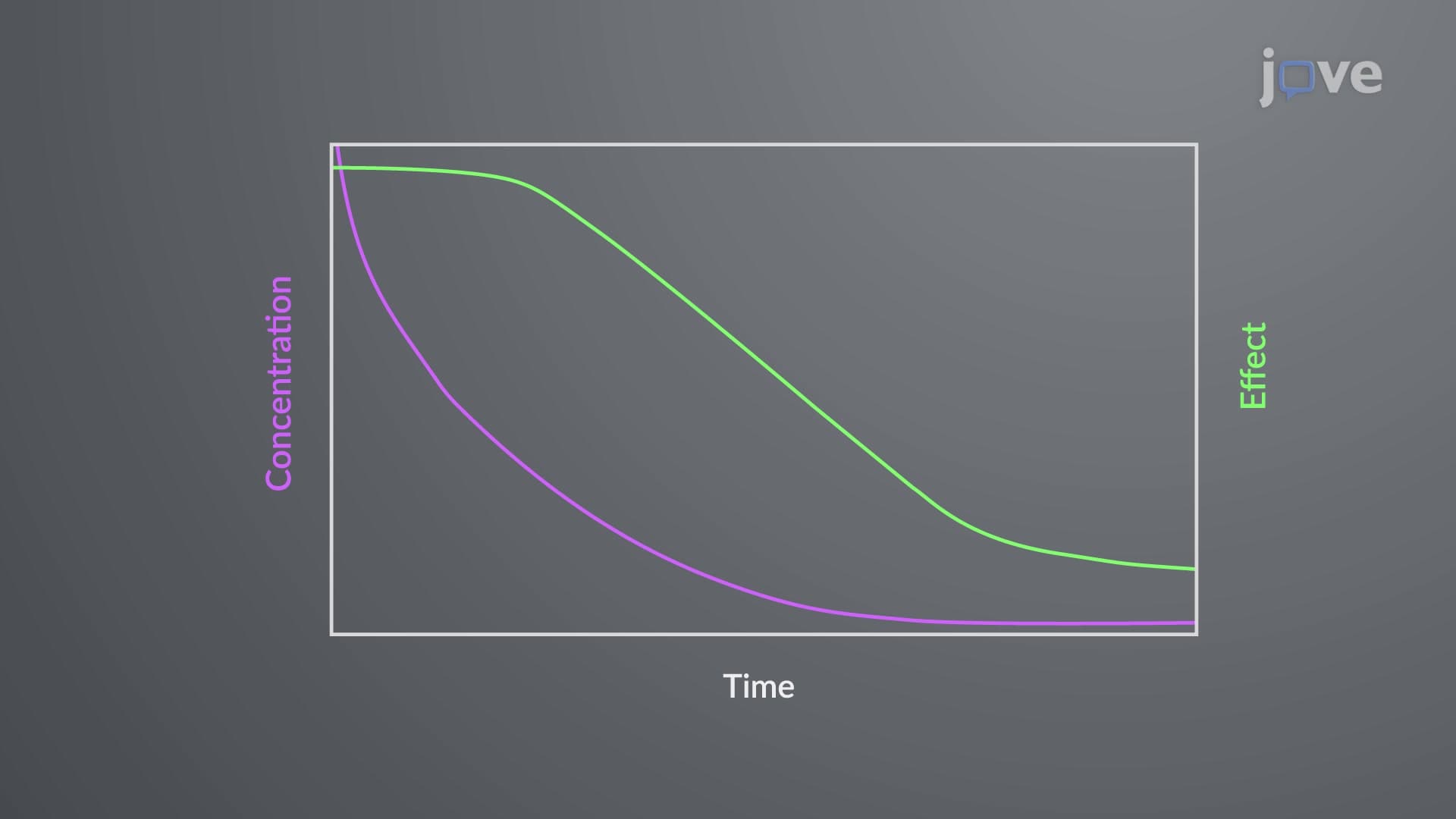
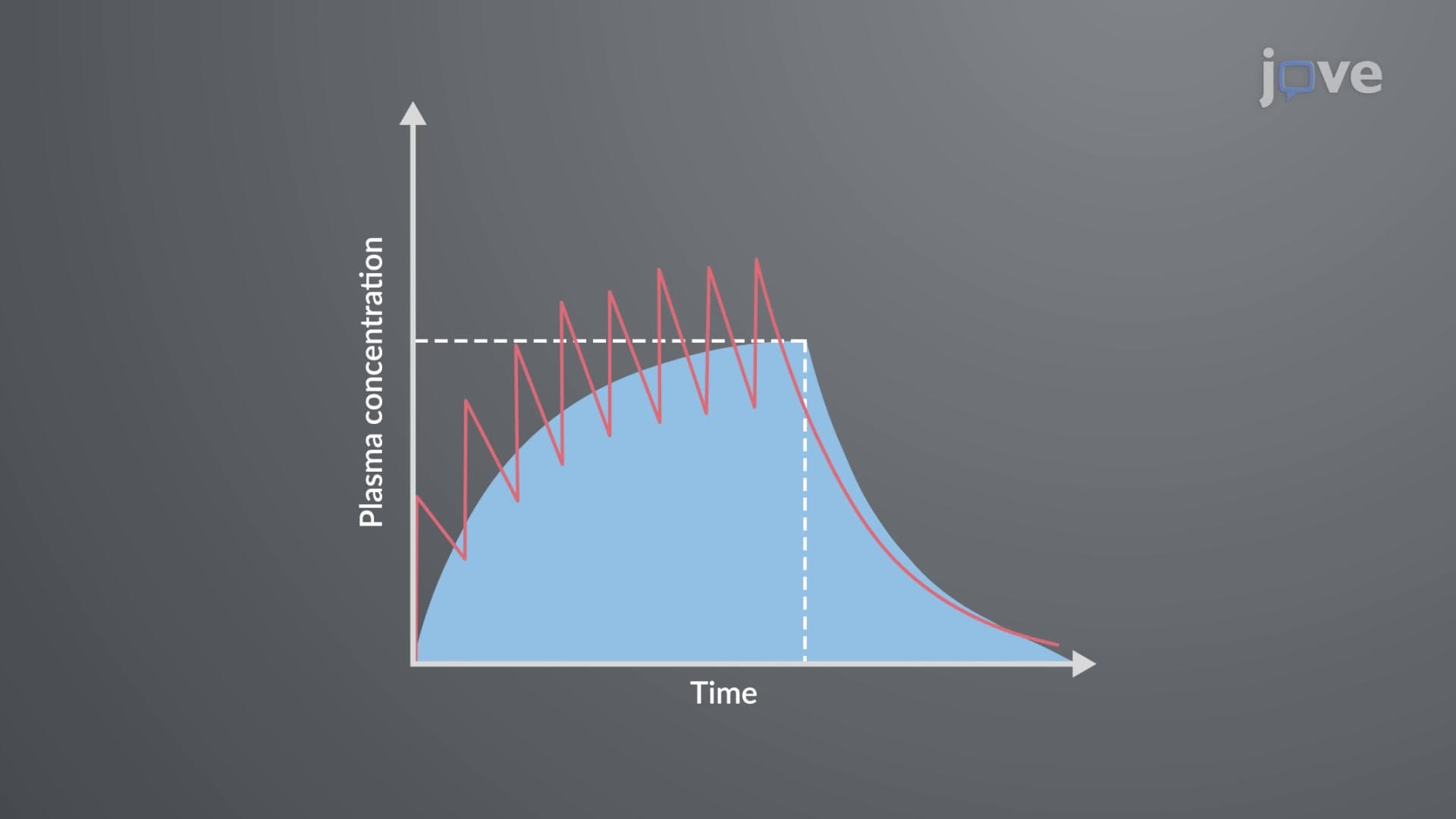
Following IV bolus administration, plasma concentrations show a characteristic bi-exponential decline. The initial rapid drop (distribution phase, alpha phase) reflects drug movement into peripheral tissues. The slower subsequent decline (elimination phase, beta phase) represents drug elimination from the body.
This pattern appears in FDA pharmacokinetic studies for drugs like propranolol and lidocaine. Understanding this concept helps predict therapeutic duration and design appropriate dosing regimens in clinical practice.
US medical schools emphasize compartment modeling in pharmacology courses. The USMLE Step 1 frequently tests students' ability to interpret concentration-time curves and predict drug behavior. Nursing students encounter these principles in NCLEX questions about medication timing and patient monitoring.
Related Micro-courses