Loading concepts…


14 Concepts
11 Concepts
29 Concepts
19 Concepts
24 Concepts
20 Concepts
13 Concepts
10 Concepts
12 Concepts
12 Concepts
7 Concepts
6 Concepts
8 Concepts
6 Concepts
8 Concepts
8 Concepts
8 Concepts
6 Concepts
9 Concepts
8 Concepts
8 Concepts
10 Concepts
7 Concepts
5 Concepts
16 Concepts
 8 Concepts
 5.7K Views
 Popular topics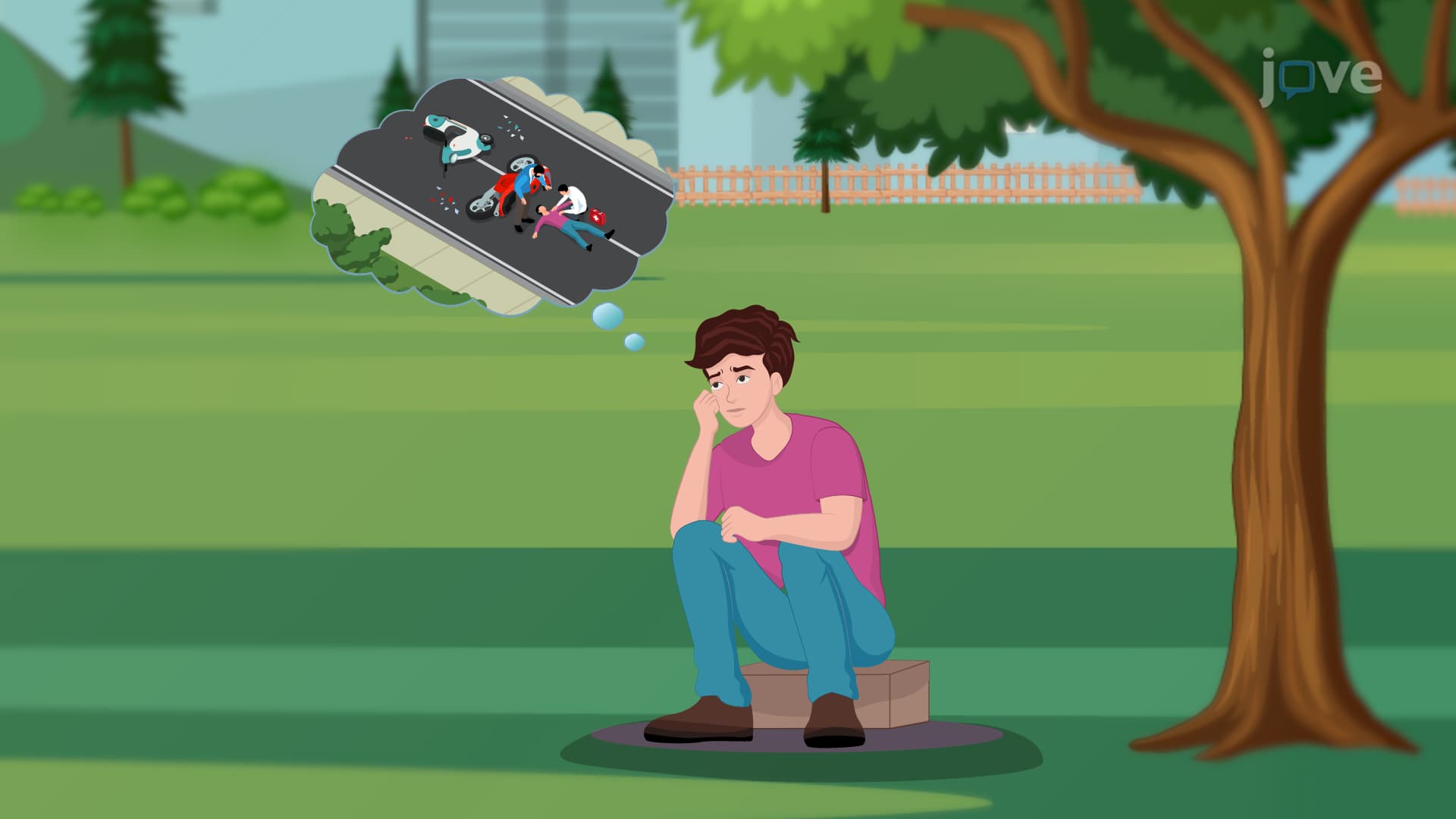
Anxiolytics are essential medications used to treat anxiety disorders and sleep disturbances by targeting the central nervous system. This comprehensive course explores the pharmacological mechanisms of benzodiazepines, barbiturates, and newer sedative-hypnotic agents, providing crucial knowledge for understanding how these drugs manage conditions from generalized anxiety disorder to insomnia in clinical practice across US healthcare settings with JoVE Coach.
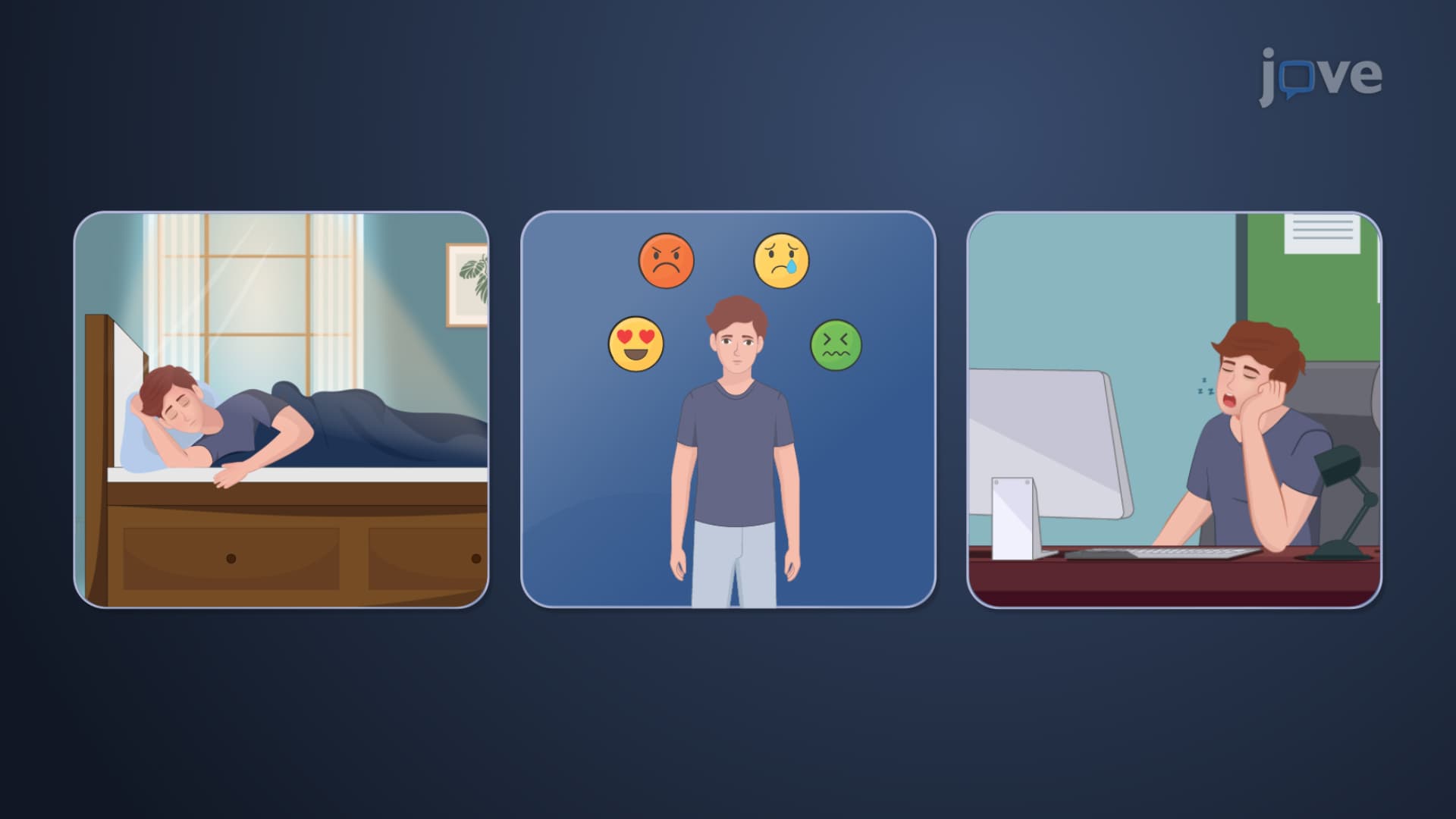
1. Anxiety Disorders and Clinical Manifestations: Anxiety represents a complex mental health condition affecting millions of Americans, characterized by excessive worry, fear, and physiological symptoms including tachycardia, trembling, and sleep disturbances. The classification includes generalized anxiety disorder (persistent worry without specific triggers), social anxiety disorder (fear of social interactions), specific phobias (irrational fears of objects like spiders or situations like flying), panic attacks (sudden overwhelming fear episodes), PTSD (anxiety from traumatic experiences), and OCD (repetitive behaviors driven by anxiety). Understanding these classifications is crucial for appropriate treatment selection in US clinical settings.
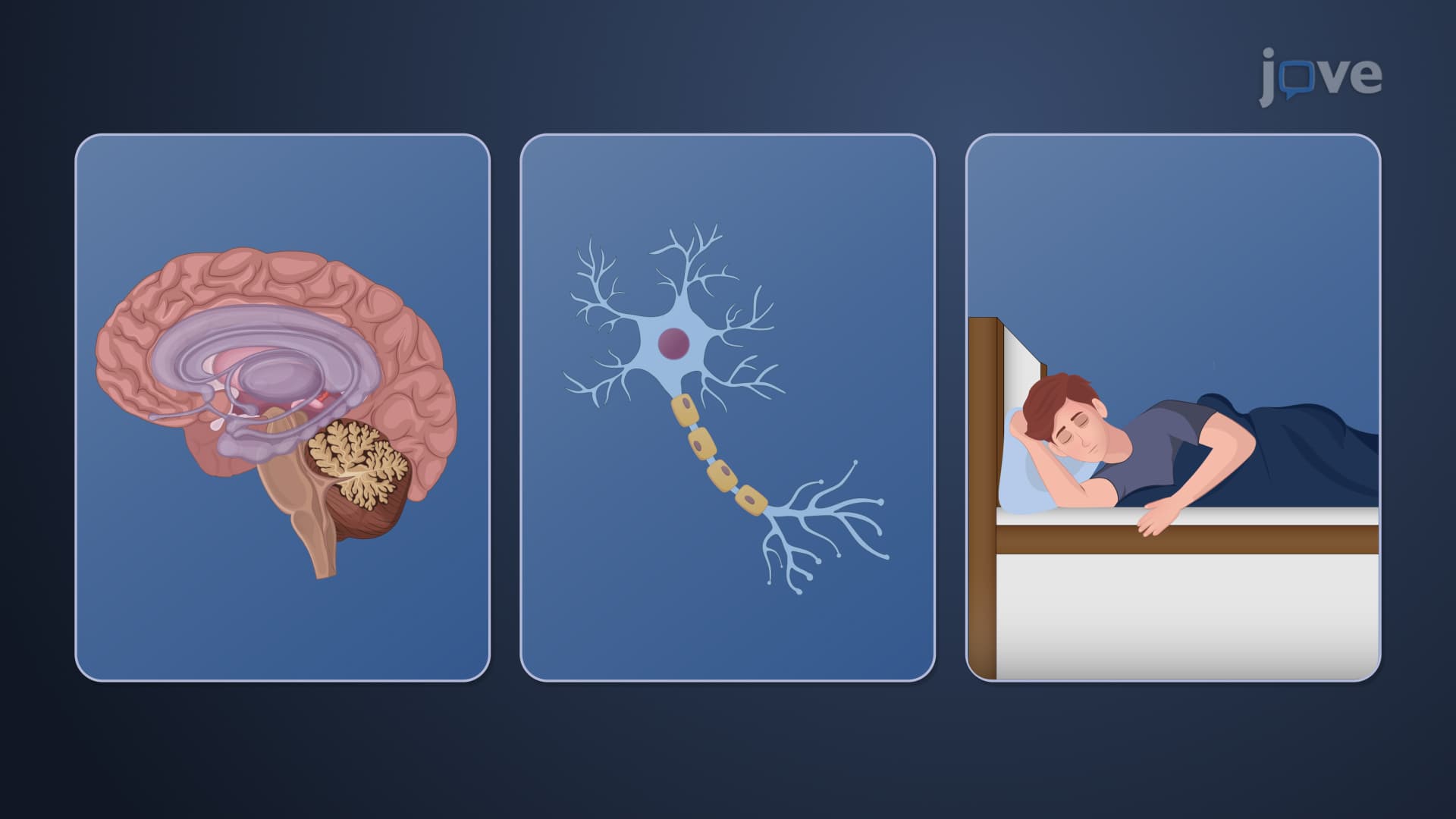
2. GABA Neurotransmission and Anxiolytic Mechanisms: The gamma-aminobutyric acid (GABA) system serves as the brain's primary inhibitory neurotransmitter pathway, essential for controlling anxiety and promoting calmness. GABA-A receptors are pentameric ligand-gated chloride channels that, when activated, allow chloride influx, hyperpolarizing neurons and reducing excitability. Anxiolytics like benzodiazepines bind to allosteric sites on these receptors, enhancing GABA's inhibitory effects without directly activating the channel. This mechanism explains why these medications effectively reduce anxiety symptoms while maintaining relative safety compared to older sedatives used in American healthcare.
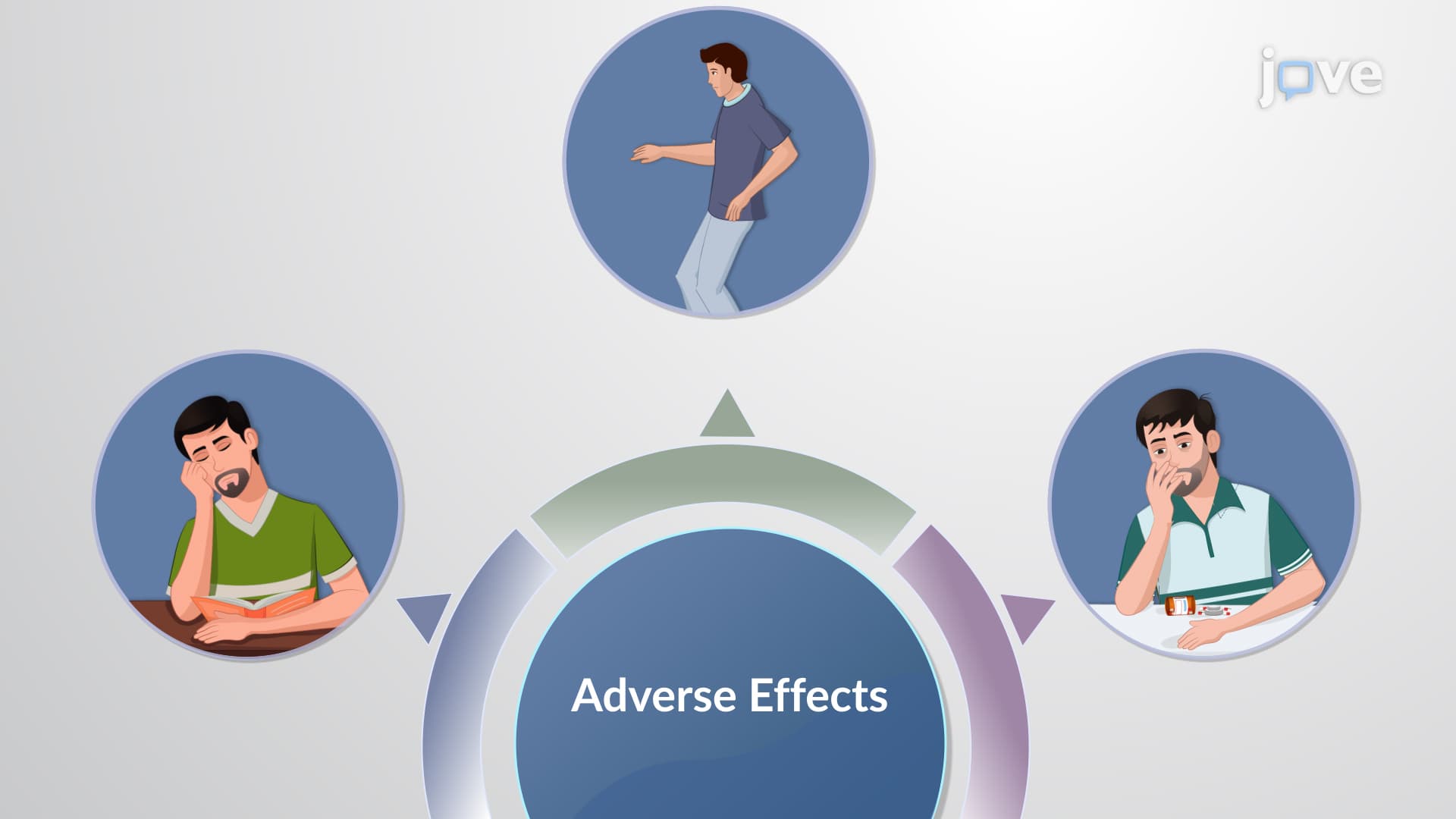
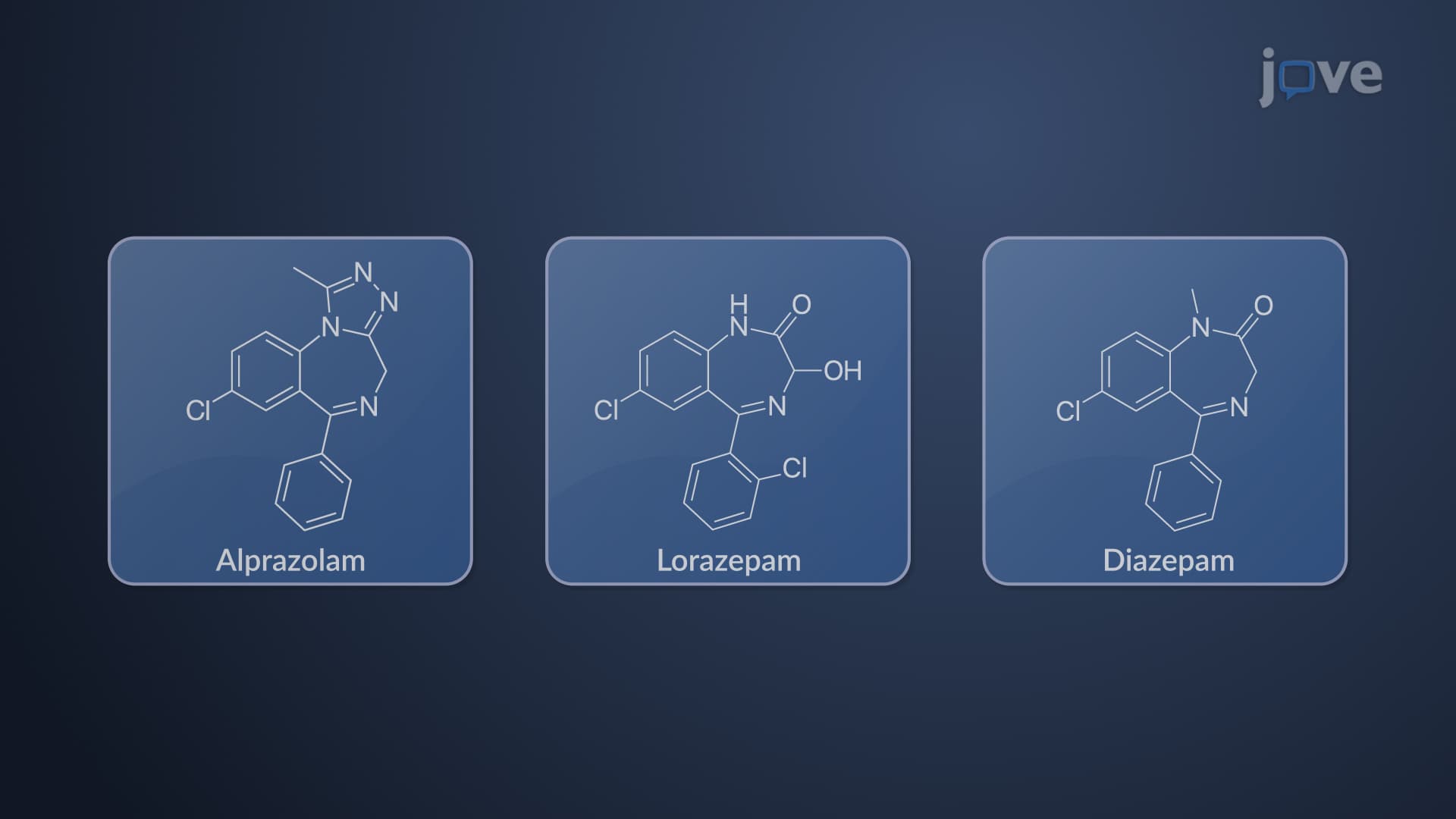
3. Benzodiazepine Pharmacology and Clinical Applications: Benzodiazepines represent the gold standard for anxiety treatment due to their favorable safety profile and predictable dose-response relationship. These lipophilic medications are rapidly absorbed after oral administration, easily crossing the blood-brain barrier to reach target receptors. Classification by half-life includes short-acting (3-8 hours, like lorazepam), intermediate-acting (10-20 hours, like alprazolam), and long-acting (1-3 days, like diazepam) formulations. Clinical applications extend beyond anxiety to include seizure management, alcohol withdrawal treatment, and muscle spasm relief. Common side effects include drowsiness, confusion, and coordination impairment, requiring careful patient monitoring in US medical practice.
4. Alternative Anxiolytic Mechanisms: Buspirone offers a non-benzodiazepine approach to anxiety treatment through partial agonism at 5-HT1A serotonin receptors, promoting serotonergic neurotransmission without causing sedation or dependence. This mechanism makes it particularly valuable for long-term generalized anxiety disorder treatment. Beta-blockers like propranolol target peripheral anxiety symptoms by blocking adrenergic receptors, effectively controlling tremors and tachycardia associated with performance anxiety or social phobia. Antidepressants, including SSRIs and SNRIs, provide dual benefits for patients with comorbid anxiety and depression by enhancing serotonin and norepinephrine neurotransmission, making them first-line treatments in many US clinical guidelines.
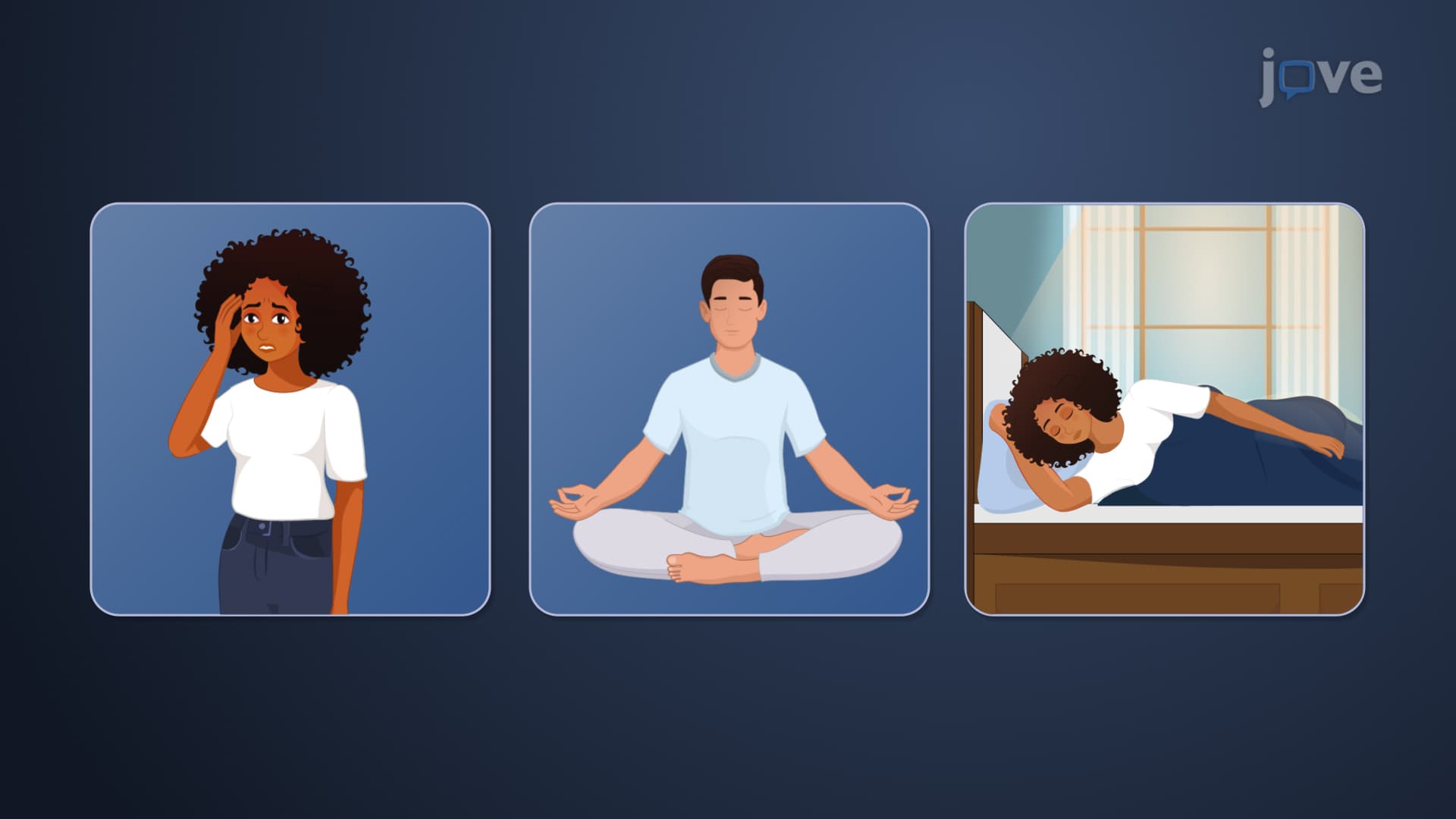
5. Sleep Physiology and Insomnia Management: Normal sleep architecture progresses through distinct stages from light sleep to deep sleep, culminating in REM (Rapid Eye Movement) phase, with each cycle lasting approximately 90 minutes. Insomnia, affecting over 30% of American adults, disrupts this natural progression, causing difficulty falling asleep, maintaining sleep, or early morning awakening. Management strategies emphasize non-pharmacological approaches first, including sleep hygiene education, cognitive-behavioral therapy for insomnia (CBT-I), and lifestyle modifications like regular exercise and caffeine reduction. Pharmacological intervention becomes appropriate for severe cases, typically limited to short-term use under medical supervision to prevent dependence and tolerance development.
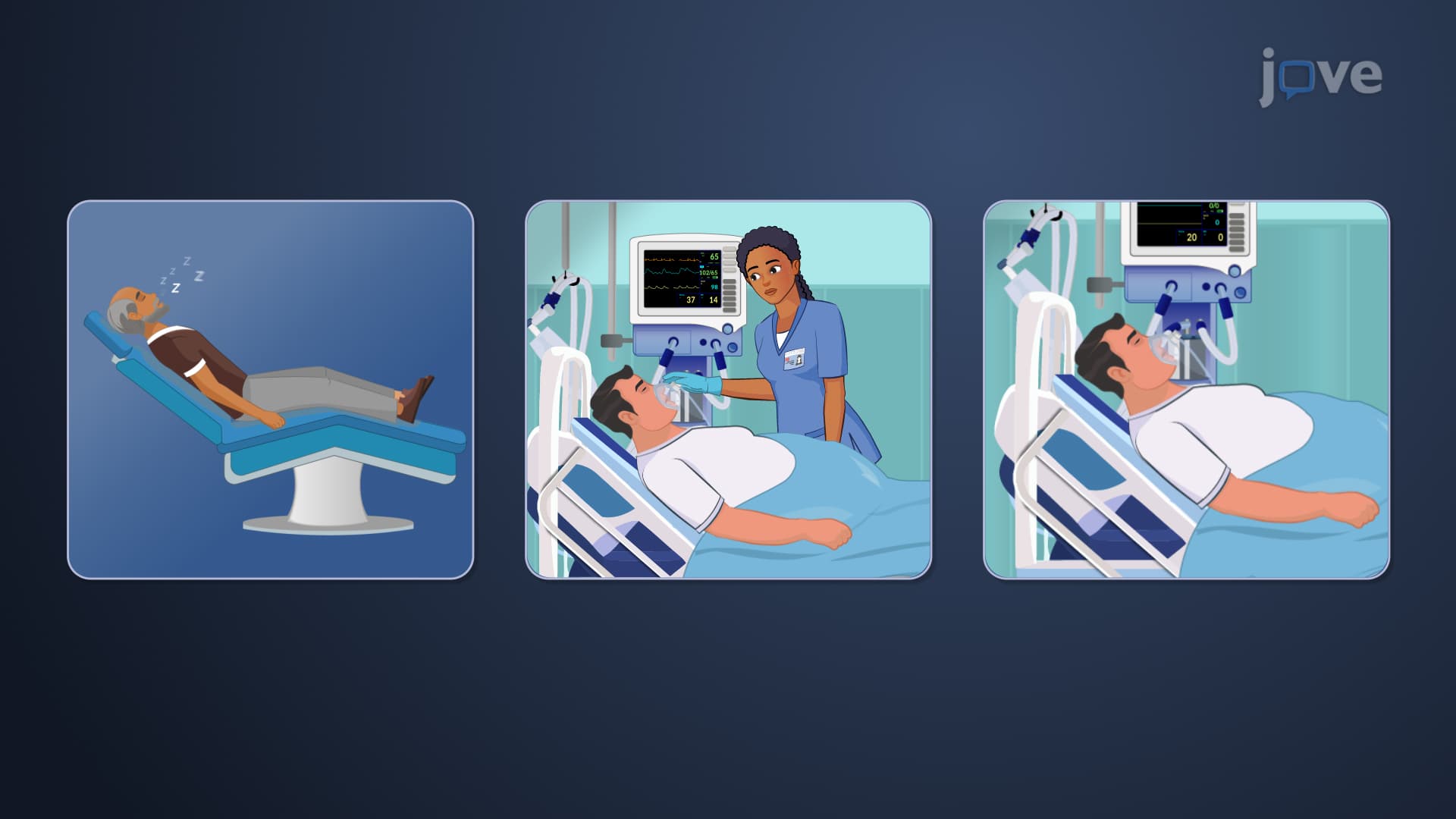
6. Barbiturate Pharmacology and Clinical Limitations: Barbiturates, derived from barbituric acid, enhance GABA-A receptor function but bind to different allosteric sites than benzodiazepines, producing more pronounced CNS depression with a narrow therapeutic window. Their dose-response relationship follows a dangerous linear curve, making overdose potentially fatal through respiratory depression. Classification by duration includes ultra-short acting (thiopental for anesthesia induction), short-acting (secobarbital), intermediate-acting (amobarbital), and long-acting (phenobarbital for seizure control) formulations. Modern clinical use is limited primarily to seizure management and anesthesia due to high abuse potential, dangerous drug interactions, and availability of safer alternatives like benzodiazepines in US medical practice.
7. Modern Sedative-Hypnotic Agents and Safety Profiles: Newer sedative-hypnotic medications offer improved safety profiles compared to traditional barbiturates while maintaining therapeutic efficacy. Z-drugs like zolpidem, zaleplon, and eszopiclone selectively target specific GABA-A receptor subtypes, providing sleep induction with reduced next-day sedation. Melatonin receptor agonists like ramelteon work through the body's natural sleep-wake cycle regulation, binding to MT1 and MT2 receptors in the suprachiasmatic nucleus without dependence risk. Other agents include orexin receptor antagonists (suvorexant) that block wakefulness signals, and low-dose tricyclic antidepressants (doxepin) that provide sleep benefits through histamine receptor blockade. These medications represent the evolution toward more targeted, safer sleep aids in American clinical practice.