14 Concepts
11 Concepts
29 Concepts
19 Concepts
24 Concepts
20 Concepts
13 Concepts
10 Concepts
12 Concepts
12 Concepts
7 Concepts
6 Concepts
8 Concepts
6 Concepts
8 Concepts
8 Concepts
8 Concepts
6 Concepts
9 Concepts
8 Concepts
8 Concepts
10 Concepts
7 Concepts
5 Concepts
16 Concepts
Drugs for vomiting represent essential therapeutic agents used to manage nausea and vomiting across various clinical scenarios in US healthcare settings. This comprehensive course examines antiemetic drug mechanisms, focusing on serotonin receptor antagonists, dopamine blockers, neurokinin-1 inhibitors, and cannabinoid agonists. Students will explore how these pharmacological agents for nausea and vomiting target specific receptors in the brain's vomiting center and chemoreceptor trigger zone, with particular emphasis on chemotherapy-induced nausea management protocols used in American oncology practices.
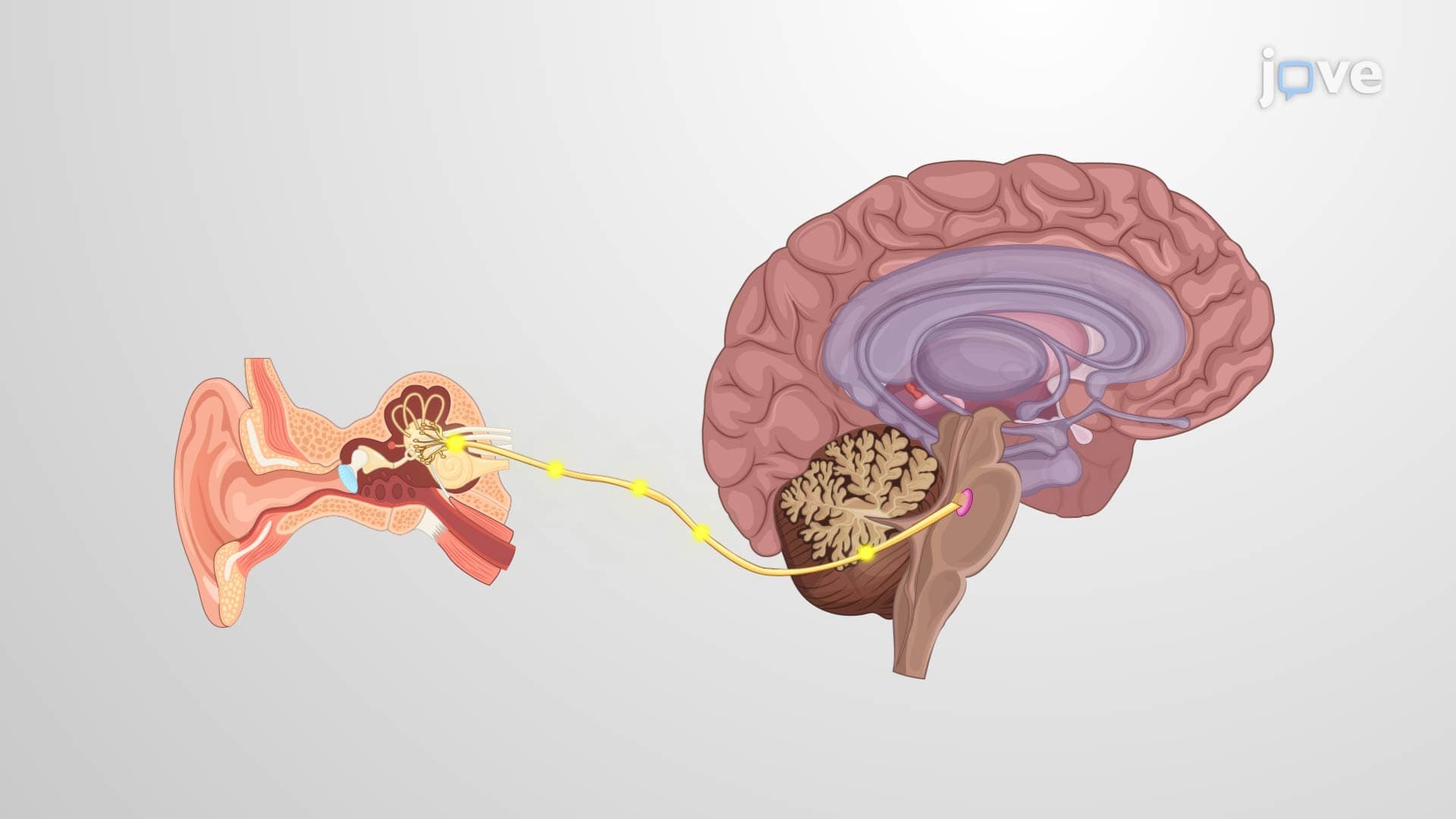
1. Vomiting Center Pathophysiology and Neural Control The brain's vomiting center integrates signals from multiple sources including the chemoreceptor trigger zone (CTZ), vestibular apparatus, gastrointestinal tract, and cerebral cortex. Located in the medulla oblongata, this center coordinates the complex motor responses of vomiting when triggered by toxins, medications, motion, or psychological stimuli. The CTZ, positioned outside the blood-brain barrier, contains high concentrations of dopamine and opioid receptors, making it particularly sensitive to circulating emetogenic substances. Understanding this anatomy is crucial for comprehending how different antiemetic drugs target specific receptor types and neural pathways to prevent nausea and vomiting effectively.
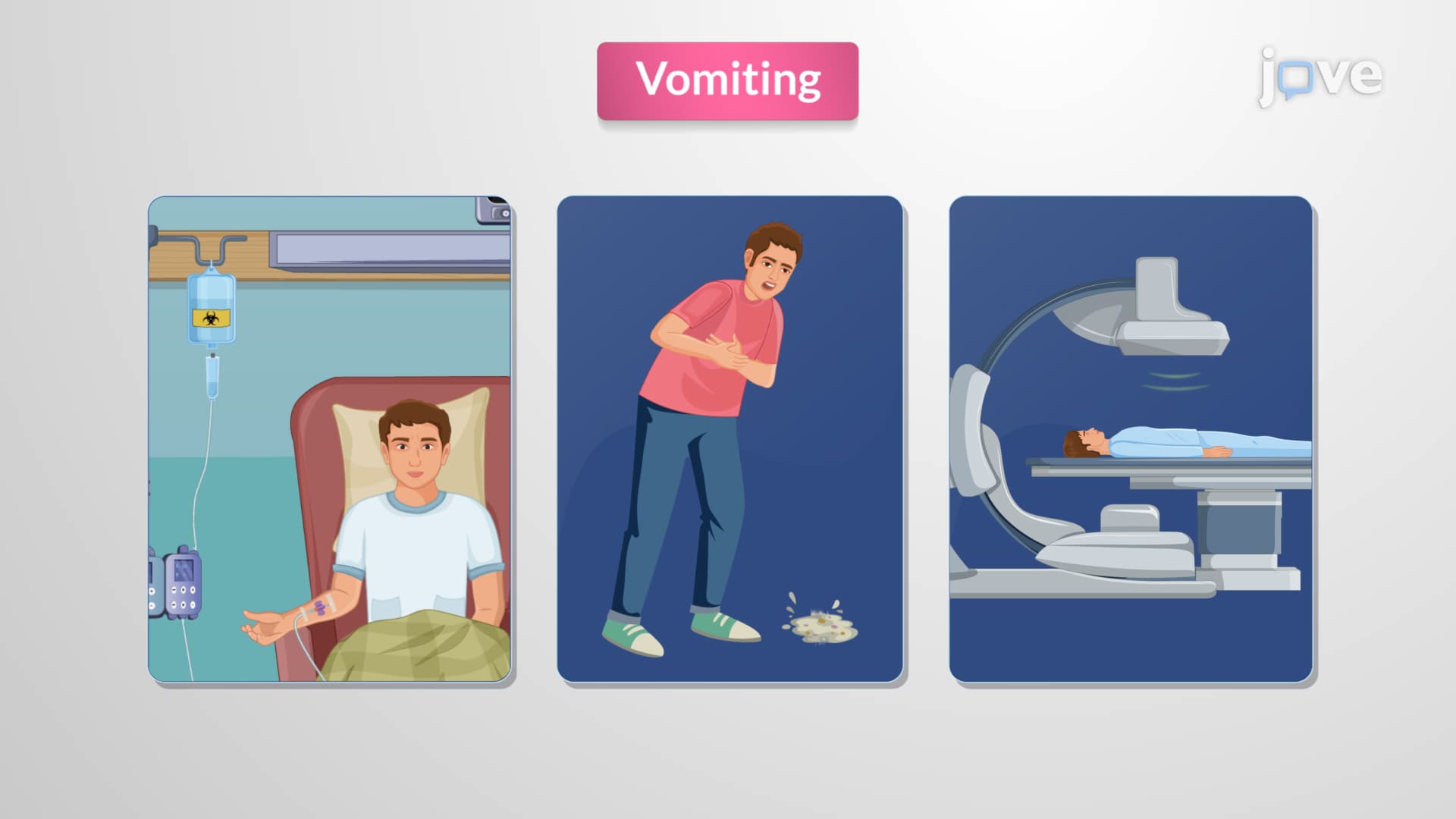
2. Serotonin (5-HT3) Receptor Antagonists in Clinical Practice Ondansetron, granisetron, and palonosetron represent first-line serotonin antagonist antiemetic agents widely used in US hospitals for chemotherapy-induced nausea and vomiting (CINV). These drugs selectively block 5-HT3 receptors in the gastrointestinal tract and CTZ, preventing serotonin-mediated activation of vomiting pathways. Ondansetron, the prototype drug, demonstrates excellent efficacy for acute-phase CINV with minimal sedation compared to older antiemetics. American oncology protocols typically combine these agents with corticosteroids and NK1 antagonists for optimal antiemetic coverage. Common applications include surgical anesthesia (PONV treatment), radiation therapy, and high-emetogenic chemotherapy regimens used in major US cancer centers.
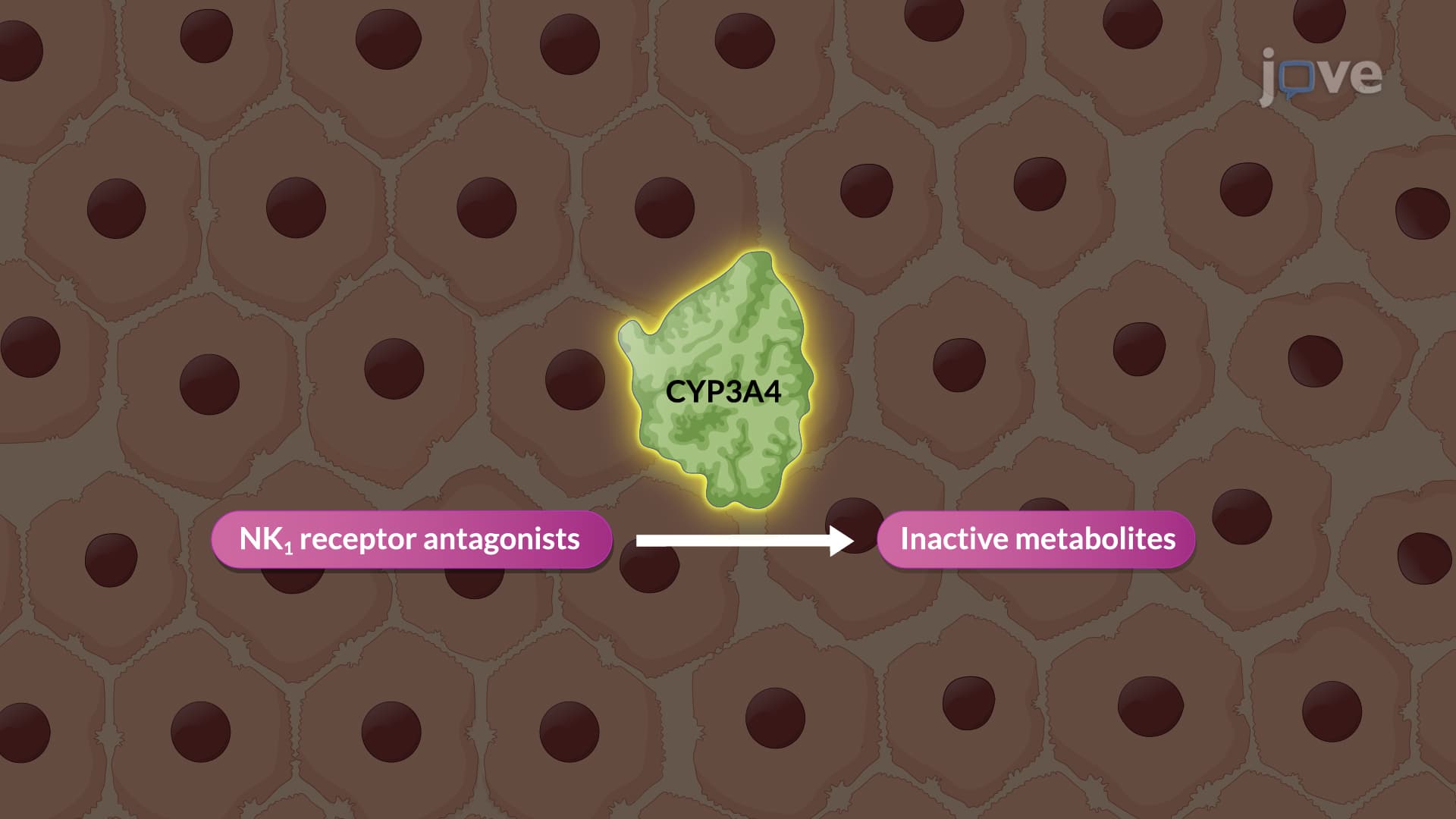
3. Neurokinin-1 (NK1) Receptor Antagonists and Delayed Vomiting Aprepitant, netupitant, and rolapitant specifically target NK1 receptors in the brainstem's vomiting center, blocking substance P binding and subsequent emetic responses. These agents excel at preventing delayed-phase CINV occurring 24-120 hours post-chemotherapy, a timeframe poorly controlled by 5-HT3 antagonists alone. US clinical guidelines recommend NK1 antagonists for highly emetogenic chemotherapy regimens including cisplatin, carboplatin, and anthracycline-based protocols. Important considerations include CYP3A4 enzyme interactions affecting concurrent chemotherapy metabolism, particularly with docetaxel and paclitaxel commonly used in American cancer treatment protocols. These drugs represent targeted therapy exemplifying precision medicine approaches in supportive oncology care.
4. Dopamine Receptor Antagonists and Broad-Spectrum Applications Dopamine antagonist nausea medications include phenothiazines (prochlorperazine), butyrophenones (droperidol), and benzamides (metoclopramide), each offering unique clinical advantages. Metoclopramide serves dual roles as both an antiemetic and prokinetic agent, making it valuable for gastroparesis management in US diabetic patients. Prochlorperazine remains a cornerstone therapy for emergency department nausea treatment and outpatient antiemetic prescribing. These agents work by blocking dopamine D2 receptors in the CTZ, effectively interrupting emetic signaling pathways. Clinical applications span motion sickness, medication-induced nausea, and breakthrough vomiting in cancer patients, with availability in multiple formulations supporting diverse patient care scenarios in American healthcare settings.
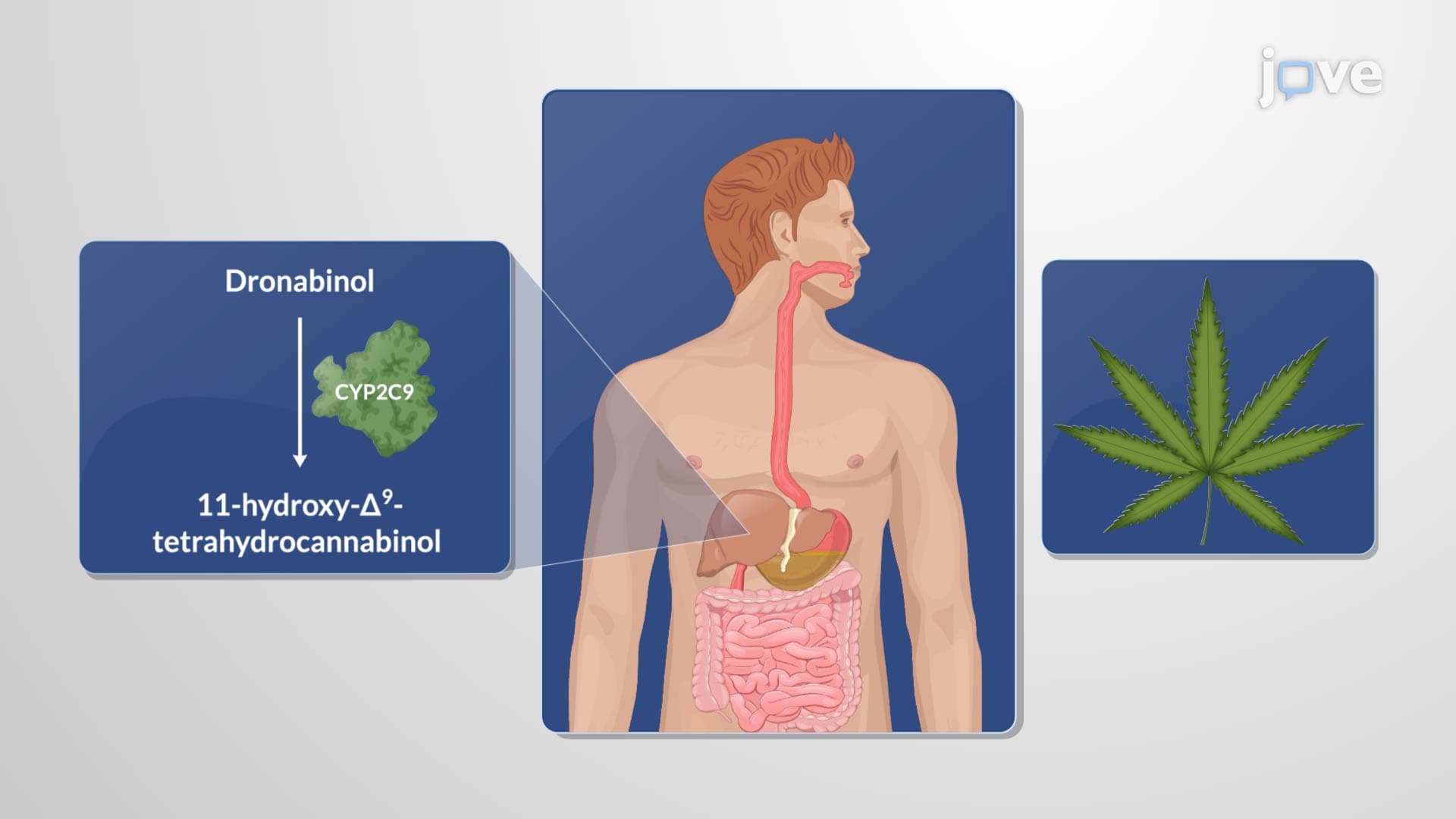
5. Cannabinoid Receptor Agonists and Refractory Cases Dronabinol and nabilone activate CB1 receptors in the brainstem, inhibiting neurotransmitter release and subsequent vomiting responses. These agents serve as second-line options for refractory CINV when conventional antiemetics prove inadequate, particularly in US states with established medical marijuana programs. Dronabinol, derived from cannabis plant extracts, undergoes extensive first-pass hepatic metabolism requiring careful dosing considerations. Clinical protocols typically involve pre-chemotherapy administration followed by scheduled dosing every 2-4 hours. While effective for severe cases, adverse effects including euphoria, anxiety, and cardiovascular changes limit widespread use, necessitating careful patient selection and monitoring in American oncology practices.