14 Concepts
11 Concepts
29 Concepts
19 Concepts
24 Concepts
20 Concepts
13 Concepts
10 Concepts
12 Concepts
12 Concepts
7 Concepts
6 Concepts
8 Concepts
6 Concepts
8 Concepts
8 Concepts
8 Concepts
6 Concepts
9 Concepts
8 Concepts
8 Concepts
10 Concepts
7 Concepts
5 Concepts
16 Concepts
Local anesthetics are essential medications that temporarily block nerve conduction to prevent pain during medical procedures across the United States. These drugs work by reversibly blocking sodium channels in nerve fibers, enabling everything from dental procedures to major surgeries. Understanding their mechanism and types-from lidocaine nerve blocks to epidural anesthesia-is crucial for healthcare professionals. This comprehensive course, supported by JoVE Coach, covers the chemistry, pharmacology, and clinical applications of local anesthetics used in American healthcare settings.
1. Chemical Structure and Classification: Local anesthetics are amphiphilic molecules containing both hydrophilic amine groups and lipophilic aromatic rings. The critical distinction lies in their linkage: ester-linked agents like procaine are rapidly metabolized by plasma esterases, resulting in shorter duration of action, while amide-linked drugs such as lidocaine and bupivacaine are more stable and provide prolonged anesthesia. This structural difference directly impacts clinical selection, with amide-linked agents preferred for longer procedures in American surgical centers and hospitals due to their predictable duration and reduced risk of allergic reactions.
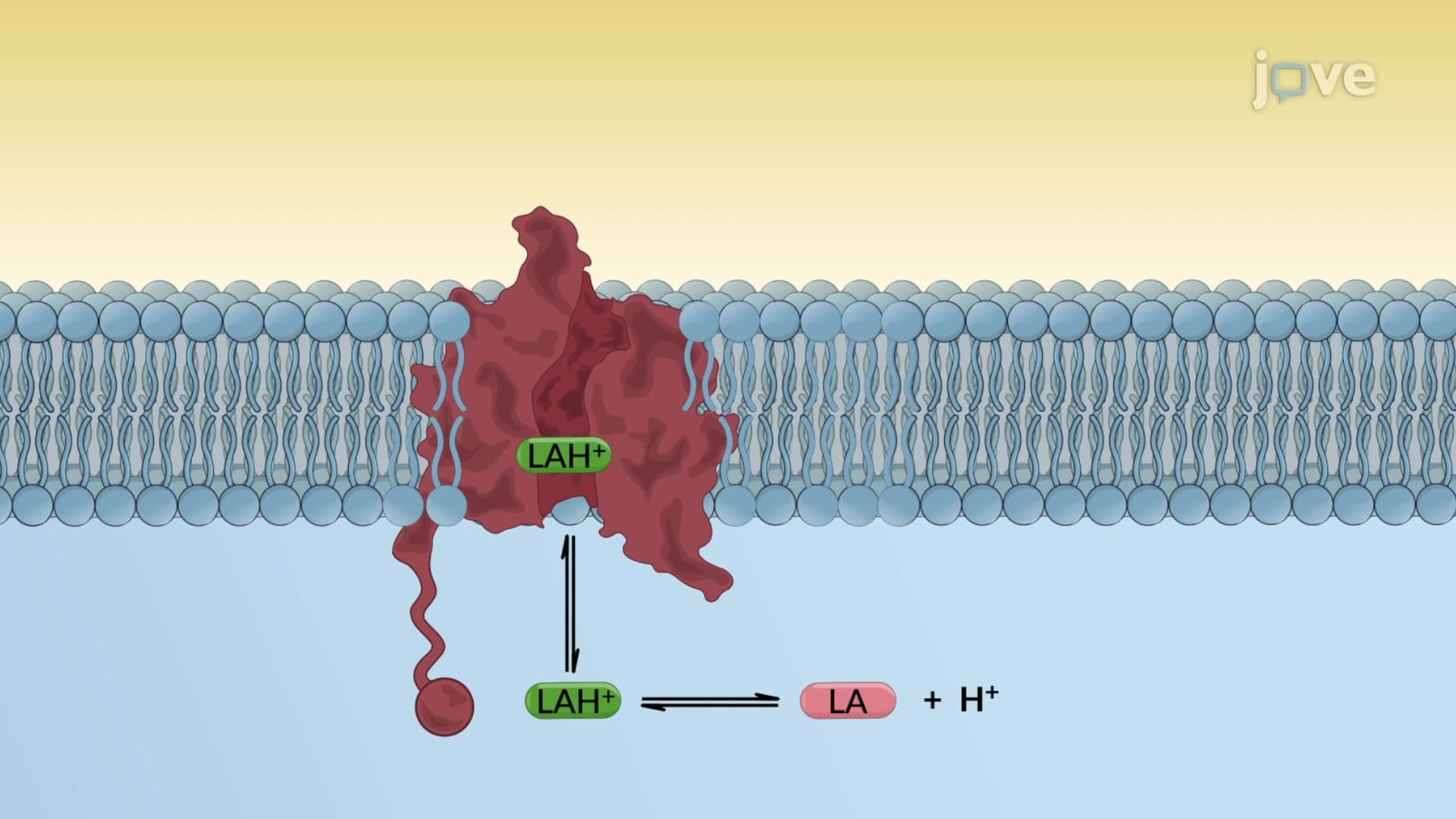
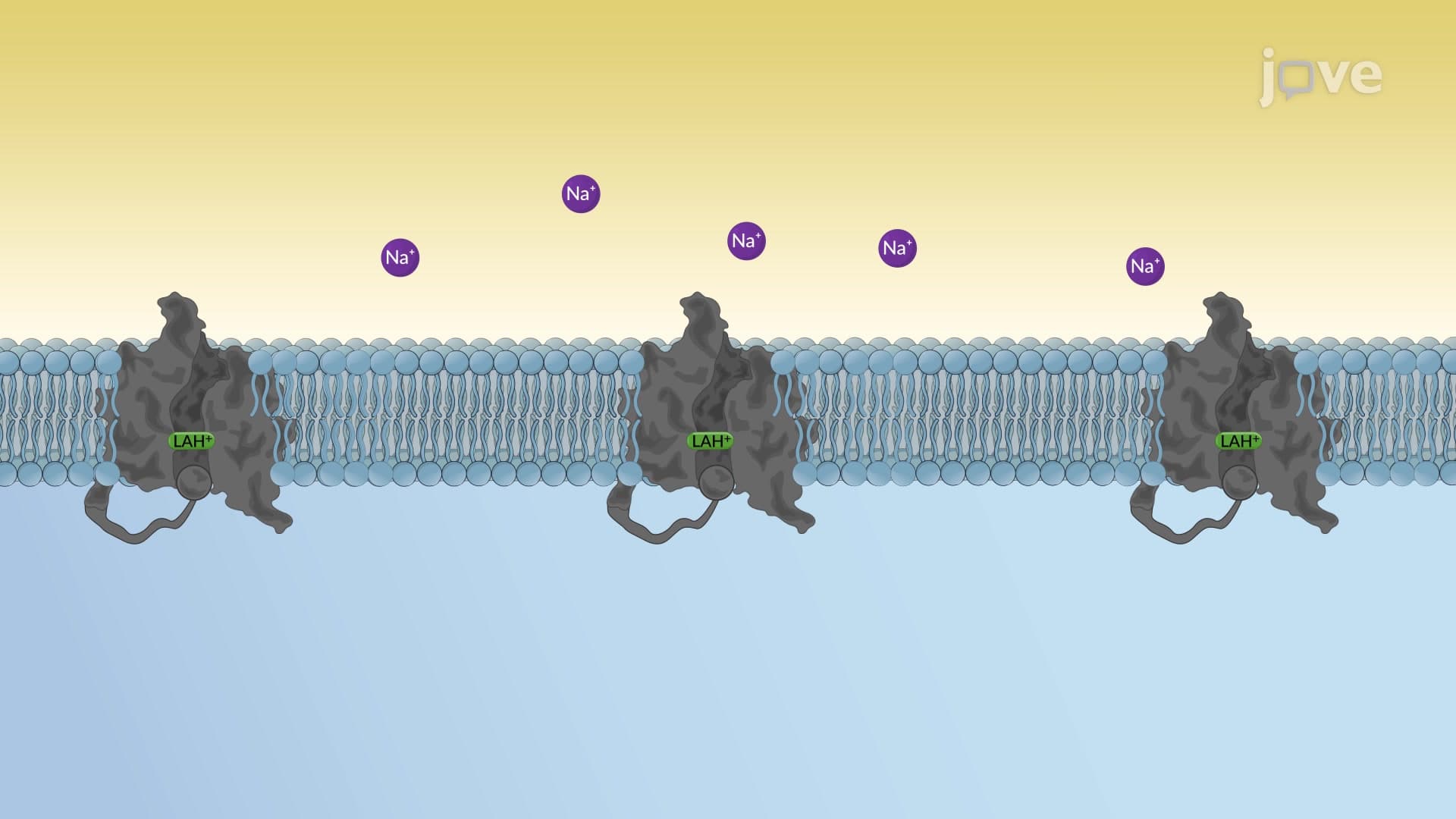
2. Sodium Channel Block Mechanism: The fundamental mechanism involves reversible blockade of voltage-gated sodium channels in nerve cell membranes. Local anesthetics exist as weak bases that remain partially uncharged at physiological pH, allowing them to cross lipid membranes. Once inside the axon, they become protonated and bind to receptor sites within sodium channels, maintaining them in an inactive state. This prevents the sodium influx necessary for action potential generation and propagation, effectively blocking nerve impulse transmission. Understanding this mechanism is essential for explaining why local anesthetics work and predicting their clinical effects.
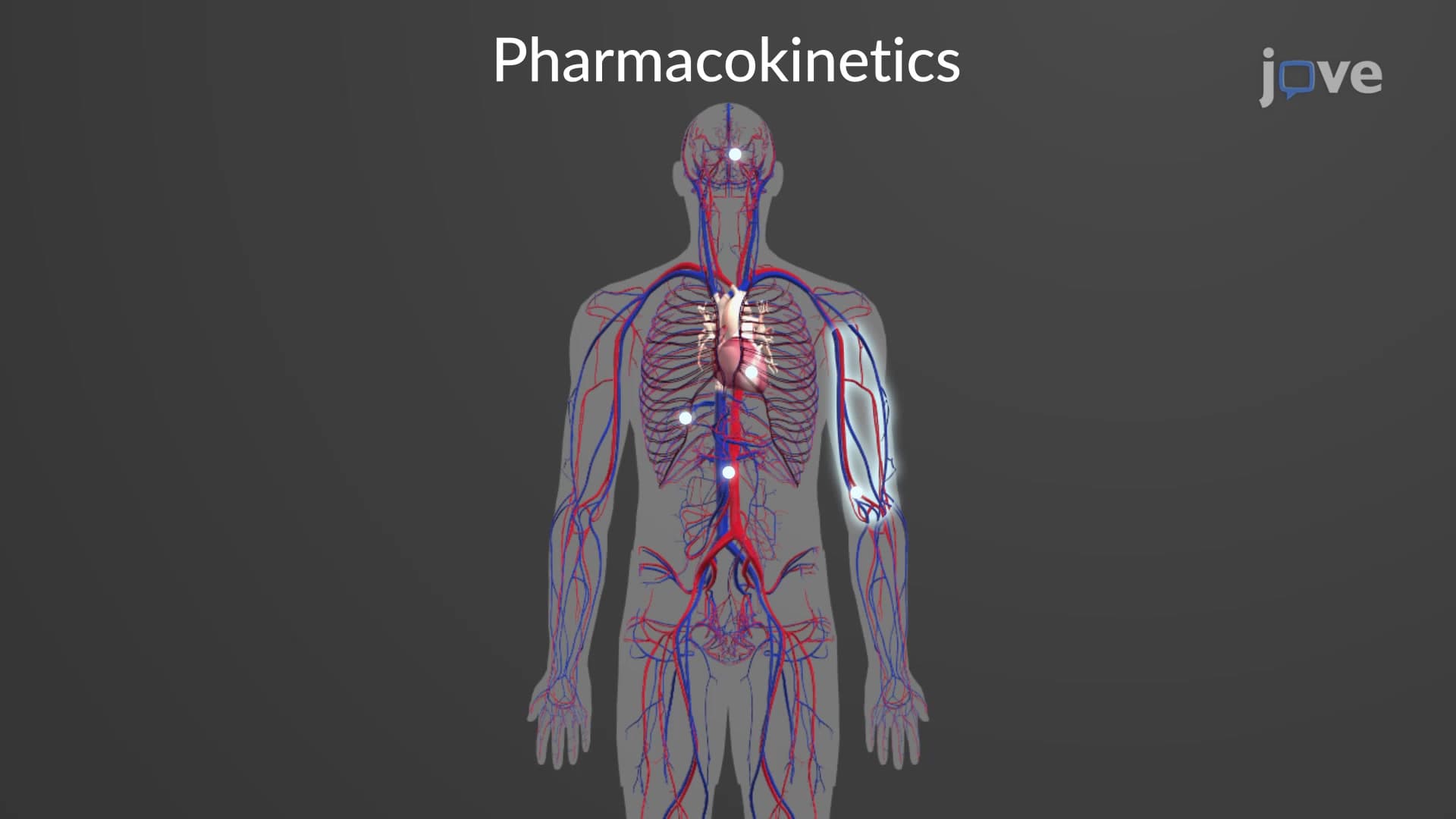
3. Pharmacokinetics and Distribution: Absorption, distribution, metabolism, and elimination significantly influence local anesthetic efficacy and safety. Vasoconstrictors like epinephrine are commonly added to local anesthetic solutions in US medical practice to reduce systemic absorption and prolong local effect. Ester-linked agents undergo hydrolysis by plasma cholinesterases, while amide-linked drugs require hepatic metabolism via cytochrome P450 enzymes. This pharmacokinetic knowledge helps clinicians select appropriate agents for patients with liver disease or plasma cholinesterase deficiency, conditions commonly encountered in American hospitals and clinics.
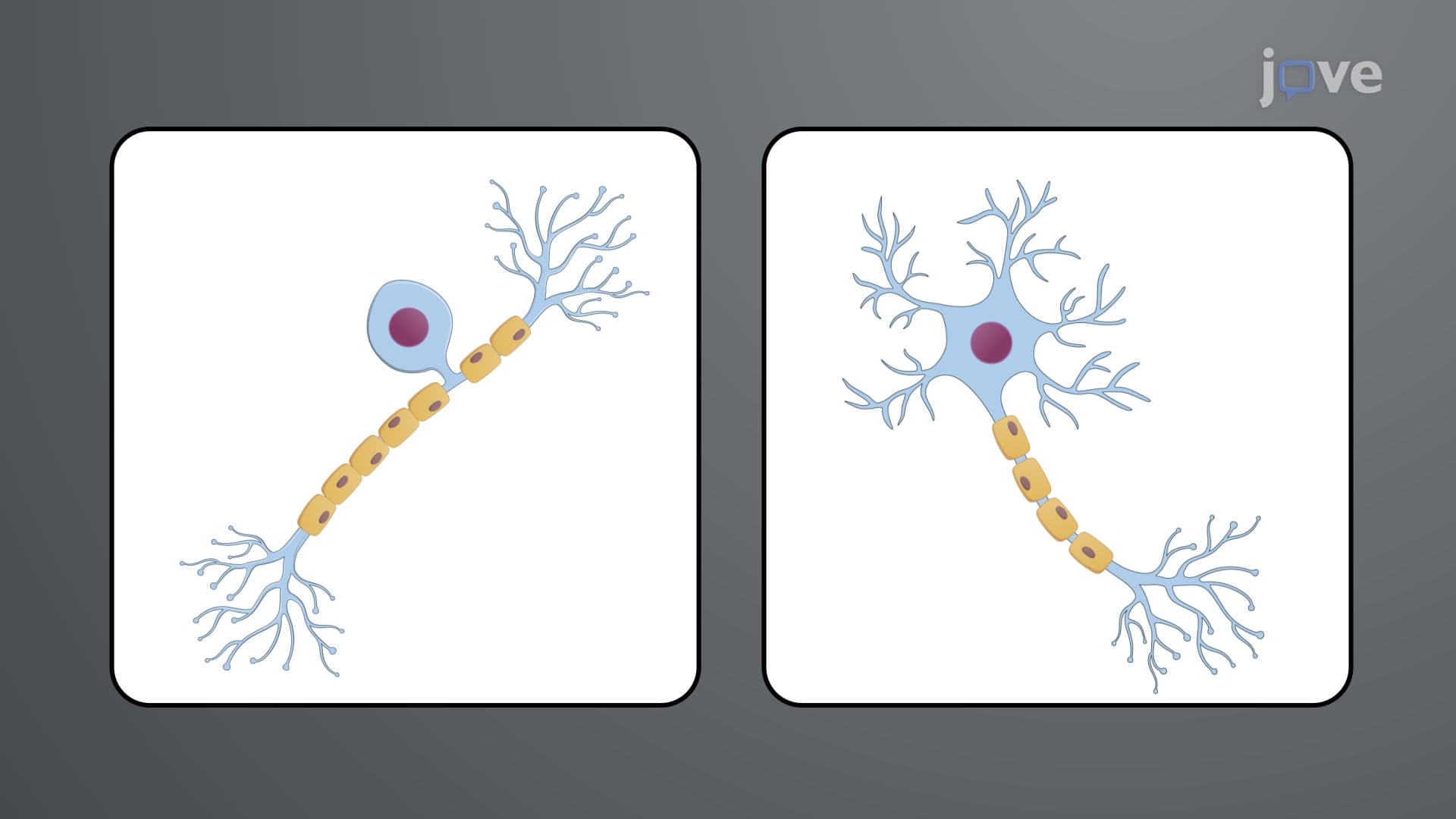
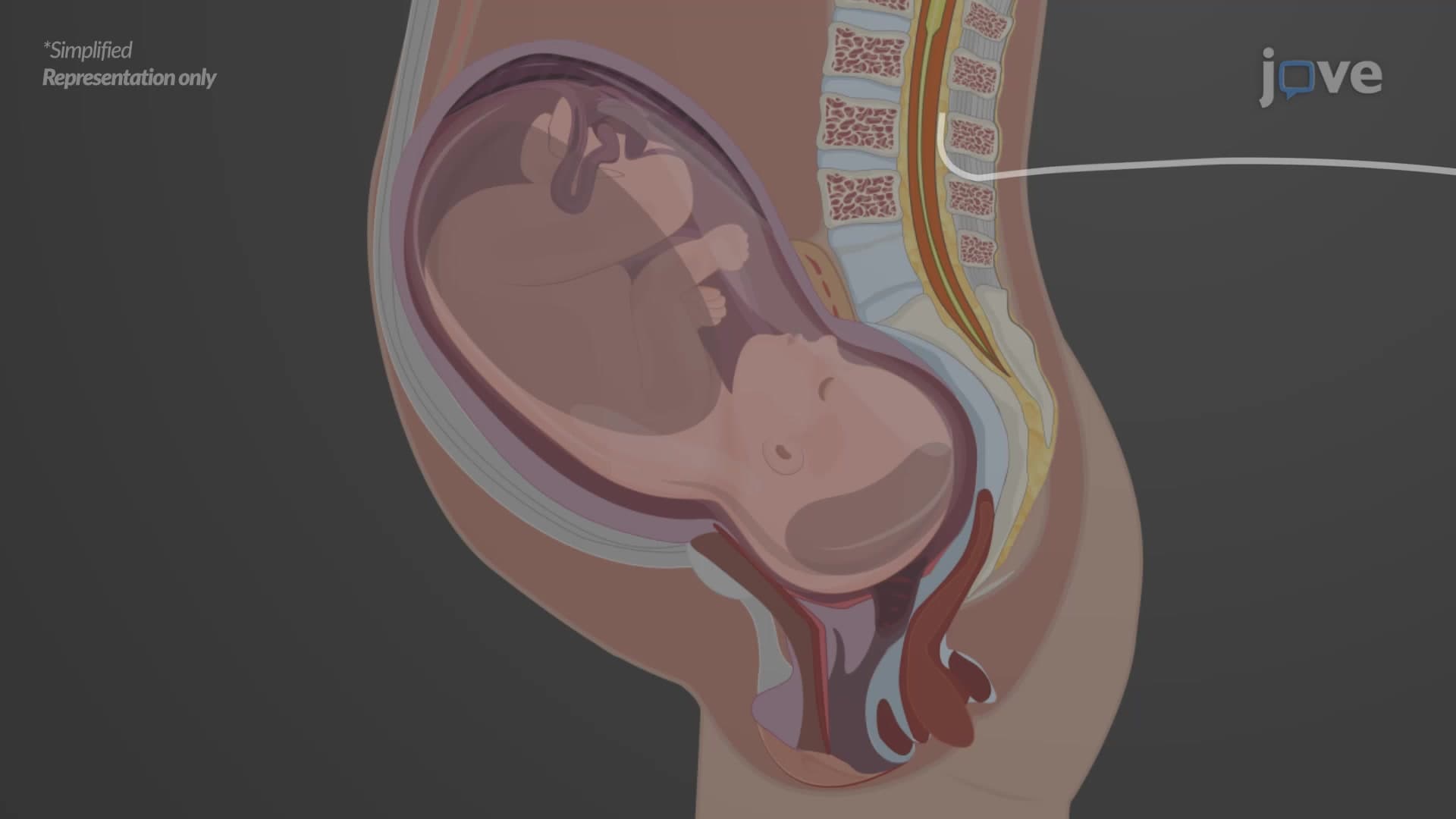
4. Differential Nerve Sensitivity and Selective Blockade: Not all nerve fibers respond equally to local anesthetics, creating predictable patterns of sensory and motor blockade. Small-diameter myelinated fibers with short internodal distances are blocked first, followed by larger motor fibers. This differential sensitivity explains why patients initially lose pain sensation while retaining motor function during procedures like epidural anesthesia for childbirth in US hospitals. Understanding this concept helps healthcare providers explain to patients why they may still feel pressure or touch while being pain-free, and why motor weakness develops later during more extensive nerve blocks.
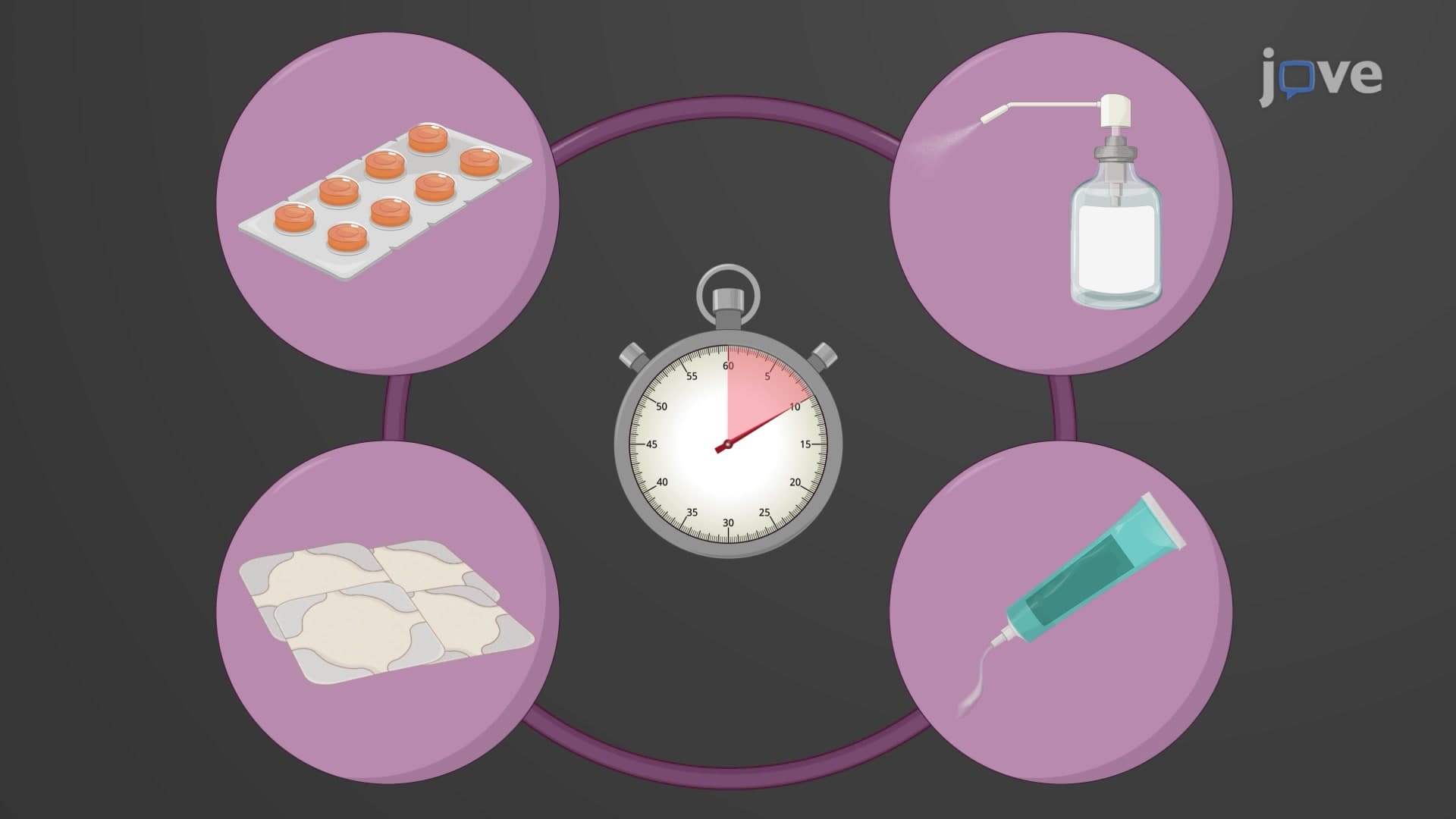
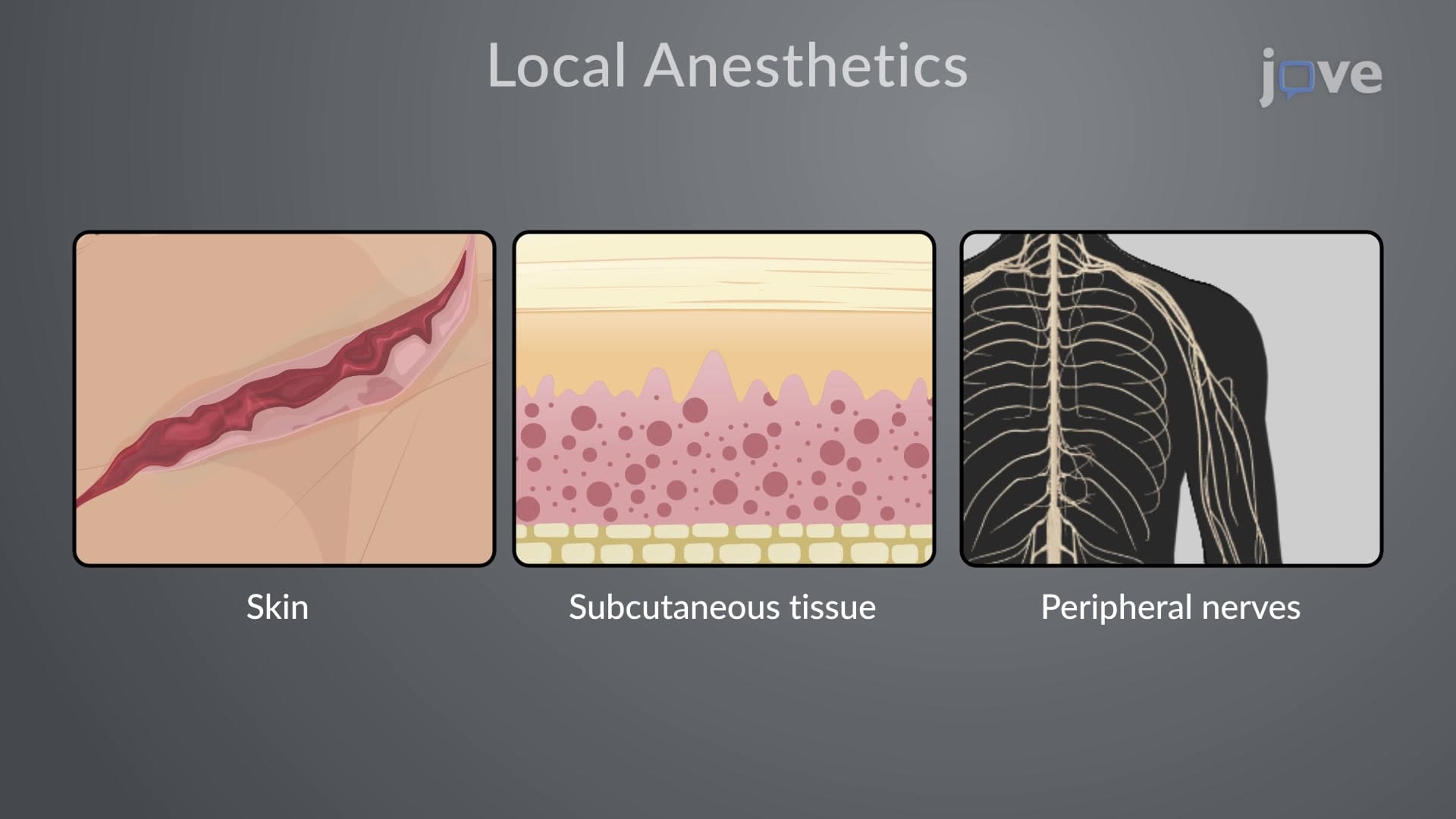
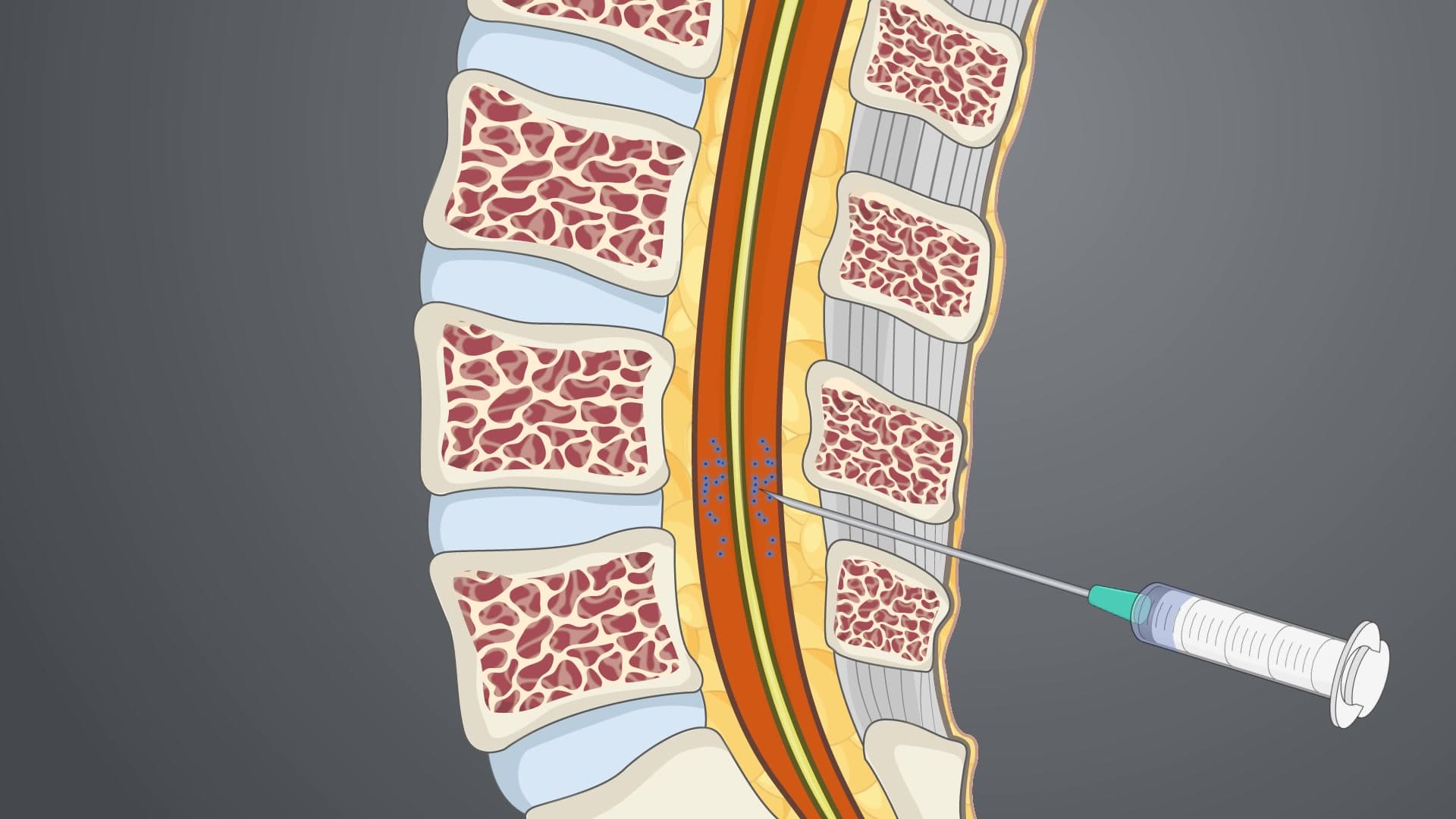
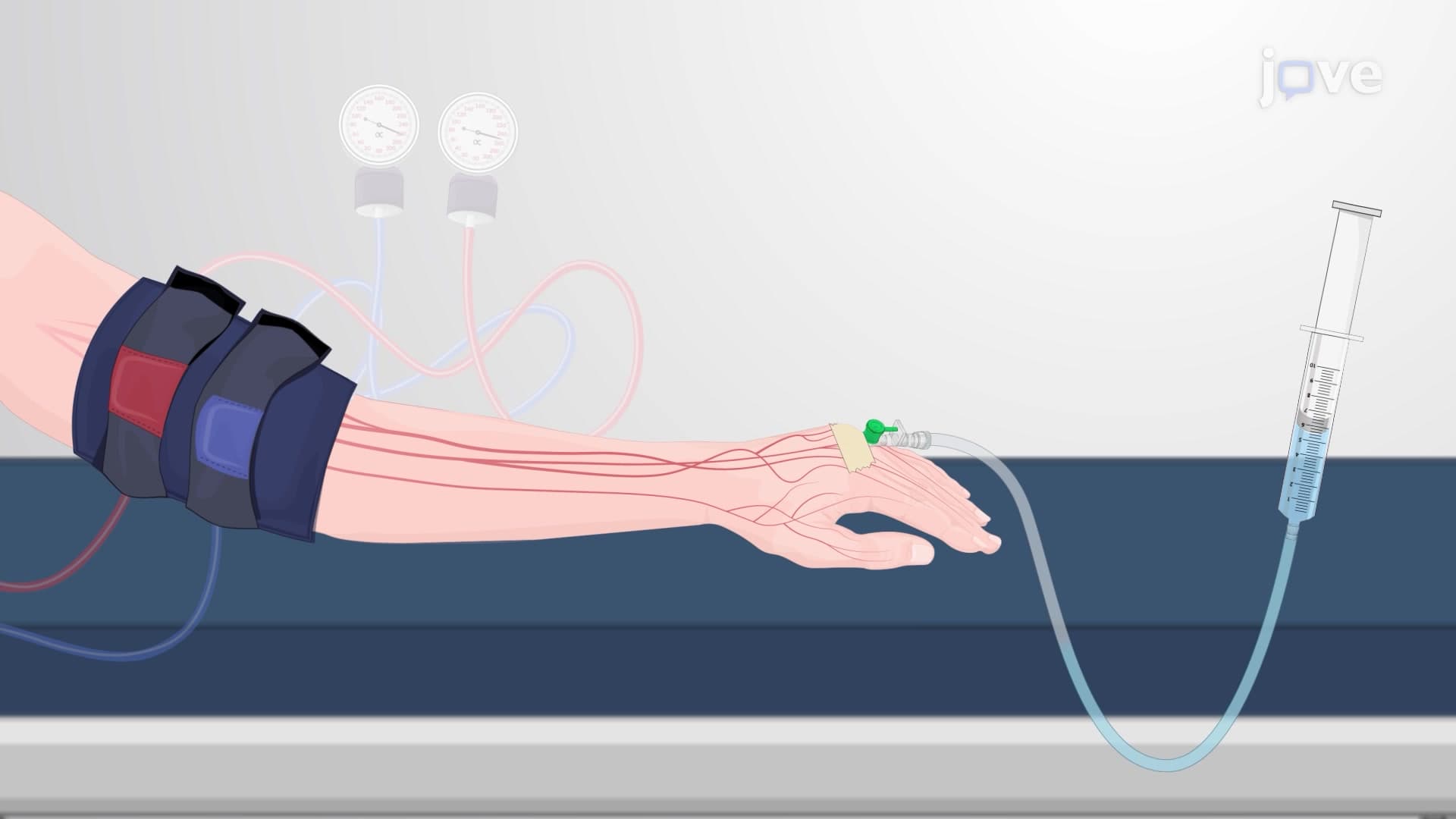
5. Clinical Applications and Techniques: Local anesthetics are administered through various routes including surface application, infiltration, and conduction blocks. Surface anesthesia using agents like benzocaine treats minor wounds and mucous membranes, while infiltration techniques anesthetize small surgical sites. Conduction blocks, including field blocks and nerve blocks with lidocaine or bupivacaine, provide regional anesthesia for larger procedures. Advanced techniques like spinal, epidural, and intravenous regional anesthesia (Bier block) are standard procedures in American operating rooms and pain management centers, each with specific indications, contraindications, and safety considerations.
6. Adverse Effects and Safety Considerations: Systemic toxicity occurs when local anesthetics enter the circulation, affecting the central nervous system and cardiovascular system. Early signs include dizziness, metallic taste, and tongue numbness, progressing to seizures and cardiac arrest at higher concentrations. Allergic reactions are more common with ester-linked agents due to para-aminobenzoic acid formation during metabolism. American healthcare protocols emphasize recognition and management of local anesthetic systemic toxicity (LAST), including the use of lipid emulsion therapy as a rescue treatment in emergency departments and operating rooms across the United States.