Loading video…


 13 Concepts
 21.4K views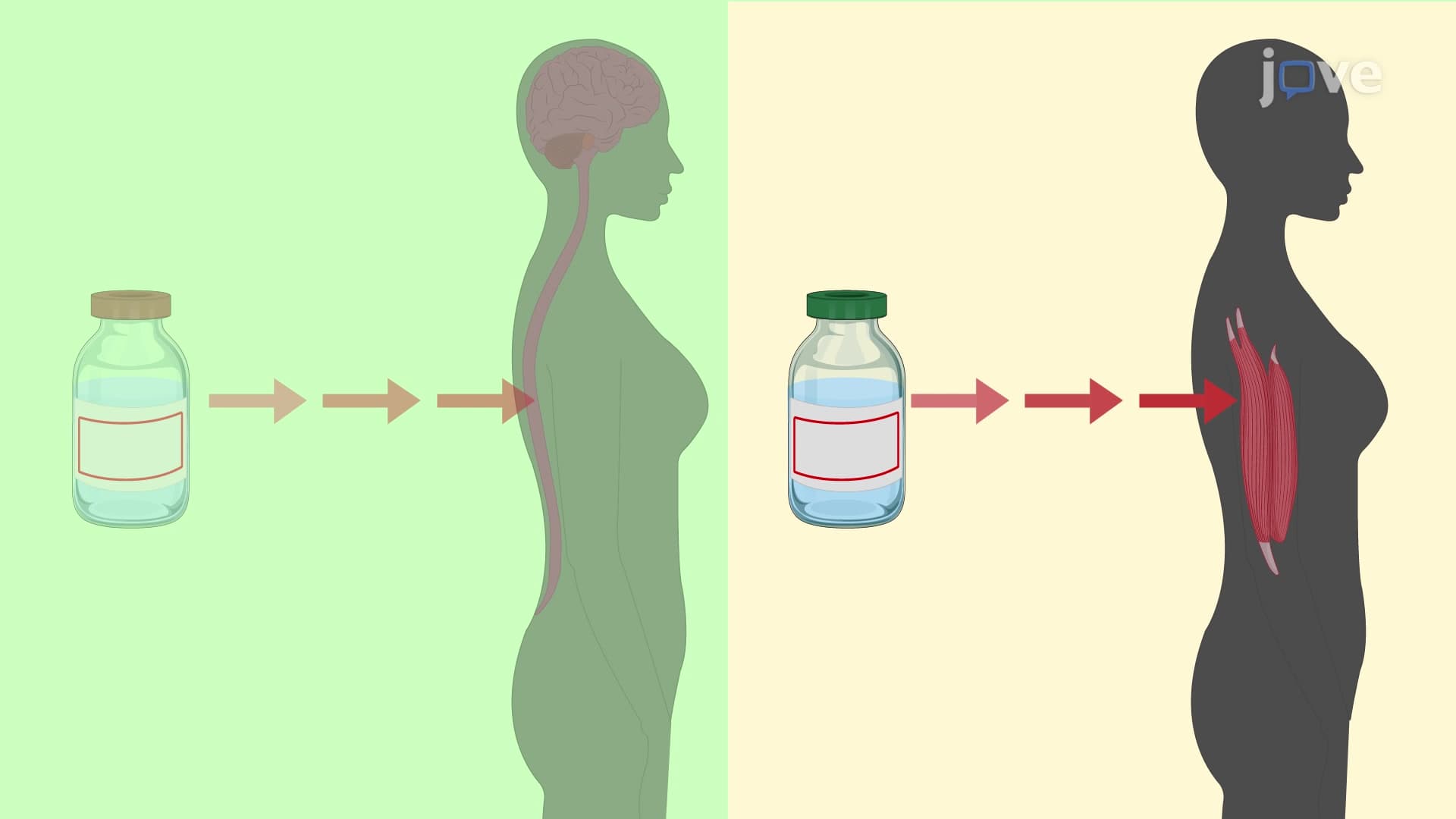

Video Summary: What Is Spasmolytic Agents Chemical Classification
Ever wondered why muscle relaxants prescribed for back spasms work so differently from each other? Spasmolytic agents chemical classification reveals three distinct drug families that combat muscle spasticity through unique molecular mechanisms. From tizanidine prescribed for multiple sclerosis patients at Mayo Clinic to diazepam used in emergency rooms across Texas for severe muscle spasms, understanding what is spasmolytic agents chemical classification helps explain why doctors choose specific treatments for different conditions. Watch the full video on JoVE Coach to master this concept with expert-led visuals and step-by-step explanations.
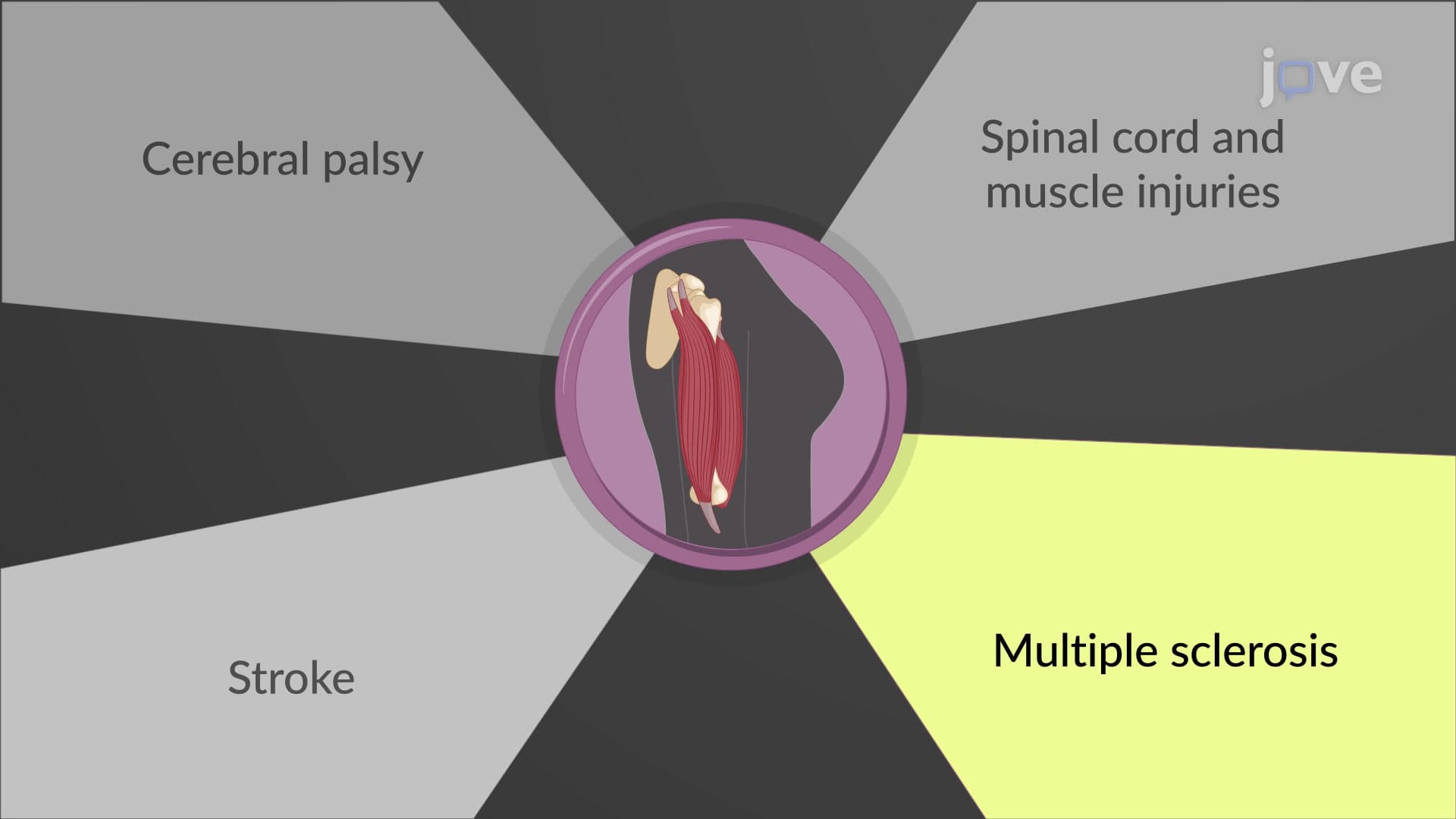
Spasmolytic agents chemical classification represents a systematic approach to categorizing muscle relaxant medications based on their molecular structure and mechanism of action. This classification system proves essential for healthcare professionals treating conditions like cerebral palsy, spinal cord injuries, and multiple sclerosis, where muscle spasticity significantly impacts patient quality of life.
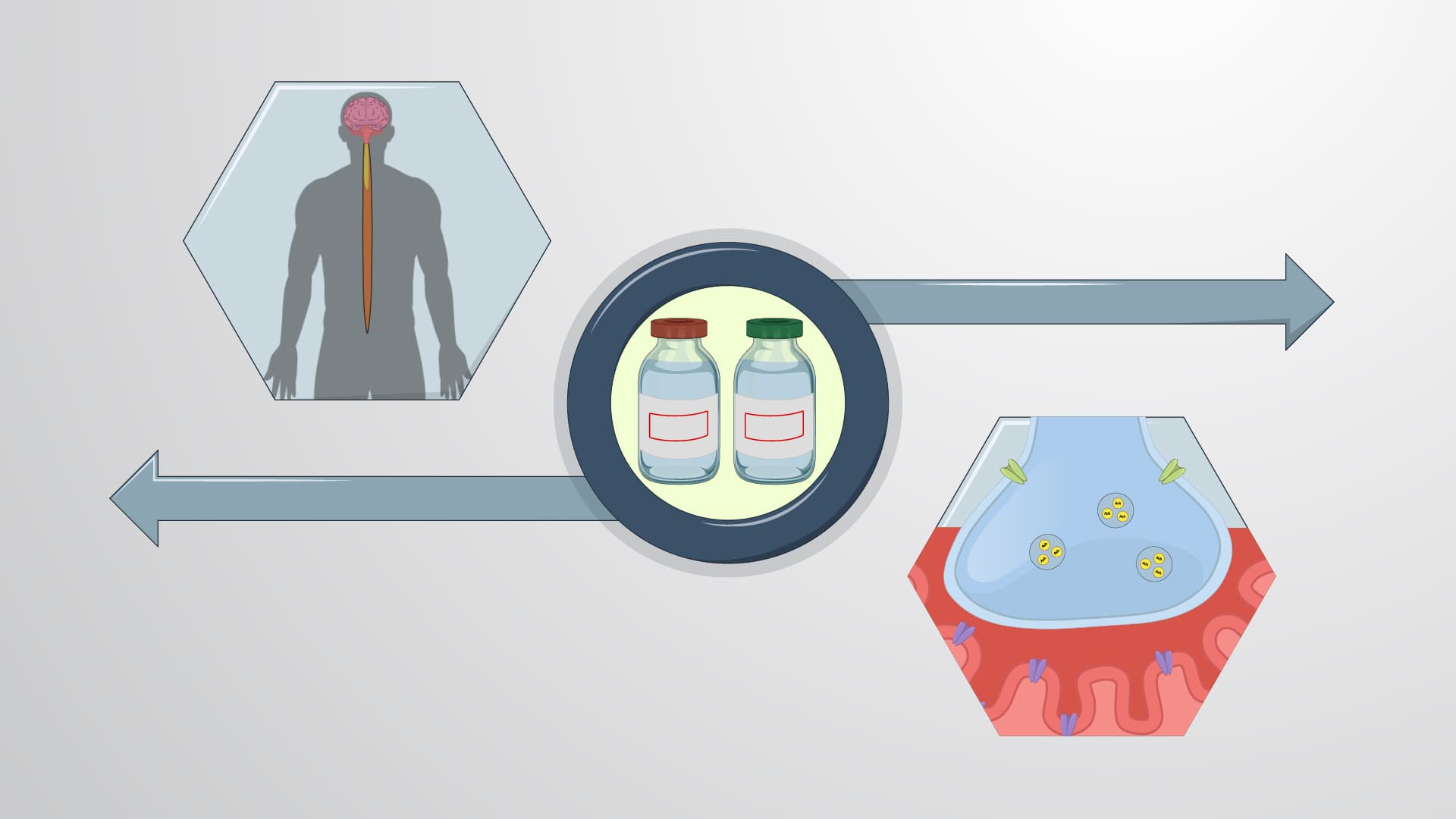
The classification divides centrally-acting spasmolytics into three primary chemical families, each targeting different aspects of neural transmission. This systematic approach helps clinicians at institutions like Johns Hopkins and Cleveland Clinic select appropriate treatments based on patient-specific factors and underlying pathophysiology.
Alpha-2 agonists, exemplified by tizanidine (Zanaflex), represent the first major classification category. These compounds bind specifically to alpha-2 adrenoreceptors located in the brainstem and spinal cord. The mechanism involves dual neurotransmitter modulation: inhibiting excitatory glutamate release while simultaneously promoting glycine release.
This dual action creates a balanced approach to spasticity control. Glutamate inhibition reduces excessive neural stimulation, while glycine enhancement promotes chloride influx into postsynaptic neurons, effectively dampening their excitability. Students preparing for the MCAT or advanced placement biology exams should note this as an excellent example of drug selectivity and targeted therapeutic intervention.
The second classification encompasses GABA mimetics, with baclofen (Lioresal) serving as the prototype medication. These drugs specifically activate GABA-B receptors, distinct from the GABA-A receptors targeted by other drug classes. GABA-B receptor activation triggers several downstream effects: neuronal membrane hyperpolarization, inhibition of excitatory neurotransmitter release, and comprehensive inactivation of sensory, motor, and interneurons.
This comprehensive neural suppression makes GABA mimetics particularly effective for severe spasticity cases, such as those seen in spinal cord injury patients treated at rehabilitation centers like Craig Hospital in Colorado. The mechanism demonstrates how pharmaceutical chemistry can amplify natural inhibitory pathways.
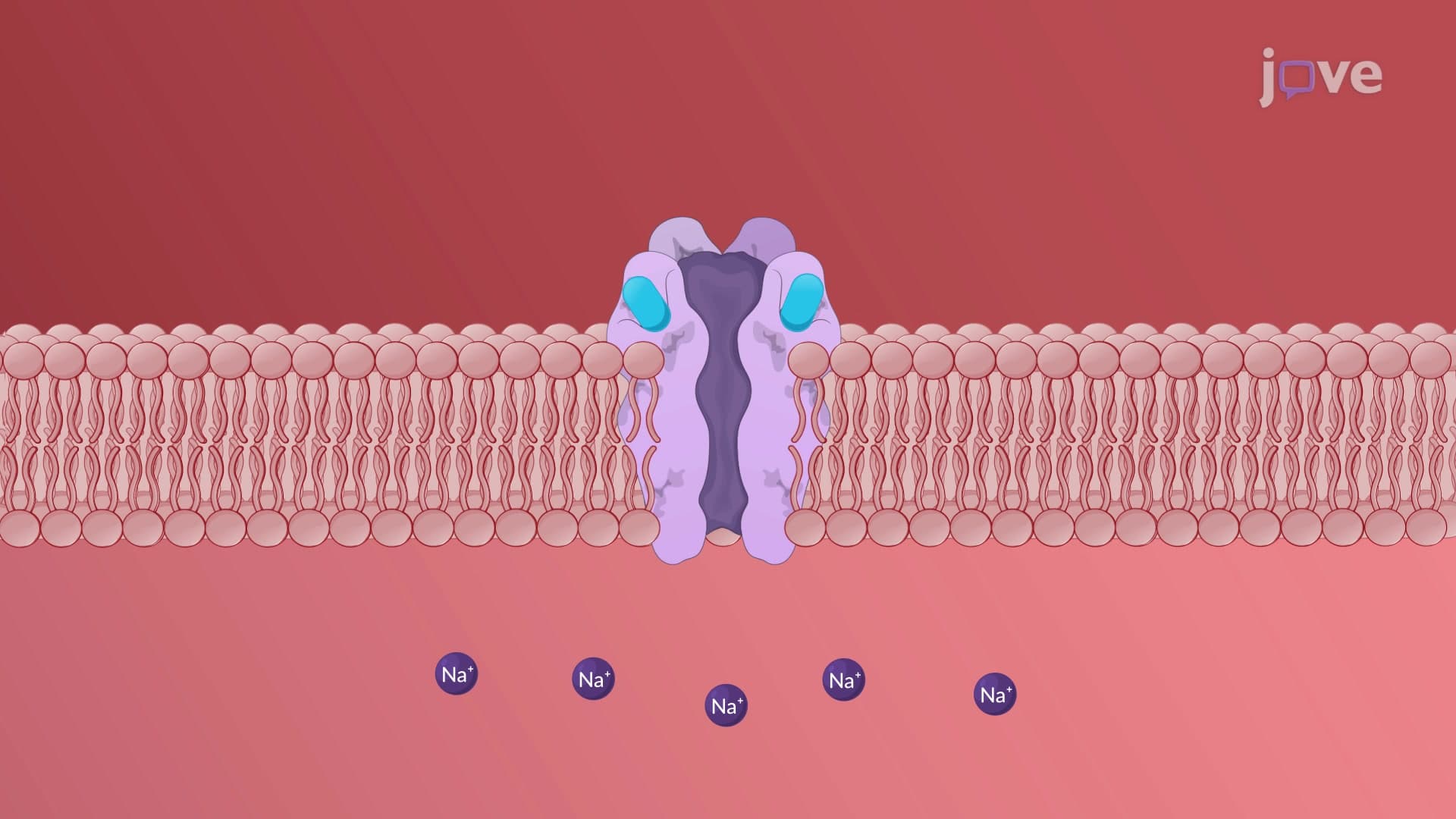
Benzodiazepines, including diazepam (Valium), constitute the third major chemical classification. Unlike GABA mimetics that directly activate receptors, benzodiazepines function as positive allosteric modulators of GABA-A receptors. They bind to specific allosteric sites, enhancing the receptor's response to naturally occurring GABA without directly activating the receptor.
This mechanism produces rapid chloride influx, membrane hyperpolarization, and potent inhibition of neurotransmission. The allosteric nature explains why benzodiazepines require endogenous GABA presence for activity, providing a built-in safety mechanism that prevents excessive neural suppression in the absence of natural GABA signaling.
Related Micro-courses