Loading video…


 12 Concepts
 21.2K views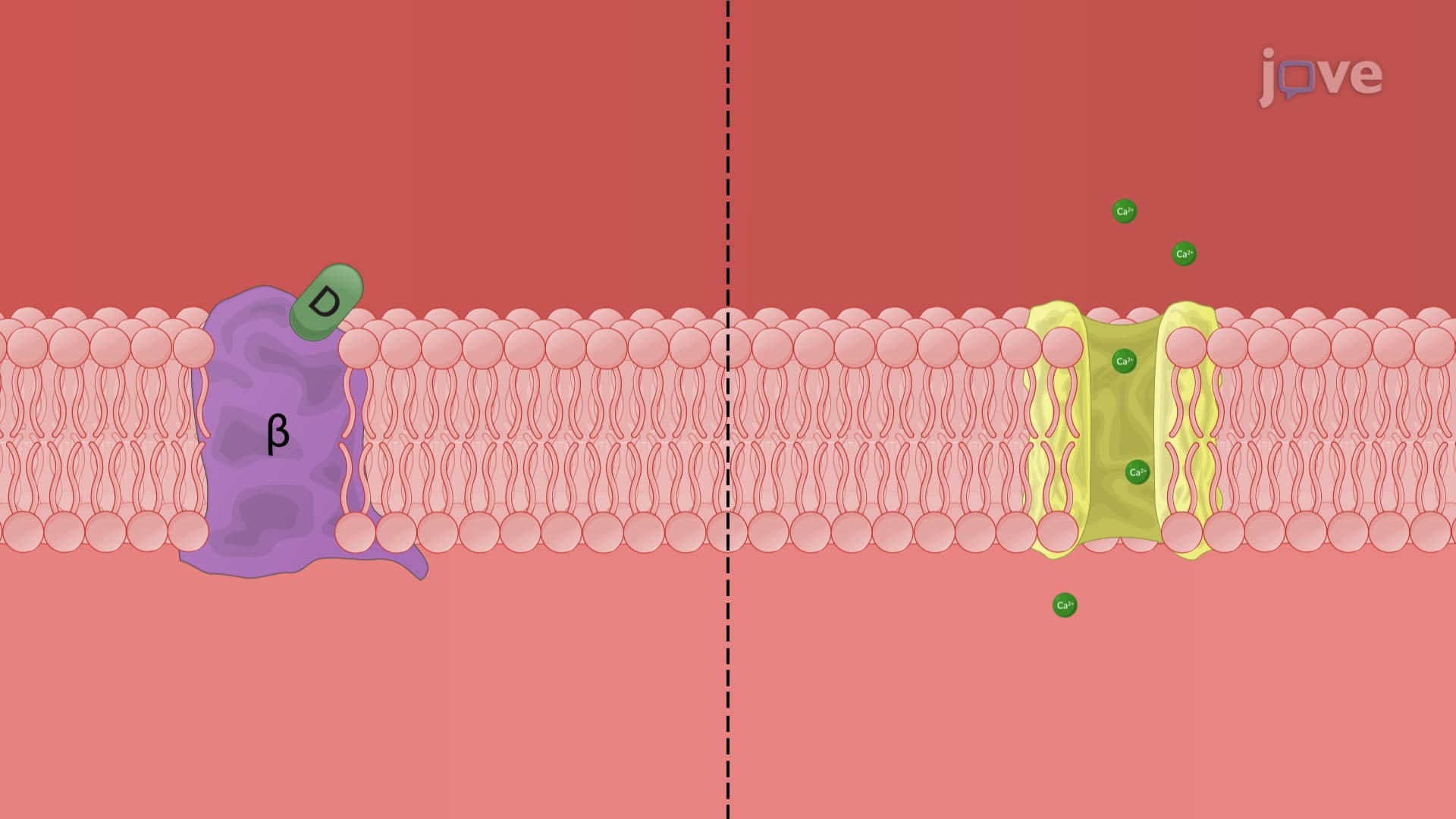

Video Summary: Antiarrhythmic Drugs Class Ii Agents Explained
Ever wonder how heart medications like metoprolol help prevent dangerous irregular heartbeats during cardiac emergencies? Antiarrhythmic drugs class II work by blocking beta-adrenergic receptors, essentially putting the brakes on your heart's electrical system when it's racing out of control. These medications are commonly prescribed by cardiologists at major US medical centers like Mayo Clinic for conditions ranging from atrial fibrillation to post-heart attack care. Watch the full video on JoVE Coach to master this concept with expert-led visuals and step-by-step explanations.
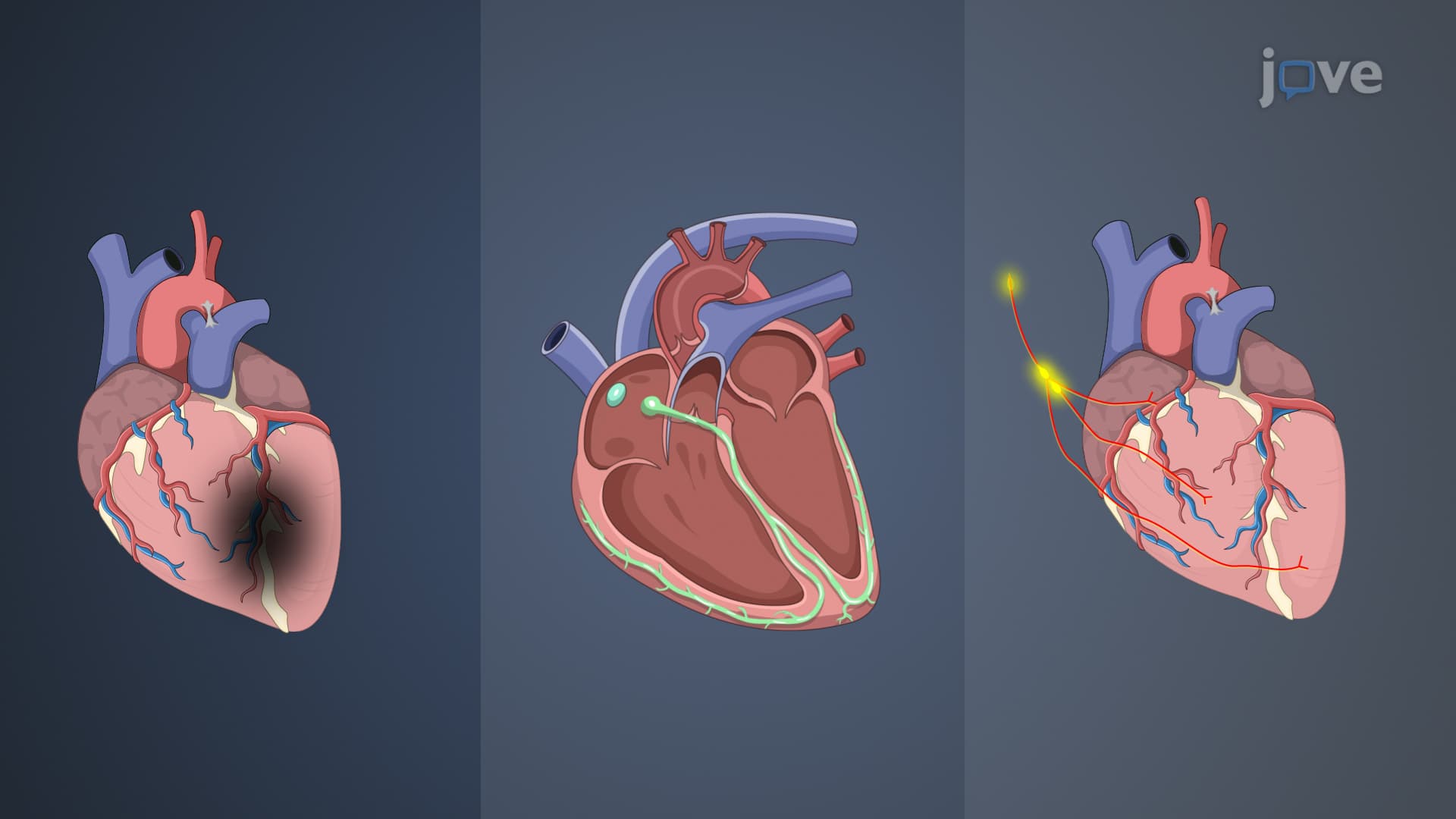
Antiarrhythmic drugs class II agents represent a cornerstone of modern cardiac therapy, working through a sophisticated mechanism that targets the sympathetic nervous system's influence on heart rhythm. Unlike other antiarrhythmic classes that directly affect ion channels, these medications work indirectly by blocking beta-adrenergic receptors, which normally respond to epinephrine and norepinephrine released during stress or exercise.
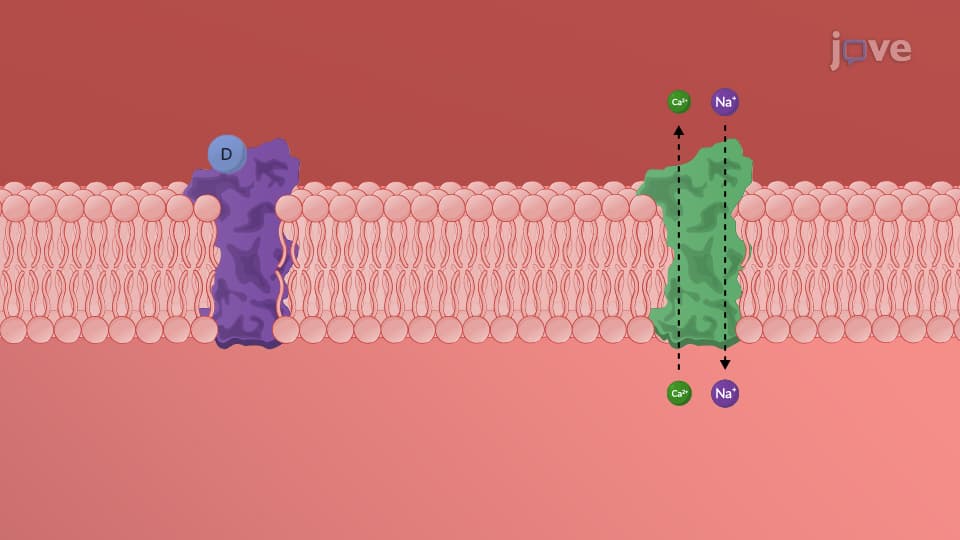
The therapeutic magic happens at the cellular level. When beta-adrenergic receptors are stimulated, they trigger a cascade that increases intracellular calcium influx and enhances pacemaker currents, essentially making the heart beat faster and more forcefully. Class II agents interrupt this process by occupying these receptors, preventing the natural stimulation that can lead to dangerous arrhythmias.
The antiarrhythmic drugs class definition for Class II encompasses both selective and nonselective beta-blockers, each with distinct clinical advantages. Beta-1 selective agents like metoprolol and atenolol primarily target cardiac receptors, making them safer for patients with respiratory conditions like asthma. These medications are frequently prescribed in US emergency departments and are standard therapy following myocardial infarction.
Nonselective beta-blockers such as propranolol block both beta-1 and beta-2 receptors, providing broader cardiovascular effects but potentially causing bronchospasm in susceptible patients. Propranolol also exhibits unique membrane-stabilizing properties, making it particularly effective for certain types of ventricular arrhythmias. This dual action explains why it's often featured in MCAT pharmacology questions and medical school curricula.
In American hospitals, esmolol stands out as the go-to intravenous Class II agent for perioperative arrhythmia management. Its ultra-short half-life (approximately 9 minutes) allows precise titration during surgery, making it invaluable in operating rooms across major medical centers like Johns Hopkins and Cleveland Clinic.
Acebutolol represents another important class member, particularly effective for ventricular ectopic beats and often prescribed in outpatient cardiology clinics. Its partial agonist activity (intrinsic sympathomimetic activity) provides a gentler approach for patients who might not tolerate complete beta-blockade.
Healthcare providers must carefully monitor patients for Class II drug adverse effects, including fatigue, bradycardia, and hypotension. The most serious concern involves abrupt discontinuation, which can precipitate rebound tachycardia and potentially life-threatening arrhythmias. This concept frequently appears on NCLEX and USMLE examinations, emphasizing the importance of gradual dose tapering in clinical practice.
Related Micro-courses