Loading video…


 12 Concepts
 21.2K views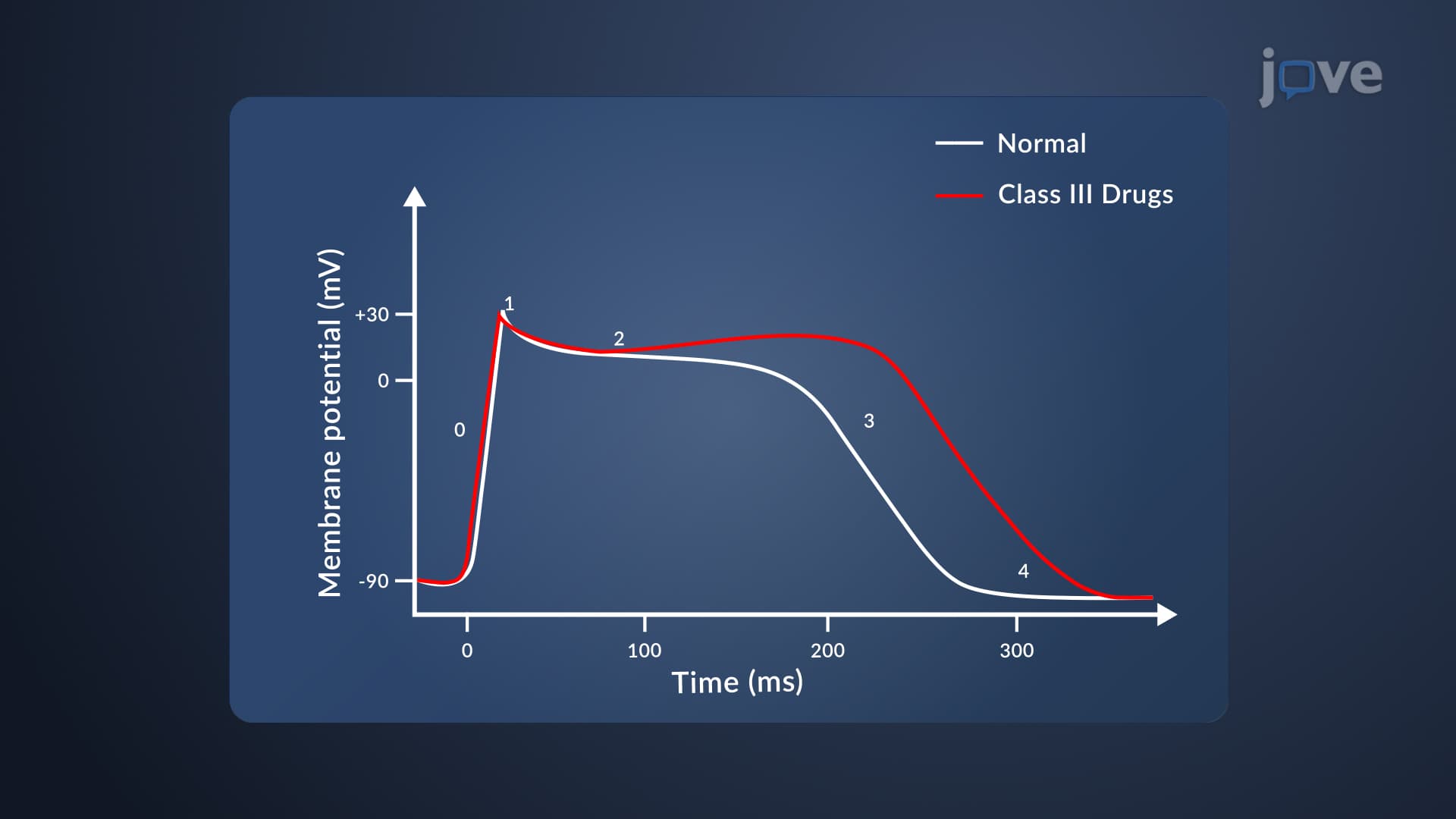

Video Summary: Antiarrhythmic Drugs Class Iii Agents Explained
Ever wondered how hospitals treat deadly heart rhythm disorders like atrial fibrillation? Antiarrhythmic drugs class III work by blocking potassium channels to restore normal heart rhythms, potentially saving thousands of lives annually in US emergency departments. These powerful medications, including amiodarone used in cardiac arrest protocols at Johns Hopkins Hospital, prolong electrical activity in heart cells to prevent dangerous arrhythmias. Antiarrhythmic Drugs Class III Agents Explained covers their mechanisms, clinical applications, and critical side effects. Watch the full video on JoVE Coach to master this concept with expert-led visuals and step-by-step explanations.
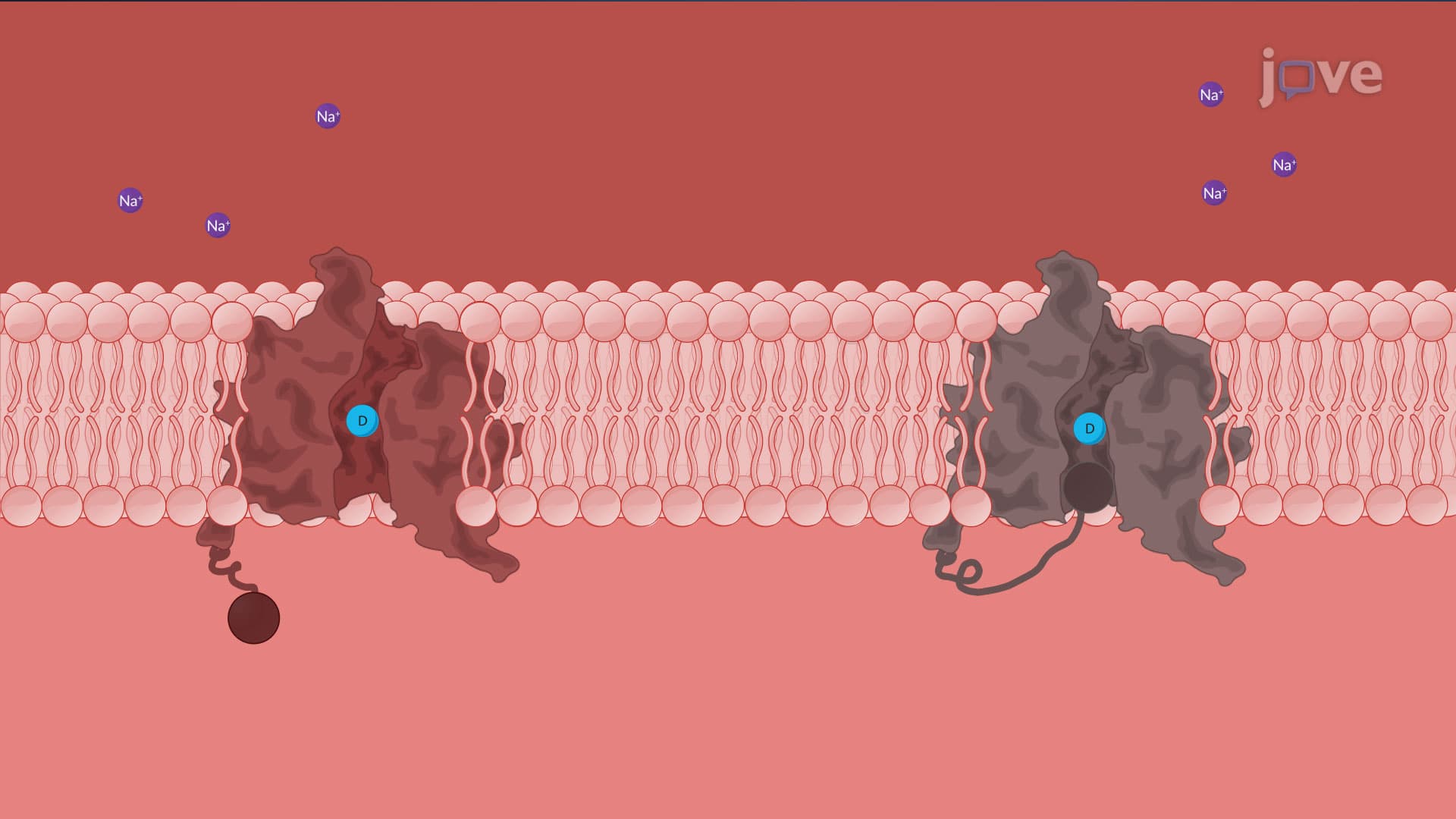
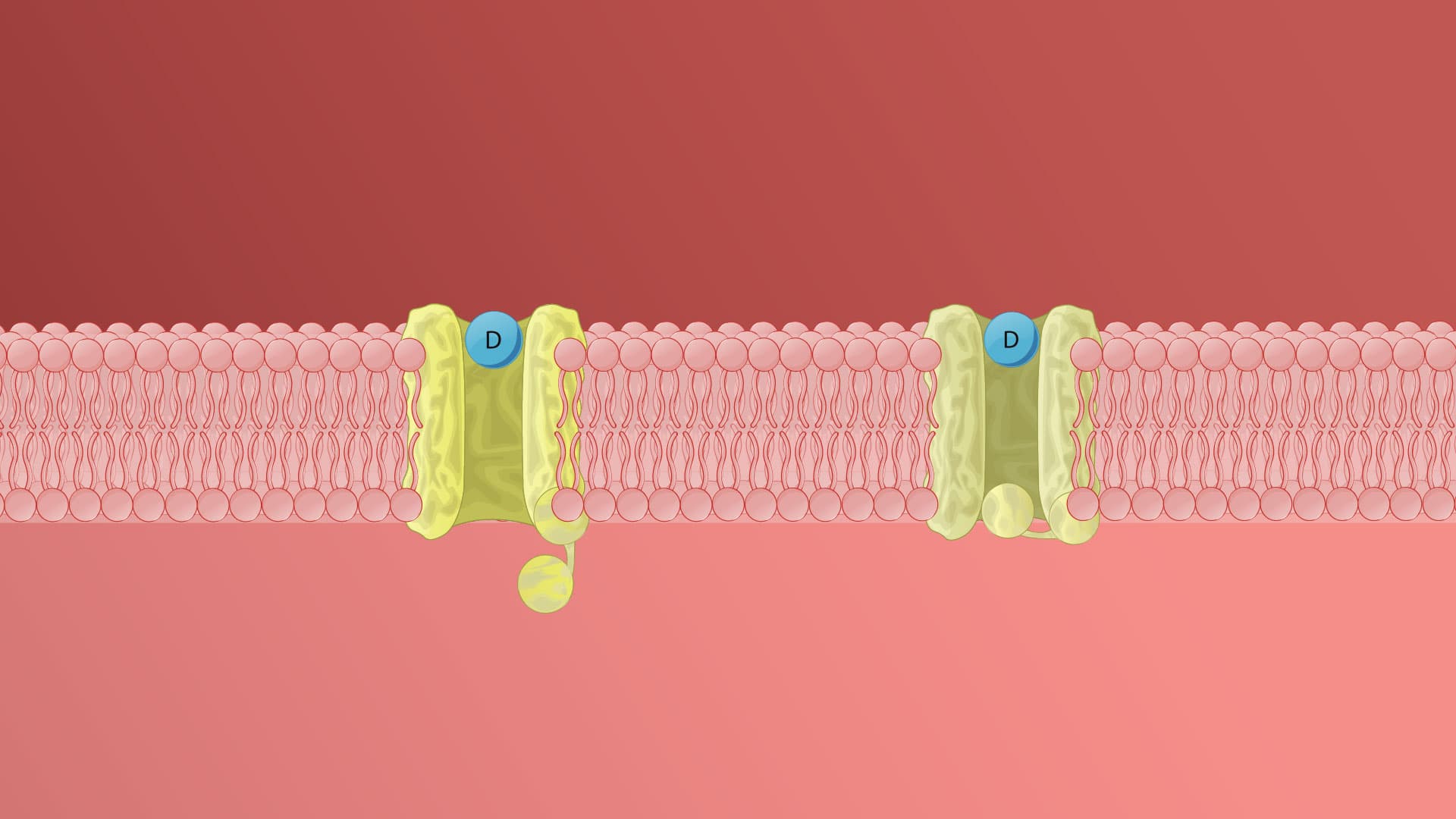
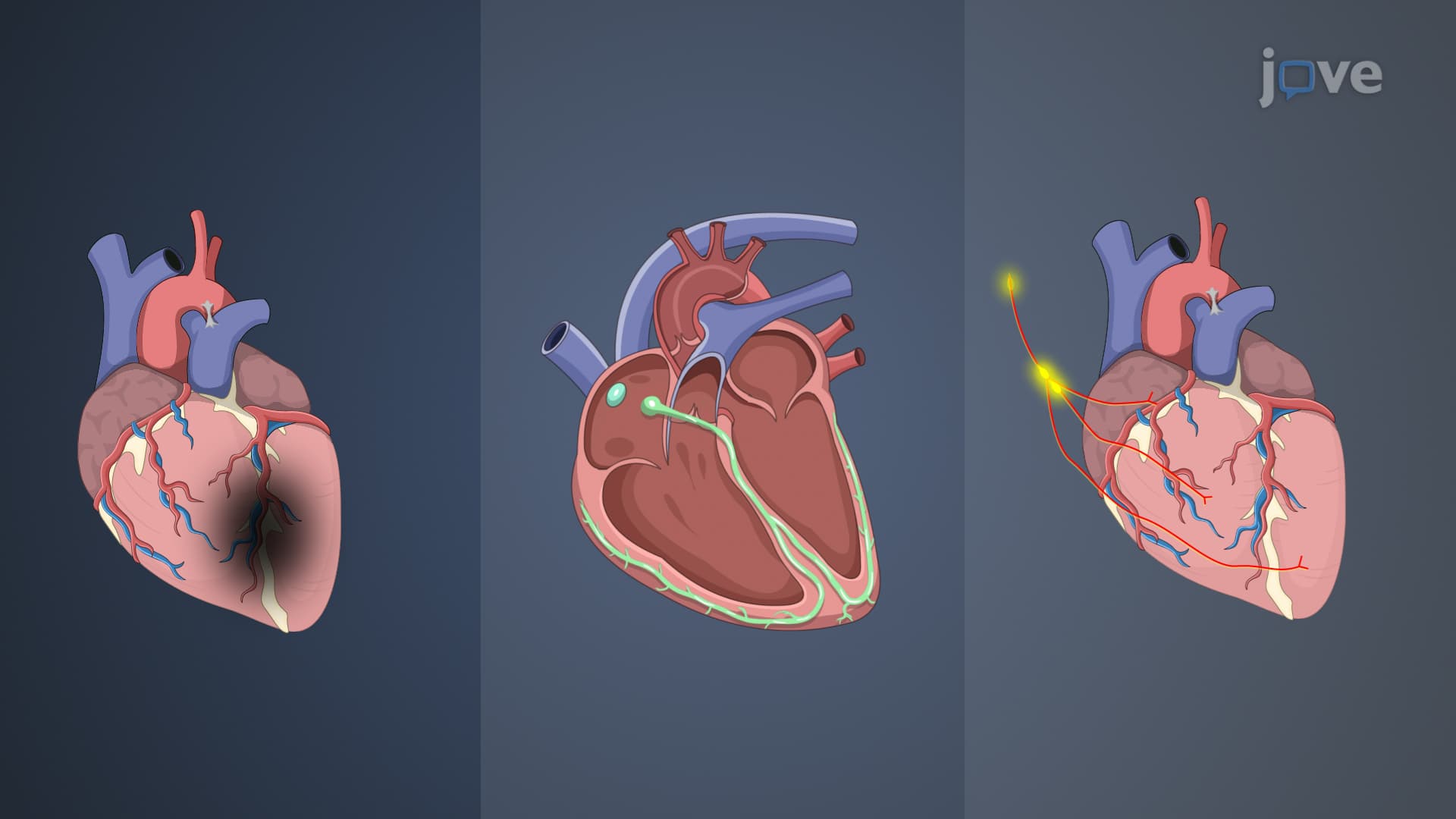
Class III antiarrhythmic agents represent a cornerstone of modern cardiac rhythm management, functioning through a sophisticated mechanism that targets the heart's electrical system. Unlike other antiarrhythmic classes, these drugs primarily block potassium channels during the repolarization phase of cardiac action potentials, effectively prolonging both the action potential duration and the refractory period without affecting the resting membrane potential.
The therapeutic power of Class III agents lies in their ability to extend the time cardiac cells remain unresponsive to new electrical stimuli. By blocking potassium efflux, these drugs delay repolarization, creating a longer refractory period that prevents premature electrical impulses from propagating through the heart. This mechanism proves particularly effective against reentrant arrhythmias, where abnormal electrical circuits cause conditions like atrial fibrillation and ventricular tachycardia.
Students preparing for the MCAT or AP Biology exams should understand that this prolonged refractory period increases the threshold for fibrillation, making it harder for chaotic electrical activity to sustain itself. The drugs also decrease sinus node firing rate and slow atrioventricular conduction, contributing to their overall antiarrhythmic effects.
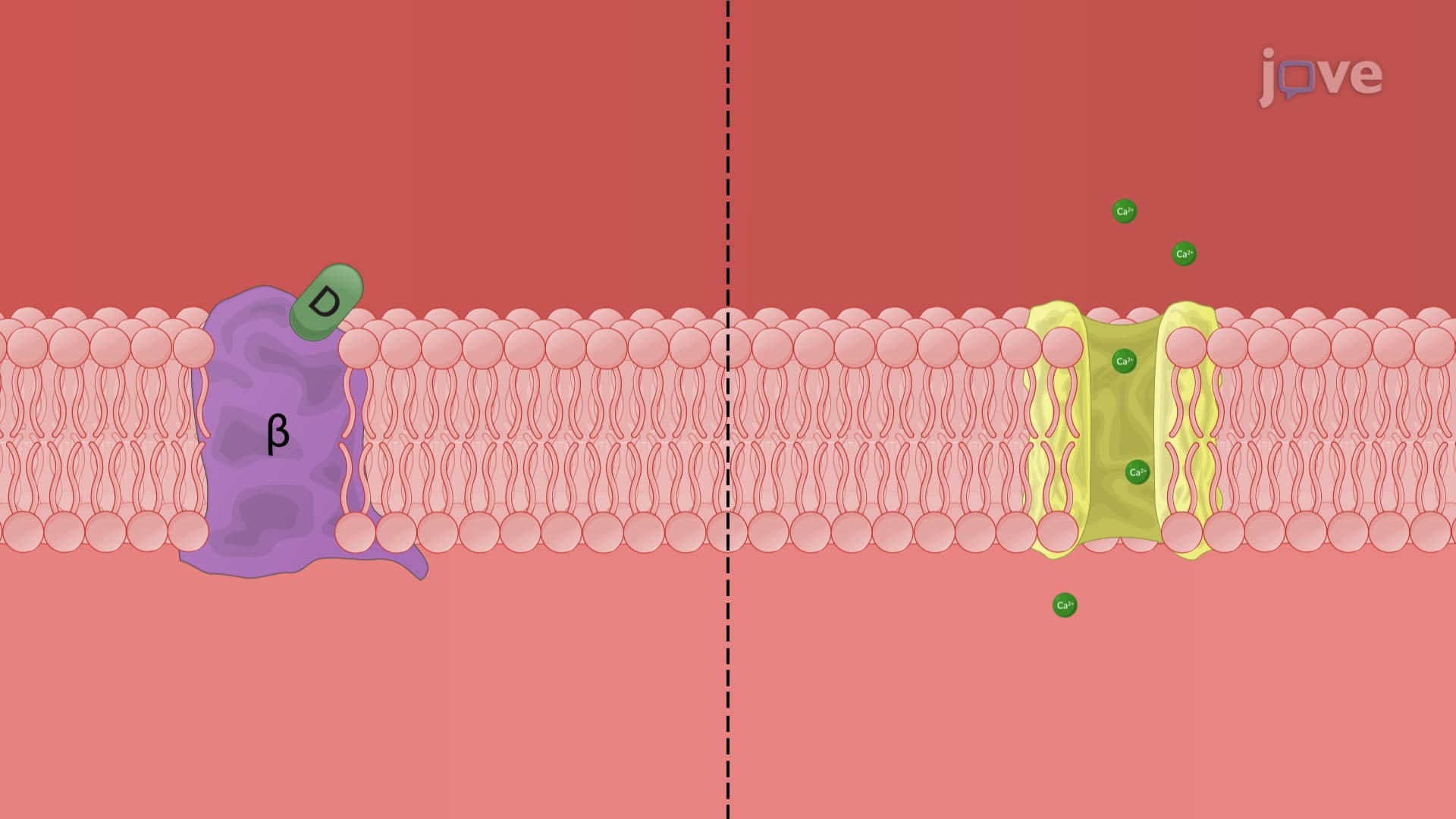
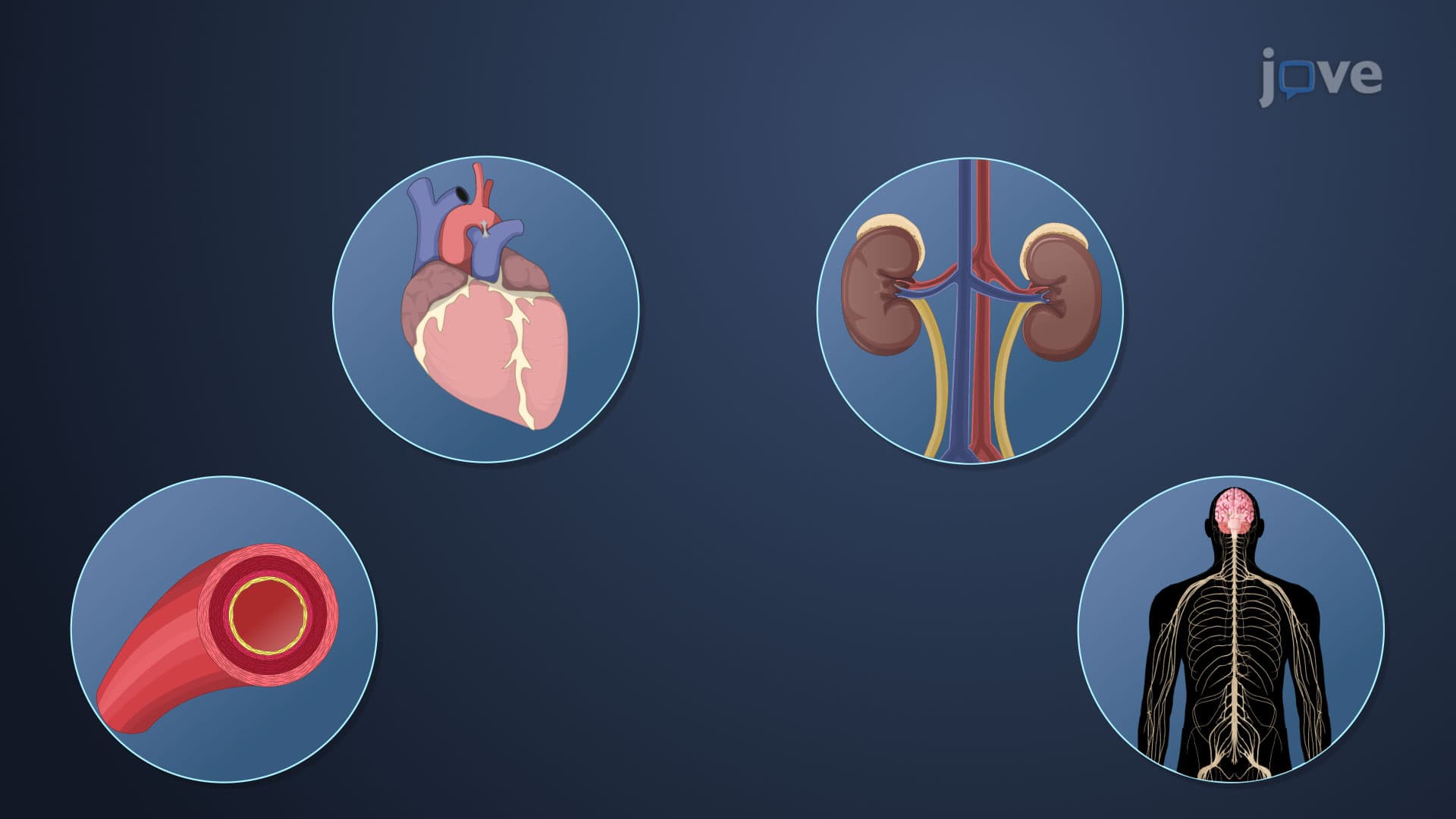
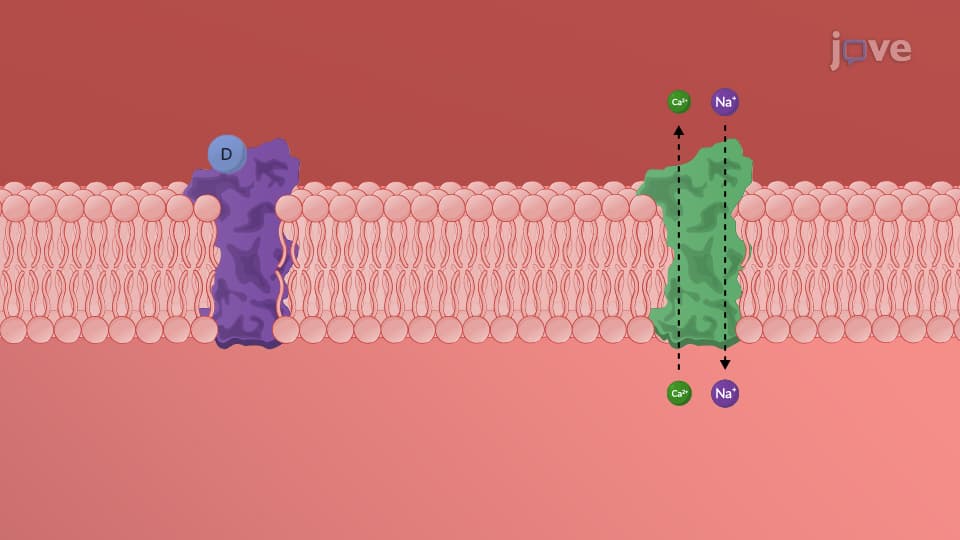
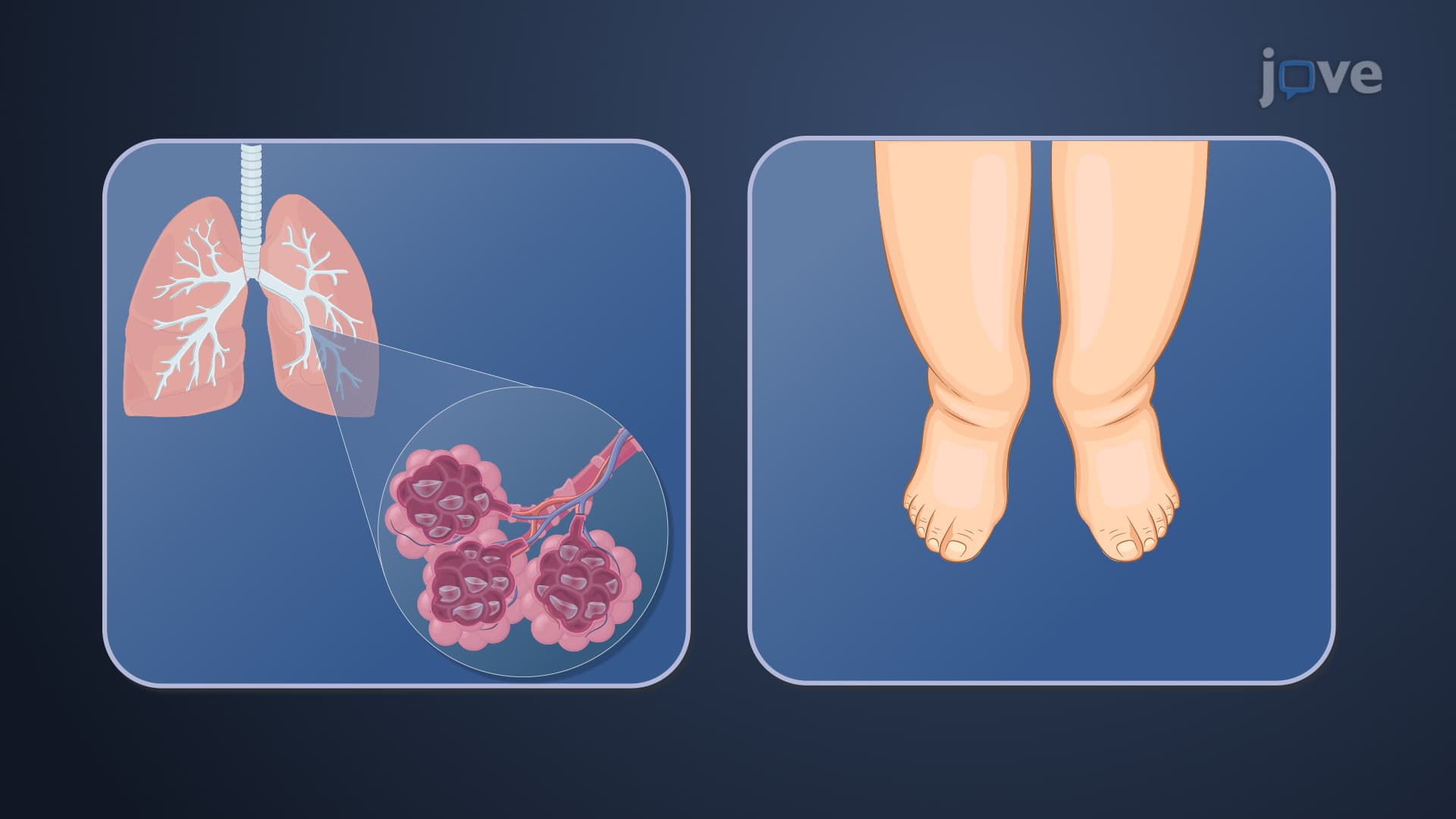
Amiodarone stands as the most widely prescribed Class III agent in US hospitals, despite its complex pharmacology. Beyond potassium channel blockade, amiodarone exhibits weak calcium channel blocking properties and anti-adrenergic effects. However, its iodine content and extraordinarily long half-life (up to 100 days) create significant toxicity concerns. Patients receiving amiodarone at major medical centers like Cleveland Clinic require regular monitoring for pulmonary fibrosis, thyroid dysfunction, and optic neuritis.
Dronedarone emerged as a "cleaner" alternative, lacking iodine and possessing a much shorter half-life (13-19 hours). This modification reduces long-term toxicity while maintaining antiarrhythmic efficacy, making it suitable for outpatient management of atrial fibrillation.
Sotalol presents a unique dual mechanism, combining Class III potassium channel blockade with non-selective beta-blocking activity. This combination makes it particularly effective for patients with both arrhythmias and hypertension, commonly encountered in US emergency departments.
All Class III agents carry inherent proarrhythmic risks due to their QT-prolonging effects. Dofetilide and ibutilide require mandatory inpatient monitoring during initiation, reflecting their high potential for causing torsades de pointes, a potentially fatal ventricular arrhythmia. College pharmacology students should recognize that this risk-benefit calculation drives prescribing decisions in clinical practice, with cardiologists at institutions like Mayo Clinic carefully weighing therapeutic necessity against safety concerns.
Related Micro-courses