Loading video…


 12 Concepts
 21.2K views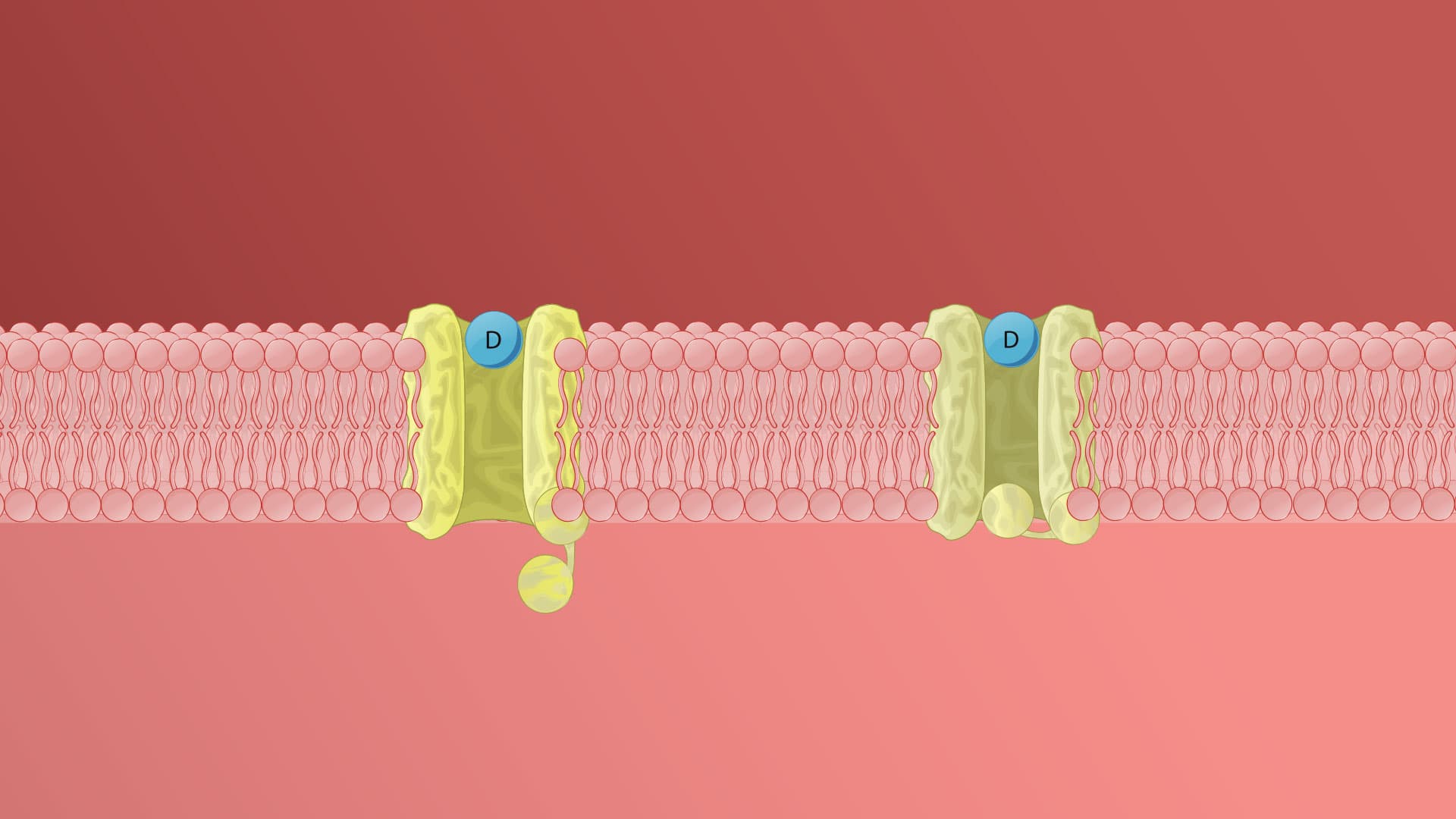

Video Summary: Antiarrhythmic Drugs Class Iv Agents Explained
Why do emergency room doctors at Johns Hopkins reach for verapamil when treating a patient with dangerous heart rhythm problems? Antiarrhythmic drugs class IV work by blocking calcium channels in heart muscle, offering a targeted approach to controlling irregular heartbeats that could otherwise be life-threatening. These medications, including verapamil and diltiazem, slow down electrical conduction through the heart's natural pacemaker regions, making them essential tools for treating conditions like atrial fibrillation in US hospitals. Watch the full video on JoVE Coach to master this concept with expert-led visuals and step-by-step explanations.
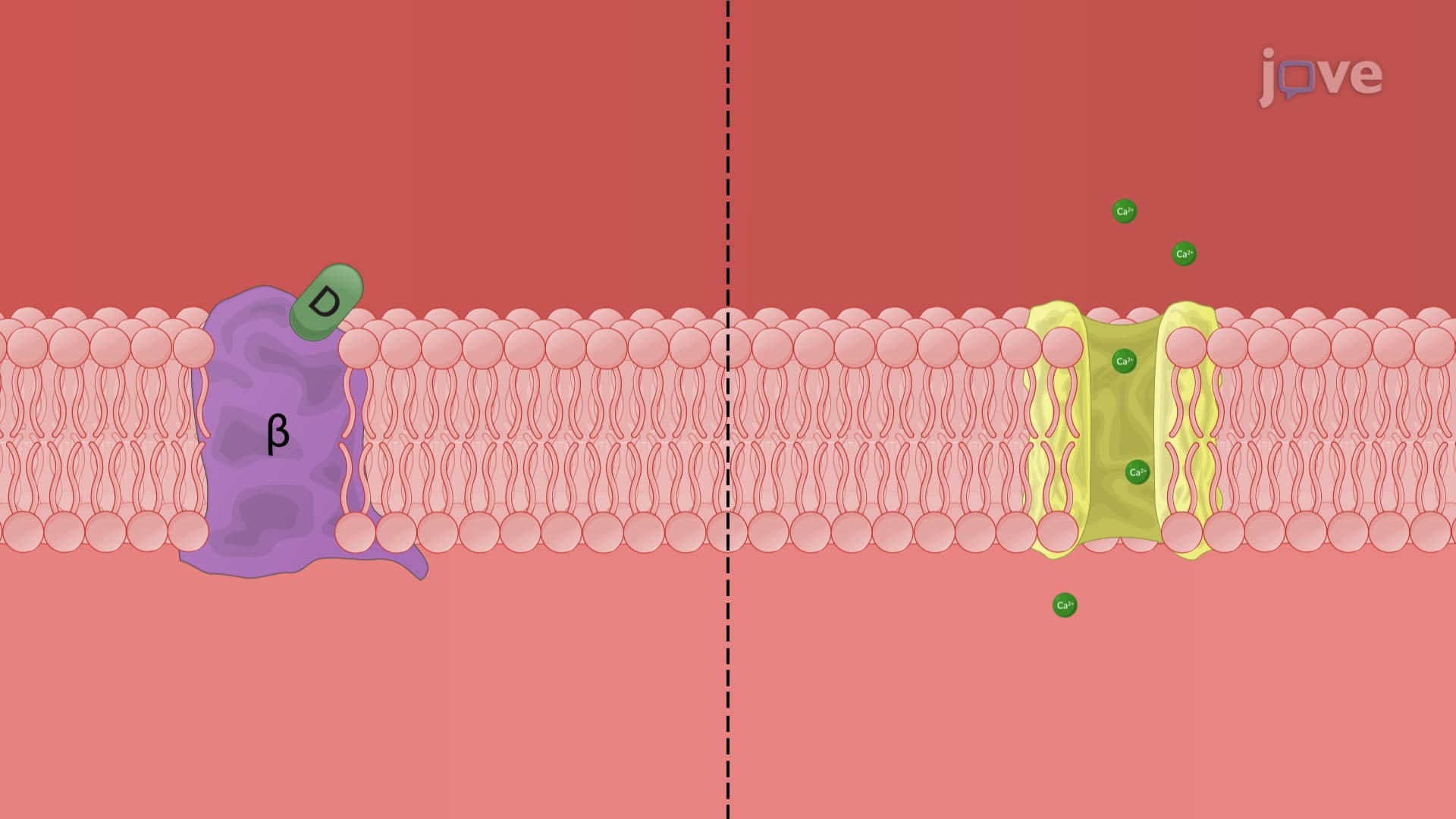
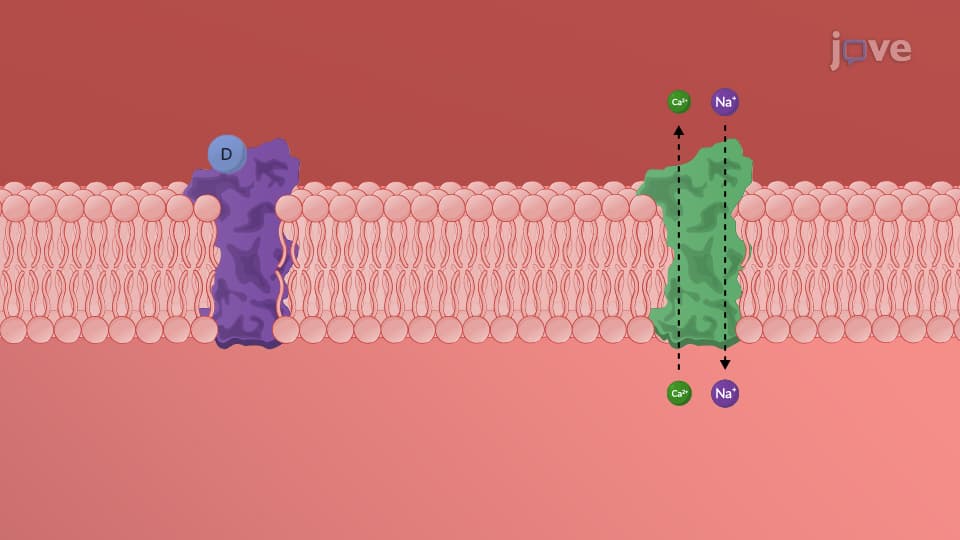
Antiarrhythmic drugs class IV represent a sophisticated approach to treating heart rhythm disorders by targeting the calcium channels that control cardiac electrical activity. Unlike other antiarrhythmic classes that work on sodium or potassium channels, Class IV agents specifically block voltage-sensitive L-type calcium channels, making them uniquely effective for certain types of arrhythmias commonly seen in US emergency departments and cardiology clinics.
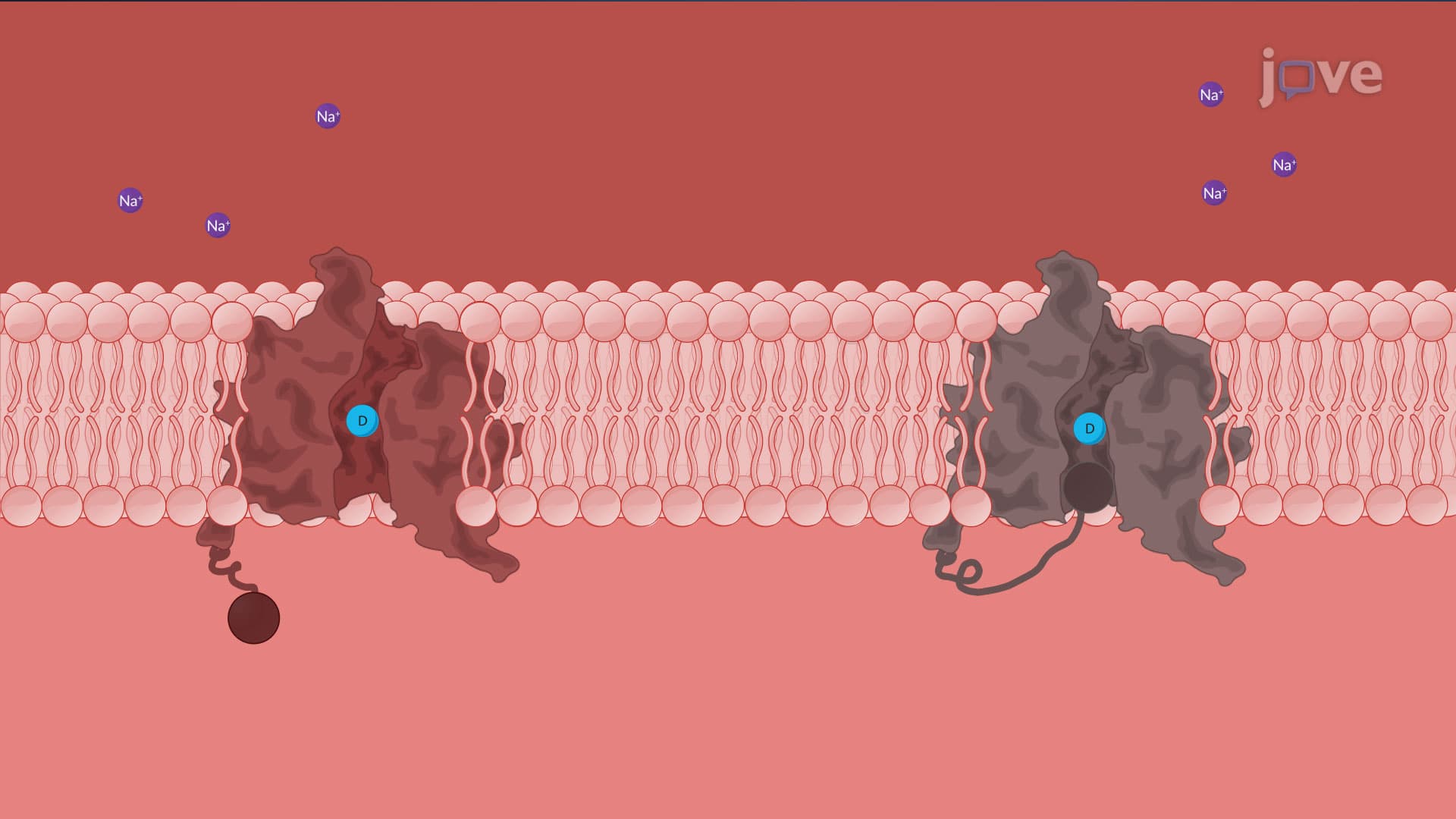
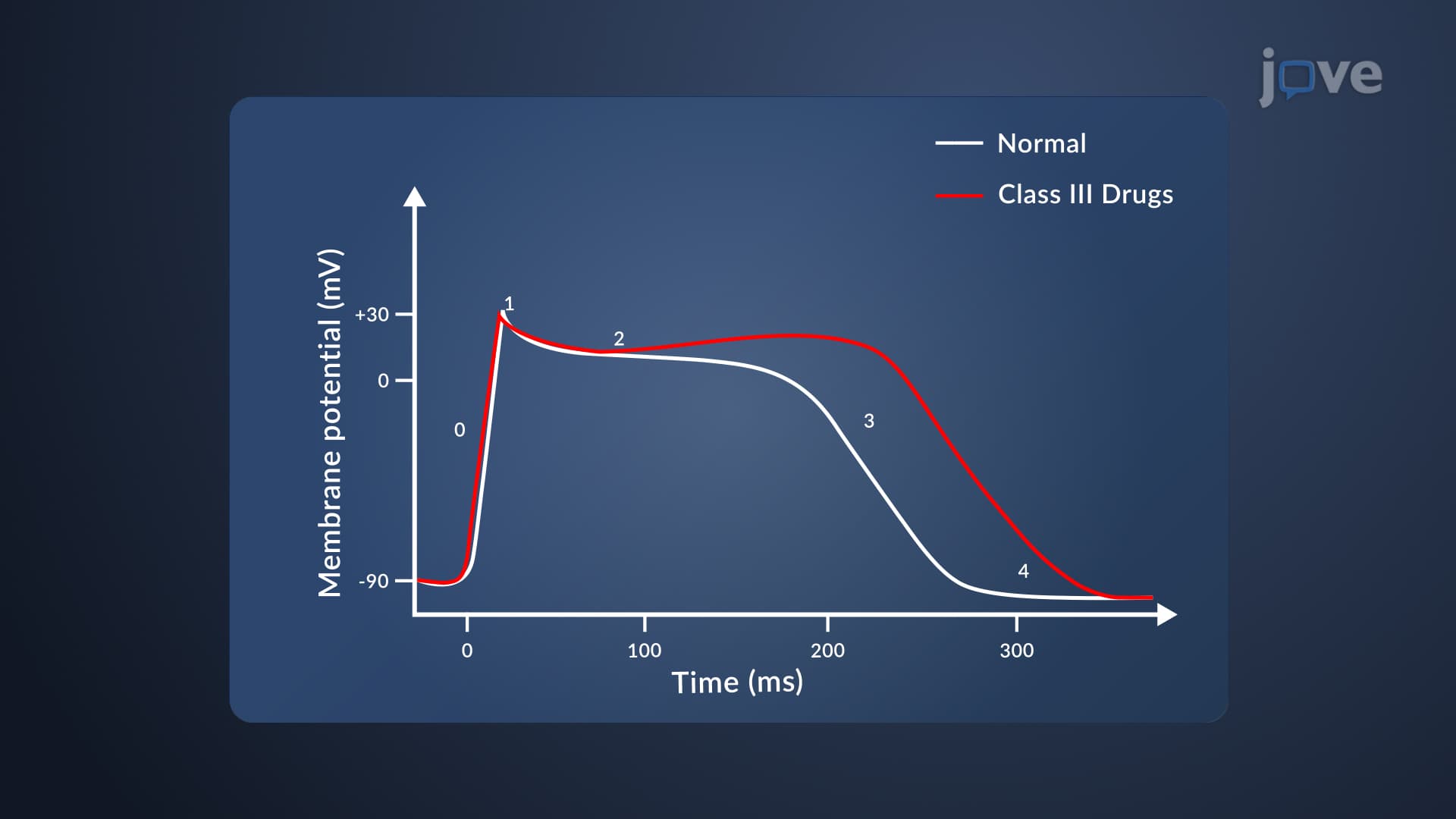
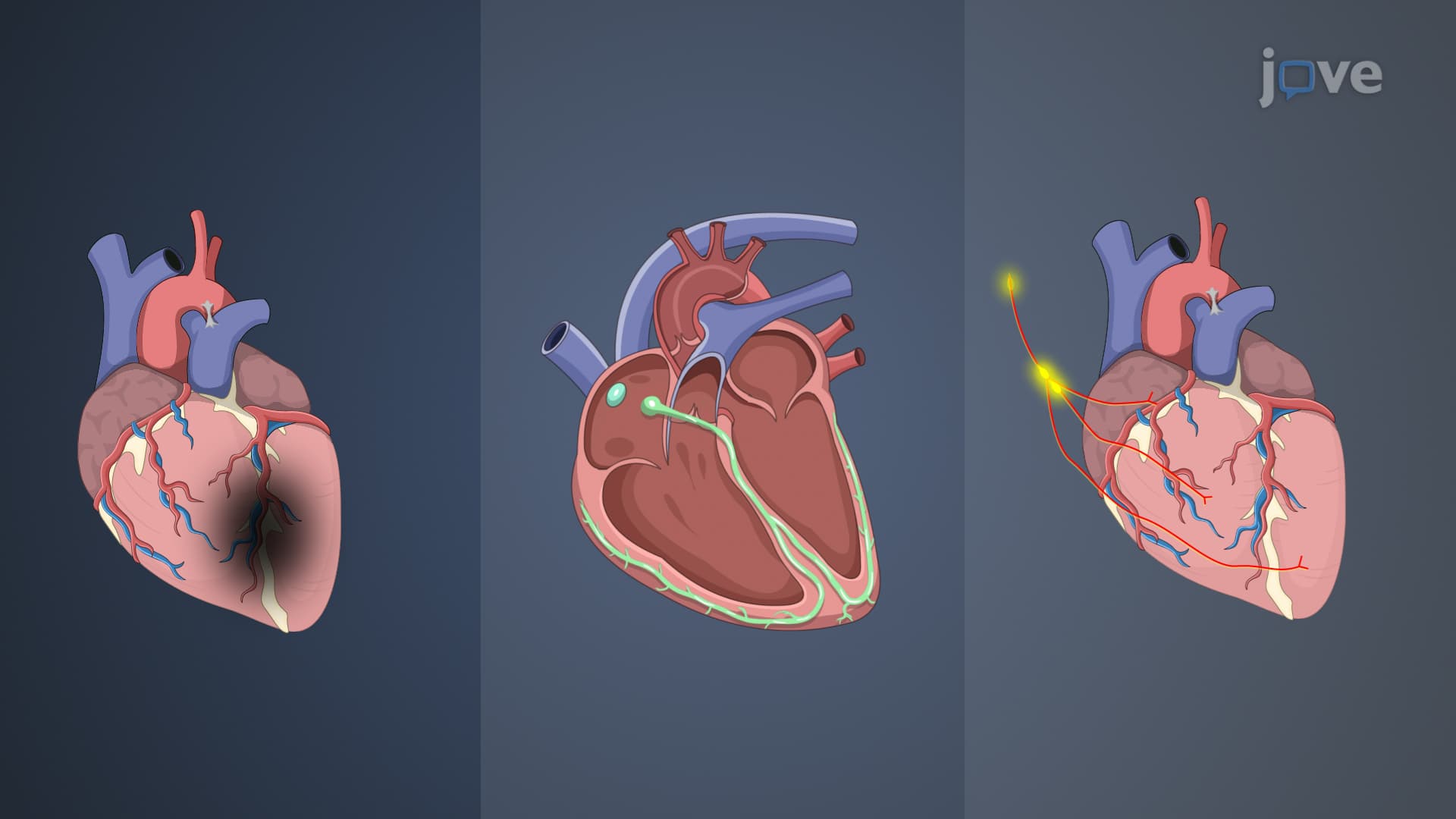
The hallmark of Class IV antiarrhythmic action lies in their use-dependent blocking of calcium channels. This means the drugs become more effective when the heart rate increases-exactly when dangerous arrhythmias are most problematic. When calcium channels are blocked, the heart's electrical conduction system slows down, particularly in the sinoatrial (SA) and atrioventricular (AV) nodes. Students preparing for the MCAT or advanced placement biology exams should understand that this mechanism directly reduces the phase 4 depolarization rate, which is the gradual increase in electrical charge that triggers each heartbeat.
Verapamil serves as the prototype drug, frequently used in hospitals like Mayo Clinic and Cleveland Clinic for treating reentrant supraventricular tachycardia. This condition occurs when electrical signals create a circular pathway in the heart's upper chambers, causing dangerously fast heart rates. Diltiazem, the other major Class IV agent, offers similar benefits but with reduced risk of severe bradycardia, making it preferable for patients with underlying conduction system problems. Both drugs are essential in managing atrial fibrillation and flutter, conditions affecting over 6 million Americans according to CDC data.
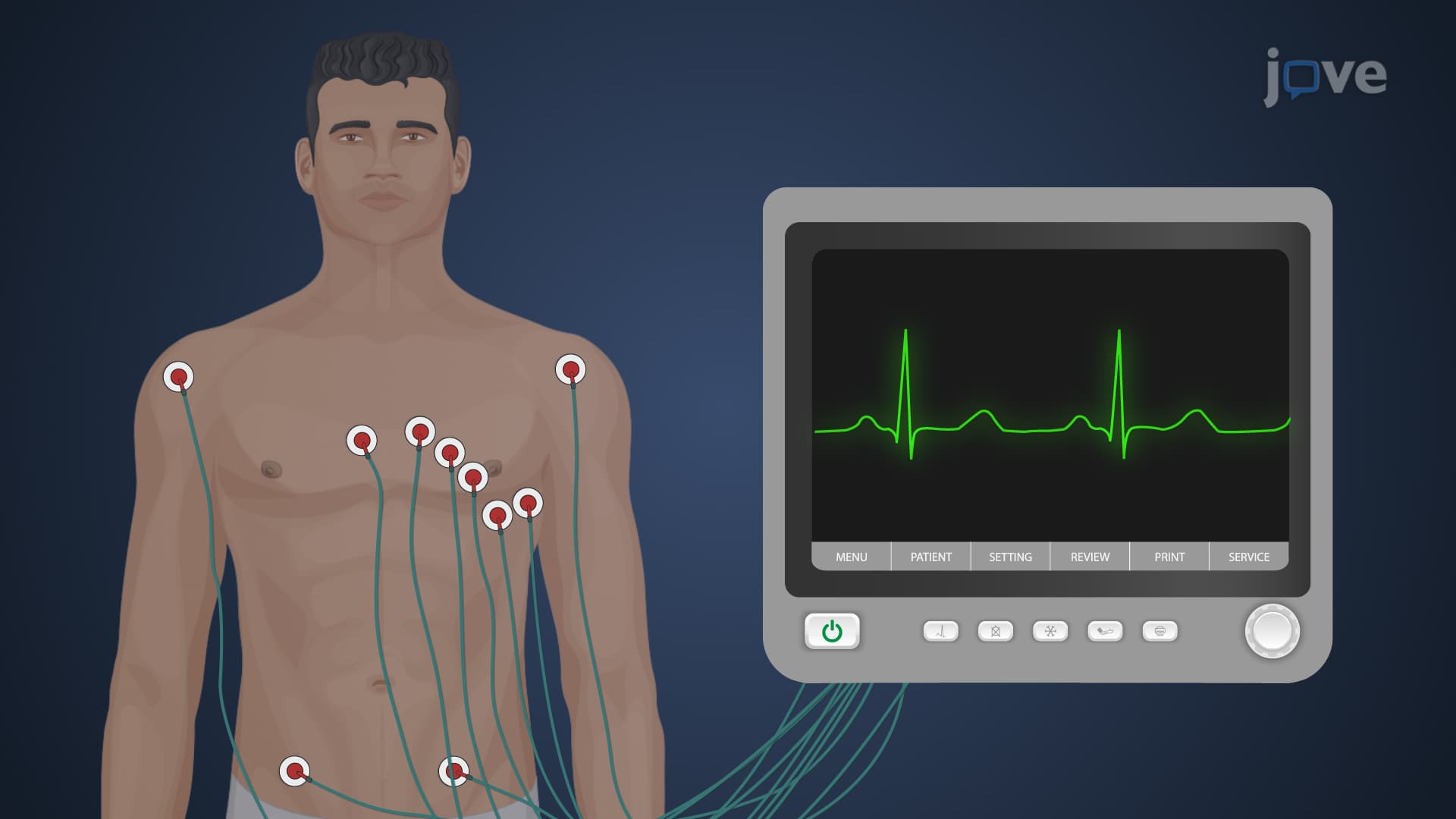
The route of administration significantly impacts the safety profile of Class IV agents. Intravenous verapamil, while faster-acting, carries higher risks of hypotension and severe bradycardia-side effects that have made headlines in medical journals when improperly administered. Oral administration reduces these risks substantially, which is why most outpatient prescriptions use this route. Students studying for the NCLEX or pharmacy school examinations should remember that the racemic mixture of verapamil contains both enantiomers, with the L-enantiomer providing stronger calcium channel inhibition. This pharmacological detail often appears on advanced examinations and helps explain why verapamil reliably prolongs the PR interval on electrocardiograms-a finding crucial for monitoring therapy effectiveness.
Related Micro-courses