Loading video…


 12 Concepts
 21.2K views

Video Summary: Heart Failure Drugs Inotropic Agents Explained
Did you know that nearly 6.2 million Americans live with heart failure, yet specialized heart failure drugs inotropic medications can dramatically improve their cardiac function? Heart Failure Drugs Inotropic Agents Explained reveals how these powerful medications work at the cellular level to strengthen weakened heart muscle contractions. For instance, digoxin-a cardiac glycoside used at Cleveland Clinic-helps patients pump blood more effectively by increasing calcium availability in heart cells. Watch the full video on JoVE Coach to master this concept with expert-led visuals and step-by-step explanations.
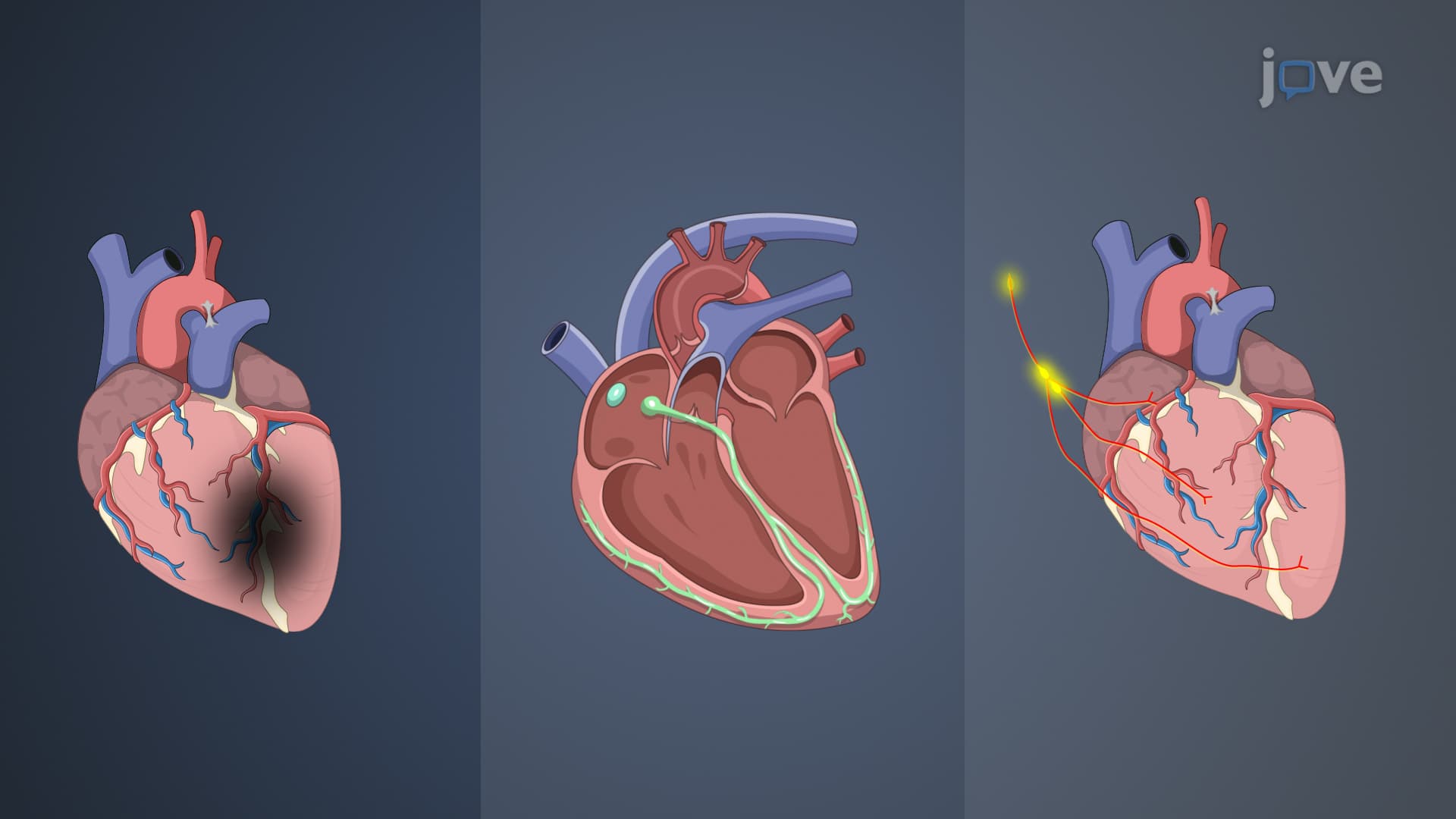
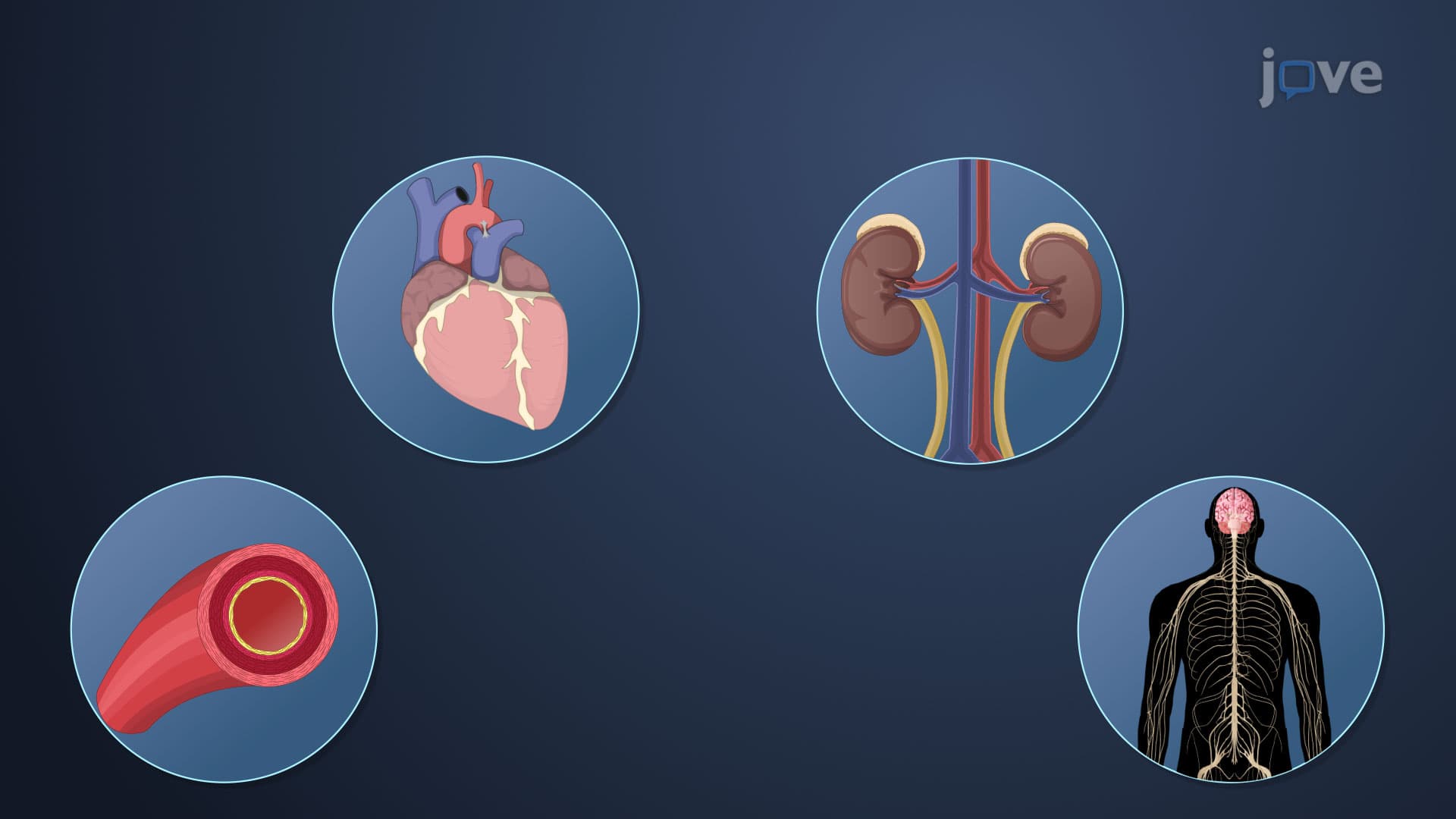
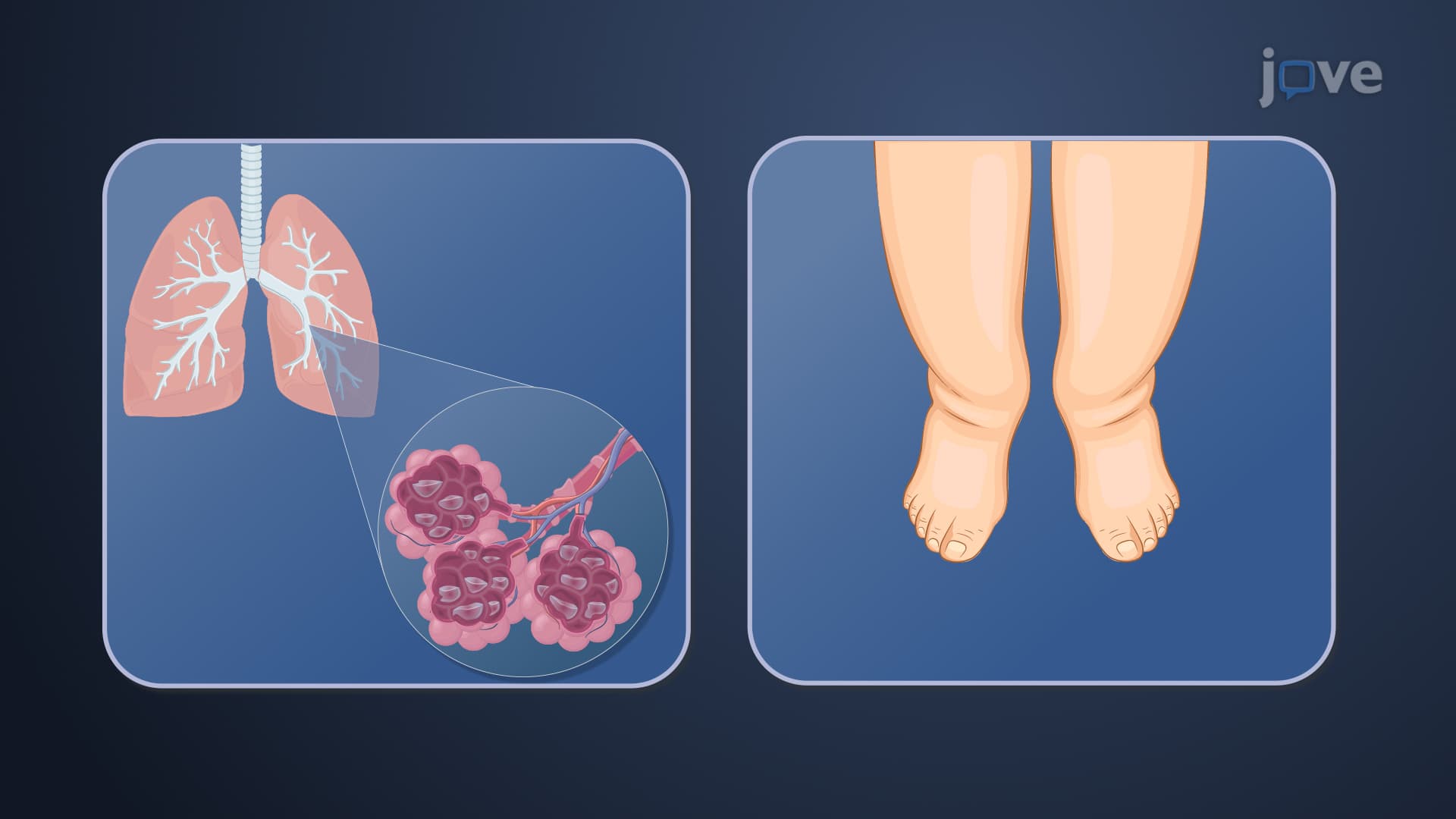
Heart failure affects the heart's ability to pump blood effectively, creating a cascade of physiological problems. Heart failure drugs inotropic agents work by increasing the force of cardiac muscle contractions, addressing the fundamental problem of weakened pumping action. These medications target the cellular machinery responsible for muscle contraction, specifically focusing on calcium handling within cardiac myocytes.
The mechanism centers on sarcomere function-the basic contractile unit of heart muscle. When calcium levels increase inside cardiac cells, more binding sites become available for actin-myosin cross-bridge formation, resulting in stronger contractions. This concept frequently appears on MCAT questions and AP Biology exams, where students must understand the relationship between calcium availability and muscle contraction strength.
Cardiac glycosides represent the most well-known class of positive inotropic agents. Digoxin, derived from the foxglove plant, exemplifies this drug class and remains widely prescribed at major US medical centers like Mayo Clinic and Johns Hopkins. The unique molecular structure includes three key components: a steroid backbone (similar to cholesterol), a lactone ring, and attached sugar groups that lack ionizable functional groups.
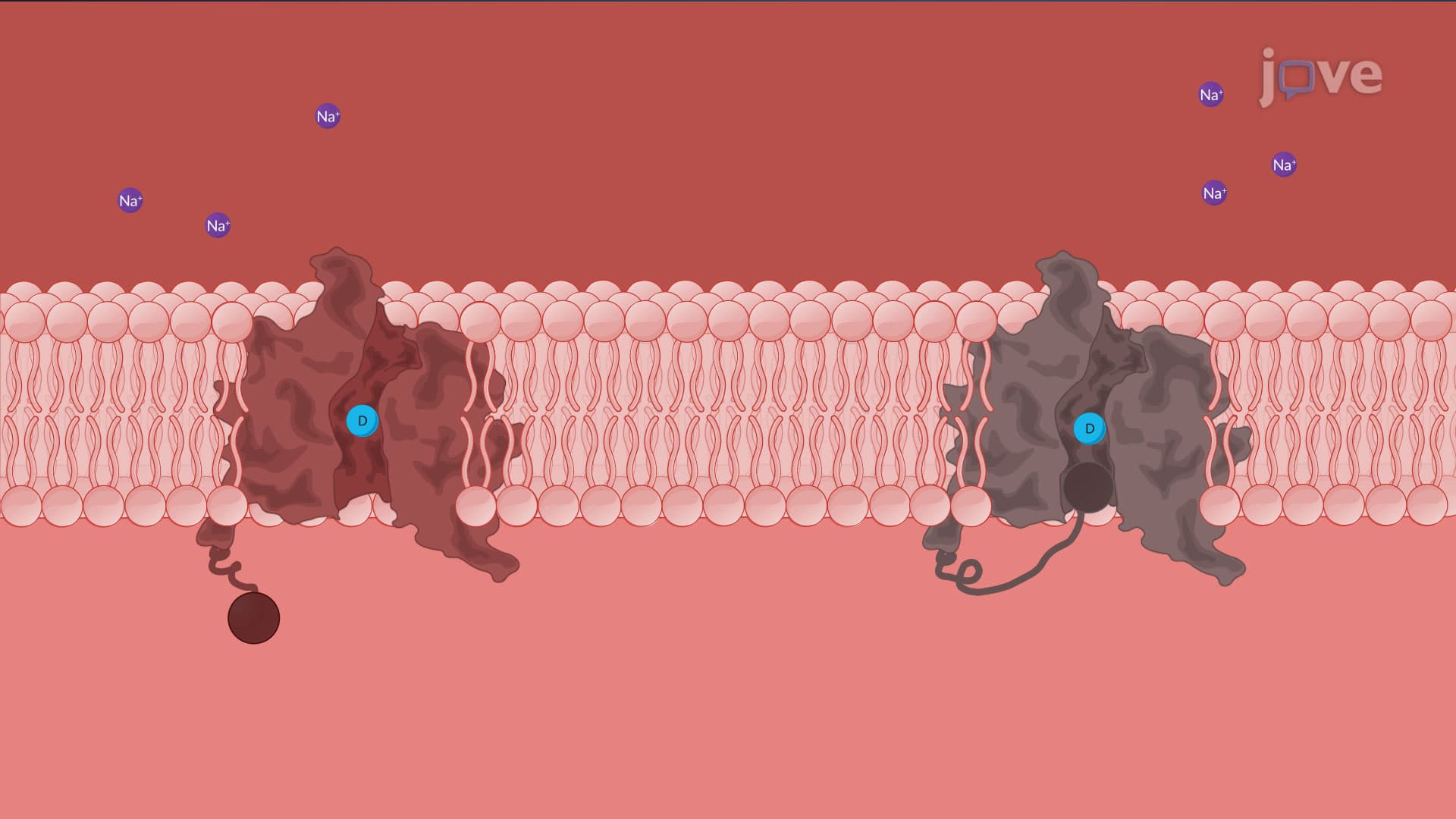
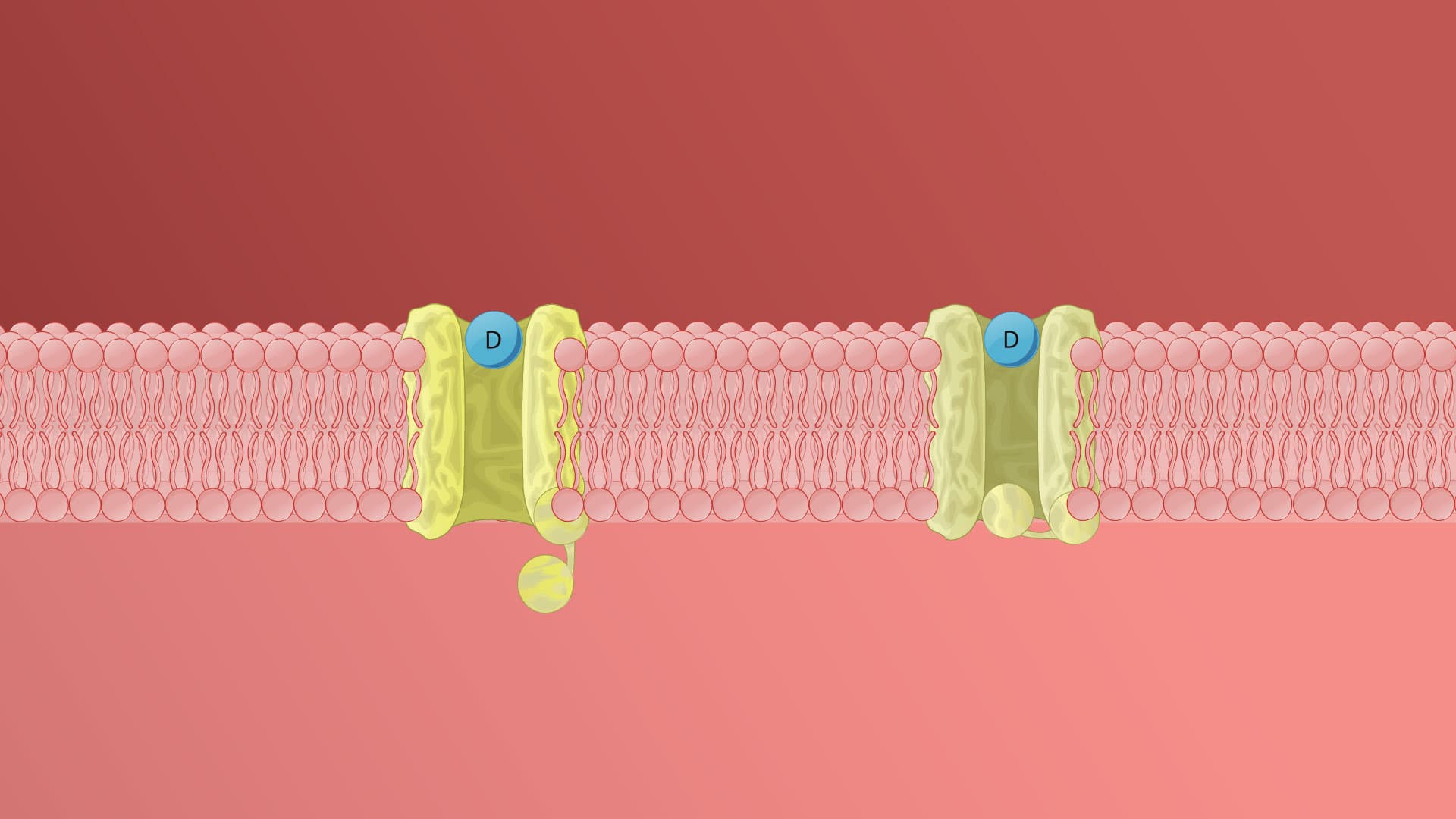
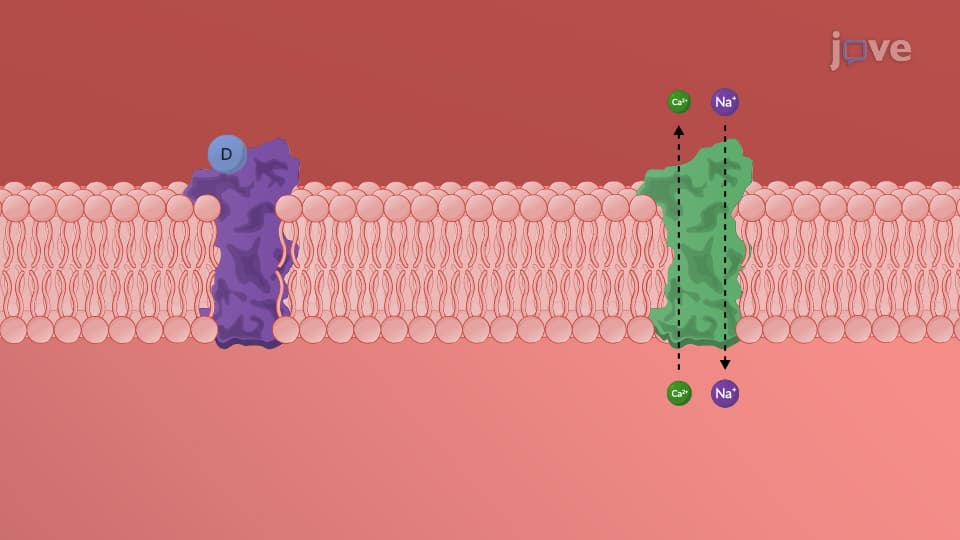
This structural design allows cardiac glycosides to inhibit the sodium-potassium ATPase pump (Na+/K+ pump) in cardiac cell membranes. When this pump is blocked, sodium accumulates inside cells, which subsequently affects the sodium-calcium exchanger. The result is increased intracellular calcium levels, leading to enhanced contractility. College-level physiology courses often test this multi-step process, requiring students to trace the pathway from drug binding to improved cardiac output.
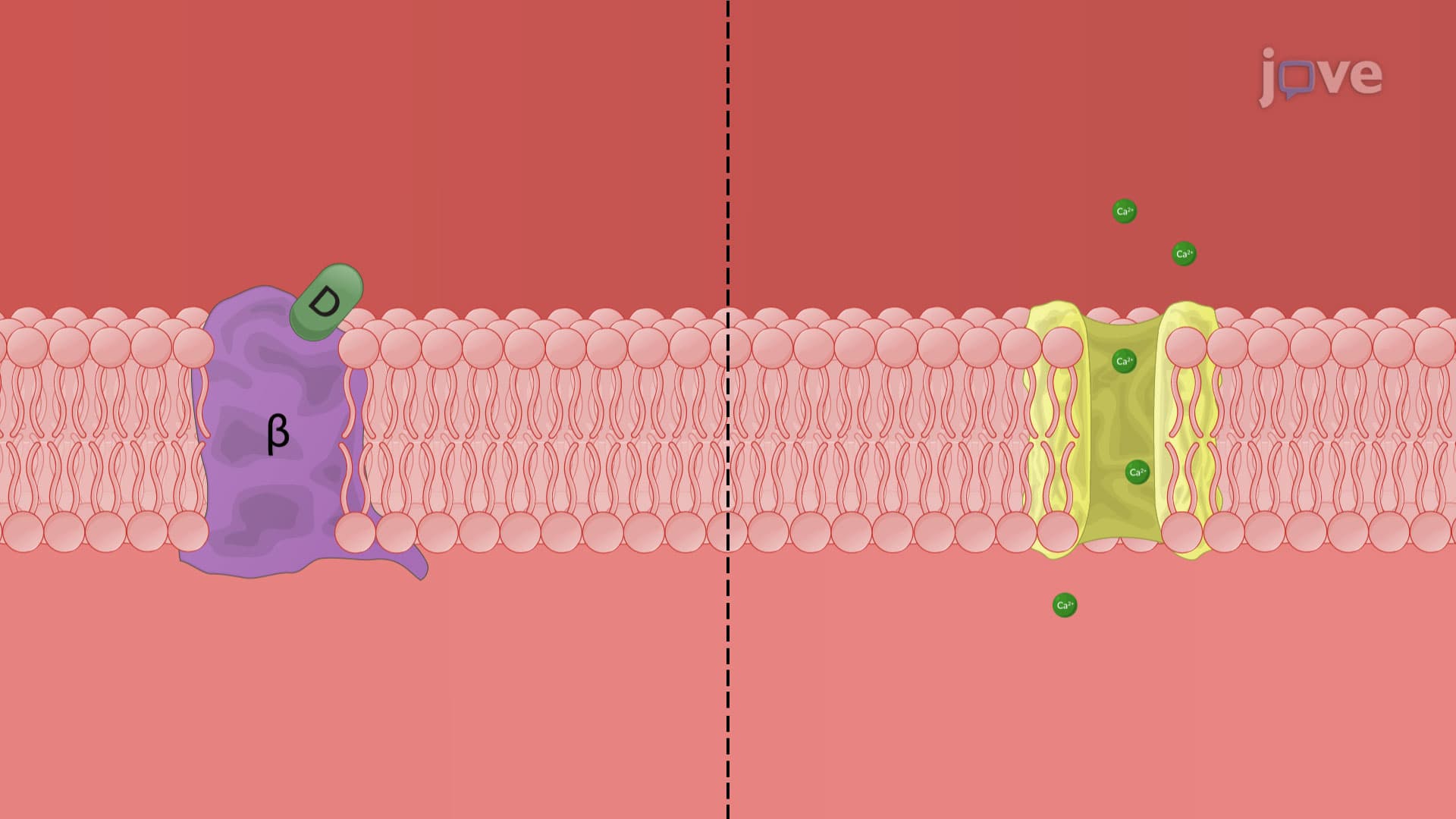
Beyond cardiac glycosides, other heart failure drugs inotropic mechanisms include β1-adrenoceptor agonists like dobutamine, commonly used in intensive care units across the US. Phosphodiesterase III inhibitors such as milrinone work by preventing the breakdown of cyclic adenosine monophosphate (cAMP), maintaining elevated calcium levels through a different pathway.
The clinical application of these drugs requires careful monitoring due to their narrow therapeutic windows. At Emory University Hospital and similar institutions, healthcare providers regularly assess serum electrolyte levels, particularly potassium and magnesium, since imbalances can precipitate dangerous arrhythmias. This monitoring aspect frequently appears on NCLEX and USMLE examinations, testing students' understanding of drug safety protocols.
Related Micro-courses