Loading video…


 7 Concepts
 8.8K views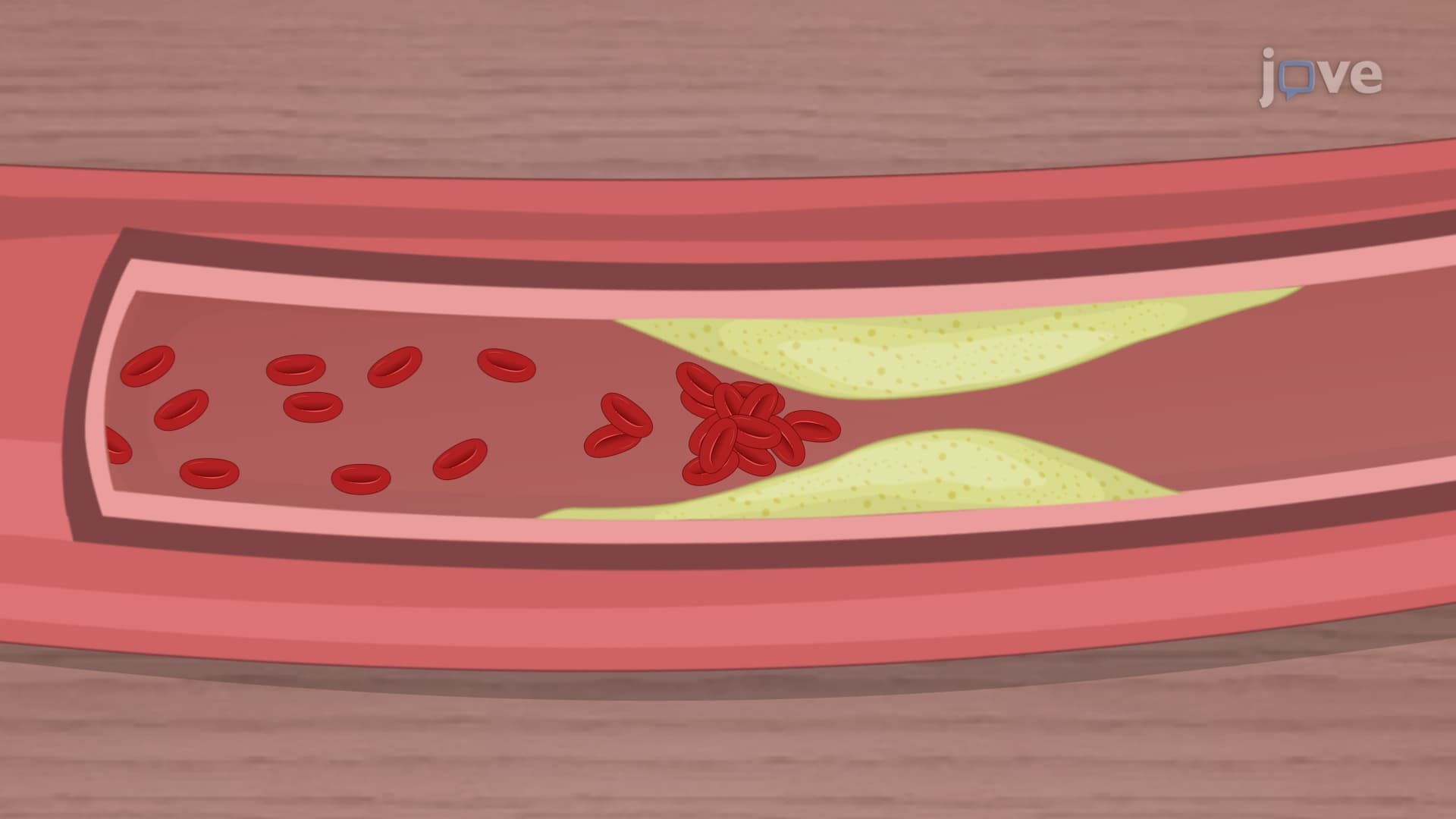

Video Summary: What Is Ischemic Heart Disease
Did you know that someone in the United States dies from heart disease every 34 seconds? Ischemic heart disease represents the most common form of cardiovascular disease, occurring when coronary arteries become narrowed or blocked, restricting blood flow to the heart muscle. This condition affects millions of Americans, including younger individuals with risk factors like diabetes or family history. Watch the full video on JoVE Coach to master this concept with expert-led visuals and step-by-step explanations.
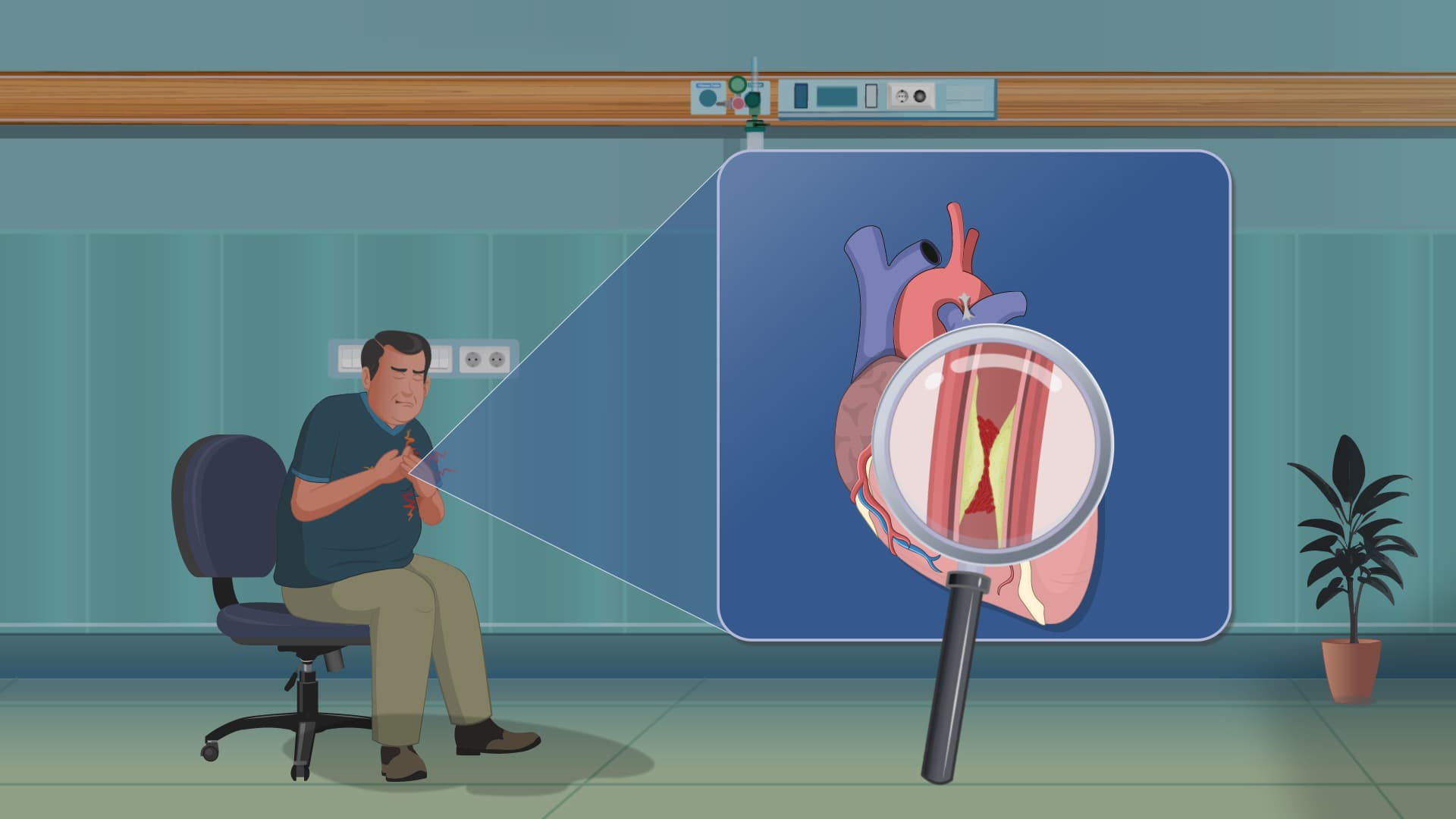
What is ischemic heart disease represents a critical concept in cardiovascular medicine that affects over 18 million Americans. The term "ischemic" derives from the Greek words meaning "to hold back blood," perfectly describing this condition where coronary arteries fail to deliver adequate oxygen-rich blood to the myocardium (heart muscle). This oxygen-supply mismatch creates a cascade of cellular events that can progress from reversible dysfunction to permanent tissue death.
The ischemic heart disease definition centers on atherosclerosis-a complex inflammatory process where cholesterol, cellular debris, and inflammatory cells accumulate within arterial walls. These atherosclerotic plaques don't simply "clog" arteries like debris in a pipe. Instead, they represent dynamic, living structures that can grow, rupture, and heal. In major US medical centers like the Cleveland Clinic, cardiologists observe how these plaques preferentially develop at arterial branch points and areas of turbulent flow, particularly in the left anterior descending (LAD), right coronary artery (RCA), and left circumflex arteries.
The progression follows predictable patterns studied extensively in landmark American research like the Framingham Heart Study. Initially, plaques may cause no symptoms as they grow inward (positive remodeling). However, when they occupy 70% or more of the arterial lumen, patients typically develop exertional chest pain (stable angina). The most dangerous scenario occurs when vulnerable plaques-those with thin fibrous caps and large lipid cores-rupture, exposing thrombogenic material that triggers rapid clot formation.
Ischemic heart disease presents across a spectrum of clinical syndromes. Stable angina typically manifests as predictable chest pressure during physical exertion, relieved by rest or nitroglycerin. Unstable angina represents a medical emergency, occurring at rest or with minimal exertion. Myocardial infarction (heart attack) results from complete arterial occlusion, leading to irreversible cardiac muscle death within hours.
American medical students preparing for the MCAT or USMLE must understand risk factor stratification. Non-modifiable factors include advancing age (men >45, women >55), male gender, and family history. Modifiable risk factors-smoking, hypertension, diabetes, dyslipidemia, obesity, and sedentary lifestyle-offer therapeutic targets. The American Heart Association's ASCVD Risk Calculator, widely used in US clinical practice, quantifies 10-year cardiovascular risk to guide preventive interventions.
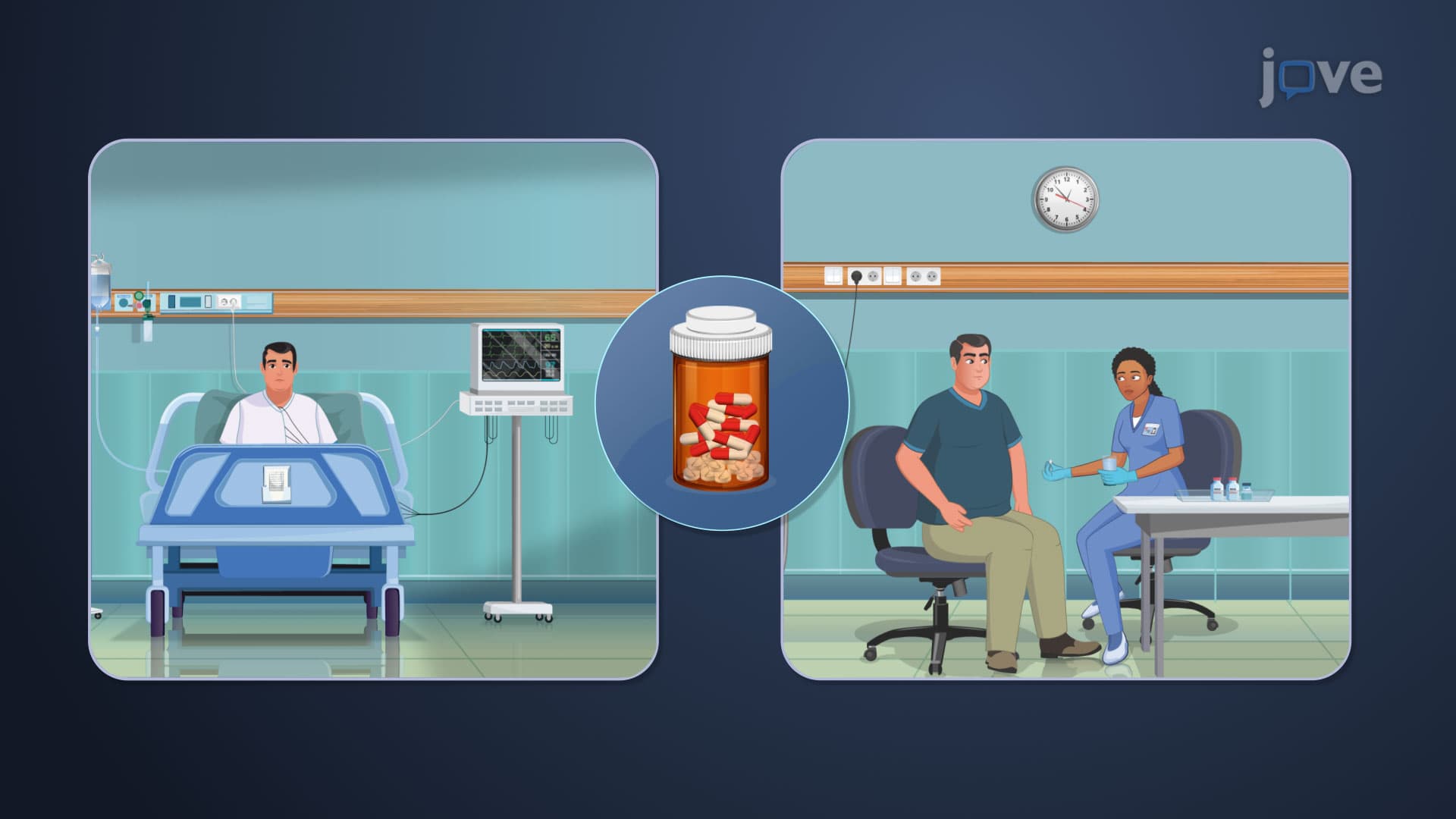
Modern ischemic heart disease management follows evidence-based guidelines from American professional societies. Medical therapy typically includes dual antiplatelet therapy (aspirin plus P2Y12 inhibitor), high-intensity statins for cholesterol reduction, ACE inhibitors or ARBs for blood pressure control, and beta-blockers for heart rate and contractility modulation. Students studying for nursing exams like NCLEX-RN should understand how these medications work synergistically to reduce cardiac workload and prevent thrombotic events.
Interventional procedures become necessary when medical therapy fails or in acute presentations. Percutaneous coronary intervention (PCI) with stent placement can rapidly restore blood flow, while coronary artery bypass grafting (CABG) provides durable revascularization for complex, multi-vessel disease. These procedures, pioneered at institutions like the Texas Heart Institute and Mayo Clinic, have revolutionized outcomes for millions of Americans with severe coronary disease.
Related Micro-courses