Loading video…


 7 Concepts
 2.6K views

Video Summary: Drugs for Treatment of Constipation Explained
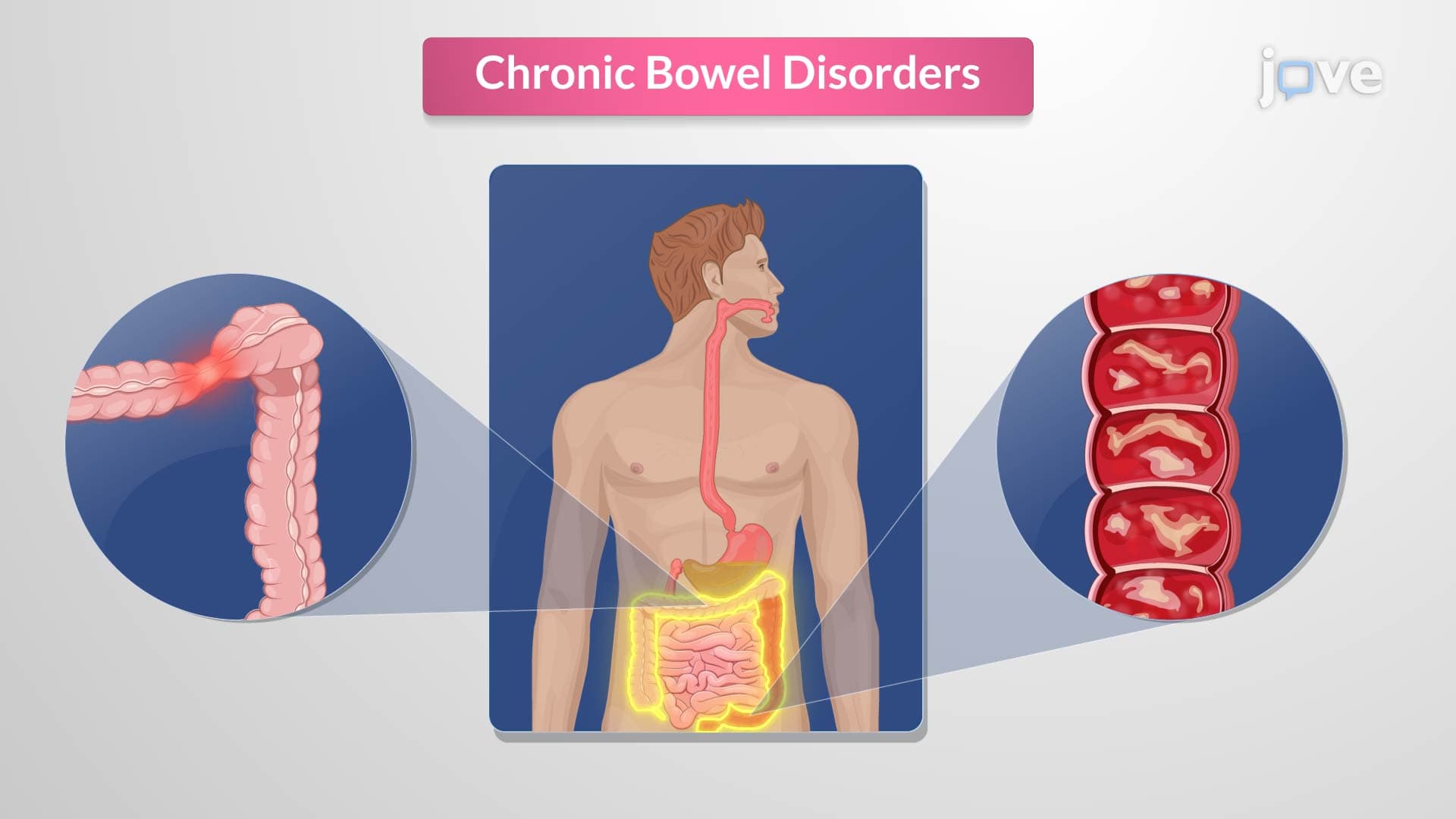
Did you know that over 16% of American adults suffer from chronic constipation, making it one of the most common digestive complaints in US emergency rooms? Drugs for treatment of constipation work through sophisticated mechanisms that target specific receptors and channels in your intestinal lining. From traditional laxatives to cutting-edge medications like linaclotide prescribed at Mayo Clinic, these therapeutic agents manipulate fluid secretion and intestinal motility to restore normal bowel function. Watch the full video on JoVE Coach to master this concept with expert-led visuals and step-by-step explanations.
The landscape of constipation treatment has evolved dramatically beyond simple fiber supplements and traditional laxatives. Modern drugs for treatment of constipation target specific molecular pathways in the gastrointestinal tract, offering precise therapeutic interventions for conditions like irritable bowel syndrome with constipation (IBS-C). This sophisticated approach represents a paradigm shift from symptom management to mechanism-based treatment.
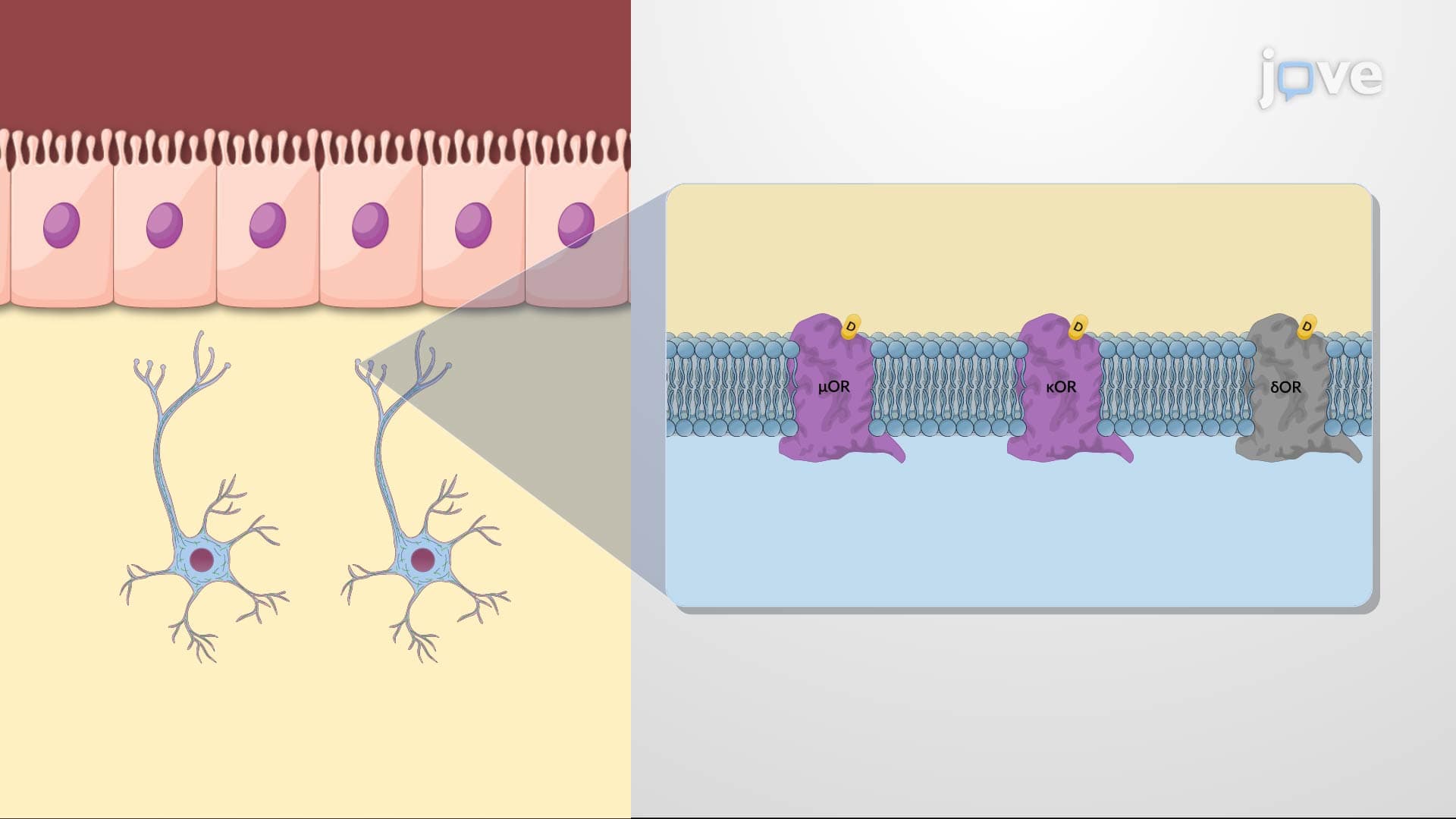
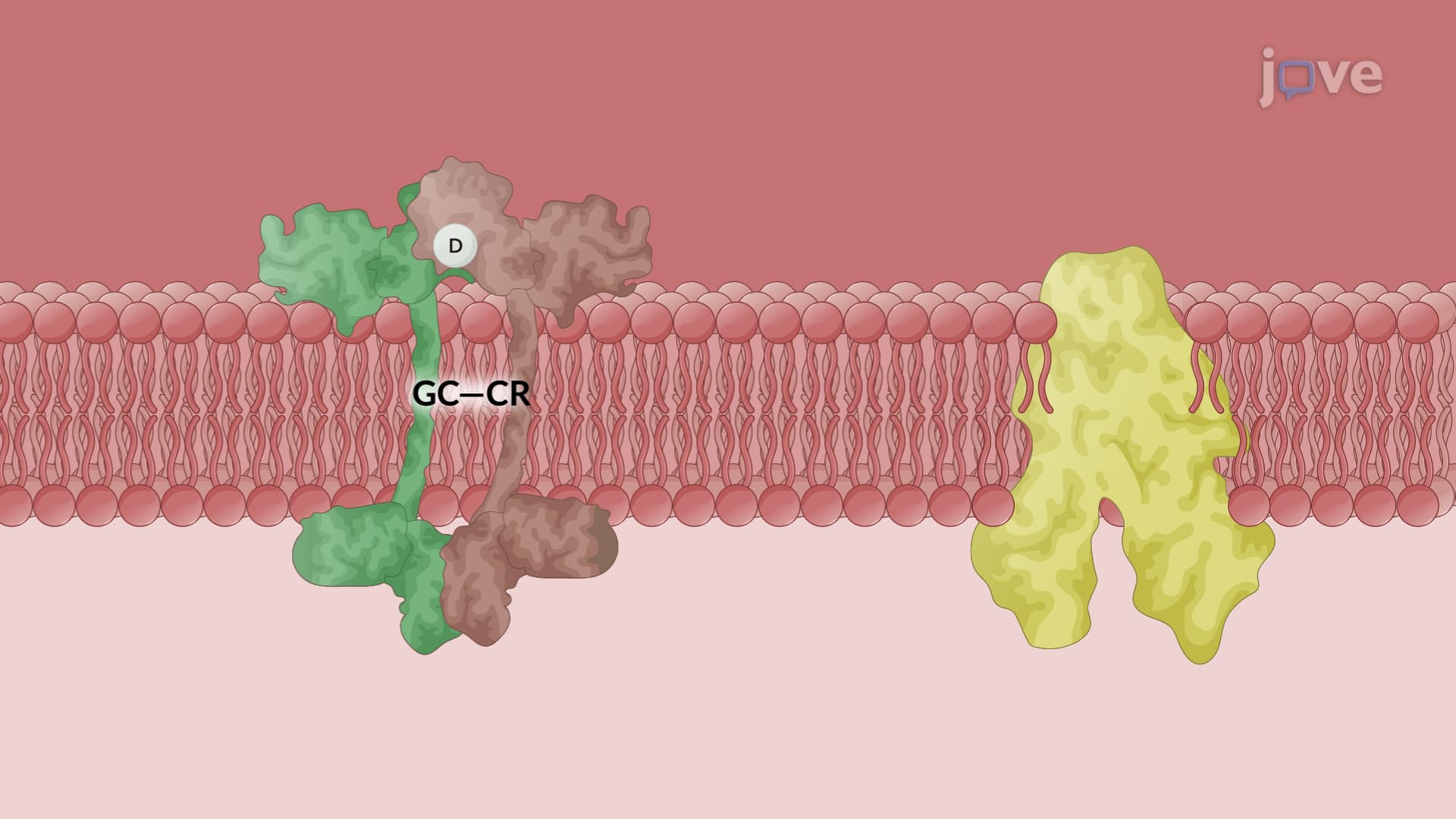
Linaclotide exemplifies precision medicine in gastroenterology. As a peptide agonist, it specifically binds to guanylate cyclase-C (GC-C) receptors located on the apical surface of intestinal epithelial cells. This binding triggers a cascade that elevates cyclic guanosine monophosphate (cGMP) levels, subsequently activating the cystic fibrosis transmembrane conductance regulator (CFTR). The result is enhanced chloride secretion into the intestinal lumen, drawing water osmotically to create softer, more easily passed stools.
This mechanism proves particularly valuable for AP Biology students studying cell signaling pathways and for pre-med students preparing for the MCAT's biochemistry sections. The drug's approval by the FDA for IBS-C treatment at major medical centers like Johns Hopkins demonstrates its clinical significance. However, students should note that excessive activation can lead to diarrhea, the most common side effect requiring dose adjustment in clinical practice.
Lubiprostone operates through a different yet complementary mechanism. This fatty acid derivative specifically activates type-2 chloride channels (ClC-2) in the small intestine, bypassing the complex signaling cascade required by linaclotide. The direct channel activation promotes immediate chloride secretion, making it particularly effective for acute constipation episodes.
Clinical applications at institutions like Cleveland Clinic show lubiprostone's effectiveness, though its tendency to delay gastric emptying creates a unique side effect profile. This delayed gastric motility explains why patients often experience nausea, a consideration crucial for NCLEX-RN exam questions about medication administration timing and patient education.
For college-level pharmacology courses and USMLE Step 1 preparation, understanding these mechanisms connects molecular biology to clinical practice. Students encounter these concepts in pathophysiology exams where they must explain how intestinal fluid balance affects stool consistency. The integration of CFTR function-familiar from cystic fibrosis studies-with gastrointestinal therapeutics demonstrates the interconnected nature of physiological systems, a common theme in advanced placement and college-level science curricula.
Related Micro-courses