Loading video…


 7 Concepts
 2.6K views

Video Summary: Drugs for Treatment of Ulcerative Explained
Did you know that millions of Americans living with ulcerative colitis rely on specially designed drugs that must survive the journey through their entire digestive system to reach the inflamed colon? Drugs for treatment of ulcerative colitis, particularly 5-aminosalicylic acid (5-ASA), use innovative delivery mechanisms to target inflammation precisely where it's needed. The FDA has approved multiple formulations that protect these medications from being absorbed too early, ensuring patients at major medical centers like Mayo Clinic receive maximum therapeutic benefit. Watch the full video on JoVE Coach to master this concept with expert-led visuals and step-by-step explanations.
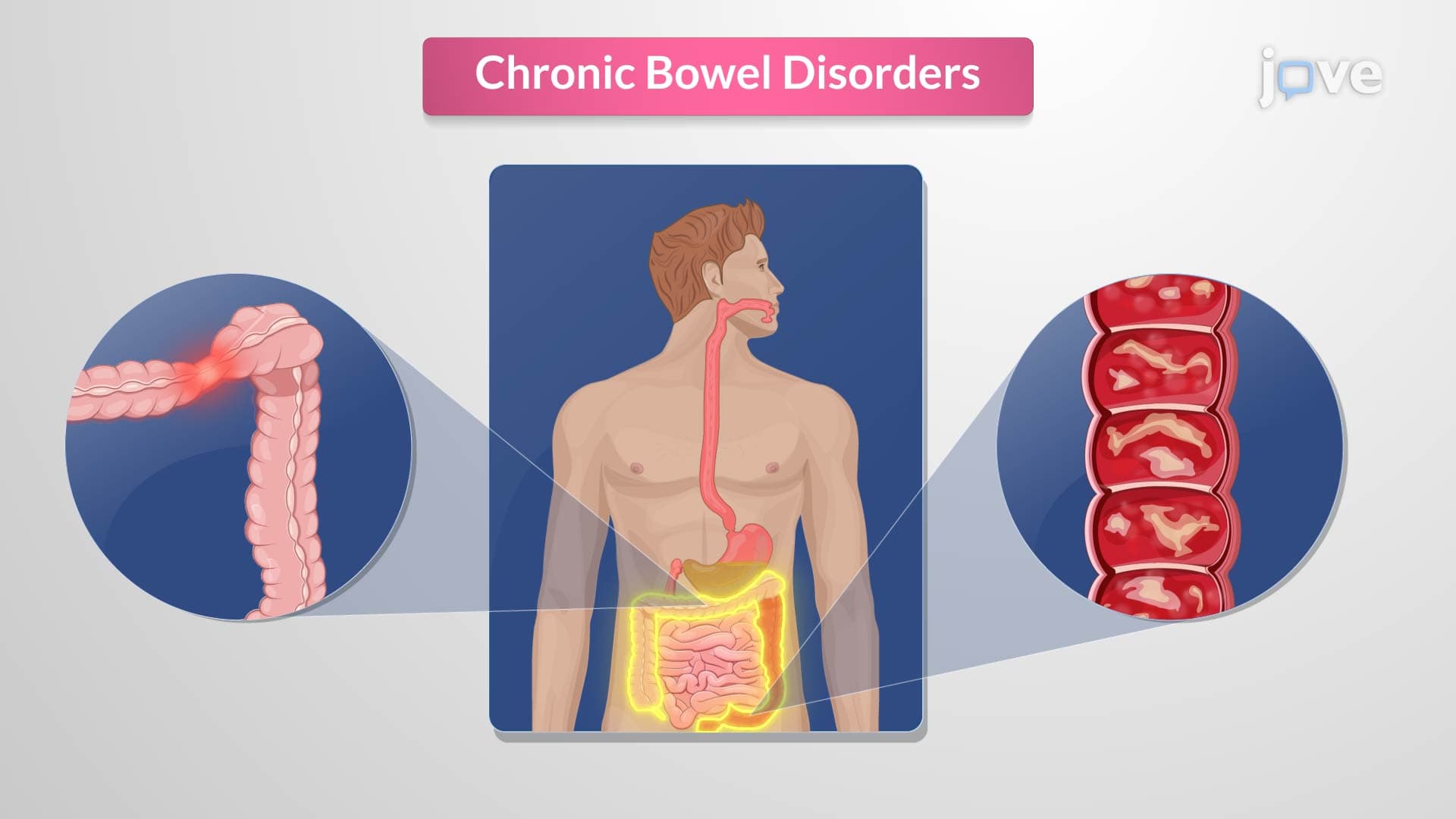
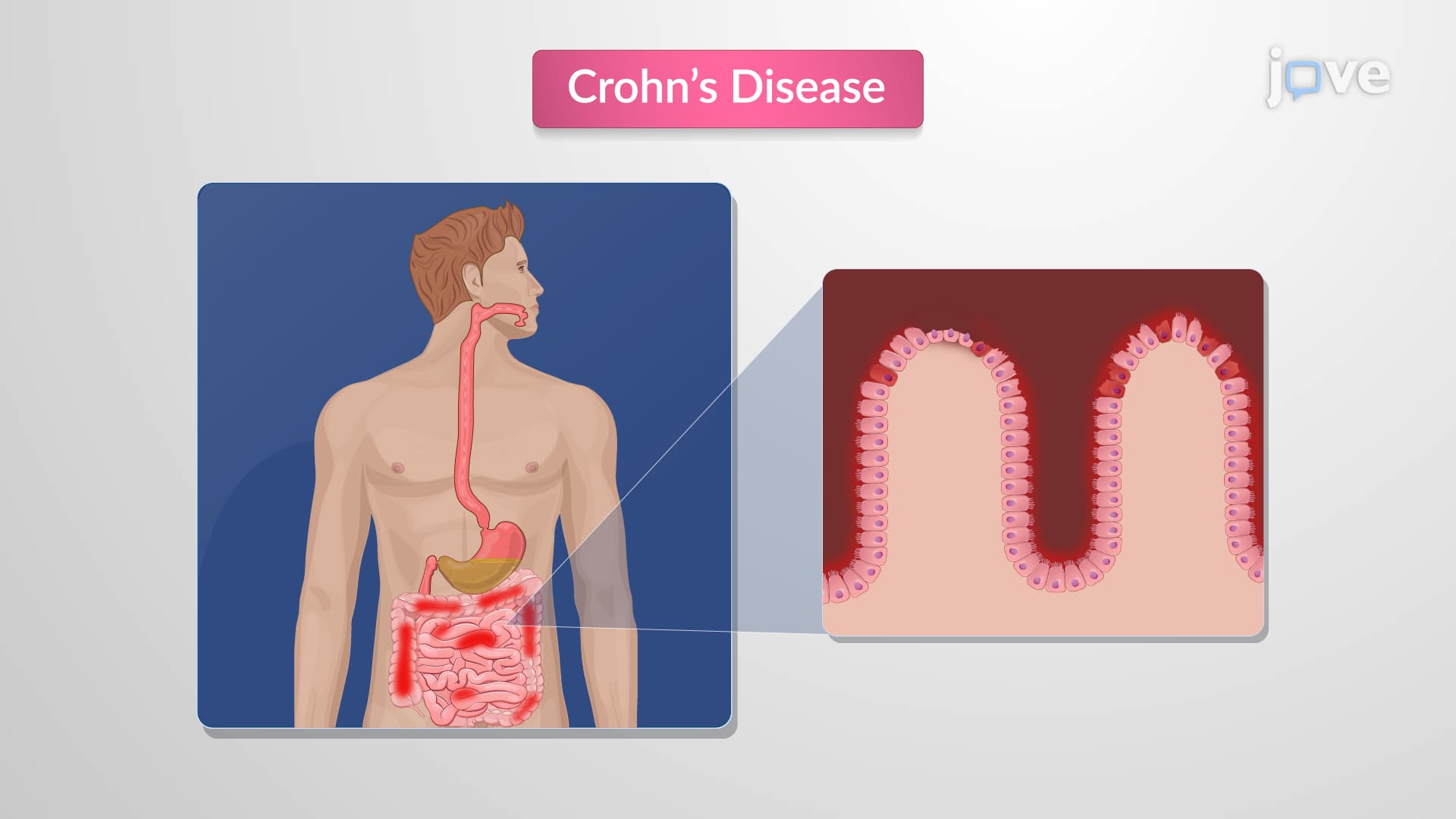
Ulcerative colitis affects approximately 907,000 Americans, making effective drug delivery a critical healthcare challenge. The primary obstacle lies in getting anti-inflammatory medications to the colon while avoiding premature absorption in the small intestine. This pharmaceutical puzzle has led to ingenious formulation strategies that form the backbone of modern IBD treatment protocols taught in advanced pharmacology courses and tested on the MCAT.
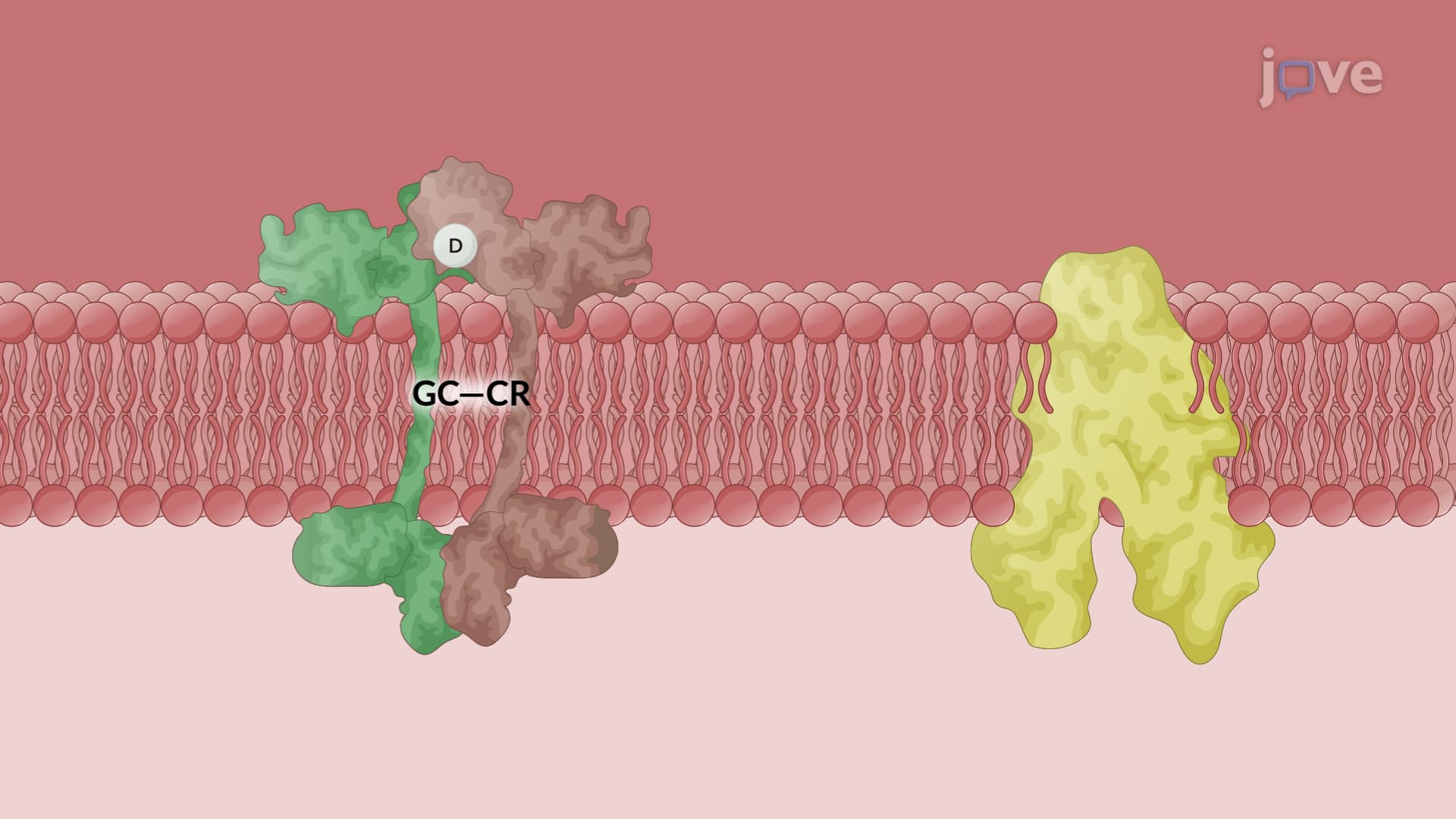
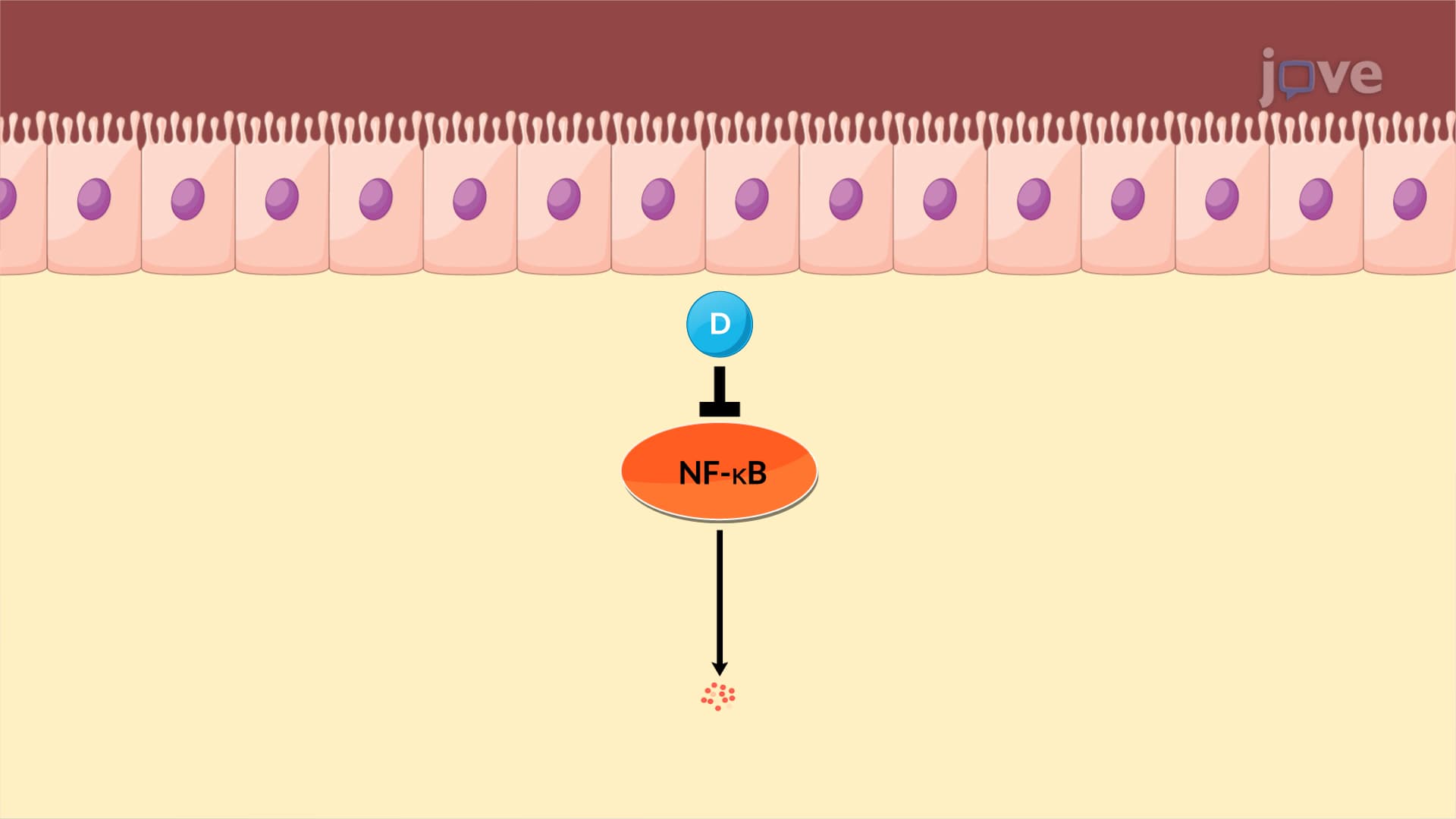
5-aminosalicylic acid represents the cornerstone of ulcerative colitis therapy through its multi-target approach. Unlike simple NSAIDs, 5-ASA simultaneously inhibits cyclooxygenase and lipoxygenase pathways, reducing both prostaglandin and leukotriene synthesis. Its free radical scavenging properties protect intestinal epithelium from oxidative damage, while suppression of nuclear factor-kappa B blocks the transcription of pro-inflammatory cytokines including TNF-alpha and interleukin-1. This comprehensive mechanism explains why 5-ASA remains first-line therapy in major US treatment centers and appears frequently in USMLE Step 1 pharmacology questions.
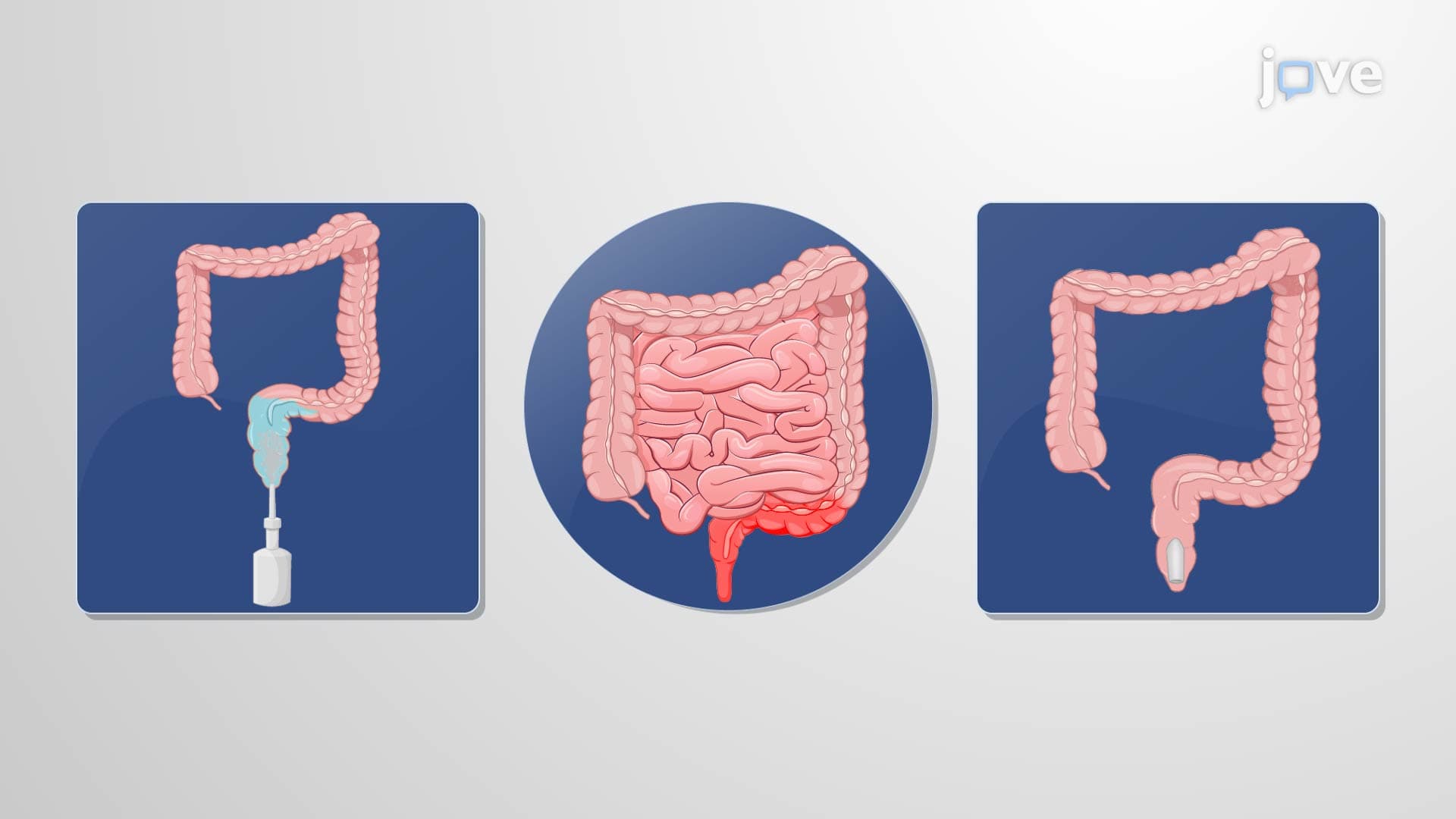
The pharmaceutical industry has developed sophisticated approaches to overcome 5-ASA's rapid small bowel absorption. Azo prodrugs like sulfasalazine link active 5-ASA to sulfapyridine through an azo bond that colonic bacteria specifically cleave. Balsalazide uses 4-aminobenzoyl-beta-alanine as the carrier, while olsalazine exists as a 5-ASA dimer. These strategies ensure that drug activation occurs precisely where inflammation exists, maximizing therapeutic index-a concept essential for AP Biology students studying enzyme specificity and frequently tested in college organic chemistry courses.
Modern mesalamine preparations utilize enteric coatings with pH-sensitive polymers that dissolve at the higher pH of the terminal ileum and colon. Pentasa employs ethylcellulose microgranules that release medication throughout the GI tract through osmotic mechanisms. At institutions like Cleveland Clinic and Johns Hopkins, gastroenterologists select specific formulations based on disease location and patient response patterns. Understanding these formulation differences proves crucial for pharmacy students preparing for NAPLEX examinations and medical students tackling internal medicine rotations.
Related Micro-courses