Loading subject page…


2,564 views
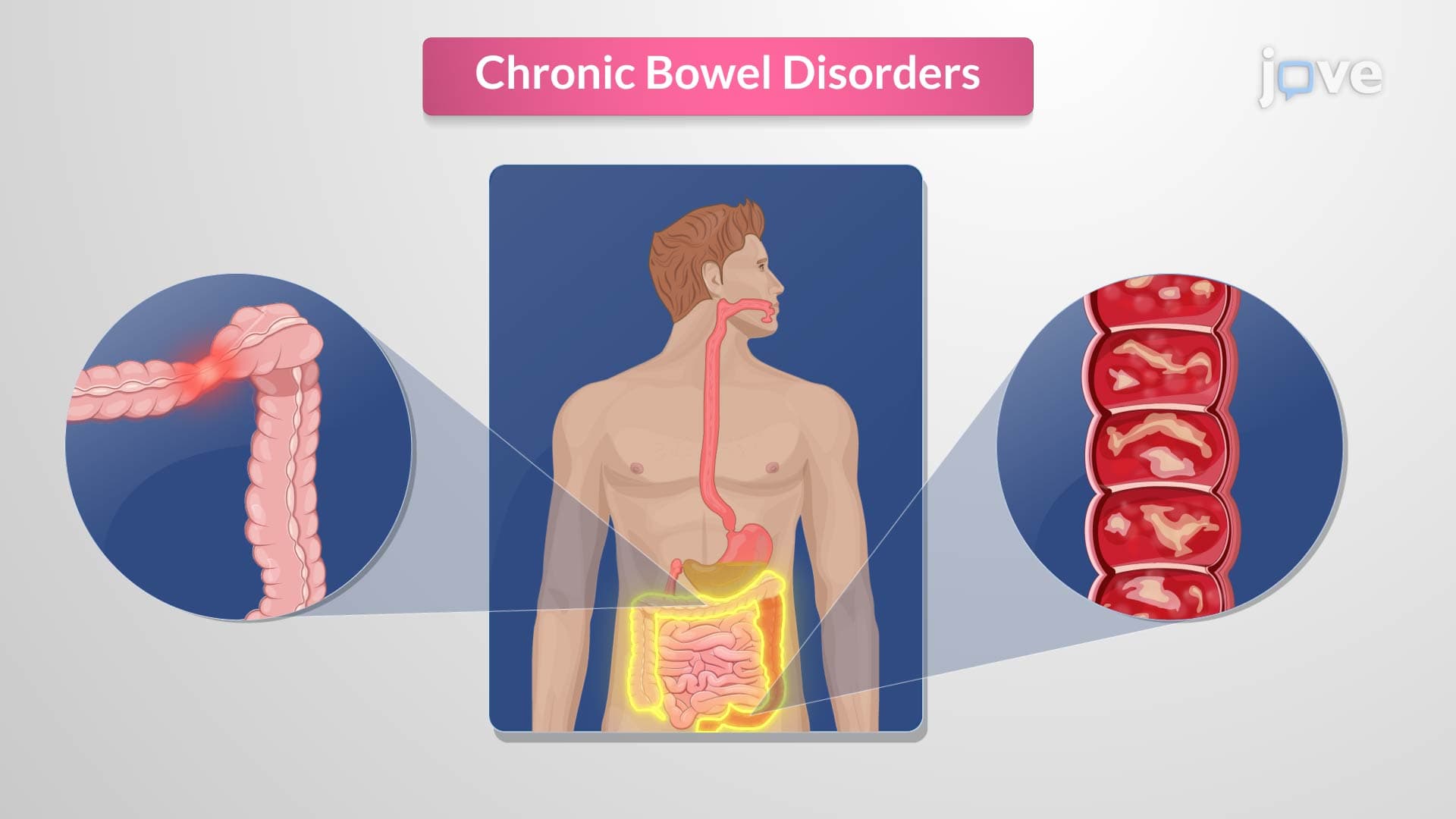

Video Summary: What Is Chronic Bowel Disorders Introduction
Did you know that chronic bowel disorders introduction affects over 60 million Americans, making digestive conditions some of the most common health challenges facing students and adults today? Understanding chronic bowel disorders introduction involves recognizing long-term digestive tract conditions like irritable bowel syndrome (IBS) and inflammatory bowel disease (IBD). These disorders significantly impact quality of life for millions of patients treated at major medical centers like Mayo Clinic and Johns Hopkins. Watch the full video on JoVE Coach to master this concept with expert-led visuals and step-by-step explanations.
Chronic bowel disorders introduction encompasses a comprehensive understanding of persistent digestive tract conditions that affect millions of Americans. These disorders fundamentally alter normal digestive function through different mechanisms, requiring healthcare professionals to distinguish between functional disorders like IBS and inflammatory conditions like IBD. For students preparing for healthcare careers, mastering this concept is essential for MCAT preparation and foundational medical courses.
IBS represents the most common functional gastrointestinal disorder, affecting approximately 10-15% of the US population. Unlike inflammatory conditions, IBS involves altered gut-brain communication without visible tissue damage. Students studying for AP Biology or college anatomy courses should understand that IBS-C (constipation-predominant) involves fewer than three bowel movements weekly, while IBS-D (diarrhea-predominant) features frequent loose stools with urgency. Major medical centers like Cleveland Clinic report that IBS significantly impacts quality of life, often triggering anxiety and depression in affected individuals.
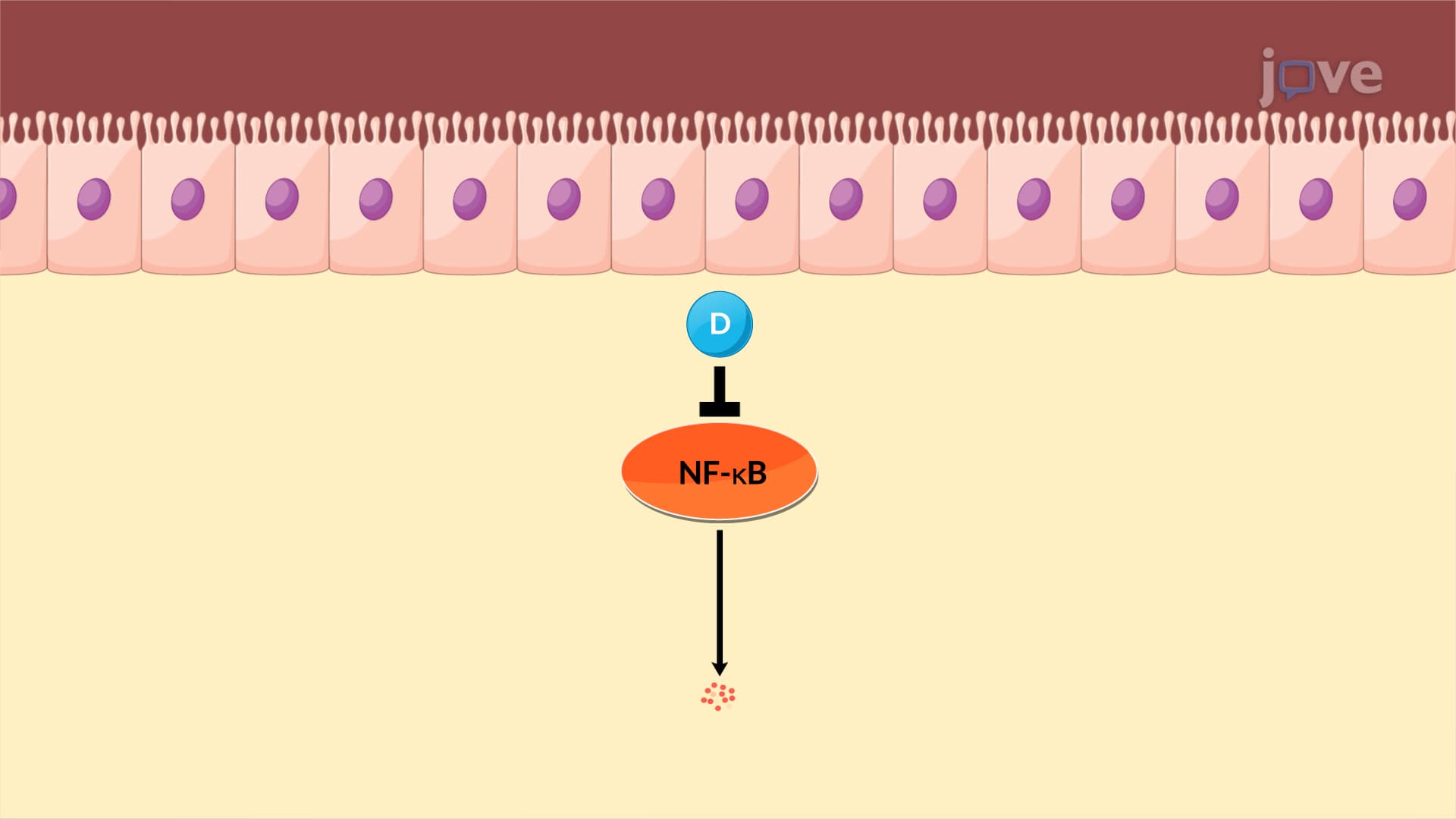
IBD encompasses autoimmune conditions where the body's immune system mistakenly attacks beneficial gut bacteria and intestinal tissues. This concept frequently appears on MCAT passages and nursing school examinations like NCLEX-RN. The chronic inflammation leads to tissue damage, bleeding, and potential complications including strictures and fistulas. Understanding IBD pathophysiology requires recognizing how genetic predisposition, environmental triggers, and immune dysfunction converge to create persistent intestinal inflammation.
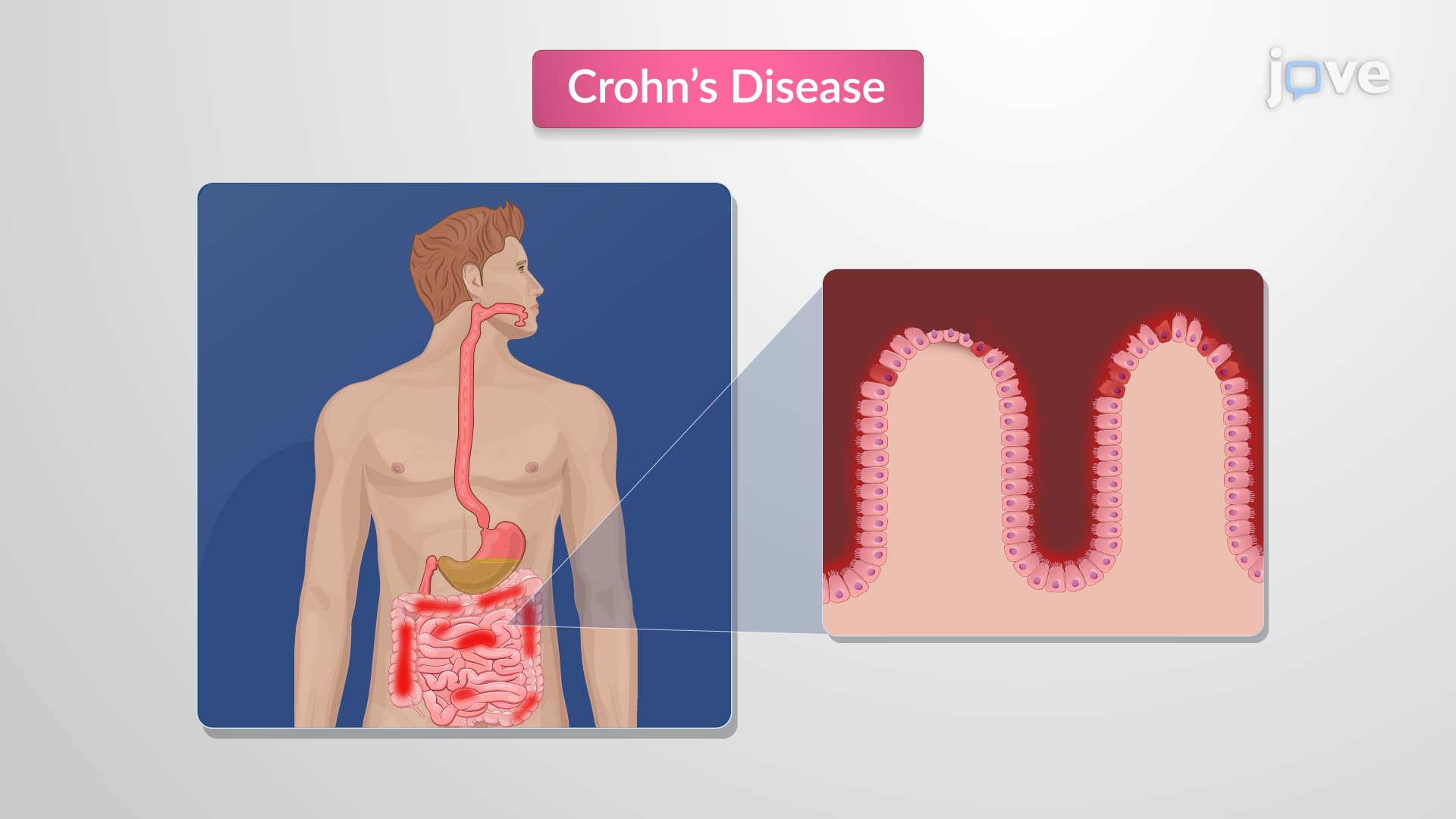
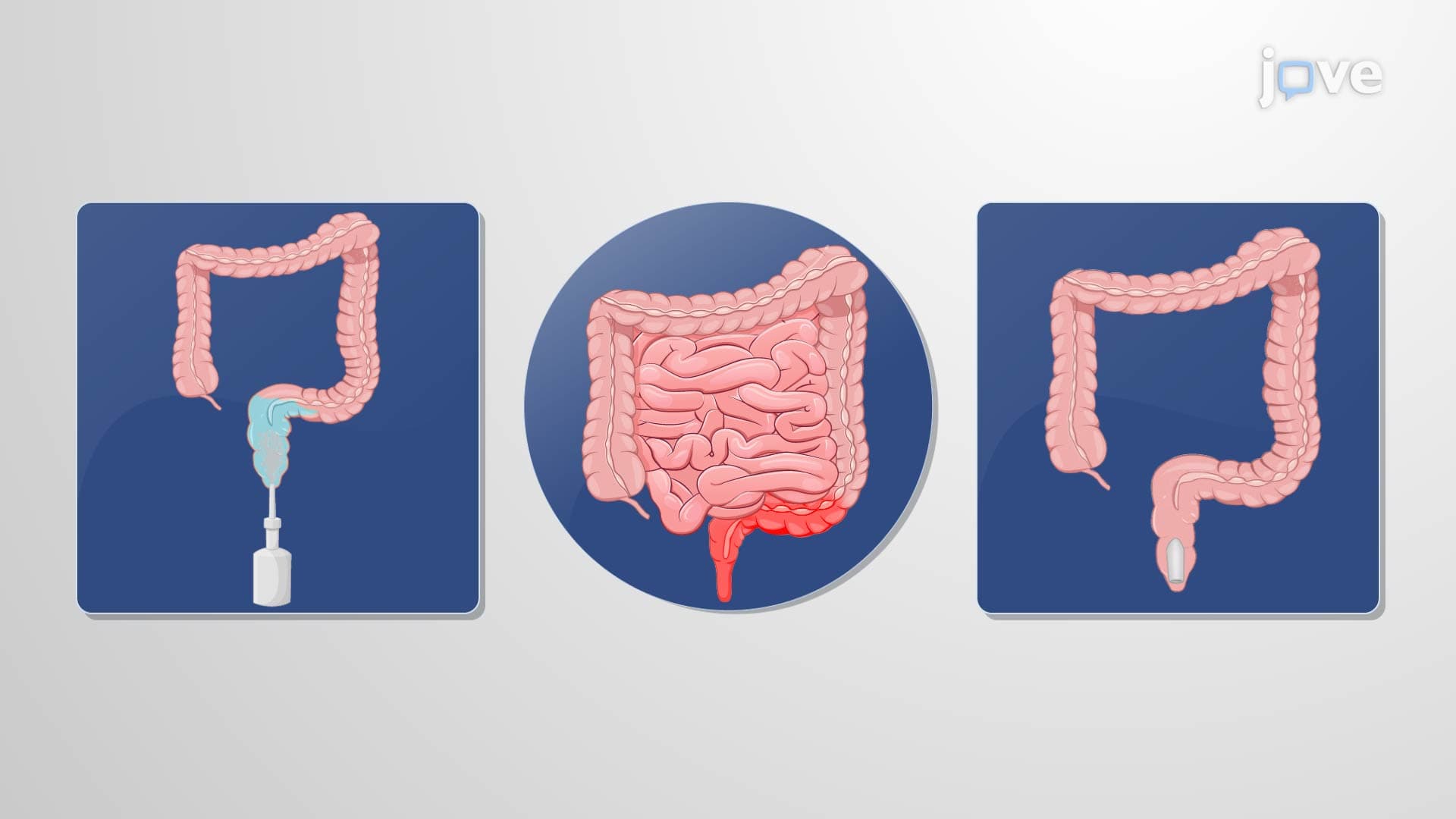
These IBD subtypes demonstrate distinct anatomical and histological patterns crucial for diagnostic differentiation. Ulcerative colitis affects only the colon and rectum with continuous mucosal inflammation, while Crohn's disease can involve any digestive tract segment with characteristic "skip lesions" and transmural inflammation. Students preparing for healthcare professional programs should understand that Crohn's disease most commonly affects the terminal ileum, creating complications like bowel obstruction and perforation. These distinctions frequently appear on HESI A2 and TEAS nursing entrance examinations, requiring students to correlate symptoms with underlying pathophysiology.
Related Micro-courses