Loading video…


 8 Concepts
 6.2K views


Video Summary: Alzheimer S Disease Pathophysiology and Clinical Overview
Did you know that every 65 seconds, someone in the United States develops Alzheimer's disease, affecting over 6.5 million Americans today? Alzheimer's disease: pathophysiology clinical understanding begins with recognizing how amyloid plaques and tau tangles progressively destroy brain cells, leading to the devastating memory loss seen in patients at Johns Hopkins Memory Center. This Alzheimer's Disease: Pathophysiology and Clinical Overview explores the three-stage progression from preclinical changes to full dementia, revealing the neurochemical disruptions that make this the sixth leading cause of death in America. Watch the full video on JoVE Coach to master this concept with expert-led visuals and step-by-step explanations.
Alzheimer's disease pathophysiology clinical understanding requires mastering two hallmark protein abnormalities that define this devastating neurodegenerative condition. The disease process begins decades before symptoms appear, making early detection crucial for families like those participating in research studies at the Mayo Clinic's Alzheimer's Disease Research Center.
The alzheimer's disease pathophysiology definition centers on two key protein abnormalities. Beta-amyloid plaques form when amyloid precursor protein (APP) is incorrectly cleaved, creating sticky fragments that accumulate between neurons. Simultaneously, tau proteins become hyperphosphorylated, forming neurofibrillary tangles inside neurons. These processes particularly damage the hippocampus and cortical regions essential for memory formation-areas that show characteristic atrophy on MRI scans at institutions like UCSF's Memory and Aging Center.
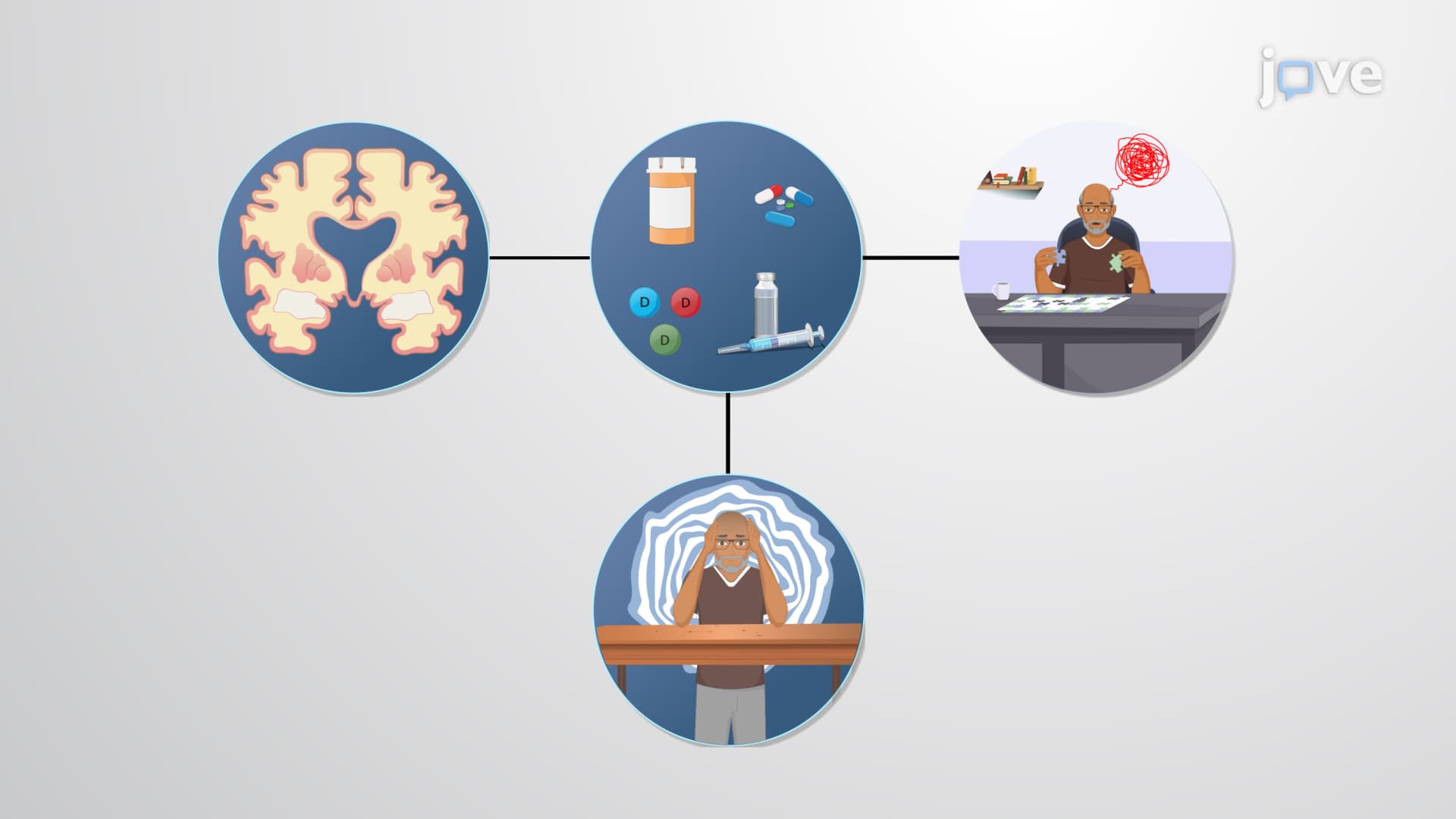
Students preparing for the MCAT should understand that these pathological changes trigger a cascade of neuronal dysfunction. The cholinergic system, which produces acetylcholine for memory and learning, suffers severe damage. This explains why cholinesterase inhibitors like donepezil remain first-line treatments, as they preserve remaining acetylcholine by blocking its breakdown.
What is alzheimer's disease pathophysiology and clinical overview becomes clearer when examining the three-stage progression model used by neurologists nationwide. The preclinical stage shows brain changes without symptoms-detectable only through specialized PET scans measuring amyloid accumulation. Mild cognitive impairment represents the transition phase where patients notice memory problems but maintain independence. Finally, dementia stage brings significant functional decline requiring comprehensive care.
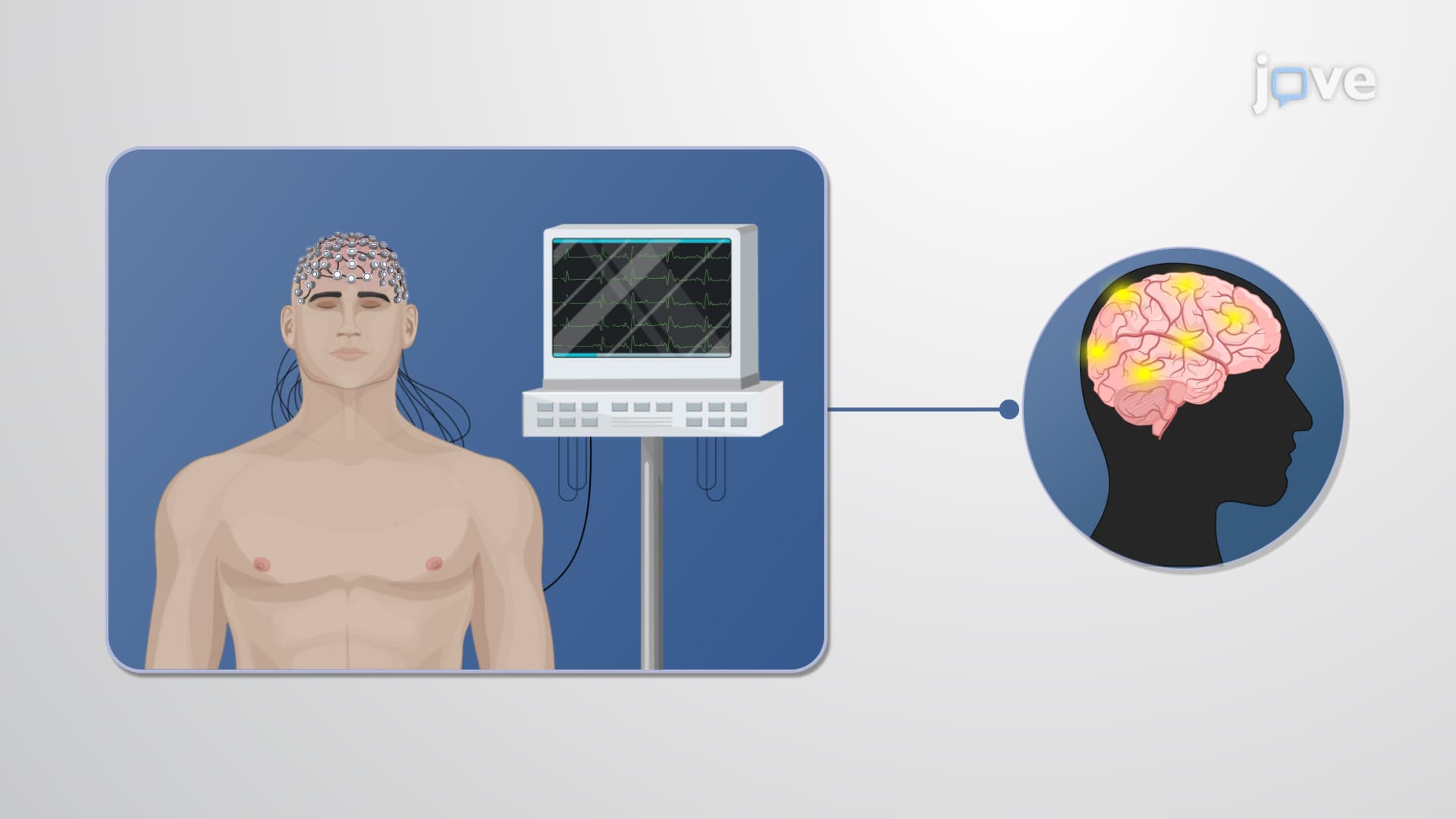
Modern diagnosis combines multiple approaches validated at centers like Johns Hopkins. Neuropsychological testing using tools like the Mini-Mental State Examination (MMSE) quantifies cognitive decline. Advanced imaging includes PET scans showing reduced glucose metabolism in temporal and parietal lobes, plus MRI revealing hippocampal volume loss. Cerebrospinal fluid analysis measures decreased amyloid-beta 42 and increased tau proteins-biomarkers now incorporated into research diagnostic criteria.
For AP Biology students, understanding genetic contributions proves essential. Early-onset familial Alzheimer's (affecting patients under 65) results from mutations in APP, PSEN1, or PSEN2 genes, following autosomal dominant inheritance patterns. These cases, though representing less than 5% of all Alzheimer's disease, provide crucial research insights into disease mechanisms studied at institutions like the National Institute on Aging.
Current therapeutic approaches focus on symptomatic relief rather than cure. Cholinesterase inhibitors (donepezil, rivastigmine, galantamine) help maintain cognitive function by preserving acetylcholine levels. The NMDA receptor antagonist memantine addresses glutamate excitotoxicity in moderate-to-severe stages. Recent FDA approvals of aducanumab and lecanemab represent attempts to directly target amyloid plaques, though their clinical effectiveness remains debated among specialists at major medical centers.
Related Micro-courses