Loading video…


 8 Concepts
 6.2K views

Video Summary: Parkinson S Disease Pathophysiology and Clinical Overview
Nearly one million Americans live with Parkinson's disease, making it the second most common neurodegenerative disorder after Alzheimer's. Understanding Parkinson's disease pathophysiology clinical features reveals how dopamine-producing brain cells gradually die, creating the characteristic tremors and movement difficulties. Actor Michael J. Fox's public battle with early-onset Parkinson's has raised awareness of this condition's impact on daily life. Parkinson's Disease: Pathophysiology and Clinical Overview explains the complex brain mechanisms behind this progressive disorder. Watch the full video on JoVE Coach to master this concept with expert-led visuals and step-by-step explanations.
Parkinson's disease represents one of medicine's most studied neurodegenerative conditions, affecting approximately 1% of adults over age 60 in the United States. This progressive disorder fundamentally alters how the brain controls movement, creating a cascade of symptoms that worsen over time.
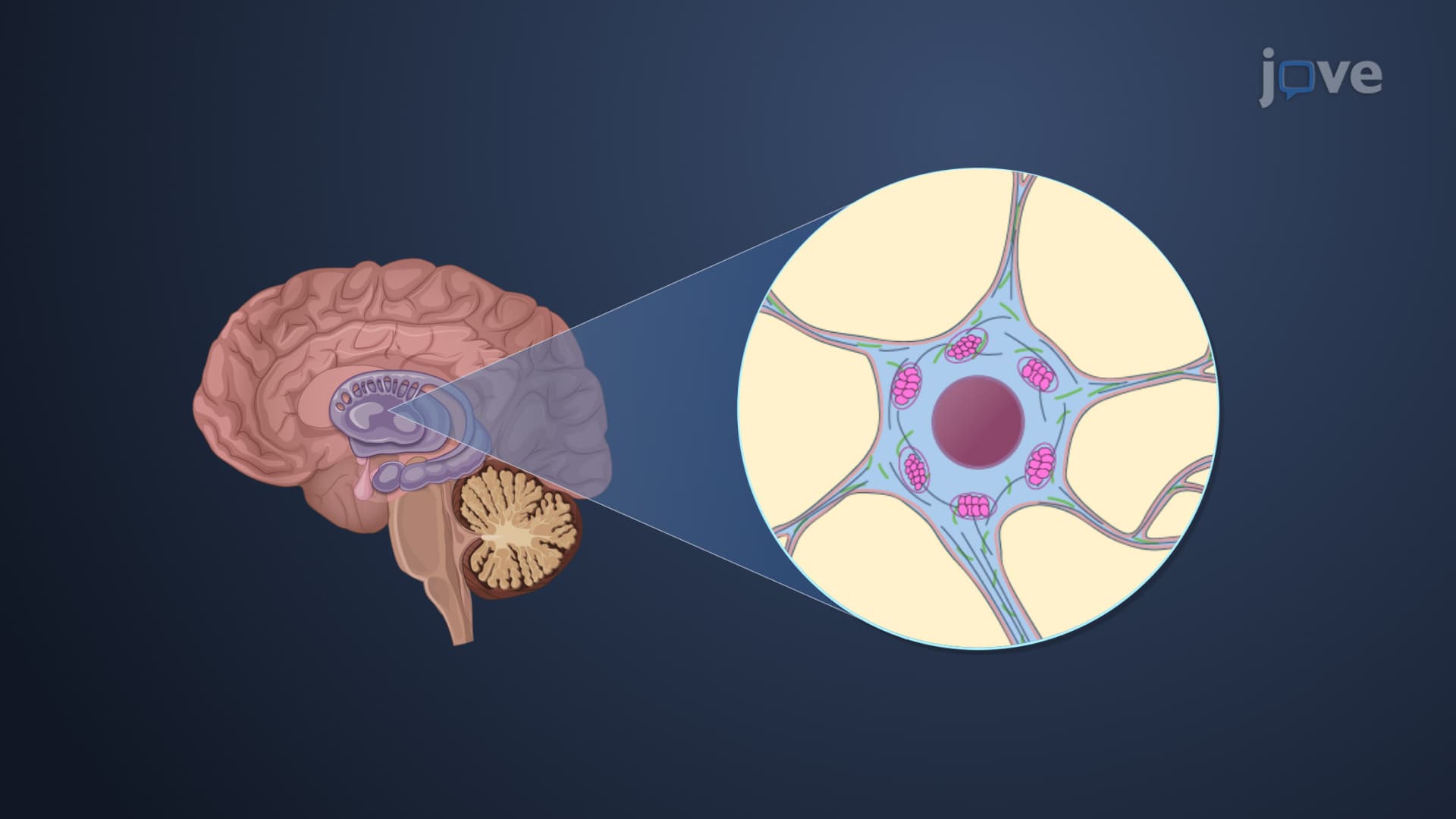
The substantia nigra, a small but crucial brain region, produces dopamine-a neurotransmitter essential for smooth, coordinated movement. In Parkinson's disease pathophysiology clinical presentation, these dopamine-producing neurons systematically degenerate and die. The basal ganglia, which includes structures like the striatum and globus pallidus, relies on dopamine to maintain the delicate balance between two competing neural pathways: the direct pathway (which facilitates movement) and the indirect pathway (which inhibits movement). When dopamine levels drop below 70-80% of normal, the indirect pathway becomes overactive, resulting in the movement difficulties characteristic of Parkinson's disease.
The Parkinson's disease overview encompasses four cardinal motor symptoms that neurologists use for diagnosis. Bradykinesia, or slowness of movement, often appears first and affects simple tasks like buttoning shirts or writing. Resting tremor typically begins unilaterally, creating the characteristic "pill-rolling" motion when hands are at rest. Muscular rigidity produces a "cogwheel" sensation during physical examination, while postural instability increases fall risk as the disease progresses. These symptoms significantly impact quality of life, as seen in high-profile cases like former U.S. Attorney General Janet Reno, who continued her public service despite her Parkinson's diagnosis.
The Parkinson's disease pathophysiology definition extends beyond dopamine loss to include specific protein abnormalities. Lewy bodies-abnormal protein deposits containing α-synuclein-accumulate inside neurons throughout the brain. These inclusions disrupt normal cellular function and may contribute to the spreading pattern of neurodegeneration. Research suggests that α-synuclein aggregation might begin in the enteric nervous system or olfactory bulb before reaching the substantia nigra, explaining why some patients experience digestive issues or loss of smell before motor symptoms appear.
Students preparing for AP Biology, pre-med coursework, or the MCAT should understand that Parkinson's disease exemplifies how protein misfolding diseases affect cellular function. The condition also demonstrates important pharmacological principles, as levodopa therapy works by crossing the blood-brain barrier and converting to dopamine, partially restoring the disrupted neurotransmitter balance.
Related Micro-courses