Loading video…

 8 Concepts
 6.2K views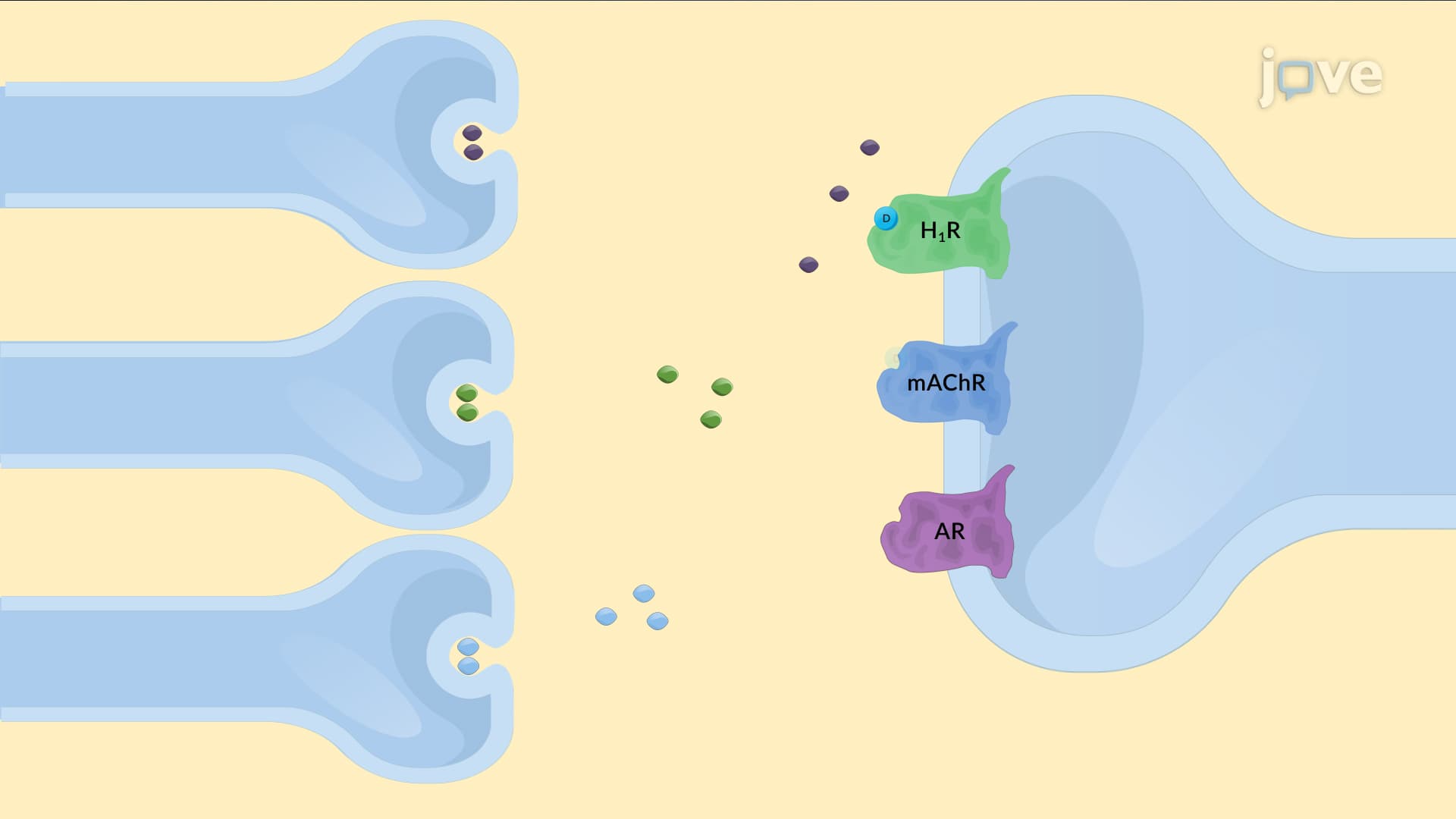

Video Summary: What are Antidepressant Drugs
Nearly 21 million American adults experienced a major depressive episode in 2020, making antidepressant drugs among the most prescribed medications in the United States. Antidepressant drugs work by modifying brain chemistry to restore normal neurotransmitter function, offering hope to millions suffering from depression and related conditions. The FDA has approved over 30 different antidepressant medications, ranging from older tricyclics to modern SSRIs like Prozac and Zoloft. Watch the full video on JoVE Coach to master this concept with expert-led visuals and step-by-step explanations.
Antidepressant drugs represent a cornerstone of modern psychiatric medicine, designed to correct the neurochemical imbalances underlying depression and related disorders. These medications work by enhancing the availability of key neurotransmitters-primarily serotonin, norepinephrine, and dopamine-in brain synapses. The development of antidepressants revolutionized mental health treatment, transforming what was once considered an untreatable condition into a manageable medical disorder.
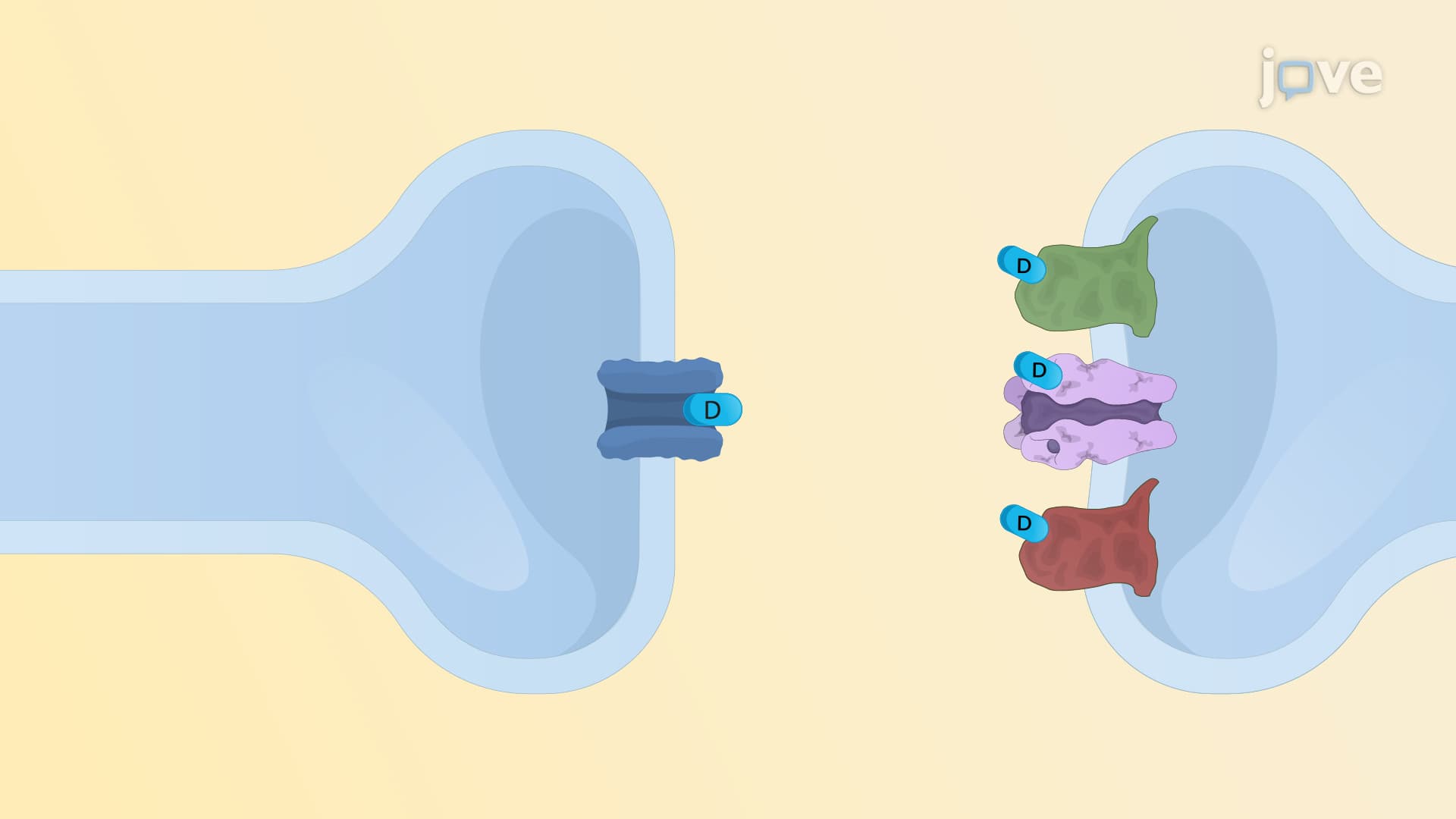
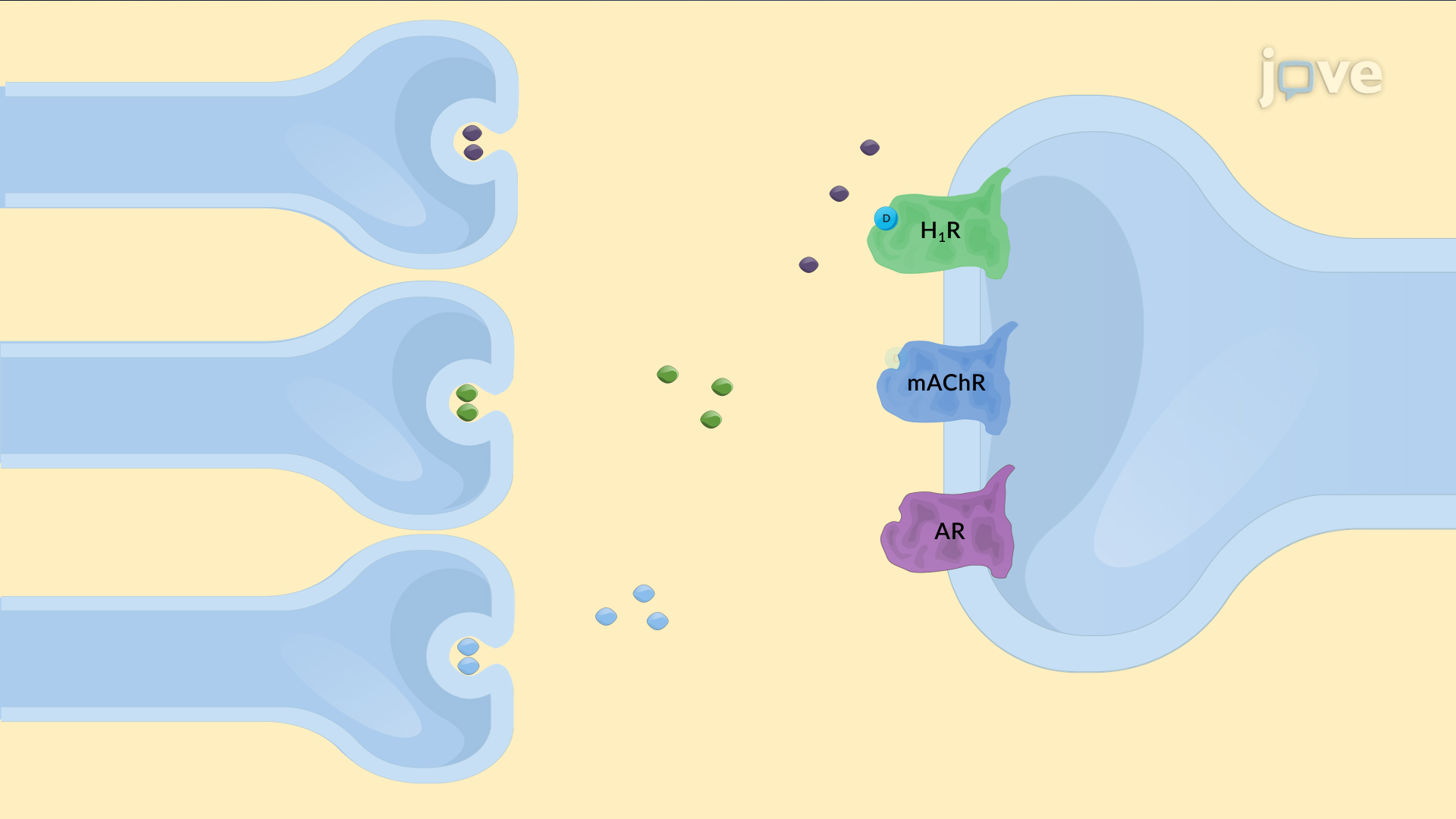
The earliest antidepressant drugs, developed in the 1950s and 1960s, include tricyclic antidepressants (TCAs) like amitriptyline (Elavil) and imipramine (Tofranil), alongside monoamine oxidase inhibitors (MAOIs) such as phenelzine (Nardil). TCAs function by blocking multiple neurotransmitter transporters, preventing the reuptake of serotonin and norepinephrine while also affecting histamine, acetylcholine, and adrenergic receptors. This broad activity profile makes them highly effective but also increases their potential for serious side effects, including cardiac complications and anticholinergic effects like dry mouth and constipation.
MAOIs work by inhibiting monoamine oxidase enzymes that break down neurotransmitters, thereby increasing their availability. However, patients taking MAOIs must follow strict dietary restrictions, avoiding tyramine-rich foods like aged cheeses and cured meats to prevent dangerous hypertensive crises. These limitations led to the development of safer alternatives.
Modern antidepressant therapy is dominated by second-generation drugs that offer improved safety profiles. Selective serotonin reuptake inhibitors (SSRIs) like fluoxetine (Prozac), sertraline (Zoloft), and escitalopram (Lexapro) specifically target serotonin transporters, minimizing off-target effects. Serotonin-norepinephrine reuptake inhibitors (SNRIs) such as venlafaxine (Effexor) and duloxetine (Cymbalta) block the reuptake of both serotonin and norepinephrine, potentially offering advantages for patients with both depression and chronic pain conditions.
For students preparing for the MCAT, understanding antidepressant mechanisms is crucial for passages involving neurotransmitter systems and pharmacology. AP Psychology students encounter these drugs when studying biological bases of behavior and abnormal psychology. The classification system appears frequently on NCLEX and HESI A2 exams for nursing students, who must understand both therapeutic effects and nursing considerations for monitoring patients on antidepressant therapy.
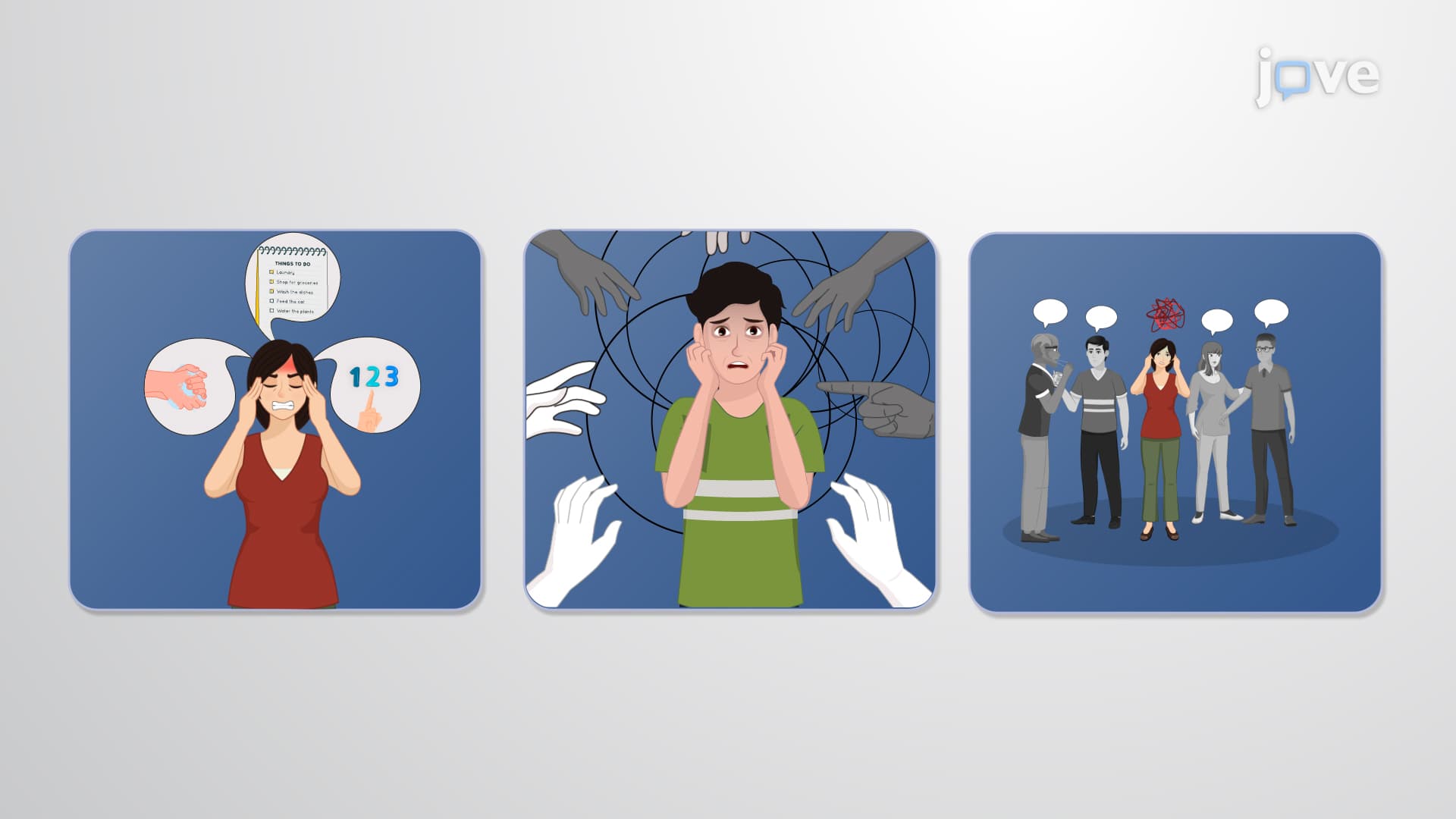
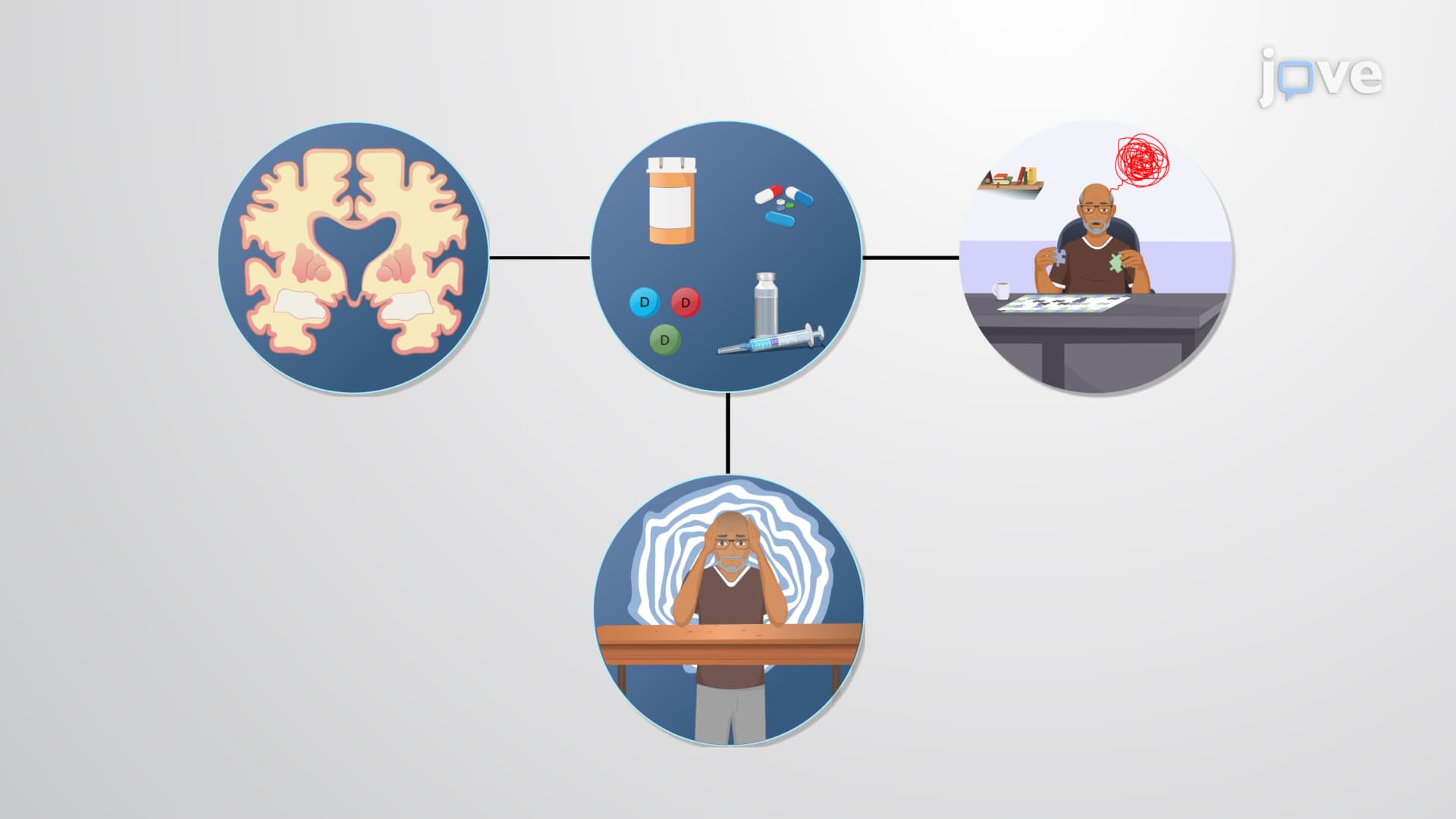
Beyond depression, these medications treat anxiety disorders, fibromyalgia, and premenstrual dysphoric disorder, demonstrating the interconnected nature of neurotransmitter systems. Treatment-resistant depression may require combination approaches using atypical antipsychotics like aripiprazole (Abilify) alongside traditional antidepressants, reflecting the complexity of severe mental illness management in clinical practice.
Related Micro-courses