Loading subject page…


6,176 views


Video Summary: What Is Depression
Did you know that depression affects over 21 million American adults annually, making it one of the most prevalent mental health conditions? Depression is a complex mental illness encompassing multiple forms, from major depressive episodes to bipolar disorders, with both emotional symptoms like persistent sadness and biological manifestations including sleep disruptions and cognitive changes. Consider how the National Institute of Mental Health reports that depression significantly impacts academic performance in high school and college students across the United States. Watch the full video on JoVE Coach to master this concept with expert-led visuals and step-by-step explanations.
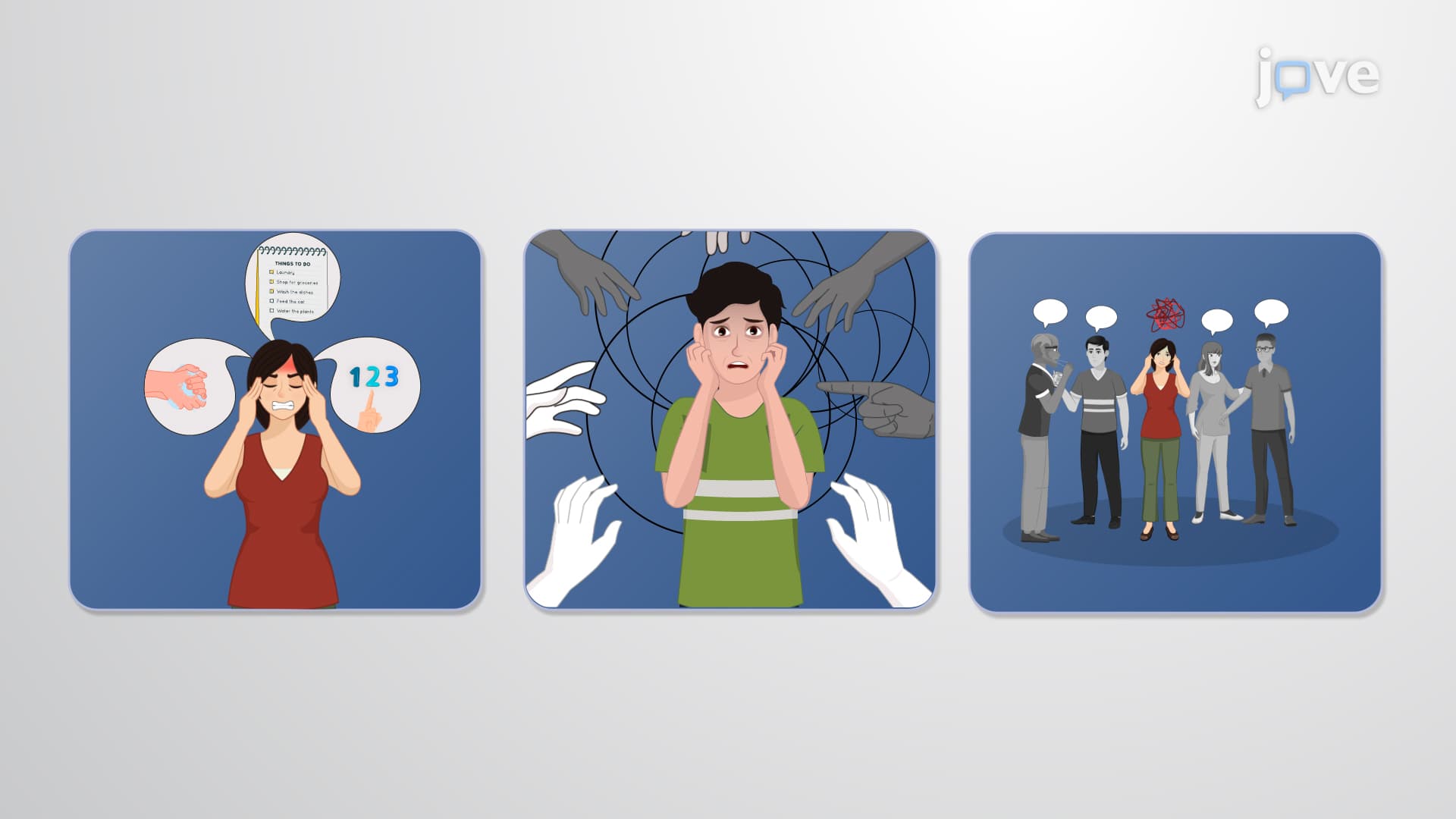
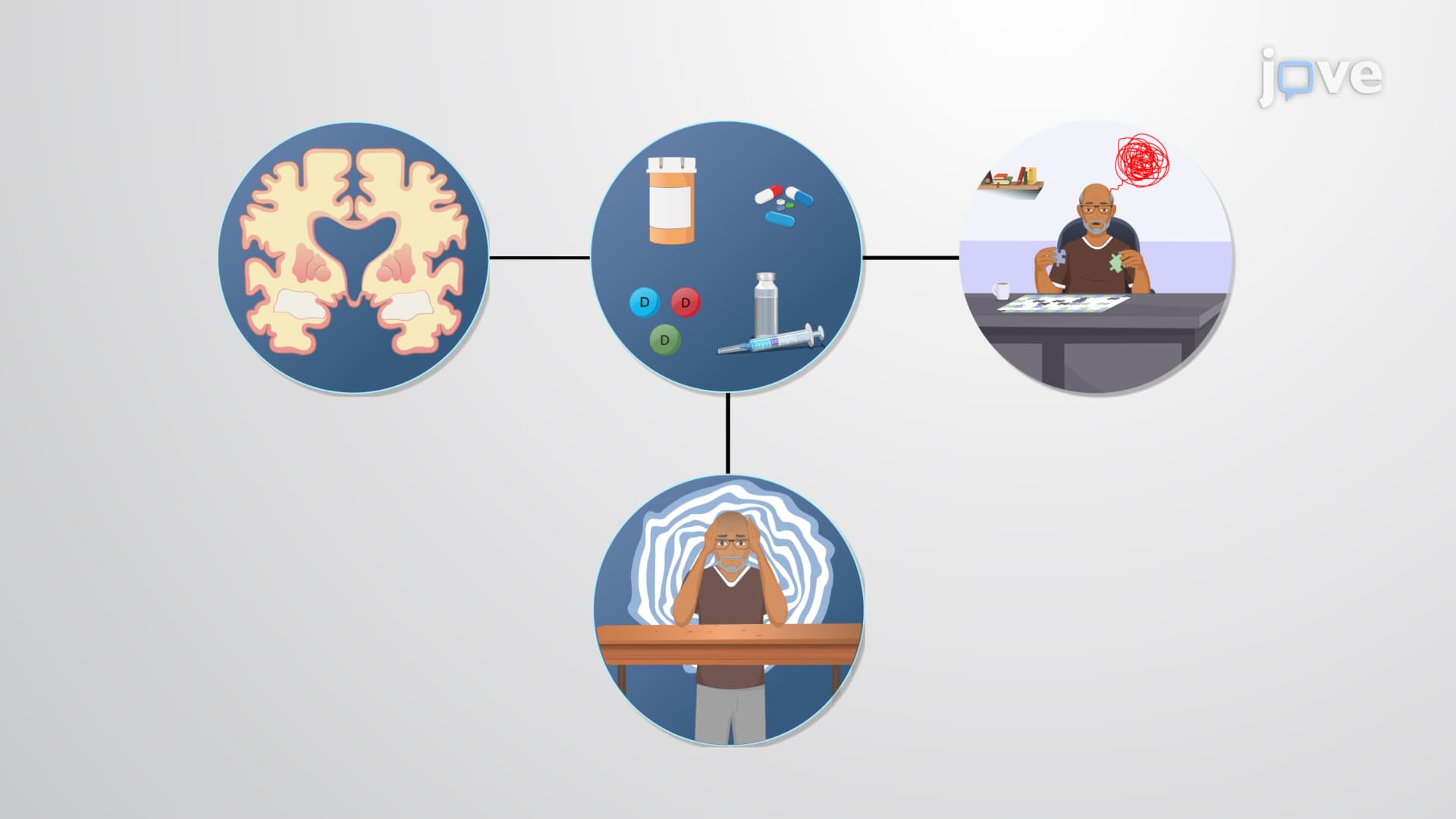
What is depression represents one of the most critical topics in modern mental health education. Depression encompasses a spectrum of mood disorders that significantly impact an individual's emotional, cognitive, and physical well-being. Unlike temporary sadness or grief, clinical depression persists for extended periods and substantially impairs daily functioning.
The depression definition explained includes several distinct categories. Major Depressive Disorder (MDD) represents the most common form, characterized by episodes lasting at least two weeks with significant functional impairment. Persistent Depressive Disorder (formerly dysthymia) involves chronic, lower-grade depression lasting two years or more. Bipolar I and II disorders feature alternating depressive and manic episodes, with Bipolar I involving full manic episodes and Bipolar II featuring hypomanic episodes.
Students preparing for the MCAT or AP Psychology exams should understand that these classifications appear frequently in clinical vignettes. The Diagnostic and Statistical Manual of Mental Disorders (DSM-5), published by the American Psychiatric Association, provides standardized criteria used by healthcare professionals nationwide.
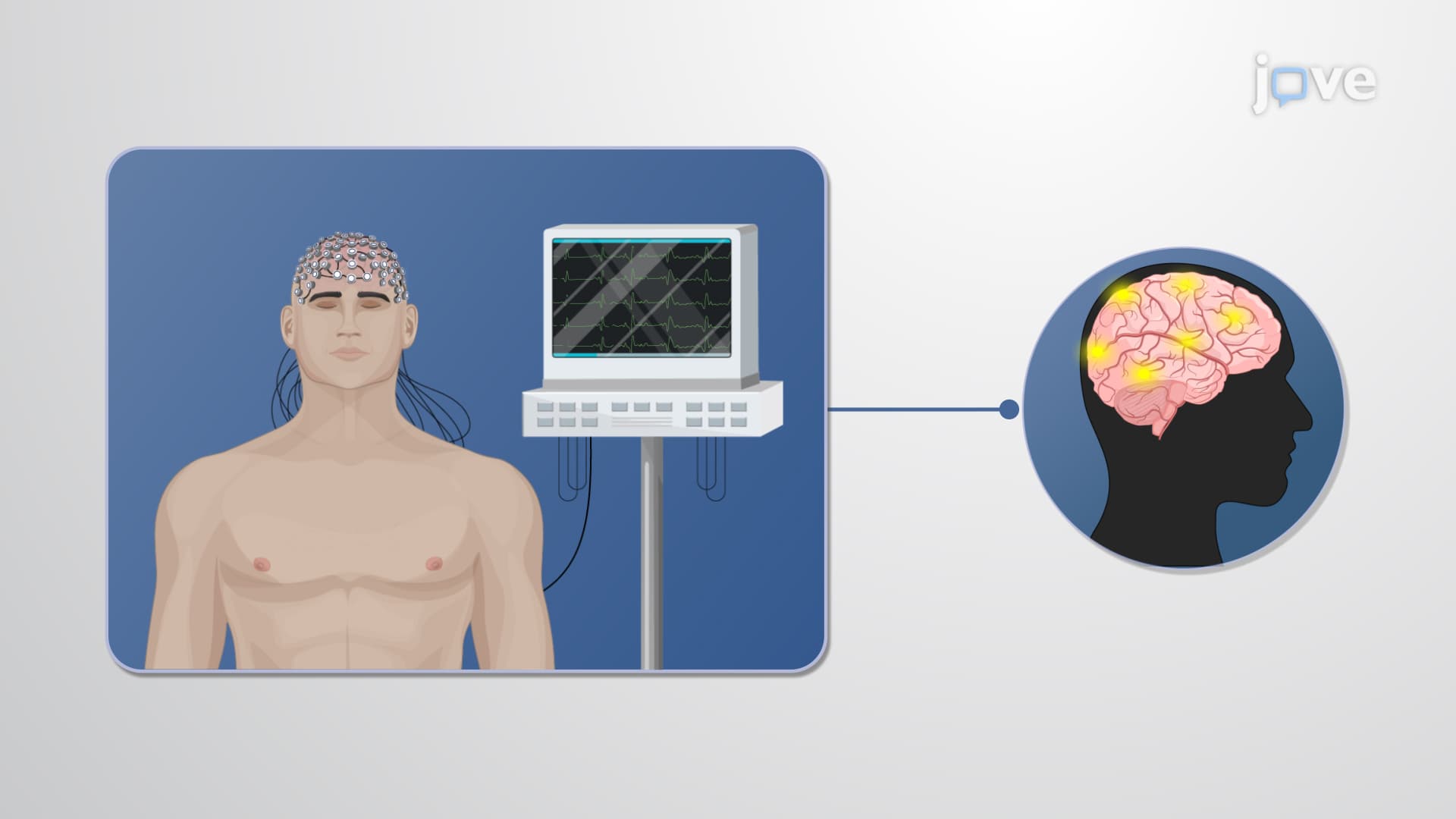
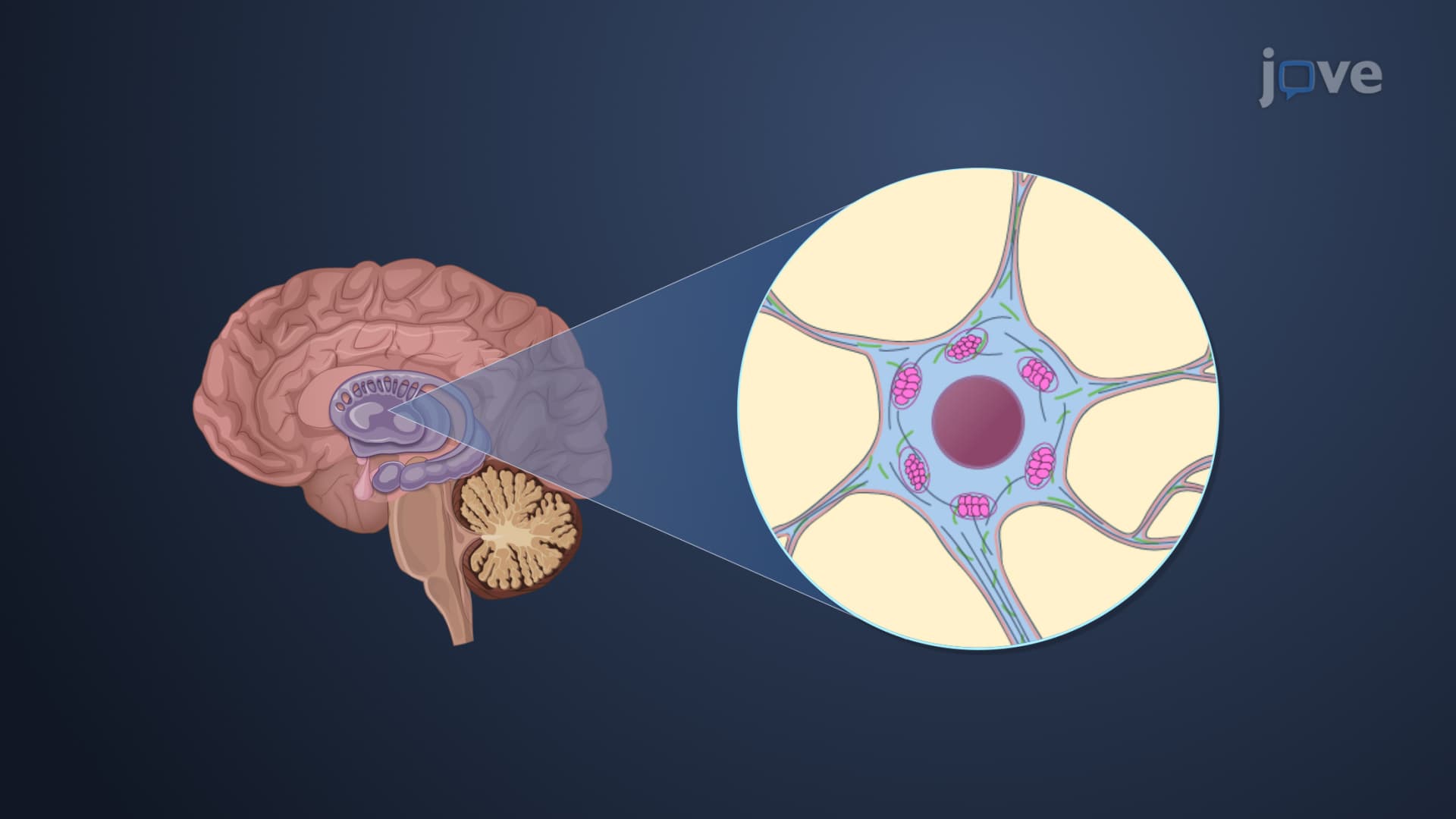
The depression overview reveals complex neurobiological underpinnings involving multiple brain regions. The prefrontal cortex, responsible for executive function and decision-making, shows decreased activity in depressed individuals. The amygdala, which processes emotional responses, often exhibits hyperactivity, contributing to heightened stress responses. The hippocampus, crucial for memory formation, frequently shows volume reduction in chronic depression cases.
Research from institutions like Johns Hopkins University and Stanford Medical School demonstrates that these structural changes can be measurable through neuroimaging techniques. Students studying for the USMLE should recognize that these findings support both the monoamine hypothesis and newer neuroplasticity theories of depression.
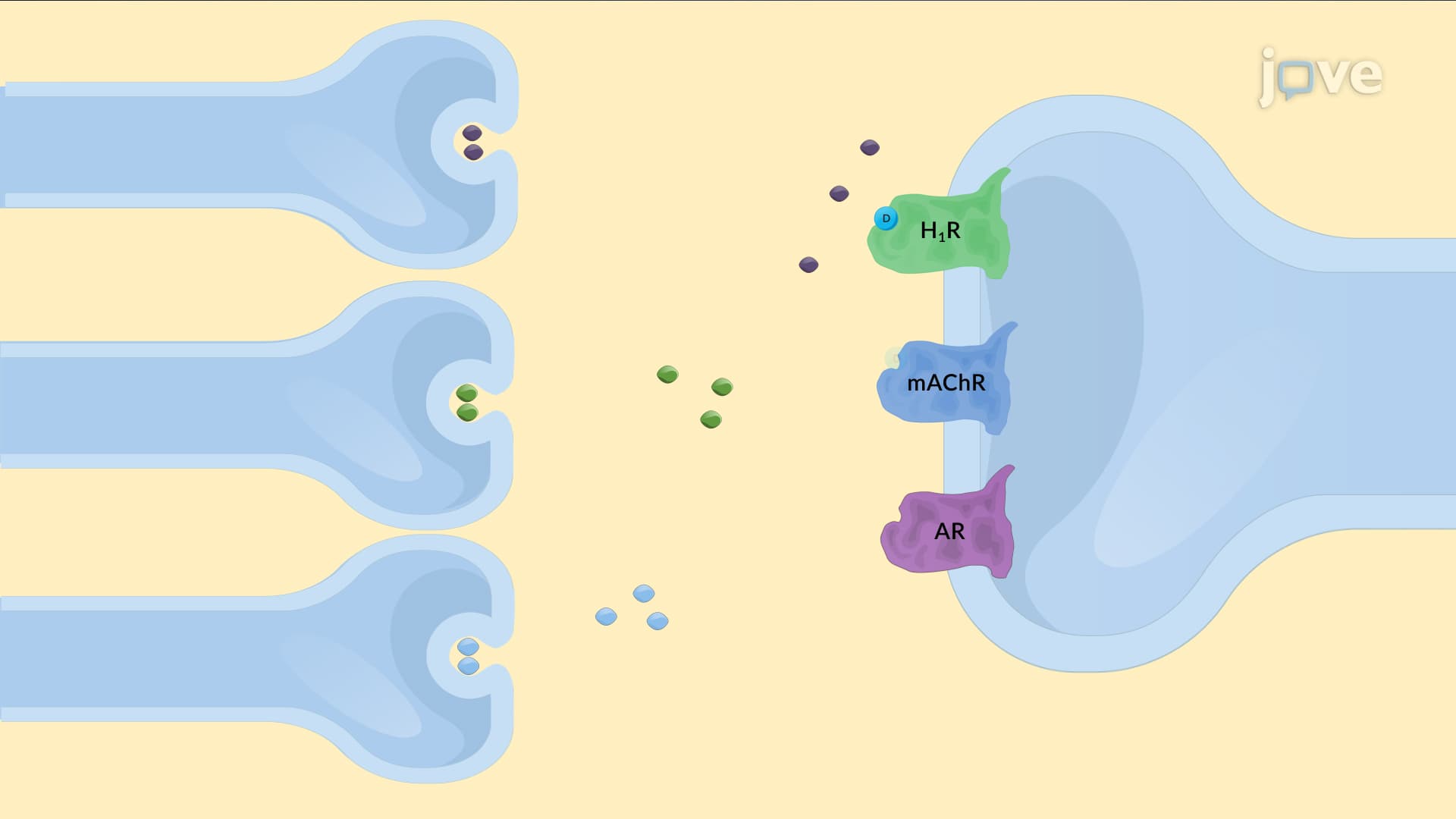
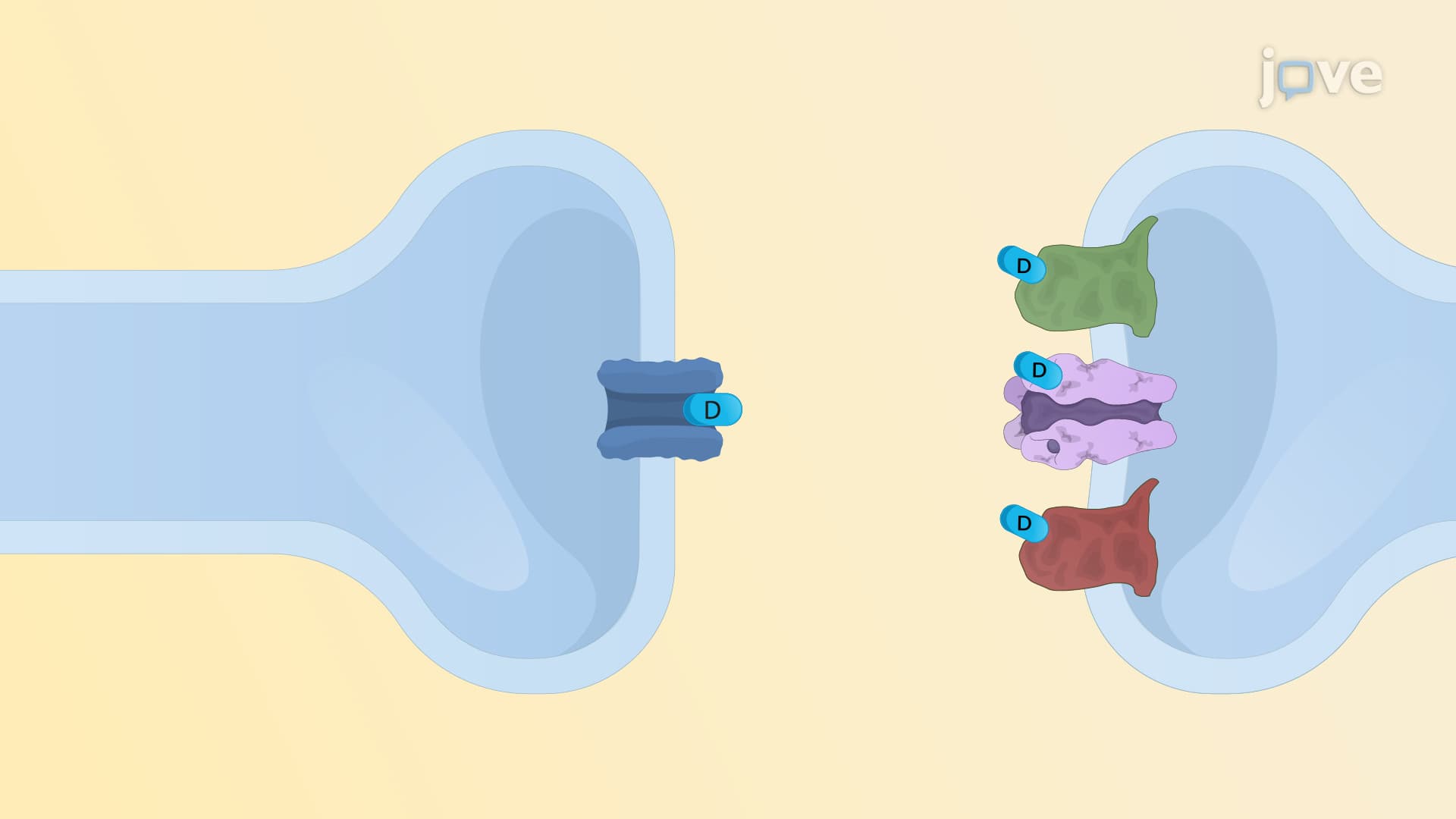
The monoamine deficiency theory suggests that reduced levels of serotonin, norepinephrine, and dopamine contribute to depressive symptoms. This theory underlies the development of selective serotonin reuptake inhibitors (SSRIs) and other antidepressant medications approved by the FDA. However, the neurotrophic factor hypothesis proposes that reduced brain-derived neurotrophic factor (BDNF) impairs neuronal growth and connectivity, offering alternative therapeutic targets.
Hormonal imbalances, particularly elevated cortisol from chronic stress activation, create additional complexity. The hypothalamic-pituitary-adrenal (HPA) axis dysregulation often perpetuates depressive episodes, explaining why stress management becomes crucial in treatment protocols used across American healthcare systems.
Related Micro-courses