Loading video…


 8 Concepts
 6.2K views


Video Summary: What Is Parkinsons Disease Treatment
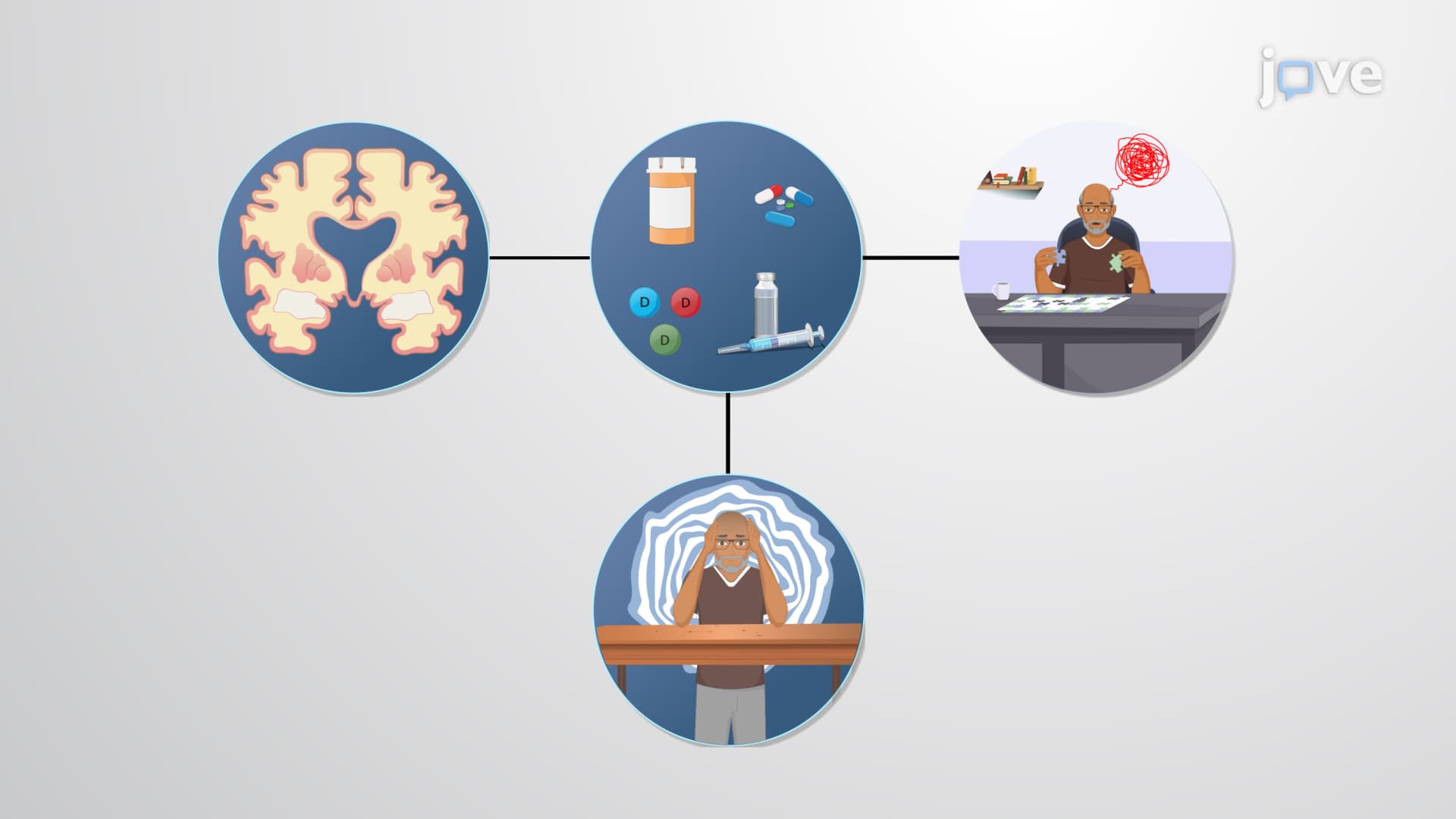
Imagine a 65-year-old retired teacher from Boston struggling with trembling hands and stiff movements-this is Parkinson's disease treatment in action. Parkinson's disease treatment involves multiple therapeutic approaches targeting the brain's dopamine deficiency, from levodopa therapy to surgical interventions like deep brain stimulation. The Cleveland Clinic reports that proper treatment can significantly improve quality of life for over one million Americans living with this condition. Watch the full video on JoVE Coach to master this concept with expert-led visuals and step-by-step explanations.
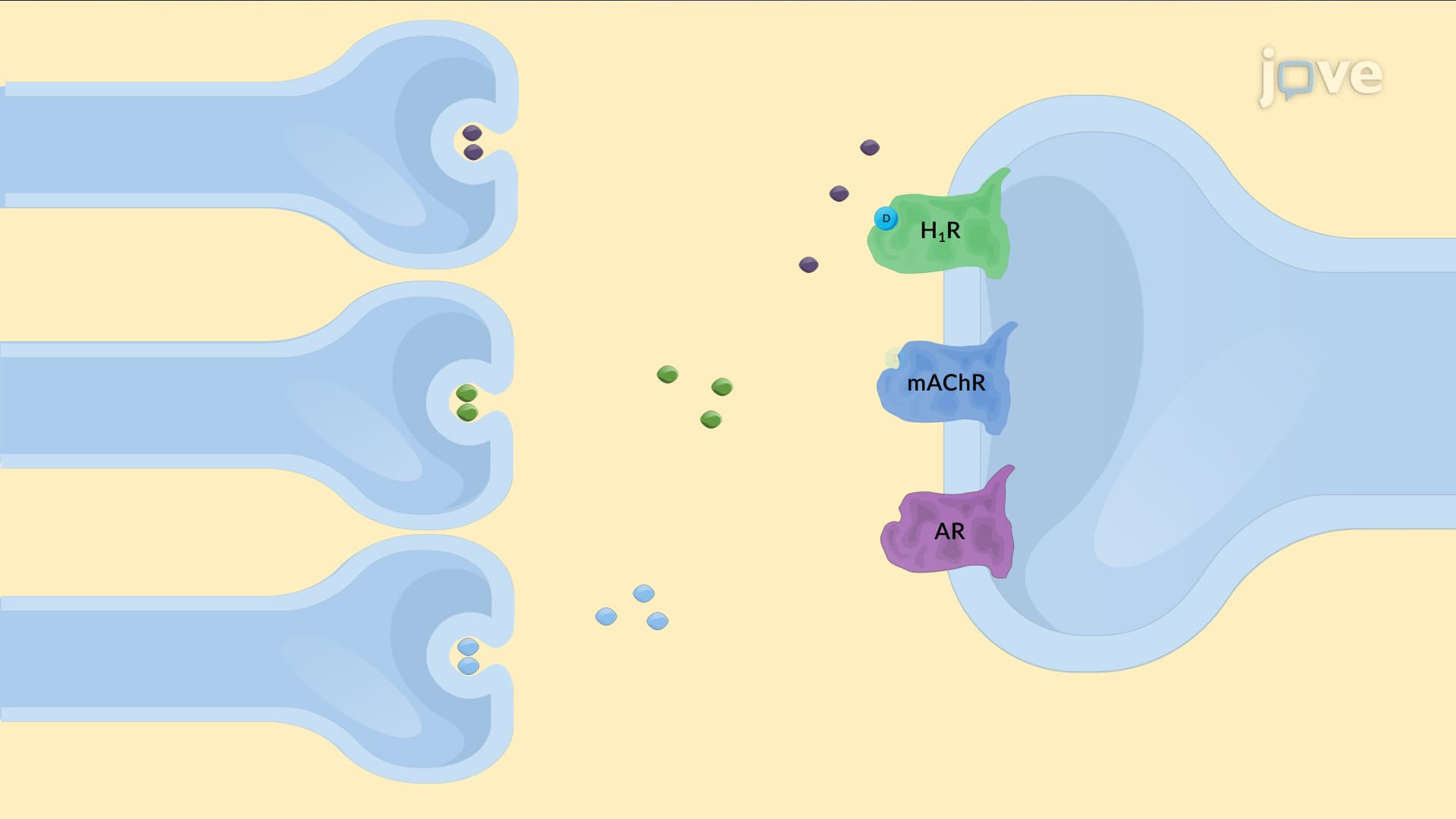
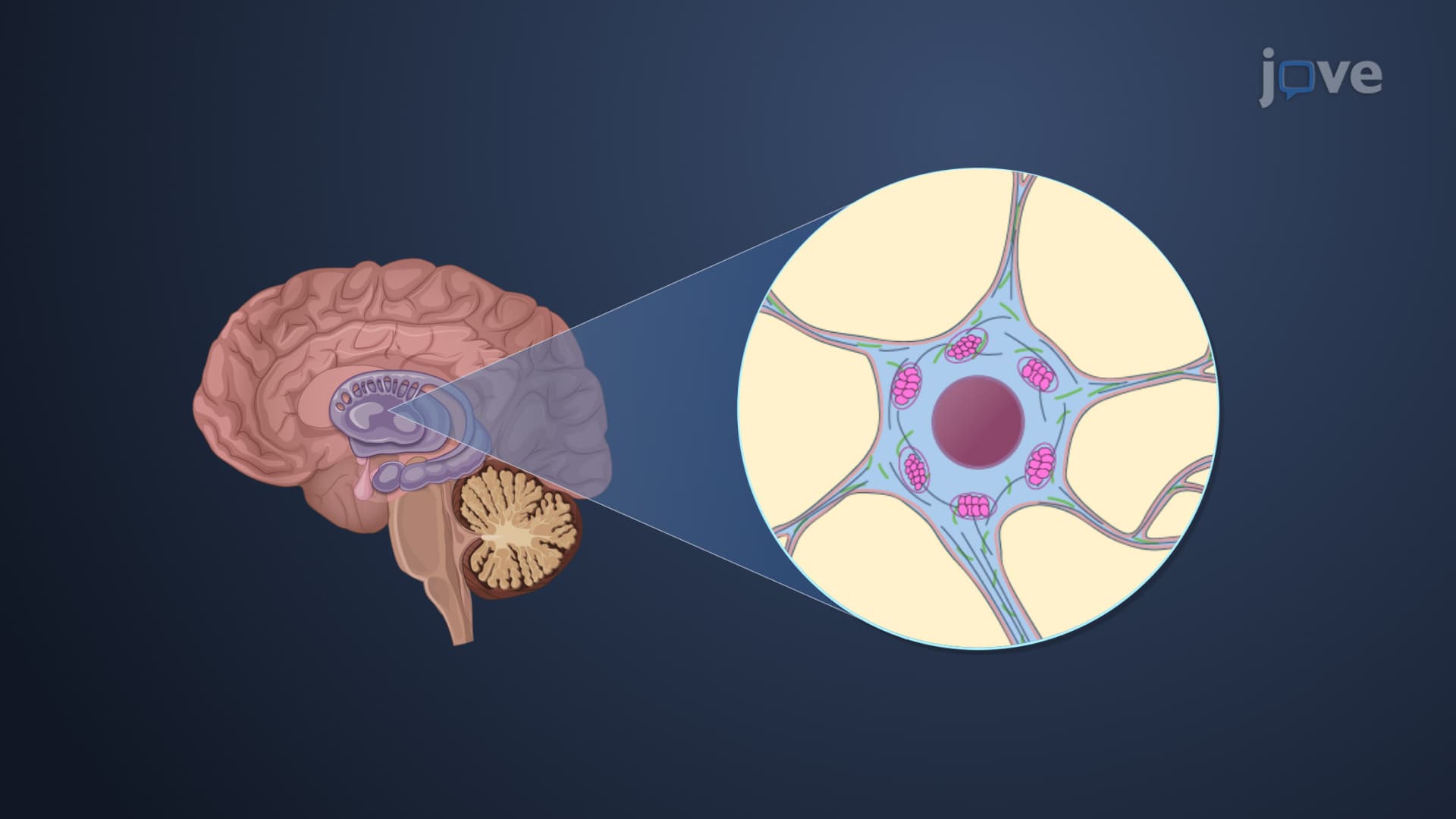
Parkinson's disease treatment centers on addressing the progressive loss of dopamine-producing neurons in the substantia nigra, a brain region critical for movement control. This neurodegenerative condition affects approximately 1.5% of Americans over age 65, making effective treatment strategies essential for maintaining quality of life. The treatment approach focuses on restoring the delicate balance between dopamine and acetylcholine neurotransmitters that becomes disrupted as the disease progresses.
Levodopa remains the gold standard in Parkinson's disease treatment, functioning as a dopamine precursor that crosses the blood-brain barrier. Unlike dopamine itself, levodopa can enter the brain where it converts to dopamine, effectively replenishing depleted stores. Healthcare providers at institutions like Mayo Clinic and Johns Hopkins consistently prescribe levodopa combined with carbidopa, which prevents premature conversion of levodopa in peripheral tissues. This combination, marketed as Sinemet in the United States, maximizes therapeutic benefits while minimizing gastrointestinal side effects.
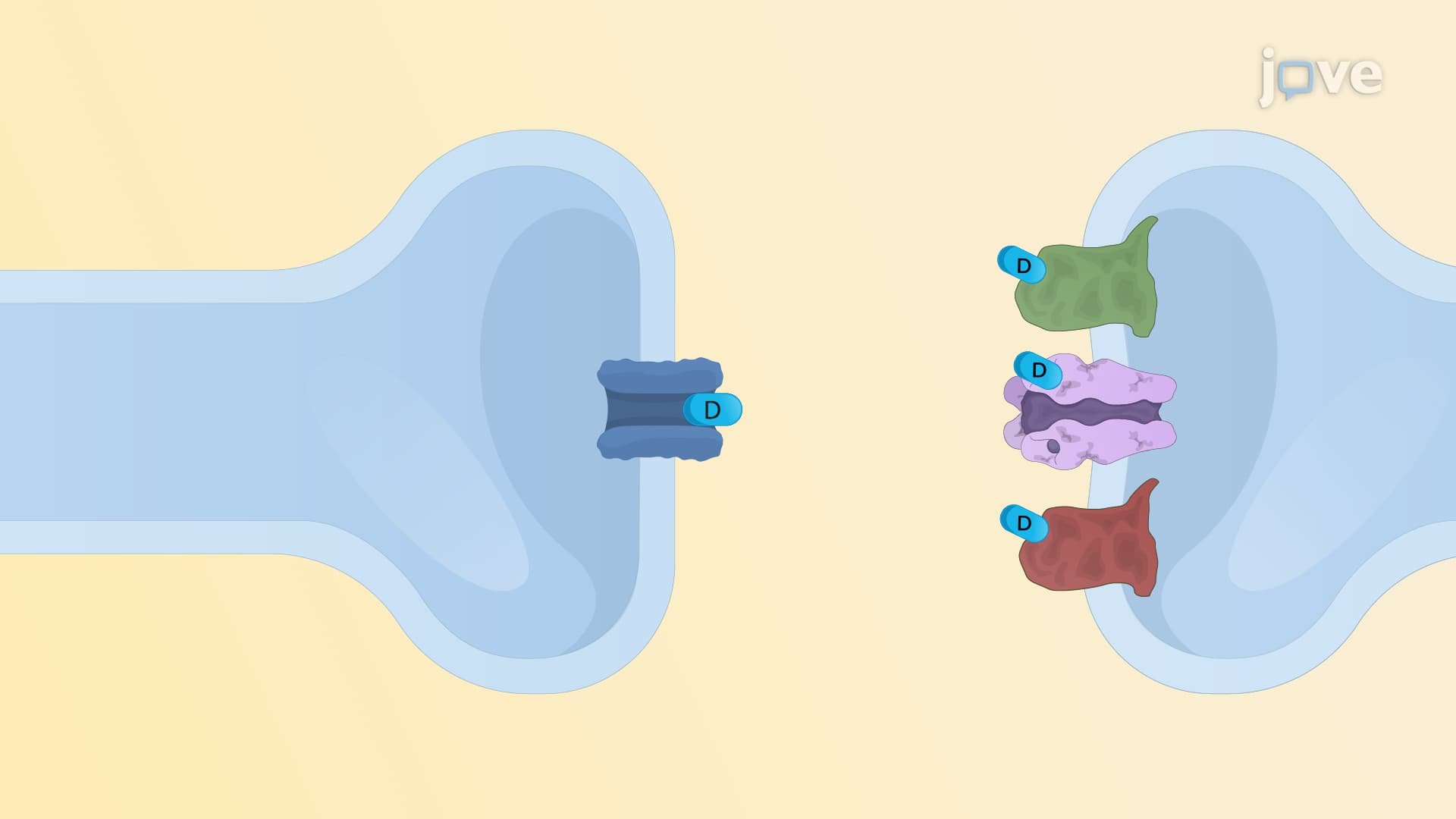
Dopamine receptor agonists represent another cornerstone of treatment, directly stimulating dopamine receptors without requiring conversion. Medications like pramipexole and ropinirole are particularly valuable for younger patients or those in early disease stages. MAO-B inhibitors such as selegiline work by blocking the enzyme responsible for dopamine breakdown, effectively increasing available dopamine concentrations in the brain.
COMT inhibitors like entacapone enhance levodopa therapy by blocking catechol-O-methyltransferase, the enzyme that degrades levodopa before it reaches the brain. This mechanism allows lower levodopa doses while achieving superior symptom control. Anticholinergic medications address the cholinergic-dopaminergic imbalance by reducing acetylcholine activity, particularly effective for tremor management in younger patients.
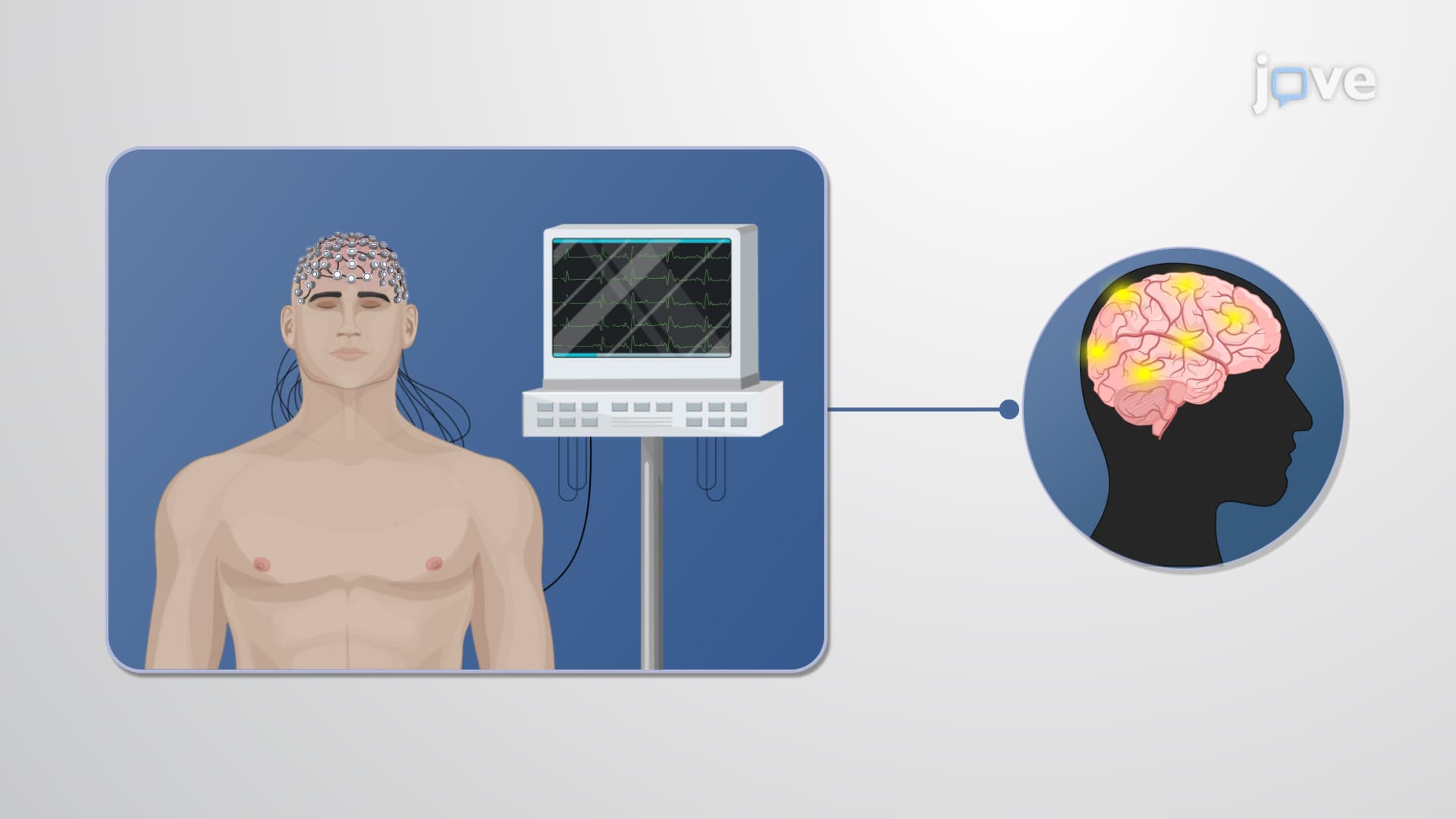
For patients with advanced disease or medication-resistant symptoms, deep brain stimulation (DBS) offers a surgical solution. Major US medical centers like Cleveland Clinic and Stanford Medicine perform DBS procedures, implanting electrodes in specific brain regions to modulate abnormal neural activity. This treatment option has shown remarkable success in reducing motor symptoms and medication requirements, particularly benefiting patients experiencing levodopa-induced dyskinesias.
Students preparing for the MCAT or AP Biology exams should understand how these treatments relate to fundamental neuroscience principles, including synaptic transmission and neurotransmitter pathways. College-level pharmacology courses often examine these mechanisms in detail, emphasizing the clinical reasoning behind combination therapies and personalized treatment approaches.
Related Micro-courses