Loading video…


 10 Concepts
 6K views

Video Summary: Enteric Nervous System Regulation of Explained
Did you know your gut contains more nerve cells than your spinal cord? The enteric nervous system regulation of gastrointestinal motor activity controls everything from the rumbling stomach you feel during a fasting state to the coordinated muscle contractions that move your breakfast through your intestines. This intricate "second brain" operates independently while responding to signals from your central nervous system, managing critical processes like the migrating myoelectric complex and peristalsis. Watch the full video on JoVE Coach to master this concept with expert-led visuals and step-by-step explanations.
The enteric nervous system regulation of gastrointestinal motor activity represents one of the most sophisticated examples of autonomous neural control in human physiology. Unlike other organ systems that rely heavily on central nervous system input, the ENS operates as an independent "mini-brain" capable of coordinating complex digestive processes without direct brain involvement.
The ENS consists of approximately 500 million neurons organized into two primary plexuses: the myenteric plexus (Auerbach's plexus) located between muscle layers, and the submucosal plexus (Meissner's plexus) positioned in the submucosa. These neural networks span the entire length of the digestive tract from the esophagus to the anus, creating an integrated communication system that monitors local conditions and adjusts motor activity accordingly.
Medical students preparing for the USMLE Step 1 frequently encounter questions about ENS organization, particularly regarding how interneurons within these plexuses process sensory information and coordinate motor responses. The system's ability to function independently becomes clinically relevant in conditions like Hirschsprung's disease, where congenital absence of enteric neurons leads to severe motility disorders.
The ENS demonstrates remarkable plasticity by switching between distinct motor programs based on nutritional status. During fasting periods, typically 3-4 hours after eating, the system initiates the migrating myoelectric complex (MMC) - a cyclical pattern of electrical activity that sweeps through the digestive tract every 90-120 minutes. This "housekeeping" function prevents bacterial overgrowth and clears undigested debris.
In contrast, the fed state triggers high-frequency, segmental contractions that facilitate mixing and gradual propulsion of food. This switch exemplifies how ENS regulation adapts to physiological demands, a concept frequently tested on AP Biology exams and college physiology courses.
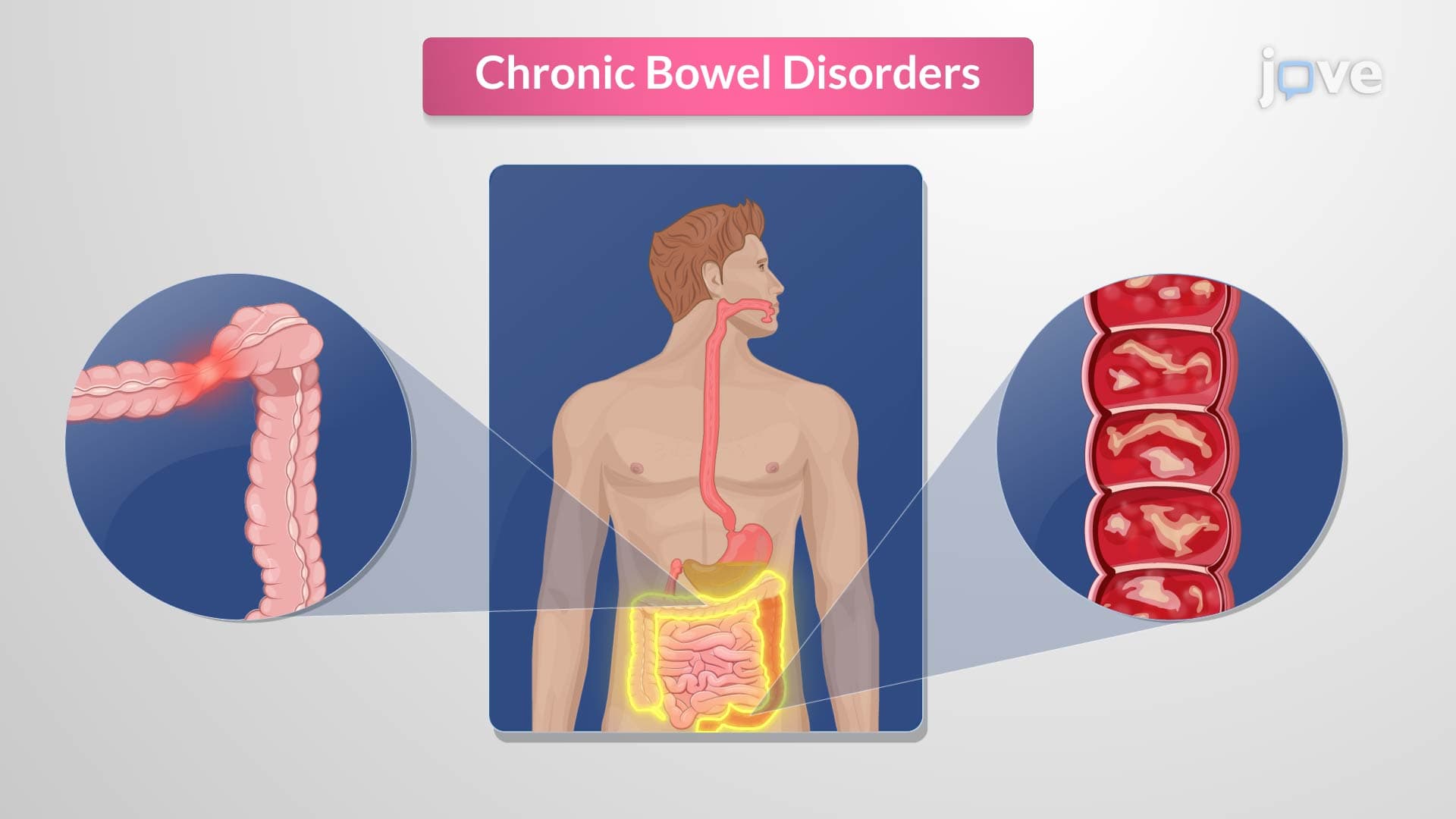
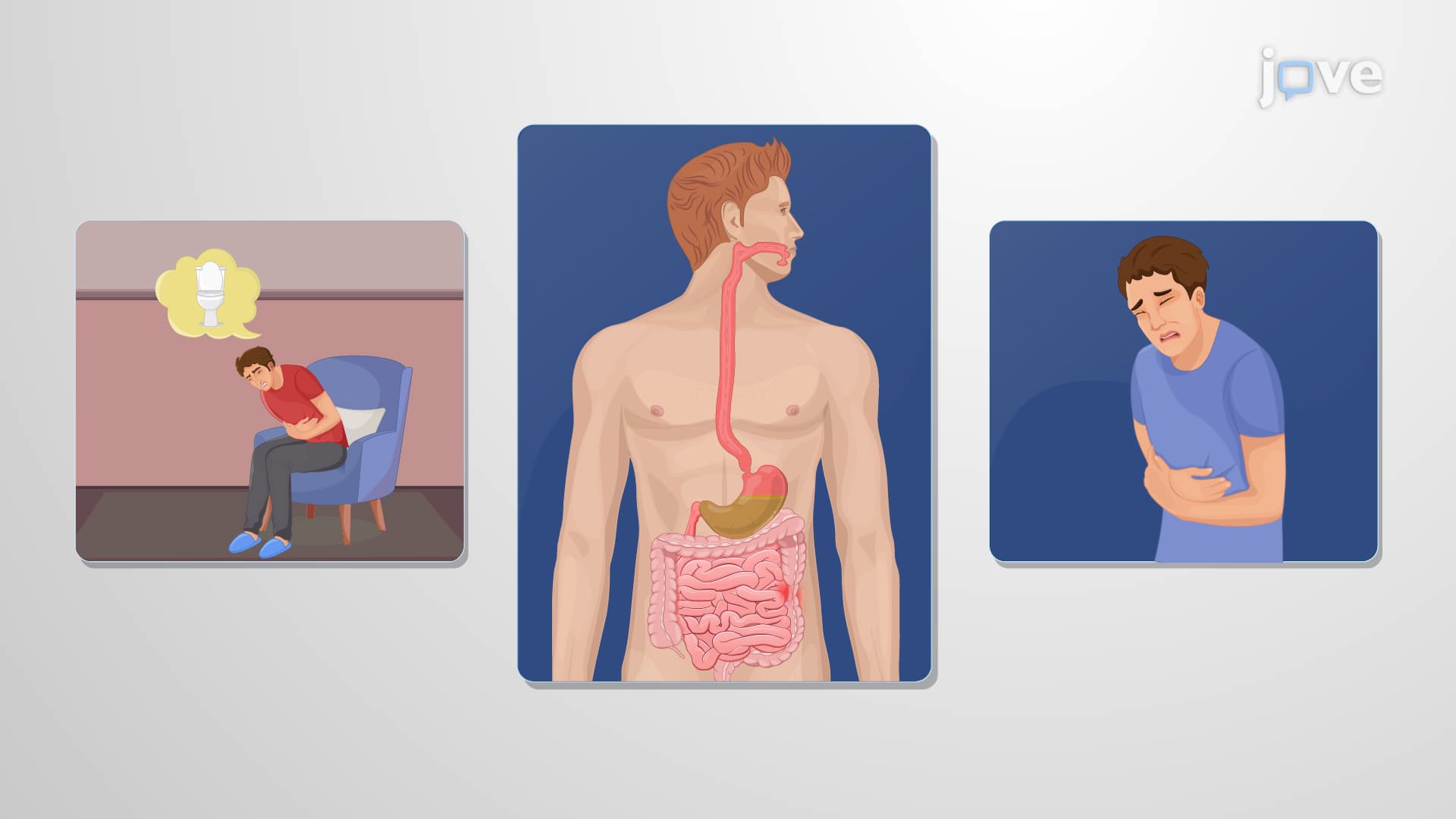
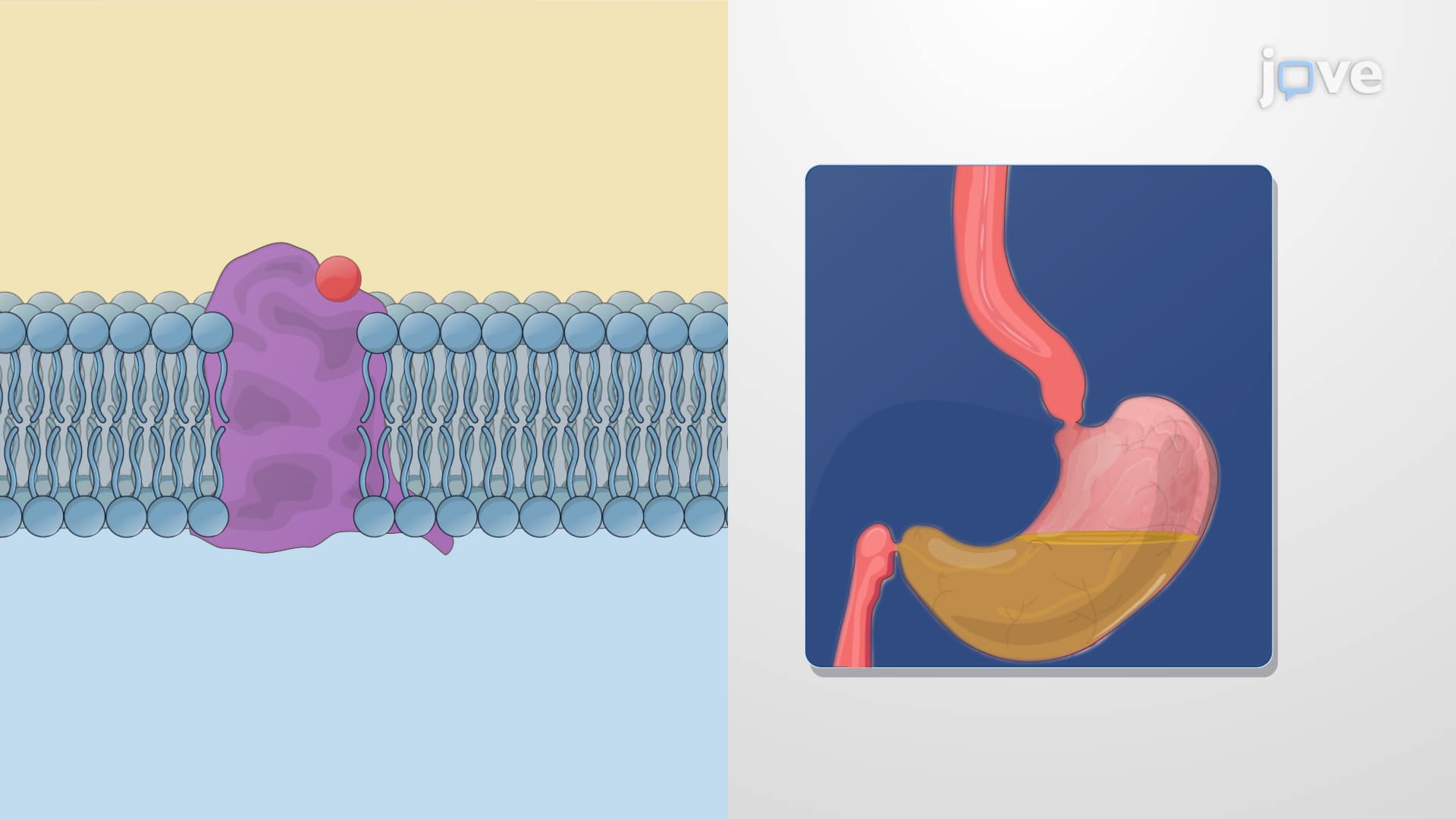
Understanding ENS regulation proves essential for healthcare professionals treating gastrointestinal disorders. Conditions like gastroparesis in diabetic patients involve ENS dysfunction, where delayed gastric emptying results from impaired neural control. Similarly, irritable bowel syndrome often involves altered ENS sensitivity and motor patterns, highlighting the system's role in both normal physiology and disease states.
Related Micro-courses