Loading video…


 10 Concepts
 6K views

Video Summary: Physiology of Enteric Nervous System Explained
Did you know your gut contains over 500 million neurons-more than your spinal cord? The physiology of enteric nervous system reveals how your digestive tract operates as an independent "second brain," controlling everything from the rhythmic contractions that move food through your intestines to the secretions that break down a McDonald's Big Mac. This intricate network, featuring the myenteric and submucosal plexuses, coordinates digestion without conscious thought. Watch the full video on JoVE Coach to master this concept with expert-led visuals and step-by-step explanations.
The enteric nervous system represents one of medicine's most fascinating discoveries-a neural network so sophisticated that gastroenterologists often call it the "little brain" of the gut. Unlike other organ systems that rely heavily on central nervous system control, the ENS operates with remarkable autonomy, containing approximately 500 million neurons embedded within the gastrointestinal wall from esophagus to rectum.
The ENS organizes into two distinct but interconnected networks. The myenteric plexus (Auerbach plexus) sits between the longitudinal and circular muscle layers, primarily orchestrating the rhythmic contractions essential for peristalsis. When you swallow food at a restaurant, this plexus coordinates the wave-like muscular contractions that propel your meal from esophagus to stomach to intestines-a process requiring zero conscious effort.
The submucosal plexus (Meissner plexus) operates closer to the intestinal lumen, controlling secretions from goblet cells, enzyme release from intestinal glands, and local blood flow regulation. This plexus ensures optimal conditions for nutrient absorption, adjusting secretions based on the chemical composition of intestinal contents.
The GI tract's three-tiered barrier system works in harmony with ENS regulation. The secretory barrier produces mucus and antimicrobial proteins, while tight junctions between epithelial cells form the physical barrier. The immune barrier deploys specialized cells and antimicrobial peptides. ENS dysfunction can compromise these barriers, contributing to conditions frequently tested on the MCAT and covered in undergraduate physiology courses.
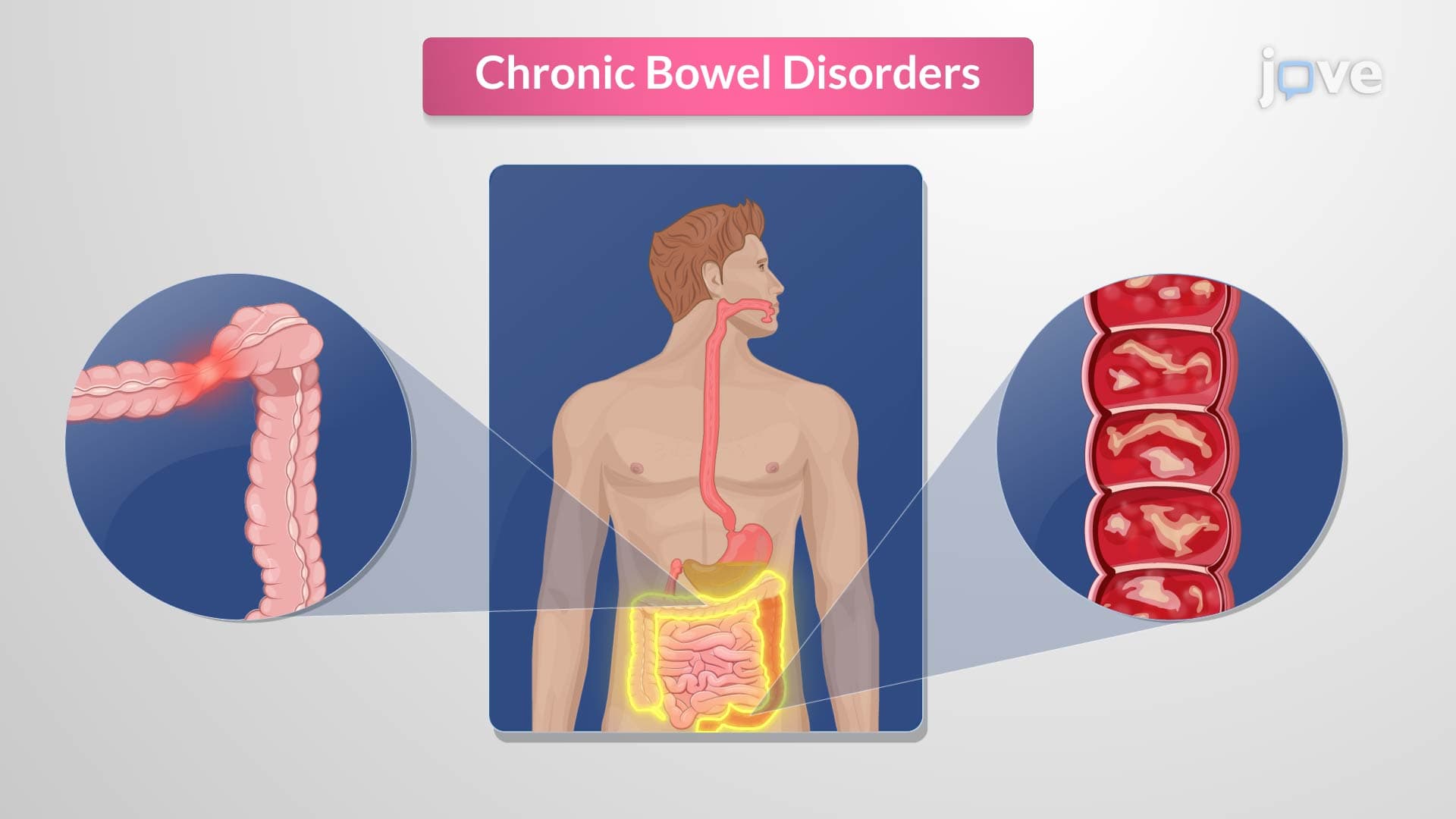
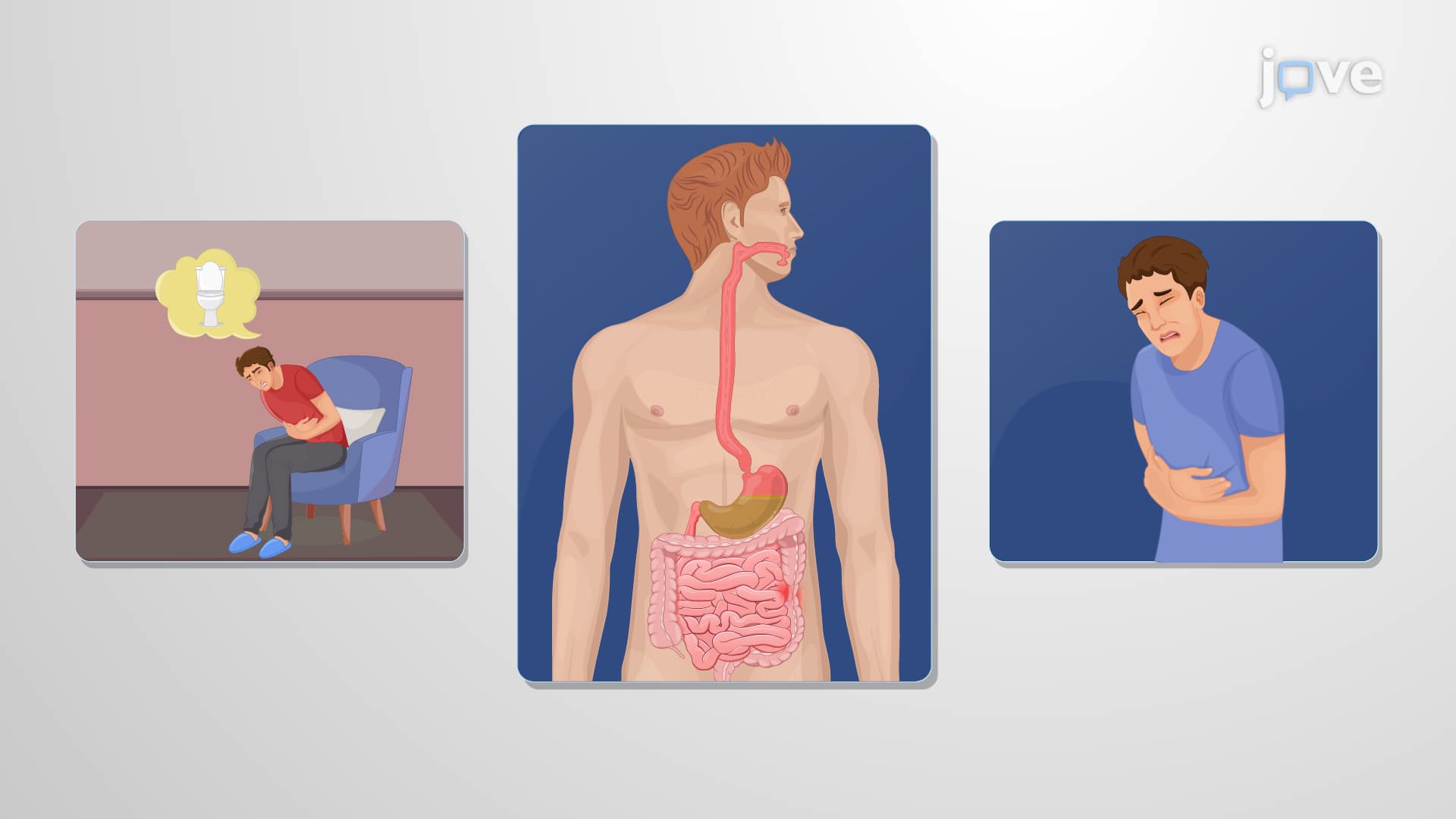
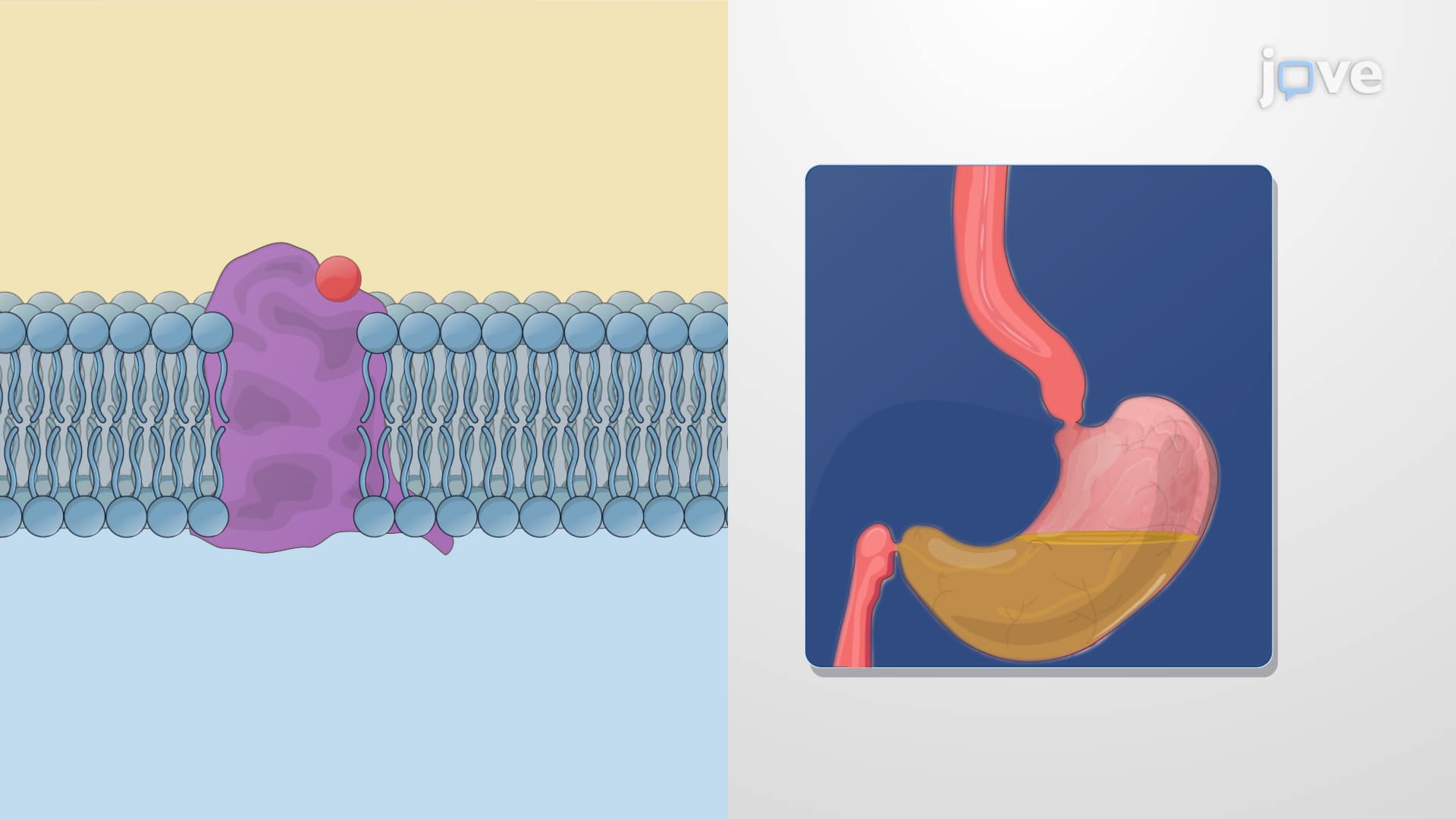
Understanding ENS physiology proves crucial for diagnosing digestive disorders. Gastroparesis, common in diabetic patients, involves ENS damage affecting gastric motility. Irritable bowel syndrome may involve altered ENS signaling, explaining symptoms like abdominal pain and irregular bowel movements. Medical students studying for the USMLE Step 1 must grasp how medications affecting neurotransmitter systems can inadvertently impact ENS function, causing side effects like constipation or diarrhea.
Related Micro-courses